
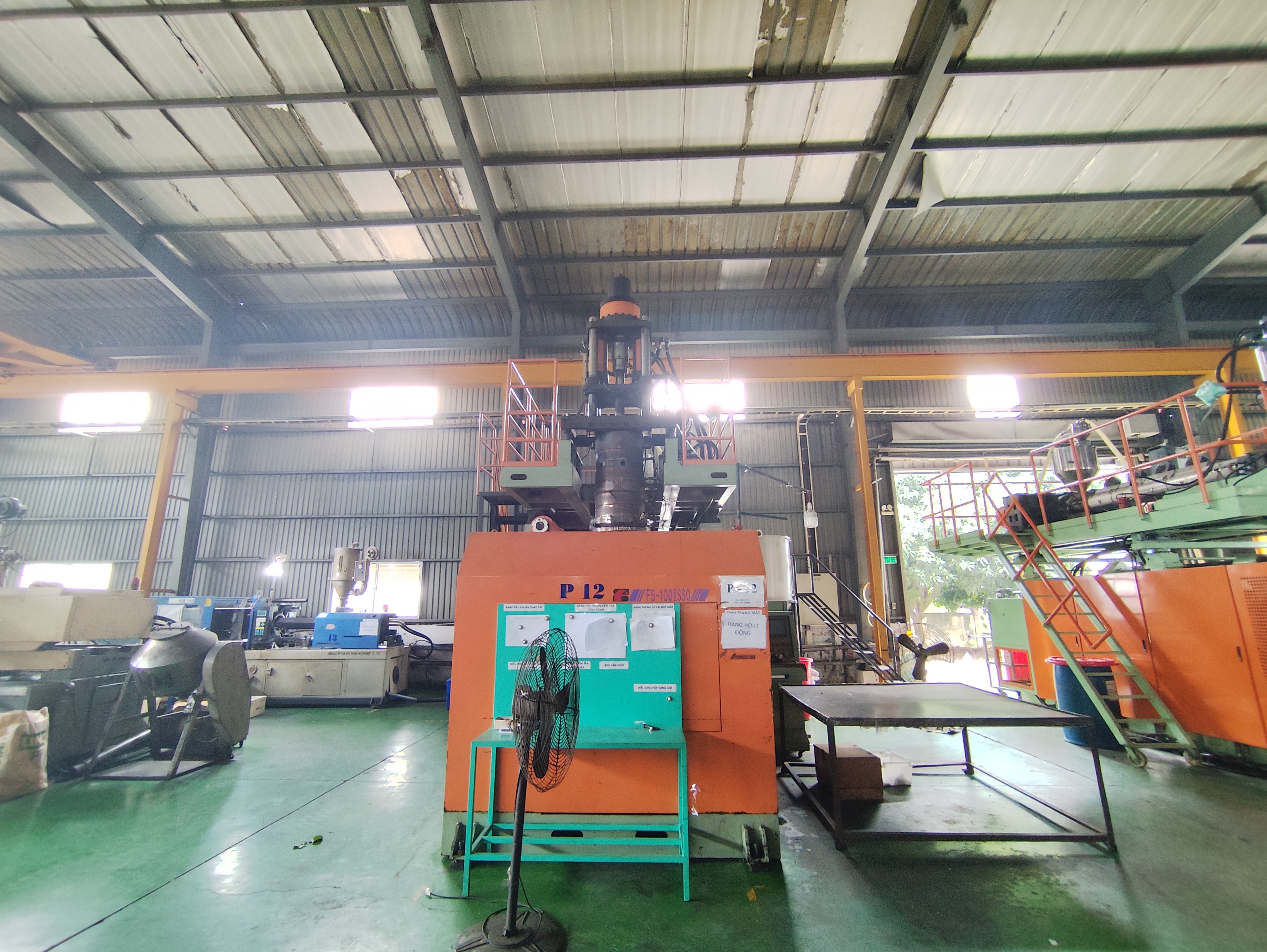
Every week, our team in Singapore fields the same question from U.S. purchasing managers: should I source sheet metal fabrication 1 through a digital manufacturing platform or go direct to an offline factory?
Online platforms are best for speed, instant quoting, and low-risk prototyping, while offline factories excel at cost efficiency, engineering support, and recurring production runs. The right choice depends on your project complexity, volume, tolerance requirements, and supply chain optimization goals.
This is not a simple either-or decision. The sourcing landscape has changed fast in the last five years supply chain optimization goals 2. New hybrid models blur the old lines between digital convenience and factory-direct control. Below, I break down the key questions our clients ask most — tolerances, project management, payment terms, and risk — so you can make a confident, informed sourcing decision for your custom metal parts.
How do I ensure my complex sheet metal tolerances are met when sourcing through an online platform versus a direct factory?
A client once sent us a drawing for a stainless steel mounting bracket with ±0.05 mm tolerances on critical mating surfaces — and asked whether an online platform could reliably hit those numbers without any human conversation complex sheet metal tolerances 3.
To ensure complex sheet metal tolerances are met, online platforms rely on automated design for manufacturability checks and vetted supplier networks, while direct factories offer hands-on engineering review, iterative sampling, and real-time process adjustments that reduce the risk of first-article failures.
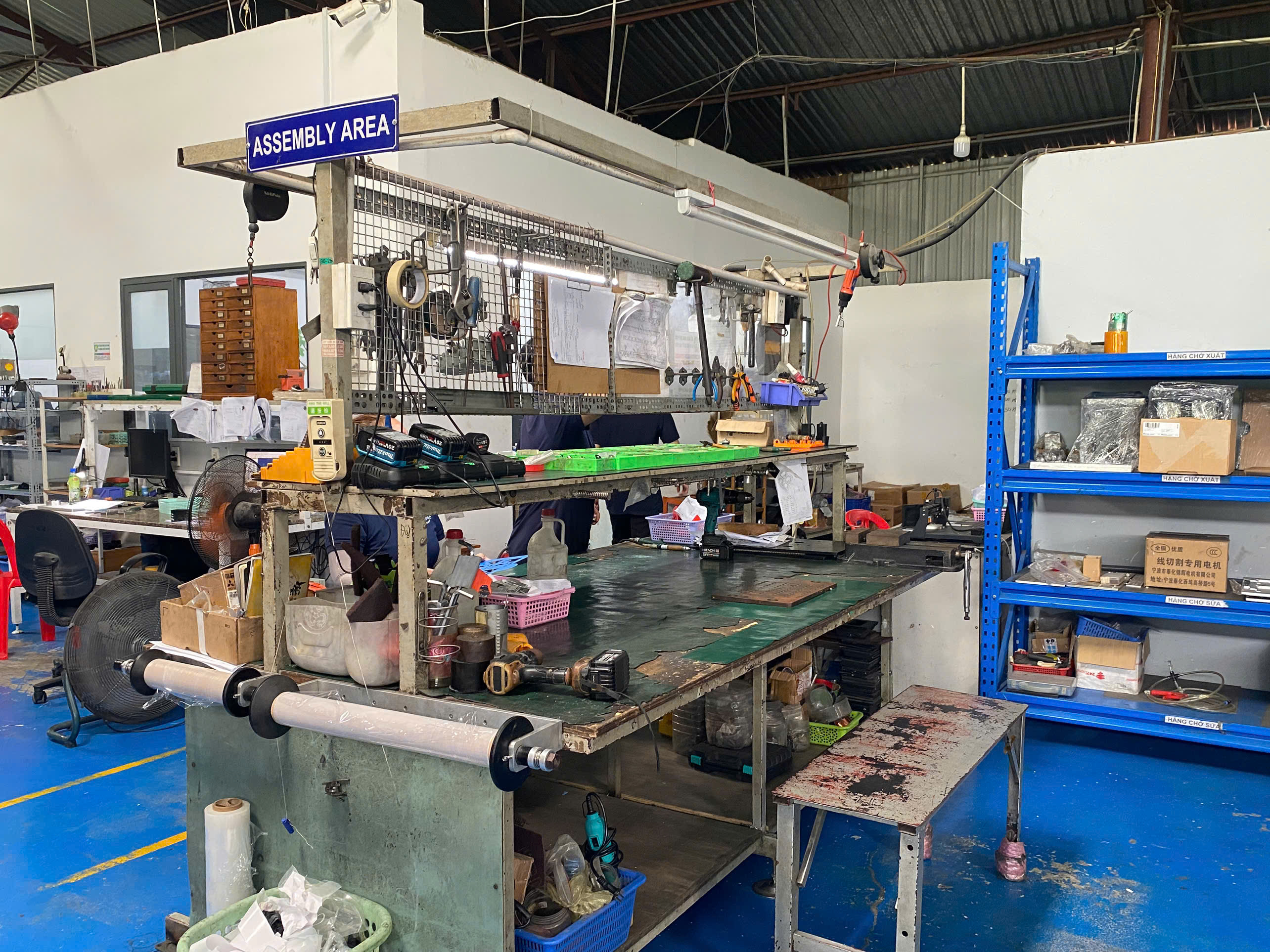
How Online Platforms Handle Tolerances
Digital manufacturing platform 4s like Xometry, Fictiv, and RapidDirect use automated quoting engines. You upload a CAD file, and the system parses geometry, identifies features, and returns a price 60-day payment terms 5. Some platforms include instant DFM feedback — flagging thin walls, tight bends, or features that may exceed standard tolerance capability.
This works well for straightforward parts. Standard sheet metal tolerances (±0.1 mm to ±0.5 mm) are within reach of most qualified shops in these networks. Xometry, for example, connects to over 4,000 global suppliers, and their system routes jobs to shops with matching capability.
But here is where it gets tricky. When your drawing calls for non-standard tolerances — say ±0.05 mm on a formed feature — the automated system may not flag the risk. You are trusting the platform's supplier vetting process to catch it. Some platforms, like Hubs (with 250+ vetted suppliers), apply stricter qualification. Others rely on the supplier to self-assess.
How Direct Factories Handle Tolerances
When we manage a project through our supply chain in Vietnam or China, our engineers sit with the factory team before production starts. They review every critical dimension. They discuss tooling, press tonnage, material grain direction, and inspection methods. This is where tolerance risk gets managed — before the first blank is cut.
Direct factories also allow iterative sampling. If the first article is 0.03 mm off, the team adjusts the die or fixture and re-runs. On a platform, this loop can take days of back-and-forth emails. In a direct relationship, it happens on the shop floor in hours.
Tolerance Capability Comparison
| Factor | Online Platform | Direct Factory |
|---|---|---|
| Standard tolerances (±0.1–0.5 mm) | Reliable across most suppliers | Reliable with process control |
| Tight tolerances (±0.05 mm or less) | Risk of mismatch; depends on vetting | Managed through engineering review |
| DFM feedback | Automated, fast, but surface-level | Manual, detailed, iterative |
| First-article approval | Remote inspection reports | On-site measurement and adjustment |
| Communication on critical dims | Email or ticket-based | Direct engineer-to-engineer |
What I Recommend
For prototyping services where tolerances are generous, online platforms save time. For production parts with tight or complex tolerances, a direct factory relationship — or a supply chain partner who manages that relationship — gives you far more control. The key is matching your quality control standards to the sourcing model.
Will an offline factory partner provide better project management and communication for my custom sheet metal needs?
Last quarter, one of our U.S. clients — a purchasing manager at an engineering design firm — told me he had tried three different online platforms for a set of custom enclosures. Each time, he felt like he was "talking to a chatbot, not an engineer."
An offline factory partner typically provides dedicated engineering contacts, proactive communication, and hands-on project management that digital platforms struggle to match — especially for complex, multi-step custom sheet metal projects requiring co-development and iterative design changes.
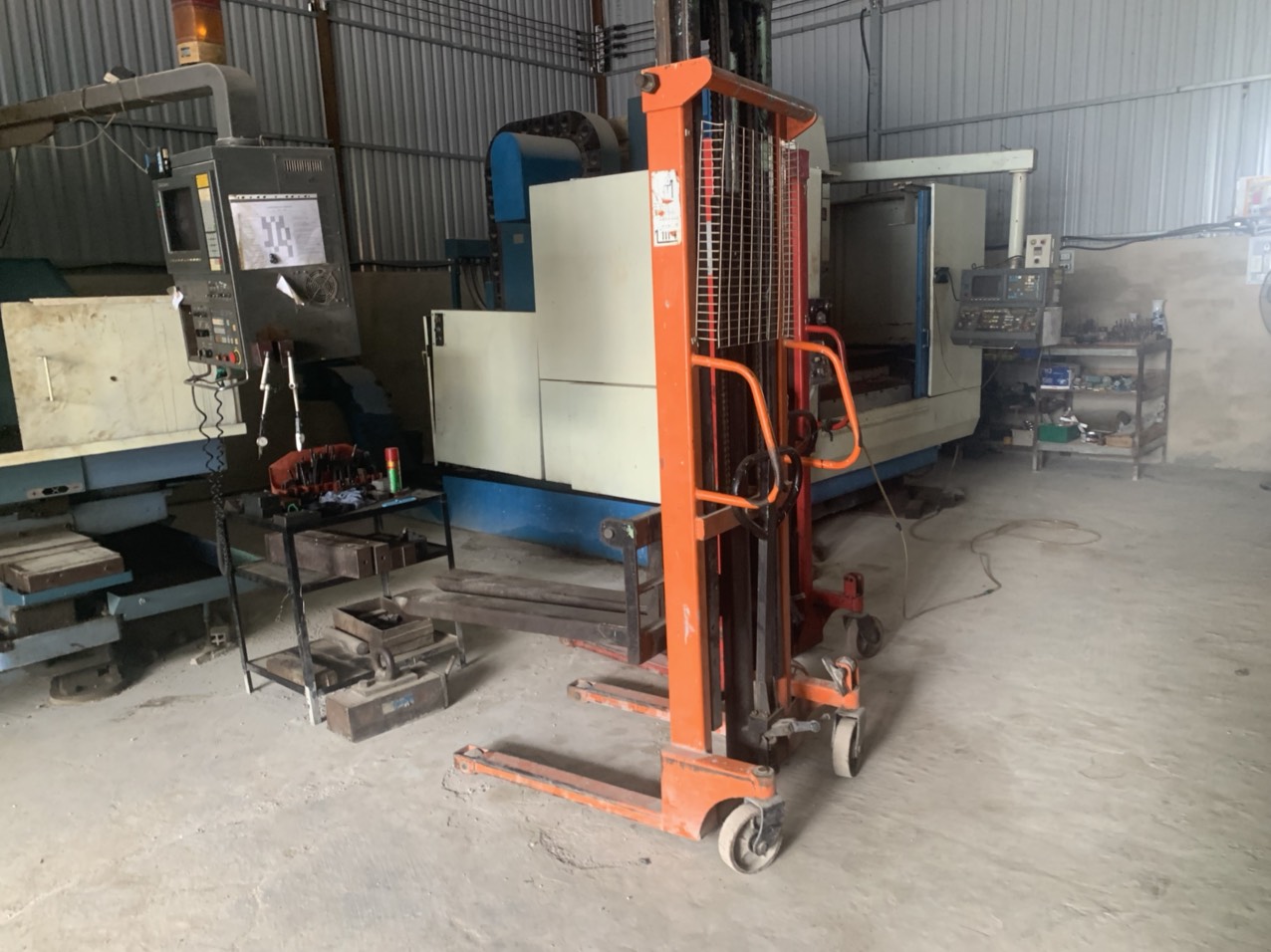
The Communication Gap on Online Platforms
Online platforms prioritize speed and scale. That is their strength. Instant quoting, automated order tracking, and standardized processes keep things moving. But when your project has 15 line items, each with different materials, finishes, and tolerances, you need a human who understands the full scope.
On most digital manufacturing platforms, communication happens through a ticket system or chat window. You may not know which factory is making your parts until after the order is placed. If you have a question about a weld symbol on drawing page 7, it can take a day or more to get a response from the actual fabricator.
What Direct Partnerships Offer
In our experience managing projects between U.S. buyers and Asian factories, the value of a dedicated project manager cannot be overstated. Our team in Vietnam and China conducts pre-production meetings, reviews drawings line by line, and flags issues before they become problems. This is not a luxury — it is how you achieve "right first time" results.
Direct factory relationships also allow for co-development. When a client is still refining a design, they need a partner who can suggest material substitutions, simplify bend sequences, or recommend a different manufacturing process to reduce cost. This kind of engineering collaboration rarely happens on a platform.
Communication Model Comparison
| Communication Aspect | Online Platform | Offline Factory / Supply Chain Partner |
|---|---|---|
| Primary contact | Support agent or ticket system | Dedicated project manager or engineer |
| Response time | Hours to 1–2 business days | Same-day or real-time (during business hours) |
| Drawing review depth | Automated checks + basic human review | Line-by-line manual review with feedback |
| Design change handling | Re-upload and re-quote | Discuss, adjust, and confirm via call/email |
| Factory visibility | Limited (platform manages the relationship) | Full (audit, visit, or partner oversight) |
| Co-development support | Minimal | Active engineering input |
When Platforms Are Enough
For simple, well-defined parts — a flat bracket, a standard enclosure — the platform model works fine. You do not need a dedicated engineer to manage a laser-cut flat plate with standard tolerances. The platform's automated workflow handles it faster and cheaper than setting up a direct relationship.
But when your project grows in complexity — multiple parts, assemblies, surface treatments, and regulatory requirements — the lack of personalized project management becomes a bottleneck. Our clients who source recurring production runs tell us that having a single point of contact who knows their product history saves weeks of re-explanation.
Lead time reduction also improves with direct communication. When an issue arises at 2 a.m. in a Chinese factory, our local team can address it before the U.S. buyer even wakes up. On a platform, that issue sits in a queue.
Can I negotiate 60-day payment terms more effectively with an offline supply chain partner than on a digital platform?
A trade-off I weigh constantly with new clients is how to balance cash flow flexibility against sourcing convenience — and payment terms are often the dealbreaker.
Yes, 60-day or even 90-day payment terms are far more achievable with an offline supply chain partner or direct factory relationship, because digital platforms almost universally require upfront payment or net-30 at best, while established B2B partners can extend open account terms based on trust and volume history.
Why Payment Terms Matter for Sourcing Decisions
For purchasing managers at U.S. sourcing companies, cash flow is not a minor detail. When you are importing custom metal parts from Asia, the timeline from order to delivery can stretch 6–10 weeks. If you pay upfront on day one, your capital is locked for over two months before you can invoice your own customer. Multiply that across dozens of SKUs, and the financial pressure is real.
This is one area where the difference between online platforms and offline partners is stark.
Platform Payment Structures
Most digital manufacturing platforms operate on prepayment or short net terms. Xometry and Fictiv typically require payment at order placement or offer net-30 for approved business accounts. RapidDirect and similar platforms may accept partial deposits with balance due before shipment. None of these models give a purchasing manager the breathing room that 60–90 day open account terms provide.
The reason is structural. Platforms aggregate suppliers. They pay those suppliers on tight timelines. Extending credit to buyers means the platform takes on financial risk across thousands of transactions with customers they may have never met in person.
How Offline Partners Extend Credit
When we work with a U.S. client on a recurring basis, we build a relationship over time. After the first few orders — paid on standard terms — we can offer 60-day or even 90-day open account terms. This is a significant competitive advantage for our clients. It aligns payment timing with their own receivables cycle.
This is possible because we know the client, we know their order patterns, and we have a direct commercial relationship governed by a contract. It is a trust-based model, and it works well in B2B international trade.
Payment Terms Comparison
| Payment Model | Online Platform | Offline Partner / Direct Factory |
|---|---|---|
| Prepayment (100%) | Common | Typical for first orders |
| Net-30 | Available for approved accounts | Standard after relationship is established |
| Net-60 | Rare | Available with volume history |
| Net-90 | Almost never | Negotiable for strategic accounts |
| Open account (credit line) | Not available | Available through supply chain partners |
| Letters of credit | Not supported | Supported for large orders |
The Bottom Line on Payment Terms
If cash flow matters to your business — and it almost always does — an offline supply chain partner gives you leverage that no digital platform currently matches. This is not about one model being "better." It is about matching your financial needs to your sourcing strategy. For cost efficiency on both the part price and the cost of capital, direct relationships win.
How do I minimize the risk of delivery delays and quality issues when comparing these two sourcing models?
A lesson I learned early in this business: the cheapest quote means nothing if the parts arrive late, out of spec, or both. Risk mitigation is where sourcing strategy gets serious.
To minimize delivery delays and quality issues, use online platforms for their supply chain resilience and multi-source flexibility on simple parts, but rely on offline partners with on-the-ground QC teams, PPAP processes, and supplier audit capabilities for complex or high-volume production runs.

Understanding the Risk Landscape
Both sourcing models carry risk. The types of risk differ.
Online platforms spread production across a network. If one supplier has a machine breakdown, the platform can re-route the job. This gives inherent supply chain resilience 7. Xometry and Fictiv both highlight this as a key advantage — you are not dependent on a single factory.
But network diversity comes with a trade-off: less visibility. You may not know which shop is producing your parts. You may not be able to audit that shop. And if something goes wrong, you are relying on the platform's quality team — not your own — to catch it.
Direct factory relationships give you visibility and control, but concentrate risk in a single source. If that factory has a capacity issue or a quality escape, you feel it immediately.
A Risk Mitigation Framework
Here is how I advise our clients to think about risk across the two models:
Step 1: Classify your parts. Separate your BOM into low-risk (simple geometry, standard materials, loose tolerances) and high-risk (tight tolerances, complex assemblies, critical applications).
Step 2: Match the sourcing model to the risk level.
- Low-risk parts → Online platforms. Fast, convenient, and the cost of a quality escape is manageable.
- High-risk parts → Offline partner with on-site QC. The cost of getting it wrong is too high to leave to automated processes.
Step 3: Define your quality gates. For every part, decide what inspection is required: dimensional report, material cert, surface finish check, functional test. Then confirm that your sourcing channel can deliver those reports.
Step 4: Build redundancy. Even with an offline partner, qualify a backup source. Even with a platform, verify that the specific supplier (not just the platform) meets your quality control standards.
How We Handle Risk at DEWIN
Our approach combines the best of both models. We maintain qualified supplier networks in Vietnam, China, Taiwan, and India. Each supplier goes through our audit process before they touch a client's parts. During production, our local teams conduct in-process inspections. Before shipment, we perform final inspection against the client's drawing and spec.
We also manage PPAP documentation for clients who require it. PPAP processes 8 This is a level of process control that no online platform currently offers as a standard service.
For prototyping services and quick-turn jobs, we sometimes recommend that clients use a platform like RapidDirect — which offers lead times as short as 3 business days with no MOQs. For recurring production, we bring the work into our managed supply chain where cost savings of up to 30% over Western platforms are achievable without sacrificing ISO 9001-level quality 9.
Risk Factor Comparison
| Risk Factor | Online Platform Mitigation | Offline Partner Mitigation |
|---|---|---|
| Supplier quality escape | Platform QC team reviews; varies by platform | On-site inspection by local team |
| Delivery delay | Re-route to alternate supplier in network | Proactive schedule tracking; buffer management |
| IP / design theft | NDAs offered; enforcement varies | Direct NDA with factory; legal recourse clearer |
| Single-source dependency | Low (multi-supplier network) | Higher unless backup is qualified |
| Communication breakdown | Ticket-based support | Dedicated project manager |
| Tooling or process error | Detected at final inspection (often too late) | Detected at first-article stage |
Geographic Strategy and Current Trends
Asia Pacific remains the most cost-efficient region for sheet metal fabrication, driven by rapid industrialization and technology adoption. Chinese factories still dominate volume production, but we are seeing growing interest in Vietnam and India as clients diversify their geographic risk.
Digital supply chain integration is accelerating. End-to-end platforms combining procurement, fabrication, and logistics are growing at a CAGR of 7–9%. Industry 4.0 adoption 10 — automated CNC, laser cutting, robotic welding — is raising the quality floor across both online and offline channels.
The future is hybrid. AI-driven quoting, IoT-enabled machine monitoring, and cloud CAD/CAM tools are making it easier for local fabricators and large platforms alike to deliver precision and repeatability. But the human element — engineering judgment, relationship management, and on-the-ground quality oversight — still determines outcomes on complex projects.
Conclusion
Choosing between online platforms and offline factories for sheet metal fabrication depends on your project's complexity, volume, tolerance needs, and cash flow requirements. Match the sourcing model to the risk level — and consider a hybrid approach for the best results.
Frequently Asked Questions
How do I ensure my complex sheet metal tolerances are met when sourcing through an online platform versus a direct factory?
A client once sent us a drawing for a stainless steel mounting bracket with ±0.05 mm tolerances on critical mating surfaces — and asked whether an online platform could reliably hit those numbers without any human conversation complex sheet metal tolerances 3 .
Will an offline factory partner provide better project management and communication for my custom sheet metal needs?
Last quarter, one of our U.S. clients — a purchasing manager at an engineering design firm — told me he had tried three different online platforms for a set of custom enclosures. Each time, he felt like he was "talking to a chatbot, not an engineer."
Can I negotiate 60-day payment terms more effectively with an offline supply chain partner than on a digital platform?
A trade-off I weigh constantly with new clients is how to balance cash flow flexibility against sourcing convenience — and payment terms are often the dealbreaker.
Footnotes
1. Explains the process of transforming flat metal sheets into specific shapes. ↩︎
2. Details the objectives and benefits of improving efficiency and cost-effectiveness in supply chains. ↩︎
3. Explains how much variation is acceptable in sheet metal parts and its importance. ↩︎
4. Defines integrated software solutions optimizing manufacturing processes with data and automation. ↩︎
5. Replaced with a clear explanation and guide to Net 60 payment terms. ↩︎
6. Describes software that analyzes designs against manufacturing rules to detect potential production issues early. ↩︎
7. Defines a supply chain’s ability to anticipate, adapt, and recover from disruptions, maintaining continuity. ↩︎
8. Replaced with a comprehensive guide to Production Part Approval Process (PPAP) from Quality-One. ↩︎
9. International standard for quality management systems, ensuring consistent products and services. ↩︎
10. Describes the digital transformation of manufacturing with automation, data exchange, and smart factories. ↩︎