A client recently rejected a batch of aluminum brackets because the powder coating built up too thick around cutouts, ruining the fit — and that costly lesson reminded our team why choosing the right metal fabrication finish matters from day one acid electrolyte bath 1. sheet metal fabrication 2
Powder coating vs anodizing for sheet metal fabrication depends on your priorities: choose powder coating for vibrant colors, impact resistance, and cost savings across multiple metals, or choose anodizing for aluminum parts needing tight tolerances, superior wear resistance, and long-term UV stability.
Both finishes protect metal and improve appearance. But they work in fundamentally different ways, and the wrong choice can cause dimensional issues, premature failure, or budget overruns. This guide breaks down every factor so you can make the right call for your project.
How do I decide whether powder coating or anodizing is better for my custom sheet metal parts?
Last year, a purchasing manager in Ohio asked our engineering team to recommend a finish for a mixed-material assembly — aluminum mounting plates paired with steel housings. The answer was not one finish, but two, and the reasoning came down to a simple decision framework.
Decide by matching your substrate material, dimensional tolerance needs, aesthetic requirements, and budget to each process: anodizing is best for aluminum parts requiring precision and hardness, while powder coating suits any metal when color variety, impact resistance, and lower cost matter most.
Understanding the Two Processes
Anodizing is an electrochemical treatment 3. It submerges aluminum in an acid electrolyte bath and passes an electric current through it. This grows a hard aluminum oxide layer 4 directly from the metal's surface. The layer is integrated — it becomes part of the metal itself. Typical thickness ranges from 5 to 25 microns. Because the oxide grows from the substrate, it will not chip, peel, or flake.
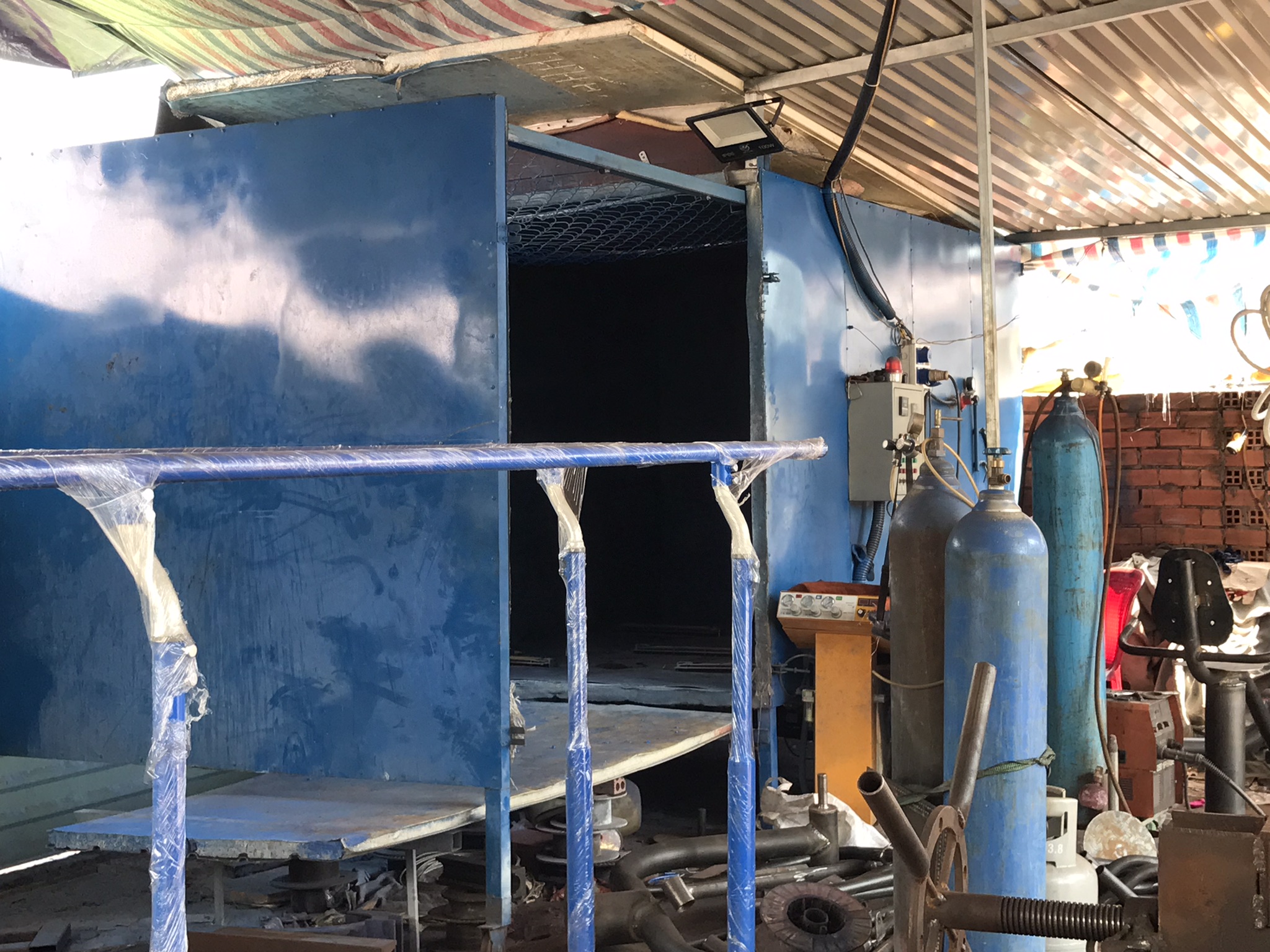
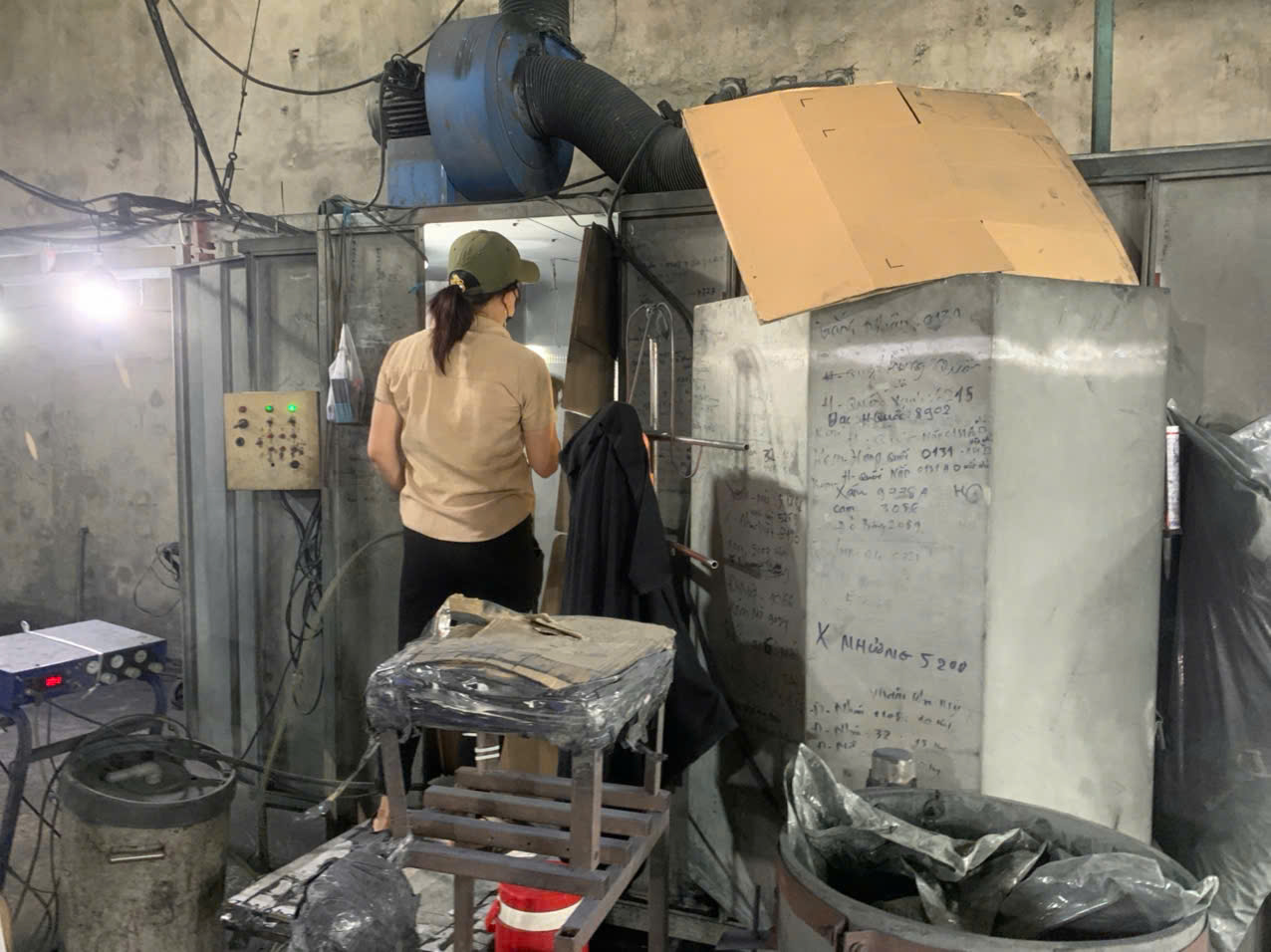
Powder coating uses a completely different approach. It applies a dry powder — usually a polyester or epoxy resin — through electrostatic powder application 5. The charged particles cling to the grounded metal part. Then the part enters a curing oven 6 at 300–400°F. The powder melts, flows, and hardens into a solid external shell. This shell is typically 50 to 125 microns thick.
The Quick Decision Matrix
Here is a simple guide our project managers use when advising clients:
| If Your Priority Is… | Choose This | Why |
|---|---|---|
| Tight dimensional tolerances | Anodizing | Adds only 5–25 microns; preserves precise fits |
| Vibrant color or custom texture | Powder Coating | Hundreds of colors; matte, gloss, textured options |
| Aluminum-only project | Anodizing | Designed specifically for aluminum alloys |
| Mixed metals (steel + aluminum) | Powder Coating | Works on virtually any conductive metal |
| Maximum surface hardness | Anodizing | Oxide layer is harder than the base aluminum |
| Best impact and chip resistance | Powder Coating | Thick polymer shell absorbs impacts |
| Lowest per-part cost at volume | Powder Coating | Simpler process, lower material cost |
| Long-term outdoor UV stability | Anodizing | Oxide layer does not fade or chalk over time |
Material Suitability Is the First Filter
This is the single most important factor. Anodizing works only on aluminum and its alloys. If your sheet metal project includes steel, stainless steel, or iron components, anodizing is not an option for those parts. Powder coating, on the other hand, adheres to almost any metal surface that can hold an electrostatic charge.
When we manage multi-material assemblies — say, an aluminum internal bracket mated with a steel external cover — we often recommend anodizing the aluminum and powder coating the steel. This hybrid finishing strategy gives you the best of both worlds.
Substrate Quality Matters for Anodizing
One detail many buyers overlook: anodizing is a transparent conversion layer. It does not hide surface flaws. Weld marks, machining scratches, and alloy inconsistencies will show through — and sometimes become more visible. If your parts have cosmetic imperfections, powder coating is more forgiving because its thick opaque layer masks minor defects.
Which finish will provide the best corrosion resistance and durability for my specific application?
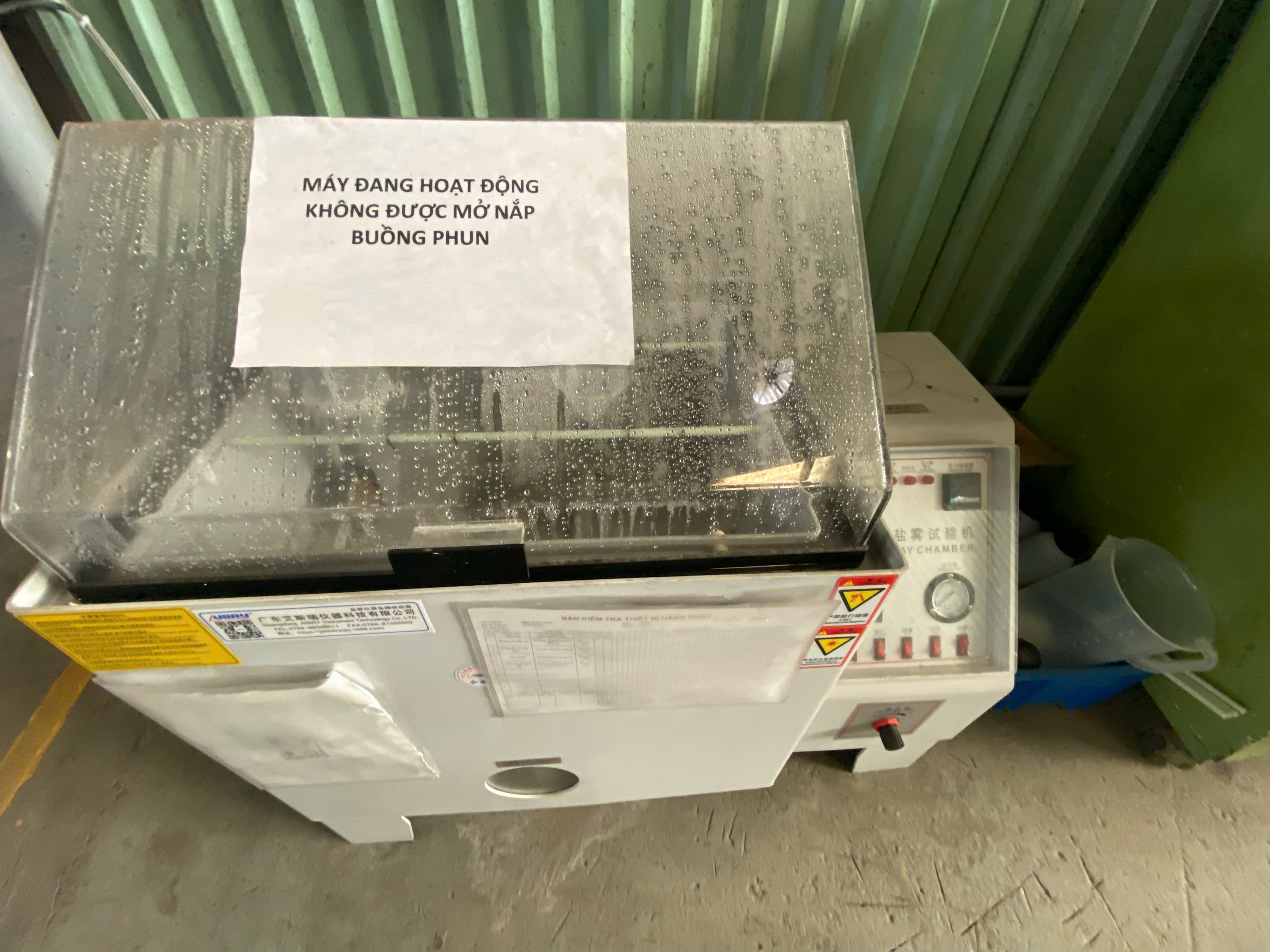
During a supplier audit at a Vietnamese fabrication shop, I examined two sets of outdoor aluminum panels side by side — one anodized, one powder coated — after 18 months of tropical exposure. The difference in UV stability was immediately visible, and it changed how our team specifies finishes for outdoor applications.
For maximum corrosion resistance in harsh or marine environments, anodizing is superior because its integrated oxide layer cannot be undermined by scratches; for impact-heavy indoor applications, powder coating offers better chip and crack resistance due to its thick, flexible polymer shell.
Durability Is Not One-Dimensional
Durability means different things in different contexts. A part mounted on a building facade faces UV radiation 7, rain, and salt air. A bracket inside an industrial machine faces vibration, abrasion, and occasional chemical splash. Each environment stresses a finish differently.
Here is how the two finishes compare across key durability metrics:
| Durability Factor | Anodizing | Powder Coating |
|---|---|---|
| Scratch / Abrasion Resistance | Excellent — oxide layer is harder than aluminum | Good — polymer layer resists moderate abrasion |
| Impact / Chip Resistance | Moderate — thin oxide can crack under heavy impact | Excellent — thick flexible layer absorbs shock |
| Corrosion Resistance | Excellent — integrated layer resists undermining | Good — but if scratched through, corrosion can spread beneath the coating |
| UV Stability | Excellent — does not fade, chalk, or degrade | Moderate — can fade without UV-stable additives |
| Chemical Resistance | Good — resists most mild chemicals | Good to Excellent — resists many solvents and chemicals |
| Heat Tolerance | Excellent — oxide is ceramic-like, tolerates high temps | Moderate — may soften or discolor at extreme temps |
| Chipping and Peeling | Will not chip or peel | Can chip or peel if substrate prep is poor |
Corrosion Resistance in Detail
Anodizing creates a barrier that is chemically bonded to the aluminum. If the surface gets scratched, the scratch only exposes bare aluminum in that small area. Corrosion does not spread laterally under the finish. This is a critical advantage in marine or high-humidity environments.
Powder coating sits on top of the metal like a shell. If that shell is breached by a deep scratch or impact, moisture can get underneath and spread, causing corrosion over a wider area than the original damage. Proper surface preparation — blasting and priming — reduces this risk, but it does not eliminate it.
Wear Resistance for High-Traffic Parts
For parts that experience constant contact or friction — think drawer slides, equipment handles, or architectural storefronts in high-traffic areas — anodizing delivers better wear resistance. The aluminum oxide surface is extremely hard, rating around 9 on the Mohs scale 8 for hard-anodized finishes. Powder coating is softer and will show wear patterns sooner in these applications.
UV Stability and Outdoor Performance
This is where I see the biggest misconception among buyers. Many assume powder coating is inherently weather-proof. Standard polyester powder coatings do resist weather, but they can fade noticeably after a few years of direct sun exposure. UV-stable powder formulations (like PVDF-based coatings) exist but add cost.
Anodized finishes, by contrast, maintain their appearance for decades in outdoor conditions. The oxide layer itself is inorganic and does not degrade under UV light. For architectural applications — curtain walls, storefronts, exterior cladding — this long-term UV stability makes anodizing the preferred choice. Understanding how surface treatments extend the service life of sheet metal products can help you evaluate the true longevity advantage of each finish.
Heat Dissipation Considerations
An increasingly important factor: anodized aluminum dissipates heat effectively because the thin oxide layer does not insulate the base metal. Powder coating's thick polymer shell acts as a thermal blanket 9, reducing heat transfer. For electronic enclosures or heat sinks 10 fabricated from sheet metal, this can be a deciding factor.
How does the cost of powder coating compare to anodizing for my high-volume production runs in Asia?
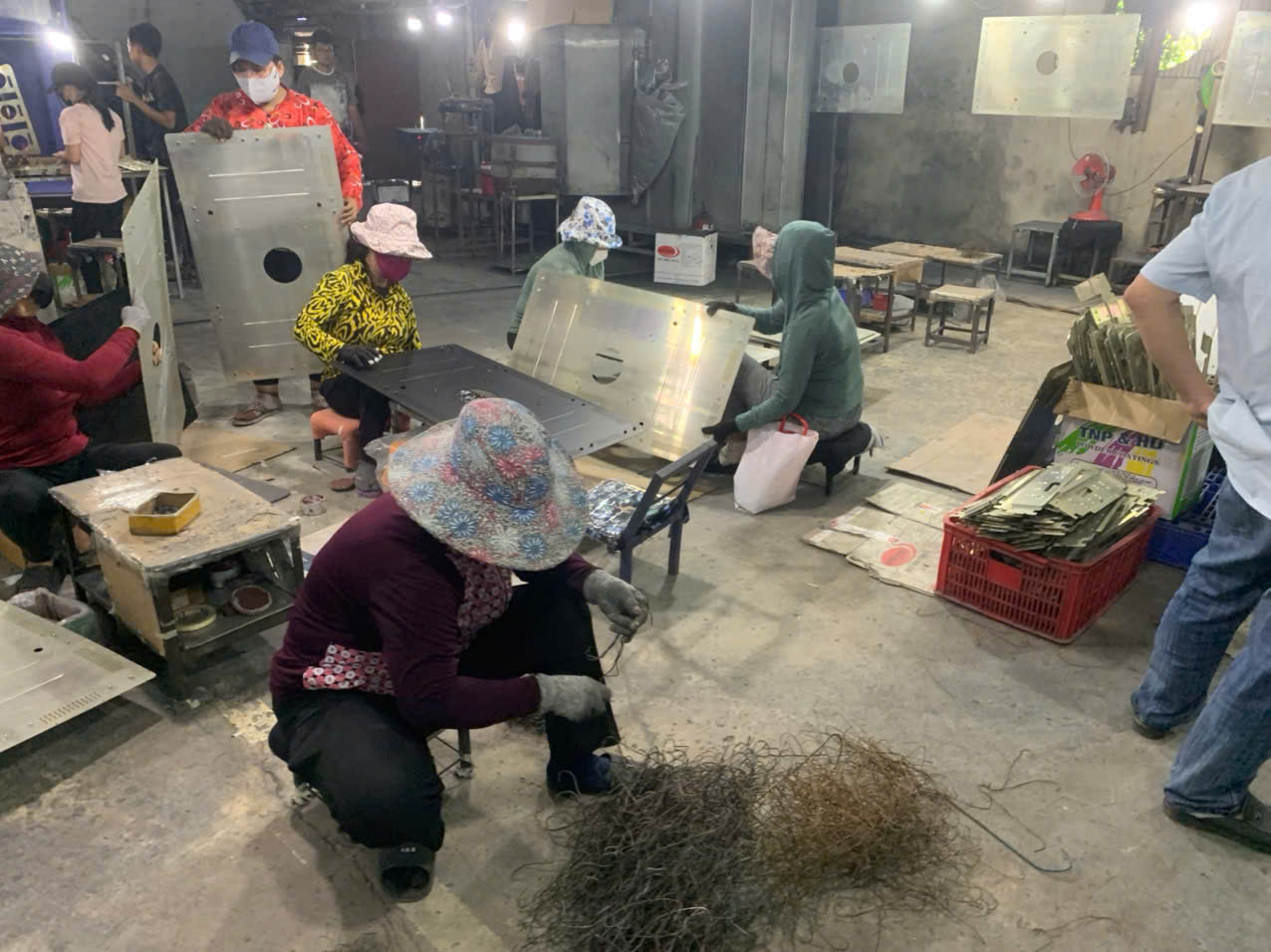
A cost comparison question came up during a recent project review with a U.S. client sourcing aluminum enclosures through our Vietnam facility. The client assumed anodizing would be cheaper since the coating is thinner. The actual cost breakdown surprised them.
Powder coating is generally 20–40% less expensive than anodizing for high-volume sheet metal production in Asia, due to simpler equipment, faster processing, and lower energy costs; however, anodizing's lower long-term maintenance and superior longevity can offset the higher upfront price for premium aluminum applications.
Breaking Down the Cost Drivers
Cost in metal finishing is not just the price per square meter of coating. It involves setup, energy, waste, rework, and long-term maintenance. Here is a practical cost comparison based on what we see across our Asian supplier network:
| Cost Factor | Powder Coating | Anodizing |
|---|---|---|
| Equipment Setup Cost | Lower — spray booths and ovens are common | Higher — requires acid tanks, rectifiers, and ventilation |
| Per-Part Processing Cost | Lower — fast cycle time | Higher — longer immersion and rinsing steps |
| Material Cost | Low — powder is inexpensive, overspray is recyclable | Moderate — acid electrolytes, sealing chemicals |
| Energy Consumption | Moderate — curing ovens at 300–400°F | Higher — electrical current for extended periods |
| Labor Skill Required | Moderate | Higher — process control is more critical |
| Batch Size Efficiency | Excellent for large batches | Good, but tank size can limit batch volume |
| Rework / Repair Cost | Low — easy to strip and re-coat | High — must strip entire part and re-anodize |
| Long-Term Maintenance | Higher — may need re-coating in UV environments | Lower — anodized surfaces rarely need maintenance |
Volume Matters
For production runs of hundreds or thousands of parts, powder coating wins on unit cost. The process is faster, the equipment is more widely available across Asian suppliers, and the powder itself can be reclaimed and reused from overspray. This reduces material waste and keeps costs low.
Anodizing is a more specialized process. Fewer suppliers in regions like Vietnam and India offer high-quality anodizing compared to powder coating. When we source anodized parts, we typically work with facilities in Taiwan or specific Chinese suppliers with proven track records and proper quality control in their anodizing lines.
The Hidden Cost of Getting It Wrong
One lesson we have learned from managing quality across supply chains: the real cost is not in the per-part finishing price. It is in the cost of rework, returns, and field failures. A powder-coated part that fades in two years of outdoor exposure will cost more to replace than the savings you captured on the original finish. Conversely, specifying anodizing for an indoor steel bracket is wasteful — it cannot even be done.
Our project managers always push clients to evaluate total cost of ownership. For high-value aluminum parts in demanding environments, anodizing usually wins the total cost argument despite higher upfront pricing. For general-purpose parts in less demanding settings, powder coating delivers excellent value.
Repairability Affects Lifetime Costs
When a powder-coated part is damaged, a technician can sand the affected area, re-apply powder, and re-cure it — sometimes even in the field. This is a real advantage for products that see rough handling during shipping or installation.
Anodized parts are a different story. If the oxide layer is damaged, you cannot spot-repair it. The entire part must be chemically stripped and re-anodized. This is expensive and time-consuming. For applications where parts may get scratched during assembly or service, factor this repair cost into your decision.
Will choosing powder coating over anodizing affect the critical tolerances and dimensions of my fabricated components?
Three months ago, a client's engineer flagged a fit issue on a prototype assembly. The powder-coated aluminum panels were 0.15 mm thicker than the drawing specified — enough to prevent mating pins from seating. That single issue delayed the project by two weeks and required re-finishing 200 parts.
Yes, powder coating significantly affects dimensions by adding 50–125 microns (0.05–0.125 mm) of material per surface, which can compromise tight-tolerance fits, especially in cutouts, slots, and mating features; anodizing adds only 5–25 microns and preserves critical dimensions far better.
Why Thickness Matters More Than You Think
On a flat panel, an extra 0.1 mm of powder coating may not matter. But sheet metal parts are not just flat panels. They have bends, holes, slots, tabs, and mating surfaces. Powder tends to build up unevenly — thicker at corners and edges, thinner in recesses. This inconsistency is where tolerance problems arise.
Consider a cutout designed to accept a press-fit insert with a tolerance of ±0.05 mm. If powder coating adds 0.08 mm of material to each side of that cutout, the hole shrinks by 0.16 mm total. The insert will not fit. Either you need to oversize the cutout (which complicates the design) or you need to mask the cutout before coating (which adds labor and cost).
Anodizing and Dimensional Control
Anodizing is fundamentally different. The oxide layer grows both inward and outward from the original surface. Roughly half the layer thickness penetrates into the aluminum, and half builds up above the original surface. For a 20-micron anodized layer, only about 10 microns sits above the original dimension. This is negligible for most engineering tolerances.
This is why anodizing remains the default surface finish for precision aluminum components in aerospace, electronics, and medical devices. It lets engineers design to final dimensions without accounting for coating buildup.
Practical Guidance for Fabricators
Here are the rules of thumb our team uses when specifying finishes for tolerance-critical parts:
- If tolerances are ±0.1 mm or tighter, use anodizing for aluminum parts. Powder coating will likely cause fit issues.
- If tolerances are ±0.25 mm or wider, powder coating is usually safe, but discuss masking requirements with your supplier for critical mating surfaces.
- For threaded holes and press-fit features, always mask before powder coating, or switch to anodizing.
- For thin-gauge sheet metal (under 1 mm), be cautious with powder coating's curing temperature. The 300–400°F oven cycle can cause warping on thin parts, especially in large flat panels.
Heat Effects on Thin Sheet Metal
This is a point many buyers miss. Powder coating requires a high-temperature cure. Thin-gauge aluminum alloys — particularly those in tempered conditions like 6061-T6 — can lose their temper properties at these temperatures. The part may soften or distort. Anodizing, by contrast, is a room-temperature to mild-temperature process that does not affect the metal's heat treatment or mechanical properties.
When our team encounters thin-gauge, tight-tolerance aluminum parts, we almost always recommend anodizing. The dimensional stability and preservation of material properties make it the safer choice — even though the per-part cost is higher. Understanding how material selection impacts durability in sheet metal fabrication is equally important when making these decisions, as the base alloy influences how each finish performs over time.
Conclusion
Powder coating vs anodizing is not about which finish is universally better — it is about which one matches your material, tolerances, environment, and budget. Use the decision frameworks and data above to make the right call for every project, and reach out to our team at DEWIN if you need help specifying the optimal finish for your next custom sheet metal order. For a broader overview of all available finishing methods, explore the best surface treatment options for sheet metal fabrication.
Frequently Asked Questions
How do I decide whether powder coating or anodizing is better for my custom sheet metal parts?
Last year, a purchasing manager in Ohio asked our engineering team to recommend a finish for a mixed-material assembly — aluminum mounting plates paired with steel housings. The answer was not one finish, but two, and the reasoning came down to a simple decision framework.
Which finish will provide the best corrosion resistance and durability for my specific application?
During a supplier audit at a Vietnamese fabrication shop, I examined two sets of outdoor aluminum panels side by side — one anodized, one powder coated — after 18 months of tropical exposure. The difference in UV stability was immediately visible, and it changed how our team specifies finishes for outdoor applications.
How does the cost of powder coating compare to anodizing for my high-volume production runs in Asia?
A cost comparison question came up during a recent project review with a U.S. client sourcing aluminum enclosures through our Vietnam facility. The client assumed anodizing would be cheaper since the coating is thinner. The actual cost breakdown surprised them.
Footnotes
1. Details the composition and role of acid electrolyte baths in anodizing. ↩︎
2. Explains tolerances and standards in sheet metal fabrication. ↩︎
3. Defines electrochemical treatment and its principles in water purification. ↩︎
4. Explains the formation and protective properties of the aluminum oxide layer. ↩︎
5. Describes the process and mechanism of electrostatic powder application. ↩︎
6. Discusses standard curing temperatures and conditions for powder coating ovens. ↩︎
7. Explains the effects of UV radiation on various materials and structures. ↩︎
8. Defines the Mohs scale of mineral hardness and its purpose. ↩︎
9. Explains how polymers can act as thermal insulators, reducing heat transfer. ↩︎
10. Explains the function and importance of heat sinks in thermal management. ↩︎