Why Manufacturers Are Choosing Powder Metallurgy
October 10, 2024 · 5 min read
/Changzhi%20%20-%20Photo/Vacuum%20Furnace.jpg)
Powder metallurgy (PM) isn't new — but it's having a moment. The global PM parts market is growing rapidly, driven primarily by the automotive sector, which accounts for over 70% of PM parts demand in developed countries. Industry forecasts predict that by 2026, PM adoption rates in eligible applications will exceed 90%.
Manufacturers choose powder metallurgy because it presses and sinters metal powder into near-net-shape parts with minimal machining, very little scrap, and lower energy use. At high volumes it yields consistent gears, bushings, and rotors more cheaply than machining — driving rising automotive adoption.
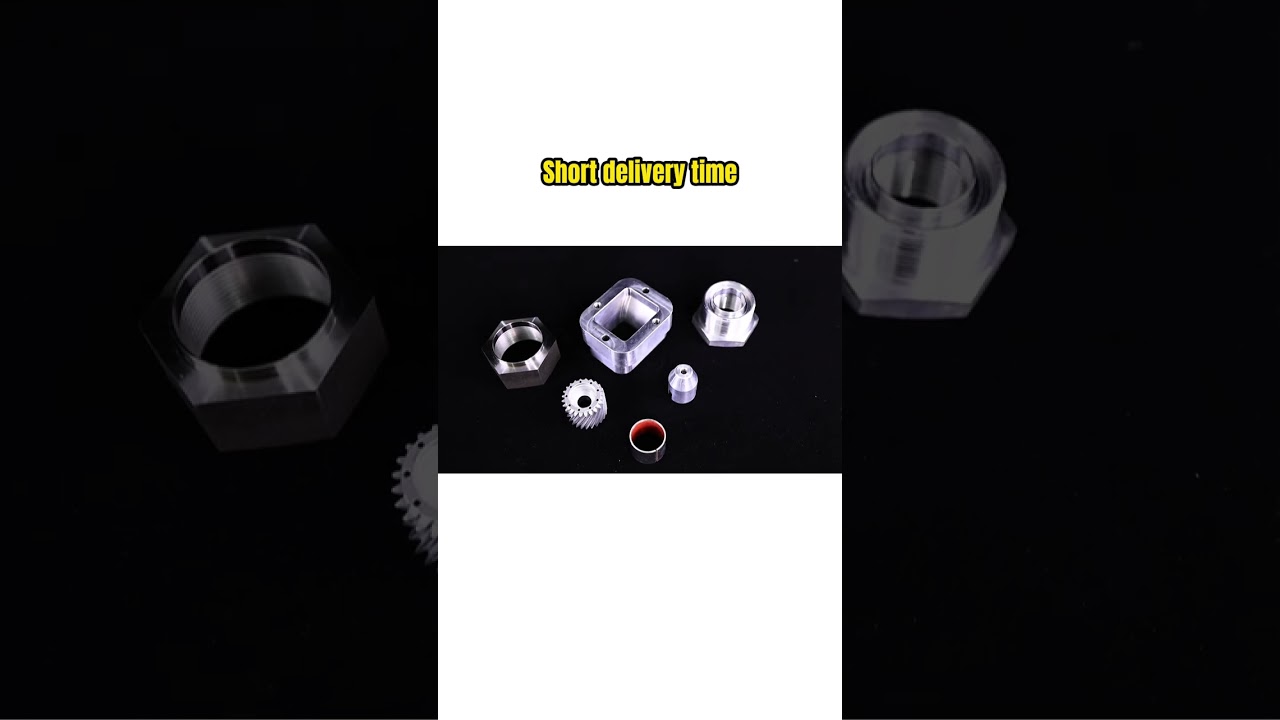
Real Vietnam Factory Samples — Custom Machined & Metal Parts
Watch on YouTube
Real footage from an audited DEWIN partner factory in Vietnam.
What Makes PM So Attractive?
The advantages that are accelerating PM adoption:
- Unique material capabilities: PM can process special alloys and composites that are difficult or impossible to produce with conventional methods.
- Low production costs: Minimal material waste compared to machining (near-net-shape manufacturing).
- Environmental benefits: Lower energy consumption and virtually zero scrap material — earning PM its reputation as a "green technology."
- High-purity materials: The powder-based approach allows precise control over material composition.
Where PM Dominates
Powder metallurgy dominates high-volume automotive and appliance parts — oil pump rotors, valve guides, gears, bushings, and structural brackets. These components reward what PM does best: simple repeatable geometry, tight dimensional consistency, and runs large enough to amortize the mold.
The automotive and home appliance industries are the primary consumers. Think oil pump rotors, valve guides, gears, bushings, and structural components. These parts share common traits: they're produced in high volumes, require consistent quality, and benefit from PM's cost advantages at scale./Changzhi%20%20-%20Photo/Atmosphere%20furnace.jpg)
Vietnam's PM Manufacturing Capability
Vietnam's growing manufacturing base includes facilities equipped for powder metallurgy production. At DEWIN, we connect global buyers with verified PM factories that meet international quality standards — from automotive-grade IATF 16949 to general ISO 9001 certification.
Explore PM Manufacturing
Whether you're evaluating PM for a new project or looking to switch from machining, our team can help. Talk to an engineer →
Frequently Asked Questions
Is powder metallurgy cost-effective for low-volume parts?
Powder metallurgy is not cost-effective at low volume: the mold cost is fixed, small runs cannot amortize it, and machining or casting is usually cheaper. Per-part cost falls sharply as volumes rise, which is why PM suits components made in the hundreds of thousands — oil pump rotors, valve guides, gears, bushings and structural parts.
Why is powder metallurgy called a green technology?
Powder metallurgy earns its green reputation from lower energy consumption and virtually zero scrap material. Near-net-shape forming removes most of the waste that machining generates. The powder-based approach also allows precise control over material composition, giving high-purity results and access to special alloys and composites that conventional methods struggle to produce.
What certifications should a Vietnam powder metallurgy factory hold?
Verified PM factories in Vietnam meet international quality standards ranging from automotive-grade IATF 16949 down to general ISO 9001 certification. Certification level matters most for automotive work, which accounts for over 70% of PM parts demand in developed countries and drives most of the sector's growth.