Precision CNC Turning in Vietnam: Costs, Materials & Tolerances (2026)
February 20, 2026 · 14 min read
CNC turning accounts for roughly 35% of all precision machining work globally, yet most sourcing guides focus exclusively on milling. If you're a US buyer sourcing shafts, bushings, fittings, valve stems, or any rotational geometry part, Vietnam's CNC turning capabilities have matured dramatically — and the economics are compelling.
This guide covers real 2026 pricing, material availability, achievable tolerances, and what to specify in your RFQ to get accurate quotes from Vietnamese CNC turning shops.
Vietnam CNC turning shops hold everyday tolerances of ±0.05mm — down to ±0.005mm at specialized shops — while running 50–65% below US machine rates. For shafts, fittings, and valve stems at 500+ pieces, landed costs typically beat US domestic by 40–55%.

Inside a Vietnam Technology Manufacturing Plant — CNC & Automation
Watch on YouTube
Real footage from an audited DEWIN partner factory in Vietnam.
Why CNC Turning from Vietnam Makes Sense in 2026
Three converging factors are driving US procurement teams to Vietnam for turned parts:
- Section 301 tariffs on China: 25% duty on most machined metal components (HTS 8466–8468) remains in effect. Vietnam-origin parts enter at standard MFN rates of 0–5% for most turned components.
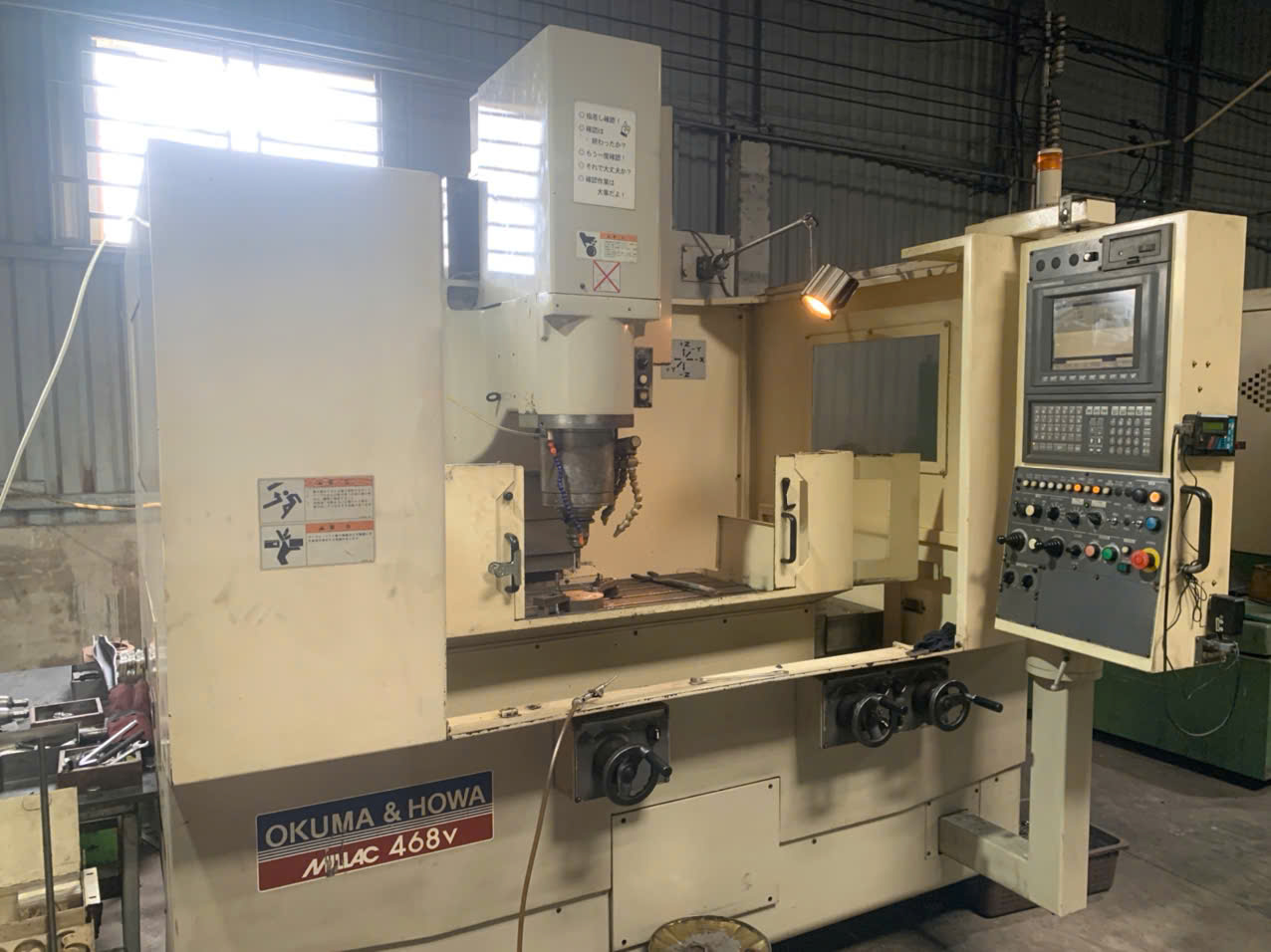
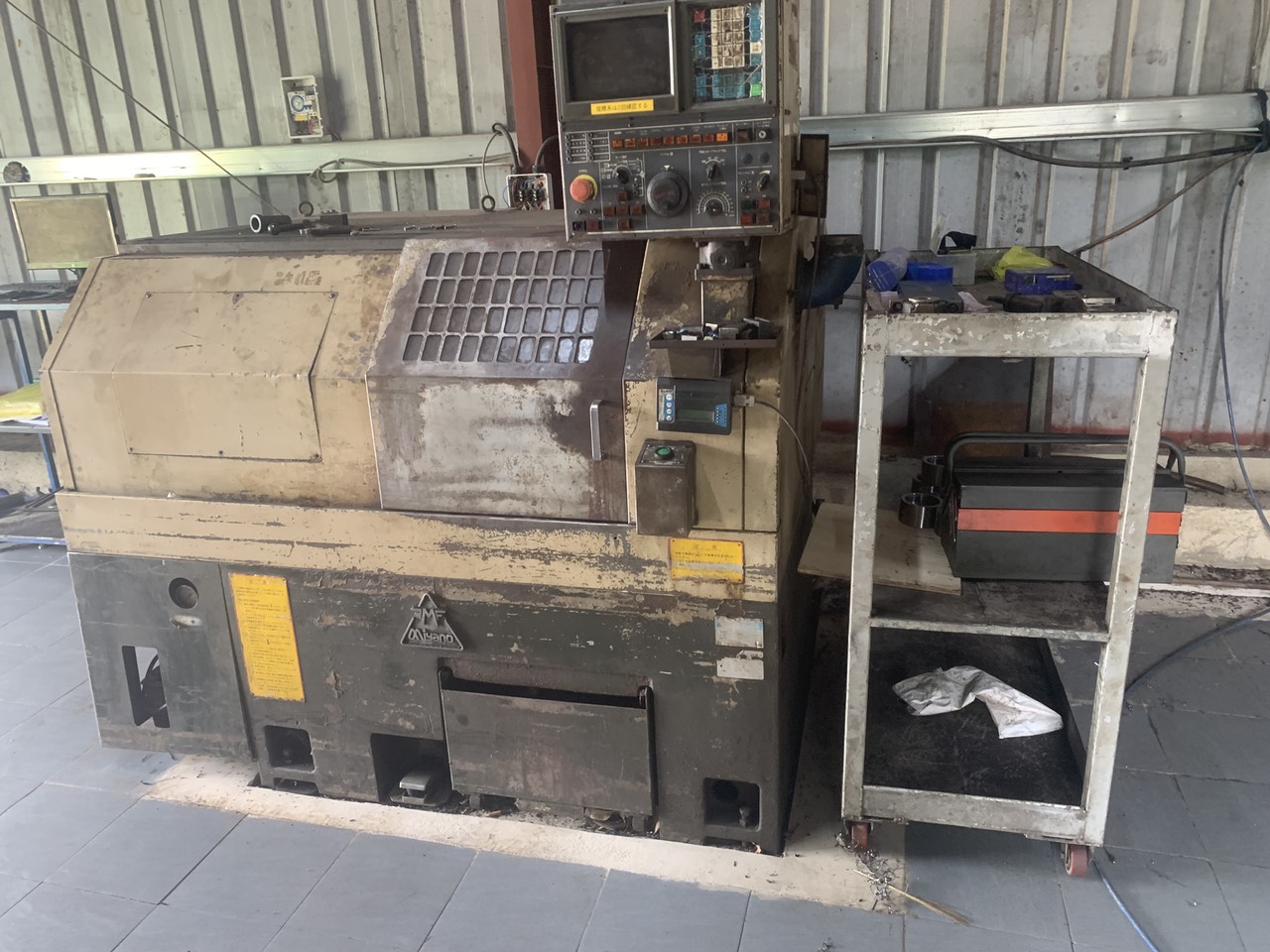
- Machine tool investment boom: Vietnamese shops have invested heavily in Japanese and Taiwanese CNC lathes (Mazak, Okuma, PUMA) since 2022. Multi-axis turning centers with live tooling and Y-axis capability are now common in the Binh Duong and Dong Nai industrial zones.
- Operator skill maturation: The first wave of Vietnamese CNC operators trained in 2018–2020 now have 5–8 years of experience. Programming for complex turn-mill operations (C-axis interpolation, off-center drilling) is no longer a barrier.
CNC Turning Costs: Vietnam vs. US vs. China (2026)
Machine hour rates for CNC turning in Vietnam remain 50–65% below US domestic shops and 10–20% below Chinese coastal factories:
- 2-axis CNC turning: Vietnam $18–35/hr · China $25–45/hr · US $60–120/hr
- Turning with live tooling: Vietnam $30–50/hr · China $40–65/hr · US $80–160/hr
- Multi-axis turn-mill (Y-axis): Vietnam $40–70/hr · China $55–85/hr · US $100–200/hr
- Swiss-type turning (≤32mm): Vietnam $35–60/hr · China $45–75/hr · US $90–175/hr
Critically, these rates include operator labor ($3–6/hr in Vietnam vs. $25–45/hr in the US), machine depreciation, tooling wear, and factory overhead. The landed cost advantage after freight and duty is typically 40–55% versus US domestic for production volumes of 500+ parts.
Per-Part Pricing Benchmarks
All prices are from actual 2026 quotes, SS304 material, standard surface finish (Ra 1.6 μm):
Simple Shaft/Pin (Ø10×50mm, 2 features, ±0.05mm)
- Qty 100: $1.80–3.50/part
- Qty 1,000: $0.90–1.80/part
- Qty 10,000: $0.45–0.95/part
Threaded Fitting (Ø25×40mm, internal/external threads, ±0.025mm)
- Qty 100: $3.50–7.00/part
- Qty 1,000: $1.80–3.80/part
- Qty 10,000: $1.00–2.20/part
Complex Valve Stem (Ø15×80mm, multiple diameters, groove, cross-hole, ±0.01mm)
- Qty 100: $8.00–16.00/part
- Qty 1,000: $4.50–9.00/part
- Qty 10,000: $2.80–5.50/part
Materials Available for CNC Turning in Vietnam
Material sourcing has improved significantly. Most Vietnam CNC turning shops stock or can procure within 3–5 business days:
Stainless Steel
- SS304/304L: Most common. Excellent availability in bar stock from Ø3–200mm. Cost: $2.50–3.50/kg raw material.
- SS316/316L: Widely available. Premium of ~20% over 304. Preferred for marine, medical, food processing parts.
- SS303 (free-machining): Available but less common. 30–40% faster cycle times than 304 due to sulfur content. Specify this when surface finish isn't critical and you want cost savings.
- SS17-4 PH: Available at larger shops. Requires post-machining heat treatment (H900–H1150). Lead time adds 5–7 days for heat treat.
Aluminum
- AL6061-T6: Ubiquitous. Excellent machinability (turning speed 300–500 m/min). Cost: $3.00–4.50/kg.
- AL7075-T6: Available at most shops. Harder to machine but achieves tighter tolerances. Cost: $5.00–7.00/kg.
- AL2024-T4: Less common in Vietnam; specify early and confirm stock. Used for aerospace connectors and fittings.
Brass & Copper
- Brass C360 (free-machining): Excellent availability. The ideal turning material — fastest cycle times of any metal. Cost: $5.00–7.00/kg.
- Brass C260 (cartridge brass): Available. Better corrosion resistance than C360 but slower machining.
- Copper C110 (electrolytic): Available but challenging to turn (gummy chip formation). Specify sharp tooling and coolant flood in your RFQ notes.
Carbon & Alloy Steel
- 1045 / S45C: Most common carbon steel for turned parts. Excellent availability.
- 4140 / SCM440: Available pre-hardened (28–32 HRC) or soft. Used for high-strength shafts and pins.
- 12L14 (free-machining): Available at specialized turning shops. 40% faster cycle times than 1045. Best for high-volume pins and dowels.
Titanium & Exotic Alloys
- Ti-6Al-4V (Grade 5): Available at 8–10 shops in our network. Requires rigid setup, low cutting speed (40–60 m/min), and high-pressure coolant. Cost premium: 3–5× over SS304 for the same geometry.
- Inconel 718: Limited to 3–4 advanced shops. Requires ceramic or CBN inserts. Quote lead times of 3–4 weeks.
Achievable Tolerances in Vietnam CNC Turning
Understanding what tolerances Vietnamese shops can reliably hold prevents both over-specification (which inflates cost) and under-specification (which causes quality issues):
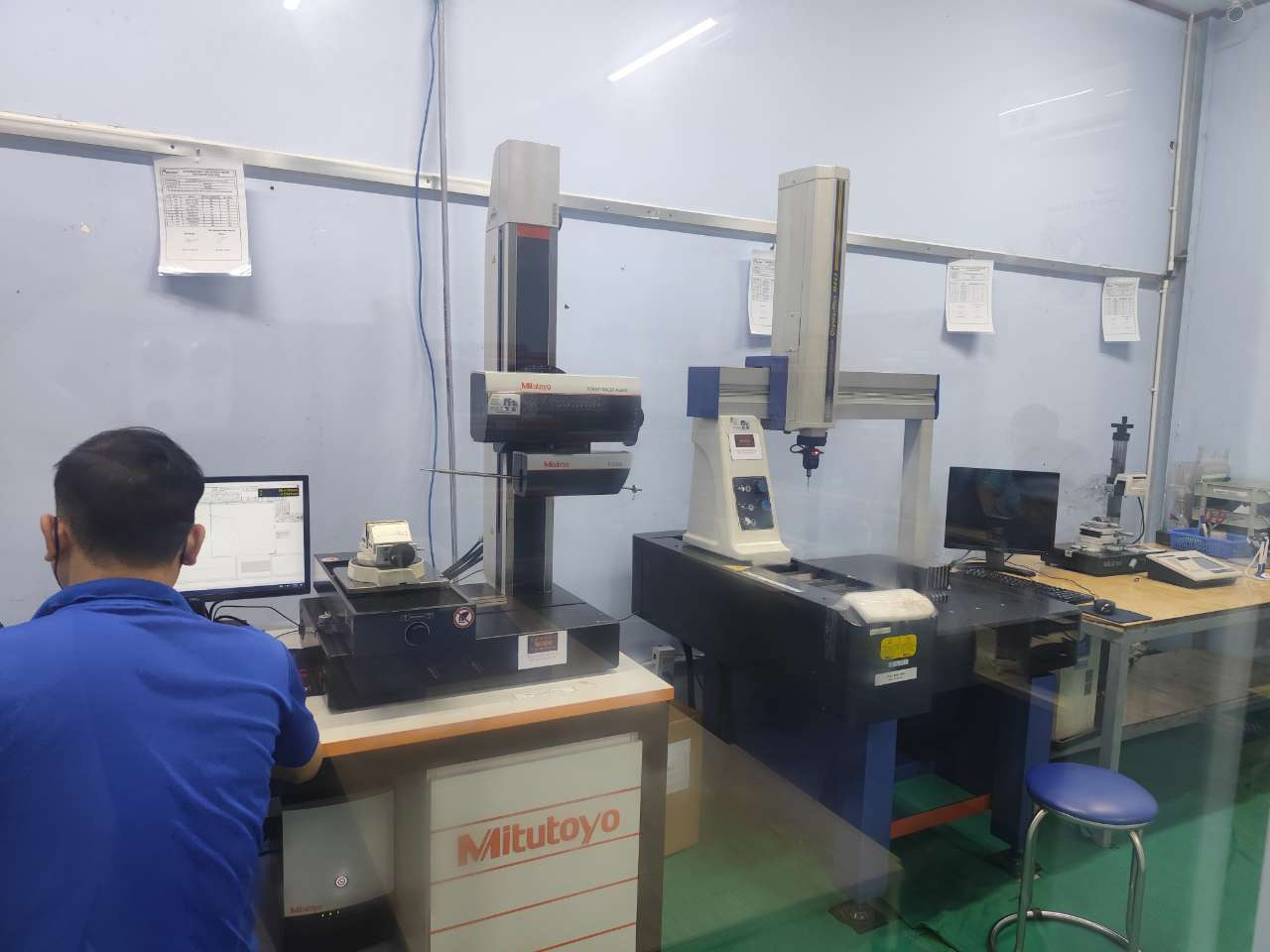
Most Vietnam shops reliably hold ±0.05mm on diameters as standard, ±0.02mm as a precision grade, and ±0.005mm at specialized shops with in-process gauging and CMM verification. Reserve the tightest grades for mating surfaces only — blanket tight tolerances add 25–40% to cost.
- Standard tolerance (most shops): ±0.05mm on diameters, ±0.1mm on lengths. No special process control needed. This covers 70% of commercial turned parts.
- Precision tolerance (experienced shops): ±0.02mm on diameters, ±0.05mm on lengths. Requires process capability study (Cpk ≥ 1.33). 15–25% cost premium.
- High precision (specialized shops): ±0.005mm on diameters, ±0.01mm on lengths. Requires temperature-controlled environment, in-process gauging, and CMM verification. 40–80% cost premium. Available at ~15 shops in our network.
- Surface finish: Ra 0.8 μm standard, Ra 0.4 μm with fine turning, Ra 0.2 μm with post-grinding or polishing.
💡 Cost-saving tip: Specify ±0.05mm on non-critical features and reserve tight tolerances (±0.01mm or below) only for mating surfaces. A drawing with blanket ±0.02mm will cost 25–40% more than one with selective tolerancing. We review customer drawings and flag these opportunities before quoting.
What to Include in Your CNC Turning RFQ
A well-structured RFQ gets you accurate quotes 3–5 days faster. Here's what Vietnamese turning shops need:
- 2D drawing with GD&T (PDF + STEP file): Vietnamese shops read ISO and ASME Y14.5 standards. Include datum references for concentricity and runout callouts — these are the most common quality issues in turning.
- Material specification with grade: "Stainless steel" is not enough. Specify "SS304 per ASTM A276" or "Brass C360 per ASTM B16." Include material certificate requirements (EN 10204 3.1 or 3.2).
- Surface finish per feature: Call out Ra values on critical surfaces. "Machine finish" is ambiguous — Ra 1.6, 0.8, or 0.4 μm makes a significant cost difference.
- Thread specifications: Metric (M×pitch) or imperial (UNC/UNF)? Thread class (6g/6H or 2A/2B)? Include go/no-go gauge requirements if the thread is functional.
- Quantity tiers: Quote 3 quantities (e.g., 100 / 1,000 / 5,000). Vietnamese shops often have steep volume discounts due to lower setup amortization breakpoints.
- Secondary operations: Heat treatment (specify hardness range), plating (zinc, nickel, chrome — specify thickness), grinding, and assembly. Bundling these with the turning shop saves 15–20% versus separate vendors.
- Inspection requirements: First Article Inspection (FAI) per AS9102? PPAP Level 3? Dimensional report with every shipment? Specify upfront — adding these later delays production.
Common CNC Turned Parts We Source from Vietnam
Our network of 40+ audited CNC turning shops across southern Vietnam regularly produces:
- Hydraulic fittings & adapters: SS316, brass C360. O-ring grooves to ±0.025mm. JIC, BSP, NPT threads.
- Valve stems & plungers: SS17-4 PH, 4140 hardened. Concentricity ≤0.01mm TIR. Chrome plating to 10–25 μm.
- Shafts & spindles: 4140, SS303, AL7075. Lengths to 500mm. Grinding to h6 tolerance.
- Electrical connectors & pins: Brass C360, copper C110. Swiss-turned, Ø0.8–12mm. Gold or tin plating.
- Automotive bushings & spacers: AL6061-T6, 1045 steel. Anodized or zinc-plated. Volumes 5,000–100,000/month.
- Medical device components: SS316L, Ti-6Al-4V. Ra 0.4 μm finish. Material traceability and certificates per FDA 21 CFR.
Lead Times & Logistics
- Prototype (1–10 pcs): 7–12 business days from PO to ship
- First production run (100–1,000 pcs): 15–20 business days including FAI
- Repeat orders: 10–15 business days (tooling and programs already set)
- Ocean freight to US West Coast: 18–22 days. East Coast via Panama: 28–32 days.
- Air freight (urgent): 3–5 days. Cost: $4–8/kg. Viable for small, high-value turned parts.
Get a CNC Turning Quote
Upload your drawings and we'll have quotes from 2–3 qualified Vietnam CNC turning shops within 3 business days. Our engineering team reviews your design for manufacturability, suggests tolerance optimizations, and manages quality throughout production.
Frequently Asked Questions
Which stainless grade cuts CNC turning cost without changing my design?
SS303 free-machining stainless cuts turning cost by running 30–40% faster cycle times than SS304, thanks to its sulfur content. Vietnamese shops carry it, though it is less common than 304, so confirm stock before you quote. Specify SS303 when surface finish isn't critical and you want the cost savings.
Can Vietnam shops turn Ti-6Al-4V, and what is the cost premium?
Ti-6Al-4V Grade 5 turning is available at 8–10 shops in the DEWIN Vietnam network, carrying a 3–5× cost premium over SS304 for the same geometry. Those shops run rigid setups, low cutting speeds of 40–60 m/min, and high-pressure coolant. Budget the premium into your part price rather than expecting stainless-level rates.
How long from PO to shipment for a first production run of turned parts?
A first production run of 100–1,000 turned parts takes 15–20 business days from PO to ship, including first article inspection. Prototypes of 1–10 pieces take 7–12 business days, and repeat orders drop to 10–15 days because tooling and programs are already set. Add 18–22 days ocean freight to the US West Coast.
Should I bundle plating and heat treatment with the turning shop?
Bundling secondary operations with the turning shop saves 15–20% versus separate vendors, so include heat treatment, plating, grinding, and assembly in the same RFQ. Specify the details each one needs: a hardness range for heat treatment, and the metal plus thickness for zinc, nickel, or chrome plating.