What materials and capabilities define die casting production across Asian manufacturing hubs?
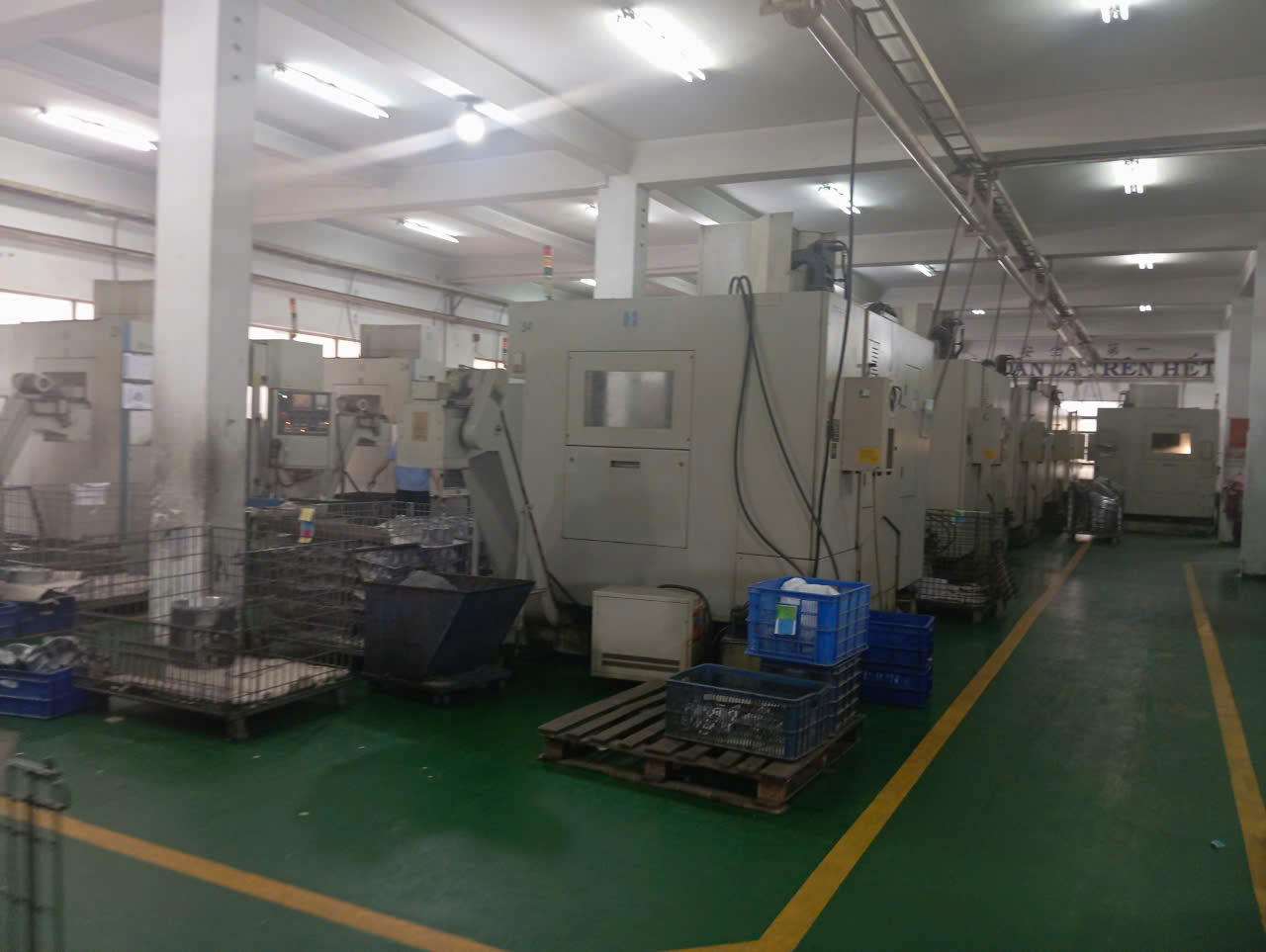
Die casting production across China and Vietnam utilizes aluminum and zinc high-pressure casting to deliver high-cosmetic components and structural sub-assemblies. Supported by local engineering hubs in Xi'an and Ho Chi Minh City, suppliers pair high-pressure die casting with CNC machining, powder coating, and functional testing for ergonomic hardware and industrial assemblies.
Key Takeaways
- Aluminum and zinc high-pressure die casting processes support high-cosmetic hardware and structural components across Asian supplier networks.
- Upfront engineering includes pre-quote 2D/3D tolerance analysis, DFM reviews, and mold flow simulation before mold steel is cut.
- Quality assurance relies on resident SQE audits, PPAP Level 3 documentation, and ZEISS CMM metrology managed by local engineering teams.
Buyers sourcing cast metal components utilize high-pressure die casting in aluminum and zinc alloys to produce intricate, tight-tolerance parts. Manufacturing hubs across China and Vietnam offer specialized production environments, including Japanese-invested zinc die casting facilities in Ho Chi Minh City that combine casting with multi-axis CNC machining.
Integrated supplier networks manage complete part fabrication, bridging raw casting with surface finishing and sub-assembly. Engineering service centers orchestrate production across regional clusters, providing local engineering oversight to ensure seamless manufacturing execution.
- Aluminum high-pressure die casting for high-cosmetic hardware and structural housings
- Zinc high-pressure die casting managed in Japanese-invested Vietnam production centers
- Secondary CNC machining for precision tolerances and critical interfaces
- Powder coating and surface treatments for industrial and ergonomic hardware
How do engineering teams validate die casting tooling and dimensional quality before mass production?
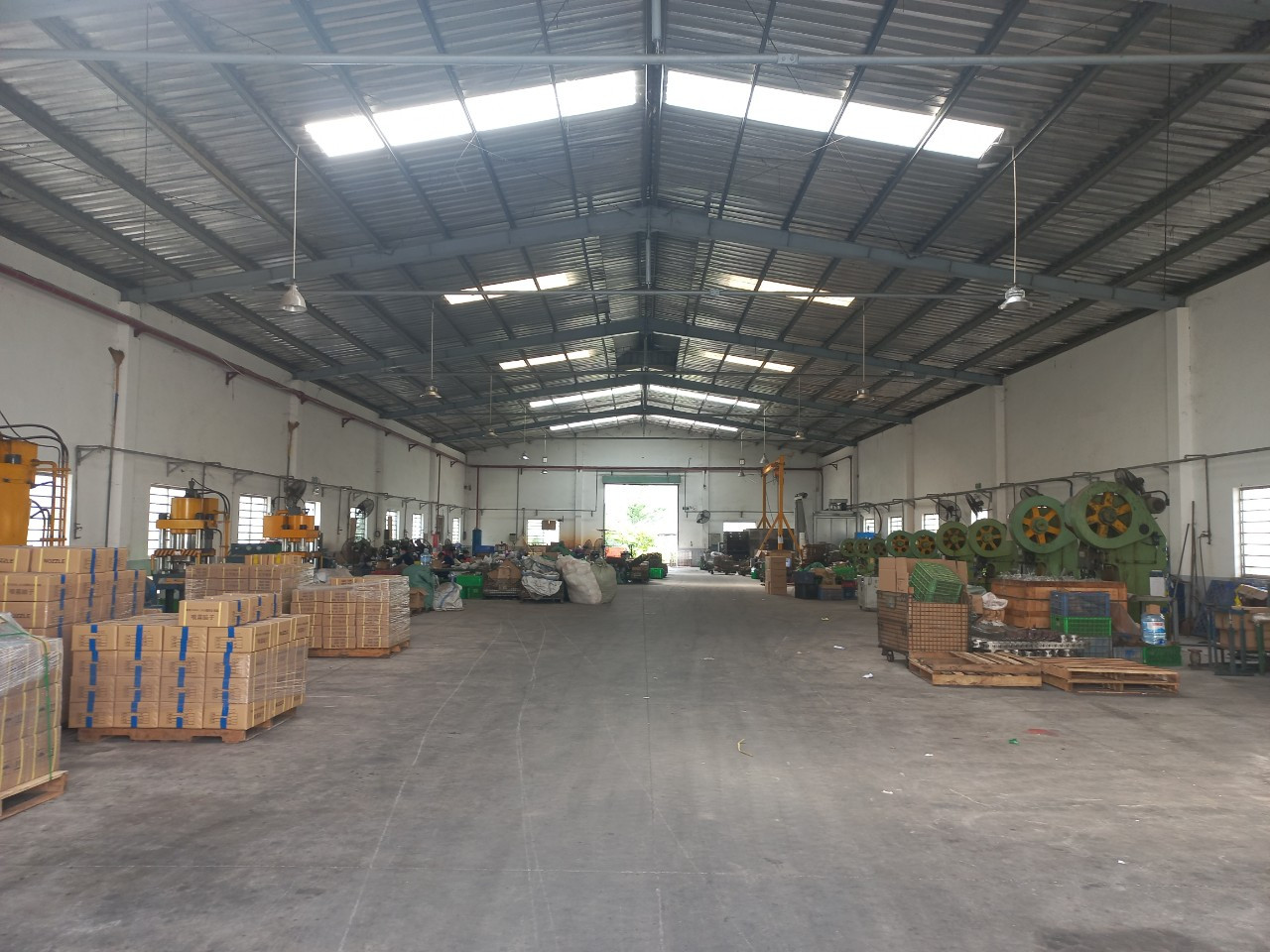
Engineering teams validate die casting through upfront DFM reviews, pre-quote 2D and 3D tolerance analysis, and mold flow simulation before tool steel is cut. In-process verification relies on ZEISS coordinate measuring machines, full PPAP Level 3 documentation, material certificates, and resident supplier quality engineer audits on factory floors.
Preventing defects in high-pressure die casting begins long before mass production. Dedicated purchasing and engineering teams evaluate part designs using pre-quote 2D and 3D tolerance analysis alongside mold flow simulations to identify potential porosity, wall thickness issues, or fill problems prior to tool fabrication.
Once tooling is produced, supplier quality engineers oversee production approvals through rigorous metrology and documentation protocols. On-site audits in regional hubs such as Xi'an and Ho Chi Minh City ensure continuous monitoring of casting parameters and dimensional conformity.
- Mold flow simulation and DFM review executed prior to cutting mold steel
- Pre-quote 2D and 3D GD&T tolerance stack-up analysis
- Full PPAP Level 3 verification and material certificates of analysis (COA)
- In-process dimensional inspection using ZEISS 3D coordinate measuring machines (CMM)
Which inspection and post-processing steps support high-cosmetic die cast assemblies?
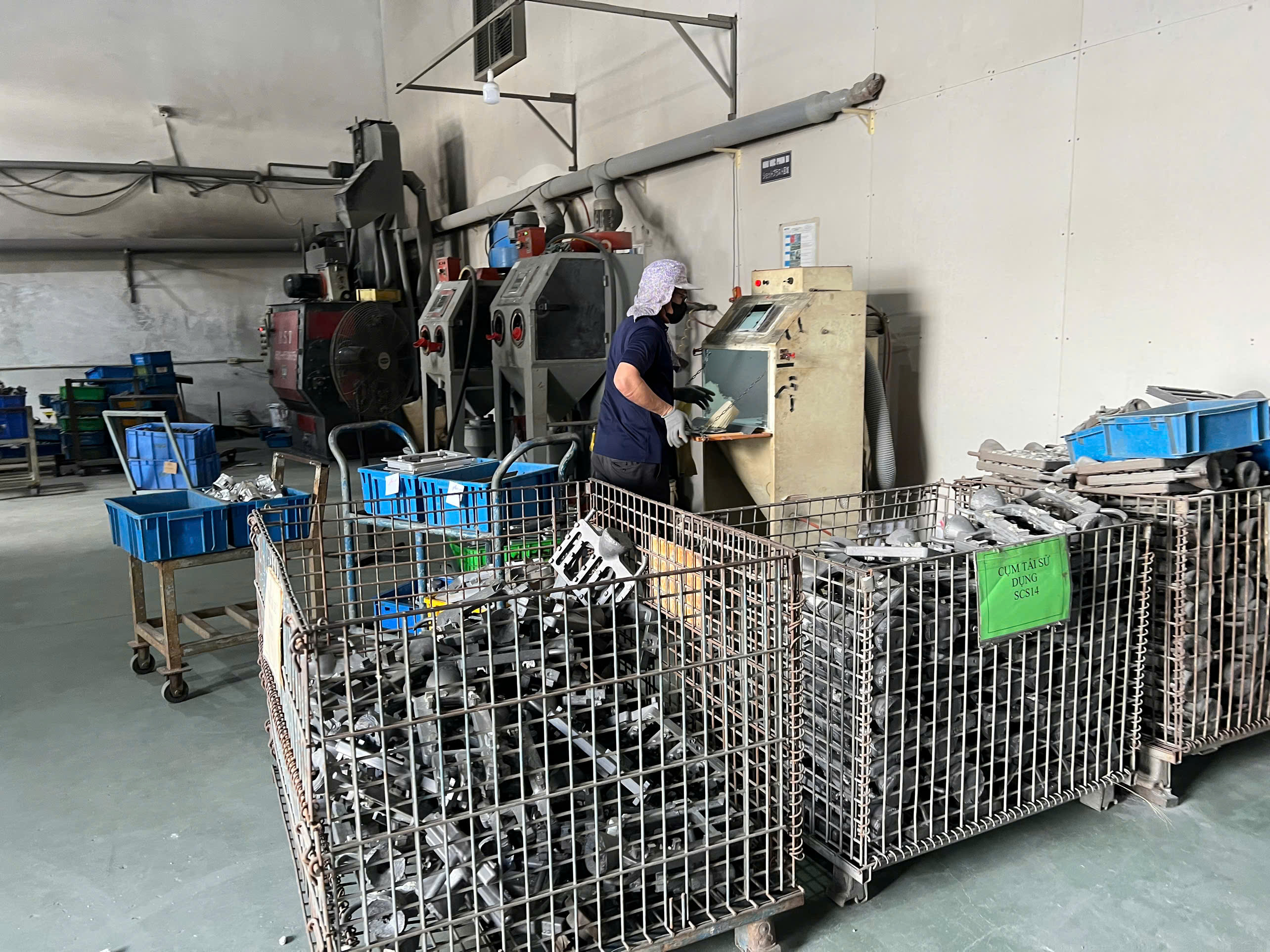
High-cosmetic die cast parts require secondary processing, including CNC machining, surface finishing such as powder coating, and complete functional cycle testing. Quality control across production lines integrates 3D CMM inspection, contour metrology, surface roughness checks, and pre-shipment container audits to prevent defects prior to export from regional sea ports.
Cosmetic hardware applications require rigorous post-casting treatments and dimensional controls. After high-pressure die casting, components pass through secondary machining centers to achieve exact tolerances on critical mounting faces and internal features before powder coating application.
To maintain high quality standards, engineering teams enforce functional testing protocols and pre-shipment checks. Qualified local personnel perform zero-defect screening, functional cycle testing, and container loading audits at port hubs such as Haiphong and Ho Chi Minh City.
- 100% functional cycle testing for ergonomic office hardware and mechanical sub-assemblies
- Contour, surface roughness, and metrology laboratory verification
- Resident supplier quality engineer (SQE) QCLDM factory audits
- Pre-shipment container loading inspection and moisture protection audits
Precision Manufacturing & Sourcing Specification Matrix
| Technical Dimension | Standard Commercial Grade | High-Precision OEM Export Grade | DEWIN Verification Protocol |
|---|---|---|---|
| Machining & Forming Tolerance | ISO 2768-m (±0.10 mm nominal) | ISO 2768-f (±0.01 mm – ±0.025 mm critical bores) | Calibrated 3D CMM & Air/Pin Gauging |
| Surface Roughness & Finish | Ra 1.6 – 3.2 µm as-machined / standard coat | Ra 0.4 – 0.8 µm precision ground / MIL-A-8625 anodized | Profilometer & Coating Thickness Gauge |
| Material & Alloy Certification | Supplier Mill Test Report (MTR) | Independent OES chemical & mechanical verification | EN 10204 3.1 + RoHS/REACH Compliance |
| Batch Inspection & Packaging | ISO 2859-1 (AQL 1.0 Major / 2.5 Minor) | Zero-defect critical features + VCI export crating | Pre-Shipment Inspection (PSI) Report |
Frequently Asked Questions
What engineering reviews take place before die casting molds are manufactured?
Engineering teams perform pre-quote 2D and 3D tolerance analysis, DFM reviews, and computer mold flow simulations to catch geometric defects before tool steel is cut.
Where are key die casting suppliers and engineering hubs located?
Die casting capabilities operate across China and Vietnam—including Japanese-invested zinc die casting facilities in Ho Chi Minh City—supported by engineering teams in Xi'an and Ho Chi Minh City.
What quality documentation accompanies die cast component shipments?
Shipments are validated using PPAP Level 3 packages, ZEISS 3D CMM inspection reports, material certificates of analysis (COA), and QCLDM supplier audit dossiers.
How are high-cosmetic finishes achieved on aluminum die castings?
Aluminum die castings undergo precision secondary CNC machining, controlled surface preparation, powder coating, and 100% functional cycle testing to meet cosmetic hardware standards.