How Do Engineering Teams Manage Multi-Stage Driveline Forging?
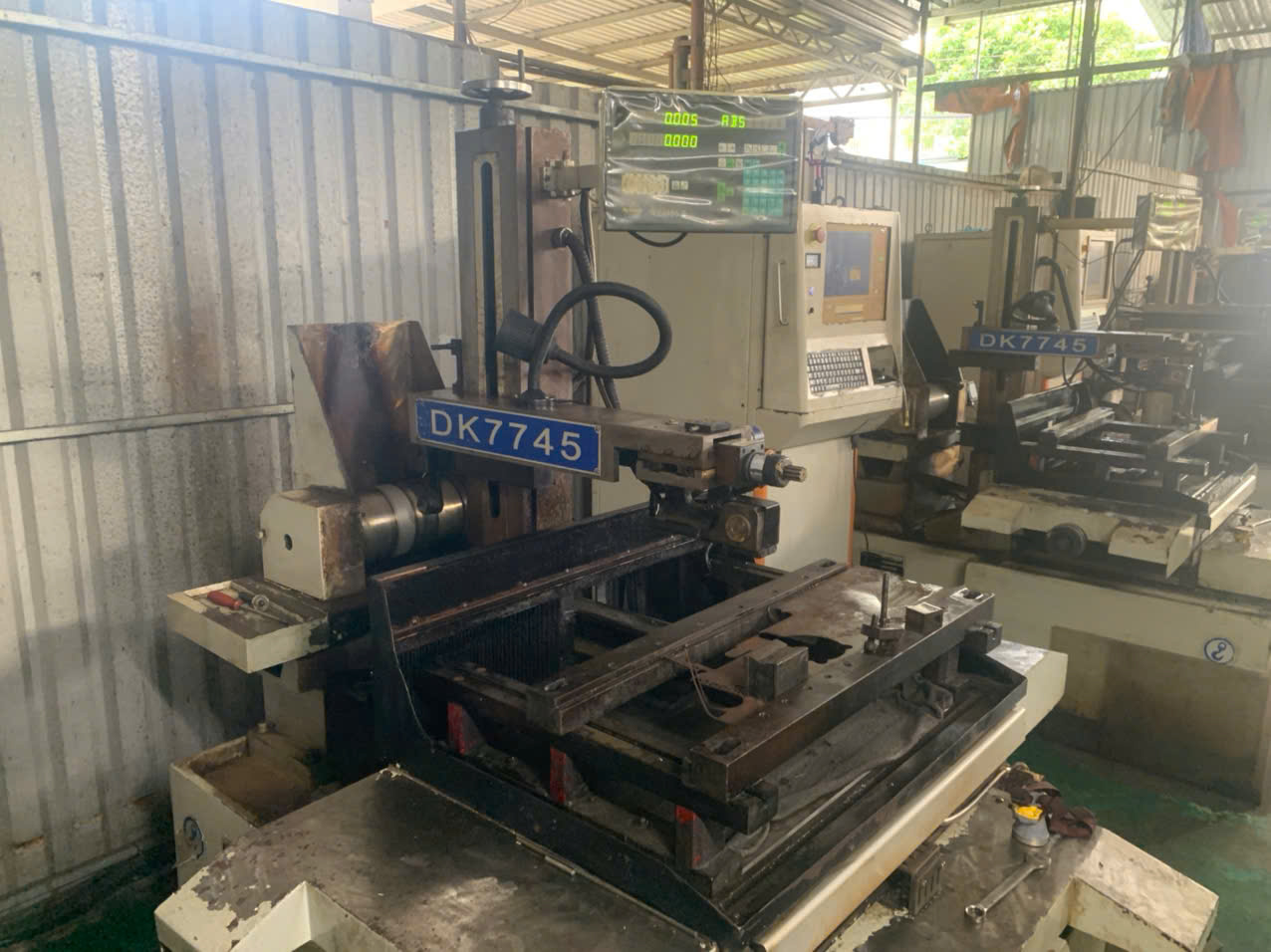
Engineering teams oversee a 16-stage vertically integrated manufacturing flow for driveline components. Raw steel bar cutting, isothermal annealing, shot blasting, and saponification prepare blanks for 160T to 630T closed-die forging. Sub-components undergo normalizing, robotic CNC turning, internal spline broaching, CQI-9 controlled carbonitriding, eddy-current crack sorting, and vacuum anti-rust packaging to maintain strict mechanical integrity.
Key Takeaways
- Xi'an (26 staff) and Ho Chi Minh City (7 staff) engineering teams manage supplier audits, DFM review, and ZEISS CMM inspection across Asian hubs.
- Ningbo Keminsheng provides 16-stage integrated production for CV star-shaped sleeves holding ±0.008 mm spline pitch and HRC 58–62 hardness.
- Specialized Asian plants manufacture powder metallurgy components, oilless bushings, Ø5,000 mm slewing bearings, and high-purity PEEK or PTFE parts.
- Turnkey programs produce CE-marked hand pallet trucks in Vietnam and UL 711 / DOT fire extinguisher brackets tested to 240+ hours ASTM B117 salt spray.
Precision driveline production relies on tightly monitored chemical and thermal processes to ensure structural stability under mechanical load. Cold and warm precision forging creates dense grain flows, while automated spline broaching and hard turning maintain concentricity across high-volume production runs.
- 16-stage workflow including bar cutting, saponification, phosphating, and closed-die warm and cold forging
- 136 robotic CNC lathes and 4 EMAG centers maintaining ±0.008 mm raceway concentricity and spline pitch
- CQI-9 automated continuous furnace carbonitriding achieving HRC 58–62 case hardness at 0.85–1.25 mm case depth
- 100% non-destructive evaluation using eddy-current testing, magnetic crack sorting, and ultrasonic cleaning
What Process Capabilities Support Powder Metallurgy and Bearings?
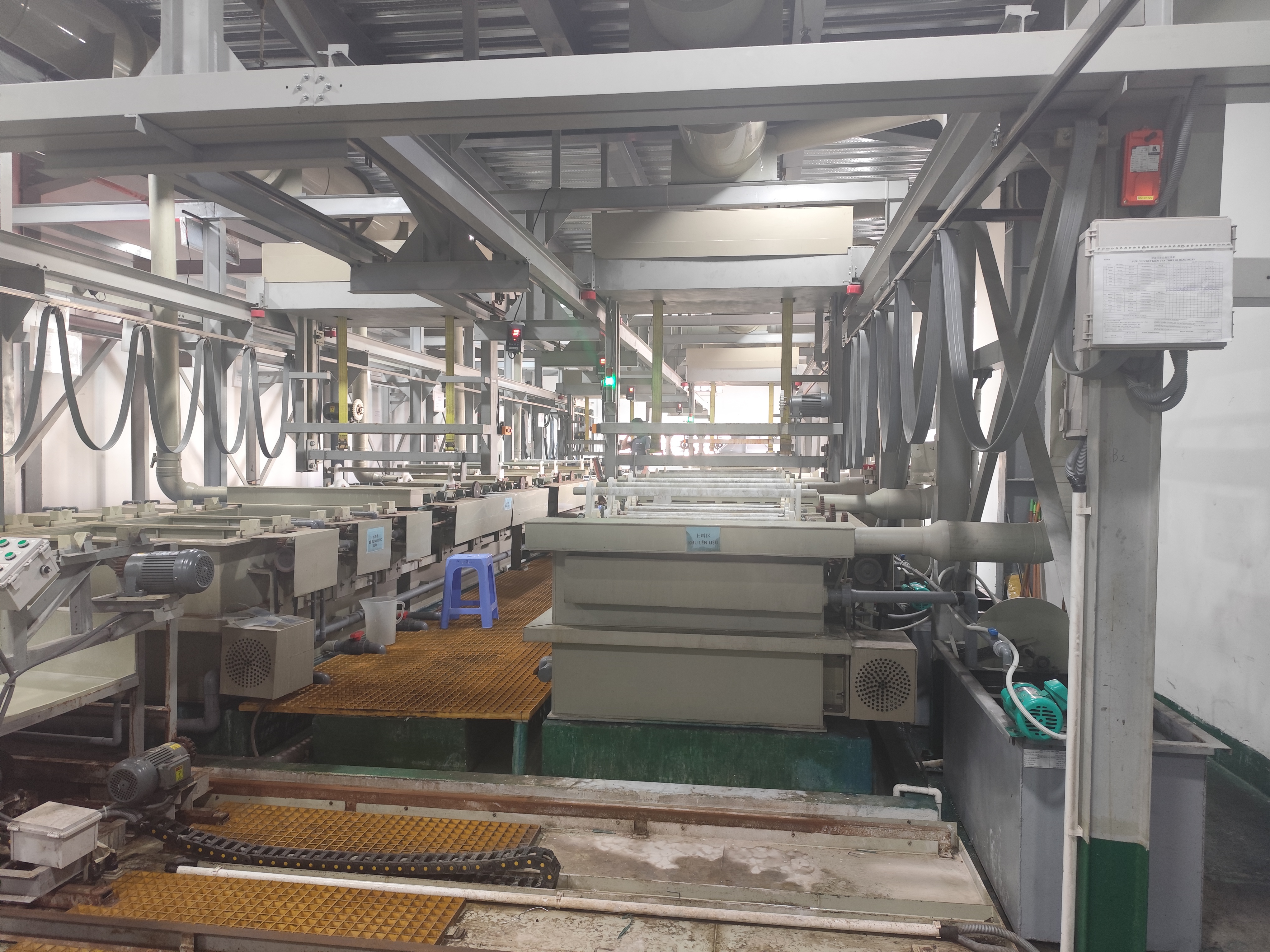
Powder metallurgy and bearing production leverage multi-ton CNC presses, vacuum sintering furnaces, and precise finishing lines. Facilities produce sintered structural gears, oil-impregnated bronze bushings, 17-4PH Metal Injection Molding parts, Ø200 to 5,000 mm slewing bearings, and PTFE composite bushings. Quality is verified using gear profile testing, tribology labs, and 3D CMM inspection.
Precision component manufacturing relies on specialized metallurgy for wear-resistant applications. From oil-impregnated bronze bushings to large-diameter slewing rings, specialized manufacturing equipment maintains exact dimensional standards and surface characteristics.
- Powder metallurgy lines utilizing 15T to 500T CNC presses and mesh-belt sintering furnaces for sintered sprockets and pistons
- Metal Injection Molding (MIM) debinding and sintering for 17-4PH and 316L stainless steel structural parts
- Slewing bearing production featuring 5m CNC vertical turning centers and medium-frequency induction hardening
- Self-lubricating SF-1 and SF-2 PTFE composite bushings, JF-800 bimetal bearings, and JDB graphite-plugged bronze bearings
Which Quality Controls Validate Metal Stamping and Assemblies?
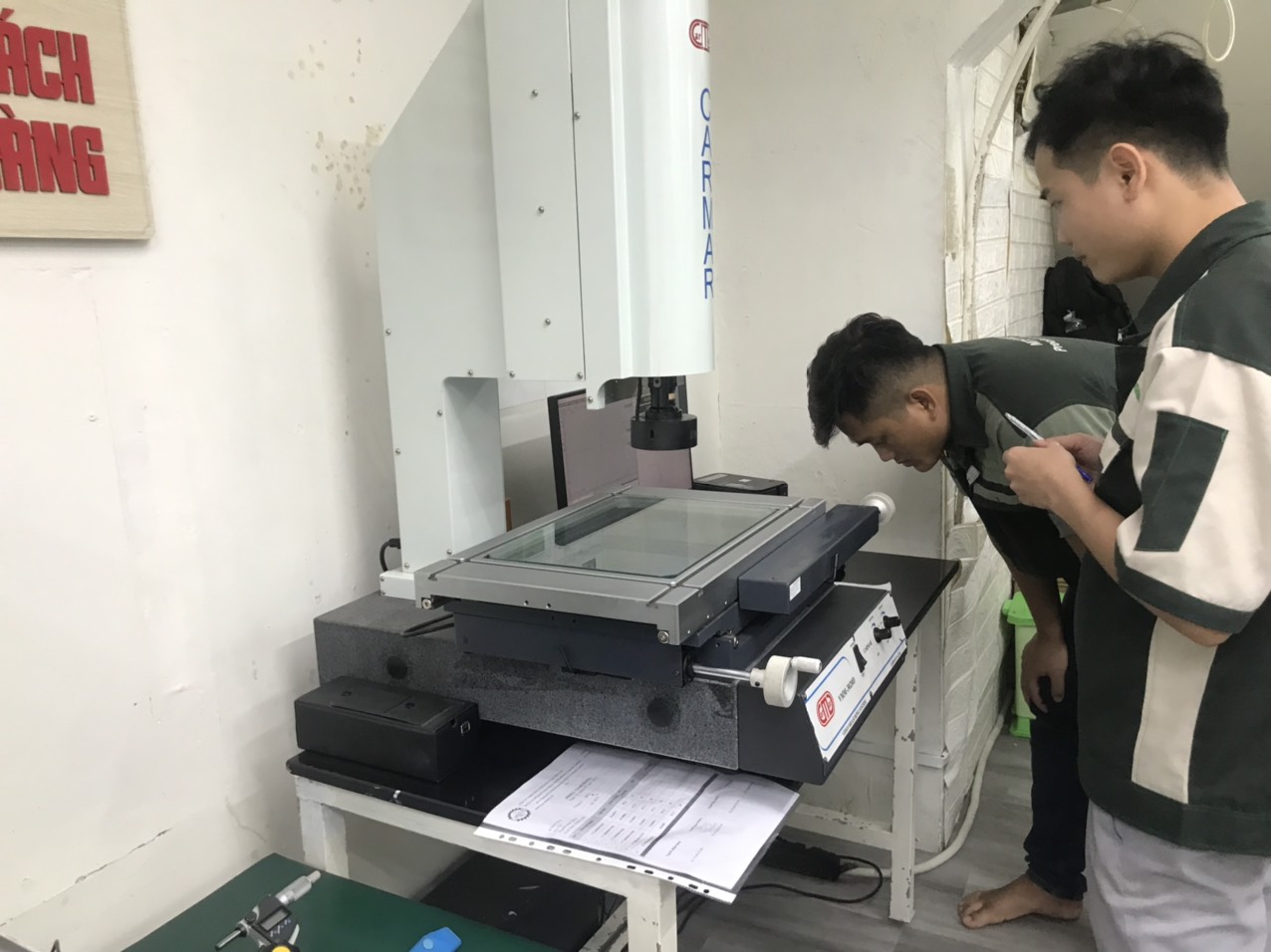
Quality inspection protocols combine 3D metrology with environmental and mechanical validation. Stamped assemblies, aerospace valve blocks, and hydraulic hand pallet trucks undergo ZEISS CMM dimensional verification, 100% pump leak testing, 5G vibration evaluation, and 240-hour ASTM B117 salt spray testing to confirm corrosion resistance and structural performance.
Comprehensive quality control programs combine shop-floor metrology with standardized environmental testing. Equipment such as 5-axis CNC machining centers, robotic welding cells, and cleanroom fluoropolymer processing lines ensure parts fulfill engineering drawings and GD&T specifications.
- 3D Coordinate Measuring Machines (ZEISS and Mitutoyo Crysta-Apex S) for precision contour and surface metrology
- Progressive stamping presses up to 315T paired with OTC and Panasonic robotic MIG welding cells
- 100% hydraulic pump leak testing on Vietnam-produced 2.0T to 5.0T CE hand pallet trucks
- 240-hour ASTM B117 salt spray testing and 1,500-hour UV exposure testing on SPCC/SS304 stamped brackets
Precision Manufacturing & Sourcing Specification Matrix
| Technical Dimension | Standard Commercial Grade | High-Precision OEM Export Grade | DEWIN Verification Protocol |
|---|---|---|---|
| Machining & Forming Tolerance | ISO 2768-m (±0.10 mm nominal) | ISO 2768-f (±0.01 mm – ±0.025 mm critical bores) | Calibrated 3D CMM & Air/Pin Gauging |
| Surface Roughness & Finish | Ra 1.6 – 3.2 µm as-machined / standard coat | Ra 0.4 – 0.8 µm precision ground / MIL-A-8625 anodized | Profilometer & Coating Thickness Gauge |
| Material & Alloy Certification | Supplier Mill Test Report (MTR) | Independent OES chemical & mechanical verification | EN 10204 3.1 + RoHS/REACH Compliance |
| Batch Inspection & Packaging | ISO 2859-1 (AQL 1.0 Major / 2.5 Minor) | Zero-defect critical features + VCI export crating | Pre-Shipment Inspection (PSI) Report |
Frequently Asked Questions
What metrology equipment is used for dimensional verification?
Facilities utilize ZEISS and Mitutoyo Crysta-Apex S 3D Coordinate Measuring Machines (CMM), universal gear profile testers, contour instruments, and surface roughness measuring equipment.
What materials are processed in fluoropolymer component manufacturing?
Fluoropolymer component production processes high-purity PTFE, PFA, FEP, PVDF, PEEK, PI, PEI, PPS, and FFKM/FKM O-rings using cleanroom assembly, DI water cleaning, and CNC centers.
Where are DEWIN engineering service centers located?
DEWIN operates a 26-person purchasing and engineering service center in Xi'an, China, a 7-person local team in Ho Chi Minh City, Vietnam, and headquarters in Singapore.
What standard load capacities exist for hand pallet trucks produced in Vietnam?
Hand pallet trucks manufactured in Bac Ninh, Vietnam offer 2.0T, 2.5T, 3.0T, and 5.0T capacity configurations with AC/DF integrated cast-iron hydraulic pumps and 550 mm or 685 mm fork widths.