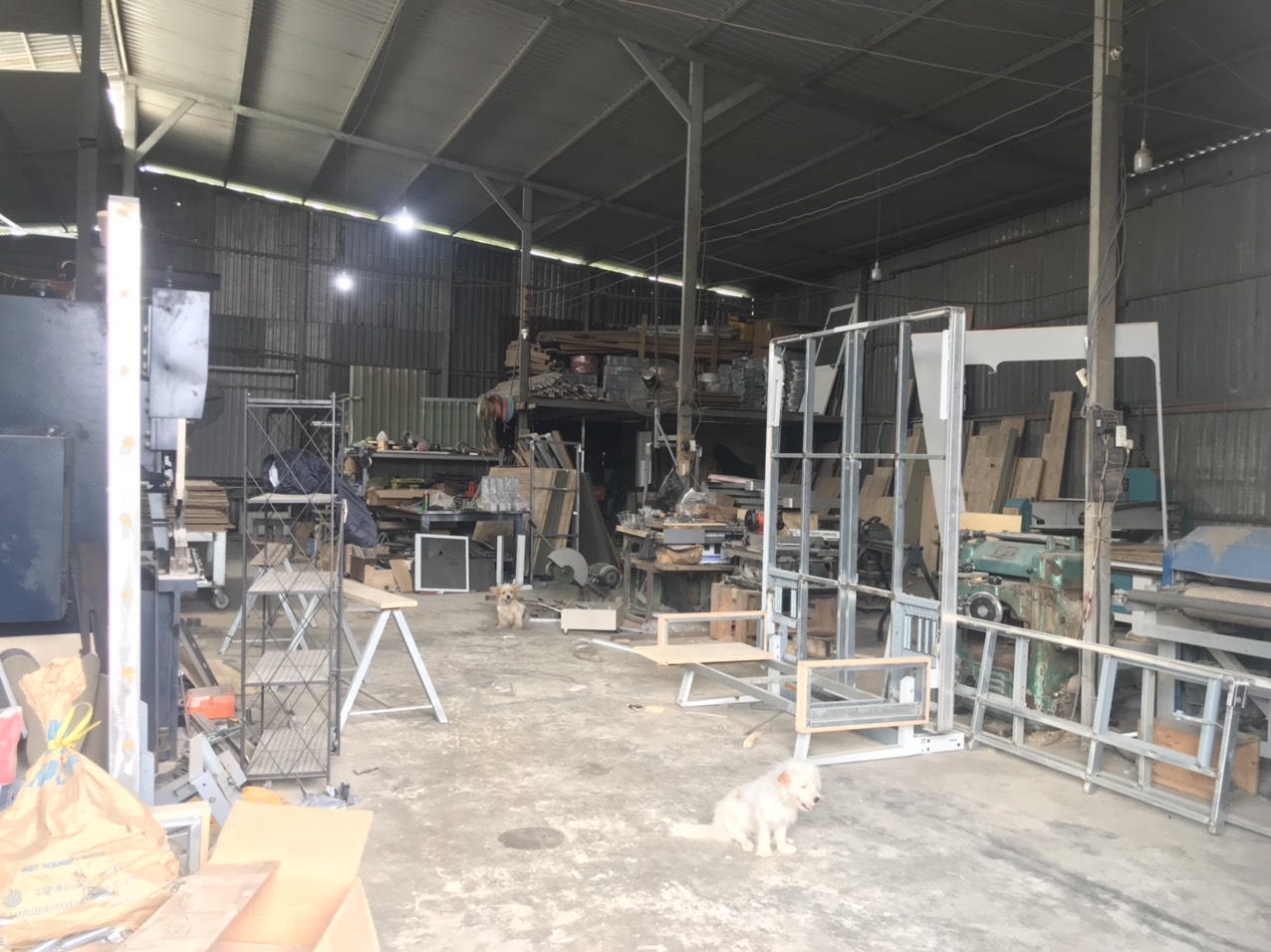
What is the process for manufacturing a precision forged part?
Manufacturing a precision forged component, such as a CV joint, involves a vertically integrated, multi-stage process. It begins with raw steel bar preparation and precision forging, followed by robotic CNC machining, internal spline broaching, and controlled heat treatment to meet strict hardness and dimensional specifications like ±0.008 mm.
Key Takeaways
- Precision forging involves a multi-stage process, including raw steel preparation, cold or warm forging, robotic CNC machining, spline broaching, and CQI-9 controlled heat treatment.
- On-site engineering teams provide critical supplier management through QCLDM factory audits, pre-quote Design for Manufacturing (DFM) analysis, and in-process ZEISS CMM dimensional inspection.
- A diverse network of suppliers offers specialized capabilities, including IATF 16949 powder metallurgy, AS9100D 5-axis CNC machining, large-diameter slewing bearings, and high-purity PEEK/PTFE fluoropolymer molding.
- Production lines can be relocated between facilities in China and Vietnam using a structured process for transferring dies, fixtures, and quality control gauges, demonstrated by a 10-month project.
The production of complex forged parts follows a rigorous, vertically integrated workflow from raw material to finished product. This ensures full control over quality at every stage. For an automotive component like a CV joint star sleeve, the process starts with cutting SAE 5120H alloy steel bars and preparing them for forging through annealing and shot blasting.
The prepared material undergoes precision cold or warm forging in closed-die presses, followed by normalizing to create a uniform grain structure. Parts are then machined on robotic CNC turning and milling centers, with specialized operations like internal spline broaching. A crucial final step is the CQI-9 controlled carbonitriding heat treatment, which achieves a case hardness of HRC 58–62 before final inspection and anti-rust packaging.
- Raw Steel Bar Cutting
- Isothermal Annealing
- Shot Blasting
- Saponification & Phosphating
- Precision Cold/Warm Forging
- Controlled Normalizing
- Robotic CNC Turning
- Internal Spline Broaching
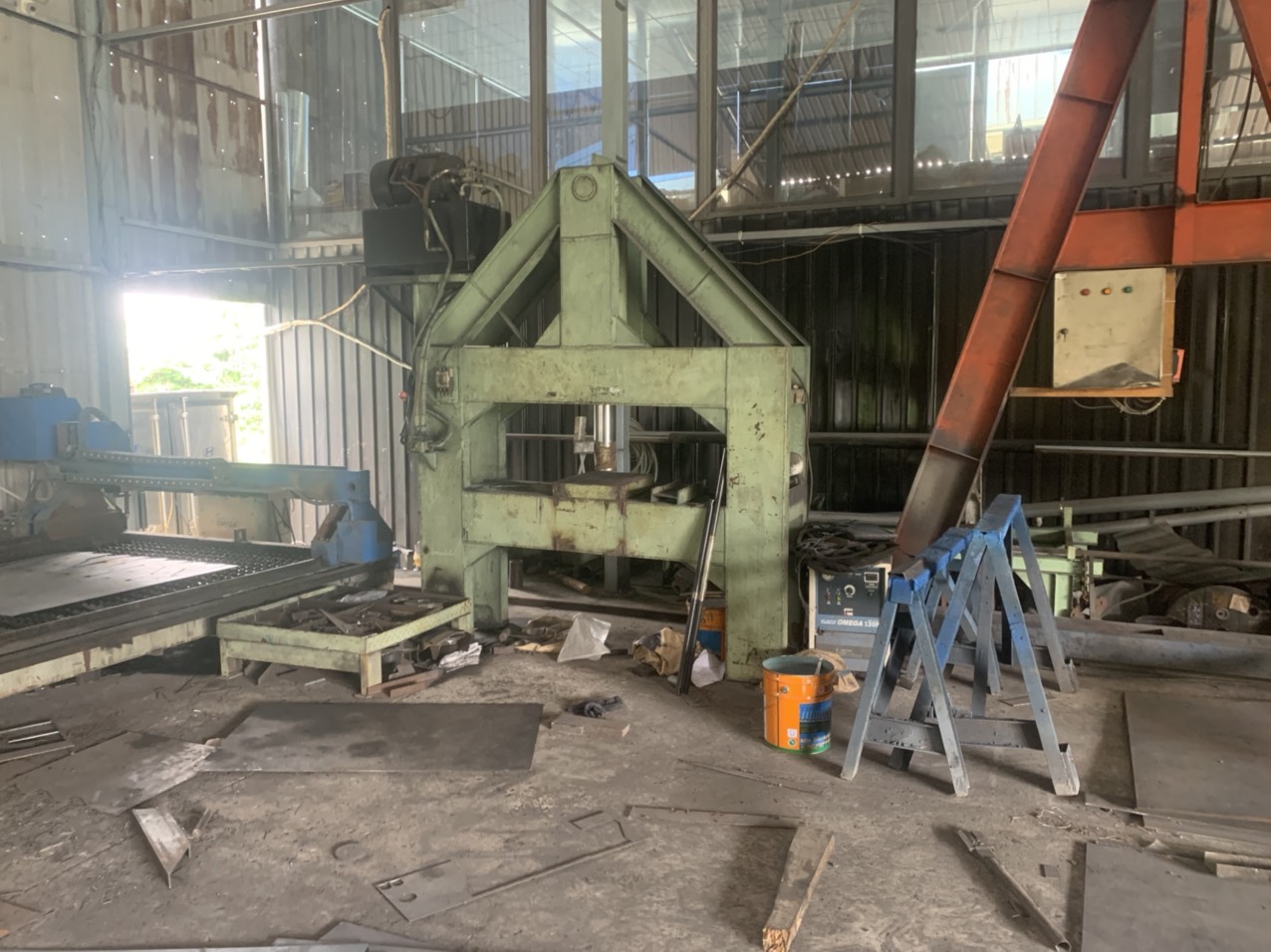
How is manufacturing quality managed across suppliers in Asia?
Quality is managed through on-the-ground engineering and quality teams in China and Vietnam. These teams conduct supplier factory audits, perform pre-production DFM tolerance analysis, and use tools like ZEISS CMMs for in-process dimensional reporting. This approach supports quality benchmarks like 50 Parts Per Million (PPM) for automotive components.
A systematic approach to quality control relies on local, embedded service centers. Teams of engineers and quality inspectors in Xi'an, China, and Ho Chi Minh City, Vietnam, orchestrate supplier management. This begins with comprehensive QCLDM factory audits to assess a supplier's capabilities.
Before production, the engineering teams perform Design for Manufacturing (DFM) reviews to analyze tolerances and tooling design. During production, quality is maintained through Full PPAP Level 3 submissions, in-process inspections using ZEISS CMM machines for dimensional verification, and resident SQE audits. This framework aims for stringent quality benchmarks, such as a 50 PPM defect rate for sintered shock absorber parts.
- QCLDM (Quality, Cost, Logistics, Development, Management) factory audits
- DFM and tooling engineering review
- PPAP (Production Part Approval Process) Level 3 documentation
- ZEISS CMM dimensional reports for in-process inspection
- Material certificates (COA)
- Resident Supplier Quality Engineer (SQE) audits
Which specialized manufacturing processes can be sourced?
Beyond common methods, a network of audited factories provides access to highly specialized industrial processes. These include powder metallurgy for sintered gears and structural parts, 5-axis CNC machining for aerospace components, progressive stamping with robotic welding, and high-performance injection molding using materials like PEEK and PTFE.
A managed network of specialized factories offers a wide range of advanced manufacturing capabilities. These facilities are audited and selected for their expertise in specific domains, allowing for the sourcing of complex and high-performance parts. This includes processes governed by standards like IATF 16949 for automotive parts and AS9100D for aerospace components.
These capabilities range from forming metal powders into complex gears and stainless steel parts to machining titanium and Inconel on 5-axis CNC centers. The network also includes manufacturers of various bearing types, from self-lubricating polymer composites to massive Ø5,000 mm slewing rings for heavy equipment.
- Powder metallurgy (PM/MIM) for structural parts and bushings
- Heavy slewing bearings up to Ø5,000 mm
- Aerospace 5-axis CNC machining for titanium and Inconel
- Self-lubricating PTFE composite and bimetal bearings
- Spherical plain bearings and hydraulic rod ends
- Progressive stamping (up to 315T) and robotic welding
- High-purity fluoropolymer (PTFE, PEEK, PFA) molding

Precision Manufacturing & Sourcing Specification Matrix
| Technical Dimension | Standard Commercial Grade | High-Precision OEM Export Grade | DEWIN Verification Protocol |
|---|---|---|---|
| Machining & Forming Tolerance | ISO 2768-m (±0.10 mm nominal) | ISO 2768-f (±0.01 mm – ±0.025 mm critical bores) | Calibrated 3D CMM & Air/Pin Gauging |
| Surface Roughness & Finish | Ra 1.6 – 3.2 µm as-machined / standard coat | Ra 0.4 – 0.8 µm precision ground / MIL-A-8625 anodized | Profilometer & Coating Thickness Gauge |
| Material & Alloy Certification | Supplier Mill Test Report (MTR) | Independent OES chemical & mechanical verification | EN 10204 3.1 + RoHS/REACH Compliance |
| Batch Inspection & Packaging | ISO 2859-1 (AQL 1.0 Major / 2.5 Minor) | Zero-defect critical features + VCI export crating | Pre-Shipment Inspection (PSI) Report |
Frequently Asked Questions
What does a Design for Manufacturing (DFM) review include?
A DFM review is a pre-quote engineering step that includes a 2D/3D tolerance analysis, progressive die design review, and mold flow simulation. This analysis occurs before any steel is cut, helping to optimize the component design for efficient and reliable mass production.
What kind of tolerances are achievable for complex drivetrain components?
For complex parts like CV joint sleeves, manufacturing processes combining high-speed broaching and robotic CNC hard-turning can hold raceway concentricity tolerances of ±0.008 mm. Case hardening processes like CQI-9 carbonitriding achieve a surface hardness of HRC 58–62 with a controlled case depth of 0.85 – 1.25 mm.
How are production line transfers between China and Vietnam managed?
A proven transfer playbook enables the relocation of production lines from China to Vietnam within a 10-month timeframe. The process involves systematically transferring dies, fixtures, and quality control gauges to maintain continuity of supply and adherence to specifications without supply interruption.
What quality management systems are common in automotive and aerospace manufacturing?
Suppliers in the network adhere to specific industry quality management systems. For automotive parts, this includes IATF 16949 for general processes and CQI-9 for heat treatment. For aerospace components, suppliers may follow standards such as AS9100D and GJB 9001C-2017.