Quality Control in Manufacturing: How Vietnam Ensures World-Class Standards
February 12, 2026 · 7 min read

Quality isn't an aspiration — it's a measurable requirement with real financial consequences. A single undetected defect can cascade into costly recalls, production line shutdowns, or permanent brand damage. As global supply chains grow more distributed, having robust quality control (QC) at the source becomes essential — not optional.
Vietnam's manufacturing sector has matured rapidly, and with that maturity has come a sophisticated approach to quality management that rivals traditional manufacturing powerhouses.
Vietnamese manufacturers ensure quality through layered controls — incoming material inspection, in-process checks, final inspection, and outgoing AQL sampling — backed by ISO 9001 and IATF 16949 systems, CMM metrology labs, and accessible third-party inspection from SGS, Bureau Veritas, and TÜV.
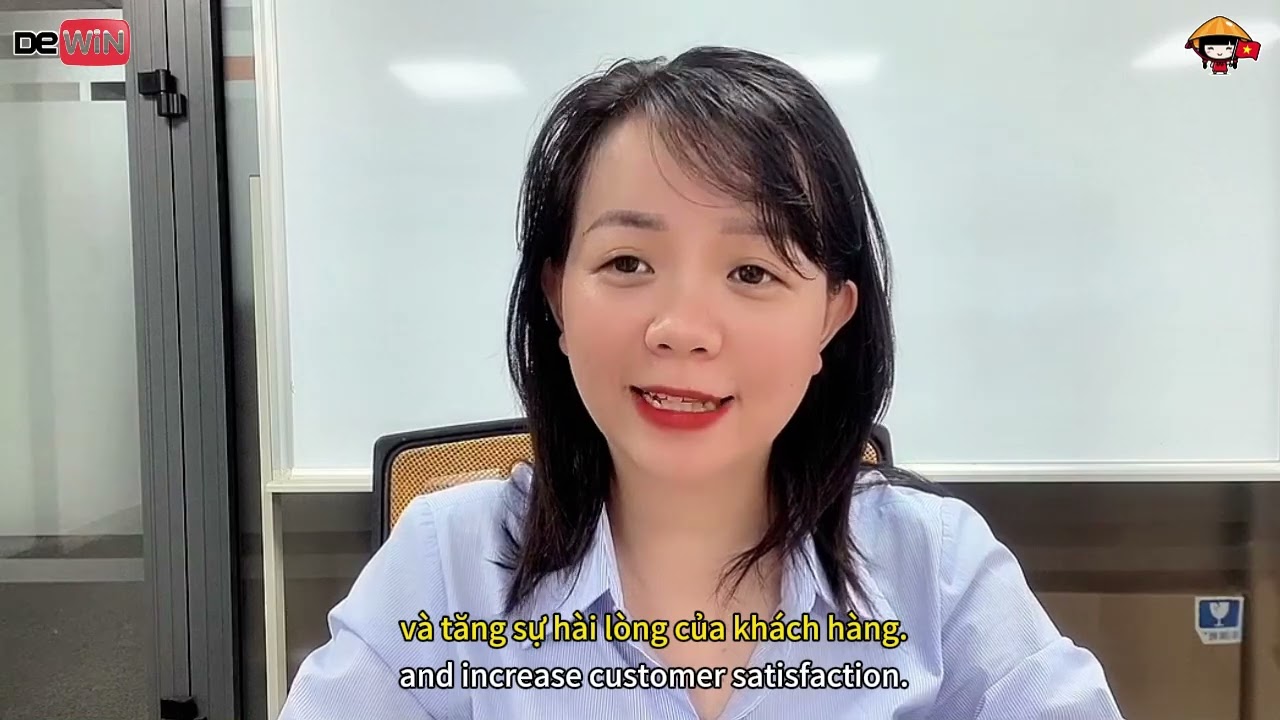
Step Inside a Real Vietnamese Factory with Our Sourcing Team
Watch on YouTube
Real footage from an audited DEWIN partner factory in Vietnam.
The Four Pillars of Manufacturing QC
Manufacturing QC rests on four pillars: incoming material inspection (IQC), in-process control (IPQC), final inspection (FQC), and outgoing quality assurance (OQA). Each stage catches defects earlier than the last, so problems are corrected before they compound into scrapped lots or field failures.
Effective quality control in any manufacturing environment rests on four interconnected pillars:
- Incoming Material Inspection (IQC): Every production run is only as good as its raw materials. IQC involves verifying material certificates, running hardness tests, checking chemical composition, and confirming dimensional specs before material ever reaches the production floor.
- In-Process Quality Control (IPQC): Rather than waiting until a part is finished to discover problems, IPQC embeds checkpoints throughout the manufacturing process. Operators verify critical dimensions at each stage, catching deviations before they compound.
- Final Quality Control (FQC): Completed parts undergo full inspection: dimensional verification, surface finish assessment, functional testing, and visual inspection against golden samples.
- Outgoing Quality Assurance (OQA): Before shipment, statistical sampling per AQL standards ensures the entire lot meets customer specifications. Packaging and labeling are also verified at this stage.
Key QC Standards and Certifications
Vietnamese manufacturers serving international markets commonly hold certifications including:
- ISO 9001: The foundational quality management system standard, ensuring consistent processes and continuous improvement.
- IATF 16949: The automotive industry's quality standard, required by most global OEMs.
- ISO 14001: Environmental management — increasingly demanded by sustainability-conscious buyers.
- PPAP (Production Part Approval Process): A structured process proving a supplier can consistently produce parts meeting engineering specifications.
Why Vietnam Excels at Quality Control
Vietnam's QC capabilities have advanced significantly due to several factors:
- Japanese and Korean influence: Decades of FDI from Japan and South Korea have embedded lean manufacturing principles and rigorous quality cultures in Vietnamese factories. Many local engineers trained under Japanese 5S and kaizen methodologies.
- Young, trainable workforce: Vietnam's median age is 31. Workers are tech-savvy, eager to learn, and adaptable to new quality systems and measurement technologies.
- Investment in metrology: Leading Vietnamese factories operate CMM (coordinate measuring machine) labs, optical comparators, surface roughness testers, and spectrometers — the same equipment found in any world-class facility.
- Cost-effective third-party inspection: Vietnam has a well-developed ecosystem of independent inspection firms (SGS, Bureau Veritas, TÜV) with local offices, making third-party verification accessible and affordable.
Common QC Tools and Techniques
- SPC (Statistical Process Control): Real-time monitoring of process variables to detect drift before it causes defects.
- FMEA (Failure Mode and Effects Analysis): Proactive risk assessment that identifies potential failure points and prioritizes preventive actions.
- 8D Problem Solving: A structured methodology for root cause analysis and corrective action when defects are found.
- Control Plans: Documents specifying inspection methods, frequencies, and acceptance criteria for every critical characteristic.
- First Article Inspection (FAI): Full dimensional verification of the first production parts against engineering drawings.
How DEWIN Manages Quality
At DEWIN, quality management isn't outsourced — it's embedded in our process from day one. Our Vietnam-based quality engineers work directly on the factory floor, conducting IPQC checks, managing PPAP documentation, and performing final audits before any shipment leaves the facility.
We provide full inspection reports with dimensional data, photos, and material certifications — giving you complete traceability and confidence in every part.
Want to See Our QC Process in Action?
DEWIN provides transparent quality management for every project. Request a sample inspection report →
Frequently Asked Questions
What quality documentation comes with each shipment?
DEWIN provides full inspection reports with dimensional data, photos, and material certifications, giving complete traceability on every part. Vietnam-based quality engineers work directly on the factory floor, conducting IPQC checks, managing PPAP documentation, and performing final audits before any shipment leaves the facility. Quality management is embedded in the process from day one rather than outsourced.
How is root cause handled when a defect is actually found?
8D problem solving is the structured methodology used for root cause analysis and corrective action when defects are found. It sits alongside preventive tools: FMEA identifies potential failure points and prioritizes preventive actions, SPC monitors process variables in real time to detect drift before it causes defects, and control plans set inspection methods, frequencies, and acceptance criteria for every critical characteristic.
Is independent third-party inspection practical in Vietnam?
Independent inspection firms including SGS, Bureau Veritas, and TÜV have local offices in Vietnam, making third-party verification accessible and affordable. That ecosystem lets a buyer add an outside check on top of the factory's own IQC, IPQC, FQC, and OQA layers. Cost-effective third-party inspection is one reason Vietnam's QC capability has advanced significantly.