Late deliveries and quality failures from offshore manufacturing keep costing you money — and every missed shipment erodes trust with your own customers.
Requiring a local US warehouse when sourcing sheet metal fabrication strengthens supply chain resilience, cuts lead time reduction risks, and gives you direct quality control. For most mid-to-high volume projects, local inventory is a strategic advantage that reduces total landed cost and protects delivery schedules.
The decision is not always black and white. Some projects benefit from overseas sourcing. Others demand the speed and oversight only a local warehouse can provide ocean freight delays 1. In the sections below, I break down the key factors so you can make the right call for your business.
How will a local US warehouse help me mitigate the risk of late sheet metal deliveries?
A buyer I work with once lost a $200,000 contract because his overseas supplier's container sat at port for three extra weeks during a customs backlog vendor-managed inventory arrangement 2.
A local US warehouse mitigates late delivery risk by holding safety stock close to your facility, eliminating ocean freight delays, customs hold-ups, and port congestion. It turns a 6–10 week international lead time into a 1–5 day domestic shipment, protecting your production schedule.
Why Overseas Deliveries Are Unpredictable
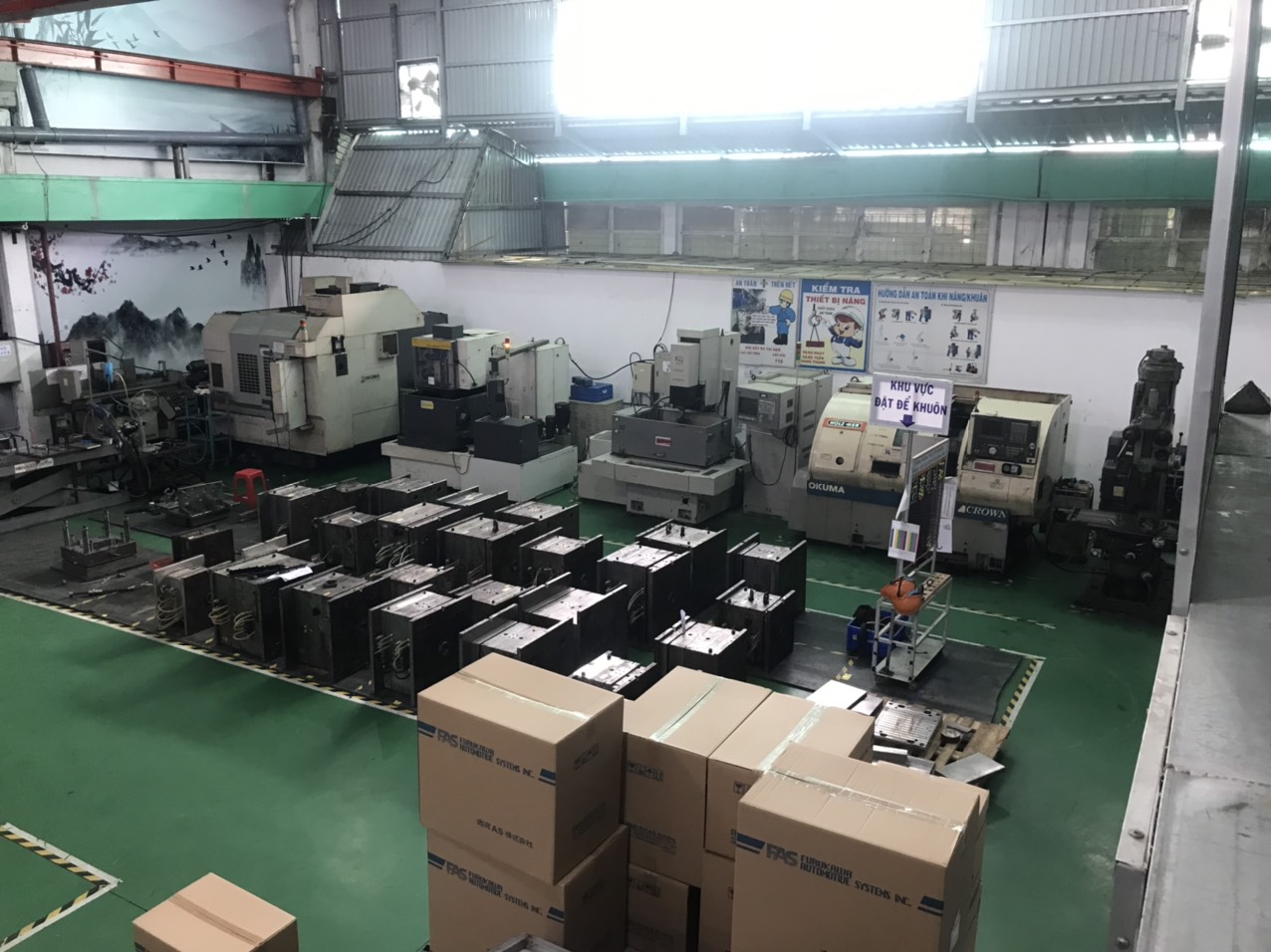
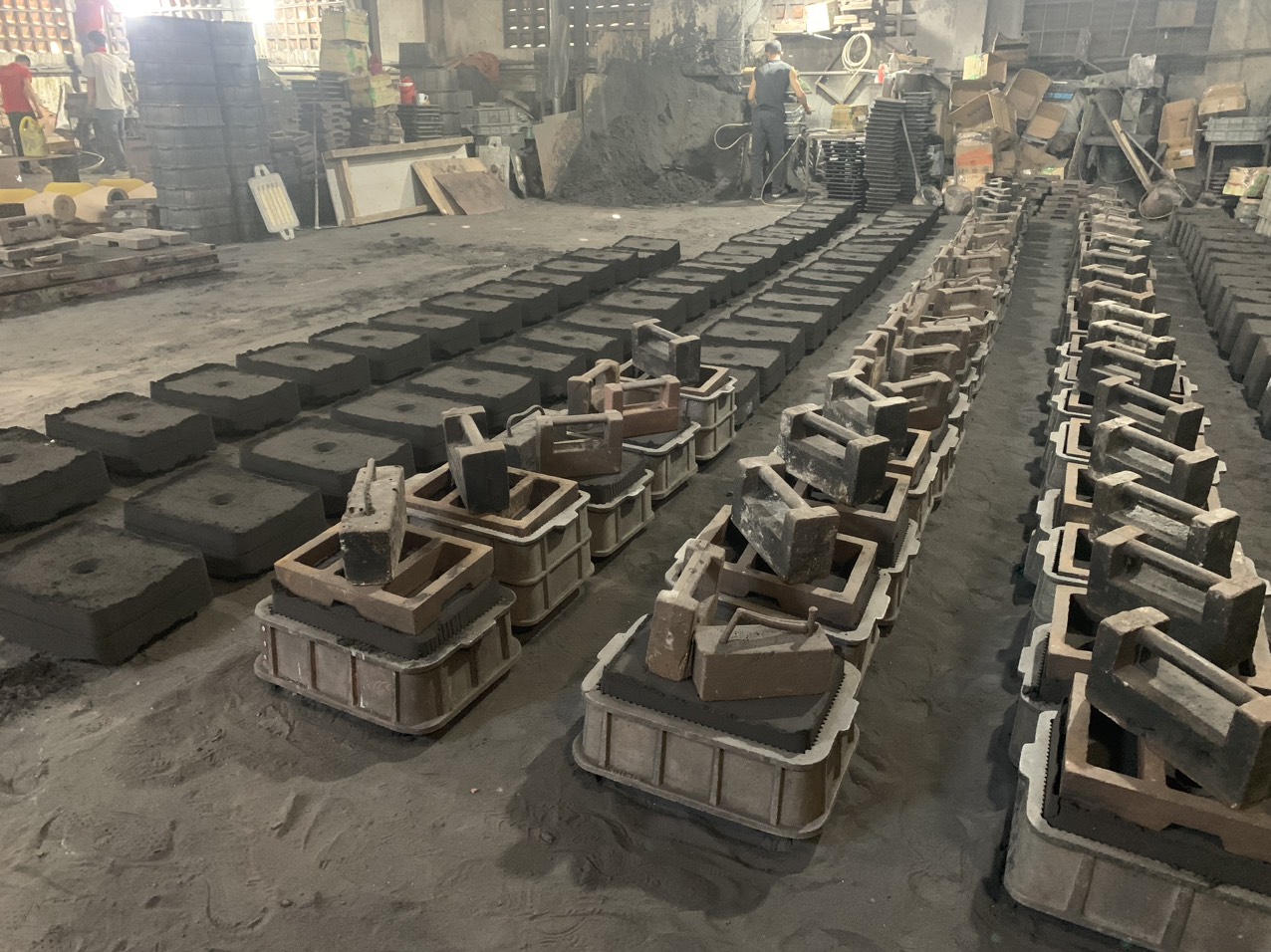
When you source sheet metal fabrication from Asia, the supply chain has many moving parts. Raw material availability, factory schedules, container bookings, ocean transit, customs clearance, and last-mile trucking all introduce risk. Any single delay cascades through the chain. In our experience managing shipments from Vietnam and other Asian countries, even well-planned orders face unpredictable disruptions. Port strikes, typhoon season, and shifting regulatory compliance requirements 3 add layers of uncertainty that no amount of planning can fully eliminate.
The Buffer a Local Warehouse Provides
A local US warehouse acts as a buffer. It decouples your production schedule from the overseas shipping timeline. Instead of waiting for each order to cross the ocean, you draw from stock already sitting stateside. This is especially valuable for sheet metal brackets, housings, and mounting components that your assembly line needs on a predictable cadence.
Comparing Delivery Timelines
| Scenario | Typical Lead Time | Risk of Delay | Recovery Options |
|---|---|---|---|
| Direct ship from Asia (no US warehouse) | 6–10 weeks | High | Limited; must wait for next shipment |
| Asia sourcing with US warehouse buffer | 1–5 days from warehouse | Low | Pull from safety stock immediately |
| Domestic US fabricator | 2–4 weeks (production + delivery) | Medium | Communicate directly, expedite if needed |
How We Handle This for Our Clients
We coordinate production in Vietnam or other Asian facilities, run final inspection before shipment, and work with our clients to maintain a rolling inventory at their designated US warehouse. This approach compresses the effective lead time to days, not months. It also means that if a shipment is delayed — say, a vessel skips a port — the client's assembly line does not stop. The warehouse stock covers the gap until the next shipment arrives. Lead time reduction is not just about speed. It is about consistency. Your customers expect on-time delivery. A local warehouse makes that promise much easier to keep.
Can a US-based warehouse simplify my process for handling quality inspections and returns?
One lesson we learned early at DEWIN is that catching a defect before it reaches your customer's floor is worth ten times the cost of catching it after.
Yes, a US-based warehouse simplifies quality inspections and returns by allowing you to inspect goods domestically before distribution, reject non-conforming parts on the spot, and avoid the cost and delay of shipping defective items back overseas. It puts quality control closer to where it matters most.
The Problem with Inspecting Overseas
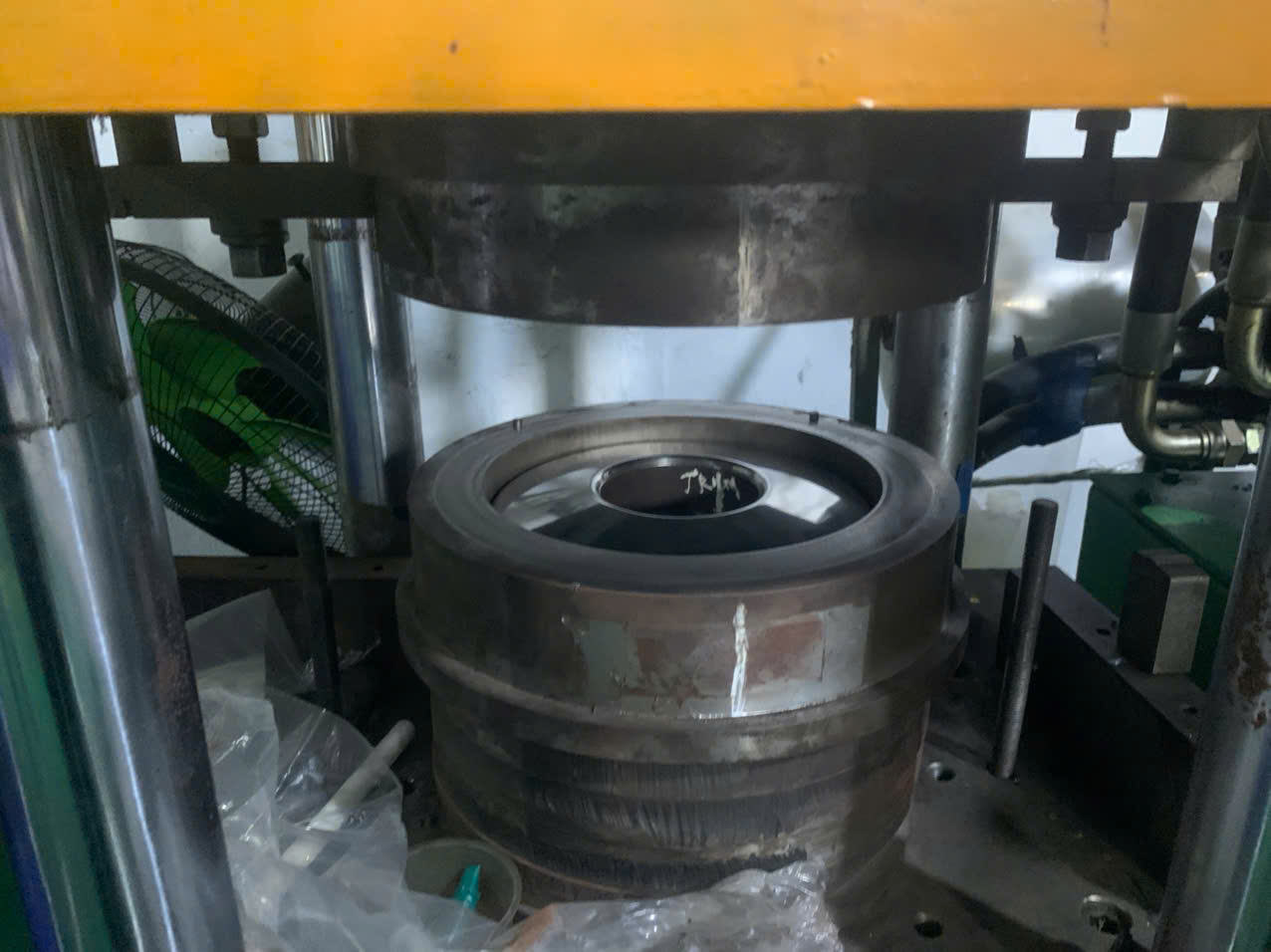
When parts are fabricated in Asia and shipped directly to your facility, you only see them after they arrive. If a batch of sheet metal brackets has dimensional issues, surface finish defects, or incorrect hole placements, you face a painful choice. You can reject the batch and wait weeks for replacements. Or you can try to rework them locally at added cost. Neither option is good.
Our team conducts PPAP and final inspections 4 at the factory before shipment. But even with strict quality control standards 5, some issues only become apparent during incoming inspection on the US side — especially for complex parts with tight tolerances or critical cosmetic requirements.
How a Local Warehouse Changes the Equation
With a US warehouse in the loop, parts arrive there first. Your team — or a third-party inspector — can check them before they move to the production floor. This creates a quality gate that protects your operations.
| Quality Step | Without US Warehouse | With US Warehouse |
|---|---|---|
| Incoming inspection | At your facility; delays production if parts fail | At warehouse; production schedule unaffected |
| Defect handling | Ship back overseas or rework locally | Segregate at warehouse; coordinate replacement from buffer stock |
| Return logistics | Expensive international return shipping | Domestic return to warehouse; vendor manages overseas claim |
| Replacement speed | 6–10 weeks for new batch | Pull from warehouse safety stock immediately |
Reducing the Cost of Non-Conformance
Returns to overseas suppliers are expensive. International freight, customs paperwork, and the time lost negotiating with a factory in a different time zone all add up. A US warehouse lets you handle the immediate problem domestically. You swap the defective parts from stock and deal with the supplier claim separately. Your production keeps moving.
This approach also supports better communication. When I can send photos and measurements from a US warehouse inspection to our Vietnam or China teams, the feedback loop is tight. We resolve issues faster because the data is clear and the time zone overlap is manageable. Communication barriers shrink when everyone is looking at the same inspection report.
When Domestic Suppliers Have the Edge
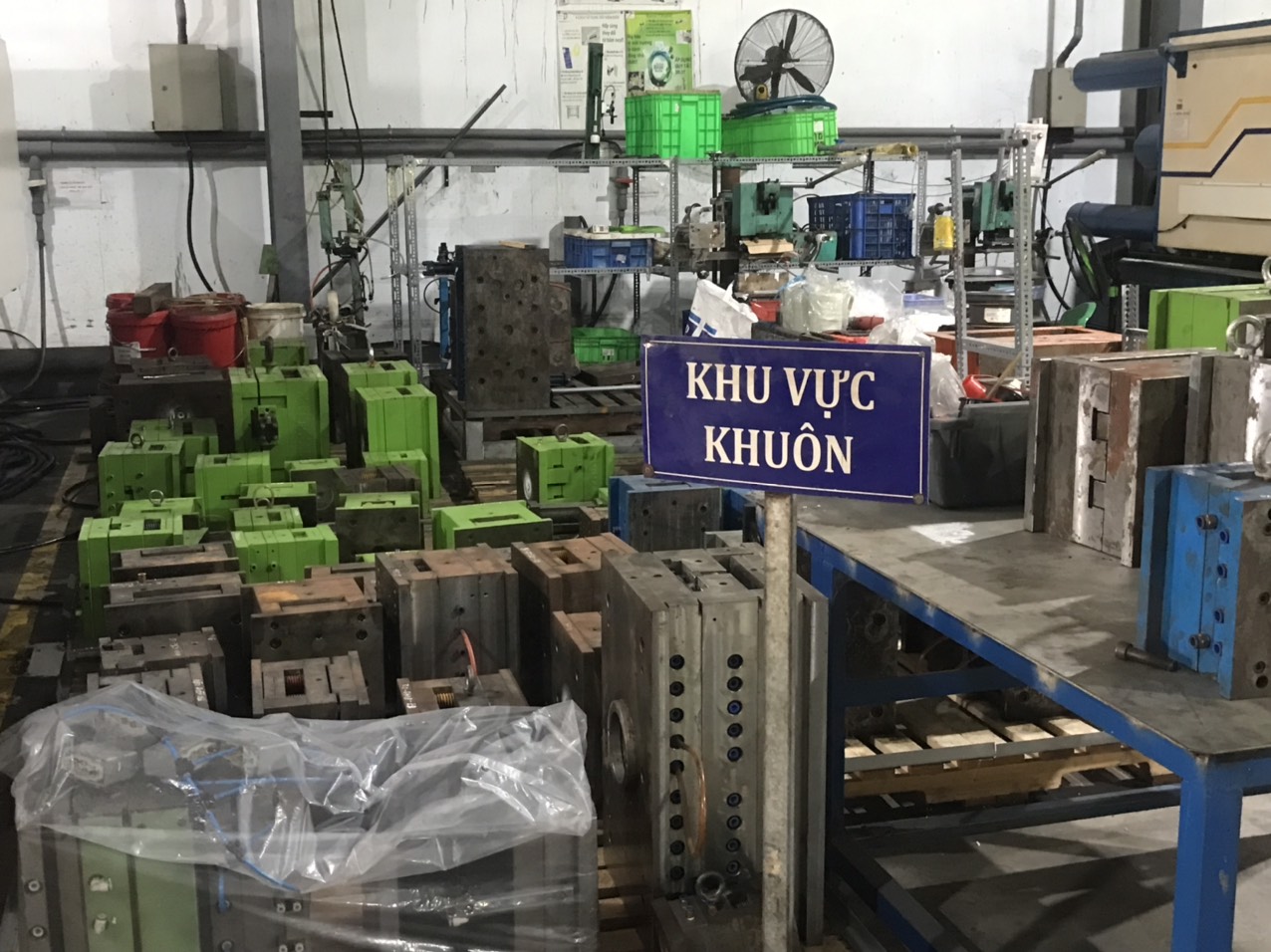
For highly customized or complex sheet metal projects that require frequent design iterations, domestic suppliers with their own warehousing offer a clear advantage. You can visit the facility, witness first-article inspections, and approve samples in person. This level of oversight is hard to replicate with offshore manufacturing alone. But if you pair overseas fabrication with a local warehouse and a disciplined inspection process, you get close to the same level of control at a lower production cost. Understanding the pros and cons of domestic vs. overseas sheet metal fabrication suppliers can help you weigh these trade-offs more effectively.
Does local inventory support my need for better cash flow and flexible payment terms?
A purchasing manager I work with told me plainly: "I don't just need good parts. I need to pay for them in a way that doesn't strangle my cash flow."
Yes, local inventory directly supports better cash flow. When parts sit in a US warehouse under a vendor-managed inventory arrangement, you pay for them as you consume them — not months in advance when they leave the overseas factory. Combined with open account terms of 60–90 days, this model frees up working capital significantly.
The Cash Flow Challenge in International Sourcing
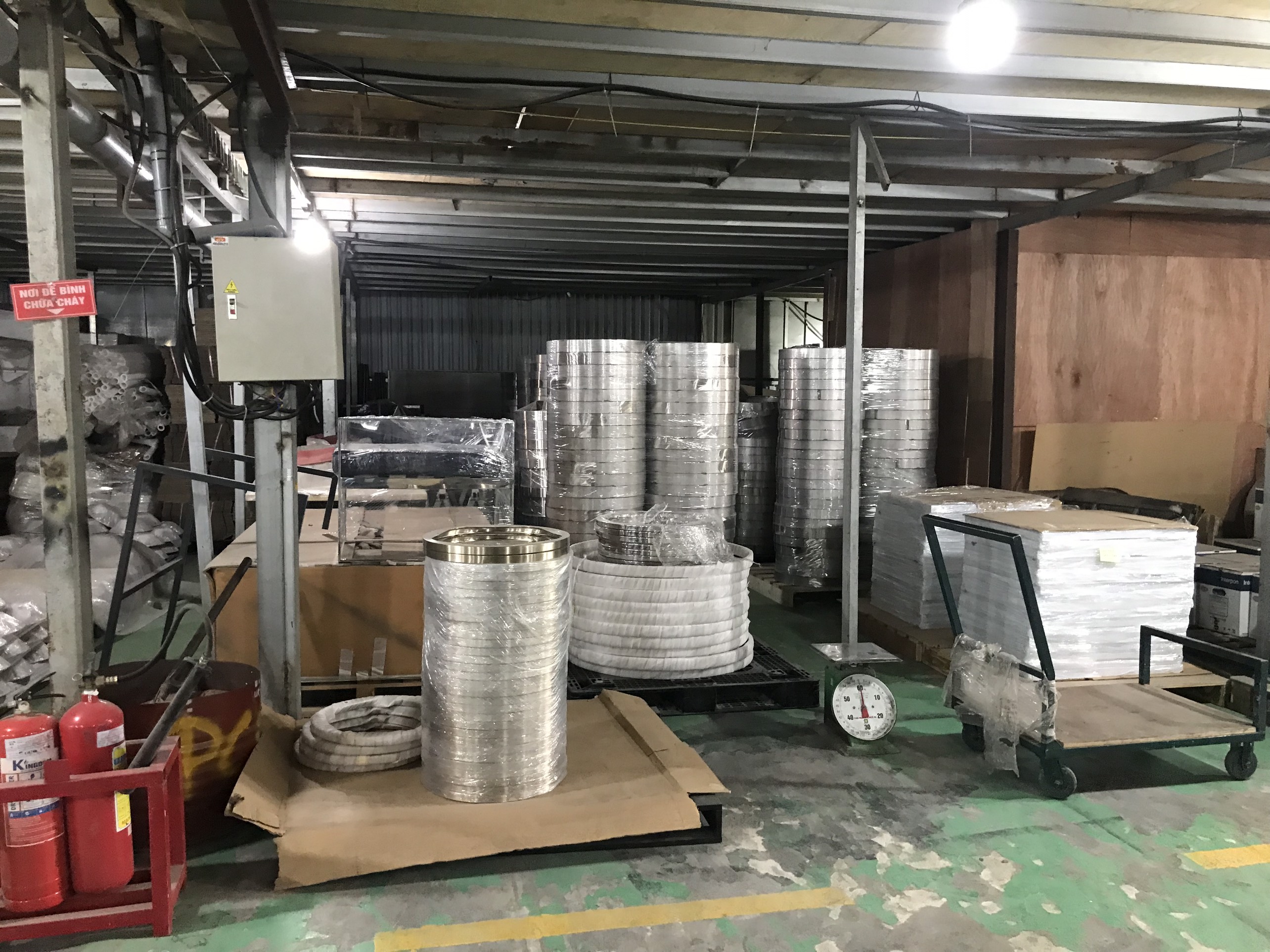
International purchasing often requires payment before you see the goods. Many overseas factories demand a deposit at order placement and the balance before shipment. That means your capital is tied up for the entire production and transit period — sometimes 8 to 12 weeks. For companies managing multiple SKUs of custom sheet metal parts, this can lock up hundreds of thousands of dollars.
How Vendor-Managed Inventory Helps
Vendor-managed inventory (VMI) shifts the financial burden. The supplier or trading partner maintains stock at a US warehouse and you draw from it as needed. Payment triggers when parts are consumed or released, not when they are produced. This is a form of inventory optimization that benefits both parties. The supplier gets a committed customer. The buyer gets predictable supply without upfront capital outlay.
At DEWIN, we offer open account payment terms — typically net 60 or net 90 — to qualified US clients. This further eases cash flow pressure. You receive the parts, use them in production, and pay after you have already invoiced your own customer.
Financial Impact Comparison
| Payment Model | When You Pay | Cash Tied Up | Cash Flow Impact |
|---|---|---|---|
| Traditional overseas (T/T in advance) | 30% deposit + 70% before shipment | 8–12 weeks before use | High negative impact |
| Overseas with US warehouse + open account | Net 60–90 after consumption | 0 weeks before use | Positive; aligns payment with revenue |
| Domestic fabricator (net 30) | 30 days after delivery | 2–4 weeks before use | Moderate impact |
The Total Cost of Ownership Perspective
Cash flow is part of your Total Cost of Ownership 6. A lower per-unit price from an overseas source means little if you must prepay and carry inventory risk for months. When you factor in the cost of capital, warehousing, insurance, and obsolescence risk, the true cost picture changes. Local inventory with flexible terms often brings the TCO closer to — or even below — the apparent savings from offshore manufacturing. This is one of the common pitfalls and misconceptions in sheet metal fabrication procurement that buyers frequently encounter.
Aligning Payment with Your Revenue Cycle
The best supply chain arrangements align your outbound cash with your inbound revenue. If your customer pays you net 45, and you pay your supplier net 60, you have a positive cash conversion cycle 7. This is only possible when your supplier offers credit terms and your inventory is managed locally. It is a practical benefit that many purchasing managers overlook when comparing unit prices alone.
Should I factor in the cost of a local warehouse when calculating my total landed cost?
When we quote a project, I always encourage clients to look beyond the piece price. The number on the invoice is never the full story.
Absolutely. The cost of a local US warehouse — whether you lease space yourself or use a vendor's warehousing service — must be included in your total landed cost calculation. Ignoring it understates the true expense of local inventory while also hiding the savings it generates in reduced expediting fees, lower damage rates, and fewer production stoppages.
What Goes Into Total Landed Cost
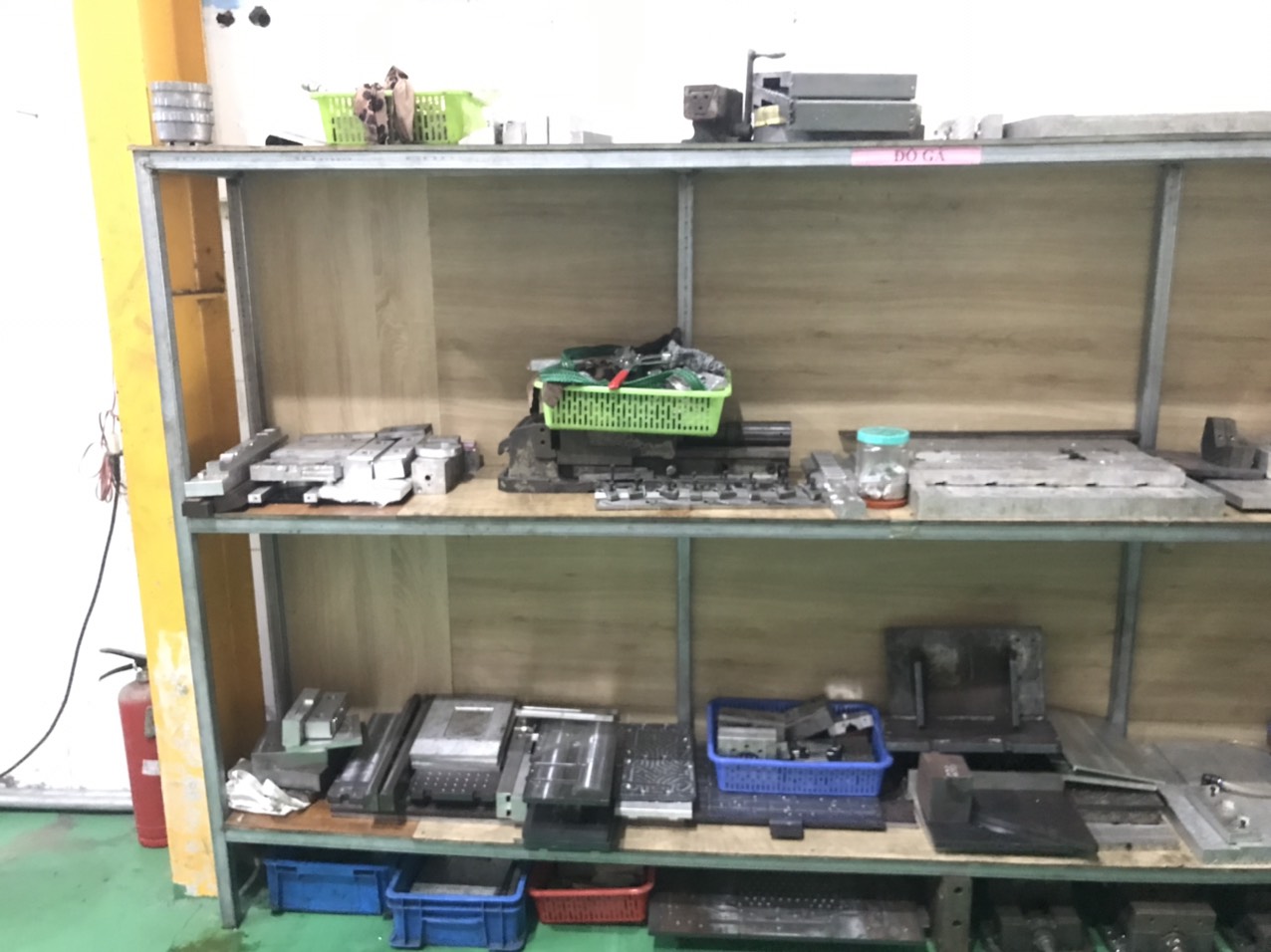
Total landed cost 8 includes every expense from the moment you place a purchase order to the moment the part reaches your production floor. For sheet metal fabrication sourced internationally, the list is long.
Breaking Down the Cost Components
Here is a simplified breakdown:
| Cost Component | Direct from Asia | Asia + US Warehouse | Domestic Fabricator |
|---|---|---|---|
| Unit price | Lowest | Lowest | Highest |
| Ocean freight | Yes | Yes (but bulk shipments) | No |
| Customs duties & fees | Yes | Yes | No |
| US warehouse rent/VMI fee | No | Yes | Sometimes included |
| Domestic shipping to your facility | Long-distance possible | Short, predictable | Short |
| Expediting / air freight (emergencies) | Frequent and expensive | Rare | Rare |
| Quality failure / rework cost | Higher (no local gate) | Lower (warehouse inspection) | Lowest |
| Production downtime from late delivery | Higher risk | Lower risk | Lowest risk |
| Shipping costs (damage/loss) | Higher | Lower | Lowest |
The Hidden Savings
A US warehouse adds a visible line item to your cost sheet. But it removes several hidden costs that are harder to quantify. Emergency air freight is one of the biggest. I have seen a single air shipment of sheet metal parts cost more than the entire ocean freight budget for a quarter. That one event can erase months of unit-price savings from offshore manufacturing.
Reduced product damage is another factor. Sheet metal components — especially precision brackets with powder-coated finishes — are vulnerable to scratching and bending during long transit. When parts ship from a local warehouse on a domestic truck, they travel shorter distances with fewer handling points. Damage rates drop. So do replacement costs.
Reshoring Trends and the Cost Calculation
The reshoring trends in US manufacturing are driven partly by a more honest accounting of total landed cost. Companies that once chased the lowest unit price overseas are now factoring in supply chain resilience 9, regulatory compliance, and the cost of managing distant suppliers. A local warehouse does not eliminate the benefits of overseas sourcing. But it closes the gap between the apparent cost and the real cost. For a deeper comparison, explore whether local or remote sheet metal fabrication is more cost-effective for your specific situation.
When the Warehouse Cost Is Not Worth It
For low-volume, one-off projects, the math may not justify a local warehouse. If you need 50 custom brackets once and never again, it makes little sense to warehouse them. Ship direct, inspect on arrival, and move on. But for ongoing production programs with repeat orders — which is most of what our clients need — the warehouse pays for itself quickly through material availability, fewer disruptions, and better service to your own customers.
Conclusion
Requiring a local US warehouse when sourcing sheet metal fabrication is a strategic decision that protects your delivery schedule, strengthens quality oversight, improves cash flow, and clarifies your true total cost.
Frequently Asked Questions
How will a local US warehouse help me mitigate the risk of late sheet metal deliveries?
A buyer I work with once lost a $200,000 contract because his overseas supplier's container sat at port for three extra weeks during a customs backlog vendor-managed inventory arrangement 2 .
Can a US-based warehouse simplify my process for handling quality inspections and returns?
One lesson we learned early at DEWIN is that catching a defect before it reaches your customer's floor is worth ten times the cost of catching it after.
Does local inventory support my need for better cash flow and flexible payment terms?
A purchasing manager I work with told me plainly: "I don't just need good parts. I need to pay for them in a way that doesn't strangle my cash flow."
Footnotes
1. Discusses common causes and impacts of ocean freight delays in international shipping. ↩︎
2. Describes how vendor-managed inventory works and its benefits for supply chain efficiency. ↩︎
3. Provides information on regulatory compliance in international trade and its consequences. ↩︎
4. Explains the purpose and process of PPAP in manufacturing quality and supplier approval. ↩︎
5. Details the importance and types of quality control standards in manufacturing production. ↩︎
6. Explains the concept of Total Cost of Ownership beyond initial purchase price. ↩︎
7. Defines and illustrates the cash conversion cycle in business finance. ↩︎
8. Defines and explains the components of total landed cost in logistics and supply chain. ↩︎
9. Explains the concept of supply chain resilience and its importance in manufacturing. ↩︎