I’ve watched sheet metal fabrication cross from factory floors into home workshops and personal projects over the past few years. Many people assume this craft requires expensive machines or professional training. They struggle with flimsy off-the-shelf brackets and ill-fitting storage solutions that never quite match their spaces. The frustration builds when every pre-made option falls short. The good news? Sheet metal fabrication solves this problem beautifully for home DIY and personal customization.
Sheet metal fabrication is absolutely viable for home DIY and personal customization. With basic metalworking tools like snips, clamps, and a vice, anyone can cut, bend, and join sheet metal to create durable, perfectly sized custom parts for home improvement projects, garden accents, and workshop organization.
This article walks through the practical side of using sheet metal at home and when outsourcing makes more sense. I’ll cover finding fabricators for small orders, expected costs, design requirements, and quality expectations. Let’s get into it.
How can I find a professional fabricator willing to handle my small-scale personal sheet metal projects?
A few years back, one of our clients in the U.S. needed a single prototype bracket for a custom shelving unit before committing to a production run. Finding a fabricator willing to take on that one-piece order took him weeks. That experience taught our team something important about the gap between industrial fabrication 1 and personal-scale needs.
To find a fabricator for small personal projects, search local machine shops, check online platforms like MetalsCut4U or Xometry, ask at makerspaces and community colleges, or contact regional fabricators directly. Many shops accept small orders, especially during slower production periods.
Where to Start Your Search
The first place to look is your local area. Small machine shops and metal fabrication businesses often welcome walk-in customers. They may not advertise personal projects on their websites, but a quick phone call usually clears things up. I've seen purchasing managers at large firms build relationships with these same shops for quick-turn prototype work.
Community makerspaces 2 are another option. Many have metal bending equipment, shears, and even welding stations available for members. Some makerspaces offer classes in beginner metalworking, which gives you hands-on training and access to tools you'd never buy for a single project.
Online Fabrication Services
Online platforms have changed the game. You upload a design, choose your material—aluminum sheet 3, stainless steel, mild steel—and receive a quote within hours. Some services handle everything from laser cutting 4 to metal bending and powder coating.
| Source Type | Minimum Order | Turnaround Time | Best For |
|---|---|---|---|
| Local machine shop | Often 1 piece | 3–10 business days | Simple cuts, bends, and welding projects |
| Online fabrication platform | Usually 1 piece | 5–15 business days | Precise laser-cut parts, complex shapes |
| Makerspace / community shop | 1 piece (self-service) | Same day | Learning, simple DIY metal art |
| Trade school / college | Varies | Varies | Budget-friendly, educational |
Tips for a Smooth Experience
When you contact a fabricator, be clear about what you need. Provide dimensions, material type, and quantity. A simple sketch on paper is often enough for basic parts. If you want backsplash panels or custom metal decor, bring a photo of what you have in mind.
Ask about minimum charges. Many shops have a setup fee regardless of part size. A single bracket might cost the same as five because the machine setup time is identical. Ordering a small batch often makes the per-piece cost much more reasonable.
Also, don't overlook online communities. Forums and social media groups focused on home improvement projects often share recommendations for fabricators who welcome small jobs.
What are the typical costs I should expect when ordering custom sheet metal parts for my DIY home builds?
One trade-off I weigh constantly when advising clients is the balance between per-unit cost and total project value. A purchasing manager ordering 500 brackets sees a very different price than a homeowner ordering five. Understanding where your money goes helps you plan better and avoid sticker shock.
Custom sheet metal parts for DIY home builds typically cost between $20 and $150 per piece for simple components. Costs depend on material type, thickness, complexity of cuts and bends, finish requirements, and order quantity. Basic 26-gauge zinc-plated steel sheets start around $23 for a 24×36-inch piece at local stores.
Breaking Down the Cost Factors
Sheet metal pricing is not random. Several clear factors drive the final number. Material is the first variable. Mild steel is the cheapest option. Stainless steel costs two to three times more. Aluminum sheet falls somewhere in between and is lighter, which matters for wall-mounted custom shelving or decorative panels.
Thickness also matters. Thinner gauges like 26-gauge 5 are easy to cut and bend with basic metalworking tools. Thicker material like 2mm steel requires more machine time and heavier equipment. Understanding standard sheet metal thickness ranges helps you choose the right gauge for your project and budget.
| Cost Factor | Impact on Price | Example |
|---|---|---|
| Material type | High | Stainless steel costs 2–3× more than mild steel |
| Sheet thickness | Medium | 2mm steel costs more to cut and bend than 26-gauge |
| Number of bends | Medium | Each bend adds setup and machine time |
| Cutting complexity | Medium–High | Laser-cut intricate patterns cost more than straight cuts |
| Surface finish | Medium | Powder coating 6 or brushed finish adds $5–$30 per part |
| Quantity | High (inverse) | Per-piece cost drops significantly at 10+ units |
Real-World Price Examples
For a simple L-shaped bracket from 2mm mild steel with two holes drilled, expect to pay $15–$40 at a local shop including setup. A custom kitchen backsplash panel in brushed stainless steel, cut to specific dimensions, might run $80–$200 depending on size and edge finishing.
Garden accents like raised bed corner brackets are straightforward. Four corners from 3mm galvanized steel could cost $60–$100 total from an online service, including shipping.
How to Keep Costs Down
Order in small batches rather than single pieces. If you need shelf brackets, order all of them at once. The setup fee gets spread across more parts.
Choose mild steel or galvanized steel when corrosion resistance 7 isn't critical. Save stainless steel for kitchen or outdoor applications where moisture is a concern. When deciding between materials, it helps to understand how stainless steel, aluminum alloy, and carbon steel compare in sheet metal fabrication.
Keep your designs simple. Fewer bends and cuts mean less machine time. A flat panel with drilled holes is far cheaper than a multi-bend enclosure.
If you're doing DIY metal art or garden accents, consider buying pre-cut sheet metal online and doing the bending yourself. A basic sheet metal brake for home use costs $100–$300 and pays for itself after a few projects.
Do I need professional CAD drawings to get my personal sheet metal designs manufactured?
A lesson I learned early in our project management work is that miscommunication about dimensions causes more rework than any other single issue. When a buyer sends a sketch that says "about 6 inches," the fabricator has to guess. That ambiguity leads to parts that don't fit. But does that mean you need expensive CAD software? Not necessarily.
You do not always need professional CAD drawings for personal sheet metal projects. Many fabricators accept hand-drawn sketches with clear dimensions, or simple files from free tools like SketchUp or Fusion 360. However, precise CAD files reduce errors and are required for complex parts with tight tolerances.

What Fabricators Actually Need
At minimum, a fabricator needs three things: dimensions, material specification, and quantity. For a flat bracket with two bends, a dimensioned hand sketch on paper is perfectly fine. Include the bend angles, hole sizes, and overall length and width. Photograph it with your phone and email it over.
For more complex parts—say a multi-sided enclosure for a smart home device or a custom charging station—a proper 2D or 3D drawing eliminates guesswork.
Free and Low-Cost Design Tools
You don't need to spend thousands on professional software. Several excellent free options exist.
| Tool | Cost | Skill Level | Best For |
|---|---|---|---|
| Fusion 360 8 (personal license) | Free | Intermediate | 3D models, flat pattern exports |
| SketchUp Free | Free | Beginner | Simple 3D shapes, visualization |
| LibreCAD | Free | Intermediate | 2D technical drawings |
| Onshape | Free (basic) | Intermediate | Browser-based 3D CAD |
| Hand sketch + dimensions | Free | Beginner | Simple brackets, flat panels |
Fusion 360 deserves special mention. Its sheet metal mode lets you design a part in 3D, then unfold it into a flat pattern. That flat pattern is exactly what a laser cutter or CNC punch needs. For beginner metalworking, this is incredibly useful because you can visualize your finished part before any metal gets cut.
When You Should Invest in Proper Drawings
If your project involves tight tolerances—parts that must fit together with less than half a millimeter of gap—invest the time in proper CAD. This is especially true for custom metal decor that interlocks, or functional parts like drawer slides and tool panel mounts.
Our team always recommends sending a flat pattern DXF file 9 when ordering online. It removes all ambiguity about bend locations, hole positions, and overall geometry. Most online fabrication platforms accept DXF or STEP files directly.
For simple projects like custom shelving brackets or garden bed corners, a clear hand sketch with dimensions in millimeters is enough. Just make sure every measurement is specific. "About 6 inches" becomes "152.4 mm" or simply "6.00 inches."
A Practical Middle Ground
Many DIYers take photos of existing parts they want to replicate or modify. Combined with a few key dimensions measured with a tape measure or caliper, this gives a fabricator everything needed for straightforward parts. Some online services even offer design assistance—you describe what you want, and their team creates the drawing for you, sometimes for a small additional fee.
Can I achieve industrial-grade quality for my home customization projects through outsourced fabrication?
When we calibrate quality expectations with our U.S. clients, I always stress that "industrial grade" means something specific. It means consistent dimensions, clean edges, proper material certification, and repeatable results. The good news for DIYers is that the same machines and processes producing aerospace brackets also produce your custom backsplash panels.
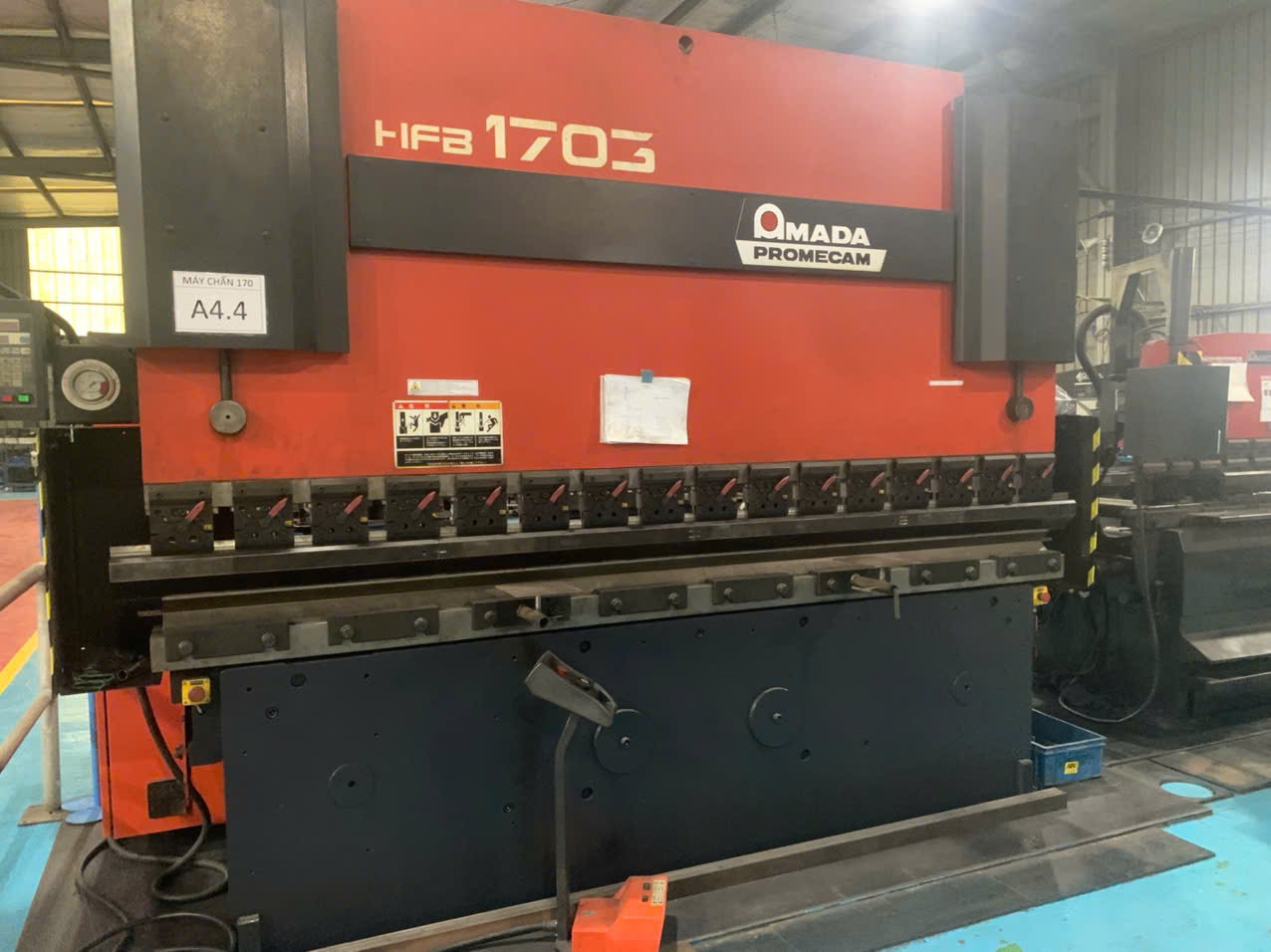
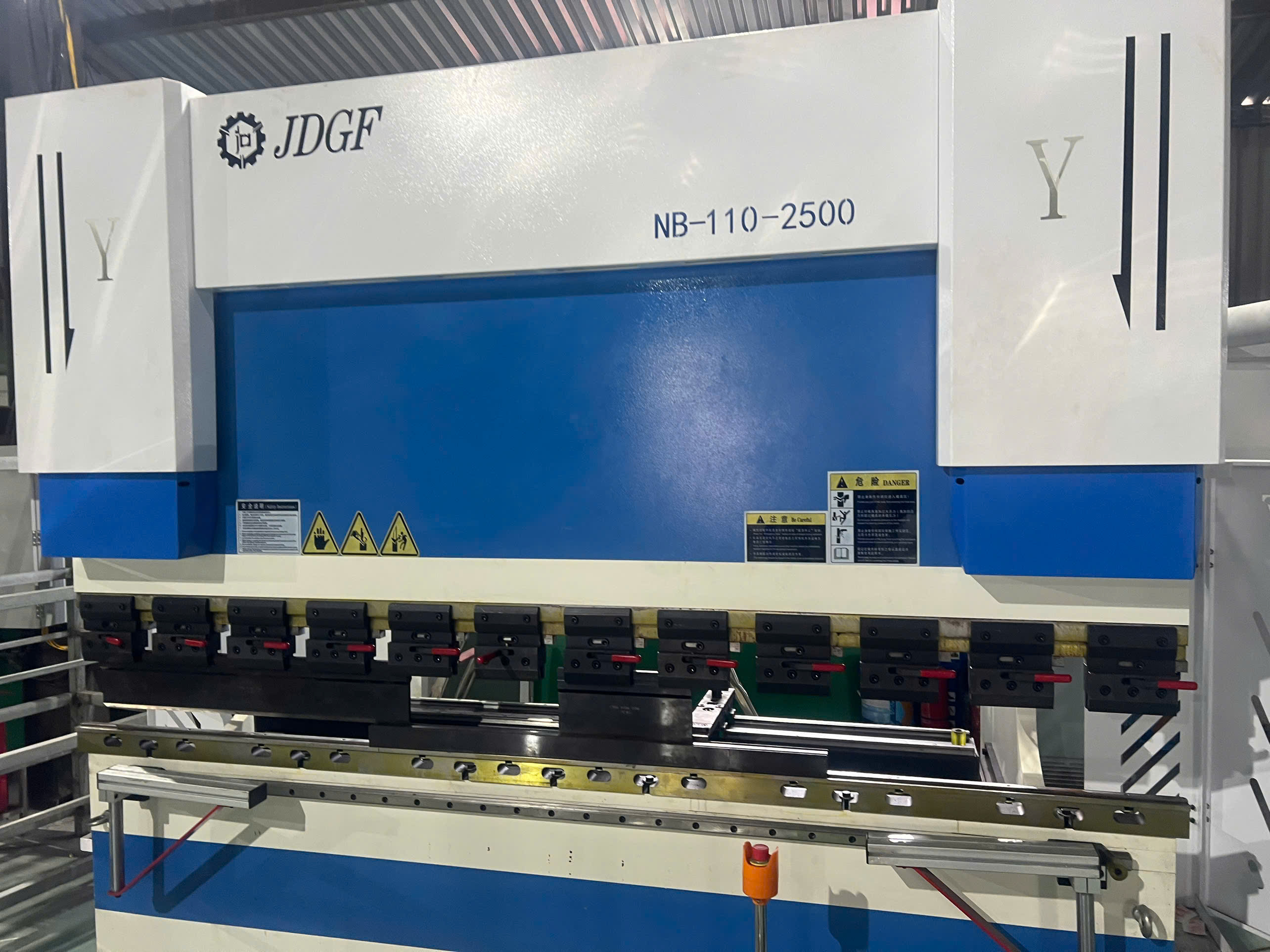
Yes, you can absolutely achieve industrial-grade quality for home customization projects by outsourcing to professional fabricators. They use the same CNC lasers, press brakes, and finishing equipment for small personal orders as they do for industrial production, ensuring precision cuts, clean bends, and durable finishes.
What "Industrial Grade" Actually Means for Home Projects
Industrial-grade quality comes down to a few measurable things. Dimensional accuracy is the first. A CNC laser cutter holds tolerances of ±0.1mm or better. That's far more precise than anything you'd achieve with hand snips or an angle grinder at home.
Edge quality is next. Laser-cut edges are smooth and burr-free. Compare that to hand-cut edges that need filing and deburring—a safety concern when making kitchen items or furniture hardware.
Bend accuracy matters for parts that must fit together. A CNC press brake repeats the same angle within ±0.5 degrees across hundreds of parts. When you're making matching shelf brackets or a set of garden accents, this consistency is visible and functional.
DIY Quality vs. Outsourced Quality
Here's an honest comparison between doing it yourself and outsourcing to a professional shop.
For cutting, hand snips work on thin gauge material but leave wavy edges. An angle grinder cuts faster but creates heat-affected zones and rough surfaces. A professional laser cutter produces mirror-smooth edges with no distortion.
For metal bending, clamping a sheet between timber and bending by hand gives approximate results. A sheet metal brake at a makerspace gives better consistency. A professional CNC press brake gives perfect repeatability.
For joining, self-tapping screws and rivets are the most accessible methods for home use. Rivets give permanent flush connections. Screws allow disassembly. MIG or TIG welding projects at home require proper equipment, ventilation, and training. Professional fabricators handle welding with certified operators and proper shielding gas, using common welding processes in sheet metal fabrication that ensure strong, clean joints.
Surface Finishes Available Through Outsourcing
Professional fabricators offer finishes that are difficult or impossible to replicate at home. These include powder coating in any RAL color, brushed or mirror-polished stainless steel, anodized aluminum in various colors, and zinc or nickel plating for corrosion resistance.
For custom metal decor and interior design applications, these finishes elevate a DIY project from "homemade" to "professionally designed." A set of brushed stainless steel backsplash panels from a fabricator looks identical to a designer installation at a fraction of the cost.
When DIY Quality Is Good Enough
Not every project needs industrial precision. A rustic garden planter made from weathering steel looks better with hand-formed character. DIY metal art often benefits from visible hammer marks and organic shapes. Workshop storage brackets don't need mirror finishes.
The key is matching quality level to purpose. For visible interior elements, outsource. For hidden structural parts or rough workshop fixtures, DIY with basic metalworking tools saves money and provides the satisfaction of hands-on creation.
Safety remains critical either way. Always wear heavy-duty gloves when handling sheet metal—factory and cut edges are sharp. Safety goggles protect against metal fragments that travel fast during cutting or grinding. Clamp every workpiece securely. File cut edges immediately to remove burrs.
Conclusion
Sheet metal fabrication opens real possibilities for home DIY and personal customization. From simple shelf brackets to polished backsplash panels, the tools and services exist to bring your ideas to life. Start with a small project, learn the basics, and scale up as your confidence grows. The result is always something perfectly sized, uniquely yours, and built to last.
Frequently Asked Questions
How can I find a professional fabricator willing to handle my small-scale personal sheet metal projects?
A few years back, one of our clients in the U.S. needed a single prototype bracket for a custom shelving unit before committing to a production run. Finding a fabricator willing to take on that one-piece order took him weeks. That experience taught our team something important about the gap between industrial fabrication 1 and personal-scale needs.
What are the typical costs I should expect when ordering custom sheet metal parts for my DIY home builds?
One trade-off I weigh constantly when advising clients is the balance between per-unit cost and total project value. A purchasing manager ordering 500 brackets sees a very different price than a homeowner ordering five. Understanding where your money goes helps you plan better and avoid sticker shock.
Do I need professional CAD drawings to get my personal sheet metal designs manufactured?
A lesson I learned early in our project management work is that miscommunication about dimensions causes more rework than any other single issue. When a buyer sends a sketch that says "about 6 inches," the fabricator has to guess. That ambiguity leads to parts that don't fit. But does that mean you need expensive CAD software? Not necessarily.
Footnotes
1. Replaced HTTP 403 with a comprehensive guide on industrial fabrication. ↩︎
2. Replaced HTTP unknown with a dedicated resource defining makerspaces. ↩︎
3. Details properties, applications, and benefits of aluminum sheet metal. ↩︎
4. Explains the precision manufacturing process of laser cutting and its applications. ↩︎
5. Defines sheet metal gauge and provides a chart for thickness conversions. ↩︎
6. Describes the electrostatic application and curing process of powder coating. ↩︎
7. Replaced HTTP unknown with a detailed explanation of corrosion resistance from an industry source. ↩︎
8. Provides an overview of the CAD/CAM/CAE/PCB software for design and manufacturing. ↩︎
9. Replaced HTTP 404 with a guide on saving sheet metal flat patterns as DXF files from an authoritative CAD software documentation. ↩︎