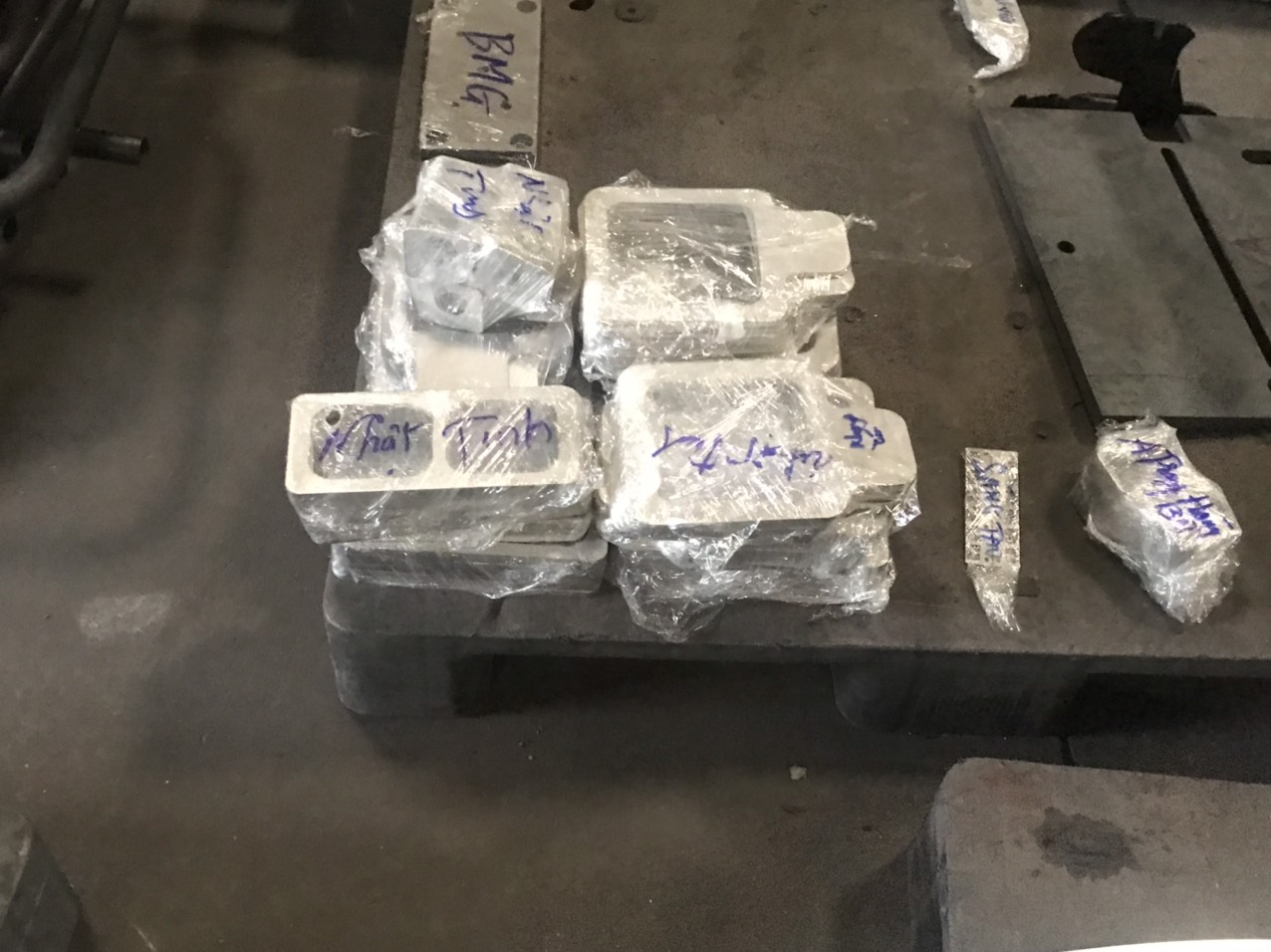
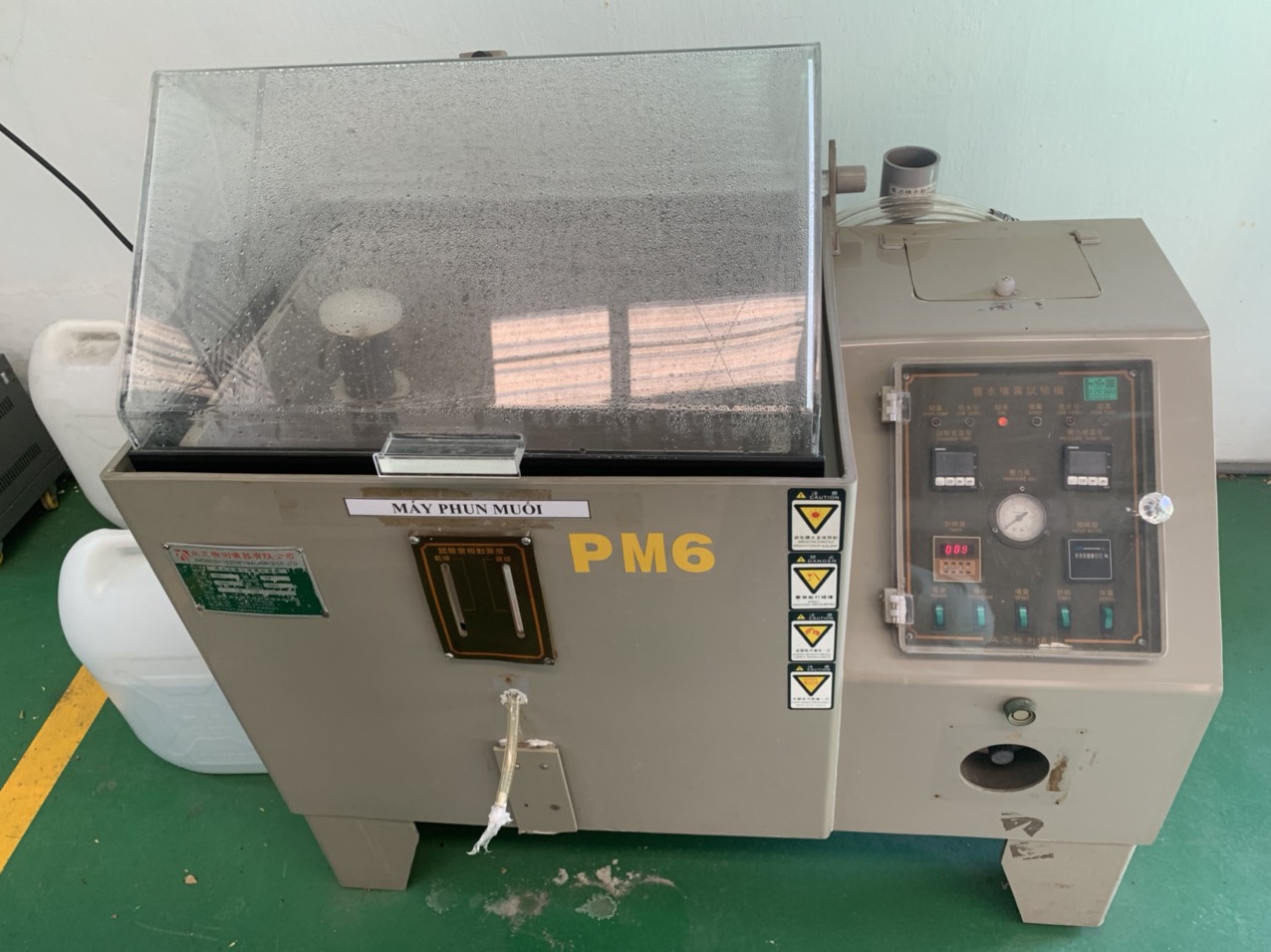
Last year, a US buyer flagged a coating on our custom brackets that contained a restricted substance 1 — it nearly held up an entire shipment at port.
Most sheet metal surface treatment chemicals now meet environmental regulations, but compliance depends on the specific chemical type, the jurisdiction, and the facility’s adherence to evolving standards — particularly around hexavalent chromium, PFAS, and volatile organic compounds. Proactive verification is essential.
The regulatory landscape is shifting fast. What passed inspection two years ago may trigger penalties today REACH and RoHS certificates 2. This article breaks down how to verify compliance, protect part quality, and keep your supply chain moving when sourcing custom sheet metal components from offshore suppliers.
How do I know if my sheet metal supplier is using compliant surface treatment chemicals?
A trade lesson I learned early: never assume a supplier's surface treatment process is compliant just because the finished part looks good powder coating 3. The chemistry underneath matters more than the shine on top.
You can verify compliance by requesting current REACH and RoHS certificates, reviewing Safety Data Sheets for restricted substances like hexavalent chromium and PFAS, and conducting periodic supplier audits that include chemical inventory checks. Audit-ready documentation reduces penalty risks by up to 80%.

Start with the Right Documents
The first step is to request documentation before production begins. A compliant supplier should be able to provide Safety Data Sheets 4 (SDS) for every chemical in their surface treatment line. These sheets list active ingredients and flag hazardous substances. Look for REACH registration numbers (especially if you export to Europe) and RoHS declarations of conformity.
At our offices in Vietnam and China, we maintain a chemical compliance library for every supplier in our network. When a US buyer sends us a new custom bracket or mounting plate project, we cross-check the proposed finish against this library before quoting.
Know What to Look For
Not all chemicals carry the same risk. Here is a quick reference for the most scrutinized substances in sheet metal finishing:
| Chemical / Substance | Regulation | Status | Risk Level |
|---|---|---|---|
| Hexavalent chromium 5 (Cr6+) | EPA NESHAP, REACH Annex XVII | Strictly restricted; phase-out in progress | High |
| PFAS (per- and polyfluoroalkyl) | Emerging US federal & EU rules | Increasingly banned; substitution urged | High |
| Volatile organic compounds (VOCs) | Clean Air Act, NESHAP/MACT | Performance-based emission limits | Medium–High |
| EDTA (ethylenediaminetetraacetic acid) | Various local water discharge rules | Non-biodegradable; substitutes required | Medium |
| CFCs (chlorofluorocarbons) | Montreal Protocol | Fully phased out globally | Low (legacy) |
| Trivalent chromium 6 (Cr3+) | Generally accepted alternative | Compliant in most jurisdictions | Low |
Audit the Supplier, Not Just the Certificate
Certificates can be outdated or even falsified. When our team audits a plating or coating facility, we check three things beyond paperwork:
- Chemical storage areas — Are containers labeled with current SDS? Are restricted chemicals physically absent?
- Wastewater treatment systems — Does the facility treat effluent on-site? Do discharge records match effluent guidelines?
- Process change logs — Has the supplier switched chemicals recently? A sudden change can signal a compliance gap they are trying to close.
We find that smaller facilities — especially in emerging manufacturing regions — sometimes lack the resources or know-how to track all 263 Substances of Very High Concern (SVHC) under REACH. That is where a supply chain partner with local presence adds real value.
Will eco-friendly surface treatments compromise the quality of my custom metal components?
One of the toughest conversations I have with buyers is about trivalent chromium. They want the corrosion resistance of the old hexavalent process but also need RoHS compliance. It is a real trade-off — and the answer has changed significantly in the last few years.
No, modern eco-friendly surface treatments — including trivalent chromium conversion coatings, powder coating, anodizing, and PVD — deliver performance that meets or exceeds traditional methods for most custom metal applications, without the regulatory and health liabilities of hazardous substances.
The Hexavalent vs. Trivalent Chromium Debate
This is the question I hear most from purchasing managers in the US. Hexavalent chromium has been the gold standard for corrosion protection on steel and aluminum parts for decades. But it is a known carcinogen. EPA data shows only about 60% of chromium electroplating facilities in Region III are fully compliant with current standards.
The industry has moved aggressively toward trivalent chromium. Here is how the two compare:
| Property | Hexavalent Chromium (Cr6+) | Trivalent Chromium (Cr3+) |
|---|---|---|
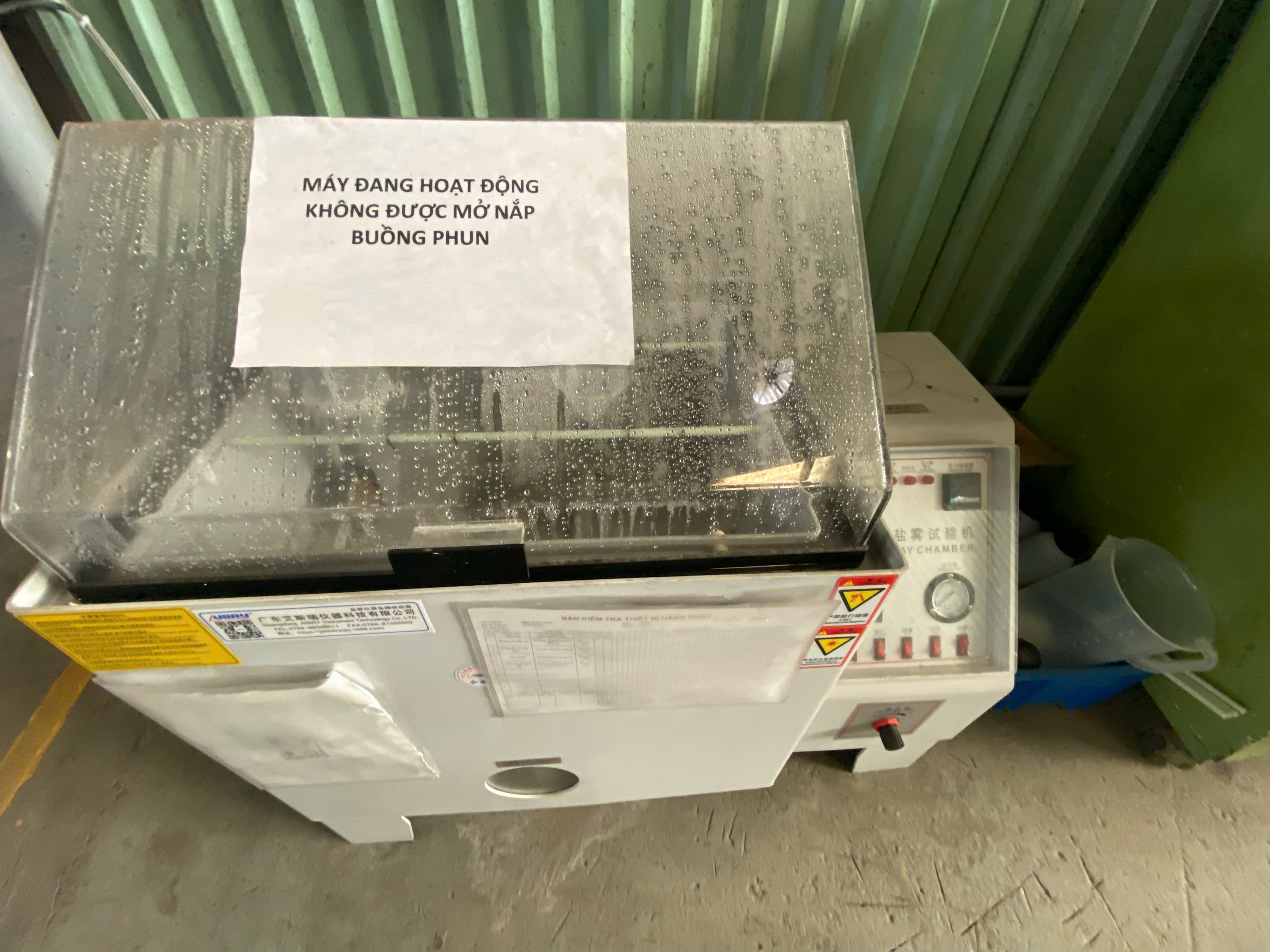
| Corrosion resistance (salt spray hours) | 96–200+ hrs | 72–168 hrs (improving) |
| Toxicity | Carcinogenic (IARC Group 1) | Low toxicity |
| REACH / RoHS status | Restricted (Annex XVII SVHC) | Compliant |
| Color range | Wide (clear, yellow, black) | Narrower (clear, black) |
| Self-healing properties | Yes | Limited |
| Wastewater treatment complexity | High (requires Cr6+ reduction step) | Lower |
| Cost per unit area | Moderate | Slightly higher |
For many custom mounting brackets, protective housings, and structural components, trivalent chromium provides adequate corrosion resistance. Where extreme salt-spray performance is required — such as marine or military applications — additional sealants or hybrid coatings can close the gap.
Beyond Chromium: Other Green Alternatives
Sustainable metal finishing is no longer a niche. Here are the eco-friendly coatings our supplier network uses most often:
- Powder coating — Zero VOCs, durable, available in a wide color range. Ideal for the matte charcoal gray finishes common on industrial brackets.
- Anodizing — Especially for aluminum parts. Produces a hard oxide layer with excellent wear resistance and no hazardous byproducts.
- Physical Vapor Deposition (PVD) — Deposits thin, hard films without liquid chemicals. Great for precision components where tight tolerances matter.
- Aqueous and semi-aqueous degreasers — Replace chlorinated solvents for cleaning before coating. These reduce VOC emissions and simplify chemical waste management.
Quality Is a Process, Not Just a Chemistry Choice
Switching to a greener chemistry does not automatically mean quality drops or improves. The process parameters — temperature, dwell time, bath concentration — must be dialed in. When we onboard a new supplier for custom parts, our engineers run first-article inspection (FAI) and PPAP documentation to confirm the new finish meets the buyer's specifications. This "right first time" discipline prevents the rework cycles that frustrate so many US buyers.
What steps should I take to confirm my offshore parts meet US environmental regulations?
When we ship custom mounting plates from Vietnam to a buyer in Ohio, the regulatory burden does not stay in Asia. The US buyer is responsible for ensuring the parts they import comply with domestic environmental rules — and the consequences of non-compliance land squarely on their books.
To confirm offshore parts meet US environmental regulations, you should require material declarations and test reports (such as XRF screening for restricted metals), include compliance clauses in purchase orders, conduct or commission periodic third-party audits, and maintain a traceable documentation chain from raw material to finished part.
A Step-by-Step Process
Over the years, I have refined a practical process for our US clients. Here is how it works:
- Define requirements at the RFQ stage. State the applicable regulations — REACH, RoHS, California Prop 65, EPA effluent guidelines — in your request for quotation. This sets expectations before a single part is made.
- Request material and chemical declarations. Ask for full disclosure of all surface treatment chemicals, including trade names and CAS numbers. Cross-reference these against the ECHA SVHC Candidate List (currently 263 substances) and EPA's Toxic Release Inventory (TRI) 8 chemical list.
- Include compliance clauses in your PO. Your purchase order should state that non-compliant shipments will be rejected at the buyer's discretion and that the supplier bears remediation costs.
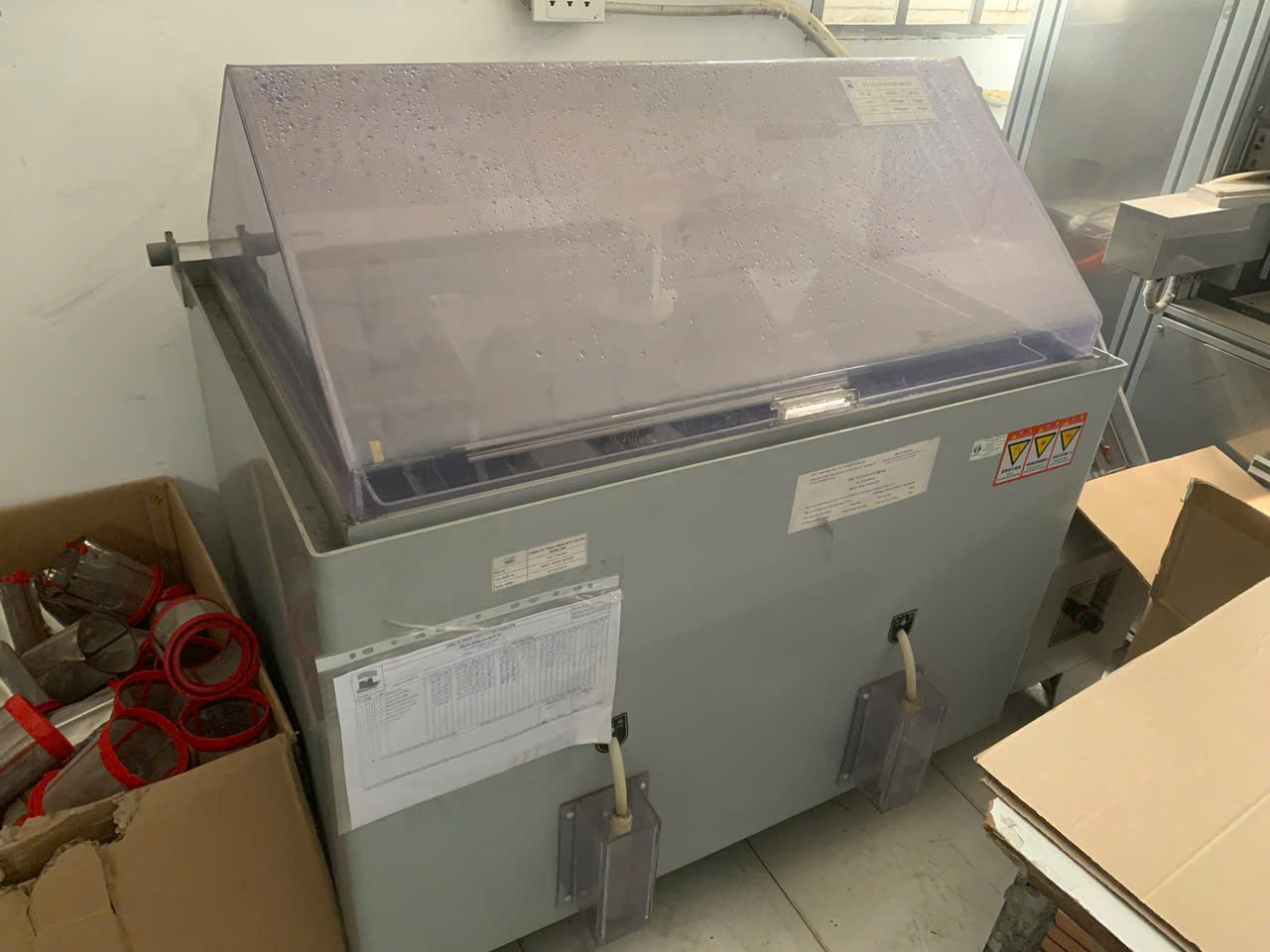
- Screen incoming parts. Use handheld XRF analyzers or third-party lab testing to verify that coatings are free of restricted heavy metals and hexavalent chromium.
- Conduct periodic supplier audits. Visit (or have your sourcing partner visit) the treatment facility annually. Check pollution prevention practices, wastewater treatment systems, and chemical storage compliance.
Key US Regulations to Reference
| Regulation | What It Covers | Relevance to Imported Parts |
|---|---|---|
| Clean Air Act (NESHAP / MACT) | VOC and HAP emissions from coating operations | Supplier's facility must meet emission limits |
| RCRA | Hazardous waste generation and disposal | Coating sludge and spent baths must be properly managed |
| TRI (Toxic Release Inventory) | Reporting of toxic chemical releases | Applies if supplier uses listed chemicals above thresholds |
| Metal Finishing Effluent Guidelines | Wastewater discharge limits for metal finishing | Supplier's effluent must meet concentration limits |
| RoHS (if product enters RoHS-regulated markets) | Restricts 10 substances in electronics-related products | Coatings must be free of Cr6+, lead, cadmium, etc. |
| TSCA (Toxic Substances Control Act) | Chemical substance inventory and restrictions | All chemicals used must be on the TSCA Inventory |
Why a Local Sourcing Partner Matters
Many of the compliance steps above require local language skills, physical presence, and understanding of the supplier's manufacturing culture. Our China and Vietnam teams walk factory floors regularly. They can spot a non-compliant rinse tank or an outdated chemical drum that a remote audit over video would miss. This hands-on approach is one reason our clients achieve a higher "right first time" rate — issues are caught before the container ships, not after.
PFAS: The Emerging Wildcard
One area that deserves special attention is PFAS. These "forever chemicals" are showing up in some mold-release agents, non-stick coatings, and even certain cleaning solutions used in metal finishing. US federal legislation is advancing quickly, and several states already have strict PFAS disclosure and restriction laws. I advise our buyers to ask suppliers specifically: "Do any chemicals in your process contain fluorinated compounds?" If the SDS lists any ingredient with "fluoro" in its name, flag it immediately. PFAS-free substitutes exist for most sheet metal applications and should be prioritized now to avoid future regulatory disruption.
How can I prevent environmental compliance issues from causing delays in my supply chain?
A buyer once told me that a two-week customs hold for a missing RoHS certificate cost them more than the entire order was worth. That stuck with me. Compliance is not just about doing the right thing — it is about protecting delivery timelines.
You can prevent compliance-related supply chain delays by building regulatory requirements into your supplier qualification process, maintaining audit-ready documentation at every stage, using digital compliance tracking tools, and working with a sourcing partner who performs pre-shipment verification of all environmental claims.

Build Compliance Into Supplier Qualification
The cheapest time to address compliance is before you place the first order. During supplier qualification, we evaluate environmental management alongside quality management. Does the facility hold ISO 14001? Do they have a dedicated environmental officer? What is their track record with local environmental authorities? A supplier who has been fined for wastewater violations is a delivery risk, not just an environmental one.
Use Digital Tools for Real-Time Tracking
The industry is moving toward ERP-integrated compliance software. Tools like Enablon or specialized modules within SAP can track chemical restrictions, flag upcoming regulatory changes, and automate TRI data reporting. We use internal tracking systems to monitor the coating chemistries approved for each client project. When a regulation changes — say, a new SVHC is added to the REACH Candidate List — we can quickly identify which active projects are affected and initiate substitution before it becomes a crisis.
Pre-Shipment Compliance Verification
Before any container leaves the factory, our QC team verifies that the surface treatment matches the approved specification. This includes:
- Visual inspection against color and finish standards
- Coating thickness measurement (magnetic or eddy current gauges)
- Adhesion testing (cross-hatch or tape pull)
- Where required, XRF screening for restricted elements
This final gate catches problems that would otherwise surface at customs or at the buyer's incoming inspection — and by then, the delay is already baked in.
Common Delay Triggers and How to Avoid Them
| Delay Trigger | Root Cause | Prevention Strategy |
|---|---|---|
| Missing RoHS / REACH certificate | Supplier did not prepare documentation | Include in PO terms; verify before shipment |
| Coating contains restricted substance | Supplier used legacy chemistry | Audit chemical inventory during qualification |
| Customs hold for TSCA non-compliance | Chemical not on US inventory | Pre-screen all treatment chemicals against TSCA list |
| PFAS disclosure request at port of entry | Emerging state-level PFAS laws | Proactively request fluorinated compound declarations |
| Wastewater violation shuts down supplier | Poor pollution prevention practices | Audit wastewater treatment systems annually |
Think Long-Term: Circular Economy and Sustainability
Forward-thinking suppliers are adopting circular economy principles 9 in their chemical management. This includes regenerating treatment baths to extend their useful life, recovering valuable metals from rinse water, and recycling spent chemicals rather than disposing of them. These practices reduce both environmental risk and operating cost — making the supplier more reliable over time. When we evaluate new suppliers, we look for these sustainability signals as indicators of a well-managed operation that is less likely to face shutdowns or regulatory penalties.
Conclusion
Sheet metal surface treatment chemicals can meet environmental regulations — but only with proactive verification, proper documentation, and ongoing supplier engagement. Build compliance into your sourcing process from day one to protect quality and delivery.
Frequently Asked Questions
How do I know if my sheet metal supplier is using compliant surface treatment chemicals?
A trade lesson I learned early: never assume a supplier's surface treatment process is compliant just because the finished part looks good powder coating 3 . The chemistry underneath matters more than the shine on top.
Will eco-friendly surface treatments compromise the quality of my custom metal components?
One of the toughest conversations I have with buyers is about trivalent chromium. They want the corrosion resistance of the old hexavalent process but also need RoHS compliance. It is a real trade-off — and the answer has changed significantly in the last few years.
What steps should I take to confirm my offshore parts meet US environmental regulations?
When we ship custom mounting plates from Vietnam to a buyer in Ohio, the regulatory burden does not stay in Asia. The US buyer is responsible for ensuring the parts they import comply with domestic environmental rules — and the consequences of non-compliance land squarely on their books.
Footnotes
1. EPA’s list of safer chemical ingredients helps identify restricted substances. ↩︎
2. Wikipedia provides a comprehensive overview of the REACH Regulation, relevant for compliance certificates. ↩︎
3. Provides a comprehensive and accessible overview of powder coating, its process, and advantages. ↩︎
4. OSHA’s official page explains the purpose and format of Safety Data Sheets (SDS). ↩︎
5. OSHA provides standards and information on hexavalent chromium exposure limits and controls. ↩︎
6. Wikipedia explains trivalent chromium plating as a safer alternative to hexavalent chromium. ↩︎
7. Provides a clear explanation of ISO 14001, its importance, and benefits from an authoritative certification body. ↩︎
8. EPA’s official program page provides information on the Toxics Release Inventory (TRI). ↩︎
9. The Ellen MacArthur Foundation defines and explains the core principles of the circular economy. ↩︎