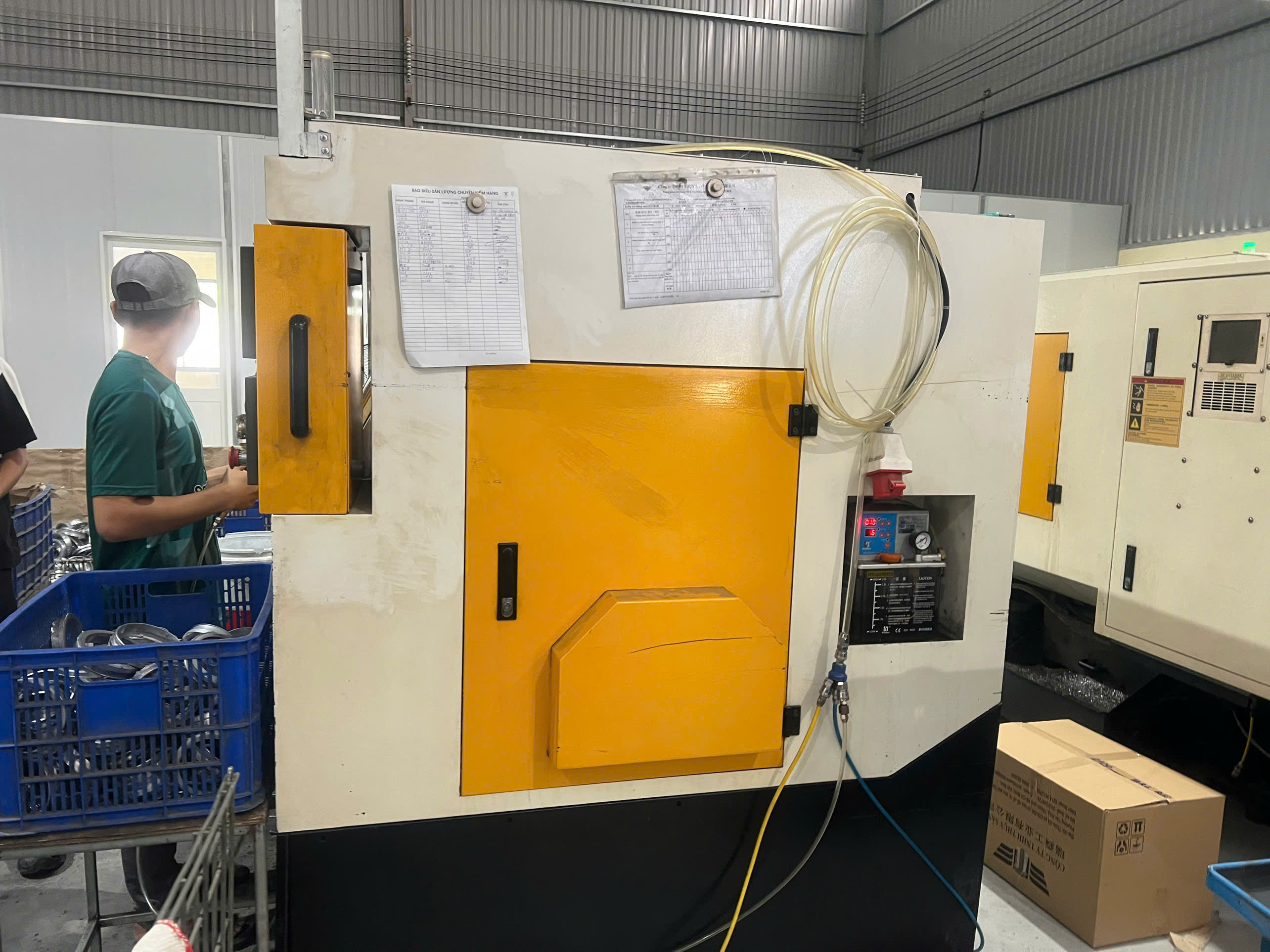
Sintered gears are made by pressing metal powder, with the main advantages of low cost, customizable shape and size, and simple and fast production. Machined gears are mainly produced through the mechanical processing process, with high accuracy and strength.
Gears are key components of various machines, and sintered gears and machined gears are two different manufacturing methods of gears. In terms of gear production, both have their unique advantages and disadvantages. The differences are mainly reflected in manufacturing processes, costs, accuracy, and physical properties.
Manufacturing of sintered gears
Sintered gears are made of metal powder, pressed into shape in a mold, heated, and then cooled. One obvious benefit is that sintered gears can be made into gears with a nearly net shape, which reduces material waste and eliminates the need for additional finishing steps, thereby saving costs.
In addition, the sintering process allows for the large-scale production of gears with complex designs that traditional machining methods cannot achieve. Gears manufactured by sintering can be used to produce products with certain special properties, such as self-lubrication, wear resistance, corrosion resistance, etc. Sintered gears’ production efficiency and cost advantages are obvious in large quantities.
However, the sintering process has some limitations. For example, the mechanical properties of sintered gears, such as tensile strength, are often lower than those of machined gears. In addition, the accuracy of sintered gears may be affected by factors such as powder particle size, pressing pressure, and sintering temperature during powder compaction and sintering processes.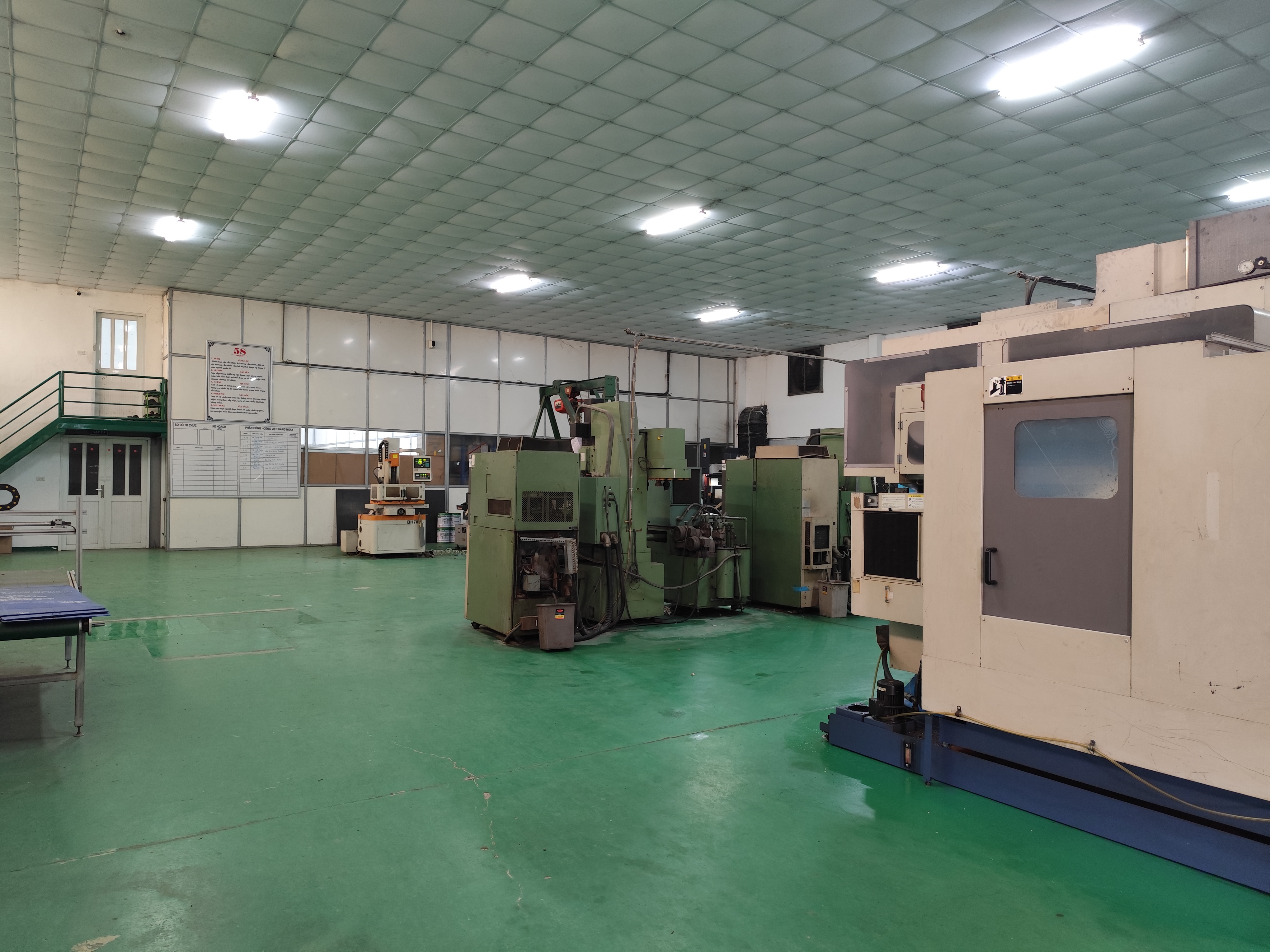
Manufacturing of Machined Gears
Mechanical machining of gears is the process of producing gear shapes from metal billets through physical removal methods such as turning, milling, or grinding. This process provides greater flexibility in design changes and adaptation than sintering, as gears can be individually modified.
The accuracy of machining gears is usually high because machining methods can accurately control the motion trajectory of cutting tools. They can also be made into gears larger than sintered gears, providing greater versatility in terms of design scalability.
However, the machining process may be more time-consuming and may generate more cutting waste, making mechanical machining more advantageous for producing small batches of complex gears.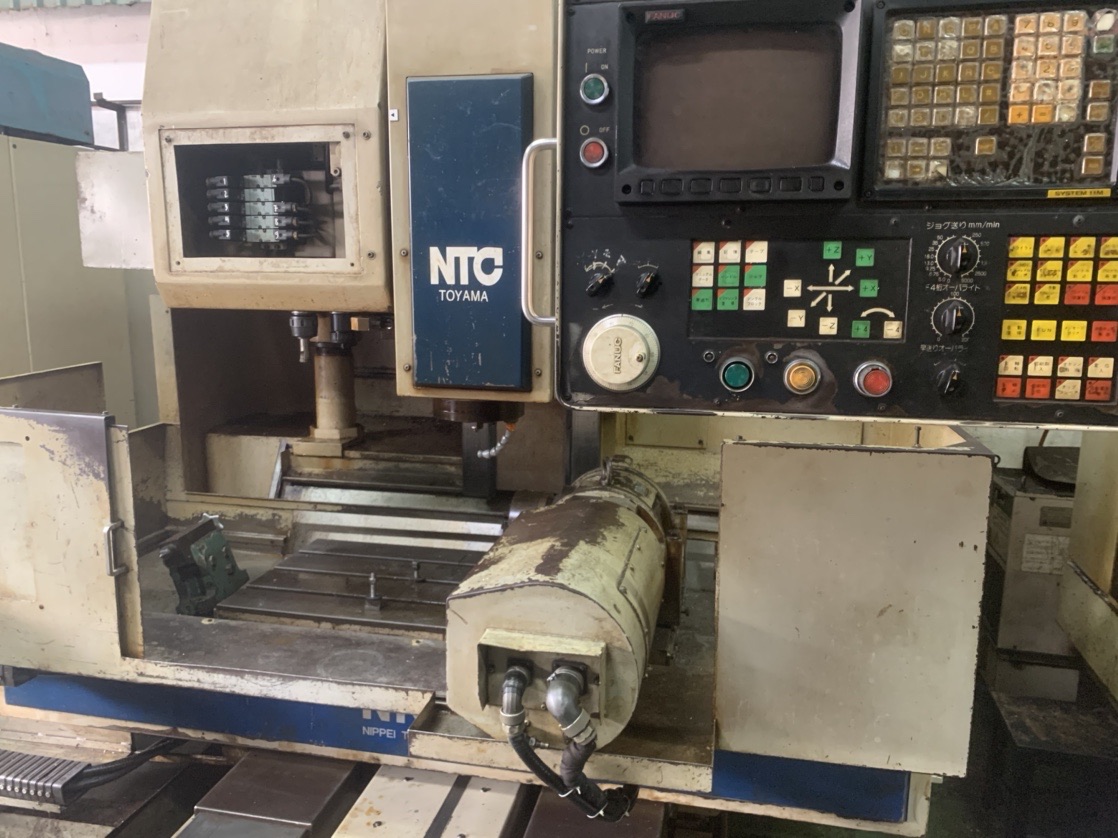
Conclude
Ultimately, the choice between sintering and machining in gear production depends on the specific requirements of the intended application. Factors such as cost, accuracy, yield, material characteristics, design complexity, and size all play a role in the decision-making process.
Although machined gears often provide excellent strength and scalability, sintered gears provide cost-effective solutions for smaller and more complex designs, making them particularly suitable for mass production. By understanding these differences, you can choose to use the most suitable production method to meet your specific needs.
Precision Manufacturing & Sourcing Specification Matrix
| Technical Dimension | Standard Commercial Grade | High-Precision OEM Export Grade | DEWIN Verification Protocol |
|---|---|---|---|
| Machining & Forming Tolerance | ISO 2768-m (±0.10 mm nominal) | ISO 2768-f (±0.01 mm – ±0.025 mm critical bores) | Calibrated 3D CMM & Air/Pin Gauging |
| Surface Roughness & Finish | Ra 1.6 – 3.2 µm as-machined / standard coat | Ra 0.4 – 0.8 µm precision ground / MIL-A-8625 anodized | Profilometer & Coating Thickness Gauge |
| Material & Alloy Certification | Supplier Mill Test Report (MTR) | Independent OES chemical & mechanical verification | EN 10204 3.1 + RoHS/REACH Compliance |
| Batch Inspection & Packaging | ISO 2859-1 (AQL 1.0 Major / 2.5 Minor) | Zero-defect critical features + VCI export crating | Pre-Shipment Inspection (PSI) Report |
Frequently Asked Questions
What engineering files are required to quote sintered gear vs. machining gear with DEWIN?
Provide 3D CAD models (STEP or IGES) along with 2D engineering drawings (PDF/DXF) specifying critical-to-quality (CTQ) tolerances, material grade, surface finish, and annual volume.
How does DEWIN verify dimensional accuracy and material compliance before shipment?
Every production lot undergoes incoming material spectrometer verification (EN 10204 3.1), First Article Inspection (FAI) via 2D/3D coordinate measuring machines (CMM), and AQL pre-shipment audits.
Can DEWIN support both low-volume prototype validation and mass production scaling in Vietnam and China?
Yes. DEWIN coordinates rapid CNC and bridge-tooling prototypes alongside high-tonnage production tooling across audited ISO 9001 and IATF 16949 partner factories in Vietnam and China.