Sintered Iron vs Cast Iron: Key Differences, Properties & Applications
Sintered iron and cast iron are both iron-based materials, but their manufacturing processes, physical properties, and applications differ significantly. Understanding these differences can help you choose the right material for your project.
Manufacturing Process
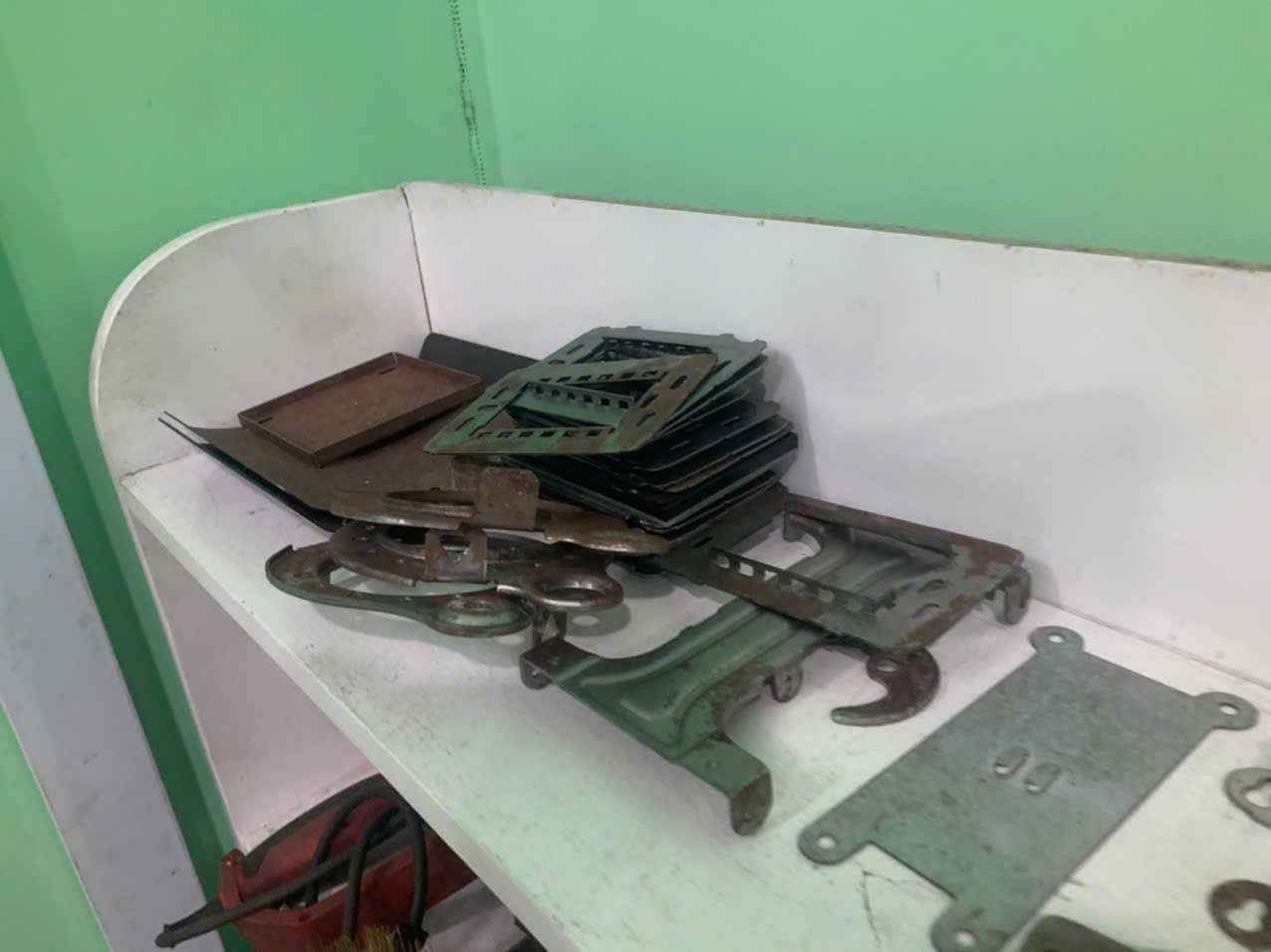
Sintered iron is produced through a high-temperature sintering process. Iron powder is heated until particles bond together without fully melting, forming a solid structure. This process allows for high precision and control over material properties.
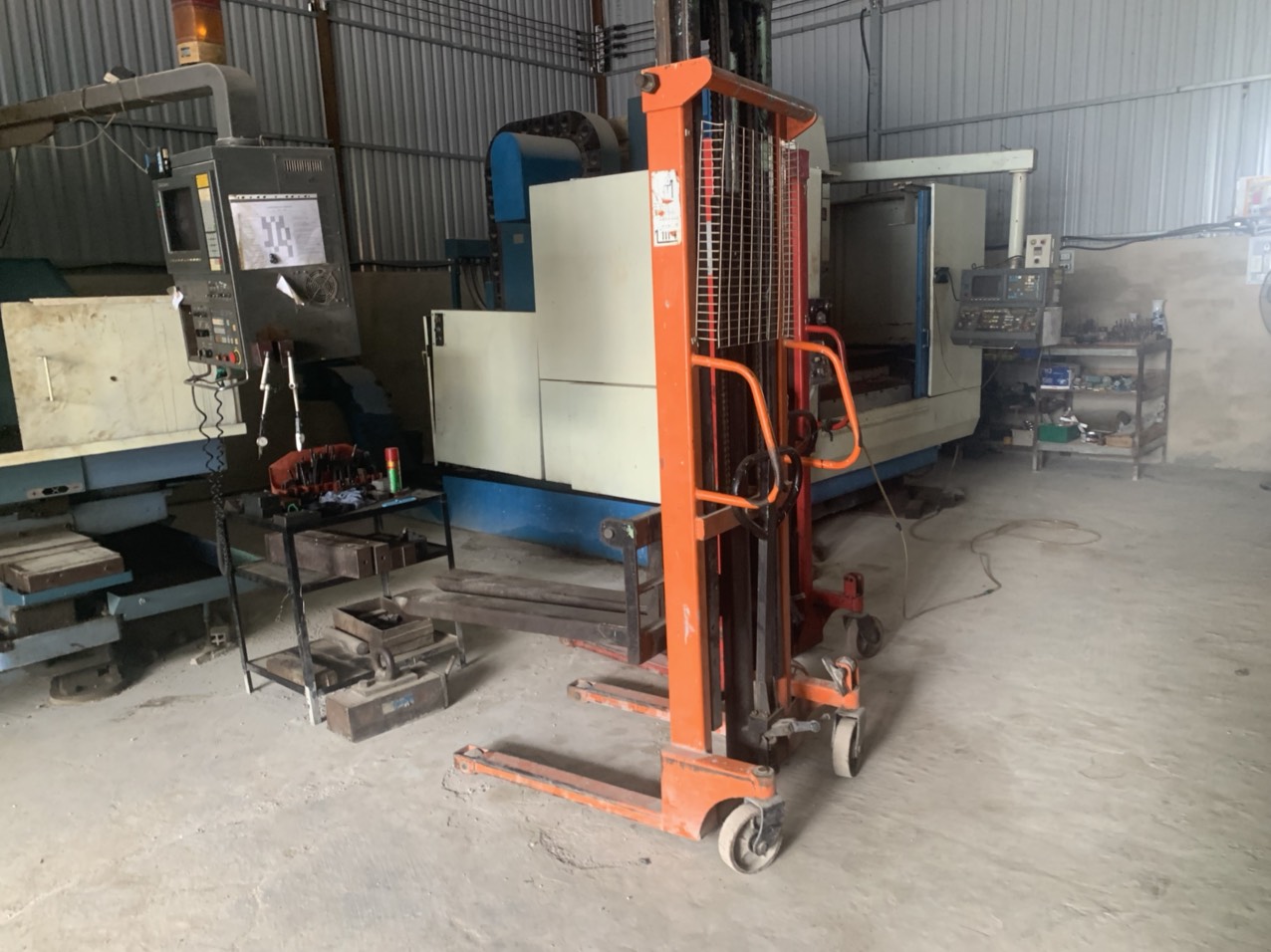
Cast iron is manufactured through the casting process, where molten iron is poured into molds and solidified into the desired shape. It offers excellent flowability and is ideal for producing large or complex components.
Physical Properties
The properties of sintered iron can be adjusted by modifying sintering parameters such as temperature, time, and additives. This allows control over hardness, strength, wear resistance, and toughness.
Cast iron typically has high hardness and wear resistance but lower toughness, making it more brittle. It cannot be forged or welded easily, and shape changes rely entirely on casting.
Applications
Sintered iron is widely used for high-precision and complex components such as bearings, gears, and small mechanical parts that require strength and wear resistance.
Cast iron is commonly used for large structural parts, industrial equipment, and machinery components such as machine tool bases and engine housings due to its cost-effectiveness and excellent casting properties.
Which Material Should You Choose?
The choice between sintered iron and cast iron depends on your application requirements. If you need precision and complex shapes, sintered iron is a better option. For large, cost-effective structural components, cast iron is more suitable.
Looking for Custom Metal Parts?
At Dewin, we provide professional die casting services and custom manufacturing solutions. With production in China and Vietnam, we help customers reduce costs and ensure stable supply chains.
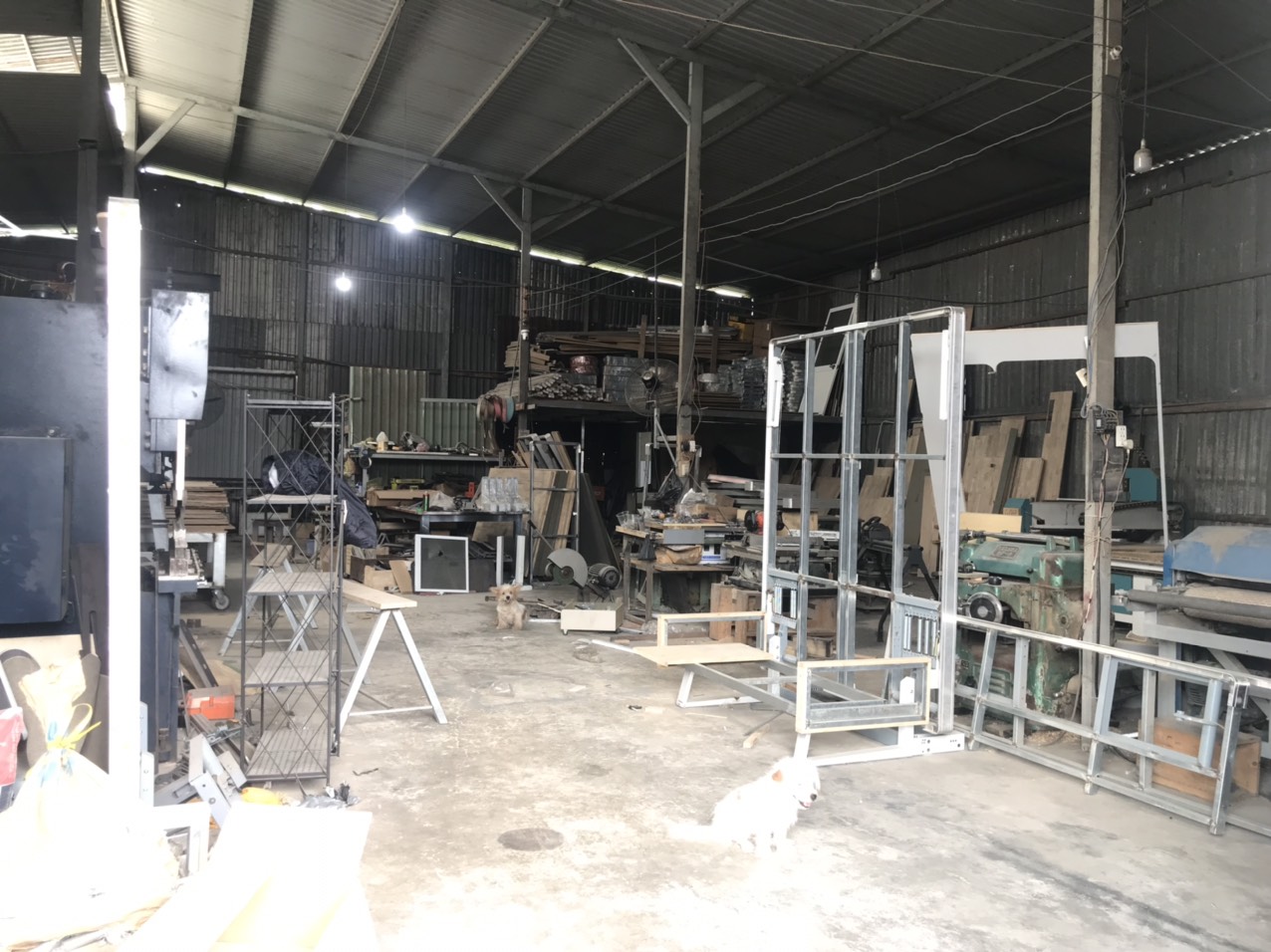
👉 Visit our factory to learn more about our capabilities.
Send us your drawings today and get a fast quotation within 24 hours.
Precision Manufacturing & Sourcing Specification Matrix
| Technical Dimension | Standard Commercial Grade | High-Precision OEM Export Grade | DEWIN Verification Protocol |
|---|---|---|---|
| Machining & Forming Tolerance | ISO 2768-m (±0.10 mm nominal) | ISO 2768-f (±0.01 mm – ±0.025 mm critical bores) | Calibrated 3D CMM & Air/Pin Gauging |
| Surface Roughness & Finish | Ra 1.6 – 3.2 µm as-machined / standard coat | Ra 0.4 – 0.8 µm precision ground / MIL-A-8625 anodized | Profilometer & Coating Thickness Gauge |
| Material & Alloy Certification | Supplier Mill Test Report (MTR) | Independent OES chemical & mechanical verification | EN 10204 3.1 + RoHS/REACH Compliance |
| Batch Inspection & Packaging | ISO 2859-1 (AQL 1.0 Major / 2.5 Minor) | Zero-defect critical features + VCI export crating | Pre-Shipment Inspection (PSI) Report |
Frequently Asked Questions
Which Material Should You Choose?
The choice between sintered iron and cast iron depends on your application requirements. If you need precision and complex shapes, sintered iron is a better option. For large, cost-effective structural components, cast iron is more suitable.
Looking for Custom Metal Parts?
At Dewin, we provide professional die casting services and custom manufacturing solutions. With production in China and Vietnam, we help customers reduce costs and ensure stable supply chains.
What engineering files are required to quote sintered iron vs cast iron: key differences, properties & applications with DEWIN?
Provide 3D CAD models (STEP or IGES) along with 2D engineering drawings (PDF/DXF) specifying critical-to-quality (CTQ) tolerances, material grade, surface finish, and annual volume.