3 Critical Factors for Sintering Part Design
November 15, 2024 · 6 min read

When companies look to reduce manufacturing costs, sintering is often the answer. But transitioning a part from machining, casting, or forging to sintering isn't as simple as sending a drawing to a factory. There are three critical factors that determine whether your sintered part will meet spec — and budget.
Successfully converting a part to sintering hinges on three factors: choosing the right metal powder for the required hardness and density, designing the geometry around the vertical compaction direction, and confirming that mold cost amortized across your volume beats your current process.
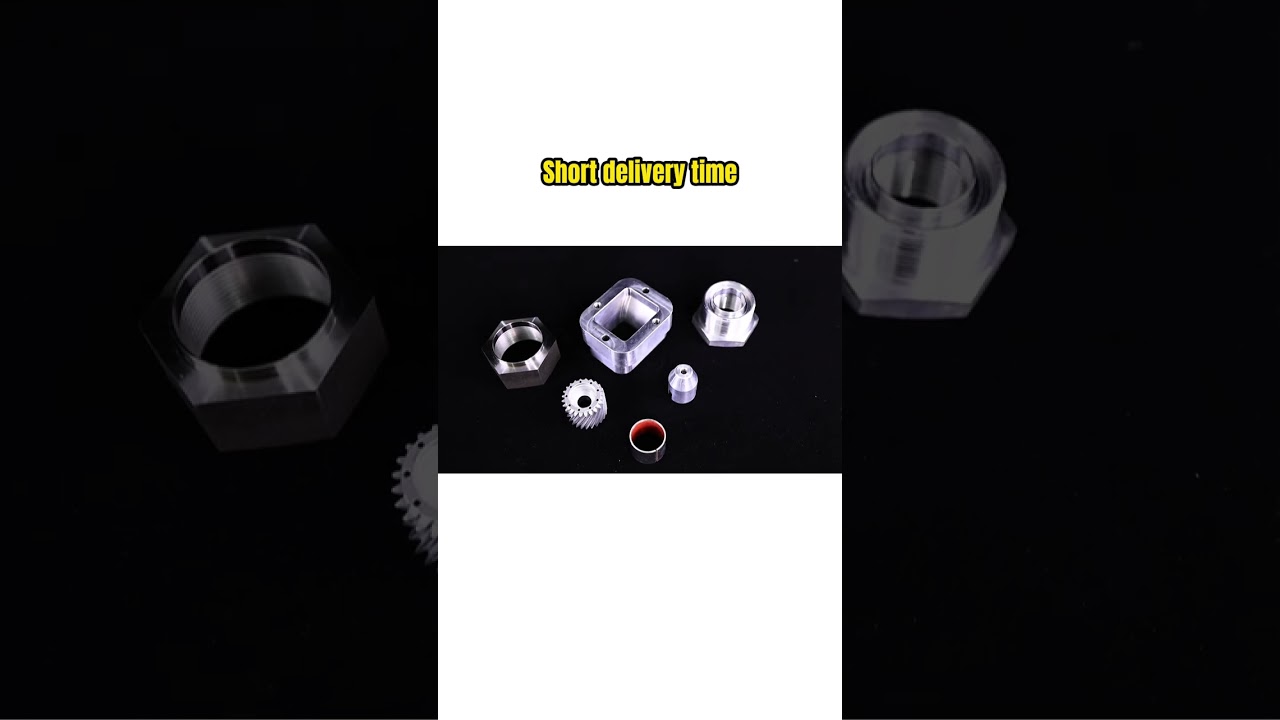
Real Vietnam Factory Samples — Custom Machined & Metal Parts
Watch on YouTube
Real footage from an audited DEWIN partner factory in Vietnam.
1. Material Selection: Getting the Foundation Right
Sintered parts typically use iron-based, copper-based, or stainless steel-based powders. The material you choose directly affects the part's hardness, density, and tensile strength. Here's what's achievable:
- Macro hardness: 20–25 HRC
- Density range: 5.8–8.3 g/cm³
- Maximum tensile strength: 225,000 psi (1,550 MPa)
Three international standards govern sintered materials: MPIF 35 (US), DIN 30910 (Germany), and JIS Z2550 (Japan). If your existing drawings reference any of these codes, the quoting process becomes significantly faster.
2. Structural Design: Designing for the Process
Sintering uses molds with a vertical compacting direction. This means certain geometries need special attention:
- Horizontal holes require post-machining drilling — adding cost and reducing efficiency.
- Wall thickness must exceed 1.5–2 mm for thin-wall sections.
- Draft angles of 5–15° on vertical faces help with demolding and eliminate secondary machining.
A useful rule of thumb for equipment sizing: every square centimeter of part cross-section requires 4–7 tons of pressing force. If a supplier claims they can make your part but doesn't have the right tonnage press — that's a red flag.
3. Cost-Effectiveness: Running the Numbers
Mold investment for sintering typically ranges from $1,000 to $20,000, depending on part size and complexity. The upside? Sintering can deliver up to 15,000 pieces per day per mold with exceptional dimensional consistency.
Sintering pays off at volume: mold tooling typically runs $1,000–$20,000, but a single mold can yield up to 15,000 pieces per day. Divide that tooling cost across your expected order quantity — if per-unit amortization beats machining or casting, sintering wins.
The key calculation: divide the mold cost across your expected order volume. If the per-unit mold amortization makes the total cost competitive with your current process (machining, casting, forging, or stamping), sintering is likely the right move.
Ready to Explore Sintering?
Our engineers at DEWIN Vietnam provide free design optimization consultations for sintering conversions. Get in touch →
Frequently Asked Questions
How do I check a sintering supplier has enough press tonnage?
Press capacity is checked against the part's cross-section: every square centimetre of cross-section requires 4–7 tons of pressing force. Multiply your pressed cross-sectional area by that range and compare it against the presses the supplier actually operates. A supplier claiming they can make the part without the matching tonnage is a red flag.
Can a sintered part have horizontal holes and thin walls?
Horizontal holes are possible but cannot be pressed — they require post-machining drilling, which adds cost and reduces efficiency, because sintering molds compact vertically. Thin-wall sections must exceed 1.5–2 mm, and vertical faces need 5–15° draft angles so parts demold cleanly and skip secondary machining.
At what order volume does sintering tooling pay off?
Sintering tooling pays off once the mold cost spread across your order volume beats your current per-unit cost from machining, casting, forging, or stamping. Molds typically run $1,000 to $20,000 depending on part size and complexity, and one mold can deliver up to 15,000 pieces per day, so amortization drops fast at volume.