Why Sintering Is the Most Critical Step in Powder Metallurgy
September 5, 2024 · 4 min read
%20DIE-CASTING/XINKE%20-%20Photo/2020731/Flat%20face%20grinder.jpg)
The powder metallurgy process has four main stages: mixing, pressing, sintering, and post-processing. Of these, sintering is arguably the most critical. It's the step that transforms a fragile "green compact" — essentially compressed metal powder — into a structurally sound semi-finished part.
Sintering is the decisive step in powder metallurgy because it converts a fragile pressed "green compact" into a strong, dimensionally stable part. Heating below the melting point bonds the metal particles by solid-state diffusion, and every downstream operation depends on getting it right.
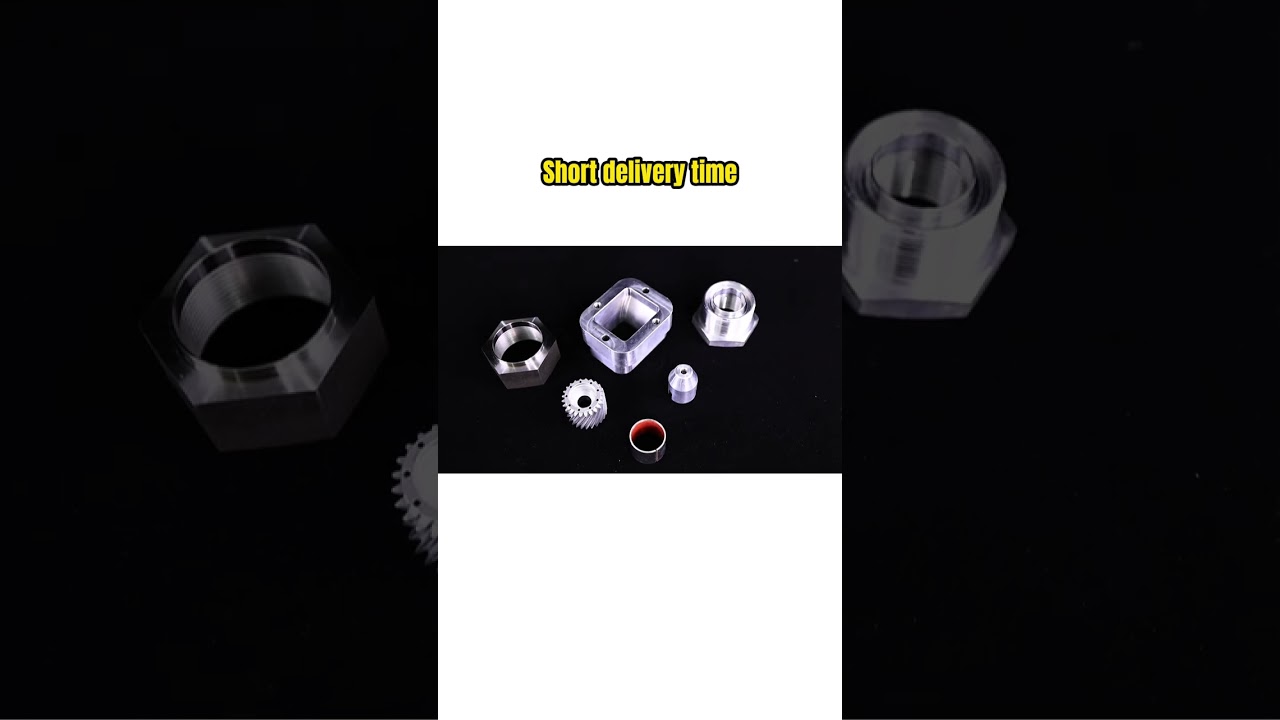
Real Vietnam Factory Samples — Custom Machined & Metal Parts
Watch on YouTube
Real footage from an audited DEWIN partner factory in Vietnam.
What Happens During Sintering
During sintering, the green compact is heated to a temperature below the primary metal's melting point. At these elevated temperatures, the metal particles bond at their contact points through solid-state diffusion. The result: dramatically increased strength, density, and structural stability.
During sintering the green compact is heated below the base metal's melting point. At that temperature the powder particles fuse at their contact points through solid-state diffusion, sharply increasing the part's strength, density, and structural stability without fully melting it.
Why Quality Control at Sintering Matters
PM's biggest advantage — fast production cycles — comes with a trade-off: the potential for structural inconsistency. Sintering is where you catch and correct these issues. Three critical questions quality engineers ask at this stage:
- Deformation: Did the part maintain its dimensional accuracy through the heating cycle?
- Porosity: Was porosity reduced to acceptable levels for the application?
- Density: Did the sintered part achieve the target density for required mechanical properties?
The Bottom Line
Without proper sintering, post-processing operations (machining, plating, heat treatment) will fail. The sintering step provides the foundational strength that everything downstream depends on. That's why experienced PM manufacturers invest heavily in sintering furnace technology, atmosphere control, and temperature profiling.
Quality-Focused PM Sourcing
DEWIN's quality engineers audit sintering processes at every partner factory. Learn about our quality program →
Frequently Asked Questions
Does sintering melt the metal powder into a solid part?
Sintering does not melt the powder. The green compact is heated to a temperature below the primary metal's melting point, and the particles bond at their contact points through solid-state diffusion. That bonding is what raises strength, density, and structural stability while the part holds the shape it was pressed into.
What should a supplier check on parts right after sintering?
Three checks matter after the heating cycle: whether the part held its dimensional accuracy, whether porosity was reduced to acceptable levels for the application, and whether the part reached the target density for the required mechanical properties. Powder metallurgy's fast cycles allow structural inconsistency, so this stage is where it gets caught and corrected.
Can machining or plating rescue a poorly sintered part?
Post-processing cannot rescue a poorly sintered part. Machining, plating, and heat treatment all depend on the foundational strength that sintering provides, and they will fail without it. That dependency is why experienced PM manufacturers invest heavily in sintering furnace technology, atmosphere control, and temperature profiling rather than leaning on downstream operations.