Stainless Steel CNC Machining in Vietnam: Grades, Costs & Supplier Guide
February 17, 2026 · 14 min read
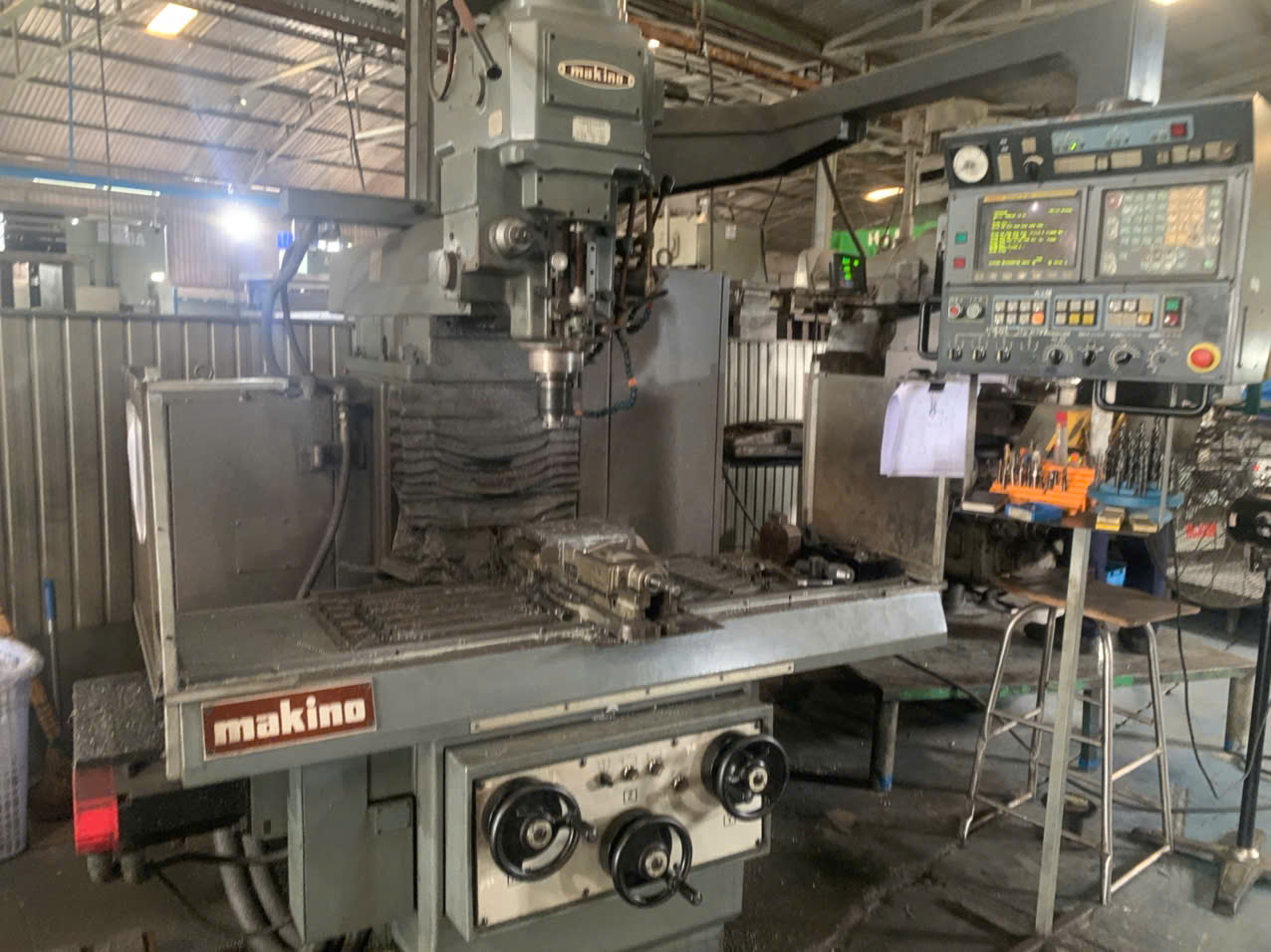
Stainless steel is one of the most demanded — and most challenging — materials in CNC machining. Its work-hardening behavior, low thermal conductivity, and tendency to generate built-up edge (BUE) on cutting tools make it significantly harder to machine than aluminum or mild steel. That's exactly why choosing the right supplier matters more for stainless than almost any other material.
Vietnam's CNC machining sector has matured rapidly, with many shops now running Mazak, Doosan, and Fanuc machines equipped with high-pressure coolant systems specifically designed for stainless steel work. This guide covers everything US buyers need to know about sourcing stainless steel CNC parts from Vietnam — from grade selection to landed cost analysis.
Vietnam suppliers CNC-machine all the common stainless grades — SS304/304L, SS316/316L, 17-4 PH, and free-machining SS303 — on Mazak, Doosan, and Fanuc equipment with high-pressure coolant. Because Vietnam-origin parts carry no US Section 301 tariff, they avoid the 25% surcharge applied to China-origin stainless steel.
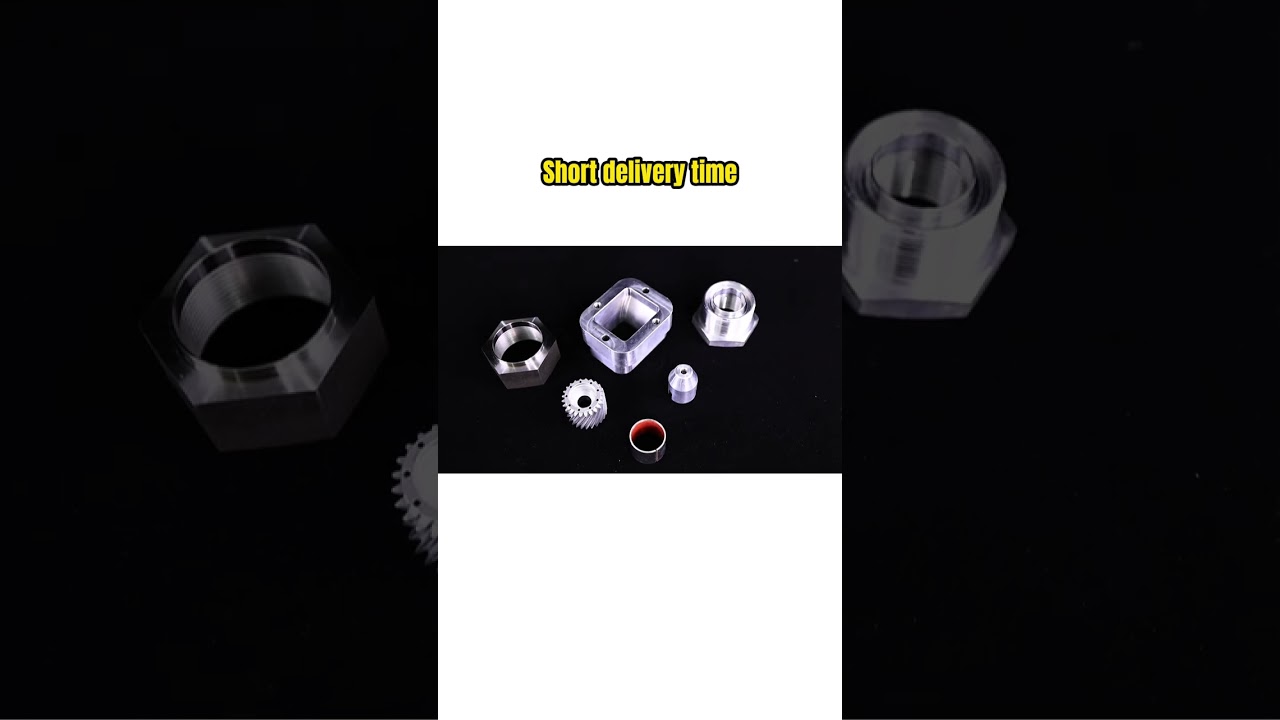
Real Vietnam Factory Samples — Custom Machined & Metal Parts
Watch on YouTube
Real footage from an audited DEWIN partner factory in Vietnam.
Stainless Steel Grades Available in Vietnam
Vietnam suppliers source stainless steel from POSCO (Korea), Nippon Steel (Japan), Tsingshan (China), and domestic mills like Hoa Sen. Grade availability is excellent for common austenitic and martensitic alloys:
SS304 / 304L — The Workhorse
- Composition: 18% Cr, 8% Ni, 0.08% C max (304L: 0.03% C max)
- Machinability rating: 45% (relative to 1212 free-machining steel at 100%)
- Typical applications: Food processing equipment, medical device housings, valve bodies, brackets
- Vietnam material cost: $2.80–3.50/kg (bar stock), $3.20–4.00/kg (plate)
- Key note: 304L preferred for welded assemblies — lower carbon prevents chromium carbide precipitation at weld zones
SS316 / 316L — Marine & Chemical Grade
- Composition: 16% Cr, 10% Ni, 2% Mo — the molybdenum provides superior pitting resistance
- Machinability rating: 36% — noticeably harder to machine than 304
- Typical applications: Marine hardware, pharmaceutical equipment, chemical processing, surgical instruments
- Vietnam material cost: $4.20–5.50/kg (bar stock), $4.80–6.20/kg (plate)
- Cost impact: Expect 15–25% higher machining costs vs. 304 due to slower speeds and faster tool wear
17-4 PH (630) — Precipitation Hardened
- Composition: 15.5% Cr, 4% Ni, 3.3% Cu — age-hardenable to HRC 44
- Machinability rating: 50% in Condition A (annealed) — machine before heat treatment when possible
- Typical applications: Aerospace brackets, pump shafts, high-strength fasteners, turbine components
- Vietnam material cost: $6.50–9.00/kg — limited local availability, often imported from Korea/Japan
- Key note: Always specify condition — Condition A machines well, H900 is very tough on tooling
SS303 — Free-Machining (High Volume)
- Composition: Similar to 304 + 0.15% sulfur for chip breaking
- Machinability rating: 78% — dramatically easier to machine
- Typical applications: Shafts, fittings, nuts, bolts — any high-volume turned parts
- Trade-off: Lower corrosion resistance and not recommended for welded assemblies
- When to specify: Volumes >5,000 units where machining cost dominates — the 40–50% faster cycle times outweigh the material premium
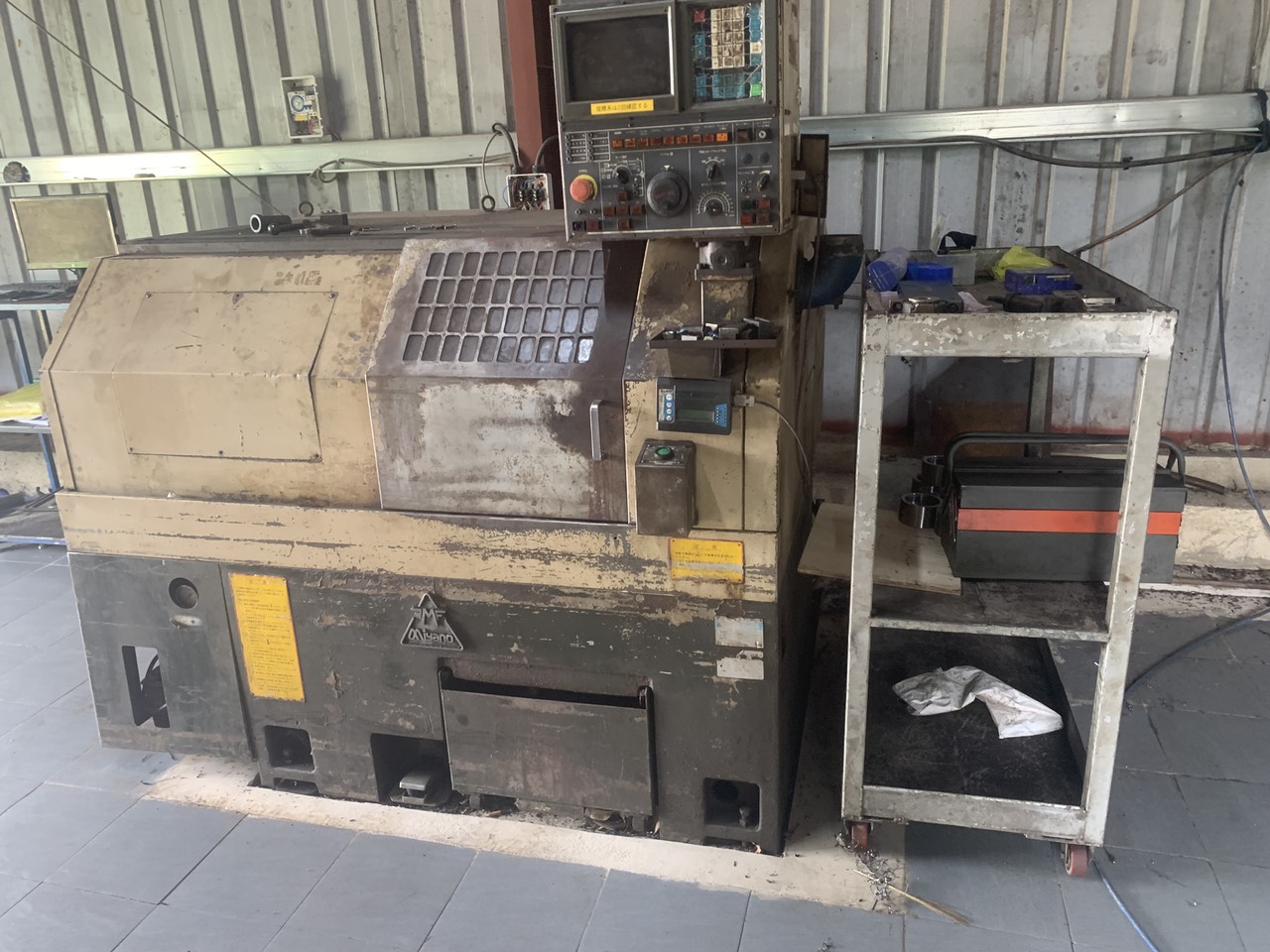
Machining Cost Comparison: Vietnam vs. US vs. China
Stainless steel amplifies cost differences between regions because the slower machining speeds mean more machine hours per part. Here's what we see in 2026 across our supplier network:
For stainless work, Vietnam machine-hour rates run roughly $30–50/hr for 3-axis milling and $22–40/hr for turning — well below typical US rates of $85–165/hr. The larger structural saving is tariff: Vietnam-origin stainless parts avoid the 25% Section 301 surcharge levied on China-origin parts.
Machine Hour Rates for Stainless Steel
- 3-axis CNC milling (SS304): Vietnam $30–50/hr | China $35–65/hr | US $85–165/hr
- 5-axis CNC milling (SS316): Vietnam $50–90/hr | China $60–110/hr | US $135–280/hr
- CNC turning (SS303): Vietnam $22–40/hr | China $28–50/hr | US $65–130/hr
- CNC Swiss turning: Vietnam $35–60/hr | China $40–70/hr | US $90–180/hr
Vietnam's advantage over China is 15–25% on machine hour rates, but the real savings come from no Section 301 surcharges. Stainless steel parts from China face 25% additional Section 301 tariffs under HTS codes 7318–7326. Vietnam-origin parts are exempt from these surcharges.
Per-Part Cost Examples (SS304, as-machined)
- Simple turned shaft (Ø25mm × 80mm, ±0.05mm): Qty 100: $6–12/pc | Qty 1,000: $3.50–7/pc | Qty 10,000: $2–4.50/pc
- Milled bracket (80×60×25mm, 6 features, ±0.05mm): Qty 100: $15–28/pc | Qty 1,000: $8–16/pc | Qty 10,000: $5–10/pc
- Complex valve body (3-axis + wire EDM, ±0.025mm): Qty 100: $45–90/pc | Qty 1,000: $25–50/pc
- Medical device housing (5-axis, SS316L, Ra 0.8µm): Qty 100: $65–140/pc | Qty 1,000: $35–75/pc
Cutting Parameters That Separate Good from Bad Suppliers
When evaluating a Vietnam CNC shop for stainless steel work, ask about their cutting parameters. A competent shop will discuss these specifics:
- Cutting speed (Vc): 120–180 m/min for SS304 with coated carbide (TiAlN or AlCrN). Shops running below 100 m/min are being too conservative; above 200 m/min causes rapid flank wear
- Feed per tooth: 0.08–0.15 mm/tooth for milling — too light causes work hardening, too heavy risks chipping
- Depth of cut: Always >0.5mm for roughing — light cuts on stainless cause the tool to rub instead of cut, dramatically increasing work hardening
- Coolant: High-pressure through-spindle coolant (20–70 bar) is essential for deep pockets in stainless. Flood coolant alone leads to heat buildup and poor surface finish
- Tool coatings: TiAlN (good to 800°C) or AlCrN (good to 1,100°C) — uncoated carbide wears 3–4× faster
Red flag: If a supplier quotes stainless steel work at the same price as aluminum work of similar geometry, they likely haven't accounted for the 2–3× longer cycle times and higher tooling costs. The quote will come back revised — or the quality will suffer.
Surface Finish Options for Stainless Steel Parts
Stainless steel's corrosion resistance means many parts can be used as-machined, but finish requirements drive significant cost differences:
- As-machined (Ra 1.6–3.2µm): Standard — included in base price. Visible tool marks. Suitable for functional parts
- Fine machined (Ra 0.4–0.8µm): +10–20% cost. Requires slower finishing passes. Good for sealing surfaces
- Bead blast: +$0.50–2.00/part. Uniform matte finish, hides machining marks. Popular for consumer-facing parts
- Electropolish: +$3–8/part. Removes 10–25µm surface layer, Ra <0.4µm. Required for pharmaceutical and food contact surfaces (reduces bacterial adhesion by 80%)
- Passivation (citric or nitric acid): +$0.50–1.50/part. Removes free iron from surface, enhances corrosion resistance. Specify per ASTM A967 or AMS 2700
- Mirror polish (Ra <0.1µm): +$10–30/part. Manual polishing required. Used for optical components and high-end medical devices
- PVD coating (TiN, CrN, DLC): +$5–15/part. Adds hardness (HV 2000+) and wear resistance. Available at select Vietnam suppliers
What to Specify in Your RFQ for Stainless Steel Parts
Vague RFQs produce vague quotes. For stainless steel parts, include these details to get accurate pricing and avoid post-order surprises:
- Exact grade and condition: "SS316L per ASTM A276, annealed" — not just "stainless steel"
- Material certificate requirement: Specify if you need mill test reports (MTR) per EN 10204 3.1. Most Vietnam suppliers provide these at no extra charge
- Critical dimensions with GD&T: Call out which tolerances are critical (±0.025mm) vs. general (±0.1mm) — tightening everything wastes money
- Surface finish per feature: Ra 0.8µm on sealing faces, Ra 3.2µm elsewhere — don't specify a blanket Ra 0.8µm if only two surfaces need it
- Post-processing: Passivation, electropolish, or specific cleaning requirements (ultrasonic, per ASTM B912)
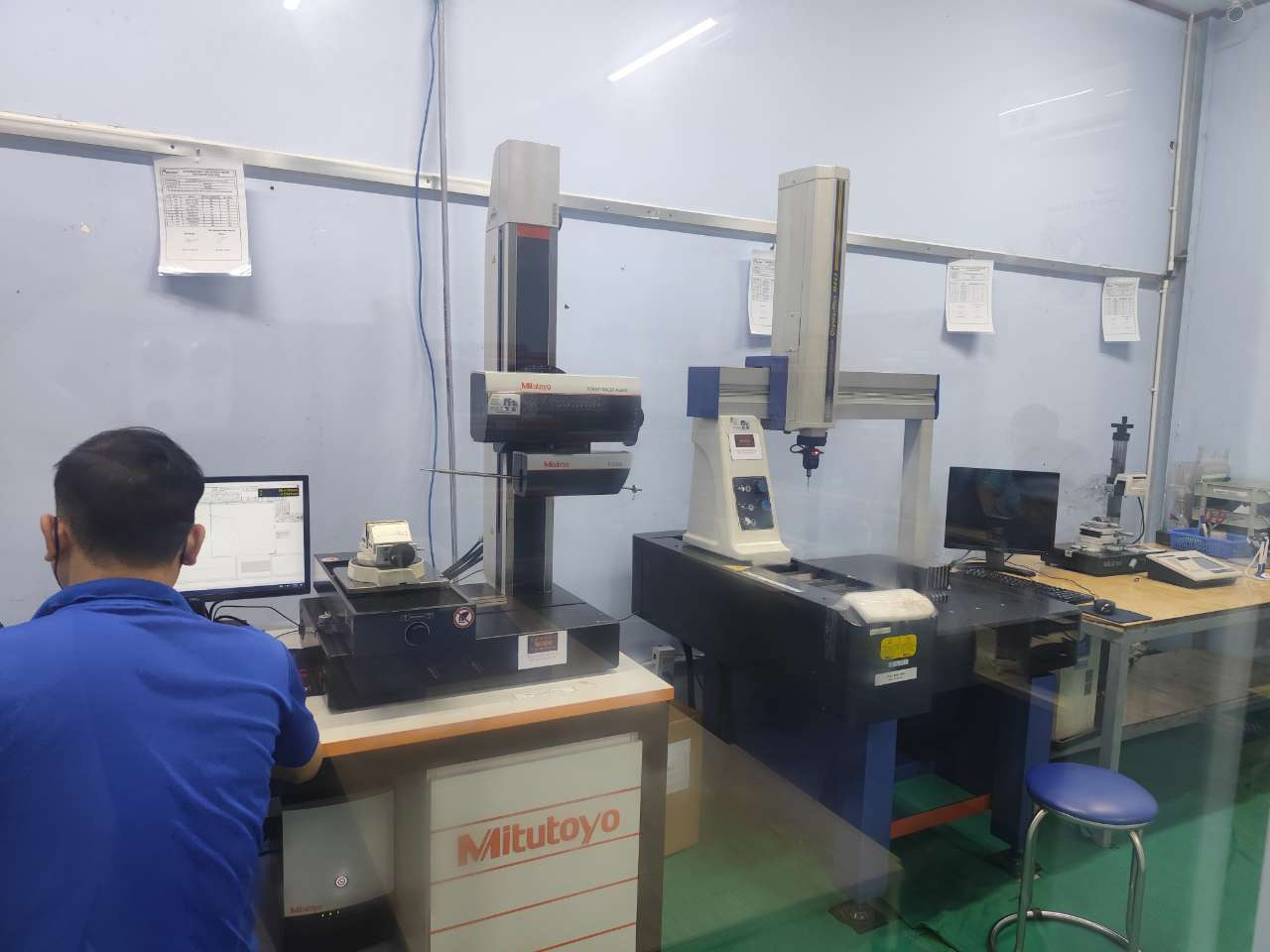
- Inspection requirements: CMM report for critical dims? First article inspection (FAI) per AS9102? Specify upfront
- Quantity tiers: Quote 100 / 1,000 / 10,000 — Vietnam pricing drops significantly at volume
- Annual usage forecast: Helps suppliers plan tooling investment and material procurement
Landed Cost Analysis: Vietnam Stainless Steel Parts to US
The total cost to your door includes more than just the part price. Here's a realistic breakdown for a $10/part stainless steel component (Qty 1,000):
- Part cost (FOB Vietnam): $10.00
- Packing & crating: $0.15–0.30/part (VCI paper wrap for corrosion protection during ocean transit)
- Ocean freight (HCM → Los Angeles): $0.40–0.80/part (based on ~$2,500/CBM for LCL, or $3,800 for 20' FCL)
- Marine insurance: $0.05–0.10/part (110% of CIF value, 0.3–0.5% premium)
- US customs duty: $0 — stainless steel machined parts from Vietnam: 0% MFN rate under HTS 7326.90
- US customs broker fee: $0.05–0.15/part (amortized over shipment)
- Last mile (port to warehouse): $0.10–0.25/part
- Total landed cost: ~$10.85–11.60/part (8.5–16% above FOB)
Compare this to a US domestic quote of $22–28/part for the same component. Even with shipping and logistics, Vietnam delivers 50–60% savings on stainless steel CNC parts. And unlike China-origin parts, there's no 25% Section 301 tariff risk.
Common Mistakes When Sourcing Stainless Steel from Vietnam
- Not specifying the exact grade: "Stainless steel" could mean SS201 (cheap, low nickel, poor corrosion resistance) instead of SS304. Vietnamese suppliers optimize for cost — if you don't specify, they'll quote the cheapest option that technically qualifies.
- Ignoring work-hardening in tolerance planning: Stainless steel work-hardens during machining. If a part requires a second operation (e.g., drilling after milling), the surface may be harder than the base material. Good suppliers account for this in their process planning. Ask how they handle it.
- Skipping corrosion protection for shipping: Stainless steel can develop tea staining or surface rust during 25–35 day ocean transit in humid containers. Require VCI (Vapor Corrosion Inhibitor) packaging — it costs $0.05–0.15/part and prevents costly rejections.
- Over-specifying surface finish: Going from Ra 1.6µm to Ra 0.8µm adds 15–25% to machining cost. Going to Ra 0.4µm adds 30–50%. Only specify tight finishes where functionally required.
- Not requesting test cuts: Before committing to 10,000 parts, order 20–50 sample parts. Evaluate dimensional accuracy, surface finish consistency, and edge quality. A $500 sample order can prevent a $50,000 mistake.
Why Vietnam for Stainless Steel CNC Parts?
Vietnam's position as a stainless steel machining destination has strengthened significantly since 2023:
- Tariff advantage: 0% vs. 25% for China-origin parts — this alone makes Vietnam 20%+ cheaper on landed cost
- CPTPP membership: Preferential access to Japan, Australia, Canada, and other CPTPP markets — useful for US companies with global distribution
- Growing machine base: Vietnam imported $3.8B in CNC machine tools in 2025, up 22% YoY — capacity is expanding rapidly
- Material sourcing: Strong supply chains from Korean and Japanese steel mills through established distributors in HCMC
- IP protection improving: Vietnam's 2023 IP law amendments align with CPTPP requirements — more enforceable than a decade ago
Get a Stainless Steel CNC Machining Quote
Upload your drawings and get pricing from our audited Vietnam CNC machining partners within 48 hours. We handle supplier selection, quality inspection, and logistics.
Request a Quote →Frequently Asked Questions
When is SS303 worth specifying instead of SS304?
SS303 earns its place above roughly 5,000 units, where machining cost dominates: a 78% machinability rating against 45% for SS304 delivers 40–50% faster cycle times that outweigh the material premium. The trade-off is lower corrosion resistance, and SS303 is not recommended for welded assemblies.
How do I stop stainless parts corroding during ocean transit?
VCI (Vapor Corrosion Inhibitor) packaging is the fix, because stainless can develop tea staining or surface rust over a 25–35 day ocean transit in humid containers. VCI costs $0.05–0.15 per part and prevents costly rejections. Packing and crating with VCI paper wrap is budgeted at $0.15–0.30 per part in landed cost.
What cutting parameters should I ask a stainless CNC shop about?
Four parameters separate competent stainless shops: cutting speed of 120–180 m/min on SS304 with coated carbide, feed of 0.08–0.15 mm per tooth, depth of cut always above 0.5 mm for roughing, and high-pressure through-spindle coolant at 20–70 bar. Tooling should be TiAlN or AlCrN coated — uncoated carbide wears 3–4× faster.
How much does a tighter surface finish add to a stainless part's price?
Moving from Ra 1.6µm to Ra 0.8µm adds 15–25% to machining cost, and Ra 0.4µm adds 30–50%. Secondary finishes are priced separately: bead blast +$0.50–2.00 per part, passivation +$0.50–1.50, electropolish +$3–8, and mirror polish +$10–30. Specify the tight finish per feature, not across the whole part.