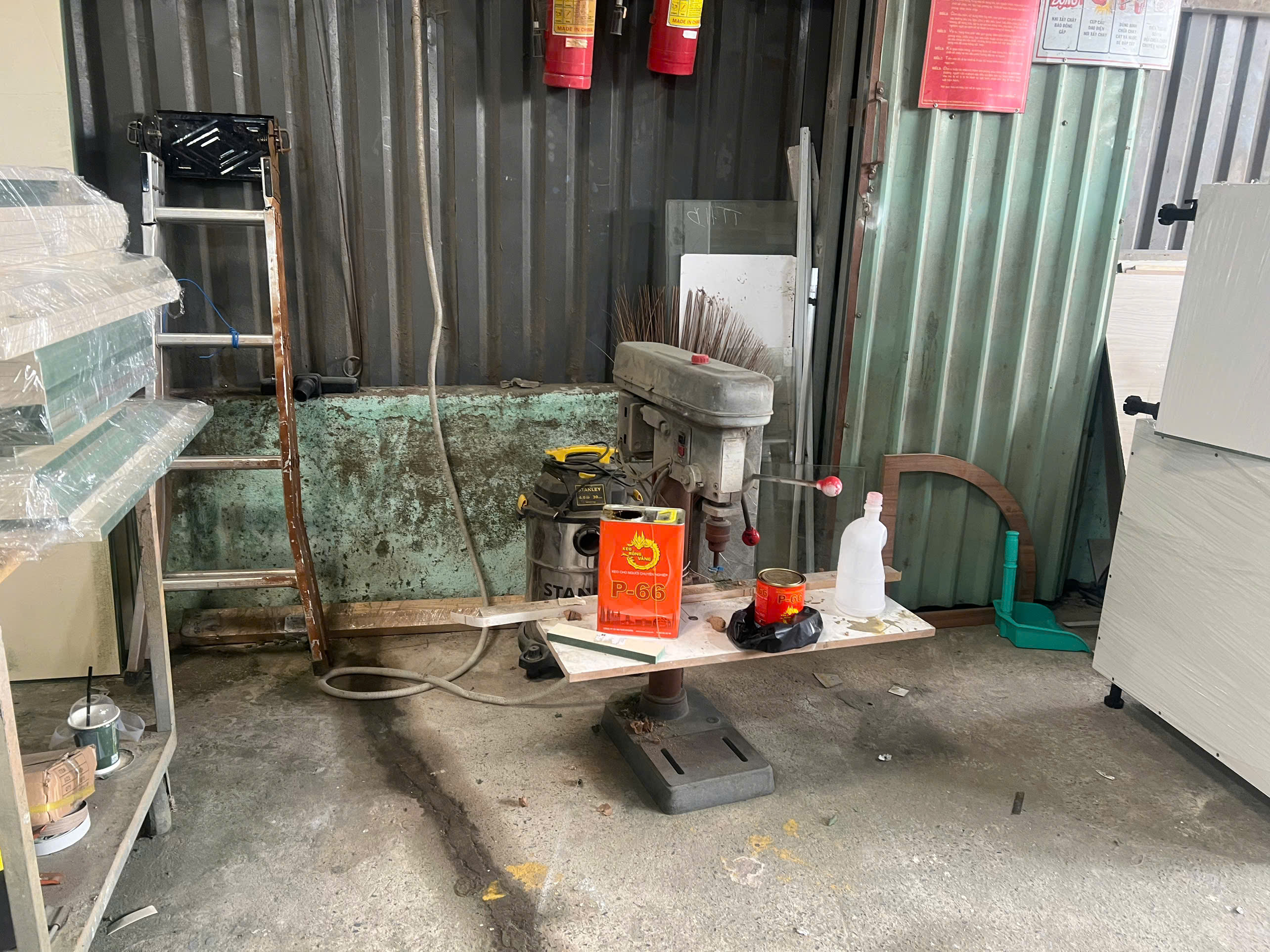
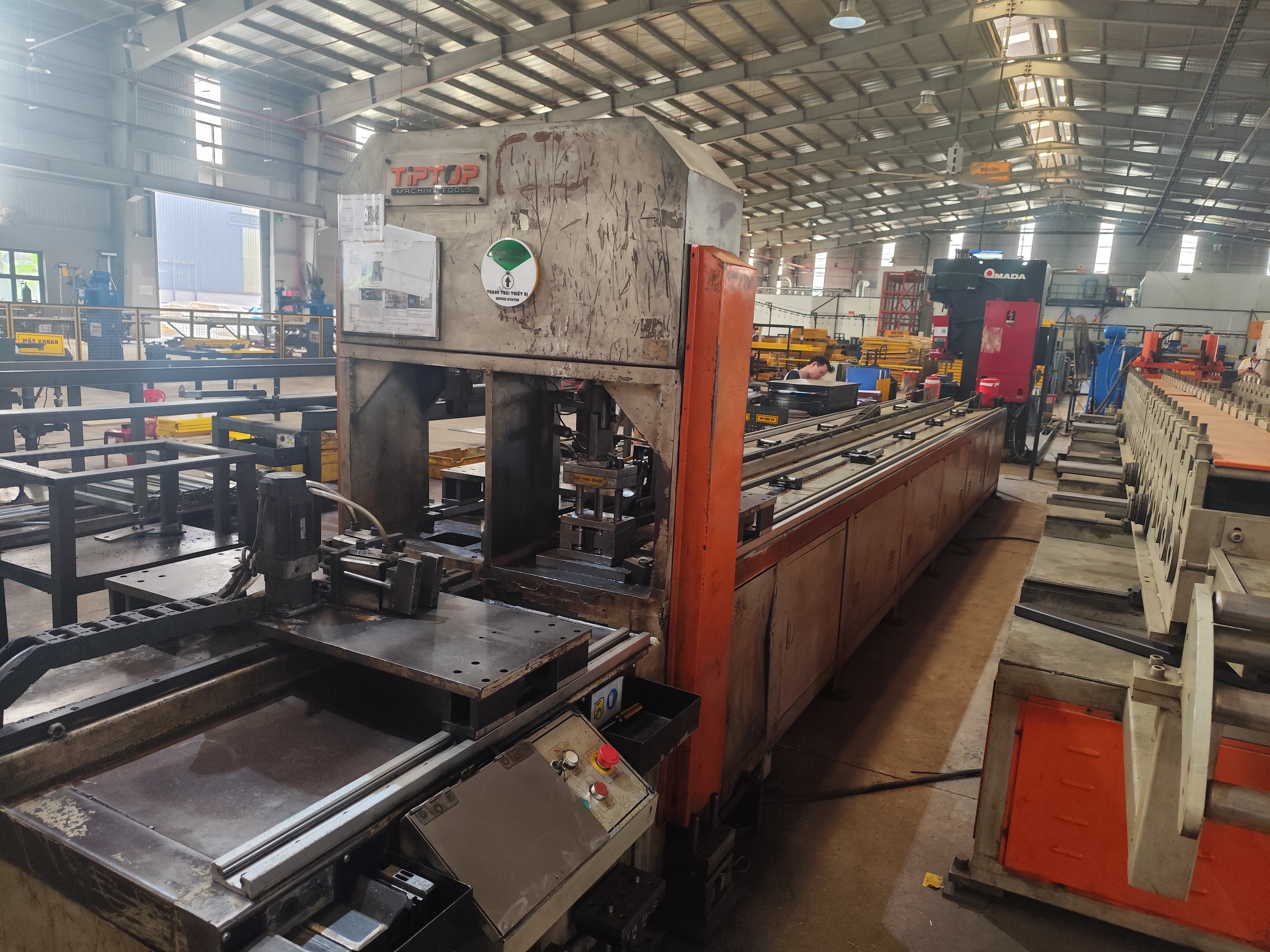
Choosing between stainless steel vs carbon steel stamping parts trips up many buyers. I have seen wrong picks rust in the field—or blow budgets. Our sourcing team helps clients avoid both traps.
Stainless steel stamping parts suit corrosive, hygienic, or outdoor environments where long service life justifies higher cost. Carbon steel stamping parts suit dry, controlled, or coated applications where strength-per-dollar matters most. Match the material to your environment, load, regulatory needs, and total lifecycle cost—not just the quote price.
Neither material is universally better. The right answer depends on where your part lives and what failure would cost you. Let me walk you through the decision, factor by factor.
How do I know which material fits my custom stamping project’s performance requirements?
A few months back, our engineers in Vietnam reviewed a bracket drawing where the client had specified 304 stainless for an indoor, painted assembly. We asked one question—"where does this part live?"—and saved them nearly a third of the part cost.
Match material to four factors: environment (moisture, chemicals, salt favor stainless), mechanical load (carbon steel offers high strength at low cost), formability (low-carbon steel stamps and deep-draws more easily), and regulations (FDA, NSF, or medical specs often mandate stainless regardless of cost).

Start with the environment. This single factor eliminates half of the wrong choices before you look at anything else. If your stamped bracket, clip, or chassis component will face humidity, salt spray, washdowns, or chemicals, stainless steel earns its premium. Its chromium-rich surface layer 1 resists rust without coatings. If the part sits inside a dry enclosure, carbon steel with a simple zinc plating usually does the job.
Next, look at mechanical demands. Carbon steel delivers strong tensile performance for the price, which is why structural brackets and automotive frames often use it. But be careful with blanket strength claims. Grade matters more than family. A martensitic stainless can be harder than many carbon steels, while low-carbon steel forms more easily than either.
A Quick Selection Matrix
| Requirement | Better Fit | Why |
|---|---|---|
| Outdoor or marine exposure | Stainless steel | No coating dependency; resists corrosion |
| Indoor structural bracket | Carbon steel | Strength at low cost; coating optional |
| Food, medical, hygiene | Stainless steel | Regulatory compliance; cleanable surface |
| Deep drawing, complex bends | Low-carbon steel | Good plasticity; low springback |
| High-volume cost-sensitive parts | Carbon steel | Cheaper material; easier tooling |
| Visible cosmetic surfaces | Stainless steel | Keeps appearance without paint |
Formability Deserves Its Own Check
Low-carbon steel is forgiving. It bends, draws, and stamps with predictable springback. Stainless—especially 304—work-hardens fast. It may need multi-step forming, higher tonnage presses, or warm forming to avoid cracking. When we quote stainless stamping projects for U.S. clients, we always confirm the supplier's press capacity and forming experience first. A supplier who is excellent at carbon steel stampings is not automatically ready for austenitic stainless.
Finally, check certifications. If your part touches food, medicine, or an automotive OEM spec, the standard may decide the material for you. No cost analysis can override a compliance requirement.
What cost differences should I expect between stainless steel and carbon steel stamping parts?
Price surprises are the fastest way to lose a purchasing manager's trust. When our Singapore office prepares quotations, we break out material, tooling, and processing separately—because stainless and carbon steel diverge on all three lines.
Expect stainless steel stamping parts to cost roughly two to three times more than carbon steel equivalents. Carbon steel runs about 40–70% less per kilogram, needs lower press tonnage, and machines faster. However, coatings, maintenance, and replacements can erase carbon steel's savings in harsh environments.
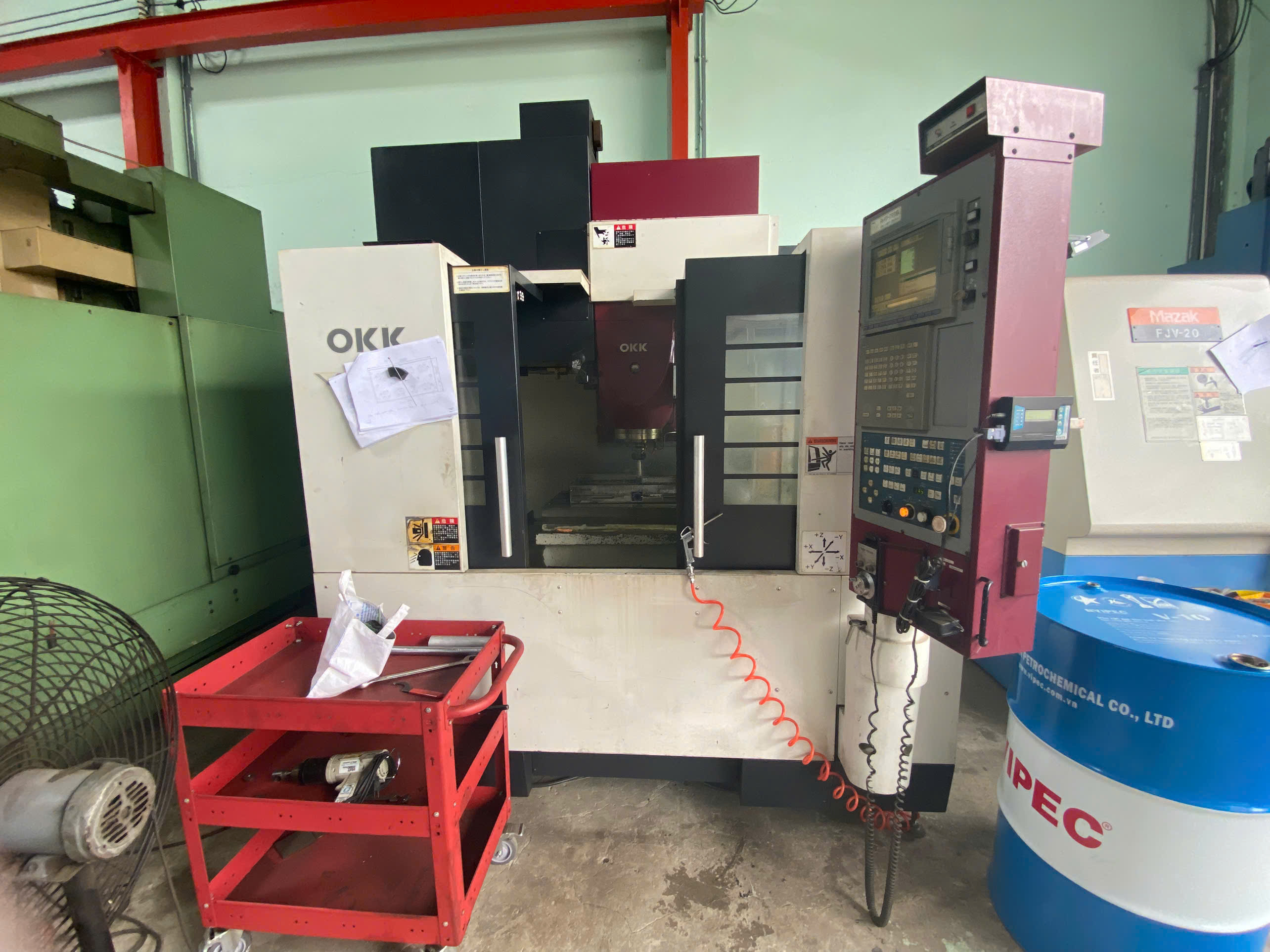
The upfront gap is real. Stainless raw material 2 can cost two to three times more per ton than carbon steel in many sourcing contexts. But the material line is only the beginning. The full cost picture has several layers, and buyers who compare only unit prices often choose wrong.
Where the Cost Gap Comes From
| Cost Driver | Carbon Steel | Stainless Steel |
|---|---|---|
| Raw material price | Baseline | Roughly 2–3x higher |
| Press tonnage needed | Lower | Higher (work hardening) |
| Tooling wear | Standard | Faster die wear; harder tool steels needed |
| Secondary machining | Easier, faster | Slower; work-hardens during cutting |
| Surface protection | Required for wet use (plating, paint, galvanizing 3) | Usually none needed |
| Maintenance over life | Recoating, rust repair | Minimal |
Notice that carbon steel picks up hidden costs on the bottom rows. Plating, powder coating, or galvanizing adds process steps, lead time, and quality risk. Every coating is also a future maintenance item. If a coated part fails in the field, warranty claims and replacement labor can dwarf the original savings.
Stainless picks up hidden costs at the top. It demands higher tonnage, more careful process control, and tool steels that resist abrasive wear. When we audit stamping suppliers in Vietnam for our clients, tooling maintenance schedules are one of the first things we check on stainless programs. A shop that ignores die wear will ship burred, out-of-tolerance parts by the second production run.
Think in Total Cost of Ownership
For a rough rule: painted carbon steel parts may last three to five years outdoors, while stainless parts can last eight to twelve. If replacement means a service truck, downtime, or an unhappy end customer, stainless is often cheaper over the product's life. If the part is indoors, accessible, and coated once, carbon steel usually wins the math.
How do I ensure my supplier maintains strict quality control for either material?
One lesson I learned early in our export business: a beautiful sample means nothing without a repeatable process behind it. A client once came to us after a previous supplier shipped brackets with mixed material lots—some rusted within weeks. That failure was preventable with basic incoming inspection.
Require material certificates for every lot, first-article inspection against the drawing, in-process checks on critical dimensions and burrs, PPAP documentation for production approval, and final inspection with recorded results. For stainless, add verification against material mix-ups; for carbon steel, add coating thickness and adhesion checks.

Quality control for stamped parts is not complicated, but it must be systematic. Skipping one step is how non-conforming parts reach your dock. Here is the process framework we apply when we manage stamping projects for U.S. buyers.
The Five-Stage QC Framework
- Incoming material verification. Demand mill certificates 4 showing chemistry and mechanical properties for each coil or sheet lot. For stainless, a quick positive material identification test prevents grade mix-ups—304 and 430 look identical but perform very differently.
- First-article inspection (FAI). Before mass production, the supplier measures every drawing dimension on initial pieces and documents results. This catches misread tolerances and missing notes—one of the most common causes of rework we see.
- In-process controls. Operators check critical dimensions, hole positions, burr height 5, and bend angles at set intervals. Stamping dies wear gradually, so periodic checks catch drift before a whole batch goes bad. Stainless programs need tighter die-wear monitoring because of its abrasiveness.
- PPAP or production approval. For automotive or engineered parts, a full PPAP package—control plan, process flow, measurement studies—proves the process is stable, not just the sample.
- Final inspection before shipment. Sample parts against an agreed AQL plan, verify surface finish, and for coated carbon steel, measure coating thickness and run adhesion or salt-spray checks 6 where specified.
Material-Specific Watch Points
Each material has its own failure modes. For carbon steel, focus on coating integrity, edge coverage on cut surfaces, and rust prevention during ocean transit—vacuum packing and desiccants matter. For stainless, focus on scratch-free handling, avoiding carbon steel contamination on shared tooling (which causes surface rust spots), and forming cracks on tight bends.
Insist on documentation at every stage. A supplier who resists sharing inspection records is telling you something. In our experience running supplier audits across Vietnam and other Asian countries, the shops with organized QC paperwork are almost always the shops that deliver right the first time.
Which material offers better long-term durability for my application’s environment?
Durability questions come up in almost every project kickoff call I join. Buyers want a simple answer, but the honest one starts with a counter-question: what will the part touch, breathe, and endure for the next decade?
Stainless steel offers superior long-term durability in wet, salty, chemical, or outdoor environments, often lasting 8–12 years where painted carbon steel lasts 3–5. In dry, controlled, indoor settings, properly coated carbon steel matches stainless durability at a fraction of the cost.
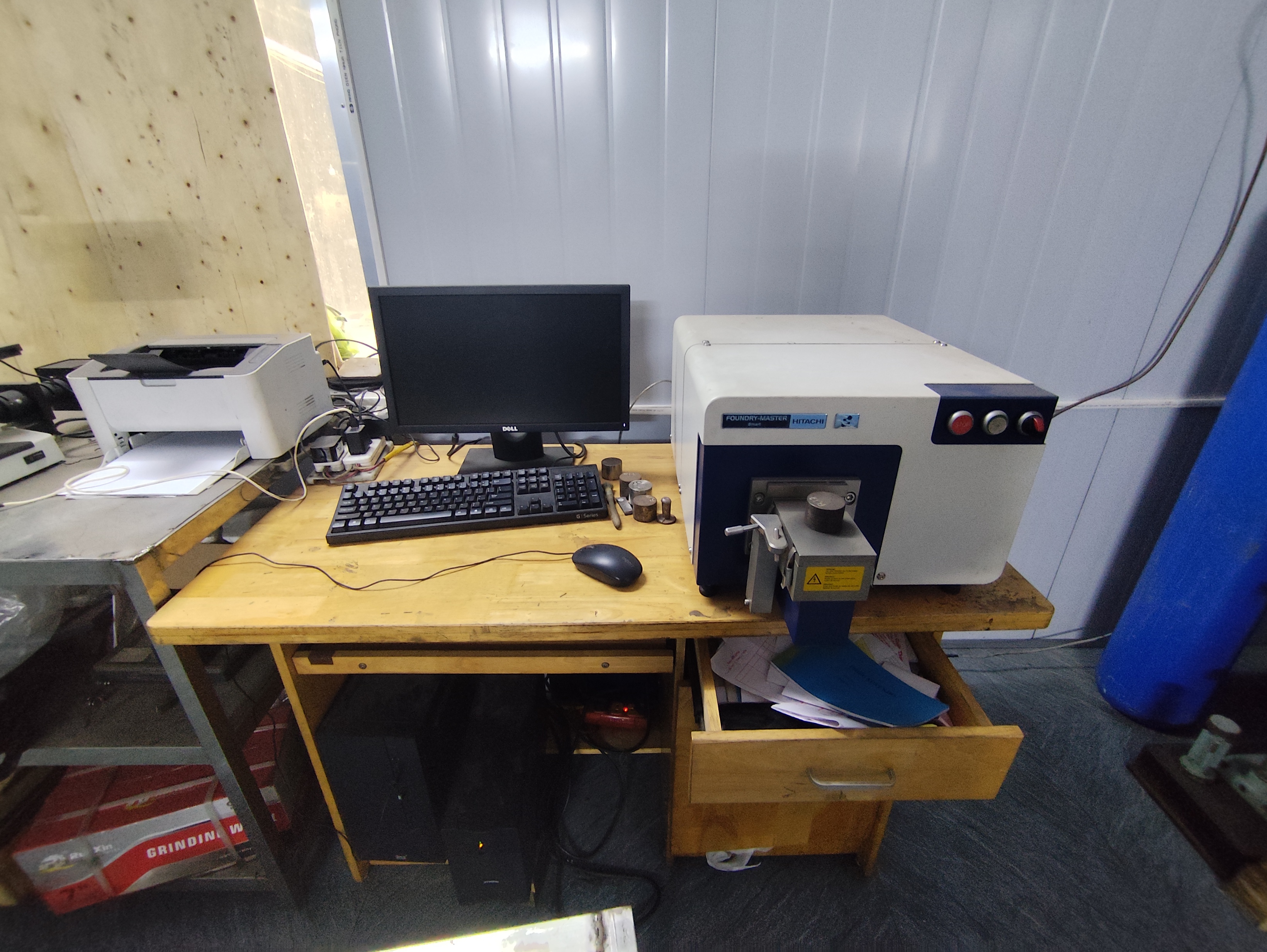
Durability is not one property. It is the interaction between the material and its environment over time. Let me break it down by exposure type, because that is how the decision actually gets made.
Durability by Environment
| Environment | Carbon Steel (Coated) | Stainless Steel | Recommended Choice |
|---|---|---|---|
| Dry indoor assembly | Excellent | Excellent | Carbon steel |
| Humid indoor (bathrooms, basements) | Good, coating-dependent | Excellent | Depends on access for maintenance |
| Outdoor, general weather | Fair; 3–5 years typical | Excellent; 8–12+ years | Stainless steel |
| Marine / coastal salt air | Poor without heavy galvanizing | Very good (316 preferred) | Stainless steel |
| Food processing / washdown | Not acceptable in contact zones | Excellent | Stainless steel |
| Chemical exposure | Poor to fair | Good to excellent by grade | Stainless steel |
The Coating Question
Carbon steel's durability lives or dies on its coating. Galvanizing, powder coating, and plating 7 all work—until they are scratched, chipped, or worn. Once the base metal is exposed, rust starts and spreads under the coating. If your part gets handled, bolted, vibrated, or abraded in service, assume the coating will be compromised somewhere. That is why hidden structural parts tolerate coated carbon steel well, while high-touch or exposed parts do not.
Stainless removes the coating dependency entirely. Its protective layer 8 reforms itself when scratched. That self-healing behavior is the real durability advantage, more than any raw hardness number.
A Practical Hybrid Approach
You do not have to pick one material for an entire assembly. Many of the assemblies we help source use carbon steel for internal structural stampings and stainless for exposed or contact surfaces. This hybrid strategy optimizes cost and performance together. One of our clients redesigned an equipment enclosure this way and cut material cost meaningfully while keeping every visible and washdown-exposed surface in stainless. Your stamping supplier should be comfortable running both materials with proper segregation—shared tooling without cleaning can transfer carbon steel particles onto stainless parts and cause surface rust spots later.
Conclusion
Picking wrong costs you in rust, rework, or wasted budget. Choose stainless when corrosion or failure is costly; choose carbon steel when conditions are controlled. Need help deciding? Our team is ready.
Frequently Asked Questions
How do I know which material fits my custom stamping project’s performance requirements?
A few months back, our engineers in Vietnam reviewed a bracket drawing where the client had specified 304 stainless for an indoor, painted assembly. We asked one question—"where does this part live?"—and saved them nearly a third of the part cost.
What cost differences should I expect between stainless steel and carbon steel stamping parts?
Price surprises are the fastest way to lose a purchasing manager's trust. When our Singapore office prepares quotations, we break out material, tooling, and processing separately—because stainless and carbon steel diverge on all three lines.
How do I ensure my supplier maintains strict quality control for either material?
One lesson I learned early in our export business: a beautiful sample means nothing without a repeatable process behind it. A client once came to us after a previous supplier shipped brackets with mixed material lots—some rusted within weeks. That failure was preventable with basic incoming inspection.
Footnotes
1. Explains the passivation layer that protects stainless steel from corrosion without coatings. ↩︎
2. Tracks global raw material price trends, including steel and stainless inputs. ↩︎
3. Background on the zinc coating process used to protect carbon steel parts from corrosion. ↩︎
4. ISO 9001 governs the quality documentation and traceability records referenced for incoming material verification. ↩︎
5. Wikipedia explains deburring and burr measurement, relevant to the in-process dimensional checks described. ↩︎
6. ASTM publishes standardized corrosion and salt spray testing methods referenced for coating verification. ↩︎
7. Explains galvanization as a common protective coating process for carbon steel parts. ↩︎
8. Explains the passivation phenomenon that lets stainless steel self-heal its corrosion-resistant surface. ↩︎