
In the field of aluminum die-casting, certain specific aluminum alloy models are widely used due to their good fluidity and corrosion resistance, as well as their ability to meet the requirements of high precision and smoothness in castings. The most commonly used aluminum alloys for aluminum die-casting include:
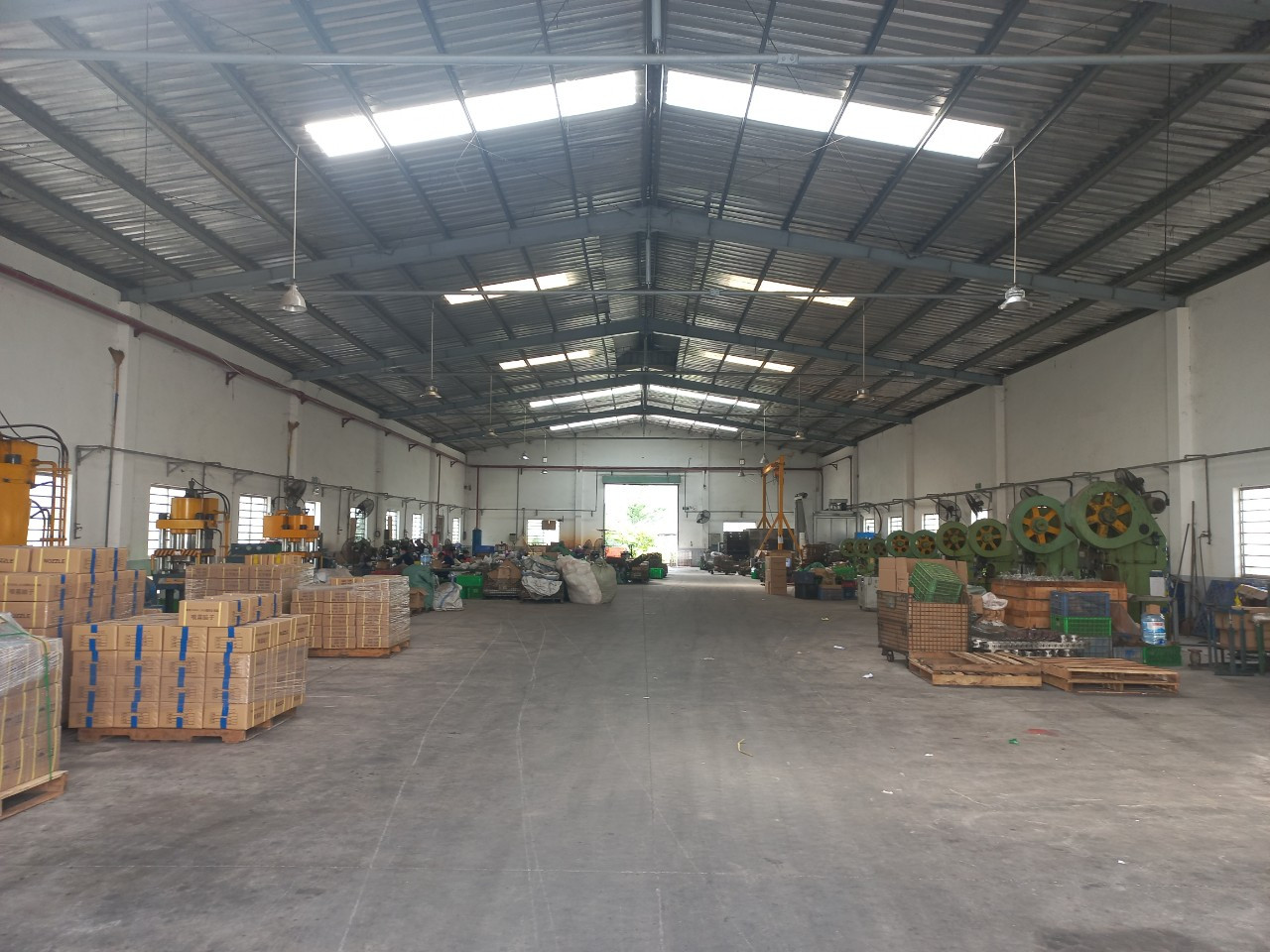
A380 Aluminum Alloy
A380 aluminum alloy is one of the most common alloys in the aluminum die casting industry. It has excellent fluidity and filling properties, making it suitable for manufacturing complex and detailed castings. In addition, A380 also has good mechanical properties and heat resistance, making it suitable for use in high-temperature environments. It provides the best comprehensive performance, including fluidity, mechanical properties, and heat resistance to cracking. Due to its stable performance and economic benefits, A380 has become the preferred material for many aluminum die castings. A380 is very suitable for producing electronic casings, automotive components, household appliance components, and other products.
A383 Aluminum Alloy
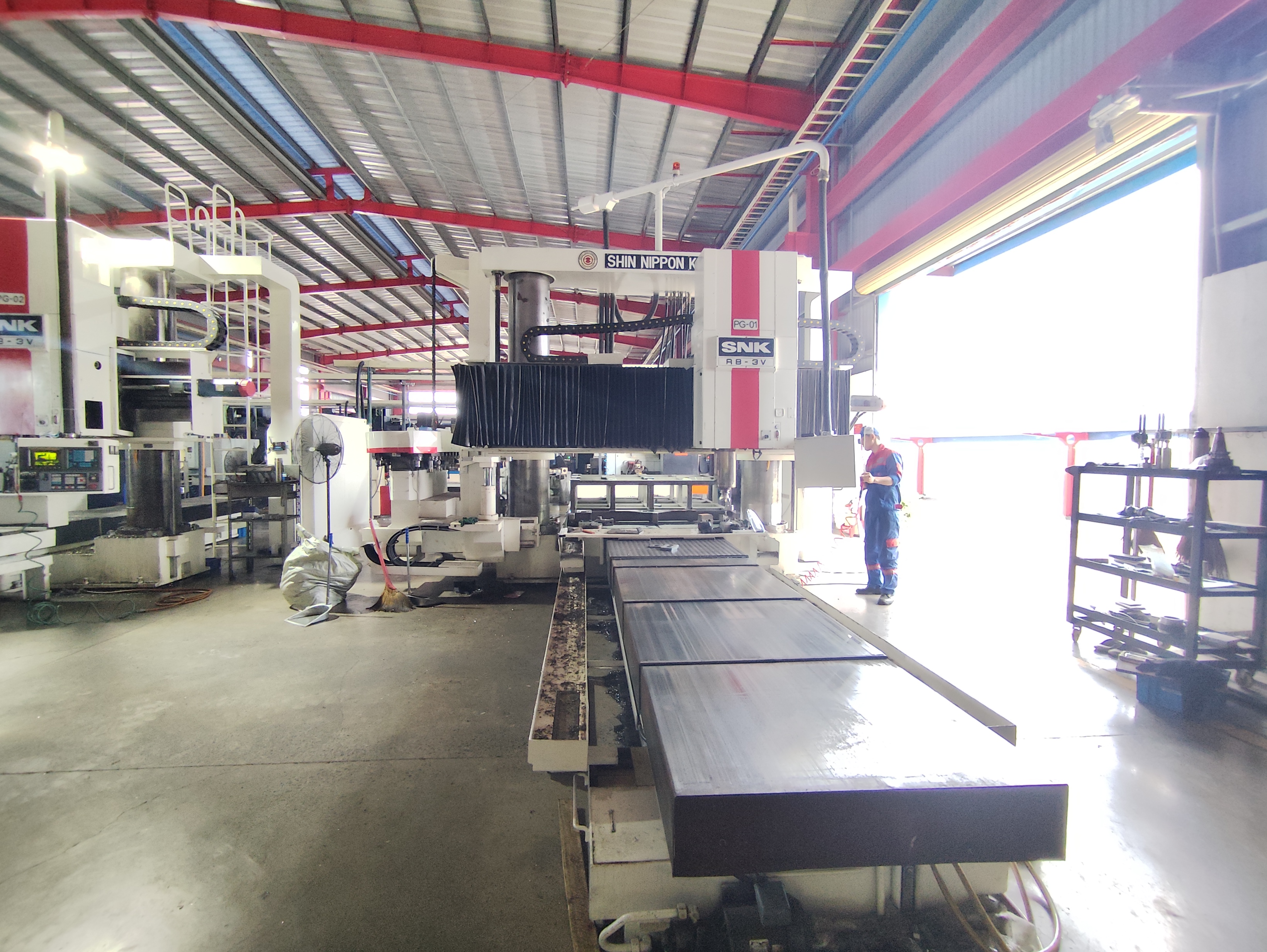 A383 aluminum alloy (also known as ADC12) is an excellent alternative to A380 in some cases. It still maintains good fluidity, but performs better when filling thin-walled castings. Especially when precise dimensional control is required, A383 aluminum alloy becomes a better choice. Although its thermal stability is slightly inferior to A380, A383 is a very good choice for components that require better surface quality or those with particularly fine details.
A360 Aluminum Alloy
A360 aluminum alloy is known for its excellent corrosion resistance and has unique advantages in applications that require high resistance to oxidation. Although its fluidity is slightly lower than A380 and A383, it provides higher strength and hardness. A360 performs particularly well in marine applications and high humidity environments, producing both sturdy and reliable castings.
A413 Aluminum Alloy
For applications that require high pressure, A413 aluminum alloy provides an excellent solution. It has a high silicon content, provides good wear resistance and fluidity, and is very suitable for manufacturing pressure vessels containing gases or liquids. With its excellent die-casting performance, A413 can produce high-precision castings without the need for post processing. Therefore, it is often used to make hydraulic pump components, valves, pipeline connectors, etc.
Considering the cost-effectiveness and performance requirements of aluminum die-casting, A380 alloy has become one of the most popular materials in the aluminum die-casting industry due to its superior balance characteristics. When selecting aluminum alloys, it is usually necessary to comprehensively consider design requirements, performance standards, production costs, and the application environment after completion, and should be determined based on the performance requirements of the final product.
Thank you for reading our article. If you need related products or have any questions or suggestions about our products, please don’t hesitate to contact us by sending an email, and we will reply to your email as soon as possible.
Precision Manufacturing & Sourcing Specification Matrix
| Technical Dimension | Standard Commercial Grade | High-Precision OEM Export Grade | DEWIN Verification Protocol |
|---|---|---|---|
| Machining & Forming Tolerance | ISO 2768-m (±0.10 mm nominal) | ISO 2768-f (±0.01 mm – ±0.025 mm critical bores) | Calibrated 3D CMM & Air/Pin Gauging |
| Surface Roughness & Finish | Ra 1.6 – 3.2 µm as-machined / standard coat | Ra 0.4 – 0.8 µm precision ground / MIL-A-8625 anodized | Profilometer & Coating Thickness Gauge |
| Material & Alloy Certification | Supplier Mill Test Report (MTR) | Independent OES chemical & mechanical verification | EN 10204 3.1 + RoHS/REACH Compliance |
| Batch Inspection & Packaging | ISO 2859-1 (AQL 1.0 Major / 2.5 Minor) | Zero-defect critical features + VCI export crating | Pre-Shipment Inspection (PSI) Report |
Frequently Asked Questions
What engineering files are required to quote the most commonly used types of aluminum alloys with DEWIN?
Provide 3D CAD models (STEP or IGES) along with 2D engineering drawings (PDF/DXF) specifying critical-to-quality (CTQ) tolerances, material grade, surface finish, and annual volume.
How does DEWIN verify dimensional accuracy and material compliance before shipment?
Every production lot undergoes incoming material spectrometer verification (EN 10204 3.1), First Article Inspection (FAI) via 2D/3D coordinate measuring machines (CMM), and AQL pre-shipment audits.
Can DEWIN support both low-volume prototype validation and mass production scaling in Vietnam and China?
Yes. DEWIN coordinates rapid CNC and bridge-tooling prototypes alongside high-tonnage production tooling across audited ISO 9001 and IATF 16949 partner factories in Vietnam and China.