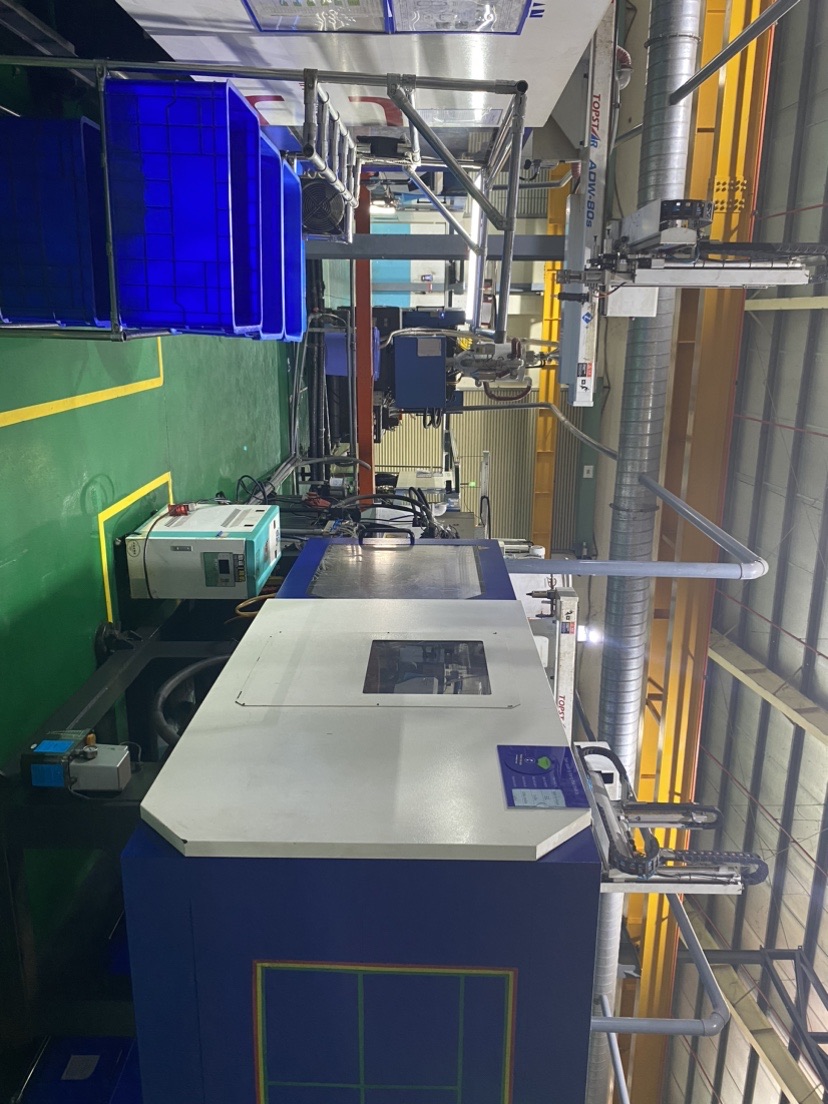
Powder metallurgy is an ideal choice for the large-scale production of complex geometric parts and for reducing waste. Metal injection molding is most suitable for small, complex parts requiring high precision. On the contrary, sintering forging consumes more energy, but it helps improve the parts’ structural strength and accuracy.
Powder Metallurgy (PM), Metal Injection Molding (MIM), and sintering forging have all found unique applications in the manufacturing of metal parts, each with their own strengths. Understanding their principles, performance, and application fields can help us make wiser choices in design and engineering decisions.
Powder Metallurgy (PM)
Powder metallurgy is the process of forming powder materials into specific forms at high temperatures, where a heat source binds particles together to form an internal solid structure.
This process is commonly used for various metals including iron, brass, copper, and stainless steel, and can produce complex parts as well as large or small volume parts. The main advantage of PM sintering is the ability to manufacture uniquely shaped components with considerable accuracy and consistency. At the same time, due to the ability to control the porosity of the product, powder metallurgy is suitable for manufacturing products with high permeability requirements, and the price is relatively economical, suitable for large-scale production.

Metal Injection Molding (MIM)
Metal injection molding (MIM) is a complex sintering method. In this process, powdered metal is mixed with a bonding material (usually plastic) to form the raw material. Then heat the raw material and inject it into the mold. When cooled, it solidifies within the mold, forming the exact shape of the mold cavity. Then, remove the adhesive and sinter the components.
MIM can produce complex parts that traditional metallurgy and CNC machining cannot or are difficult to complete through plastic injection technology. Compared with traditional metallurgy processes, it can save a lot of materials. Although MIM has a high initial equipment investment, when producing large quantities of complex parts, due to mold reuse and improved production efficiency, MIM can significantly reduce single-piece costs.
Sintered Forging
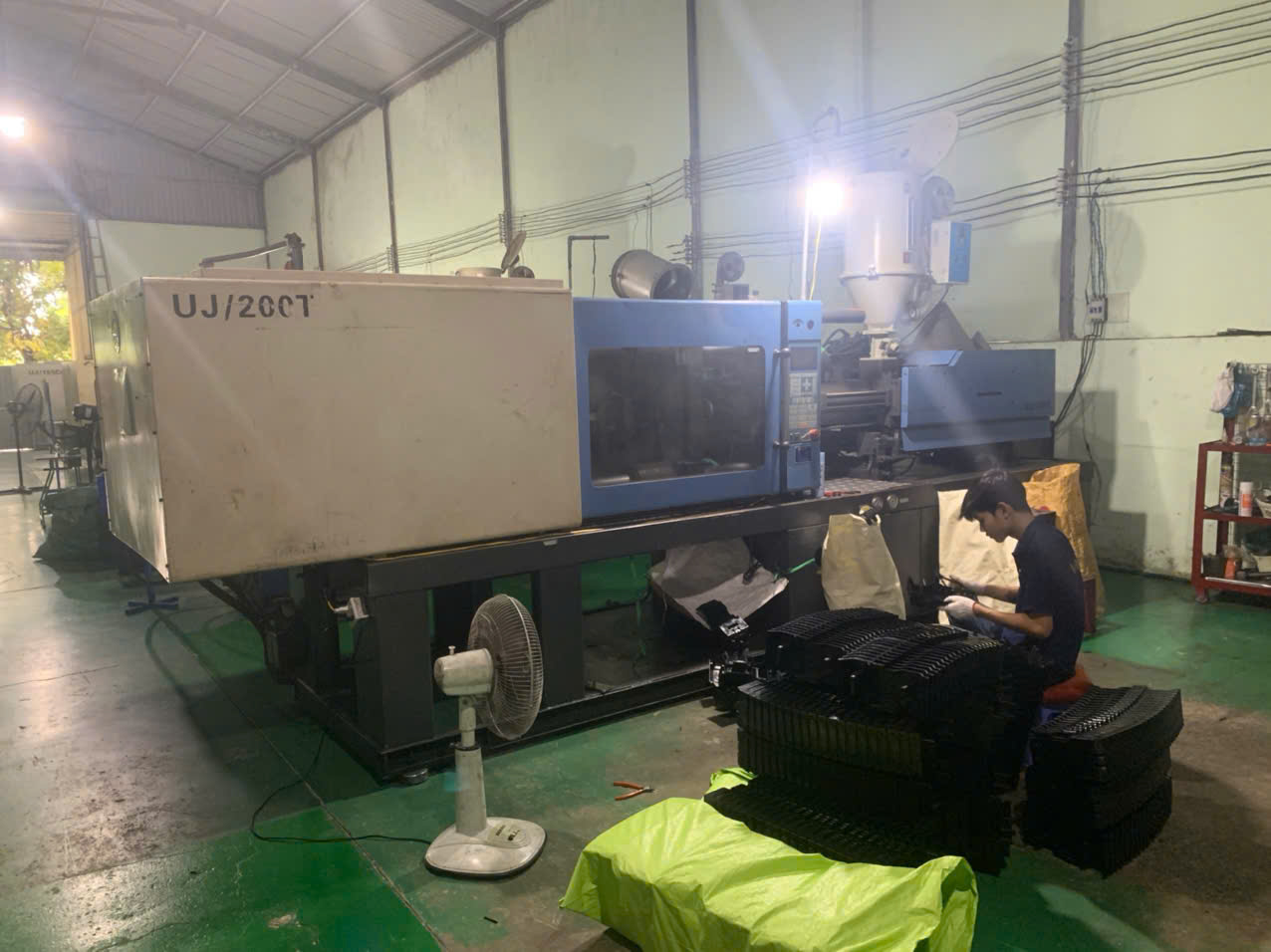
Sintering forging is a high-pressure technology. It includes two stages – high-pressure compaction and sintering. After the initial PM process of compaction and sintering, the semi-finished product is reheated and forged to the final shape and size.
The sintering and forging process can significantly improve the density, mechanical properties, dimensional accuracy of products, and even achieve or exceed the performance of full density parts, making the internal structure of the material more uniform and stable. Compared with traditional sintering processes, sintering and forging have higher costs, but due to the ability to manufacture parts with more complex shapes, they can effectively reduce subsequent processing costs. Unlike PM and MIM, sintering forging is not only beneficial for producing solid products, but also for producing hollow products with complex internal structures. With dimensional accuracy, high density, and excellent mechanical properties, it is an ideal choice for manufacturing automotive parts, mechanical parts, and tools.
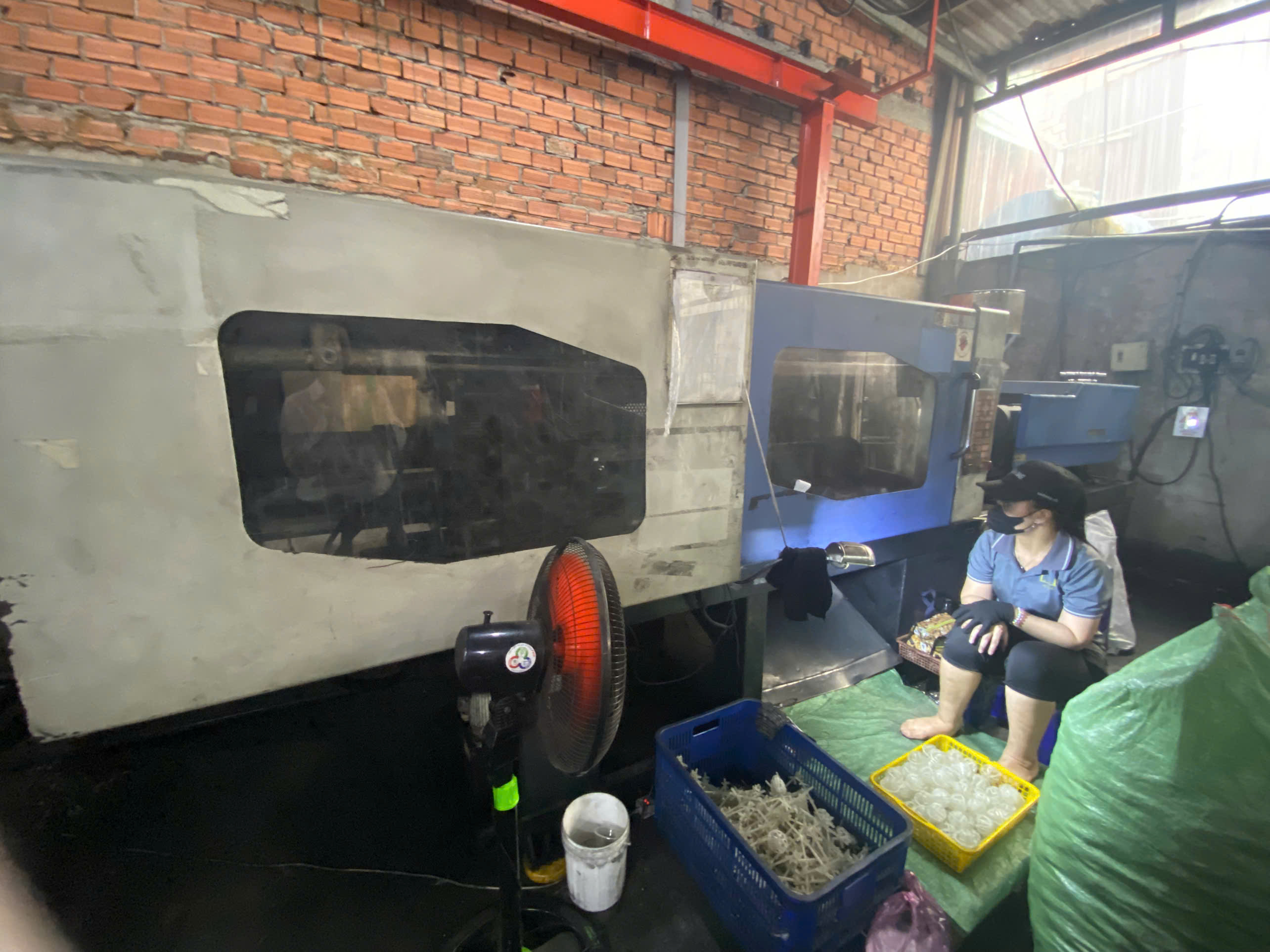
Each sintering process has its unique role, and its application depends on the required performance of the final product. PM sintering is most suitable for simple shapes with reasonable accuracy, while MIM is the ideal choice for small and complex components that require mass production. On the other hand, sintering forging tends to produce large precision components with complex internal structures.
Thank you for reading our article. If you need related products or have any questions or suggestions about our products, please don’t hesitate to contact us by sending an email, and we will reply to your email as soon as possible.
Polymer & Tooling Engineering Comparison Matrix
| Engineering Criterion | Bridge / Soft Tooling (P20 / 718H) | High-Volume Production Tooling (H13 / S136) | Quality Control Gate |
|---|---|---|---|
| Mold Steel & Cavity Life | 50,000 – 100,000 shots (Pre-hardened steel) | 500,000 – 1,000,000+ shots (Vacuum heat-treated) | Steel Hardness (HRC) & Cavity CMM Report |
| Dimensional Tolerance | DIN 16742 TG5 / Commercial standard | DIN 16742 TG3–TG4 / Fine engineering grade | T0/T1/T2 30-Piece Capability Study |
| Wall Thickness & Draft Angle | 1.5 mm – 4.0 mm wall; 1.0°–1.5° minimum draft | Uniform ±10% nominal wall; textured draft ≥ 2.5° | Moldflow Simulation & Cross-Section Check |
| Resin & Regulatory Compliance | Virgin resin lot certificate + COA | UL94, RoHS, REACH, FDA / ISO 10993 traceability | DSC Melt-Flow & Moisture Analyzer Check |
Frequently Asked Questions
What engineering files are required to quote types of sintering, powder metal (pm) vs. metal injection molding (mim) vs. sinter forged with DEWIN?
Provide 3D CAD models (STEP or IGES) along with 2D engineering drawings (PDF/DXF) specifying critical-to-quality (CTQ) tolerances, material grade, surface finish, and annual volume.
How does DEWIN verify dimensional accuracy and material compliance before shipment?
Every production lot undergoes incoming material spectrometer verification (EN 10204 3.1), First Article Inspection (FAI) via 2D/3D coordinate measuring machines (CMM), and AQL pre-shipment audits.
Can DEWIN support both low-volume prototype validation and mass production scaling in Vietnam and China?
Yes. DEWIN coordinates rapid CNC and bridge-tooling prototypes alongside high-tonnage production tooling across audited ISO 9001 and IATF 16949 partner factories in Vietnam and China.