Every week, I field calls from U.S. purchasing managers who are bleeding margin on import tariffs — and they all ask the same question about Vietnamese stamping parts suppliers.
Vietnamese stamping parts suppliers offer zero U.S. Section 301 tariff exposure, approximately 42% lower total cost of ownership, access to 16+ Free Trade Agreements, and a maturing precision metal stamping ecosystem — making them a compelling alternative to Chinese suppliers for cost-conscious Western buyers.
The shift is not theoretical. It is happening on our desks right now. Let me walk you through the real advantages, the honest limitations, and what you should evaluate before making the switch.
How Can Switching to Vietnamese Stamping Suppliers Help Me Avoid Tariff and Trade Risks?
A client in Ohio once showed me two invoices for the same powder-coated steel bracket — one from Dongguan, one from Ho Chi Minh City — and the landed cost difference was staggering because of import tariffs alone.
Switching to Vietnamese stamping suppliers eliminates U.S. Section 301 tariffs entirely, saving 25% to over 145% in duties compared to Chinese-origin parts, while EVFTA and CPTPP agreements remove additional tariffs for European, Canadian, and Asia-Pacific markets.

The Section 301 Reality
The numbers are hard to argue with. When our team quotes a mounting bracket or post base from our Vietnam partner factories, the U.S. customs duty line reads zero for Section 301. The same part from a Chinese factory faces duties that can range from 25% all the way up to 145% or more, depending on the HTS classification. For a purchasing manager buying $500,000 worth of stamped steel hardware 1 per year, that tariff alone can add $125,000 to $725,000 in extra cost. That is not a rounding error. That is the difference between winning and losing a contract.
Free Trade Agreements Open More Doors
Vietnam has signed 16+ Free Trade Agreements. The two most impactful for our clients are the EVFTA and the CPTPP. Here is what they mean in practice:
| Agreement | Key Markets Covered | Tariff on Stamping Parts | China Equivalent Tariff |
|---|---|---|---|
| EVFTA | EU (Germany, France, etc.) | 0% | 6.5% |
| CPTPP | Canada, Japan, Australia, Mexico | 0% or reduced | No membership |
| RCEP | ASEAN, South Korea, Japan | Preferential rates | Member, but limited benefit due to geopolitical friction |
| U.S. Section 301 | United States | 0% | 25–145%+ |
Friend-Shoring and Regulatory Stability
There is another layer that many buyers overlook. Vietnam now holds "Comprehensive Strategic Partner 2" status with both the U.S. and the EU. This is not just diplomatic language. It means that the risk of sudden security-related import bans — the kind that have disrupted Chinese supply chains in sectors like electronics and defense — is structurally lower. When I talk to purchasing managers who are planning three to five years ahead, this regulatory stability matters as much as the tariff number on today's invoice. Supply chain diversification is not just about price. It is about predictability.
Our Singapore headquarters coordinates this process end to end. We handle the certificate of origin documentation, customs classification 3, and ensure that every shipment qualifies for preferential treatment. The savings are real, and they start from day one.
Will I Get Better Quality Control and On-Time Delivery from Vietnamese Stamping Parts Suppliers?
Last quarter, one of our U.S. clients received a shipment of galvanized post base mounts from a new Vietnamese supplier we had audited — every single piece passed incoming inspection on the first count, zero non-conformances.
Yes, Vietnamese stamping parts suppliers increasingly deliver consistent quality and on-time performance, backed by IATF 16949, ISO 9001, and ISO 13485 certifications, modern Japanese and European machinery, and maturing in-house tooling and die design capabilities.

How the Ecosystem Has Matured
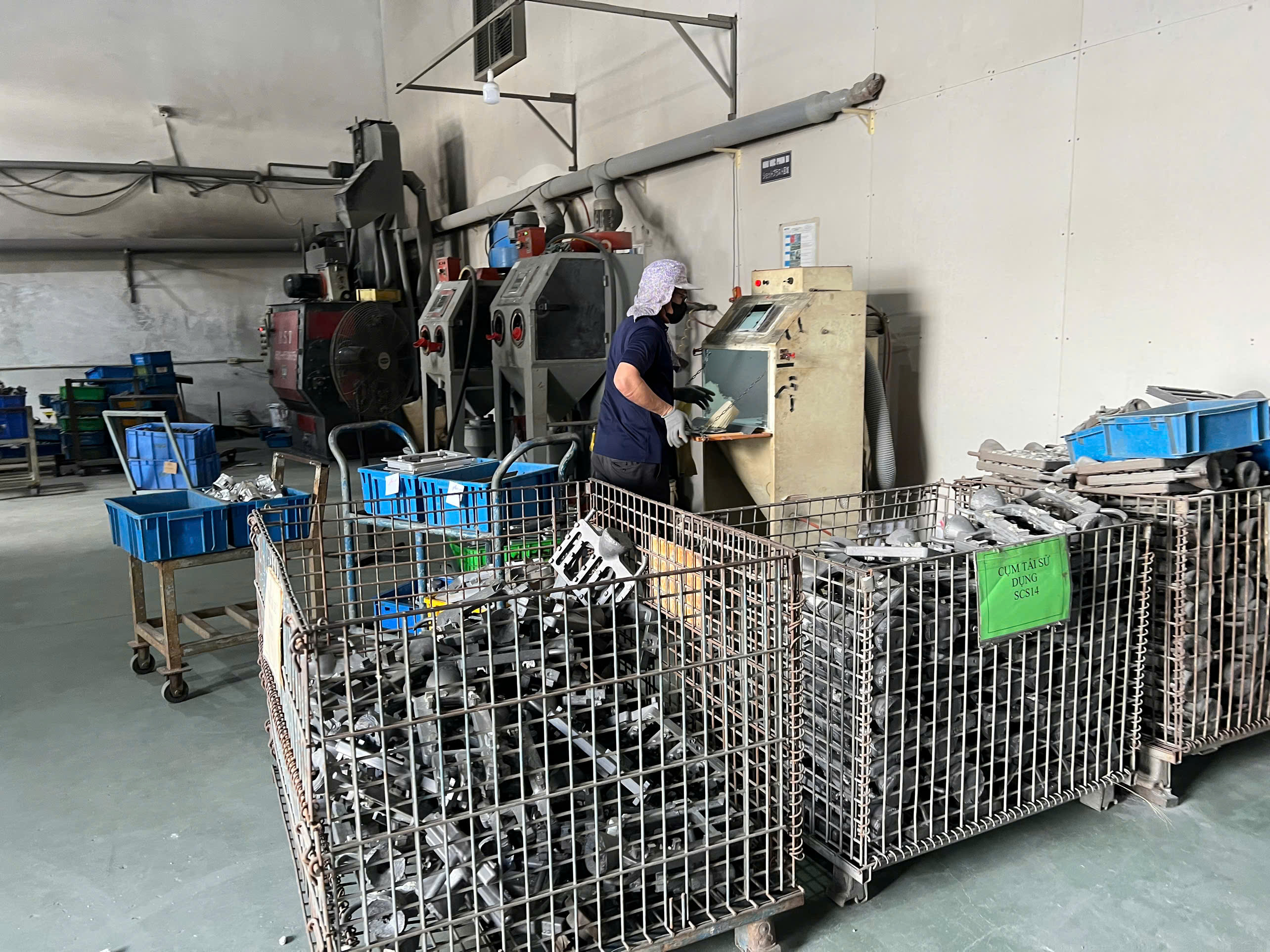
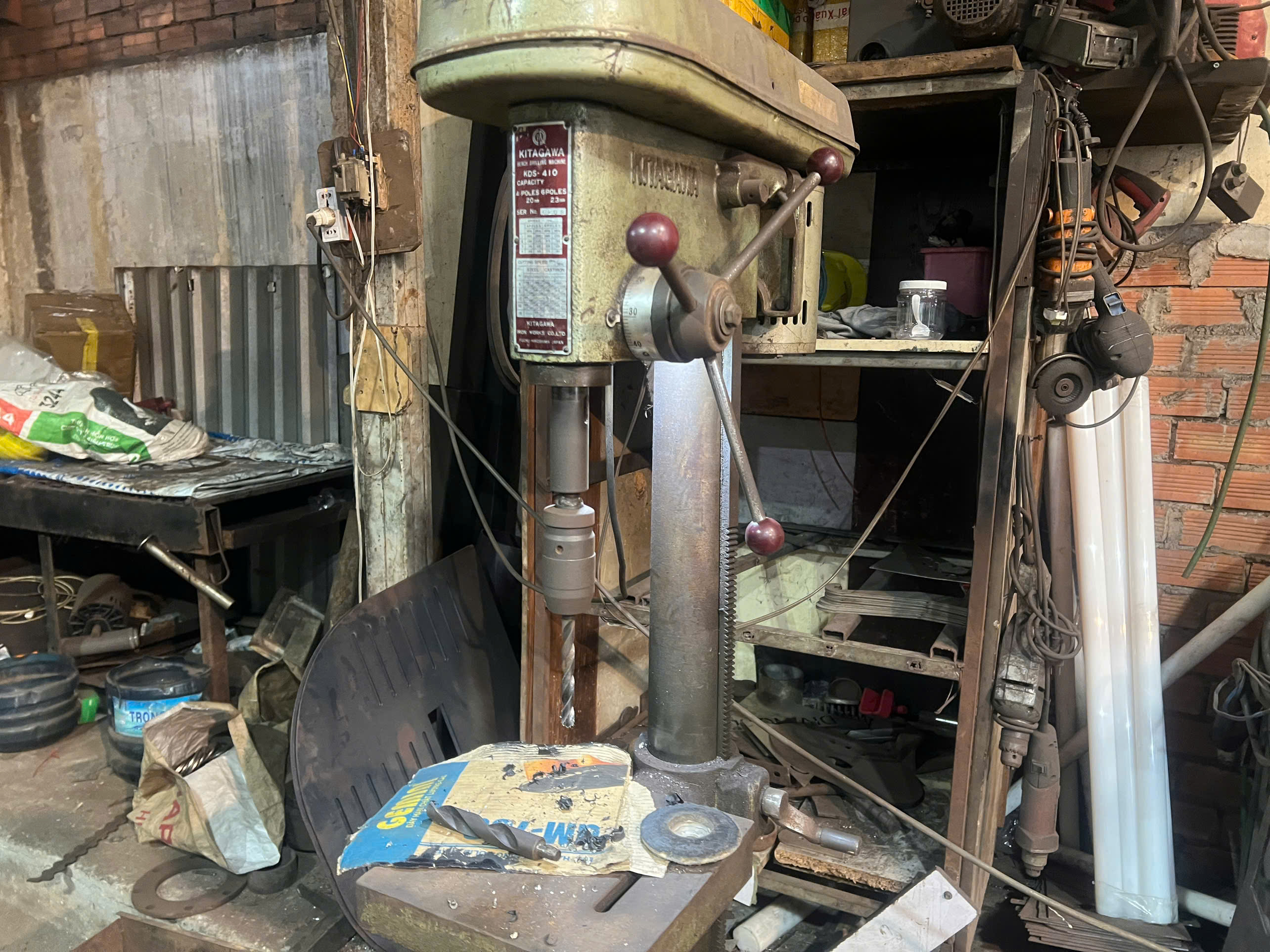
Vietnam's precision metal stamping ecosystem did not appear overnight. It grew around Japanese and Korean motorcycle and electronics supply chains over the past two decades. Factories that once only did simple assembly now run automated progressive die lines. Many export-oriented shops design and build their own dies in-house using wire EDM and CNC machining 4. This shift from importing dies to local in-house die design and construction has cut lead times and reduced costs for custom stamping projects.
When our Vietnam office — staffed with seven team members on the ground — runs a supplier audit, we look for specific indicators of maturity:
- In-house die-making capability (not just die maintenance)
- SPC (Statistical Process Control) charts on the shop floor
- Documented PPAP processes
- Calibrated inspection equipment with current certificates
- Traceability from raw material to finished part
Certifications That Matter
| Certification | What It Covers | Relevance |
|---|---|---|
| ISO 9001 | General quality management | Baseline for any serious supplier |
| IATF 16949 | Automotive quality management | Required for automotive stamping parts |
| ISO 13485 | Medical device manufacturing | Needed for medical hardware components |
| AS9100 | Aerospace quality management | Needed for aerospace brackets and fixtures |
The supplier network we work with in Vietnam includes facilities holding all four of these certifications. This is not a claim about the entire country — it is a statement about the tier of factories we qualify and monitor.
On-Time Delivery: The Honest Picture
Delivery performance depends heavily on project management, not just geography. Transit time from Ho Chi Minh City to the U.S. West Coast is 14 to 18 days, only about four days longer than from Shanghai. The real risk to on-time delivery 5 is not the ocean — it is poor planning, unclear specs, and weak communication upstream. That is exactly why we embed process control, PPAP, and final inspection into every project. We have found that when we manage the production timeline actively from our local office, on-time delivery rates from Vietnamese factories match or exceed what we achieved from Chinese suppliers five years ago. The key is having people on the ground who speak the language and understand the factory culture.
The Efficiency Gap — An Honest Note
I will not pretend Vietnam is perfect. Labor efficiency in Vietnamese stamping shops is roughly 65% of what you get in a top-tier Chinese factory. For extremely high-volume, fully automated production runs, this gap matters. But for mid-volume custom projects — the kind our clients typically need — the difference is absorbed by lower overhead, lower labor cost savings, and careful production scheduling. The net result is a competitive part delivered on time.
Can Vietnamese Suppliers Offer Me More Flexible Payment Terms Than Chinese Manufacturers?
During a recent negotiation for a series of L-brackets and flange plates, a first-time client asked me bluntly: "Can you do 60-day open account terms? My Chinese supplier insists on 30% T/T upfront and balance before shipment."
Vietnamese suppliers — especially those working through experienced sourcing partners — are more likely to offer 60 to 90-day open account payment terms, easing cash flow pressure for U.S. buyers who often face rigid prepayment requirements from Chinese manufacturers.
Why Payment Terms Matter More Than You Think
Payment terms are not just a finance department issue. They directly affect your ability to take on new projects, manage inventory, and maintain healthy cash flow. When a Chinese factory demands 30% deposit plus 70% before shipment, your cash is tied up for weeks or months before you even receive the goods. For a purchasing manager handling multiple SKUs of custom stamped brackets, post bases, and mounting hardware, this cash drag compounds quickly.
How We Structure Payment for Our Clients
At DEWIN, we understand this pain point because we see it in nearly every initial conversation. Here is how our payment model typically compares:
| Payment Term | Typical Chinese Supplier | DEWIN / Vietnamese Supplier |
|---|---|---|
| Deposit | 30% T/T upfront | Often 0% for qualified accounts |
| Balance | 70% T/T before shipment | Net 60 or Net 90 after delivery |
| Credit Terms | Rare for new buyers | Available after initial orders |
| Minimum Order Quantity | High (mass production focus) | More flexible for mid-sized runs |
Why Vietnamese Suppliers Can Be More Flexible
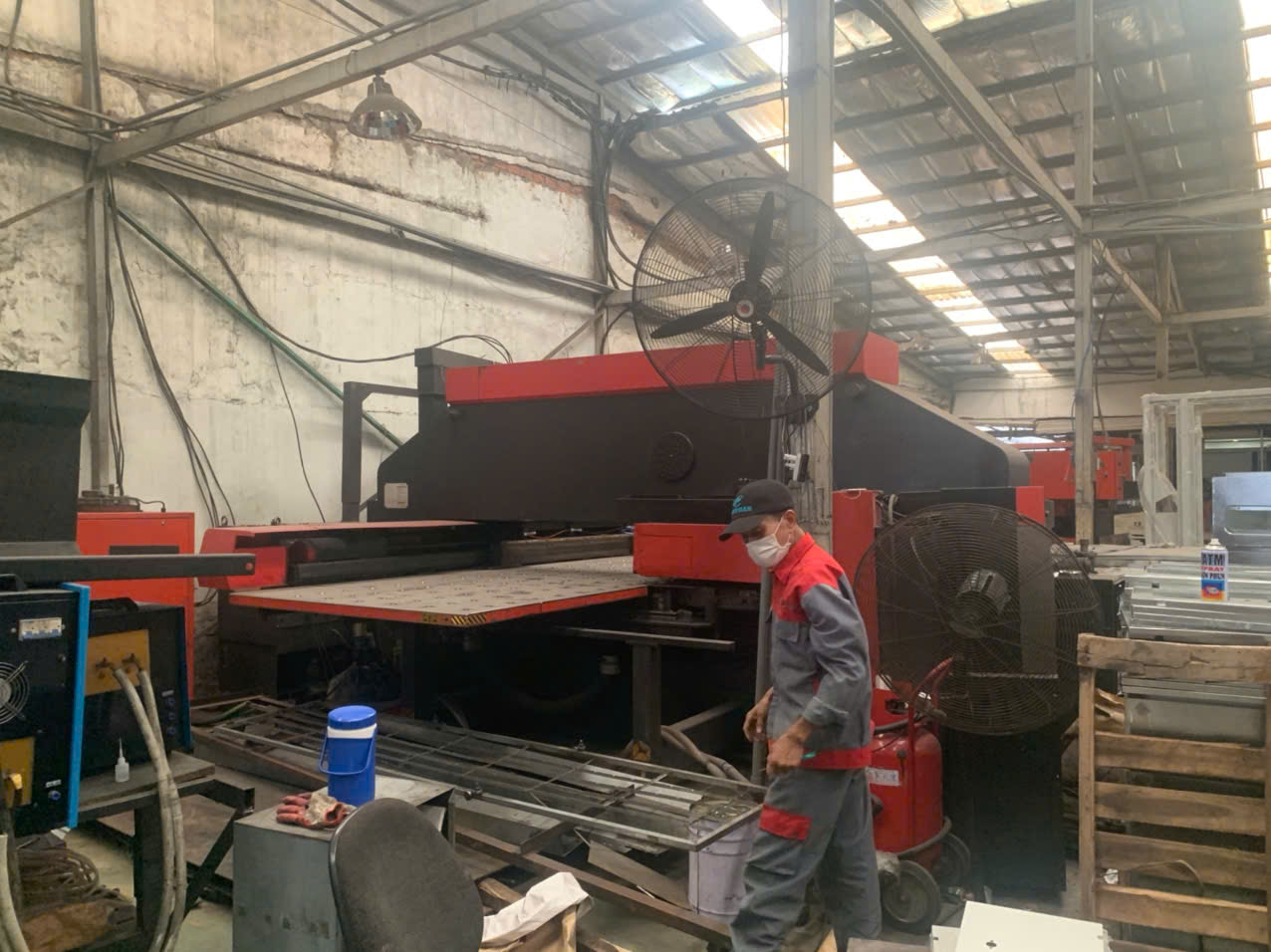
There are structural reasons for this flexibility. First, many Vietnamese stamping factories in newer industrial zones are hungry for long-term Western clients. They are willing to invest in the relationship. Second, when you work through a sourcing partner like us — headquartered in Singapore with a strong balance sheet — the supplier gets paid on schedule, and you get the credit terms you need. We absorb the credit risk because we know our clients and we know our factories.
Third, Vietnamese customs regulations support a model called "temporary admission" for tooling. This means if you send your proprietary stamping dies into Vietnam for production, you do not pay import duties 7 on them. This lowers the barrier to starting production and means less capital at risk upfront. Combined with clearer legal protections for tooling ownership in Vietnam's specialized economic zones, this creates a structure where your assets are safer and your cash flow is freer.
MOQ Flexibility for Custom Projects
Chinese factories often set high minimum order quantities because their cost model is optimized for massive runs. Vietnamese suppliers, particularly those in the mid-tier precision metal stamping segment, are more accommodating to mid-sized production runs and specialized projects. This is a direct benefit for U.S. buyers who need 500 to 5,000 pieces of a custom bracket — not 50,000.
What Should I Look for When Comparing Vietnamese and Chinese Stamping Parts Suppliers for My Business?
When a new prospect sends us a drawing for a powder-coated steel mounting bracket with tight tolerances, the first question I ask is not "where should we make this?" — it is "what does your total cost picture look like, and what risks are you carrying today?"
When comparing Vietnamese and Chinese stamping parts suppliers, evaluate total cost of ownership (including tariffs and logistics), supplier certifications, in-house tooling capability, payment terms, minimum order flexibility, and long-term geopolitical risk — not just piece price.
Total Cost of Ownership: Beyond Piece Price
The biggest mistake I see buyers make is comparing unit prices without accounting for landed cost. A bracket that costs $0.80 out of a Chinese factory and $0.90 out of a Vietnamese factory looks like an easy win for China — until you add 25% to 145% in tariffs, and suddenly the Chinese part costs $1.00 to $1.96 landed. The Vietnamese part stays at $0.90.
Data from recent sourcing projects shows that the total cost of ownership from Vietnam can be approximately 42% lower than from China when all factors are included. Here is a side-by-side snapshot:
| Metric | Vietnam | China | Net Advantage |
|---|---|---|---|
| Labor Cost | ~$2.99/hour | ~$6.50/hour | ~54% lower |
| Base Manufacturing Cost | 30–50% lower | Baseline | 30–50% savings |
| U.S. Section 301 Tariff | 0% | 25–145%+ | Full elimination |
| EU Tariff (EVFTA) | 0% | 6.5% | 6.5% savings |
| Transit to U.S. West Coast | 14–18 days | 10–14 days | +4 days |
| Total Cost of Ownership | 42% savings vs. China | Baseline | 42% lower |
| Labor Efficiency | ~65% of China | 100% | 35% gap |
The China Plus One Strategy in Practice
The China Plus One strategy does not mean abandoning China entirely. For high-complexity, high-volume precision parts where China's deeply integrated supply chain is unmatched, it may still make sense to produce there. But for stamped brackets, mounting hardware, structural connectors 8, and similar components — the types of parts shown in our product range — Vietnam offers a strong combination of cost, quality, and risk mitigation.
Our model reflects this reality. We maintain a 21-person team in China and a 7-person team in Vietnam. We help clients allocate production based on where each part makes the most strategic sense. Some clients run a dual-sourcing model 9: complex tooling or high-volume progressive die parts in China, with assembly and mid-complexity stamping in Vietnam. This approach minimizes tariffs, reduces single-source risk, and keeps lead times manageable.
What to Check During a Supplier Evaluation
Here is a practical checklist I recommend to every purchasing manager evaluating a Vietnamese stamping supplier for the first time:
- Certifications: Confirm ISO 9001 at minimum. For automotive, require IATF 16949. Ask for current audit reports.
- In-house tooling: Can the factory design and build progressive dies, or do they import them? In-house capability means faster iteration and lower cost.
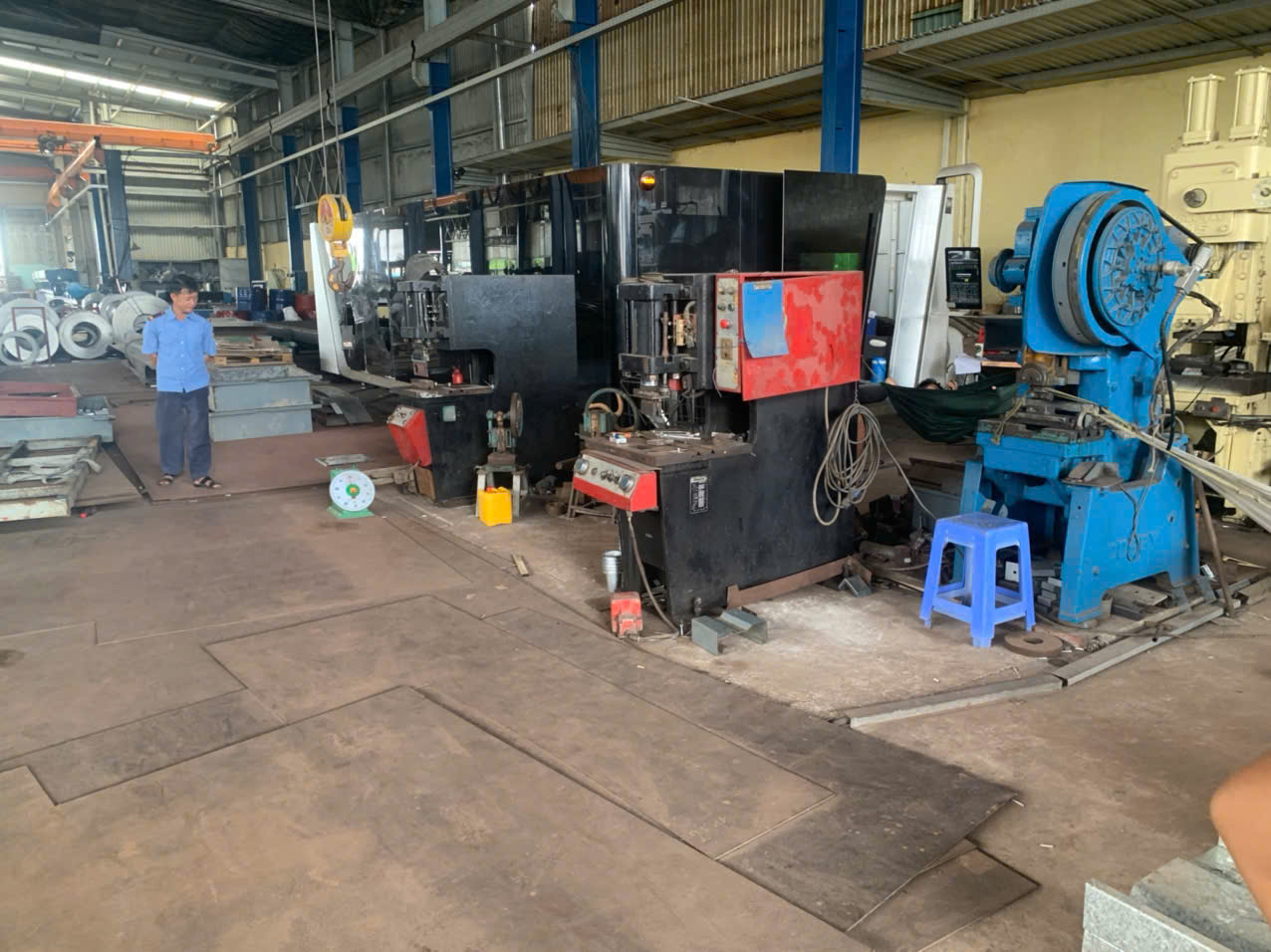
- Machinery: Look for Japanese or European press lines. Recently installed equipment is a strong signal of Foreign Direct Investment and modernization.
- Raw material sourcing: Vietnam has reasonable access to steel but still imports from Japan, South Korea, and China. Understand the material supply chain.
- ESG and sustainability: Many of Vietnam's newest industrial zones are built with integrated renewable energy and waste management. This matters for Scope 3 emission targets.
- Tooling ownership: Confirm that your proprietary dies can be legally and physically repatriated. Vietnamese economic zones offer clearer protections than many alternatives.
- Communication and project management: This is where we see the most failures, regardless of country. A supplier without a responsive, English-speaking project team will cause problems.
When China Still Wins
I want to be honest. China still dominates for extremely complex, high-value automotive stamping parts. Its supply chain depth, automation infrastructure, and sheer scale are hard to replicate. If you need a part with sub-0.02mm tolerances at volumes of 500,000+ per month, a top-tier Chinese factory may still be your best option. But for the vast majority of custom stamped brackets, mounting plates, post bases, and structural hardware — the parts that fill our order books — Vietnam delivers better value with less risk.
Conclusion
Vietnamese stamping parts suppliers offer clear advantages in tariff avoidance, total cost, trade agreement access, and supply chain diversification — making them a smart strategic choice for U.S. and European buyers seeking lower risk and better value.
To understand both the benefits and the potential pitfalls in more detail, explore our guide on the advantages and risks of sourcing stamping parts from Vietnam. For a deeper dive into how Vietnam’s labor costs and talent pool affect sourcing decisions, we have a dedicated analysis. And if you want a structured framework for comparing price and quality when sourcing stamping parts from Vietnam vs China, that resource walks through the evaluation step by step.
Frequently Asked Questions
How Can Switching to Vietnamese Stamping Suppliers Help Me Avoid Tariff and Trade Risks?
A client in Ohio once showed me two invoices for the same powder-coated steel bracket — one from Dongguan, one from Ho Chi Minh City — and the landed cost difference was staggering because of import tariffs alone.
Will I Get Better Quality Control and On-Time Delivery from Vietnamese Stamping Parts Suppliers?
Last quarter, one of our U.S. clients received a shipment of galvanized post base mounts from a new Vietnamese supplier we had audited — every single piece passed incoming inspection on the first count, zero non-conformances.
Can Vietnamese Suppliers Offer Me More Flexible Payment Terms Than Chinese Manufacturers?
During a recent negotiation for a series of L-brackets and flange plates, a first-time client asked me bluntly: "Can you do 60-day open account terms? My Chinese supplier insists on 30% T/T upfront and balance before shipment."
Footnotes
1. Official USITC tool to verify tariffs on stamped steel hardware mentioned in the text. ↩︎
2. Official U.S. government fact sheet detailing the strategic partnership status discussed. ↩︎
3. Official overview of the Harmonized System used for global customs classification and trade documentation. ↩︎
4. Technical overview of the electrical discharge machining process used in precision die making. ↩︎
5. Wikipedia entry for DIFOT, the standard supply chain metric for on-time and in-full delivery. ↩︎
6. World Bank data and definition for Foreign Direct Investment mentioned as a modernization signal. ↩︎
7. U.S. government guide to import tariffs and duties for goods entering the Vietnamese market. ↩︎
8. Technical reference for the structural connectors and hardware components mentioned in the article. ↩︎
9. Definition of the dual-sourcing strategy used to mitigate supply chain risks and optimize production. ↩︎