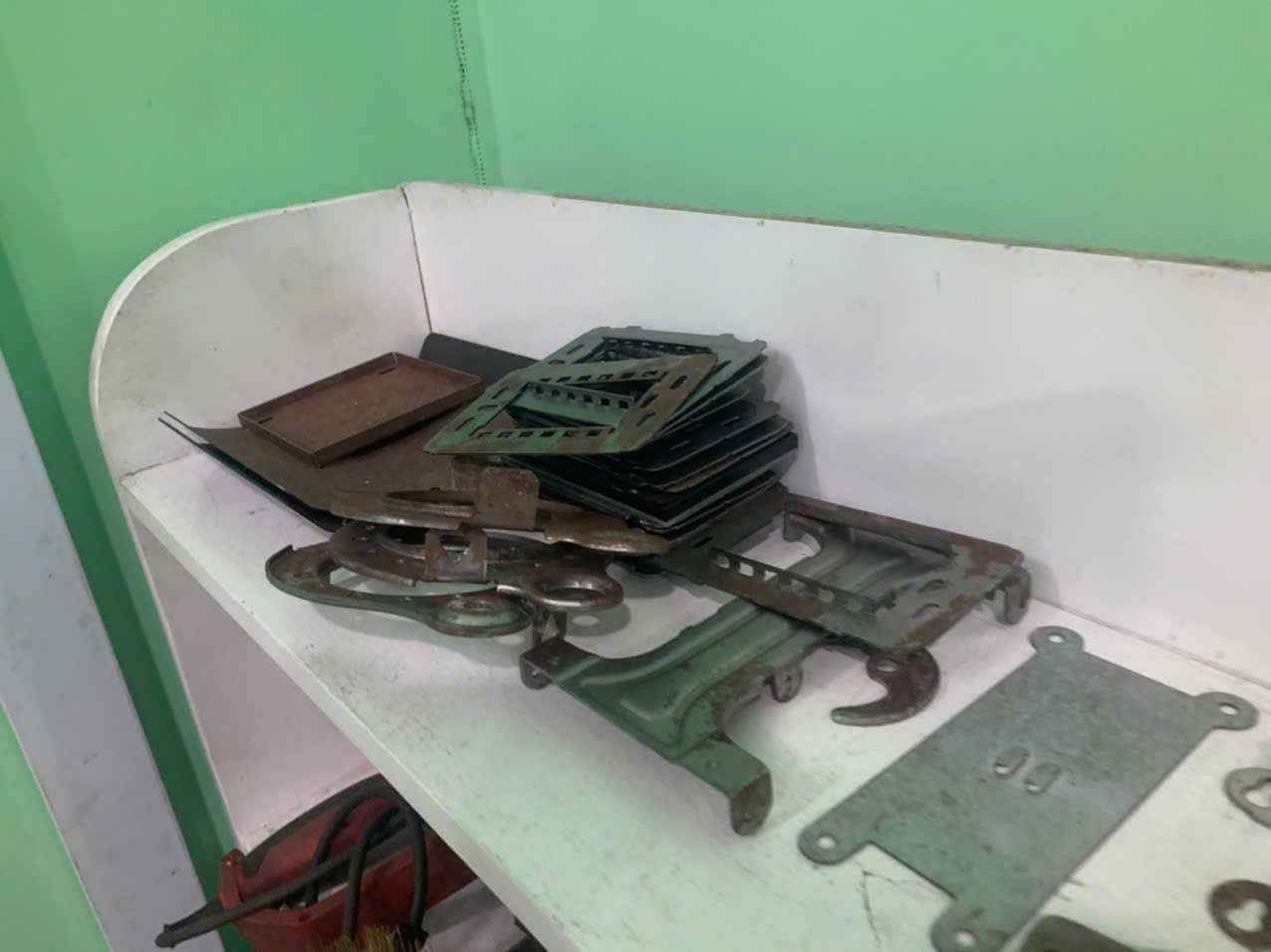
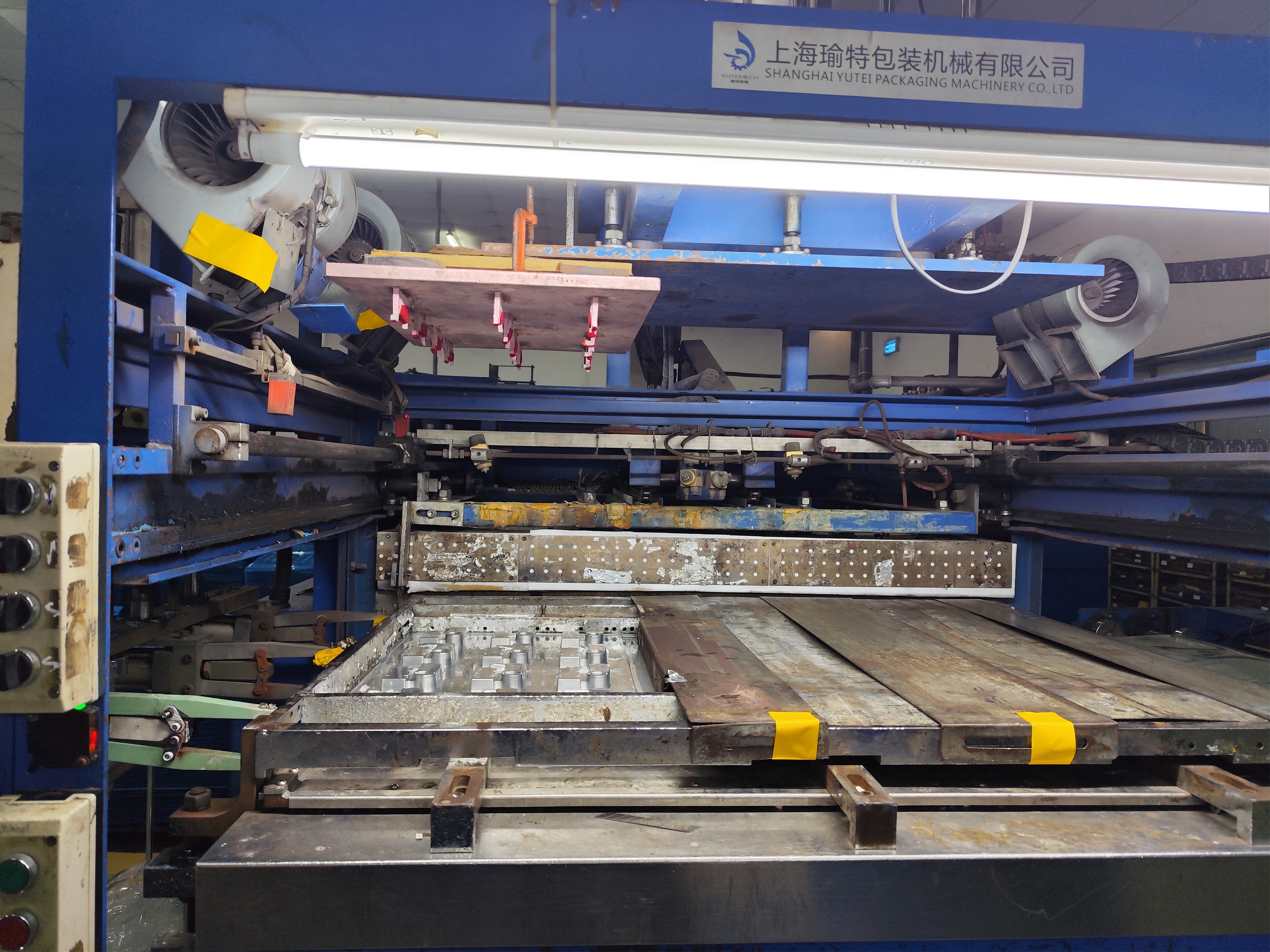
I once signed a vague contract for a batch of custom steel housings. The parts arrived late, the dimensions were off, and the supplier denied everything. That experience taught me one thing: the contract is everything.
Key terms in custom steel parts import contracts include payment terms, delivery conditions, quality standards, inspection rules, and dispute resolution clauses. These clauses define expectations and protect buyers from delays, defects, or losses.1
Let’s break down what every importer needs to include—and why these terms matter more than you think.
Which payment terms protect buyers in imports?
When I started importing, I paid a supplier 100% upfront. The shipment was delayed three weeks. Now I only pay based on milestones.
Buyer-friendly payment terms include deposits with milestone-based releases, Letters of Credit (L/C), or escrow services. These methods tie payment to production progress and reduce non-performance risk.2
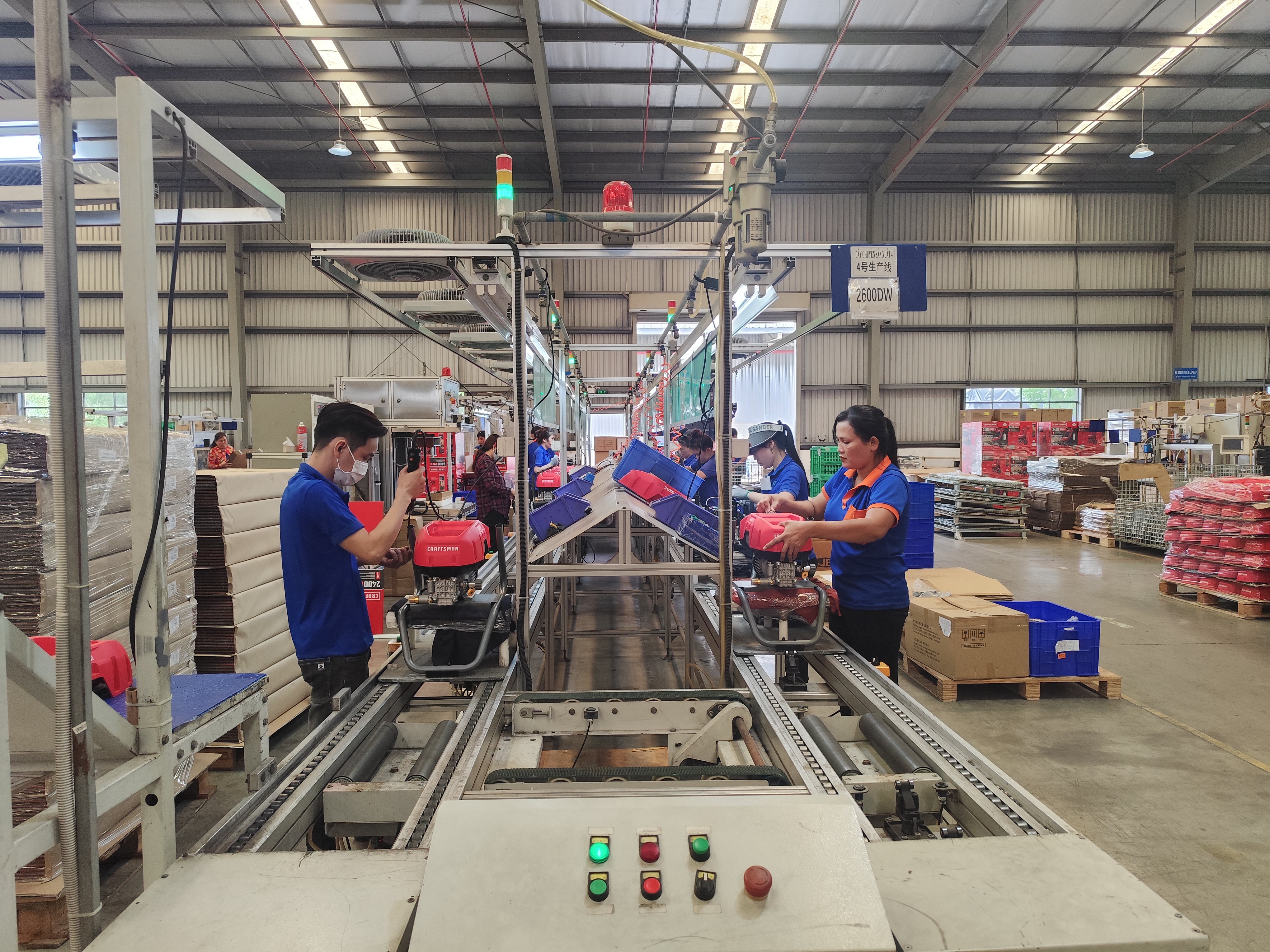
Common Payment Structures
| Term Type | Description | Buyer Protection Level |
|---|---|---|
| 30/70 Split | 30% deposit, 70% after shipment | Medium |
| L/C at Sight | Bank pays supplier upon shipping documents | High |
| Escrow Service | Funds held until buyer confirms delivery | Very High |
| Milestone Plan | Payment tied to production stages | High |
| 100% Prepayment | Full payment before production starts | Very Low |
How do delivery terms affect risk and cost?
I once agreed to “CIF” delivery, thinking all risks were covered. But when the shipment stalled at port, I realized the cost difference between Incoterms like CIF and FOB matters.
Delivery terms from Incoterms 2020 define who pays for shipping, insurance, customs duties, and when the risk transfers. Choosing the right one is essential for cost control and liability management.3
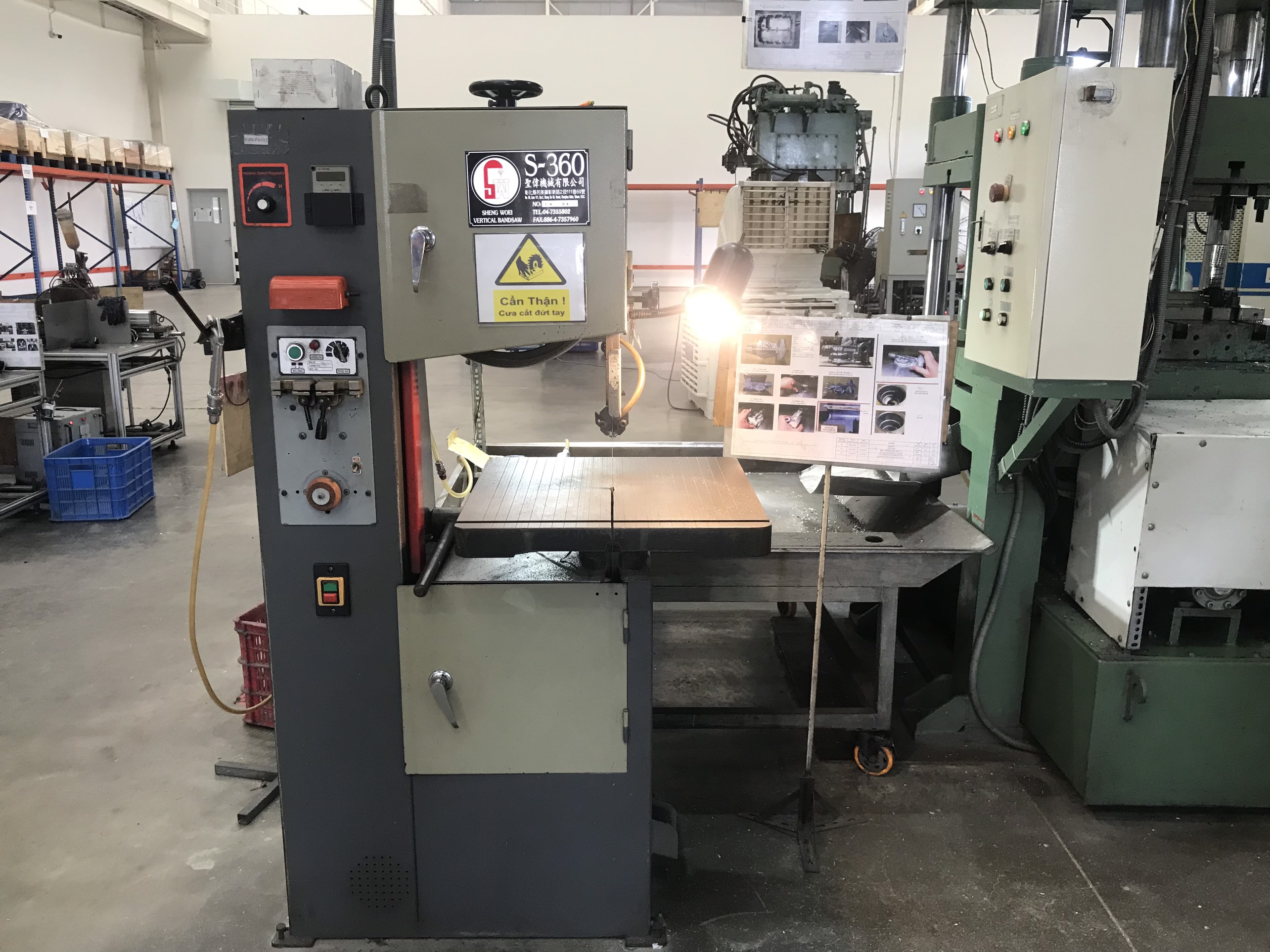
Incoterms Comparison
| Incoterm | Risk Transfers At | Who Pays Freight & Insurance | Best Use Case |
|---|---|---|---|
| FOB | When goods are loaded on ship | Buyer | Experienced importers |
| CIF | At destination port | Supplier (includes insurance) | First-time importers |
| DDP | At buyer’s premises | Supplier | Turnkey, fully managed deals |
| EXW | At supplier’s warehouse | Buyer | Full logistics control |
Ensure your contract names the specific location (e.g., “FOB Hai Phong Port, Vietnam”).4
Should quality standards be detailed in contracts?
One supplier delivered parts out-of-spec and blamed my “unclear specs.” Now, I define everything in writing.
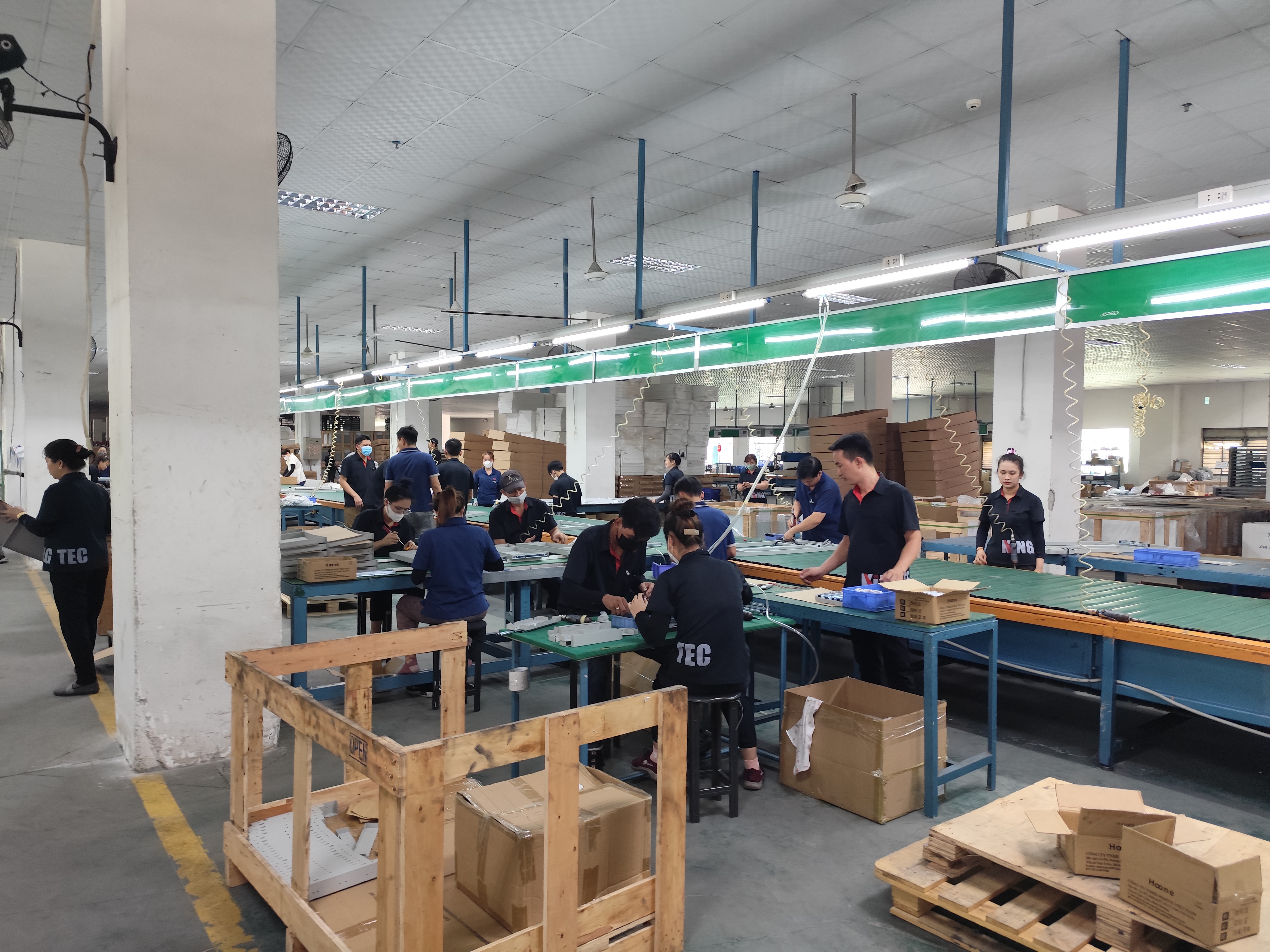
Quality requirements must be clearly detailed in contracts, including tolerances, materials, dimensions, inspection procedures, and handling of non-conforming products.5
Quality Clause Checklist
| Quality Element | Why It Matters |
|---|---|
| Technical Drawings | Defines precise requirements |
| Material Grade | Ensures strength and durability |
| Tolerance Ranges | Avoids rework or rejection |
| Third-Party Inspection | Independent verification of quality |
| Sampling Plan | Basis for batch evaluation |
| Non‑Conformance Handling | Rework, refunds, or penalties |
Include standards like ASTM, ISO, or DIN and require factory certificates or mill test reports before shipment.
What dispute resolution clauses are essential?
Cross-border disputes can drag on for months—and cost dearly. So I now include arbitration clauses by default.
Include clauses on governing law, venue, arbitration or mediation process, force majeure, and termination rights to ensure structured dispute resolution.6
Recommended Clauses
| Clause Type | Purpose |
|---|---|
| Governing Law | Defines applicable legal framework (e.g. Singapore law) |
| Jurisdiction | Specifies location for legal proceedings |
| Mediation/Arbitration | Enables faster, private dispute handling |
| Force Majeure | Covers delays from uncontrollable events |
| Termination Rights | Allows cancellation if obligations aren’t met |
| Liability Cap | Limits supplier exposure to defined losses |
Set a step-by-step resolution path: negotiation → mediation → arbitration. This saves time—and relationships.
Conclusion
The best steel import contracts do more than set a price—they define how and when you’ll pay, who handles shipping, how parts are inspected, and what happens if someone breaks the deal. If it’s not in the contract, you can’t enforce it. Be precise, be complete, and protect your business 7.
Frequently Asked Questions
Which payment terms protect buyers in imports?
When I started importing, I paid a supplier 100% upfront. The shipment was delayed three weeks. Now I only pay based on milestones.
How do delivery terms affect risk and cost?
I once agreed to “CIF” delivery, thinking all risks were covered. But when the shipment stalled at port, I realized the cost difference between Incoterms like CIF and FOB matters.
Should quality standards be detailed in contracts?
One supplier delivered parts out-of-spec and blamed my “unclear specs.” Now, I define everything in writing.
Footnotes
-
Summary of essential contract terms for steel parts procurement and risk mitigation. ↩
-
Comparison of payment protections like L/C, escrow, and milestones. ↩
-
Guide to Incoterms® 2020 and risk/cost allocation in international trade. ↩
-
Explanation of selecting specific port or location under Incoterms. ↩
-
Contractual quality assurance clauses including tolerances and inspections mandated by buyer. ↩
-
Sample dispute resolution and governing law clauses with arbitration framework. ↩
-
Learn how to negotiate contracts that minimize risk and maximize enforceability in B2B deals. ↩