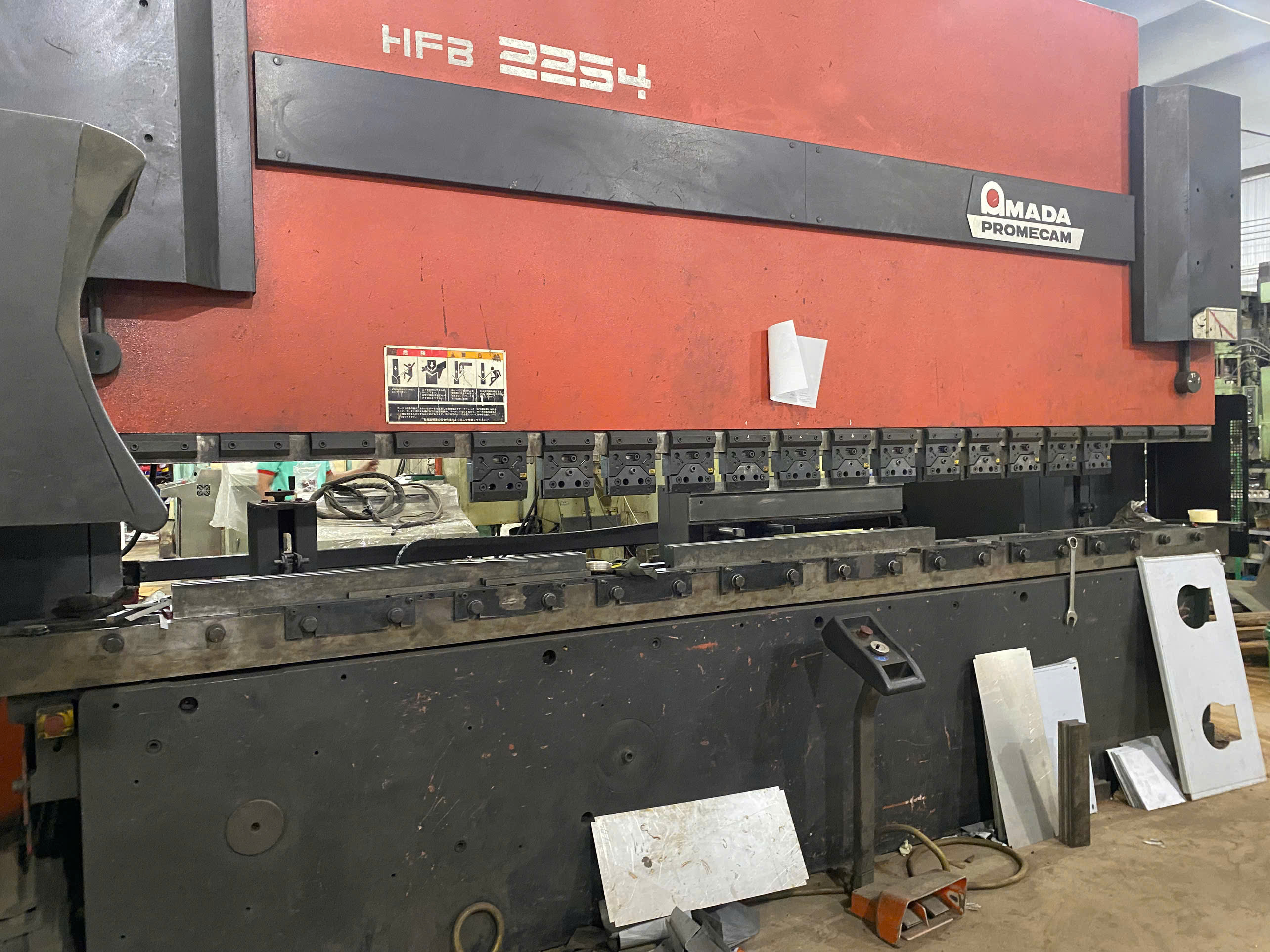

Every purchasing manager who sources custom electronic enclosures 1 from Asia has faced this problem: parts arrive late, dimensions are off, and the whole project stalls. On our production floor, we see these pain points daily — and sheet metal fabrication solves most of them.
Sheet metal fabrication benefits electronic enclosure manufacturing by delivering superior EMI shielding, exceptional durability, precise customization, cost-effective scalability, and lightweight design — making it the most reliable method for protecting sensitive electronic components across demanding industrial environments.
Below, I break down the specific advantages that matter most to buyers sourcing enclosures for U.S. and European markets. Each section addresses a real concern we hear from purchasing teams every week.
Why should I choose sheet metal fabrication to ensure the durability of my electronic enclosures?
A project we managed last year taught us something important. A client's plastic enclosures kept cracking during transit from Vietnam to the U.S. Switching to sheet metal solved the problem in one production cycle.
You should choose sheet metal fabrication for electronic enclosures because it delivers unmatched durability — resisting physical impacts, corrosion, dust, and moisture — ensuring your sensitive electronic components remain protected throughout their entire operational lifespan.
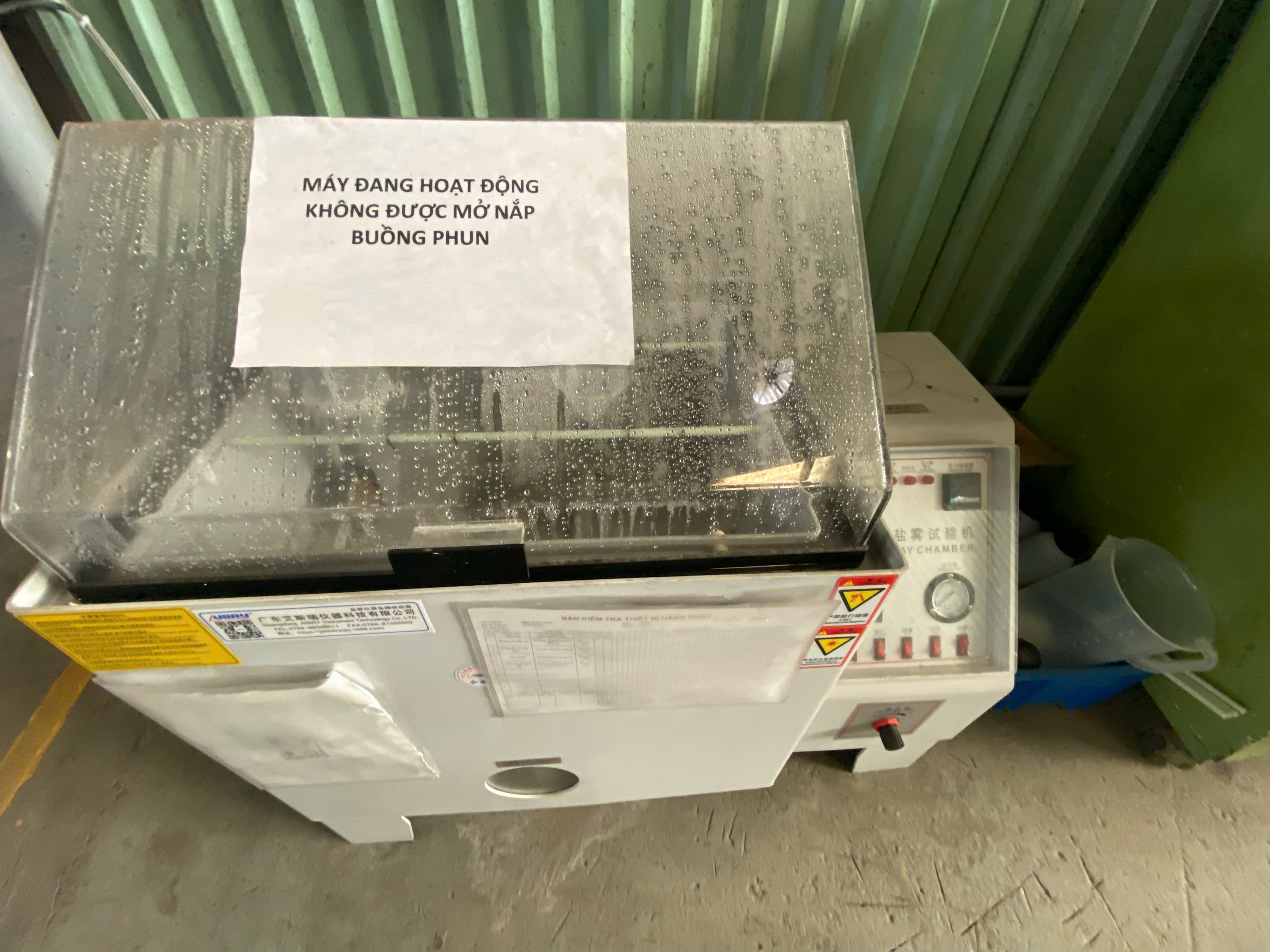
How Sheet Metal Outperforms Other Materials in Durability
When we compare sheet metal to plastic or composite alternatives, the difference in long-term durability is stark. Metal enclosures withstand heavy loads, accidental drops, and harsh industrial environments 2 without cracking or deforming. This matters for durability electronic components depend on.
Our engineers regularly work with clients who need enclosures rated for tough conditions. Steel and aluminum enclosures achieve high IP ratings 3 — often IP65 or IP66 — which means they block dust ingress completely and resist water jets. Many also meet NEMA ratings 4 required for industrial enclosures deployed in factories, outdoor installations, and marine settings.
Corrosion Resistance and Longevity
Material selection plays a big role here. Aluminum naturally resists corrosion. Steel enclosures get powder coating or zinc plating for added protection. These finishes add weather resistance and extend the product's life by years. Understanding how stainless steel, aluminum alloy, and carbon steel compare in sheet metal fabrication helps ensure you pick the right material for your application.
I have seen enclosures survive five-plus years in coastal environments with no visible degradation — all because the right finish was applied during fabrication.
Plastic vs Metal Enclosures: A Durability Comparison
| Factor | Sheet Metal Enclosures | Plastic Enclosures |
|---|---|---|
| Impact Resistance | Excellent — absorbs heavy impacts | Moderate — can crack under stress |
| Corrosion Resistance | High with proper finishing | Naturally corrosion-free but UV-degradable |
| Temperature Tolerance | Wide range (−40°C to 200°C+) | Narrow range — warps at high heat |
| Lifespan in Harsh Environments | 10–20+ years | 3–7 years |
| IP/NEMA Rating Potential | IP65, IP66, NEMA 4X achievable | Limited at higher protection levels |
| EMI Shielding | Inherent | Requires conductive coatings |
Some manufacturers argue that plastic enclosures are easier to mold into complex shapes. That is true for simple, high-volume consumer products. But for mid-to-high quality custom electronic enclosures — the kind our clients need — sheet metal wins on strength, thermal management, and protection every time.
The bottom line is simple. If your enclosure must survive real-world industrial use, sheet metal fabrication is the reliable choice.
How does sheet metal fabrication provide the design flexibility I need for my custom projects?
One of our U.S. clients recently needed an enclosure redesigned mid-production to accommodate a larger display cutout. With sheet metal, our team updated the CNC program and delivered revised samples within days — no new tooling required.
Sheet metal fabrication provides outstanding design flexibility through advanced CNC cutting, precision bending, and real-time design modifications, enabling custom electronic enclosures with intricate geometries, tight tolerances, and integrated features like ventilation slots, ports, and mounting brackets.
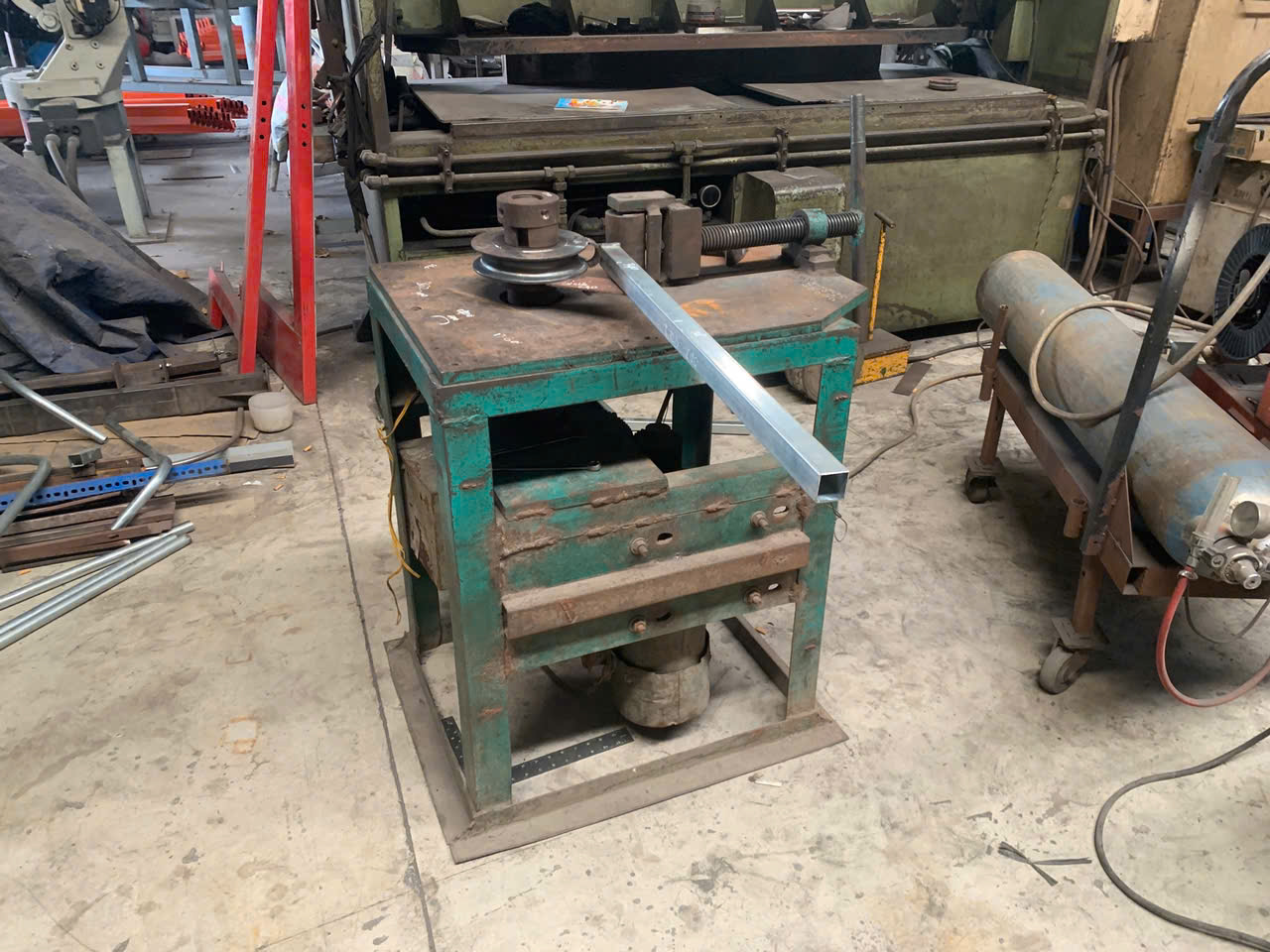
Precision That Matches Engineering Drawings
Design for manufacturability 5 is central to every project we handle. Our process starts with a detailed drawing review. We check every dimension, tolerance call-out, and surface finish requirement before a single sheet is cut. This catches issues early — and it is the main reason we help clients get it right the first time.
Modern CNC laser cutting and CNC punching machines hold tolerances as tight as ±0.1 mm. That level of precision means enclosure panels fit together seamlessly. Gaps are minimized. Seals sit properly. The result is an enclosure that performs exactly as designed.
Real-Time Modifications Without Costly Tooling
Unlike injection molding 6, which requires expensive molds that take weeks to modify, sheet metal fabrication uses flexible CNC programs. Need to add a new cable entry? Move a mounting hole? Change a bend angle? These changes happen fast. This is a huge advantage for prototyping enclosures and iterating on designs during co-development.
| Design Change | Sheet Metal Fabrication | Injection Molding |
|---|---|---|
| Add ventilation cutout | CNC program update — hours | Mold modification — weeks |
| Resize enclosure | New flat pattern — same day | New mold — high cost |
| Change material thickness | Immediate adjustment | Requires new mold cavity |
| Prototype turnaround | Days | Weeks to months |
| Tooling cost for changes | Minimal or zero | Thousands of dollars |
Integrating Complex Features
Sheet metal can be formed into thin, lightweight parts that fit precisely where needed. Openings for wiring, displays, ports, and ventilation are cut cleanly by laser. Mounting flanges, internal brackets, and cable management features are all formed from the same sheet — reducing part count and assembly time.
Our team in Vietnam often fabricates brackets and chassis from a single sheet, eliminating the need for welded sub-assemblies. This simplifies quality control and speeds up final inspection.
The adaptability of sheet metal fabrication also supports thermal management requirements. Strategically placed ventilation slots, heat sink mounting provisions, and material choices like aluminum all help dissipate heat from sensitive electronics.
Is sheet metal fabrication a cost-effective solution for my large-scale enclosure manufacturing?
A trade-off we weigh on almost every quote is unit cost versus flexibility. Injection molding looks cheaper per piece at very high volumes. But when you factor in tooling investment, lead time, and the cost of design changes, sheet metal fabrication often comes out ahead — especially for the mid-volume, mid-to-high quality projects our clients typically run.
Sheet metal fabrication is highly cost-effective for large-scale enclosure manufacturing because it requires minimal tooling investment, scales efficiently from prototypes to high-volume runs, and uses affordable materials like aluminum and steel to keep per-unit costs competitive.
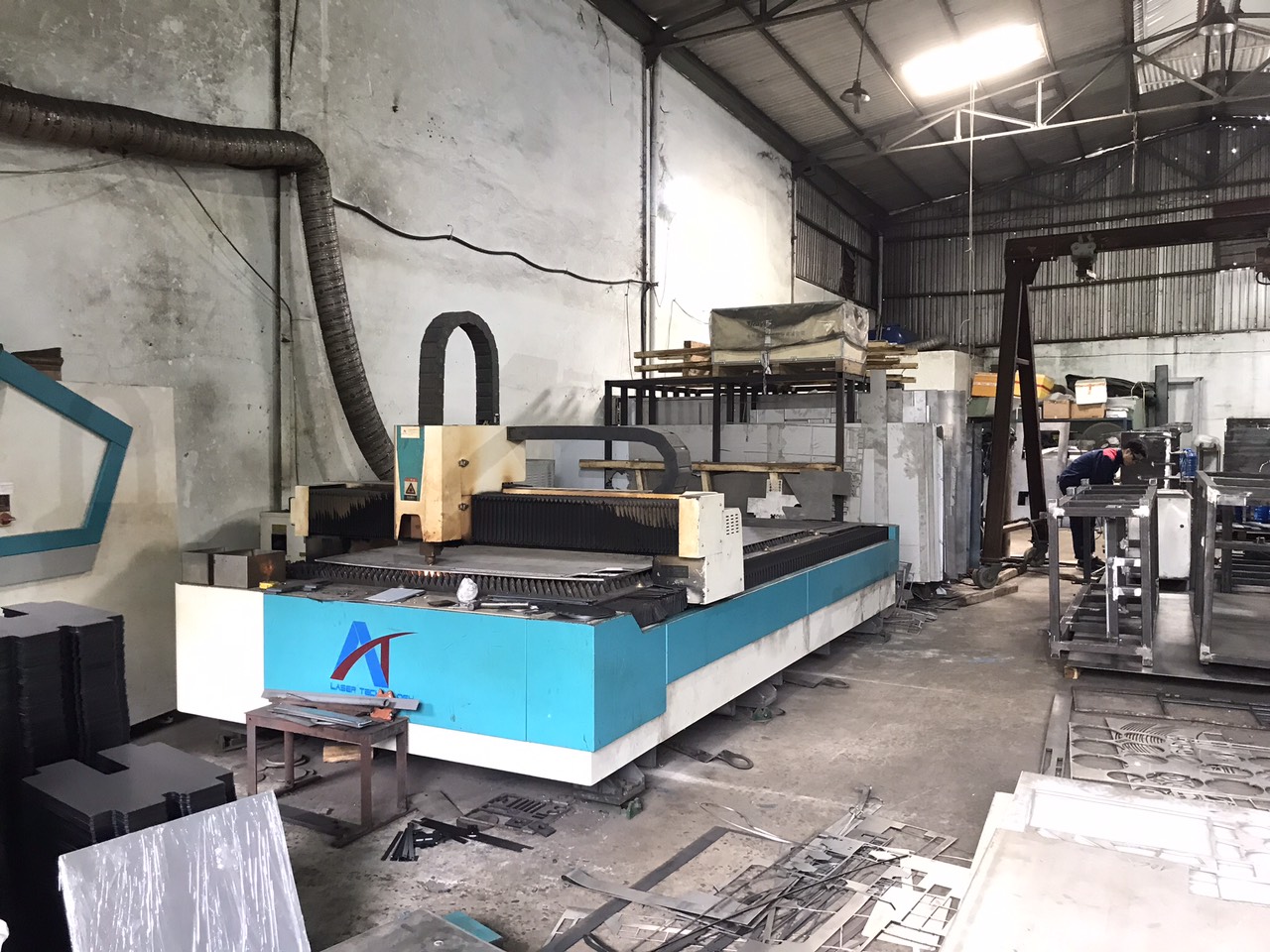
Why Tooling Costs Stay Low
One of the biggest cost drivers in manufacturing is tooling. Injection molds for enclosures can cost tens of thousands of dollars and take weeks to produce. Sheet metal fabrication eliminates most of that. Laser cutting requires no physical tooling. Bending uses standard press brake dies. Only specialized forming or stamping operations need custom tooling — and even those are far less expensive than injection molds.
This low tooling cost makes sheet metal fabrication ideal for prototyping enclosures and launching new products. You do not need to commit a large upfront investment before you validate the design.
Scaling Up Without Scaling Costs
When demand increases, sheet metal fabrication scales smoothly. Automated laser cutting, CNC punching, and robotic welding handle higher volumes with minimal additional setup. Material costs for aluminum and steel remain stable and predictable. Suppliers keep these materials in stock, which reduces lead times.
Here is how cost factors compare across production volumes:
| Production Volume | Sheet Metal Cost Profile | Injection Molding Cost Profile |
|---|---|---|
| 1–50 units (prototype) | Low — minimal tooling, fast setup | Very high — mold investment dominates |
| 50–500 units (low volume) | Competitive — efficient CNC processing | High — mold cost not yet amortized |
| 500–5,000 units (mid volume) | Very competitive — economies of scale | Becoming competitive as mold amortizes |
| 5,000+ units (high volume) | Competitive — automation reduces labor | Lowest per-unit cost for simple shapes |
For the custom parts our clients source — typically in the 100 to 5,000 unit range — sheet metal fabrication consistently delivers the best balance of cost, quality, and flexibility.
Material Cost Advantages
Material selection also drives cost efficiency. Aluminum is lightweight, corrosion-resistant, and widely available at competitive prices. Cold-rolled steel offers superior strength at a lower material cost. Both are easy to source from multiple suppliers in Vietnam and across Asia, which keeps our supply chain resilient and pricing stable.
Powder coating and other surface finishes add a polished, professional appearance without significant cost. This matters for enclosures that end up in customer-facing installations.
We also see sustainability benefits here. Sheet metal is highly recyclable. Scrap from cutting and punching goes back into the material stream. This aligns with circular economy goals that more of our U.S. and European clients prioritize in their sourcing decisions.
How can I ensure my sheet metal enclosures meet strict quality standards when sourcing from overseas?
A lesson we learned early in our export business changed how we run every project today. A batch of enclosures passed the supplier's internal check but failed our client's incoming inspection. The root cause was simple: nobody verified the critical-to-quality dimensions before shipping. That experience built our entire QC philosophy.
You can ensure your sheet metal enclosures meet strict quality standards by partnering with a supplier that implements PPAP documentation, in-process controls, final inspection protocols, and supplier audits — catching defects before shipment rather than after arrival.

The "Right First Time" Approach
Getting it right the first time is not a slogan — it is a process. At our facilities, every custom electronic enclosure project starts with a thorough drawing review. Our engineers flag potential issues: ambiguous tolerances, material specifications that may not suit the application, finish requirements that need clarification. This front-end work prevents the miscommunication that leads to non-conforming parts.
During production, in-process checks verify dimensions at every critical stage — after cutting, after bending, after welding, and after finishing. We do not wait until the end to find problems.
PPAP and Process Control
For clients with strict compliance requirements, we provide Production Part Approval Process documentation 7. This includes:
- Dimensional reports with actual measurements versus drawing specifications
- Material certifications confirming alloy grades and mechanical properties
- Process flow diagrams showing every fabrication and inspection step
- Control plans defining what gets measured, how often, and by whom
This level of documentation is standard in automotive and aerospace supply chains. We apply the same rigor to custom electronic enclosures because our clients — purchasing managers sourcing for U.S. distribution — demand it.
Supplier Audits and Ongoing Oversight
When sourcing from Asia, supplier audits 8 are essential. Our local teams in Vietnam and China conduct regular factory assessments. We check equipment calibration, operator training records, raw material traceability, and packaging standards.
This on-the-ground presence is what separates a reliable supply chain partner from a trading company that simply forwards orders. We manage the process from co-development through door-to-door logistics, and we stand behind the quality at every step.
What to Look for in a Quality-Focused Supplier
Here is a quick checklist for purchasing managers evaluating overseas sheet metal enclosure suppliers:
| Quality Indicator | What to Verify |
|---|---|
| Drawing Review Process | Does the supplier proactively flag issues before production? |
| In-Process Inspection | Are critical dimensions checked at each fabrication stage? |
| Final Inspection Protocol | Is there a documented final check with measurement records? |
| PPAP Capability | Can the supplier provide full PPAP documentation? |
| Material Traceability | Are material certs available for every batch? |
| On-Site Quality Team | Does the supplier have local QC staff, not just remote oversight? |
| Communication Responsiveness | Does the team respond proactively and in detail? |
Payment terms also matter. We offer 60–90 day open account terms to qualified clients. This alleviates cash flow pressure and signals that we are invested in long-term partnerships, not one-time transactions.
EMI shielding performance, IP ratings compliance, and dimensional accuracy all depend on consistent process control. Without it, even the best enclosure design fails in practice.
Conclusion
Sheet metal fabrication remains the smartest choice for electronic enclosure manufacturing — delivering durability, EMI shielding, design flexibility, and cost efficiency. Partner with a supplier who prioritizes quality control, and your enclosures will arrive right the first time.
Frequently Asked Questions
Why should I choose sheet metal fabrication to ensure the durability of my electronic enclosures?
A project we managed last year taught us something important. A client's plastic enclosures kept cracking during transit from Vietnam to the U.S. Switching to sheet metal solved the problem in one production cycle.
How does sheet metal fabrication provide the design flexibility I need for my custom projects?
One of our U.S. clients recently needed an enclosure redesigned mid-production to accommodate a larger display cutout. With sheet metal, our team updated the CNC program and delivered revised samples within days — no new tooling required.
Is sheet metal fabrication a cost-effective solution for my large-scale enclosure manufacturing?
A trade-off we weigh on almost every quote is unit cost versus flexibility. Injection molding looks cheaper per piece at very high volumes. But when you factor in tooling investment, lead time, and the cost of design changes, sheet metal fabrication often comes out ahead — especially for the mid-volume, mid-to-high quality projects our clients typically run.
Footnotes
1. Replaced 404 link with a relevant page from a custom sheet metal enclosure manufacturer. ↩︎
2. Replaced 404 link with an informative article on designing electronics for harsh industrial environments. ↩︎
3. Defines IP ratings, their digits, and how they specify protection against particles and water. ↩︎
4. Explains NEMA ratings as a standard for electrical enclosure protection capabilities against environmental factors. ↩︎
5. Defines Design for Manufacturability (DFM) as optimizing products for manufacturing processes, cost, and quality. ↩︎
6. Provides a comprehensive overview of the injection molding manufacturing process and its characteristics. ↩︎
7. Explains PPAP as a standardized method to demonstrate consistent manufacturing of parts meeting specifications. ↩︎
8. Defines supplier audits as evaluations to ensure suppliers meet quality and compliance standards. ↩︎