Surface treatment options for sheet metal fabrication can make or break a project. I’ve seen orders rejected at receiving docks because the wrong finish was specified—parts rusted in transit or coatings peeled under light handling. On our production floor, we treat surface finishing as a critical engineering decision, not an afterthought.
The best surface treatment options for sheet metal fabrication include powder coating for durable corrosion resistance, anodizing for aluminum parts, electroplating for conductivity and wear resistance, galvanizing for steel protection, and bead blasting for matte aesthetics—each chosen based on material type, environment, and function.
This guide breaks down every major finish category, compares costs and lead times, and gives you a practical framework to match the right coating to your project. Let’s walk through it section by section.
How do I choose the right surface finish for my custom sheet metal parts?
A few months ago, a U.S. client sent us drawings for a set of outdoor mounting brackets. The only finish note read "paint." That single word nearly caused weeks of rework. Our engineering team had to step in, evaluate the operating environment, and recommend a proper multi-step surface treatment that would actually survive coastal humidity.
Choose a surface finish by first identifying your base metal, then matching it to your primary need—corrosion resistance, wear resistance, or aesthetic appearance. Aluminum pairs best with anodizing; carbon steel benefits from galvanizing or powder coating; stainless steel often needs only passivation.
Start With Your Base Metal
The single most important factor is material compatibility. Not every finish works on every metal. Anodizing 1 only works on aluminum and titanium. Galvanizing is designed for carbon steel. Chromate conversion coatings 2—also called chemical film coating—are typically applied to aluminum. If you skip this step, you risk adhesion failure or even chemical damage to the part.
Here is a quick reference table we share with our clients early in the quoting process:
| Base Metal | Recommended Finishes | Not Recommended |
|---|---|---|
| Aluminum | Anodizing, Powder Coating 3, Chromate Conversion | Hot-Dip Galvanizing |
| Carbon Steel | Galvanizing 4, Powder Coating, E-Coating, Electroplating 5 | Anodizing |
| Stainless Steel | Passivation, Electropolishing, Bead Blasting | Galvanizing |
| Copper/Brass | Electroplating (Nickel, Tin), Lacquer | Anodizing |
Then Define Your Primary Function
Once you know your metal, ask: what does this finish need to do? We generally bucket requirements into three categories.
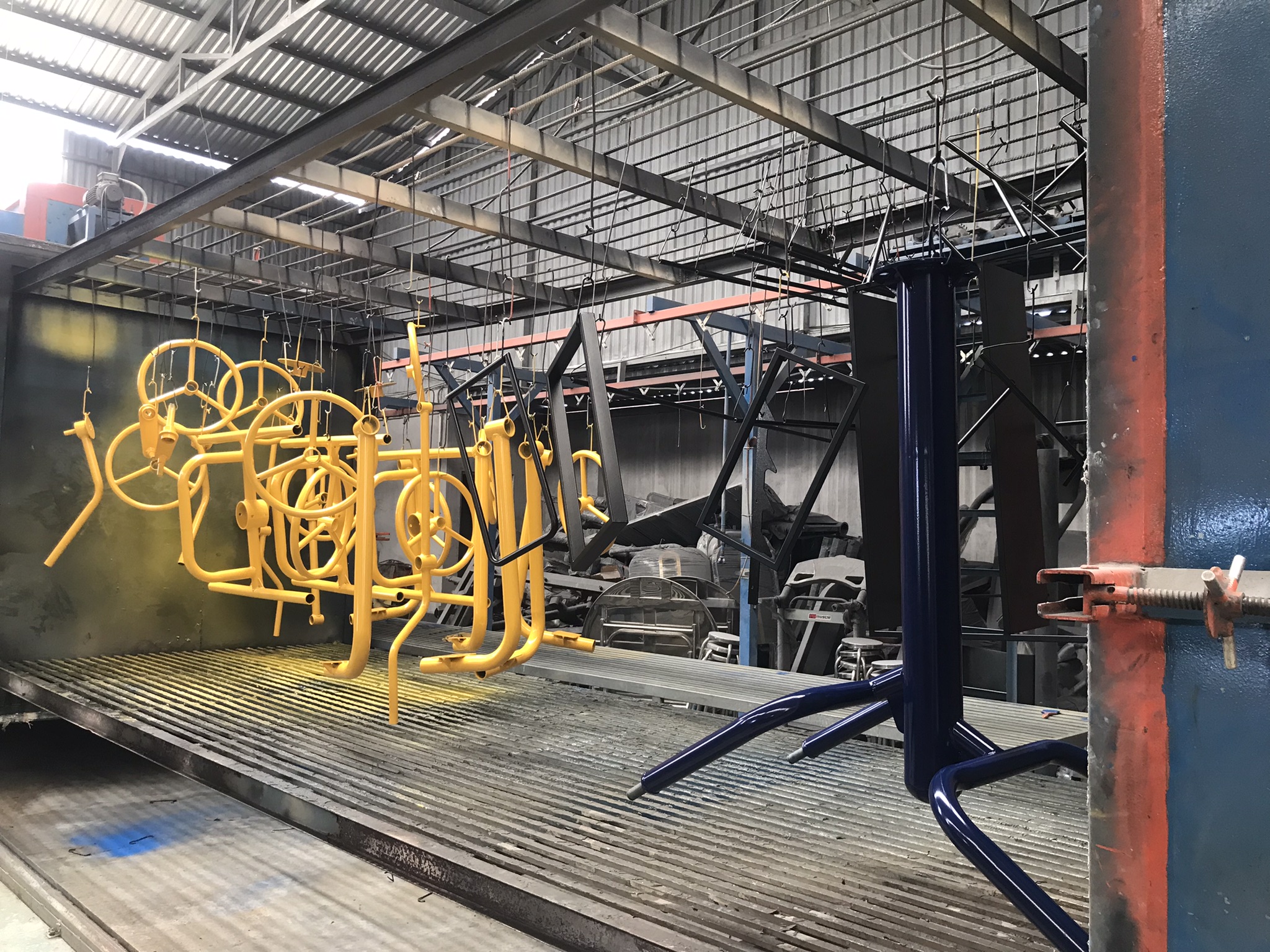
- Corrosion protection — If parts live outdoors or in wet environments, galvanizing and powder coating lead the pack. Powder coating bakes onto the surface at high temperature and forms a thick barrier (35–200 µm). Galvanizing sacrificially protects steel.
- Wear resistance — Hard anodizing and chrome plating offer the toughest surfaces. Hard anodizing creates a dense oxide layer on aluminum that resists scratching and abrasion.
- Aesthetic appearance — Brushing gives a satin directional grain. Polishing delivers a mirror sheen. Bead blasting creates a uniform matte texture. These mechanical finishes look great, but they often need a topcoat for long-term protection.
Don't Forget Pre-Treatment
Every finish depends on proper surface preparation. In our facilities, we never skip deburring, degreasing, and cleaning—even when a client doesn't explicitly call it out. For powder coating specifically, inadequate pre-treatment is the number one cause of adhesion failure. Phosphate coatings and passivation layers applied before the topcoat dramatically improve performance.
| Pre-Treatment Step | Purpose | Applies To |
|---|---|---|
| Deburring | Remove sharp edges, improve safety and coating coverage | All metals |
| Alkaline Cleaning | Remove oils, coolant, and shop grime | All metals |
| Pickling | Remove scale and oxide layers | Carbon steel, stainless steel |
| Phosphate Coating | Improve paint and powder coat adhesion | Carbon steel |
| Passivation | Restore protective oxide layer | Stainless steel |
| Chromate Conversion | Provide conductive corrosion barrier | Aluminum |
The lesson I keep reinforcing with our team: surface preparation is not optional. It is the foundation that determines whether a $2 part lasts two months or twenty years.
What quality control measures should I look for to ensure my finishes meet strict specifications?
One rejected shipment taught us more than any textbook. A batch of electroplated brackets arrived at our client's warehouse with visible blistering. The root cause? The plating vendor had skipped a rinse step between cleaning and the plating bath. Since that incident, we overhauled how we audit finishing subcontractors.
Look for documented pre-treatment verification, in-process thickness testing, adhesion testing (cross-hatch or tape pull), salt spray testing for corrosion resistance, and final visual inspection under controlled lighting. A strong PPAP process ensures every coating parameter is locked down before mass production begins.
Thickness Measurement Is Non-Negotiable
Coating thickness directly affects performance. Too thin and the part won't resist corrosion. Too thick and you may have dimensional interference or adhesion problems. We use calibrated digital gauges to verify thickness on every batch. Here are typical target ranges:
| Surface Treatment | Typical Thickness Range | Measurement Method |
|---|---|---|
| Powder Coating | 35–200 µm | Magnetic or eddy current gauge |
| E-Coating | 12–30 µm | Eddy current gauge |
| Dacromet | 5–7.6 µm | Magnetic gauge |
| Anodizing (Standard) | 5–25 µm | Eddy current gauge |
| Hard Anodizing | 25–75 µm | Eddy current gauge |
| Electroplating (Zinc) | 5–25 µm | X-ray fluorescence (XRF) |
Adhesion and Corrosion Testing
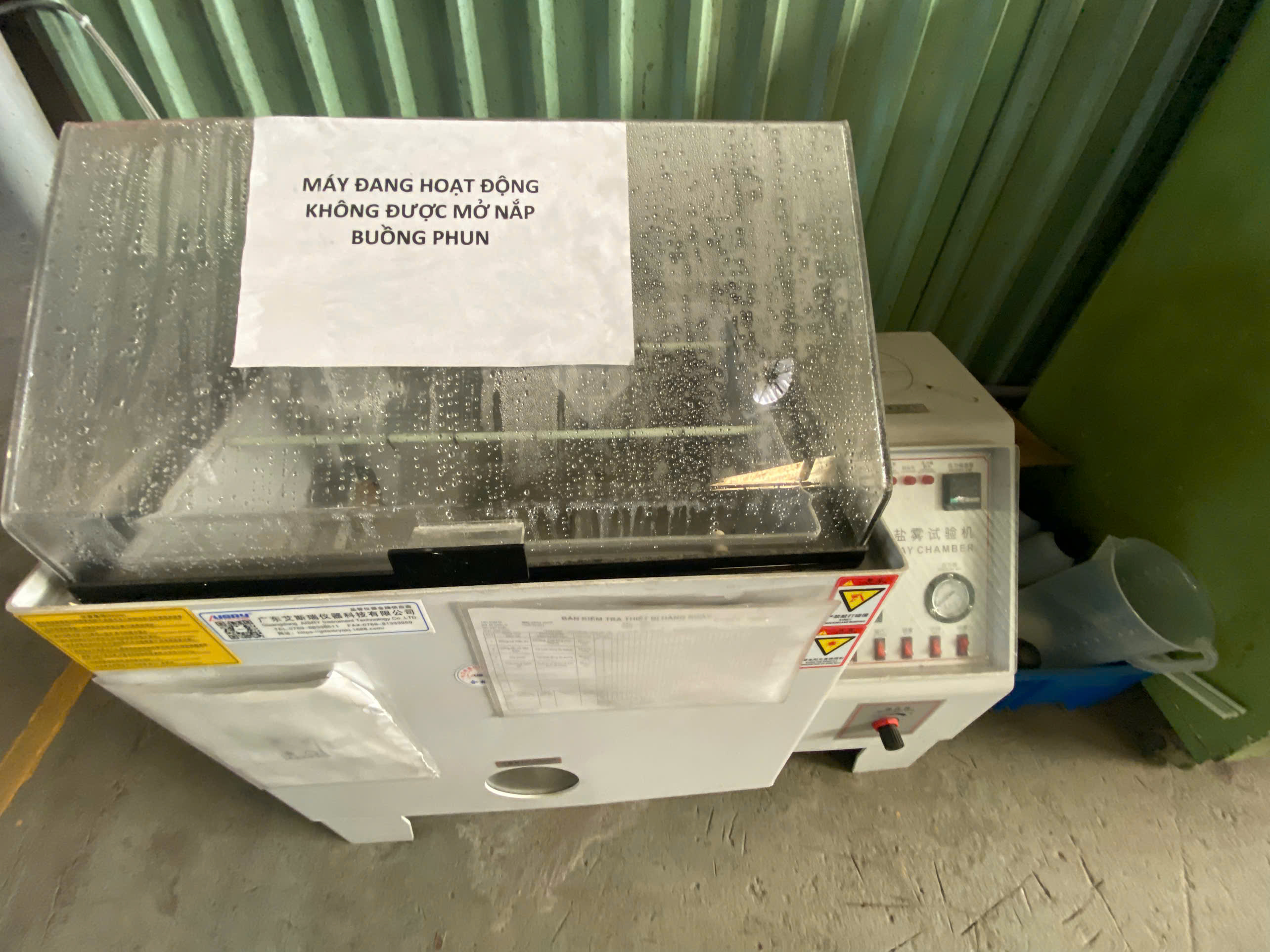
Beyond thickness, we run adhesion tests on first articles. The cross-hatch test (per ASTM D3359 6) is standard for powder coating and paint. For electroplating, a bend test or tape pull confirms the layer won't flake. Salt spray testing (ASTM B117 7) measures how many hours the finish survives before red or white rust appears. For critical outdoor parts, we typically require a minimum of 500 hours for powder-coated steel.
Process Documentation and PPAP
When we manage a finishing project for our U.S. clients, we require the finishing vendor to submit a process control plan. This document specifies every bath chemistry, temperature, dwell time, and curing parameter. It becomes part of the PPAP package 8. If the vendor changes a chemical supplier or adjusts a temperature, we need to know. This level of traceability is what separates a reliable supply chain from a gamble.
Our QC team in Vietnam and China conducts on-site audits of finishing facilities before we ever place an order. We check calibration records, chemical management logs, and environmental controls. This isn't overhead—it's insurance against the costly rework and delays that our clients specifically hire us to prevent.
How will different surface treatments affect my overall project costs and lead times?
Last quarter, a client needed 200 aluminum enclosures finished in two weeks. They initially requested anodizing with a custom color, but after we mapped out the timeline, it became clear that anodizing with a dye match would push delivery past their deadline. We proposed powder coating instead—same corrosion protection, wider color library, and a full week faster.
Surface treatments significantly impact project costs and lead times. Powder coating is generally the fastest and most cost-effective option for large parts, while electroplating and anodizing require longer processing times and higher per-part costs. Simple mechanical finishes like bead blasting and media tumbling are the least expensive options for small components.
The Plating vs. Powder Coating Debate
This is the most common trade-off discussion we have with clients. Both deliver excellent corrosion resistance, but they differ in almost every other dimension.
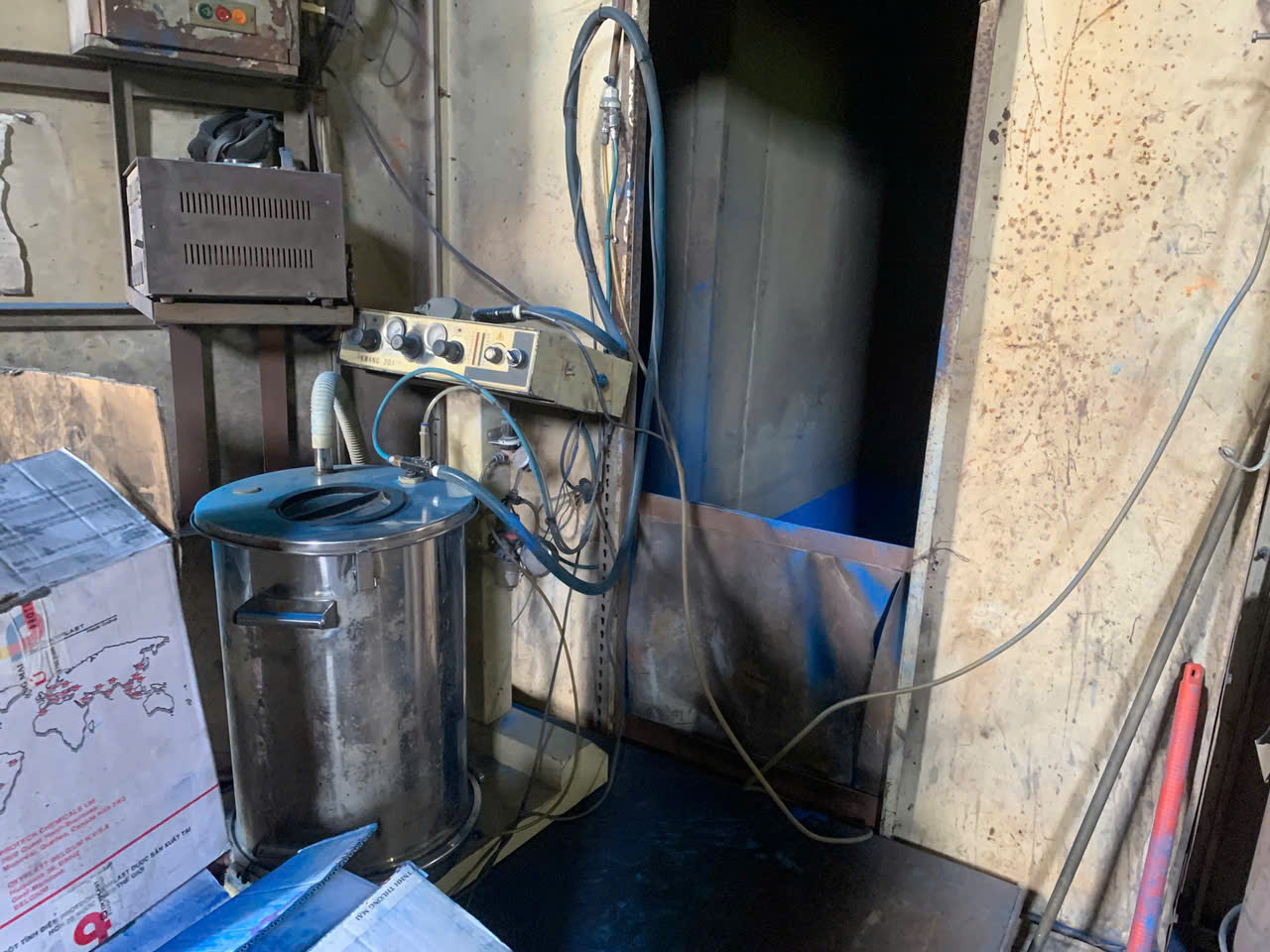
- Powder coating applies a dry polymer powder electrostatically, then cures it in an oven. It produces a thick, durable layer with hundreds of color and texture options. Standard part sizes up to 4' × 4' are common. Lead times are typically short—often 3 to 5 business days for standard colors.
- Electroplating deposits a thin metal layer (zinc, nickel, chrome, tin) through an electrochemical bath. It creates a thinner, more uniform coating that preserves tight tolerances. It also provides properties powder coating cannot, like electrical conductivity (tin plating) or extreme wear resistance (chrome plating). However, lead times are longer—often 7 to 14 business days—and color options are limited to the plating metal's natural appearance.
Here's a decision matrix we use internally:
| Factor | Powder Coating | Electroplating | Anodizing |
|---|---|---|---|
| Best For | Large steel or aluminum parts | Small, intricate parts | Aluminum only |
| Thickness | 35–200 µm | 5–25 µm | 5–75 µm |
| Color Options | Hundreds (RAL, Pantone) | Limited (metallic tones) | Limited (dye range) |
| Lead Time | 3–5 days | 7–14 days | 5–10 days |
| Electrical Conductivity | No (insulator) | Yes | No (insulator) |
| Corrosion Resistance | Excellent | Good to Excellent | Excellent |
| Relative Cost | Low to Medium | Medium to High | Medium |
| Max Part Size | Up to 4' × 4' typical | Depends on bath size | Depends on bath size |
Hybrid Finishes: Higher Cost, Higher Performance
A growing trend we see in demanding applications—especially automotive and outdoor industrial—is multi-layer finishing. Examples include:
- E-coating + Powder coating: E-coating provides a thin, even base layer (12–30 µm) that reaches into recesses and weld seams. Powder coating over the top adds thickness, color, and UV resistance. The combination costs more, but the corrosion protection is outstanding.
- Anodizing + Powder coating: For aluminum parts exposed to extreme environments, anodizing creates a hard oxide base, and powder coating seals and colors it. This hybrid approach is popular in architectural and marine applications.
Budget-Friendly Options for Simpler Needs
Not every part needs a premium coating. Media tumbling is an inexpensive way to deburr and smooth small parts in bulk. Bead blasting creates a clean, matte surface quickly and at low cost. For stainless steel, passivation is a simple chemical bath that restores the natural protective oxide layer without adding thickness or changing appearance.
The key takeaway: match the investment to the requirement. Over-specifying a finish wastes money. Under-specifying it creates field failures and warranty claims that cost far more.
Can my manufacturing partner help me select the best coating for my specific environmental conditions?
During a recent project review call, a client described an application I hadn't expected: sheet metal housings for sensors installed inside a food processing plant. The parts would face constant washdowns with caustic chemicals, high humidity, and temperature swings. The original drawing called for standard zinc plating. Our team flagged this immediately—zinc plating wouldn't survive that environment for six months.
Yes, a capable manufacturing partner should actively guide your coating selection based on your operating environment, regulatory requirements, and performance targets. Look for partners who ask detailed questions about exposure conditions, chemical contact, temperature range, and expected service life before recommending any finish.
What Your Partner Should Ask You
A good partner doesn't just take your drawing at face value. They ask questions. Here's what our engineering team typically discusses with clients before finalizing a surface treatment specification:
- Where will the part be installed? Indoor, outdoor, underground, marine, or chemical environment?
- What chemicals or substances will contact the surface? Cleaning agents, fuels, solvents, food products?
- What temperature range will the part experience? Some coatings degrade above 200°C. Powder coating can handle up to about 180°C continuously.
- Are there electrical requirements? Does the part need to conduct electricity (grounding)? If yes, standard powder coating and anodizing won't work—you'll need conductive finishes like tin plating, zinc plating, or chromate conversion (chemical film coating).
- Is aesthetic appearance a priority? Consumer-facing products often need brushed, polished, or color-matched finishes. Internal structural parts rarely do.
- What is the expected service life? A part that needs to last 20 years outdoors demands a very different approach than an indoor bracket expected to last 5 years.
The Green Finish Trend
We've noticed a clear shift among our U.S. and European clients toward environmentally compliant finishes. Powder coating is inherently greener than liquid paint because it emits near-zero VOCs. Hexavalent chromate 9 conversion coatings are being replaced by trivalent chromium alternatives to meet RoHS and REACH requirements. When we source finishing services in Vietnam and China, we verify that our partners use compliant chemistries—this matters for parts entering the U.S. and EU markets.
Functional Coatings Beyond Protection
The industry is moving beyond basic corrosion resistance. Anti-fingerprint (AFP) coatings are now standard on stainless steel appliance panels. Conductive tin plating is growing in electronic enclosures. Self-healing primers are emerging in automotive applications. If your manufacturing partner isn't aware of these options, they may be defaulting to outdated specifications that don't serve your application well.
Our approach is collaborative. We bring options to the table, explain the trade-offs in plain language, and let the client make an informed decision. That conversation—before production starts—is where the most value gets created. It prevents the rework, the rejections, and the finger-pointing that plague projects where finishing is treated as someone else's problem.
Advice for Newcomers
If you're specifying sheet metal finishes for the first time, here's a simple starting framework:
- For rust resistance on steel: Electroplating (zinc) or powder coating
- For a premium look on aluminum: Anodizing or a hairline (brushed) finish
- For a uniform matte texture: Bead blasting or sandblasting
- For a mirror sheen: Mechanical polishing
- For maximum durability in harsh conditions: Hybrid finish (e-coat + powder coat, or anodizing + powder coat)
Start with the environment, pick the base protection, then layer on aesthetics. And always, always verify material compatibility before you commit.
Conclusion
Surface treatment options for sheet metal fabrication determine part longevity, function, and appearance. Match the finish to your metal, environment, and budget—then partner with a team that validates every step from pre-treatment through final inspection. Understanding how stainless steel, aluminum alloy, and carbon steel compare in sheet metal fabrication will further help you make informed decisions about which surface treatments best suit your chosen material. For more detail on achieving the right finish quality, explore surface roughness standards for sheet metal fabrication.
Frequently Asked Questions
How do I choose the right surface finish for my custom sheet metal parts?
A few months ago, a U.S. client sent us drawings for a set of outdoor mounting brackets. The only finish note read "paint." That single word nearly caused weeks of rework. Our engineering team had to step in, evaluate the operating environment, and recommend a proper multi-step surface treatment that would actually survive coastal humidity.
What quality control measures should I look for to ensure my finishes meet strict specifications?
One rejected shipment taught us more than any textbook. A batch of electroplated brackets arrived at our client's warehouse with visible blistering. The root cause? The plating vendor had skipped a rinse step between cleaning and the plating bath. Since that incident, we overhauled how we audit finishing subcontractors.
How will different surface treatments affect my overall project costs and lead times?
Last quarter, a client needed 200 aluminum enclosures finished in two weeks. They initially requested anodizing with a custom color, but after we mapped out the timeline, it became clear that anodizing with a dye match would push delivery past their deadline. We proposed powder coating instead—same corrosion protection, wider color library, and a full week faster.
Footnotes
1. Wikipedia provides a comprehensive and authoritative overview of the anodizing process. ↩︎
2. Wikipedia provides a comprehensive and authoritative overview of chromate conversion coatings. ↩︎
3. Wikipedia provides a comprehensive and authoritative overview of powder coating. ↩︎
4. Explains the process and protective benefits of galvanizing steel. ↩︎
5. Wikipedia provides a comprehensive and authoritative overview of electroplating. ↩︎
6. This is the official ASTM International page for the D3359 standard. ↩︎
7. Explains the standard test for corrosion resistance. ↩︎
8. Defines the Production Part Approval Process in manufacturing. ↩︎
9. Wikipedia provides a comprehensive and authoritative overview of hexavalent chromium, its properties, and uses. ↩︎