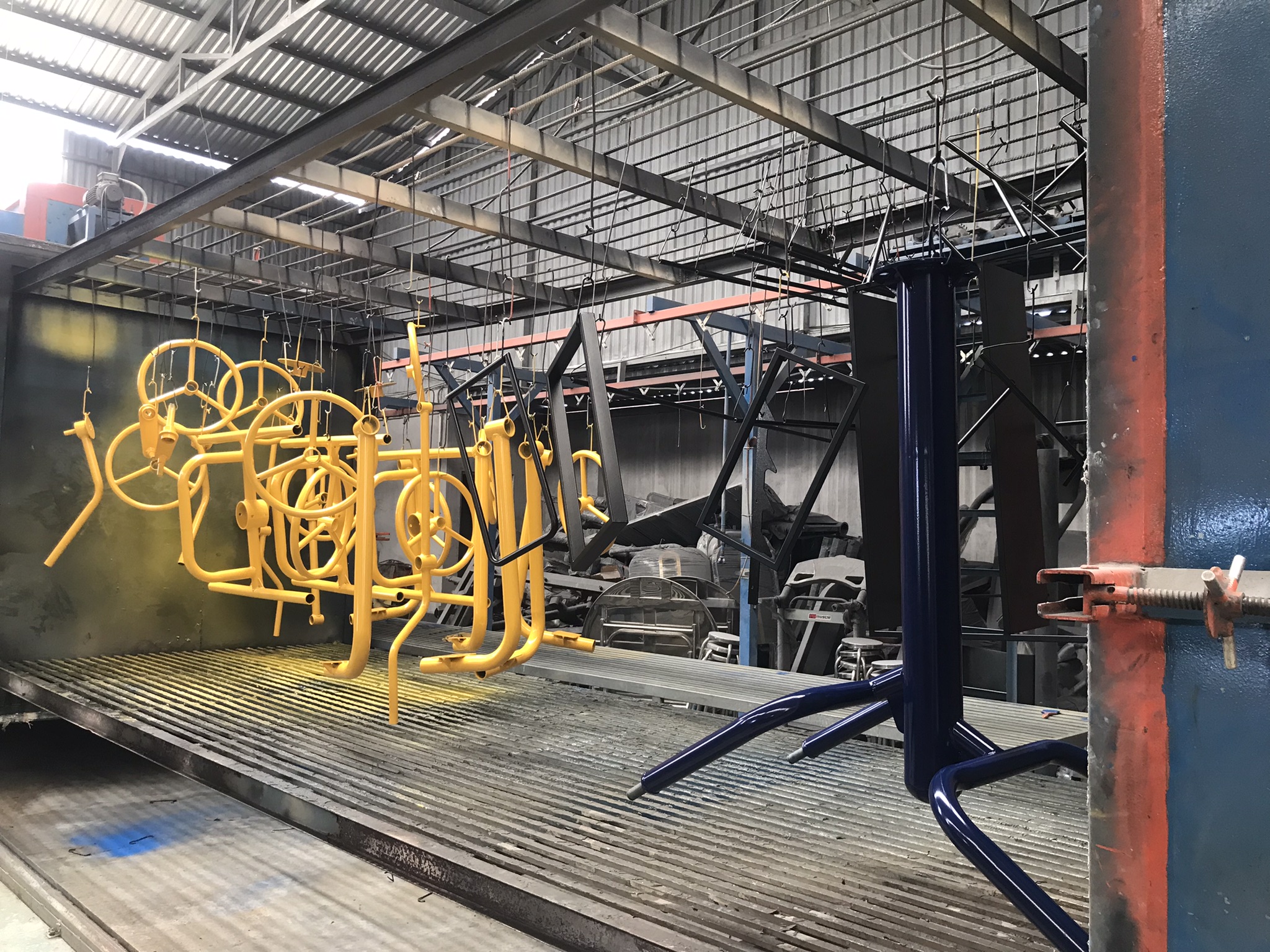
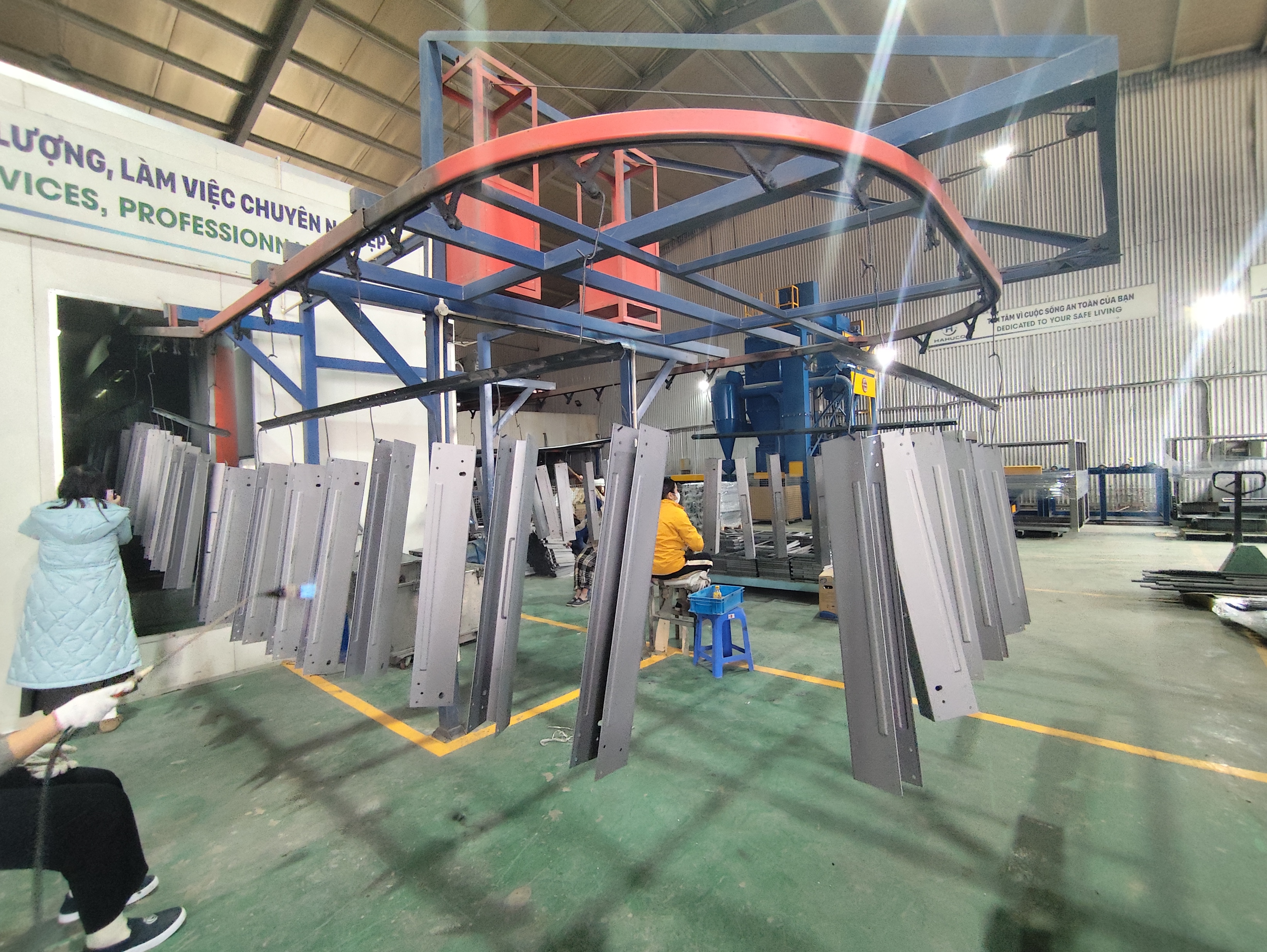
Peeling surface coating on stamping parts can wreck a whole shipment. I once watched our inspection team reject an entire pallet of brackets because the finish lifted at every bend. The client was furious, the schedule slipped, and rework ate the margin. The good news? Almost every peel-off failure we trace on our production lines comes down to a fixable process problem, not bad coating material.
Surface coating on stamping parts peels off mainly because of poor surface preparation—residual press oils, oxides, moisture, or skipped activation—combined with application errors like wrong film thickness, improper curing, and stress at sharp bends. Contaminated or untreated metal prevents the coating from ever bonding properly.
Let me break this down step by step. I will show you how to find the root cause, why prep matters so much, which process steps to audit, and how to pick a supplier who prevents the problem entirely.
How Can I Identify the Root Cause of Coating Adhesion Failure on My Stamping Parts?
A U.S. purchasing manager once emailed me photos of flaking zinc-plated clips and asked one question: is it the plating shop or the stamping shop? My answer started with timing.
Identify the root cause by noting when and where peeling occurs. Immediate peeling points to contamination, poor activation, or under-curing. Delayed peeling suggests moisture, corrosion creep, or thermal cycling. Edge-first failure indicates thin coverage or stamping stress; flat-area failure usually means surface contamination.
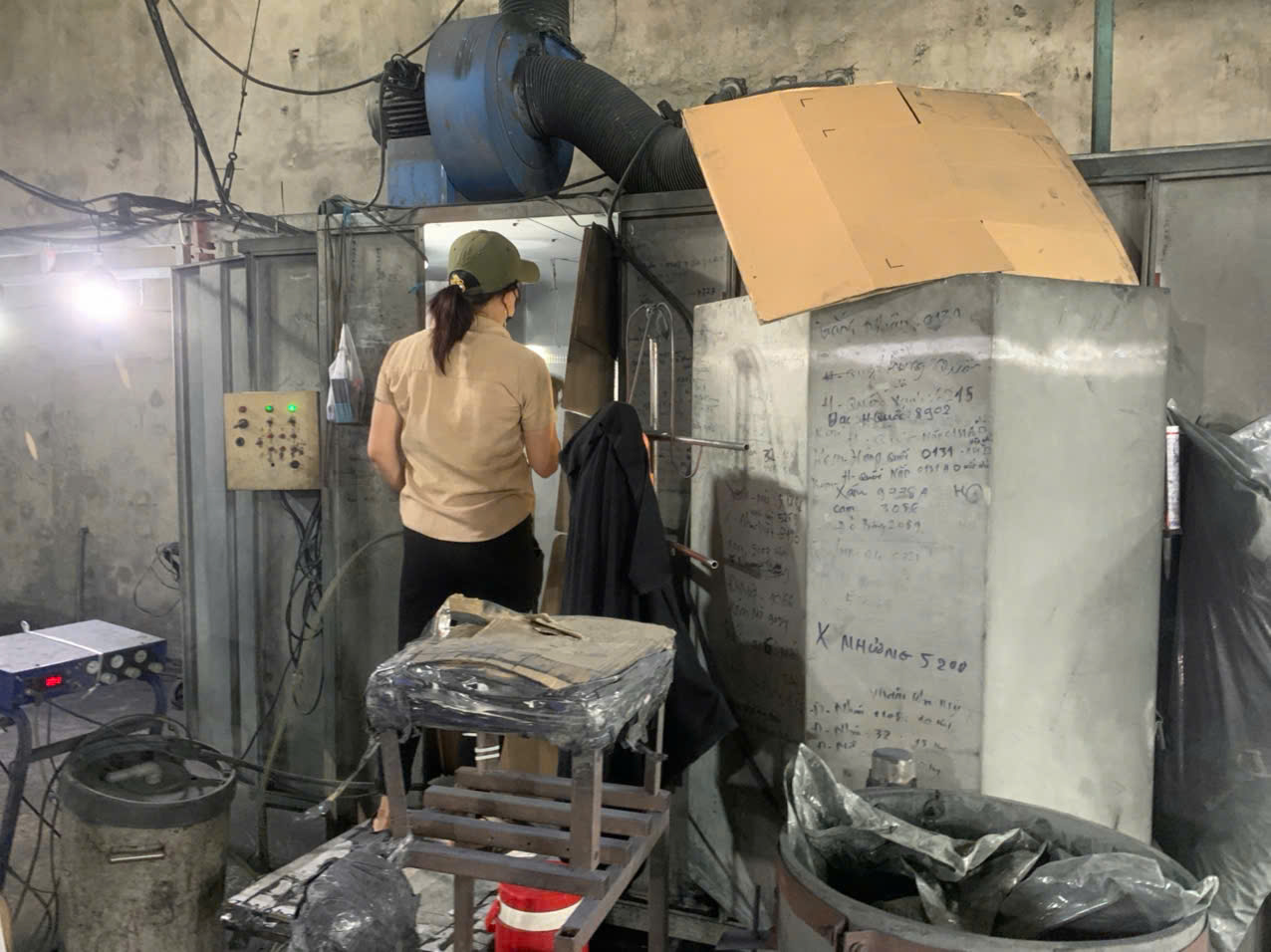
The fastest way I diagnose a peel-off complaint is to treat it like detective work. Two clues matter most: the timing of the failure and the location of the failure. When our QC team in Vietnam receives a claim, we ask for close-up photos and the service history before we touch a single process log.
Timing Tells You Where to Look
If the coating peels right after production or during first handling, the bond never formed. That points backward in the process: degreasing, activation, primer, or cure. If the coating held for weeks or months and then lifted, the bond formed but failed under stress. That points to moisture ingress, corrosion undercutting, UV exposure, or thermal cycling 1 in service.
Location Narrows It Further
Stamped parts fail in predictable places. Sheared edges expose bare metal that corrodes inward. Bend radii carry residual stress that standard cross-hatch tests often miss. Recessed features trap lubricant that survives cleaning.
| Failure Pattern | Most Likely Root Cause | First Thing to Check |
|---|---|---|
| Peels immediately, flat surfaces | Oil, silicone, or residue contamination | Degreasing records, wipe test |
| Peels immediately, comes off in sheets | Missing activation or wrong primer | Pretreatment chemistry logs |
| Peels at edges first | Thin edge coverage, edge corrosion | Film thickness at edges, burr condition |
| Peels at bends and corners | Residual stamping stress, micro-cracks | Bend radii, coating elongation spec |
| Blisters, then peels | Trapped moisture or poor drying | Dry-off oven temperature and time |
| Soft film that scrapes off | Under-cure | Oven cure profile, dwell time |
| Brittle chips, cracking film | Over-cure or excessive thickness | Film thickness readings, cure logs |
You should also distinguish adhesion failure from cohesion failure. Adhesion failure happens at the interface—the coating separates cleanly from the metal. Cohesion failure happens inside the film—it cracks or splits within itself. Adhesion failure points to preparation. Cohesion failure points to cure, thickness, or brittleness. Flip a flake over. If you see shiny bare metal on its underside, you have an adhesion problem 2, and the surface prep chain is your prime suspect.
Why Does Surface Preparation Affect Coating Durability on My Custom Parts?
Early in one co-development project, we cut a supplier's degreasing time to speed up throughput. Adhesion test failures tripled within a week. That lesson cost us, and I never forgot it.
Surface preparation determines coating durability because a coating can only bond to what it actually touches. Oils, oxides, moisture, and smooth untreated metal block chemical bonding and mechanical interlocking. Industry troubleshooting sources attribute the large majority of peeling failures to inadequate cleaning, activation, or pretreatment.
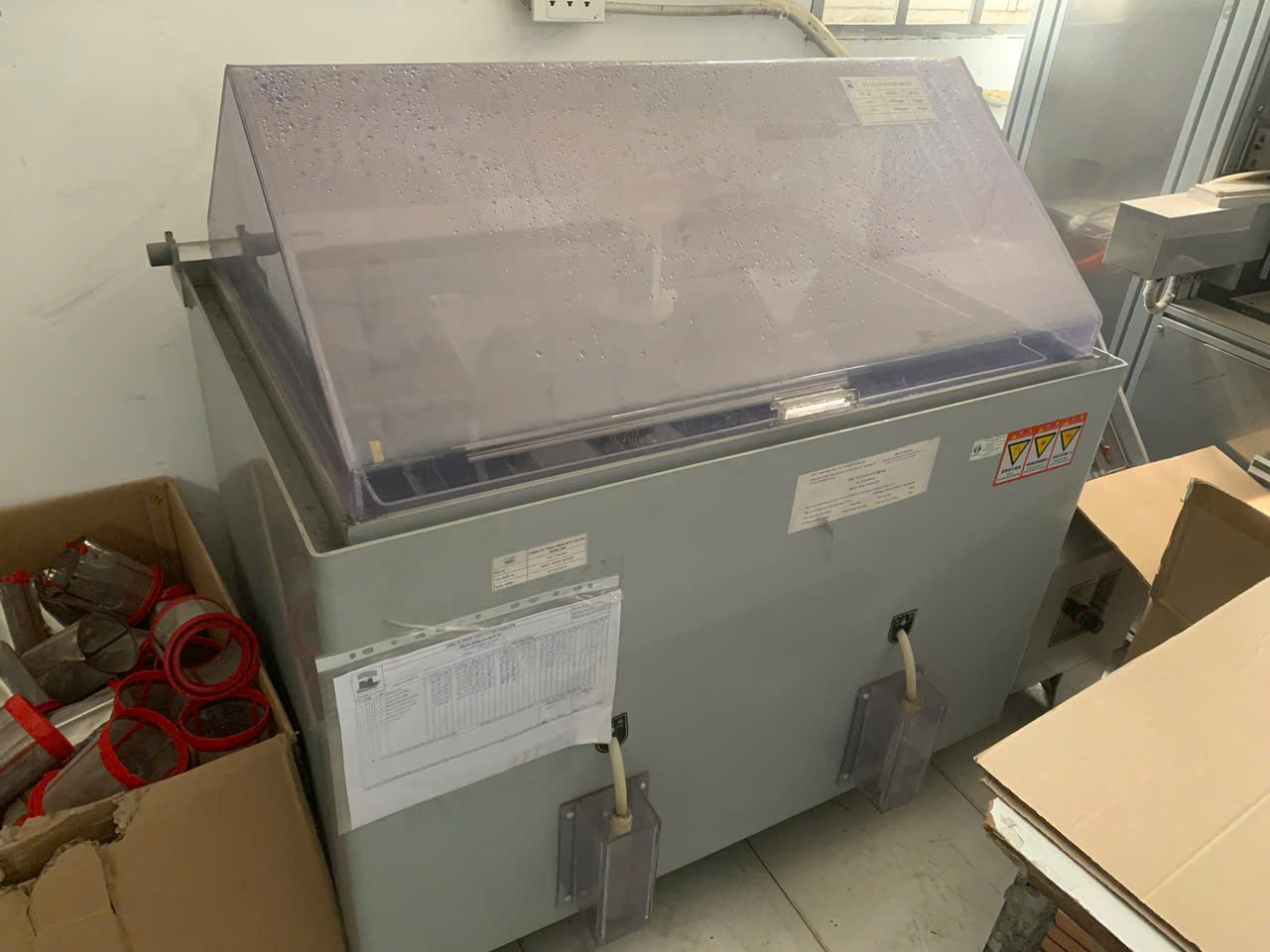
Think of a coating as glue. Glue does not stick to oil. It does not stick to loose rust. It does not stick well to glass-smooth metal either. Stamping parts are especially unforgiving here, because the stamping process itself contaminates and changes the surface in ways that other machining methods do not.
What Stamping Leaves Behind
Every press stroke deposits drawing lubricant 3 on the part. Deep-drawn or multi-bend geometries—like the zigzag brackets and mounting clips we regularly source for U.S. clients—trap that lubricant in micro-recesses. A standard degreasing cycle may clean the flat faces perfectly and still leave residue lodged in folded flanges and punched holes. Those spots become invisible weak points. The coating looks fine at final inspection. It lifts three weeks later in the client's warehouse.
The Two Bonding Mechanisms
Coatings hold on through two mechanisms, and prep enables both:
- Chemical bonding. The coating or conversion layer reacts with clean, active metal. Oxide scale and passive films on stainless steel 4 or aluminum block this reaction unless you use proper pickling, etching, or a conditioner.
- Mechanical interlocking. The coating grips a roughened profile. A surface that is too smooth, with no anchor pattern from blasting or etching, gives the film nothing to hold.
Substrates Are Not Equal
| Substrate | Main Prep Challenge | Typical Solution |
|---|---|---|
| Cold-rolled steel | Press oils, flash rust | Alkaline degrease, phosphating |
| Galvanized steel 5 | Passive zinc surface | Zinc phosphate 6 or conversion coating |
| Stainless steel | Passive chromium oxide layer | Acid activation, sometimes a strike layer |
| Aluminum | Fast-forming oxide film | Etch, deoxidize, chromate or chrome-free conversion |
When we audit finishing suppliers across Vietnam and other Asian countries, the pretreatment line is the first station we inspect. Bath concentration, temperature, immersion time, and rinse water quality get checked before we ever look at the coating booth. In our experience, that is where most peel-off problems are born—and where they are cheapest to prevent.
What Manufacturing Process Issues Should I Check When My Coating Keeps Peeling?
Balancing throughput against cure time is a trade-off I discuss with finishing partners on almost every project. Push parts through the oven faster, and you save cost—until the film comes back soft.
Check five process areas: degreasing and pretreatment completeness, drying before coating, application parameters like grounding and viscosity, film thickness at edges and bends, and the verified cure profile. Also review stamping-side factors: burrs, sharp bend radii, and residual forming stress.
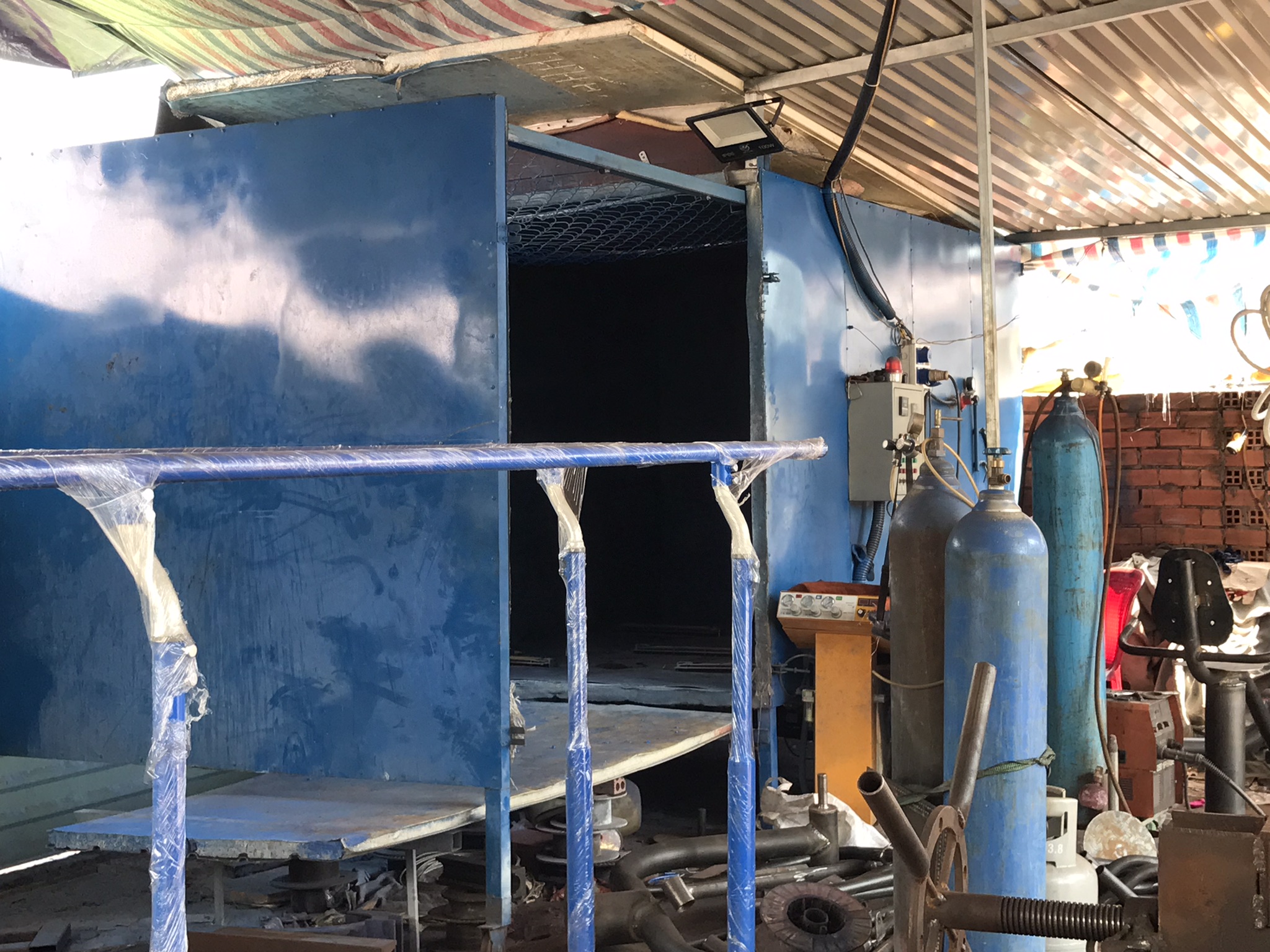
Repeated peeling means a systemic issue, not a one-off mistake. So you need to audit the whole chain, from press to packing. Here is the sequence I follow when our team investigates a chronic peel-off problem for a client's custom parts program.
Follow the Part Through the Line
- Stamping stage. Check burrs on sheared edges and the tightness of bend radii. Severe deformation can exceed the coating's elongation limit later, seeding micro-cracks at corners. Sharp burrs also create thin spots in the film.
- Cleaning stage. Verify degreaser type, concentration, temperature, and contact time. Ask how often baths are changed. A saturated degreasing bath redeposits oil instead of removing it.
- Pretreatment stage. Confirm the activation or conversion step matches the substrate. Galvanized parts, stainless clips, and aluminum brackets each need different chemistry.
- Drying stage. Trapped rinse water in crevices flashes to steam in the cure oven and blows blisters into the film. Cold parts entering a humid booth also collect condensation.
- Application stage. For powder coating 7, poor grounding causes uneven, weakly bonded film. For liquid paint, wrong viscosity and bad booth conditions do the same. For plating, current interruptions and dirty baths cause laminated, peelable deposits.
- Cure stage. Under-cure leaves the film soft and weak. Over-cure makes it brittle. The oven must be verified with actual part-metal temperature, not just air temperature, because thick stamped sections heat slower than thin flanges.
Thickness Is a Silent Killer
| Film Condition | What Happens | Where It Shows on Stamped Parts |
|---|---|---|
| Too thin | Poor coverage, early corrosion | Sharp edges, burrs, corners |
| Correct | Balanced stress and coverage | Uniform performance |
| Too thick | Internal stress, brittleness, cracking | Recesses, inside bends, hole edges |
Excessive thickness surprises many buyers. More coating sounds like more protection. In reality, a thick film builds internal stress, cracks at bends, and flakes off in chips. On complex stamped geometries with folded tabs and slotted holes, film thickness naturally varies, so it must be measured at the worst locations—not just on a convenient flat face. When we run PPAP 8 for coated stampings, thickness checks at edges and bend radii are part of the control plan, and adhesion is verified with cross-hatch or pull-off testing on production parts, not lab coupons.
How Do I Choose a Supplier Who Can Prevent Coating Peel-Off Problems on Future Orders?
Greg, one of our long-term U.S. purchasing contacts, told me his previous vendor "always fixed the last problem but never the next one." That single sentence explains why supplier selection matters more than complaint handling.
Choose a supplier who controls the full process chain: documented pretreatment parameters, verified cure profiles, film thickness checks at edges, adhesion testing on production parts, and PPAP-level documentation. Ask for their process control plan and audit their pretreatment line before placing the first order.
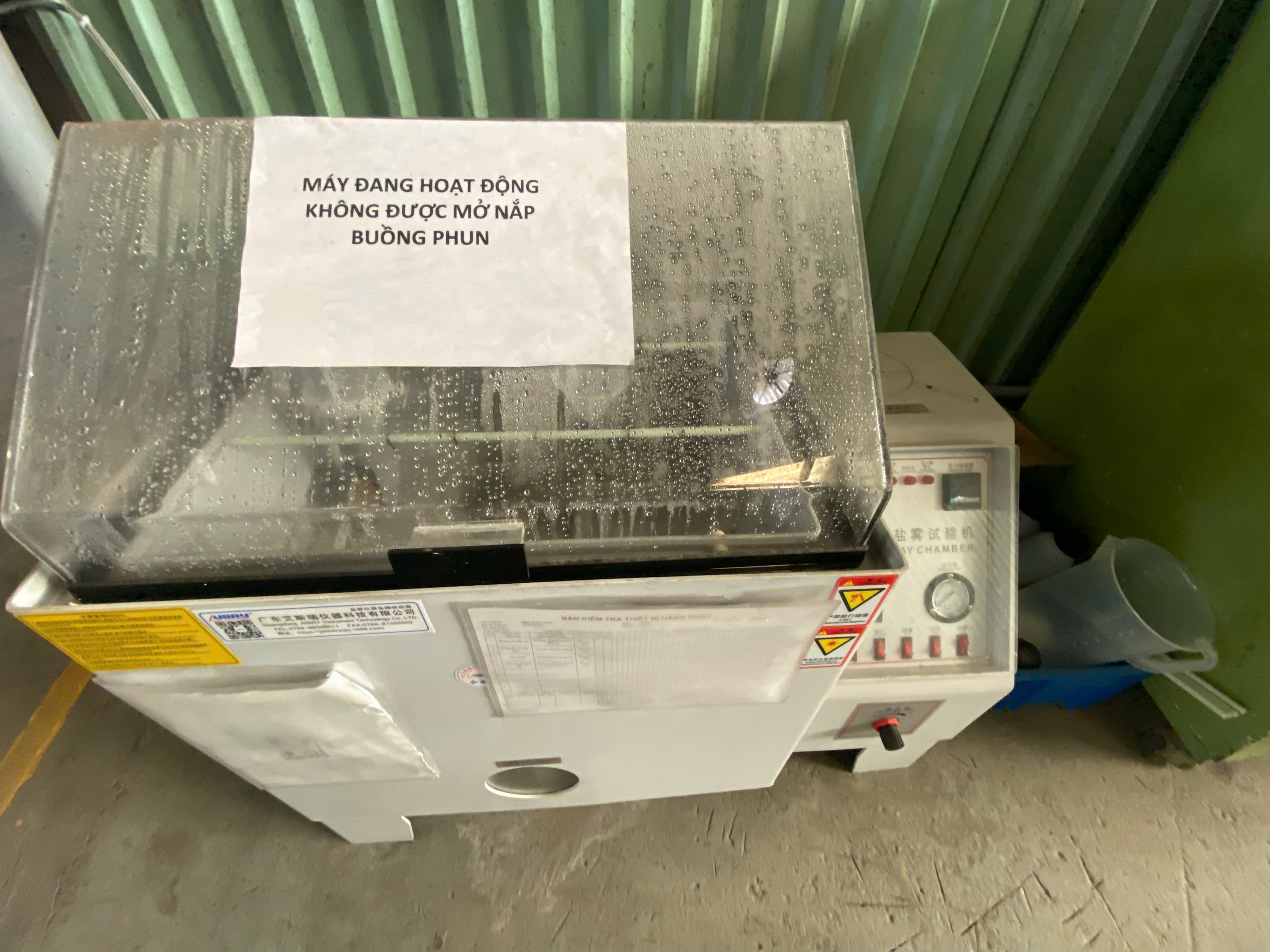
A supplier who prevents peeling looks different from one who merely reacts to it. The difference shows up in documents, habits, and questions—long before it shows up in parts. After years of auditing stamping and finishing plants across Vietnam and other Asian countries for our U.S. and European clients, I use a short practical framework.
Questions That Reveal Real Capability
Ask these before you send a purchase order:
- How do you verify degreasing effectiveness—by schedule, or by test (water-break test, wipe test)?
- What pretreatment chemistry do you use for my specific substrate, and how often are baths titrated?
- Do you measure part-metal temperature in the cure oven, or only air temperature?
- Where do you measure film thickness on complex geometry—flat faces only, or edges and bends?
- What adhesion test do you run on production parts, and at what frequency?
- Can you show me a control plan and PPAP documentation from a similar coated stamping project?
A capable supplier answers these in specifics. A weak supplier answers in generalities like "we have strict QC."
Red Flags Versus Green Flags
Watch for warning signs during an audit or sample review. Overflowing degreasing tanks with visible oil film. No titration records for pretreatment baths. Cure ovens with no recent temperature-mapping report. Adhesion tests done only on flat test panels, never on real formed parts. Any one of these predicts future peel-off claims.
On the other side, good signs include incoming surface inspection of stamped blanks, humidity control in the coating area, documented rework limits, and first-article adhesion testing at bends and edges. We built our own supplier audit checklist around exactly these points, because our business model depends on parts arriving right the first time. When a client is paying on open account terms and building our parts into their own product, a coating that flakes in their customer's hands is not just a quality issue—it is a relationship issue. So we qualify the process, not just the sample. A perfect golden sample proves very little; a controlled, documented process proves nearly everything.
Frequently Asked Questions
How Can I Identify the Root Cause of Coating Adhesion Failure on My Stamping Parts?
A U.S. purchasing manager once emailed me photos of flaking zinc-plated clips and asked one question: is it the plating shop or the stamping shop? My answer started with timing.
Why Does Surface Preparation Affect Coating Durability on My Custom Parts?
Early in one co-development project, we cut a supplier's degreasing time to speed up throughput. Adhesion test failures tripled within a week. That lesson cost us, and I never forgot it.
What Manufacturing Process Issues Should I Check When My Coating Keeps Peeling?
Balancing throughput against cure time is a trade-off I discuss with finishing partners on almost every project. Push parts through the oven faster, and you save cost—until the film comes back soft.
Have a STEP Model or 2D Drawing for This Project?
Share your drawing, material, quantity and finishing requirements to begin a manufacturing quote. Confirm pricing, delivery and inspection requirements during the review.
This article is part of DEWIN's technical manufacturing engineering knowledge base. Factory-specific details come from each factory's profile page — please verify current information there or with our team.