Every week, our team in Vietnam coordinates shipments of custom sheet metal parts bound for U.S. ports — and the CBP inspection requirements can catch even experienced importers off guard.
U.S. CBP inspection requirements for Vietnam sheet metal fabrication center on accurate Harmonized Tariff Schedule (HTS) codes classification, verified country of origin documentation, transshipment risk screening, compliance with Section 232 tariffs and anti-dumping duties, and proper Importer Security Filing (ISF) submission at least 24 hours before vessel loading.
The details matter. A single misclassified bracket or a missing origin certificate can trigger delays, penalties, or even seizure Harmonized Tariff Schedule (HTS) codes 1. Below, I walk through the specific documentation, origin proof, physical inspection triggers, and clearance strategies that apply to sheet metal imports from Vietnam.
What documentation must I provide to satisfy CBP requirements for my Vietnam sheet metal imports?
One lesson we learned early in our Vietnam operations is that CBP does not have a single checklist labeled "sheet metal." Instead, the documentation requirements pull from several overlapping regulations — and missing any one piece can hold your container at the port for weeks Welding procedure specifications (WPS) 2.
To satisfy CBP requirements for Vietnam sheet metal imports, you must provide a commercial invoice, packing list, bill of lading, correct HTS classification, country of origin certificate, Importer Security Filing (ISF), and — if applicable — melt and pour certification, material test reports, and third-party inspection certificates.
The Core Document Set
Let me break down the essential documents into two categories: what CBP requires by law and what CBP may request during a review.
| Document | Required by Law? | Purpose |
|---|---|---|
| Commercial Invoice | Yes | States value, quantity, HTS code, seller/buyer details |
| Packing List | Yes | Itemizes contents per carton or crate |
| Bill of Lading (B/L) | Yes | Proof of shipment and carrier details |
| Importer Security Filing (ISF) 3 | Yes | Must be filed 24 hours before vessel loading |
| Country of Origin Certificate | Yes | Confirms goods are manufactured in Vietnam |
| Melt and Pour Certification | Conditional | Required for certain steel products under Section 232 |
| Material Test Reports (MTR) | No, but recommended | Verifies steel grade, chemical composition |
| Third-Party Inspection Report | No, but recommended | Dimensional accuracy, coating thickness, weld quality |
HTS Classification: Get It Right the First Time
The Harmonized Tariff Schedule codes you assign determine your import duties and tariffs. For sheet metal fabricated parts, the two most common classifications are HTS 7308 (structures and parts of structures, of iron or steel) and HTS 7326 (other articles of iron or steel). The distinction depends on form and function. A structural mounting bracket that becomes part of a building frame typically falls under 7308. A standalone enclosure or decorative panel may land under 7326.
We always recommend verifying your HTS code with a licensed customs broker 4 before the first shipment. CBP can retroactively reclassify your goods and assess additional duties going back years. That is not a risk worth taking.
The ISF Filing Requirement
The Importer Security Filing — commonly called the "10+2 rule" — requires importers to submit ten data elements to CBP at least 24 hours before the vessel departs the foreign port. This includes the manufacturer's name and address, the seller, the buyer, the container stuffing location, and the HTS number. Late or inaccurate ISF filings can result in fines of $5,000 per violation. Our logistics team coordinates ISF submissions with our clients' customs brokers to prevent last-minute scrambles.
Melt and Pour Certification
For steel products subject to Section 232 tariffs 5, CBP may require documentation showing where the steel was melted and poured. This is separate from where it was fabricated. If your Vietnam supplier uses steel coils originally melted in China, that fact must be disclosed. The melt and pour certification traces the raw material back to its origin mill.
How can I prove my sheet metal parts are genuinely manufactured in Vietnam to avoid Section 301 duties?
A few years ago, a prospective client came to us after CBP flagged their previous supplier's shipments for suspected transshipment. The parts were labeled "Made in Vietnam," but the supplier could not produce a single welding log, material receipt, or facility photo. That experience cost them months of delays and tens of thousands in retroactive duties.
To prove genuine Vietnam manufacture and avoid Section 301 duties, importers must provide verifiable factory records — including material sourcing logs, fabrication process documentation, welding certifications, facility audit reports, and exporter origin certifications — demonstrating substantial transformation occurred in Vietnam, not merely repackaging of Chinese-origin goods.
Why CBP Is Watching Vietnam So Closely
CBP has intensified scrutiny of Vietnam-origin steel imports because of a well-documented pattern: some exporters ship Chinese sheet metal to Vietnam, perform minimal processing (like trimming or repackaging), and then re-export it to the U.S. with Vietnam origin markings. This circumvents anti-dumping duties and Section 301 tariffs that apply to Chinese steel products. CBP's Enforce and Protect Act (EAPA) investigations 6 have targeted multiple such schemes.
The country of origin regulations 7 under U.S. law require that goods undergo "substantial transformation" in the declared country of origin. For sheet metal fabrication, this generally means that cutting, bending, welding, machining, and finishing operations must occur in Vietnam — not just labeling.
What Constitutes Substantial Transformation
Here is a practical guide to what CBP considers sufficient versus insufficient transformation:
| Activity in Vietnam | Likely Qualifies as Substantial Transformation 8? | Notes |
|---|---|---|
| Laser cutting raw steel sheets into custom shapes | Yes | Changes the form and function of the material |
| CNC bending and forming into brackets or enclosures | Yes | Creates a new article with distinct purpose |
| MIG/TIG welding multiple components into an assembly | Yes | Joins parts into a new, functional product |
| Powder coating or surface treatment | Alone, no | Finishing alone does not change the article's classification |
| Repackaging Chinese-made parts | No | This is the classic transshipment red flag |
| Assembling sub-components with fasteners only | Maybe | Depends on complexity; simple bolting may not qualify |
Building a Compliant Origin File
Our Vietnam office maintains what we call an "origin file" for every project. This file includes:
- Raw material purchase orders showing steel sourced from Vietnamese or non-Chinese mills
- Mill test certificates with heat numbers traceable to the melting facility
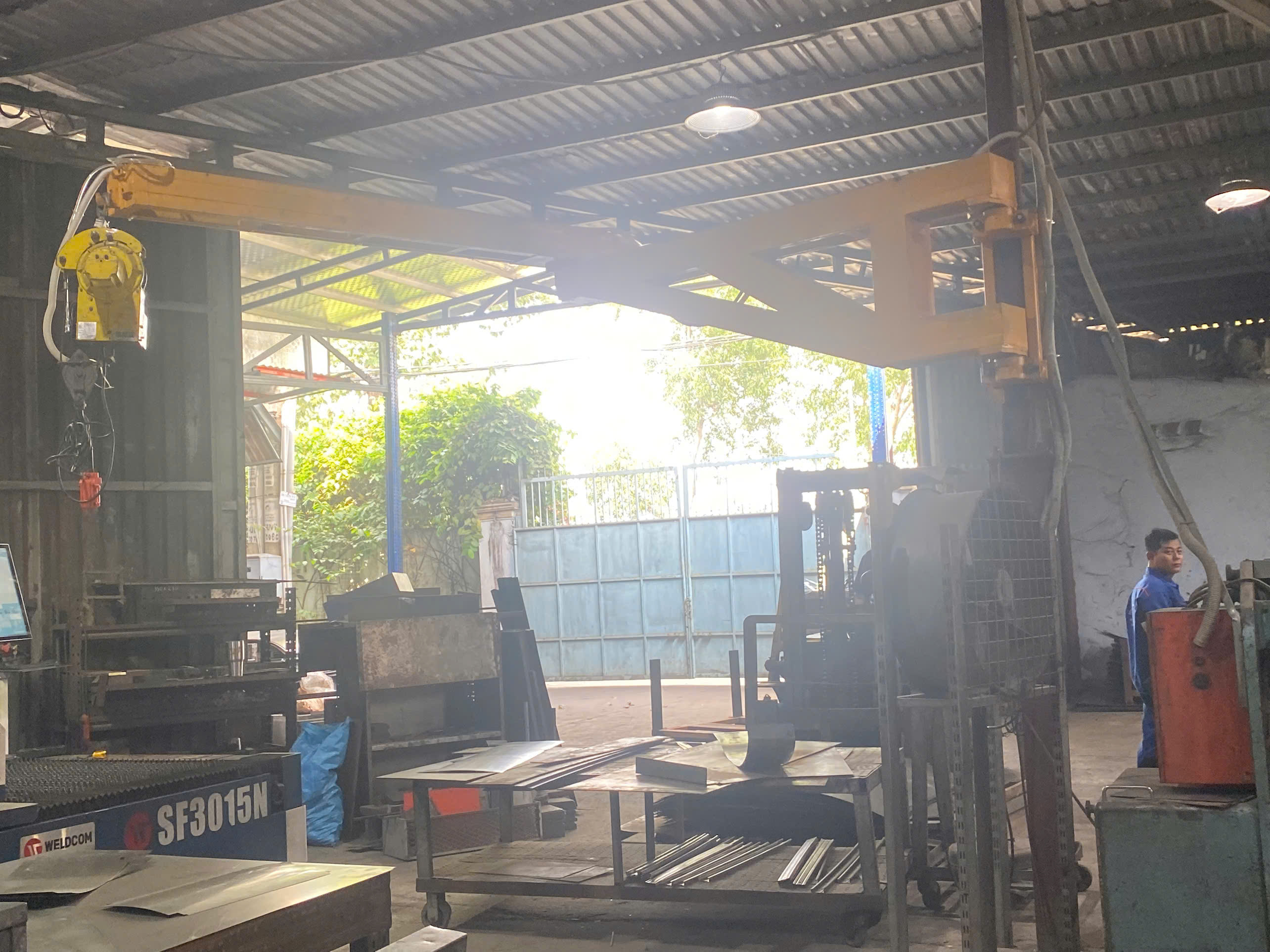
- Fabrication process photos at each stage (cutting, bending, welding, finishing)
- Welding procedure specifications (WPS) per AWS D1.1 or equivalent
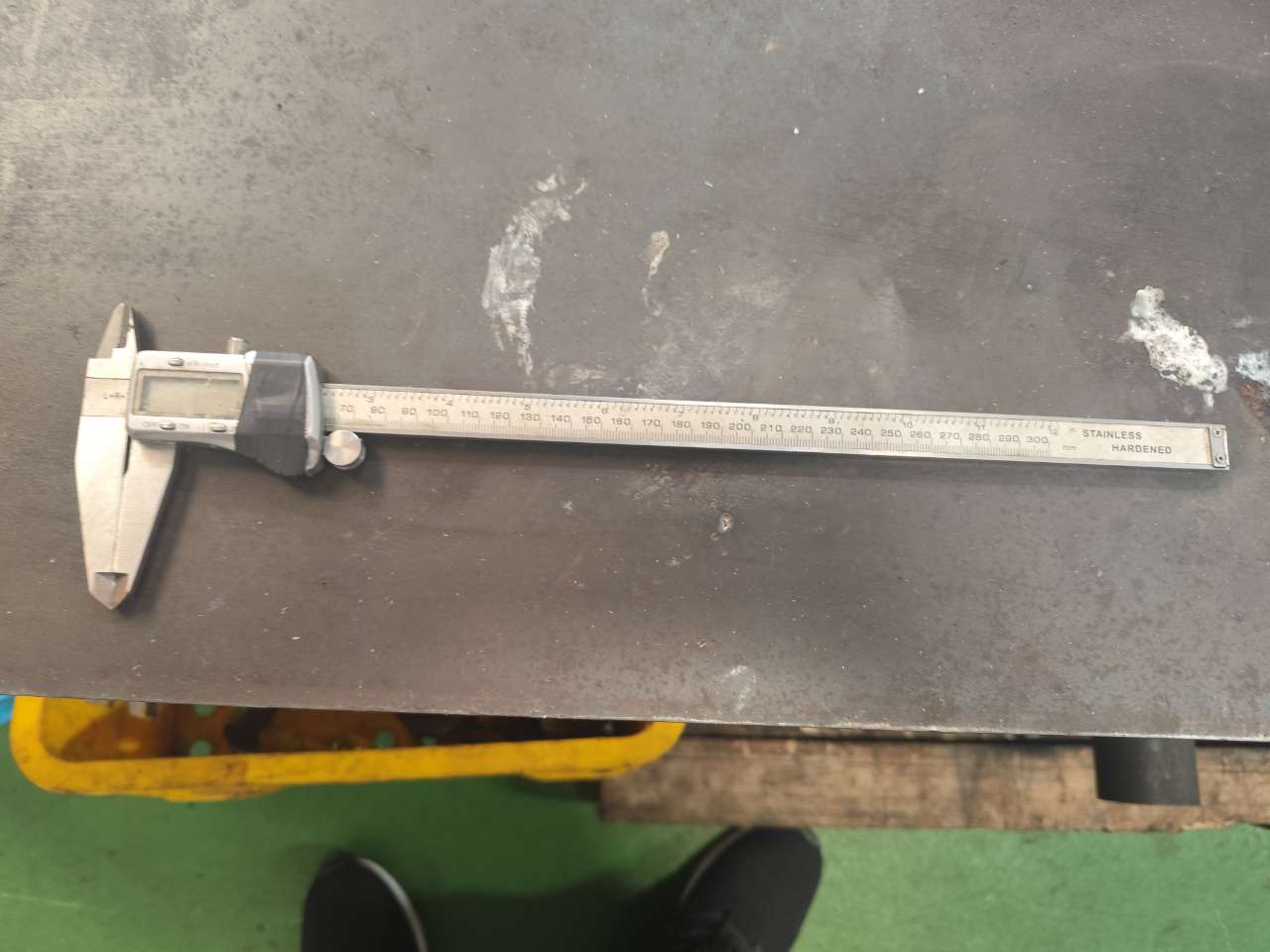
- Dimensional inspection reports with timestamps
- Facility audit records from our internal quality team or third-party auditors
This level of supply chain transparency is not optional — it is what CBP expects. If you cannot produce these records during a post-clearance audit, CBP can reclassify your goods as Chinese-origin and apply the full AD/CVD rate retroactively.
Transshipment Risks: Red Flags to Watch
CBP agents are trained to spot inconsistencies. Shipments that follow unusual routing (e.g., China to Vietnam to the U.S. with minimal transit time in Vietnam) raise immediate questions. Other transshipment risks include suppliers who cannot provide facility addresses, factories that lack the equipment to perform the declared operations, and invoices that show suspiciously low value-added in Vietnam.
Will my custom sheet metal components undergo physical inspections by CBP, and what are they looking for?
When one of our first structural bracket shipments arrived in Los Angeles, the container was pulled for a random physical inspection. The process took four extra days — but because every piece was labeled, every document was in order, and every weld matched the drawing, the goods cleared without issue. That experience shaped how we prepare every shipment today.
Yes, custom sheet metal components may undergo CBP physical inspections. Agents look for correct country-of-origin markings, consistency between declared and actual goods, accurate HTS classification, material composition verification, evidence of transshipment, and compliance with safety or regulatory standards for specific end-use applications.

How CBP Decides What to Inspect
CBP uses a risk-based targeting system. Not every container gets opened. But certain triggers increase the likelihood of a physical inspection:
- First-time importers or new supplier relationships
- High-risk commodity codes (steel products are flagged more often due to AD/CVD concerns)
- Inconsistent documentation (e.g., weight on the packing list does not match the bill of lading)
- Random selection through CBP's automated targeting system
- Intelligence-driven targeting based on ongoing EAPA or trade compliance investigations
On the Vietnam export side, only about 5% of merchandise undergoes random customs inspection. But that low rate at the origin does not reduce your exposure at the U.S. port of entry.
What Inspectors Actually Check
During a physical inspection, CBP officers compare the physical goods against the declared information. Here is what they examine:
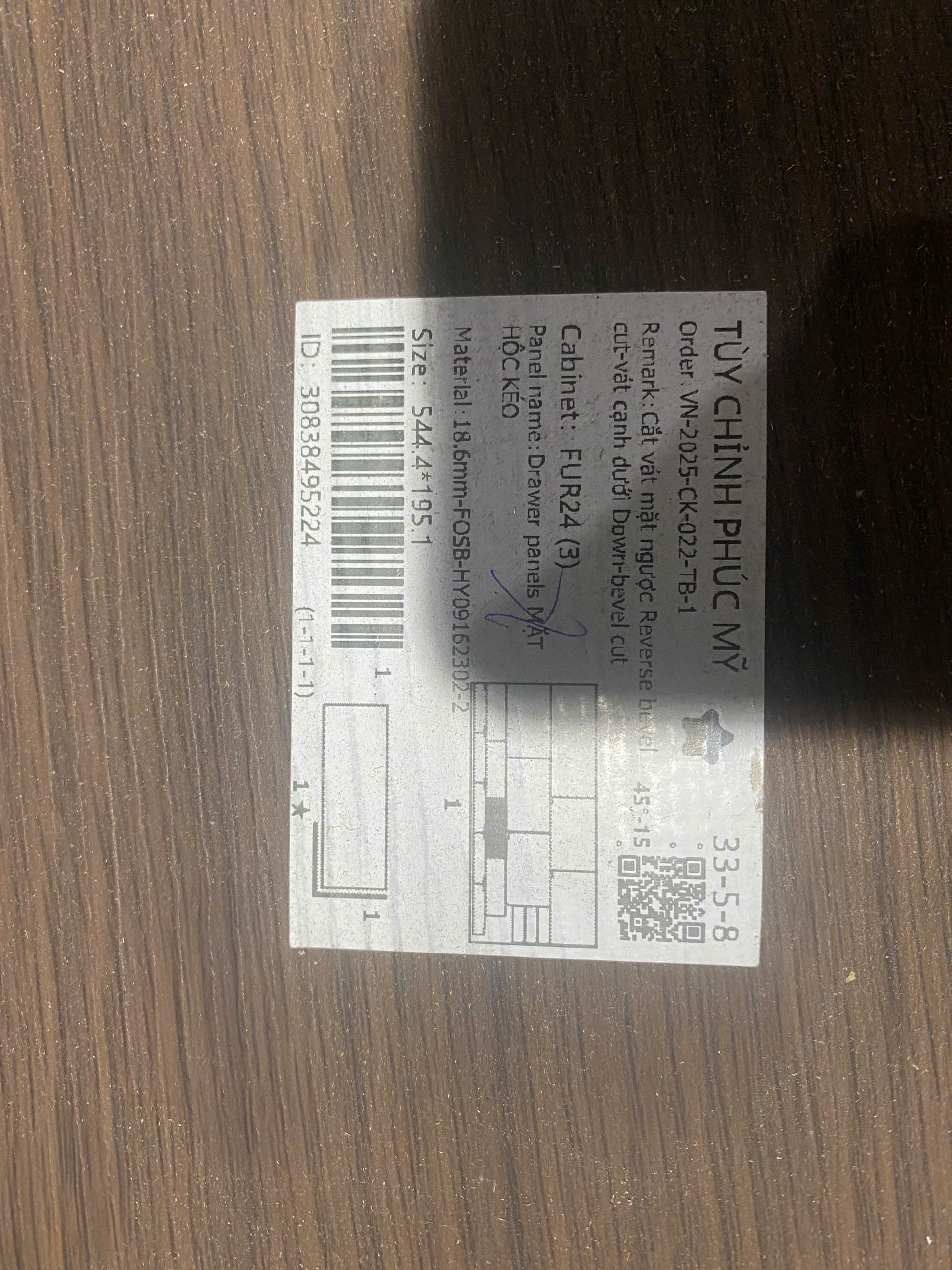
Country-of-origin markings. Every article must be clearly and permanently marked with its country of origin. For sheet metal parts, this typically means stamping, engraving, or labeling "Made in Vietnam" on each piece. Unmarked goods can be detained or returned.
Product description versus HTS code. If you declared HTS 7326 but the inspector sees structural steel beams, your classification is wrong. Officers note dimensions, material type, hole patterns, joining methods, and functional characteristics.
Material composition. For steel products under Section 232 tariffs (currently 25% for steel), CBP may verify the steel grade. Portable XRF analyzers can identify alloy composition on the spot.
Signs of transshipment. Officers look for Chinese-language markings underneath Vietnam labels, shipping documents from Chinese ports tucked inside containers, or packaging materials traceable to Chinese suppliers.
Regulatory compliance. If your sheet metal parts are destined for regulated applications — aerospace, construction, electrical enclosures — CBP may check for required certifications such as UL listings, AISC compliance, or ISO 9001 documentation.
Forced Labor Screening Under UFLPA
A newer dimension of CBP inspection involves the Uyghur Forced Labor Prevention Act (UFLPA) 9. Even if fabrication occurs entirely in Vietnam, CBP may question whether the raw steel originated from a facility linked to forced labor in China's Xinjiang region. Importers should be prepared to trace their raw material origins through multiple tiers of the supply chain.
| Inspection Trigger | What CBP Looks For | How to Prepare |
|---|---|---|
| First-time importer | Overall documentation accuracy | Work with an experienced customs broker |
| Steel commodity code | Section 232 compliance, AD/CVD exposure | Have melt and pour certificates ready |
| Random selection | General compliance check | Ensure markings, labels, and documents are consistent |
| EAPA investigation | Transshipment evidence | Maintain full fabrication records and facility audit reports |
| UFLPA screening | Raw material origin tracing | Obtain mill certificates with heat numbers and mill locations |
How do I ensure my Vietnam-sourced metal parts clear U.S. Customs without unexpected delays or penalties?
The trade-off we weigh on every project is straightforward: invest time upfront in compliance preparation, or risk paying far more in delays, storage fees, and penalty assessments later. In our experience coordinating shipments from Vietnam to U.S. ports, the importers who clear customs clearance procedures smoothly are the ones who treat compliance as a continuous process — not a last-minute task.
To ensure Vietnam-sourced metal parts clear U.S. Customs without delays or penalties, importers should verify HTS codes before shipping, file ISF on time, maintain complete origin and quality documentation, work with experienced customs brokers, monitor evolving tariff policies, and retain all records for at least five years.
A Practical Compliance Workflow
Here is the step-by-step process we follow for every sheet metal fabrication shipment from Vietnam:
Step 1: Pre-production HTS verification. Before fabrication begins, we confirm the correct HTS code with the client's customs broker. This avoids the nightmare scenario of finishing production only to discover the classification triggers unexpected import duties and tariffs.
Step 2: Raw material sourcing documentation. We collect mill test certificates and purchase orders for all steel used in fabrication. If the steel was melted and poured outside Vietnam, we document that clearly.
Step 3: In-process quality records. During fabrication, our Vietnam team photographs each stage and records key process data — welding parameters, bend angles, dimensional checks. These records serve double duty: they satisfy both quality requirements and origin verification needs.
Step 4: Final inspection and packing. Before shipment, we perform a final inspection against the customer's drawings. Every part is checked for dimensional accuracy, surface finish, and correct country-of-origin marking. We use inspection reports that align with PPAP (Production Part Approval Process) standards when required. Production Part Approval Process (PPAP) standards 10
Step 5: ISF filing coordination. We provide all ten required ISF data elements to the client's customs broker at least 48 hours before vessel departure — giving a buffer beyond the legal 24-hour minimum.
Step 6: Post-clearance record retention. All documents are retained for a minimum of five years, in line with CBP's post-clearance audit window.
Staying Ahead of a Shifting Tariff Landscape
The U.S. tariff landscape for Vietnamese goods is highly dynamic. Section 232 tariffs on steel remain at 25%. Anti-dumping duties on specific Vietnamese steel products have been assessed. And the broader trade policy environment — including IEEPA tariffs, Section 122 global tariffs, and potential new reciprocal tariffs — changes frequently.
We monitor these developments weekly. When a tariff change affects a client's product category, we notify them immediately so they can adjust pricing, sourcing, or timing.
Emerging Trends: Digital Documentation and Environmental Compliance
Looking ahead, trade compliance is moving digital. Blockchain-based origin records, AI-powered HTS classification tools, and automated compliance checks are becoming mainstream. Some early-adopter importers are already using digital platforms that link fabrication data directly to customs filing systems.
Environmental compliance is another frontier. While CBP does not yet require carbon footprint data for steel imports, several legislative proposals would mandate it. Forward-thinking importers are asking their Vietnam suppliers for sustainability data now, before it becomes a legal requirement.
Why Your Choice of Supply Chain Partner Matters
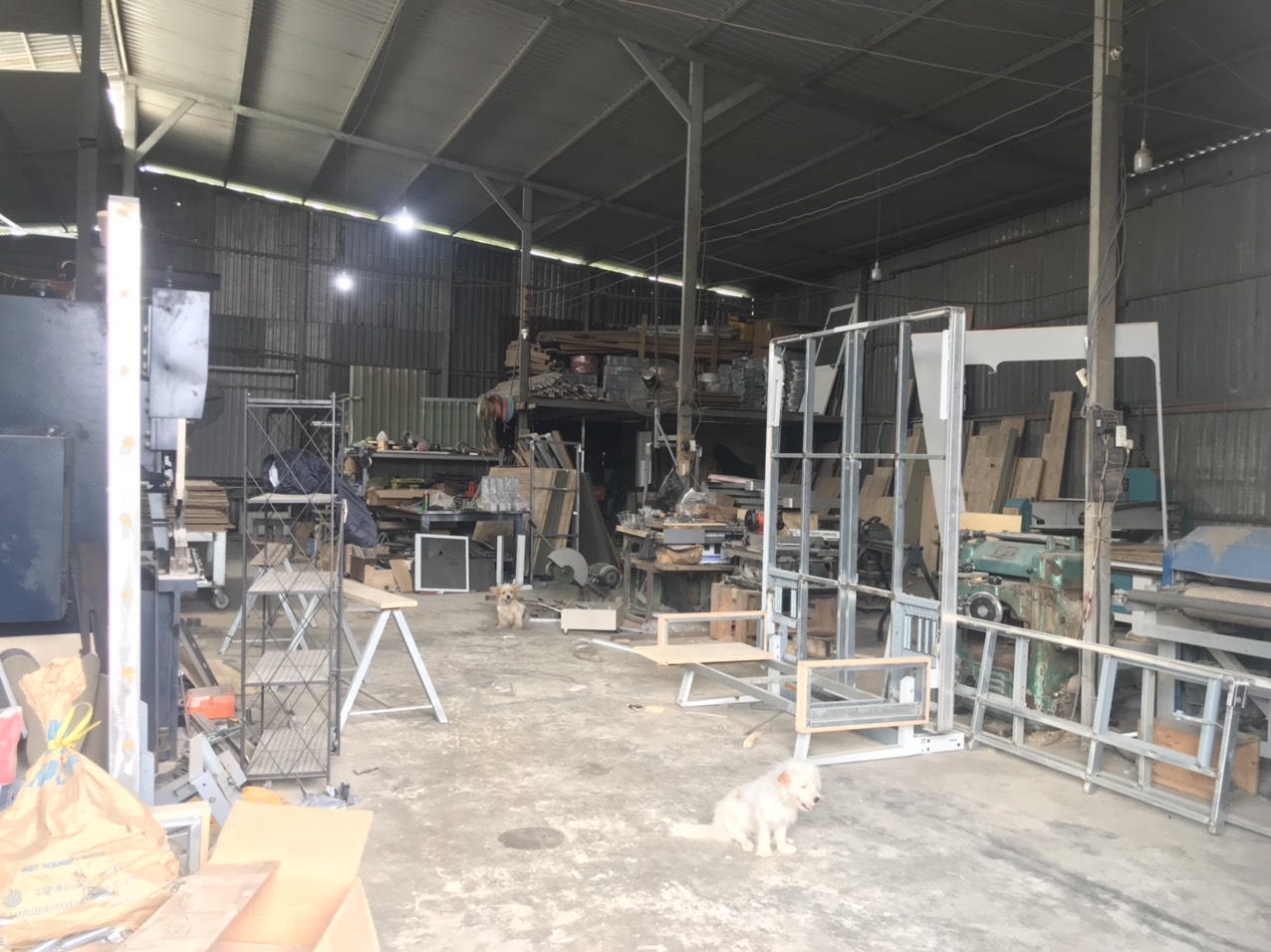
The complexity of customs clearance procedures for Vietnam sheet metal fabrication is exactly why many U.S. buyers work with an intermediary who has boots on the ground. Our Vietnam office — staffed with seven people who know the local export customs process, the fabricators, and the documentation requirements — acts as the bridge between the factory floor and the U.S. port. We handle the supplier audits, the process control, the final inspection, and the logistics coordination. That end-to-end visibility is what prevents the surprises.
Conclusion
Importing Vietnam sheet metal fabrication into the U.S. demands accurate HTS classification, verified origin documentation, ISF compliance, and readiness for physical inspections — all managed proactively to avoid costly delays and penalties.
Frequently Asked Questions
What documentation must I provide to satisfy CBP requirements for my Vietnam sheet metal imports?
One lesson we learned early in our Vietnam operations is that CBP does not have a single checklist labeled "sheet metal." Instead, the documentation requirements pull from several overlapping regulations — and missing any one piece can hold your container at the port for weeks Welding procedure specifications (WPS) 2 .
How can I prove my sheet metal parts are genuinely manufactured in Vietnam to avoid Section 301 duties?
A few years ago, a prospective client came to us after CBP flagged their previous supplier's shipments for suspected transshipment. The parts were labeled "Made in Vietnam," but the supplier could not produce a single welding log, material receipt, or facility photo. That experience cost them months of delays and tens of thousands in retroactive duties.
Will my custom sheet metal components undergo physical inspections by CBP, and what are they looking for?
When one of our first structural bracket shipments arrived in Los Angeles, the container was pulled for a random physical inspection. The process took four extra days — but because every piece was labeled, every document was in order, and every weld matched the drawing, the goods cleared without issue. That experience shaped how we prepare every shipment today.
Footnotes
1. Replaced with the official, interactive Harmonized Tariff Schedule search tool from the U.S. International Trade Commission. ↩︎
2. Provides the standard for qualifying welding procedures and performance. ↩︎
3. Explains the mandatory Importer Security Filing (10+2 rule) for ocean cargo imports. ↩︎
4. Defines the role and responsibilities of professionals licensed by CBP to assist importers. ↩︎
5. Details the national security tariffs imposed on steel and aluminum imports. ↩︎
6. Describes CBP’s authority and procedures for investigating duty evasion. ↩︎
7. Outlines the U.S. Customs and Border Protection rules for determining country of origin. ↩︎
8. Replaced with an authoritative explanation of ‘substantial transformation’ from the International Trade Administration (.gov source). ↩︎
9. Explains the U.S. law prohibiting imports made with forced labor from Xinjiang. ↩︎
10. Describes a standardized process for approving production parts, especially in the automotive industry. ↩︎