

Classification standards for stamping parts confuse many buyers I meet SIC 3469 1. One vague drawing note, and our team has watched entire appliance shipments get rejected at final inspection.
Home appliance stamping parts are classified by function (structural, visible, precision, safety-related), dimensional tolerance grade (F, M, C), surface quality grade, material specification (e.g., 304, 430 stainless), tooling class, and compliance requirements such as UL, CE, RoHS, REACH, and IEC 60335-1.
That sounds like a lot of layers. It is. But once you see how the layers stack, specifying a part becomes simple. Let me walk you through each one.
How Do I Classify Stamping Parts Used in Different Home Appliance Components?
A few years back, our Vietnam team audited a supplier who inspected refrigerator door panels and hidden brackets to the same standard. That single mistake doubled their inspection cost for no benefit.
Classify appliance stamping parts into four practical groups: structural parts (frames, brackets, chassis), visible external parts (doors, panels, trim), precision internal parts (clips, connectors, mounts), and safety-related parts (grounded enclosures, shielding). Each group carries different tolerance, surface, and certification expectations.
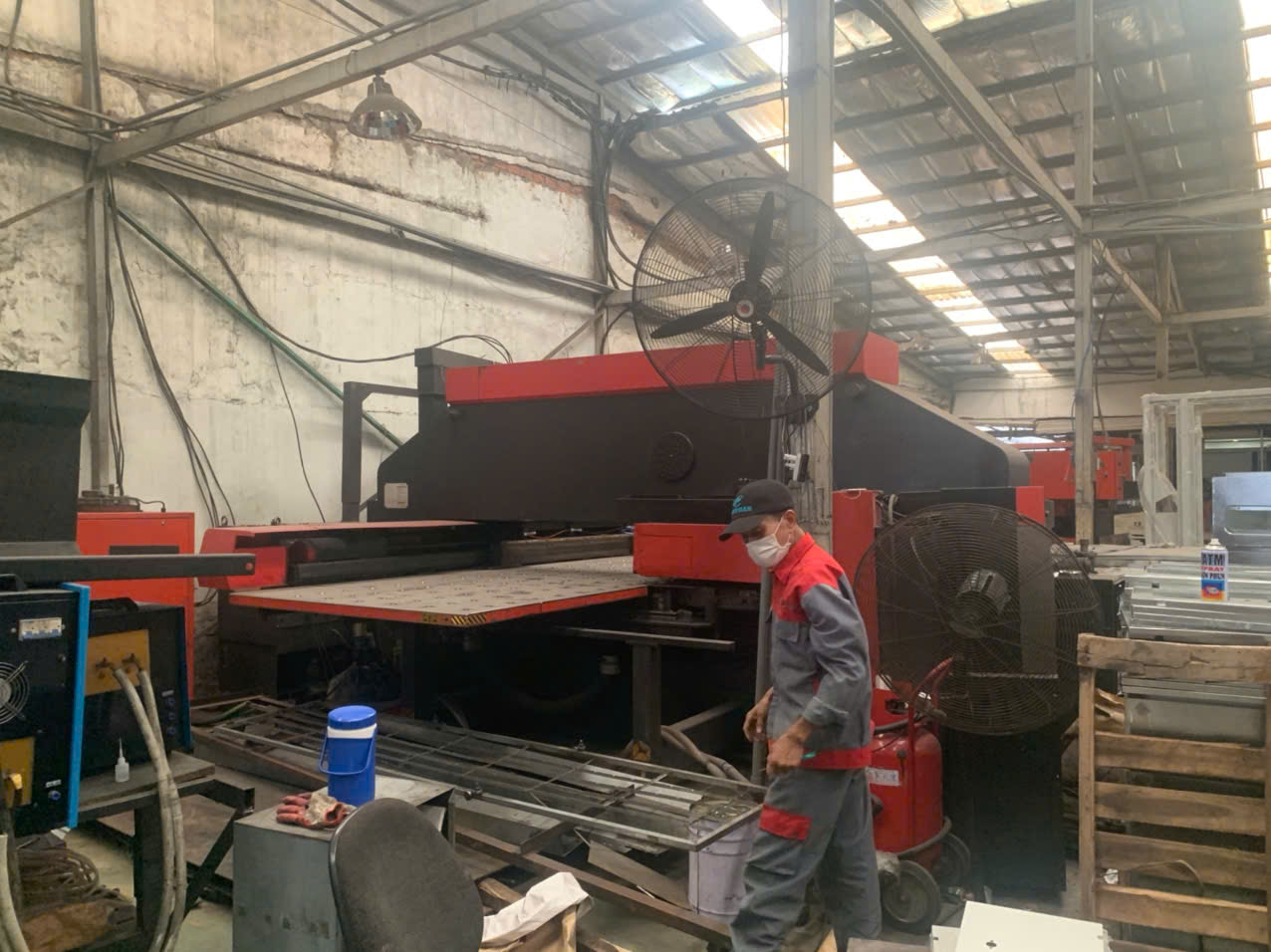
The functional classification is the most useful starting point because it links each part directly to its quality expectations. When we quote a project, this is the first question our engineers ask: where does this part live inside the appliance?
The Four Core Categories
Here is how the categories break down in real appliance builds:
| Category | Typical Parts | Priority Concern | Inspection Focus |
|---|---|---|---|
| Structural | Frames, brackets, supports, reinforcements | Strength, fit | Key dimensions only |
| Visible external | Refrigerator doors, washer front covers, oven panels | Cosmetics, flatness | Full surface inspection |
| Precision internal | Clips, connectors, switch components, mounts | Tight tolerance, repeatability | Statistical dimension control |
| Safety-related | Grounded enclosures, protective covers, heat brackets | Compliance, material traceability | Certification and documentation |
Other Classification Layers That Sit on Top
Function is not the only lens. Buyers also see parts classified by process type — blanking, bending, deep drawing 2, embossing, flanging. A flat 2D bracket is simpler and cheaper than a multi-step 3D drawn housing that needs a progressive die. Complexity matters for cost and lead time.
There is also industry-level classification. Metal stampings for appliances fall under broad commercial codes like SIC 3469 3, which explicitly covers household appliance housings and parts. That code helps with market research, but it tells you nothing about how to engineer a specific part.
My advice is simple. Start with function. Then layer on tolerance, surface, material, and compliance. In our experience managing projects from Vietnam and other Asian sources for U.S. clients, drawings that state the part's category up front get quoted faster and produced right the first time.
What Quality Standards Should I Require for Home Appliance Stamping Parts?
The hardest conversation I have with new suppliers is about tolerance grades. Many quote a price before reading the tolerance block on the drawing, and the gap shows up at PPAP.
Require a defined tolerance grade (GB/T 15055 F, M, or C, or ISO equivalent), a stated cosmetic grade for visible surfaces, AQL sampling levels (0% for safety-critical, 0.65–1.0 for major, 2.5 for minor defects), and an ISO 9001 quality system as the baseline.
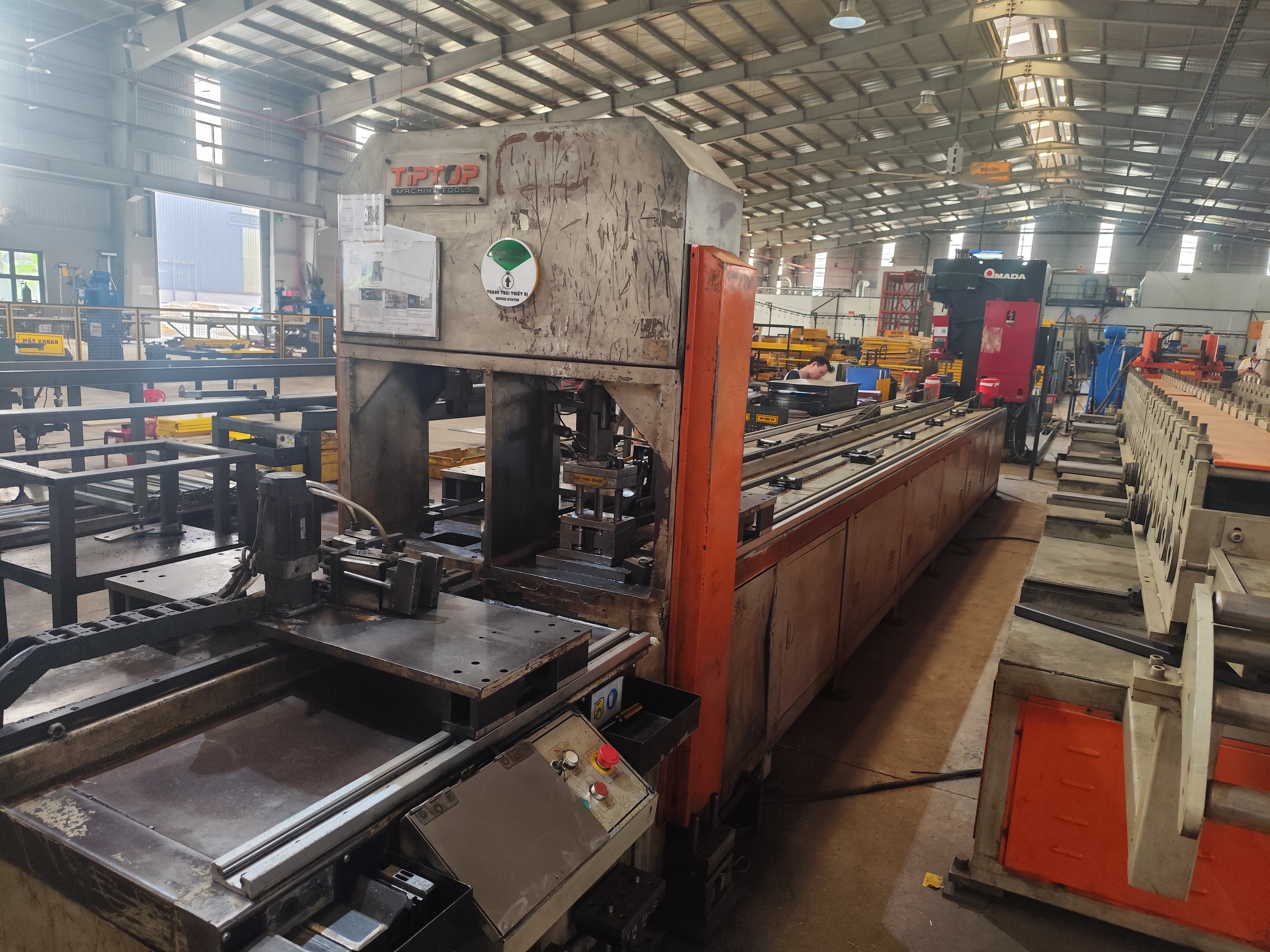
Quality standards for appliance stampings split into three areas: dimensional accuracy, surface quality, and quality-system control. Each one needs to appear on your specification, or the supplier will pick the cheapest interpretation.
Tolerance Grades
GB/T 15055-2021 is a widely used basic standard in stamping manufacturing. It defines tolerance grades F, M, and C. The pattern looks like this:
| Grade | Typical Tolerance Example | Typical Use |
|---|---|---|
| F (Fine) | ±0.05 mm | High-precision electronic and connector parts |
| M (Medium) | ±0.3 mm | Covering panels and mating features |
| C (Coarse) | ±1.4 mm | General structural shells and brackets |
Appliance parts usually span the middle of this range. Mating and alignment features need tighter control. Large structural shells can run looser. When we review drawings for clients, we flag any dimension without a grade, because ambiguity is where rework starts.
Surface Quality and Cosmetic Grades
Visible panels typically demand A-grade surface quality. Decorative appliance surfaces often target roughness around 0.2–0.8 µm, while sealing surfaces may allow 0.4–1.6 µm. Scratch limits, viewing distance, and lighting conditions should all be defined in a cosmetic inspection standard agreed before production.
AQL and Process Control
For high-volume appliance production, define AQL levels 4 by defect class. Safety-critical defects get zero tolerance. Major functional defects run at 0.65–1.0 AQL. Minor cosmetic issues can sit at 2.5 AQL. On top of sampling, ask for process controls: first-article inspection, in-process checks, and final inspection reports. This is the "right first time" discipline our clients in the U.S. expect, and it is far cheaper than sorting containers after arrival.
Which Materials Are Best Suited for My Home Appliance Stamping Part Classifications?
One trade-off we weigh on nearly every appliance sourcing project is stainless grade versus coated carbon steel. The wrong call either wastes budget or corrodes in a humid kitchen.
Match the material to the part class: 304 stainless for visible wet-environment panels, 430 stainless for decorative dry-area surfaces, galvanized or cold-rolled steel for hidden structural brackets, and aluminum or copper alloys for thermal and electrical components. Specify by AISI, ASTM, or EN standards.

Material classification is half of the standard behind any stamped part. A drawing that says "stainless steel 5" without a grade is an open invitation to substitution. Our engineers have caught 201 stainless shipped where 304 was intended, and the difference only shows up months later as corrosion spots on a customer's product.
Common Materials by Part Category
| Material | Standard Reference | Best For | Watch Out For |
|---|---|---|---|
| 304 stainless | AISI/ASTM/EN | Visible panels, wet zones, food contact areas | Higher cost; verify with material certs |
| 316 stainless | AISI/ASTM/EN | High-corrosion or coastal-market appliances | Premium price; rarely needed indoors |
| 430 stainless | AISI/ASTM/EN | Decorative trim in dry areas | Lower corrosion resistance than 304 |
| 201 stainless | AISI/ASTM/EN | Cost-driven, low-exposure parts | Often passed off as 304; test it |
| Galvanized steel | ASTM/EN coating class | Hidden brackets, chassis, frames | Coating damage at cut edges |
| Cold-rolled steel | ASTM/JIS/EN | Painted or powder-coated structural parts | Needs finishing to resist rust |
| Aluminum alloy | ASTM/EN | Lightweight housings, heat-related parts | Softer; scratches easily on visible faces |
Finish Classification Matters Too
Surface treatment is its own classification layer. Electroplating, powder coating, anodizing, and painting each carry their own thickness, adhesion, and salt-spray requirements. A galvanized bracket hidden inside a washer needs only basic coating verification. A powder-coated oven side panel needs color matching, gloss level, and adhesion testing.
Formability also drives the choice. Deep-drawn parts need ductile grades. Simple bent brackets tolerate harder, cheaper material. When we co-develop parts with clients, we often suggest a material change early in the design stage that cuts cost without touching performance. That conversation is much cheaper before the tooling is built.
How Can I Choose the Right Supplier Based on These Stamping Part Classification Standards?
A purchasing manager once told me his biggest frustration: suppliers who nod at every drawing requirement, then miss the critical ones in production. Our supplier audits exist precisely to prevent that.
Choose a supplier by matching their tooling class, tolerance capability, cosmetic inspection process, material traceability, and compliance documentation (UL, CE, RoHS, REACH, IEC 60335-1) to your part classifications. Verify with an on-site audit, sample validation, and PPAP before committing volume.

The classification standards only protect you if the supplier can actually meet them. Capability claims on a website prove nothing. Here is the evaluation process we run when qualifying stamping suppliers across Vietnam and other Asian countries for our U.S. clients.
A Five-Step Qualification Process
- Map your parts to classes first. List each part's category, tolerance grade, surface grade, material spec, and certifications. This becomes your audit checklist.
- Check tooling capability. Dies are commonly grouped into Class A, B, and C. Class A tooling suits high-volume production, complex geometry, and large visible panels. A supplier running only Class C dies cannot hold cosmetic consistency on a million-cycle appliance program.
- Audit the quality system. ISO 9001 6 is the baseline for appliance work. Automotive-grade IATF 16949 is a bonus, not a requirement — do not pay for certifications your parts do not need. What matters is real process control: incoming material checks, in-process SPC, and documented final inspection.
- Verify compliance documentation. For parts in electrical enclosures or grounding paths, confirm the supplier understands IEC 60335-1 7 implications and can support UL, CE, RoHS, REACH, and CCC documentation for your target markets.
- Run PPAP before volume. First articles, material certifications, dimensional reports, and capability studies. We insist on this step for every new part, because catching a problem at PPAP costs days; catching it at your dock costs a quarter.
Red Flags Worth Walking Away From
Watch for suppliers who quote without asking about surface grade, who cannot produce material certs on request, or who resist third-party inspection. In my experience, communication quality during quoting predicts communication quality during a crisis. On-time delivery, honest capacity answers, and willingness to sign off on a cosmetic boundary-sample agreement matter as much as the price per piece.
Conclusion
Appliance stamping parts follow stacked standards: function, tolerance, surface, material, tooling, and compliance. Specify each layer clearly, verify suppliers rigorously, and rejected shipments become a solved problem.
Frequently Asked Questions
How Do I Classify Stamping Parts Used in Different Home Appliance Components?
A few years back, our Vietnam team audited a supplier who inspected refrigerator door panels and hidden brackets to the same standard. That single mistake doubled their inspection cost for no benefit.
What Quality Standards Should I Require for Home Appliance Stamping Parts?
The hardest conversation I have with new suppliers is about tolerance grades. Many quote a price before reading the tolerance block on the drawing, and the gap shows up at PPAP.
Which Materials Are Best Suited for My Home Appliance Stamping Part Classifications?
One trade-off we weigh on nearly every appliance sourcing project is stainless grade versus coated carbon steel. The wrong call either wastes budget or corrodes in a humid kitchen.
Footnotes
1. Government SIC manual verifying this classification code for appliance housings and parts. ↩︎
2. Background reference explaining this metal forming process type mentioned in classification. ↩︎
3. Links to official SIC code reference explaining household appliance housing classification codes. ↩︎
4. Background explanation of acceptable quality limit sampling referenced for defect classes. ↩︎
5. General reference on stainless steel material properties relevant to grade substitution risk. ↩︎
6. Official ISO reference for the quality management baseline discussed for appliance suppliers. ↩︎
7. IEC is the standards body publishing this household appliance safety standard. ↩︎