Every week, our engineering team fields requests from U.S. buyers who need custom sheet metal parts 1 that look as good as they perform—but finding a supplier who delivers consistent color, texture, and branding across thousands of units is a real struggle.
Sheet metal fabrication offers extensive customization options for color, texture, and logos, including powder coating in over 100 standard colors, anodizing, mechanical texturing like brushing and bead blasting, and logo application via laser engraving, silk screen printing, or embossing—all tailored to meet precise aesthetic and functional requirements.
Below, I will walk you through each customization category in detail. You will learn which finish suits your project, how to match colors across batches, and which logo method gives you the best result for your branded components.
How can I choose the right powder coating or plating colors for my custom sheet metal parts?
A buyer from the Midwest once sent us a Pantone chip taped to an envelope and asked if we could match it exactly on 3,000 aluminum enclosures—that single request taught our team how critical color selection is to the success of a project.
To choose the right powder coating or plating colors, start with your end-use environment and brand guidelines, then select from standard RAL or Pantone palettes for cost efficiency, or request custom color formulation if your project meets minimum volume thresholds—typically around 5,000 pounds of material.
Understanding Your Color Systems
Color selection is not just about aesthetics. It affects corrosion resistance, UV stability, and how the part looks after years of use. Two dominant color-matching systems exist: RAL 2 (European standard) and Pantone (global print and industrial standard). Most powder coating 3 suppliers stock colors mapped to both systems.
When we source custom metal finishes for our clients, we first ask three questions. What is the operating environment? Is this an indoor or outdoor part? Does the color need to match an existing product family? The answers narrow the field fast.
Powder Coating vs. Plating vs. Anodizing
Each surface treatment method delivers color differently. Here is a quick comparison:
| Method | Best For | Color Range | Durability | Typical Cost |
|---|---|---|---|---|
| Powder Coating | Steel, aluminum, stainless | 100+ standard colors, custom match | High UV and scratch resistance | Low to moderate |
| Anodizing 4 | Aluminum only | Black, clear, blue, red, gold, green | Excellent wear and corrosion resistance | Moderate |
| Electroplating (zinc, nickel, chrome) | Steel, brass, copper | Metallic tones only (silver, gold, black) | Good corrosion resistance | Moderate to high |
| E-coating | Steel, iron | Primer colors (black, grey) | Excellent base-layer protection | Low |
Powder coating is the most versatile option. It can achieve matte, semi-gloss, gloss, and textured finishes. It also handles custom color formulation well. If your project uses aluminum and you want color integrated directly into the protective oxide layer, anodizing is the better choice.
Standard vs. Custom Color Orders
Standard palettes give you over 100 options. That covers most branding needs. But if you need a color that does not exist in the catalog—say a specific corporate blue with a satin finish—a paint manufacturer can formulate it from scratch using spectrophotometer matching.
The catch? Custom color orders usually require a minimum of around 5,000 pounds of coated material. For smaller runs, we recommend selecting the closest standard match and requesting a physical sample panel before committing to production. This saves time and money.
Special Effect Finishes
Metallic finishes like gold, silver, and brass are achievable through powder coating. More exotic options include color-shifting polychromatic paints, woodgrain textures, and patina effects. These are harder to source and often limited to specific coating vendors, but they open the door to unique aesthetic appeal for consumer-facing products.
Material selection matters here. Galvalume and galvanized steel accept paint differently than bare aluminum. Our supply chain team always confirms substrate compatibility before locking in a finish specification.
What surface texture options are available to ensure my metal enclosures meet professional aesthetic standards?
One lesson we learned early in our Vietnam facility was that two parts can share the same color but feel completely different in the hand—texture is what separates a prototype-quality enclosure from a product that looks and feels production-ready.
Surface texture options for sheet metal enclosures include bead blasting for a uniform matte finish, brushed finishes for directional grain, polishing for mirror-like shine, hammered textures for visual depth, and textured powder coatings that hide fingerprints and minor imperfections while enhancing corrosion resistance.
Why Texture Matters Beyond Looks
Texture is both functional and aesthetic. A brushed finish 5 on a stainless steel panel hides fingerprints in a way a polished surface never can. A bead-blasted aluminum housing improves paint adhesion for downstream powder coating. Texture also influences how a part feels during assembly and end use.
When our engineers review a client's drawing, we check for texture callouts early. Missing or vague surface finish specifications are one of the top causes of rejected first articles. Getting texture right the first time is part of our "right first time" quality philosophy.
Mechanical Texturing Methods
Here are the most common mechanical surface treatment options:
| Method | Resulting Texture | Common Applications | Notes |
|---|---|---|---|
| Bead Blasting 6 | Uniform matte, non-directional | Enclosures, panels, brackets | Excellent paint prep; hides tool marks |
| Brushing (Scotch-Brite) | Directional satin grain | Consumer electronics, appliance panels | Creates a premium look; shows directional lines |
| Polishing | Mirror or near-mirror shine | Decorative trim, display fixtures | Requires multiple grit stages; labor-intensive |
| Tumbling / Vibratory Finishing | Smooth, deburr finish | Small brackets, fasteners | Good for bulk processing of small parts |
| Hammered Texture | Dimpled, organic pattern | Decorative panels, architectural elements | Applied via specialized powder coat or tool |
Sand blasting is a subset of bead blasting. It uses coarser media and is better suited for heavy-duty cleaning or surface preparation rather than final cosmetic finish.
Coating-Based Textures
Beyond mechanical methods, texture can come from the coating itself. Textured powder coatings—sometimes called wrinkle, leatherette, or sand textures—add a tactile dimension. These coatings are popular for electronic enclosure manufacturing because they mask minor surface defects and resist fingerprints.
The choice of coating system also affects texture. PVDF coatings are the most common for architectural and outdoor applications. They deliver a smooth, durable finish. SMP (silicone-modified polyester) coatings are more cost-effective but less UV-stable. FEVE coatings offer the highest gloss retention and weather resistance.
Protective Finishes That Add Texture
Galvanizing applies a zinc coating to steel. The result is a characteristic spangled texture. Hot blackening creates a black oxide layer with a matte appearance that also improves corrosion resistance. Chemical etching can create micro-textures that alter light reflection and improve grip.
Each of these finishes changes how a part looks and performs. Our project managers walk clients through sample panels before production begins so there are no surprises at final inspection.
Which logo application method—laser etching or silk screening—is best for my branded sheet metal components?
Last quarter, a client asked us to put their logo on 500 stainless steel panels. They wanted it to last 10 years outdoors. That one requirement eliminated half the options on the table and made the decision straightforward.
Laser engraving is best for permanent, high-precision logos on metal components exposed to harsh environments, while silk screen printing is ideal for multi-color branding at lower cost on indoor or coated surfaces—the right choice depends on durability needs, color complexity, and production volume.
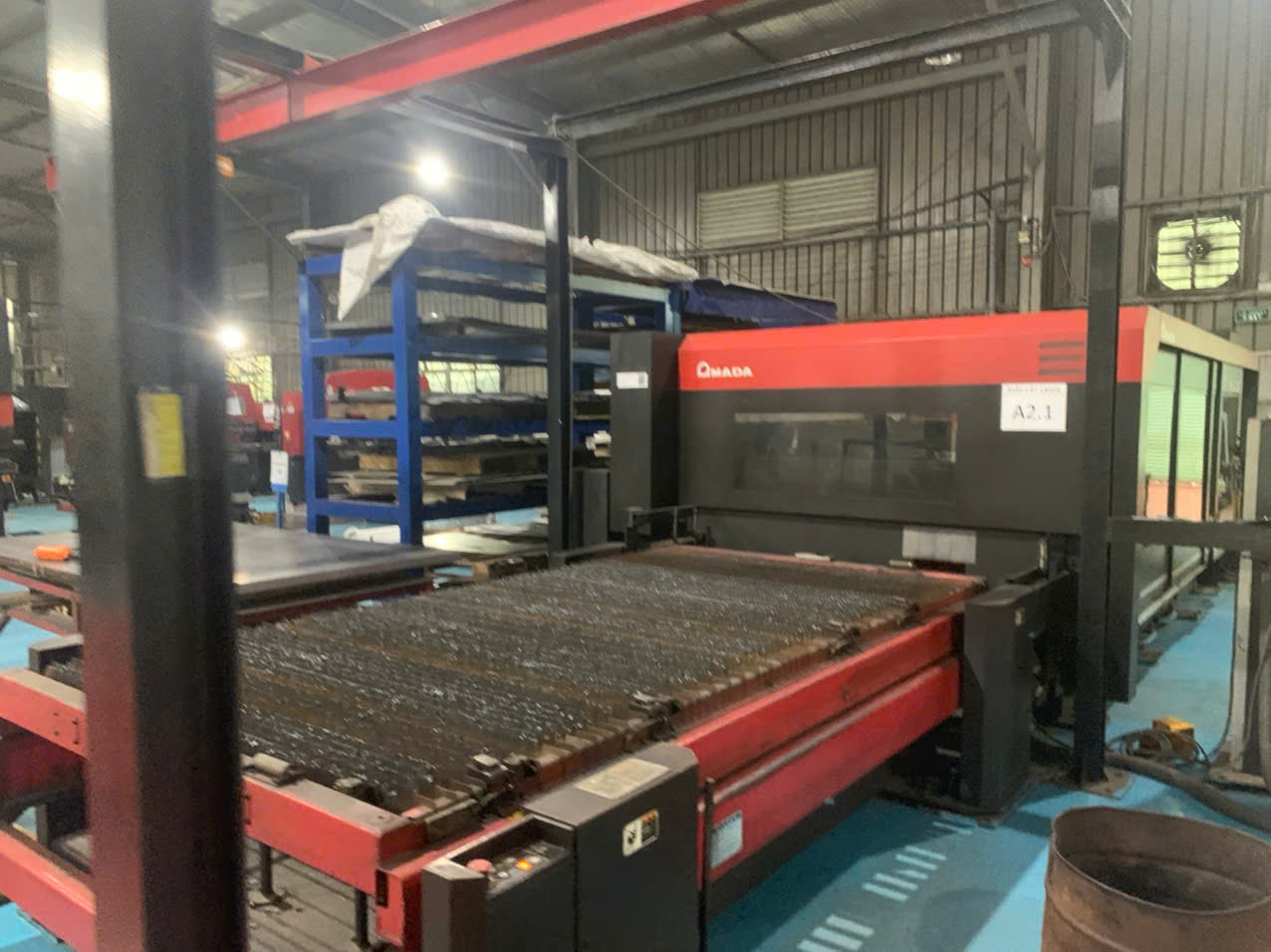
Laser Engraving: Precision and Permanence
Laser engraving 7 removes material from the metal surface to create a mark. It is permanent. It will not fade, peel, or wear off under normal conditions. This makes it the top choice for metal marking on parts that face abrasion, chemicals, or outdoor exposure.
The level of detail is excellent. Laser systems can reproduce fine text, serial numbers, QR codes, and intricate logo artwork. On stainless steel and aluminum, the contrast is strong and clean. On powder-coated surfaces, laser etching can selectively remove the coating to reveal bare metal underneath—a technique that creates a striking two-tone effect.
The downsides? Laser engraving is monochrome. You get one color—the color of the exposed metal or the burned mark. If your brand requires a multi-color logo, laser alone cannot deliver that. Cycle time per part is also longer than silk screening, which can affect cost on high-volume runs.
Silk Screen Printing: Color and Cost Efficiency
Silk screen printing 8 applies ink or epoxy-based paint through a mesh stencil onto the metal surface. It handles multiple colors well and can match specific Pantone values. For indoor products like control panels, instrument housings, or branded enclosures, silk screening is a strong choice.
The ink sits on top of the surface, so durability depends on the ink type and any clear coat applied over it. Epoxy-based inks are more durable than standard solvent-based inks. A protective clear coat extends the life of a silk-screened logo significantly.
Masking services play an important role here. Precise masking preserves threading, electrical contacts, and other functional areas while allowing the silk screen process to apply graphics with clean edges.
Other Logo Methods Worth Considering
| Method | Colors | Permanence | Best For | Relative Cost |
|---|---|---|---|---|
| Laser Engraving | Monochrome | Permanent | Outdoor, harsh environments | Moderate |
| Silk Screen Printing | Multi-color | Moderate (ink-dependent) | Indoor panels, branding | Low |
| Chemical Etching | Monochrome | Permanent | Nameplates, serial tags | Low to moderate |
| Embossed Logo | None (relief only) | Permanent | Premium branding, structural parts | Moderate to high |
| Digital Printing | Full-color, high-res | Moderate | Short runs, complex graphics | Moderate |
| Pad Printing | Multi-color | Moderate | Curved or irregular surfaces | Low |
An embossed logo creates a tactile, three-dimensional mark by physically deforming the metal. It carries no ink and cannot wear off. This method works well for heavy brackets and structural components where a raised brand mark adds perceived value.
Digital printing directly onto metal is a newer option. It delivers photographic-quality, full-color images without the setup cost of silk screen stencils. It suits short production runs and prototypes where design flexibility matters more than per-unit cost.
Making the Decision
Ask yourself three questions. Will the part be used indoors or outdoors? Does the logo need multiple colors? What is the production volume? If the answer is outdoor, single color, and any volume—laser engraving wins. If the answer is indoor, multi-color, and high volume—silk screen printing wins. For everything in between, we help clients evaluate samples before committing.
How do I ensure my supplier maintains color and texture consistency across multiple production batches?
During a recent project for a U.S. engineering firm, we shipped enclosures in three separate batches over four months—and the client's incoming inspector flagged a slight color shift between batch one and batch three, which triggered a full review of our process controls.
To ensure color and texture consistency across batches, require your supplier to use documented color standards (master samples or spectrophotometer readings), implement incoming material inspection for coatings, run first-article approvals per batch, and follow a PPAP-level process control plan that locks in finish parameters.

Why Batch-to-Batch Variation Happens
Color and texture variation between batches is more common than most buyers realize. Powder coating thickness can shift by a few microns. Anodizing dye concentration drifts over time. Even the base metal substrate can vary slightly in reflectivity between coil lots. All of these factors compound.
The problem gets worse when suppliers treat finishing as an afterthought rather than a controlled process. Without documented parameters, every batch is a guess. This is exactly the kind of quality gap that causes rework, returns, and strained buyer-supplier relationships.
Building a Control Framework
Our approach uses a structured framework borrowed from automotive-grade quality practices. Here is how we break it down:
-
Master Sample Approval. Before production starts, we produce physical master samples—also called golden samples—for color, gloss level, and texture. The client approves these, and they become the reference standard for every future batch.
-
Spectrophotometer Readings. We record Delta E (ΔE) color difference values using a spectrophotometer. A ΔE of less than 1.0 is imperceptible to the human eye. We set acceptance limits with the client, typically ΔE ≤ 1.5 for standard applications and ΔE ≤ 1.0 for premium finishes.
-
First Article Inspection per Batch. Every new production batch goes through a first article inspection that includes surface finish verification. We compare the first-off parts against the master sample under controlled lighting before releasing the batch for full production.
-
Coating Supplier Qualification. We audit and qualify the coating supplier separately. This includes checking their powder lot traceability, oven temperature calibration records, and cure-time documentation.
-
Process Parameter Lock. Key parameters—spray gun distance, powder flow rate, oven temperature, cure time—are documented in a process control plan. Operators follow this plan for every batch without deviation.
What to Ask Your Supplier
Here is a checklist of questions that reveal whether a supplier can deliver consistency:
- Do you maintain physical master samples for each project?
- What is your acceptable Delta E range?
- Do you perform first article inspections on every batch?
- Can you provide coating thickness reports per batch?
- Is your powder or paint supplier qualified and audited?
- Do you have a documented process control plan for finishing?
If your supplier cannot answer these questions with specifics, batch-to-batch variation is a matter of when, not if.
The Role of PPAP in Finishing
PPAP—Production Part Approval Process 9—is standard in automotive but increasingly adopted in industrial sheet metal. A PPAP submission for finished parts includes the master sample, dimensional data, material certificates, and surface finish data. It creates a documented baseline that both buyer and supplier agree on.
We use PPAP on most of our custom projects because it eliminates ambiguity. When a color dispute arises six months into production, we have data and physical references to resolve it quickly.
Conclusion
Sheet metal fabrication gives you deep control over color, texture, and logo placement—from powder coating and anodizing to laser engraving and silk screen printing. The key is choosing options that match your environment, brand, and volume, then holding your supplier to documented, measurable standards across every batch.
Frequently Asked Questions
How can I choose the right powder coating or plating colors for my custom sheet metal parts?
A buyer from the Midwest once sent us a Pantone chip taped to an envelope and asked if we could match it exactly on 3,000 aluminum enclosures—that single request taught our team how critical color selection is to the success of a project.
What surface texture options are available to ensure my metal enclosures meet professional aesthetic standards?
One lesson we learned early in our Vietnam facility was that two parts can share the same color but feel completely different in the hand—texture is what separates a prototype-quality enclosure from a product that looks and feels production-ready.
Which logo application method—laser etching or silk screening—is best for my branded sheet metal components?
Last quarter, a client asked us to put their logo on 500 stainless steel panels. They wanted it to last 10 years outdoors. That one requirement eliminated half the options on the table and made the decision straightforward.
Footnotes
1. Explains the process of transforming flat metal sheets into custom parts. ↩︎
2. Official source for RAL color standards used in industry. ↩︎
3. Provides a comprehensive overview of the powder coating process and benefits. ↩︎
4. Explains the electrochemical process for enhancing metal surfaces. ↩︎
5. Explains the mechanical texturing method that creates a directional satin grain. ↩︎
6. Describes the surface finishing process using abrasive particles for a uniform matte finish. ↩︎
7. Wikipedia provides a comprehensive background overview of the laser engraving process. ↩︎
8. Describes the method for applying multi-color logos using ink and stencils. ↩︎
9. Explains the standardized process for ensuring consistent part production and quality. ↩︎