When our team audits a new sheet metal supplier in Vietnam or across Asia, the first question we always ask is about their quality certifications — because missing the right ones has cost buyers entire production runs.
The most common quality certifications for sheet metal fabrication include ISO 9001 for quality management systems, AS9100 for aerospace, ISO 13485 for medical devices, AWS welding certifications, and part-level documentation like first article inspection reports, material test reports, and certificates of conformance.
There is no single universal certification that covers every sheet metal project. The right credential depends on your end market, the fabrication processes involved, and the regulatory environment you operate in. Below, we break down exactly what to look for — and what each certification actually proves.
Which ISO certifications should I look for when sourcing custom sheet metal parts?
A lesson we learned early in our sourcing work: a supplier can have a beautiful facility and still ship non-conforming parts if their quality management system is weak or undocumented. ISO certifications are the first filter we apply.
When sourcing custom sheet metal parts, look for ISO 9001:2015 as the baseline quality management system certification. Depending on your industry, also consider AS9100D for aerospace, ISO 13485 for medical, IATF 16949 for automotive, and ISO 14001 for environmental management.
ISO 9001:2015 — The Baseline
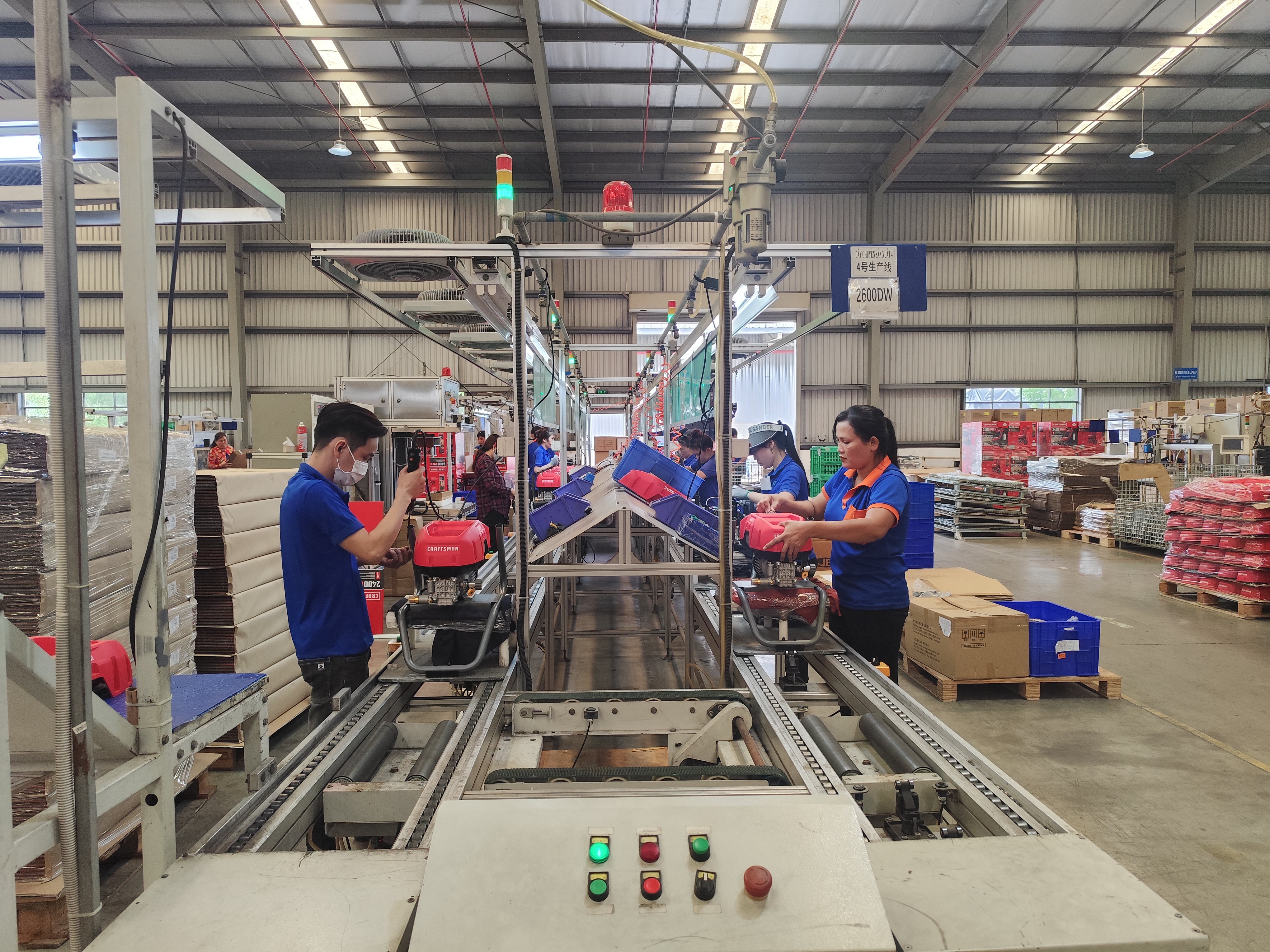
ISO 9001 1 certification is the most widely recognized quality standard in sheet metal fabrication. It tells you that a supplier has documented processes for order review, production control, inspection, corrective action, and continual improvement. It does not guarantee perfect parts. It guarantees that the supplier has a system to catch and correct problems.
We have visited shops in multiple Asian countries that claim ISO 9001 compliance but have never been audited by an accredited registrar. That is a red flag. Always ask for the certificate and verify the registrar’s accreditation.
Beyond ISO 9001 — Industry-Specific Standards
ISO 9001 is just the starting point. Each end market adds its own layer. Here is a quick reference:
| Certification | Industry Focus | What It Adds Over ISO 9001 |
|---|---|---|
| AS9100D 2 | Aerospace & Defense | Configuration management, risk management, foreign object debris prevention |
| ISO 13485:2016 3 | Medical Devices | Design controls, biocompatibility traceability, regulatory compliance |
| IATF 16949 4 | Automotive | PPAP requirements, advanced product quality planning, statistical process control 5 |
| ISO 14001 6 | All (Environmental) | Environmental impact management, waste reduction, regulatory compliance |
| ISO 45001 7 | All (Safety) | Worker health and safety management systems |
Which One Do You Actually Need?
If your sheet metal parts go into a general industrial application — enclosures, brackets, mounting plates — ISO 9001 is usually sufficient. If the parts enter a regulated supply chain, the industry-specific standard becomes non-negotiable. Our U.S. clients in aerospace always require AS9100D from their Tier 2 and Tier 3 suppliers. Automotive purchasing managers ask for IATF 16949 and will not accept a quote without it.
One thing that often surprises buyers: ISO 14001 and ISO 45001 are not product quality certifications. They address environmental and safety management. But many large OEMs now include them in vendor qualification scorecards. If your end customer is a Fortune 500 company, expect these to show up in their supplier requirements.
The key takeaway is to match the certification to the risk level of your application. General fabrication needs the baseline. Regulated industries need more.
How do I verify that a supplier's quality management system meets my strict project requirements?
During a recent supplier audit in Vietnam, we found a fabricator whose ISO 9001 certificate was valid — but their actual shop-floor practices had drifted far from the documented procedures. The certificate alone was not enough.
To verify a supplier's quality management system, request their ISO certificate, confirm the registrar's accreditation, conduct an on-site or remote audit, review their inspection records and corrective action logs, and require part-level documentation such as first article inspection reports and material test reports.
Step-by-Step Verification Process
Verification is not a single action. It is a sequence. Here is the process we follow at DEWIN when qualifying a new fabrication partner:
- Request the certificate. Ask for a copy of the ISO or industry-specific certificate. Check the scope of certification — some suppliers are certified for one process but not others.
- Verify the registrar. Go to the registrar's website and confirm the certificate is active. Some certificates expire or are suspended. An unaccredited registrar is a serious warning sign.
- Review quality documentation. Ask for their quality manual, control plans, and standard operating procedures. Look for documented inspection criteria, dimensional accuracy requirements, and material traceability protocols.
- Conduct an audit. On-site audits are the gold standard. If you cannot visit, a third-party audit service — which our Singapore and Vietnam offices provide for clients — can evaluate the supplier on your behalf.
- Request sample documentation. Before committing to production, ask the supplier to produce a first article inspection report, a material certification (MTR), and a certificate of conformance for a sample part. This tells you if their documentation system is real.
What to Look for During an Audit
| Audit Area | What to Check | Red Flag |
|---|---|---|
| Incoming Material | MTRs on file, material storage by type | No MTRs, mixed material storage |
| Process Control | Work instructions at each station, in-process checks | Operators working from memory, no written procedures |
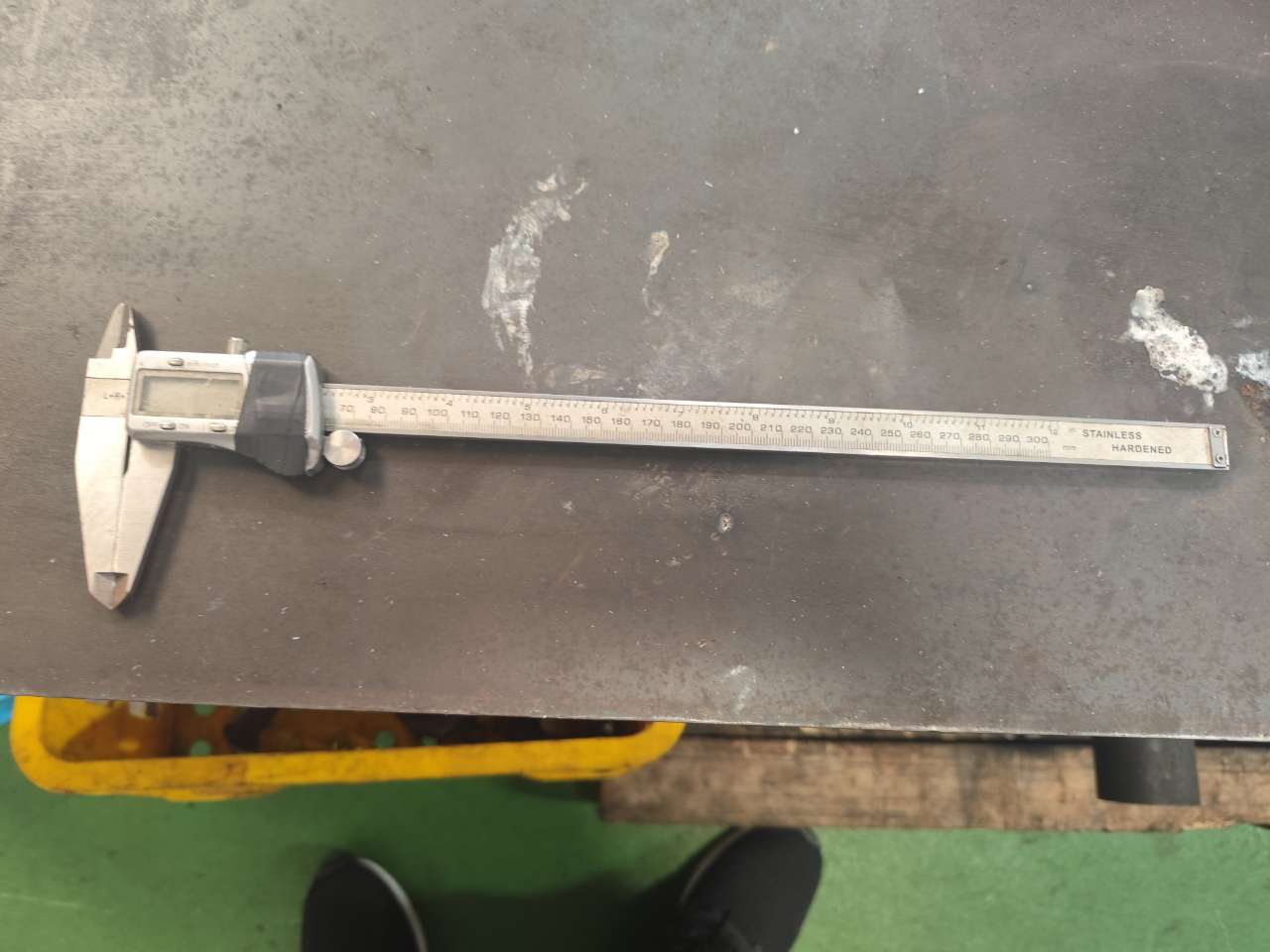
| Inspection Equipment | Calibrated gauges, CMM availability | Expired calibration stickers, no measurement tools |
| Corrective Action | CAPA logs, root cause analysis records | No documented corrective actions in the past year |
| Traceability | Lot/batch tracking from raw material to finished part | No way to trace a part back to its material source |
| Non-Destructive Testing | NDT records where required (welds, critical joints) | No NDT capability for safety-critical applications |
The Role of PPAP and SPC
For automotive and high-volume projects, we often require a Production Part Approval Process 8 (PPAP) submission. PPAP packages include dimensional results, material certifications, process flow diagrams, control plans, and capability studies. This is standard under IATF 16949 but can be applied to any project where risk management matters.
Statistical process control (SPC) is another tool we look for. If a supplier tracks key dimensions over time with control charts, it shows they are managing variation proactively — not just sorting bad parts at the end. Data-driven quality methods, including advanced SPC and predictive analytics, are becoming more common among better fabricators. They are a strong indicator of process maturity.
The bottom line: a certificate on the wall is a starting point. Real verification happens through documentation review, audits, and trial production runs.
What industry-specific certifications are necessary for my sheet metal components in the medical or aerospace sectors?
One of our clients shipped a batch of sheet metal brackets to an aerospace OEM in the United States. The parts met all dimensional specifications. But the OEM rejected them because the fabricator lacked AS9100D certification. The parts were fine. The paperwork was not. That rejection cost time and money.
For aerospace sheet metal components, AS9100D certification and ITAR compliance are typically required. For medical device components, ISO 13485:2016 is the key certification. Both sectors also demand rigorous material traceability, first article inspection, and documented welding procedure qualification where applicable.
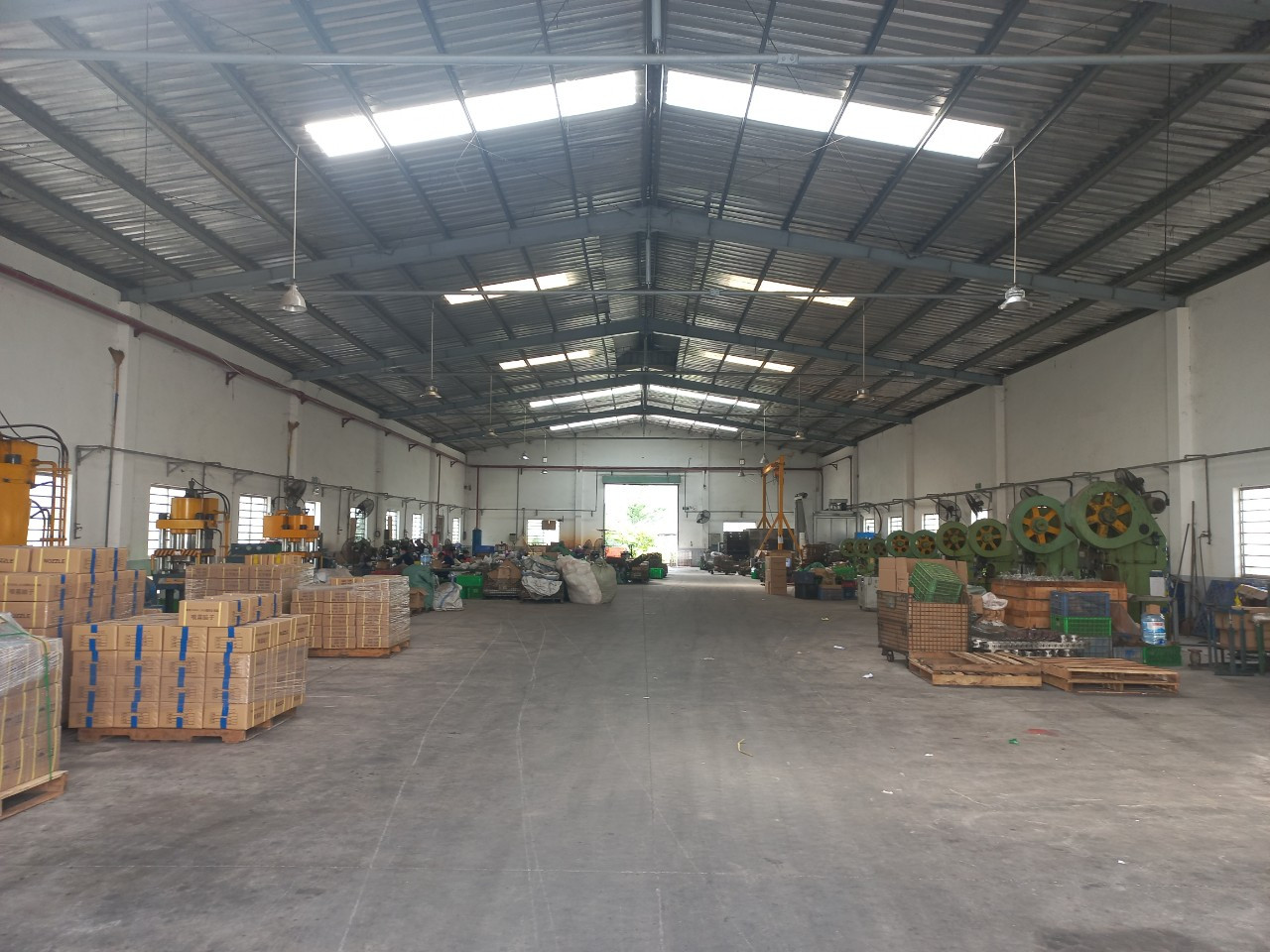
Aerospace and Defense Requirements
The AS9100 aerospace standard builds on ISO 9001 and adds requirements specific to aviation, space, and defense. These include:
- Configuration management — tracking every design revision and ensuring parts match the current revision.
- Risk management — identifying and mitigating risks at each stage of production.
- First article inspection — a formal, documented process per AS9102 to confirm first production parts meet all design requirements.
- Foreign object debris (FOD) prevention — procedures to keep contaminants out of finished parts.
- Counterfeit part prevention — controls to ensure only genuine, traceable materials enter production.
ITAR registration 9 is also critical for defense-related sheet metal work. ITAR is not a quality certification. It is a U.S. regulatory requirement that controls the export of defense articles and services. If your parts are ITAR-controlled, your fabrication partner must be registered with the U.S. State Department's Directorate of Defense Trade Controls. We help our clients navigate this by ensuring supplier compliance before production begins.
Medical Device Requirements
ISO 13485:2016 is the quality management system standard for medical device manufacturing. It requires:
- Design and development controls specific to medical devices.
- Documented risk management throughout the product lifecycle.
- Full traceability from raw material to finished device.
- Validated processes, especially for welding, forming, and surface finishing.
- Regulatory compliance documentation for FDA, EU MDR, or other applicable regulations.
Sheet metal components in medical devices — such as surgical instrument housings, diagnostic equipment enclosures, or implantable device frames — face stricter tolerances and cleaner processing environments. ISO 2768 tolerances may be referenced, but many medical parts require tighter, custom tolerance bands defined in the part drawing.
Sector Comparison Table
| Requirement | Aerospace (AS9100D) | Medical (ISO 13485) | General Industrial (ISO 9001) |
|---|---|---|---|
| Quality Management System | Yes, plus aerospace additions | Yes, plus medical additions | Yes, baseline |
| First Article Inspection | Required per AS9102 | Required per internal procedures | Recommended, not always required |
| Material Traceability | Full lot traceability required | Full traceability required | Recommended |
| Risk Management | Formal risk analysis required | Formal risk analysis required | Addressed in general terms |
| Regulatory Registration | ITAR for defense items | FDA registration for U.S. market | Typically none |
| Welding Standards | AWS D17.1 10 or equivalent | Validated welding procedures | AWS D9.1 or per customer spec |
| Non-Destructive Testing | Often required for critical welds | Sometimes required | Rarely required |
Welding Certifications in Regulated Sectors
In both aerospace and medical fabrication, welding procedure qualification is critical. This means the welding process itself has been tested, documented, and approved — not just the welder. Standards like AWS D17.1 (aerospace) and ISO 3834 (general fusion welding quality) apply here.
Individual welders must also hold current certifications for the specific materials, joint types, and positions they weld. A welder certified for carbon steel MIG welding is not automatically qualified for stainless steel TIG welding. We always verify both the procedure qualification records and the individual welder certifications during our supplier audits. For a deeper look at this process, see our guide on how to evaluate AWS welding compliance when sourcing sheet metal fabrication.
UL certification may also come into play if fabricated enclosures house electrical components in medical or aerospace applications. It is a safety listing, not a quality system, but it matters for end-product compliance.
How can I ensure my offshore fabrication partner follows international standards to avoid quality issues?
We once helped a U.S. buyer recover from a failed relationship with an offshore supplier. The supplier had quoted low, promised certifications, and delivered parts with incorrect material grades and no material test reports. The root cause was not bad intentions — it was a lack of systematic supplier quality management on both sides.
To ensure your offshore fabrication partner follows international standards, establish clear quality requirements upfront, require certified documentation for every shipment, conduct regular audits or use a third-party inspection service, and implement a production part approval process before full-scale manufacturing begins.
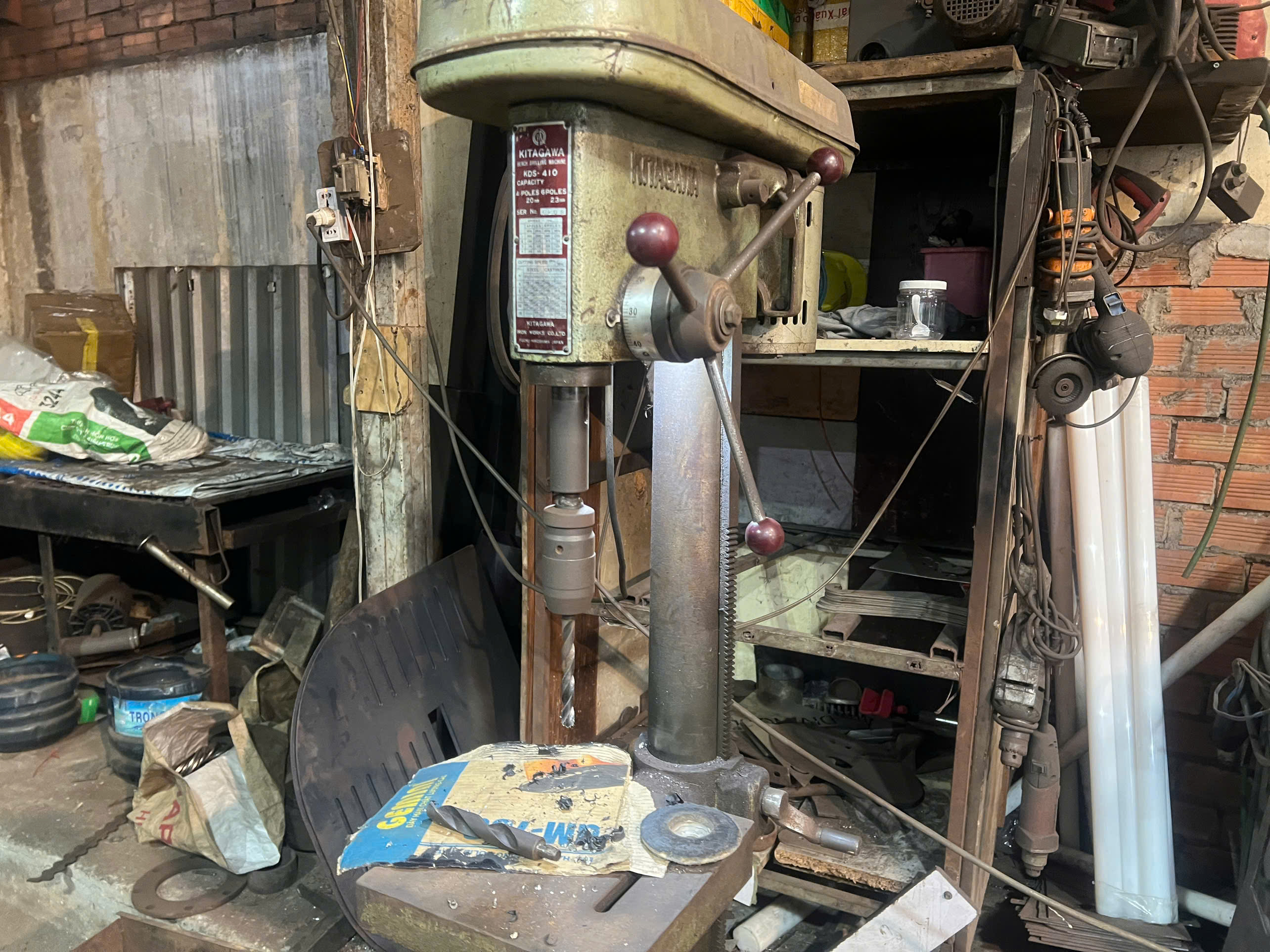
Define Requirements Before You Quote
The most common mistake buyers make is assuming the supplier understands their quality expectations. They do not — unless you spell them out. Before requesting quotes, prepare a supplier quality requirements document that specifies:
- Which ISO or industry certifications are mandatory.
- What part-level documentation is required (FAI, MTR, CoC).
- Dimensional accuracy expectations and which tolerance standard applies (ISO 2768, customer-specific, or per drawing).
- Material specifications and whether substitutions are allowed.
- Surface finish and RoHS compliance requirements if applicable.
- Inspection methods, including whether non-destructive testing is needed.
This document becomes part of your purchase order. It removes ambiguity and gives the supplier a measurable standard to meet.
Use Third-Party Audits and Inspections
When you source from Asia, distance creates a visibility gap. Our teams in Vietnam and China close that gap by conducting supplier audits and final inspections on behalf of our U.S. and European clients. But even without a local presence, you can use accredited third-party inspection firms to verify quality at source.
There are three inspection points that matter most:
- Pre-production audit — verify the supplier's capability, certifications, and process readiness before they cut metal.
- In-process inspection — check critical dimensions and processes during production, especially for large or high-value orders.
- Final inspection — a comprehensive check before shipment, including dimensional verification, visual inspection, documentation review, and packaging assessment.
Building a Documentation Package
Every shipment from an offshore supplier should include a documentation package. Here is what we require for our clients:
| Document | Purpose | When It Is Created |
|---|---|---|
| Material Test Report (MTR) | Verifies raw material chemistry and mechanical properties | At material receipt, traceable to the mill |
| First Article Inspection (FAI) | Confirms first production parts meet all specifications | Before full production begins |
| Certificate of Conformance (CoC) | States that the batch meets all specified requirements | At shipment |
| Dimensional Inspection Report | Records key dimensions vs. drawing tolerances | During and after production |
| Welding Procedure Specification (WPS) | Documents qualified welding parameters | Before welding begins |
| Non-Conformance Reports (if any) | Documents deviations and corrective actions taken | During production |
Traceability and Digital Records
Advanced traceability systems are gaining importance, especially for critical applications. Some fabricators now maintain digital records that track each part from raw material through every fabrication step to final inspection. This concept — sometimes called a digital twin of the manufacturing record — provides a complete history of the part. It is especially valuable in aerospace and medical supply chains where regulatory agencies may audit the part's history years after delivery.
We encourage our clients to request lot-level traceability at minimum. For safety-critical parts, piece-level traceability is worth the additional cost. Material traceability is not just a nice-to-have — it is how you prove your supply chain is controlled when a customer or regulator asks questions.
The Human Factor
Standards and certifications provide the framework. But the human factor — communication, responsiveness, and technical competence — determines whether that framework produces good parts. We have found that the best offshore partners are those who proactively flag issues, ask clarifying questions about drawings, and treat quality as a shared responsibility rather than a compliance checkbox.
When evaluating a new fabrication partner, pay attention to how they respond during the quoting phase. Do they ask about tolerances, material grades, and finish requirements? Or do they just quote a price? The quality of their questions tells you a lot about the quality of their work.
Conclusion
Quality certifications for sheet metal fabrication are not one-size-fits-all. Match the certification to your industry, verify it through audits and documentation, and treat certifications as one part of a broader supplier quality management strategy.
Frequently Asked Questions
Which One Do You Actually Need?
If your sheet metal parts go into a general industrial application — enclosures, brackets, mounting plates — ISO 9001 is usually sufficient. If the parts enter a regulated supply chain, the industry-specific standard becomes non-negotiable. Our U.S. clients in aerospace always require AS9100D from their Tier 2 and Tier 3 suppliers. Automotive purchasing managers ask for IATF 16949 and will not accept a quote without it .
Which ISO certifications should I look for when sourcing custom sheet metal parts?
A lesson we learned early in our sourcing work: a supplier can have a beautiful facility and still ship non-conforming parts if their quality management system is weak or undocumented. ISO certifications are the first filter we apply.
How do I verify that a supplier's quality management system meets my strict project requirements?
During a recent supplier audit in Vietnam, we found a fabricator whose ISO 9001 certificate was valid — but their actual shop-floor practices had drifted far from the documented procedures. The certificate alone was not enough.
Footnotes
1. Explains the foundational quality management system standard. ↩︎
2. Details the specific quality standard for aerospace and defense. ↩︎
3. Defines the quality management system for medical devices. ↩︎
4. Specifies the quality management system standard for the automotive industry. ↩︎
5. Introduces a data-driven method for managing manufacturing variation. ↩︎
6. Clarifies the scope of environmental management system certification. ↩︎
7. Describes the international standard for occupational health and safety. ↩︎
8. Comprehensive guide to Production Part Approval Process from a quality and reliability consulting firm. ↩︎
9. Defines U.S. regulatory requirements for defense-related exports. ↩︎
10. Refers to the specific welding standard for aerospace applications. ↩︎