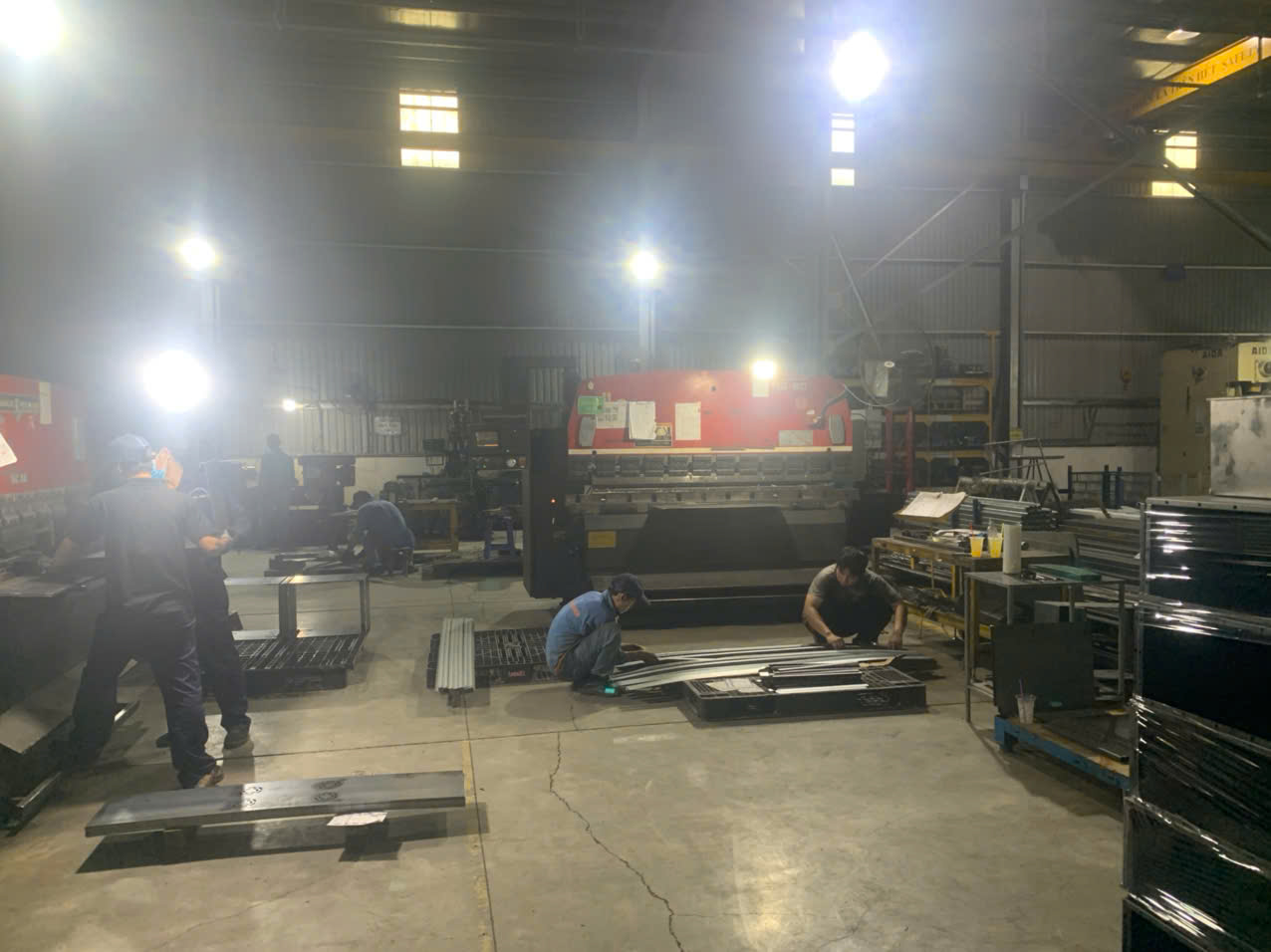
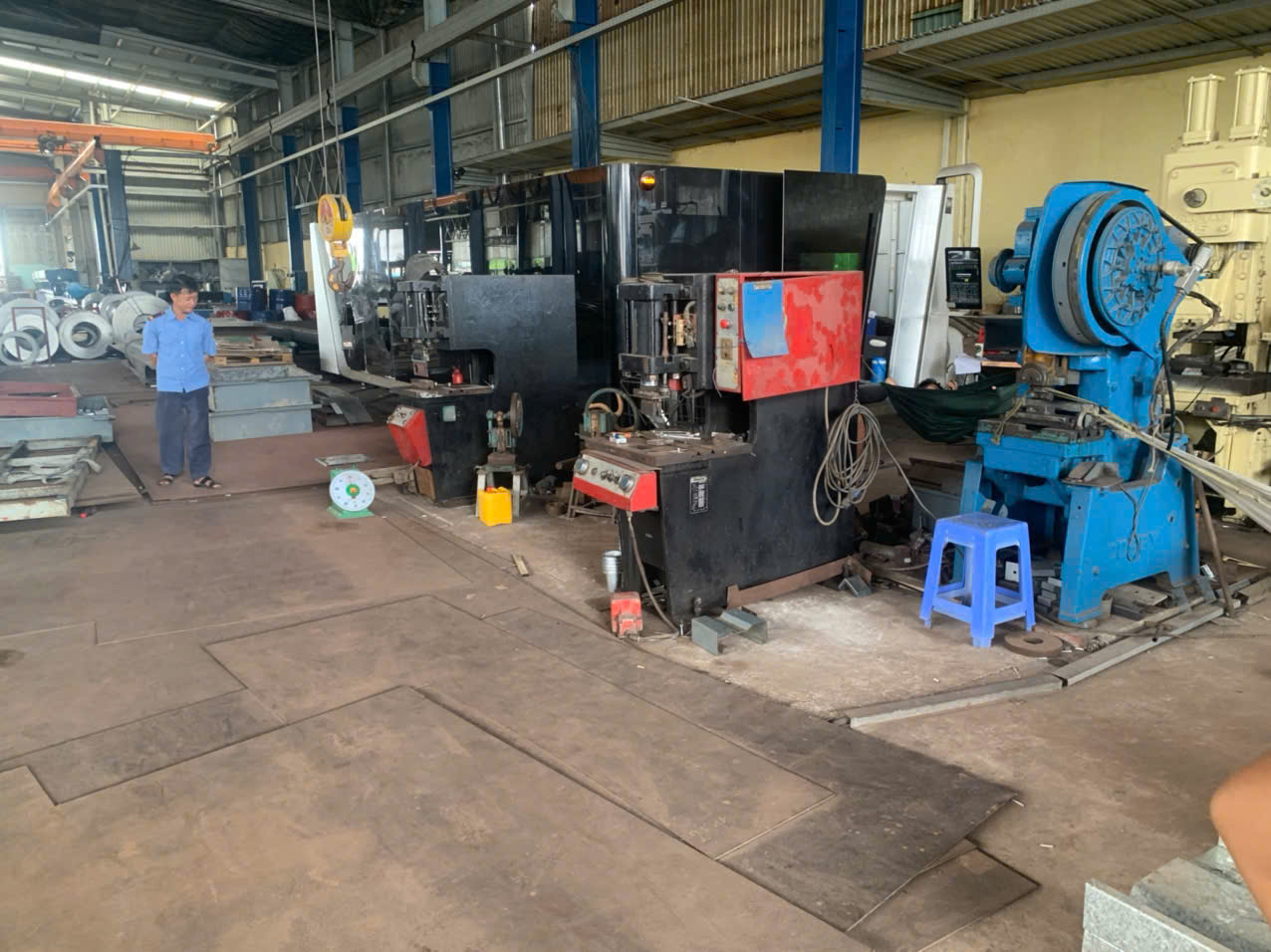
Stamping parts quotations often hide more than they show. When our team quotes a stamped bracket, I always warn buyers: the lowest unit price rarely tells the full story. A cheap headline number can quietly exclude tooling, finishing, inspection, and freight. Then the invoices arrive, and the “bargain” becomes the most expensive option on the table. The fix is knowing exactly which cost items to look for.
The most easily overlooked cost items in stamping parts quotations are tooling and die charges, secondary operations like deburring and plating, quality inspection and PPAP documentation, packaging upgrades, freight and duties, plus scrap allowances, setup fees, and future die maintenance costs.
Let me walk you through each of these hidden cost areas. I will show you where they hide, why suppliers leave them out, and what questions expose them before you sign a purchase order.
How Do I Know if Tooling and Die Costs Are Fully Included in My Stamping Quote?
A buyer once sent me two competing quotes for a stamped mounting clip. One was 30% cheaper per piece. When I dug in, the cheaper quote had buried the entire die cost inside the unit price with a huge minimum order attached. Our team sees this pattern constantly.
Check whether tooling is listed as a separate one-time charge, amortized into piece price, or absorbed by the supplier. Confirm who owns the die, the guaranteed tool life in strokes, and who pays for maintenance, repairs, and eventual replacement. If the quote is silent on any point, ask.
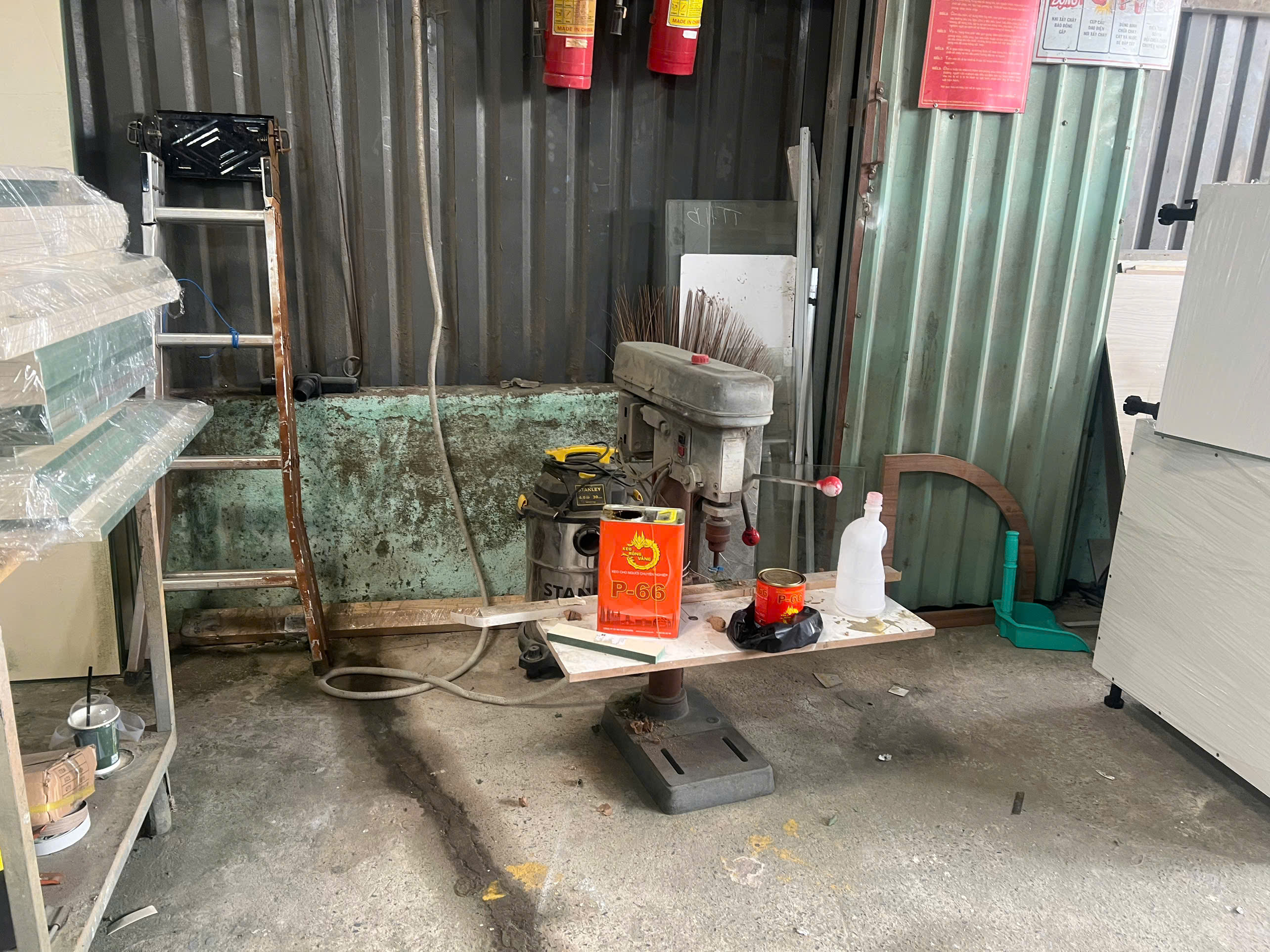
Tooling is usually the single largest upfront cost in any stamping program. It is also the most misunderstood line item. In our projects sourcing stamped brackets from Vietnam and other Asian countries 1 for U.S. clients, we insist that every quotation states the tooling model clearly. There are three common structures, and each changes your total program cost in a different way.
The Three Tooling Payment Models
| Tooling Model | How You Pay | Who Owns the Die | Hidden Risk |
|---|---|---|---|
| One-time charge | Full tooling invoice upfront | Usually the buyer | Maintenance and repair terms often undefined |
| Amortized into piece price | Higher unit price until volume target is met | Often the supplier | You may never own the die; switching suppliers is hard |
| Supplier-absorbed | "Free tooling" | The supplier | Cost recovered through inflated piece price or lock-in MOQs |
Costs That Return Later
Even when the die charge is clear, three follow-up costs are easy to miss. First, die maintenance. Progressive dies 2 wear with every stroke, and someone must pay for sharpening and component replacement. Second, tool life assumptions. A quote based on 500,000 strokes looks different when your program needs two million parts. Third, engineering changes. If your drawing changes after die approval, modification fees can be significant, and few quotes state the hourly rate in advance.
Our approach is simple. We ask suppliers to state tool life in writing, define a maintenance responsibility split, and quote ECO modification rates before the project starts. That turns a vague number into a comparable one.
What Secondary Processes Might Be Missing from My Stamping Parts Price Breakdown?
Deburring is the trade-off I weigh most often when reviewing supplier quotes. A stamped edge straight off the press can be sharp enough to cut skin or damage wiring. Yet many quotes we audit for U.S. clients price the part strictly "as stamped," leaving finishing as an unstated extra.
Stamping quotes commonly exclude deburring, plating or galvanizing, powder coating, heat treatment, passivation, cleaning, tapping, and assembly of inserts. Always ask whether the quoted price covers the part as drawn on your print, or only the raw stamped blank before finishing.

A stamped part is rarely a finished part. Between the press and your assembly line, several operations may be required. Each one costs money, and each one can be silently excluded from a quotation. This is where two quotes with very different unit prices can end up costing almost the same in practice, or where the "cheap" quote turns out more expensive.
Here are the secondary processes we check on every stamping RFQ we manage:
| Secondary Process | Why It Matters | Typical Quote Status |
|---|---|---|
| Deburring / edge break | Safety, handling, assembly fit | Often excluded on low quotes |
| Zinc plating / galvanizing | Corrosion protection for steel brackets | Quoted separately or omitted |
| Heat treatment | Hardness and spring properties | Excluded unless the print is reviewed carefully |
| Powder coating / painting | Cosmetic and corrosion requirements | Usually a separate line item |
| Cleaning / degreasing | Removes stamping lubricants | Rarely itemized, sometimes skipped |
| Tapping / insert installation | Threaded fastening points | Frequently missed if drawing notes are unclear |
Why This Gap Happens
To be fair, this is not always supplier misconduct. If your RFQ package lacks a clear finish specification, a supplier can only quote what they see. One supplier quotes conservatively and includes plating. Another quotes the bare part. You then compare apples to oranges without knowing it. In our co-development work, we review every drawing note before sending RFQs, precisely so that all suppliers quote the same scope. That single step eliminates most surprises.
The Right Question to Ask
Do not ask "Is finishing included?" Ask instead: "Does your price deliver the part exactly as specified on drawing revision X, including all surface treatments and notes?" That phrasing forces a yes-or-no answer tied to your print.
Why Do Quality Inspection and PPAP Fees Sometimes Get Left Out of My Quotes?
Early in my sourcing career, I learned this lesson the hard way. A client's automotive program required full PPAP documentation 3. The supplier had quoted only the piece price. When submission time came, a four-figure documentation invoice appeared, and the client's budget owner was not happy. We now handle PPAP scoping upfront on every regulated project.
Inspection and PPAP fees get left out because they are one-time or per-event costs, not recurring piece costs. Suppliers quote the part; documentation like PPAP packages, FAIR reports, CMM dimensional studies, and material certifications is often billed separately or limited to a single submission cycle.
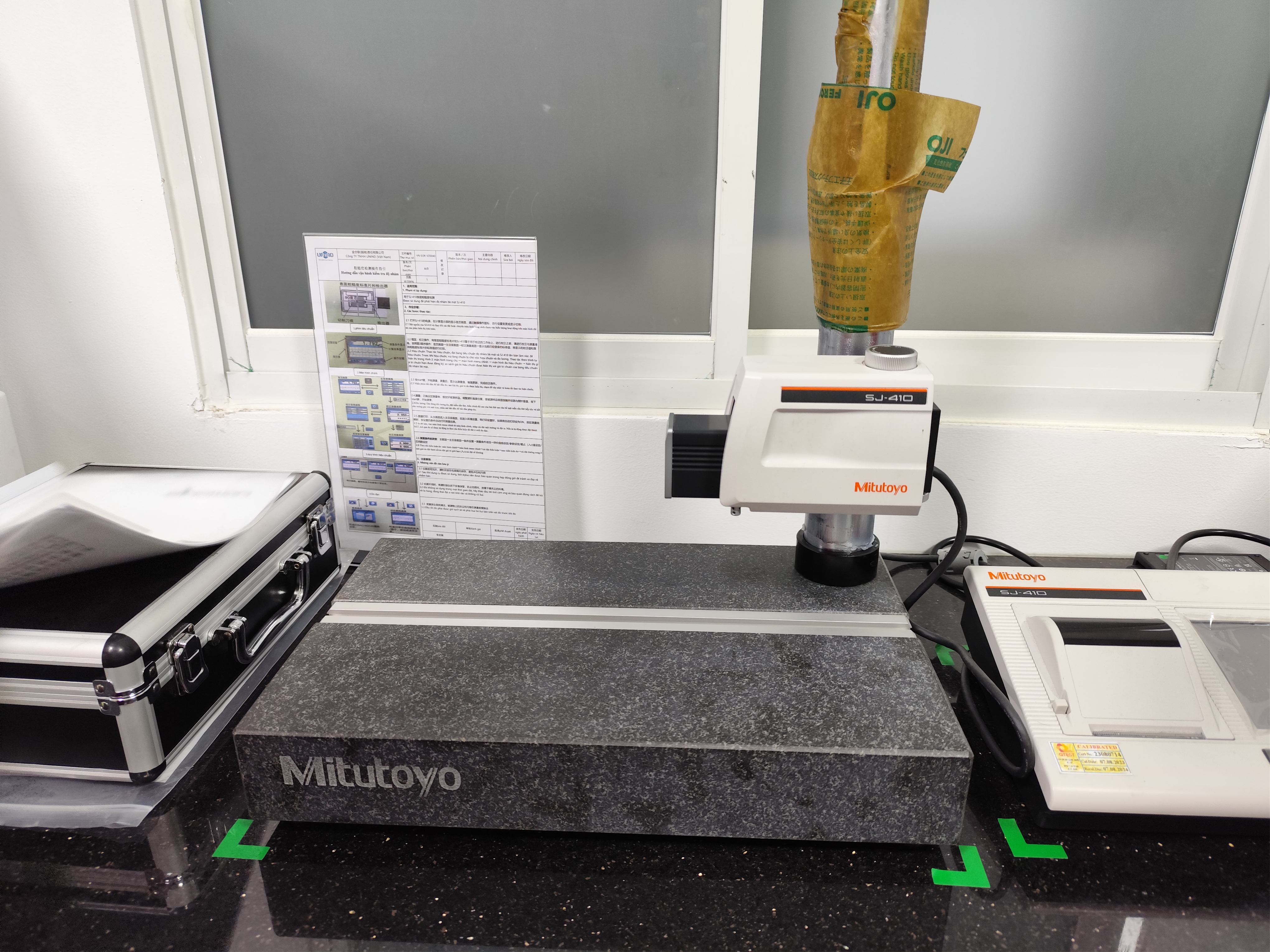
Quality costs live in a gray zone between engineering and purchasing. That is exactly why they slip through. The piece price covers making the part. It usually does not cover proving the part is correct. For quality-sensitive programs in automotive, electronics, or machinery, that proof carries real cost.
Common Quality Cost Items Missing from Quotes
- First Article Inspection (FAI/FAIR). A full dimensional layout of the first production parts. Labor-intensive, especially with tight tolerances.
- PPAP submission packages. Depending on the level, this can include process flow diagrams 4, control plans, PFMEA, MSA studies, and capability data. Level 3 PPAP is significant work.
- CMM measurement reports. Some geometries need coordinate measuring machine 5 verification. Machine time and programming are billable.
- Material certifications and traceability. Mill certs, heat lot tracking, and RoHS/REACH compliance testing may carry lab fees.
- In-process and final inspection. Sampling plans beyond basic checks add labor. Ask what AQL level the quoted price assumes.
- Re-submission cycles. Many quotes cover one validation round. If the first samples fail or your drawing changes, a second round costs extra.
Why We Scope This First
When we run PPAP and final inspection for clients, we define the documentation level in the RFQ itself. A supplier who knows you need Level 3 PPAP will price it in. A supplier who finds out later will invoice you later. The paperwork is not optional for regulated industries, so the only question is whether you pay for it knowingly or unexpectedly. There is one more hidden quality cost worth naming: the cost of getting it wrong. Rejected lots, rework, and delayed shipments never appear on a quote sheet, but they hit your total program cost harder than any documentation fee. A supplier with strong process control may quote higher and still deliver the lowest real cost.
Could Hidden Logistics or Packaging Charges Be Inflating My Final Stamping Costs?
A purchasing manager we work with in the U.S. once compared our delivered quote against an ex-works price from another supplier and initially thought we were expensive. Then he added ocean freight, export packing, insurance, duties, and customs brokerage to the other quote. The gap nearly vanished, and his internal handling workload did not.
Yes. Quotes based on ex-works pricing exclude export packaging, palletizing, moisture protection, freight, insurance, tariffs, and customs fees. These charges can add a meaningful percentage to landed cost. Always confirm the Incoterm and compare quotes on a delivered or landed-cost basis.
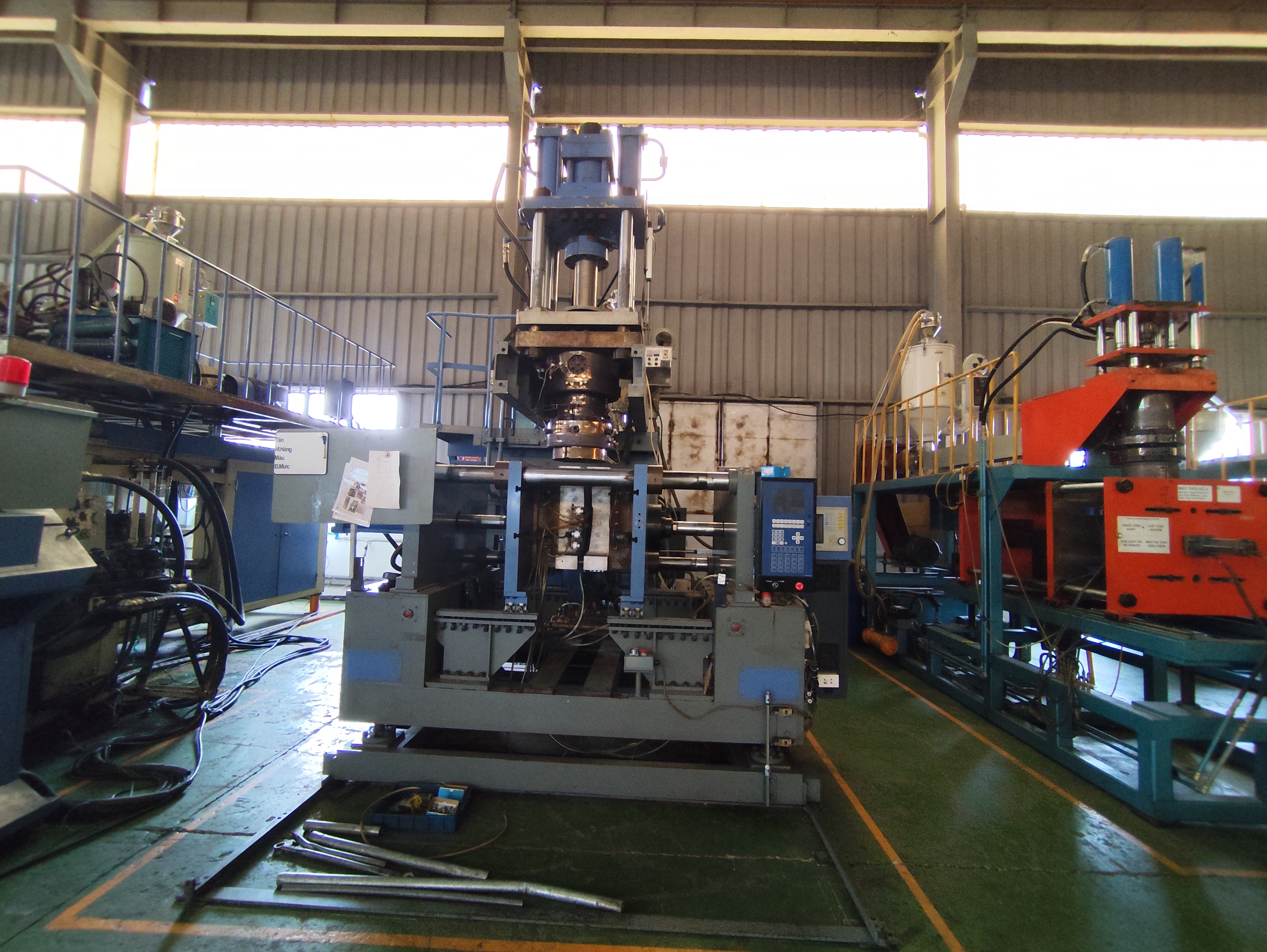
The piece price is what you see. The landed cost is what you pay. For international stamping purchases, the distance between those two numbers is filled with charges that rarely appear in the first quotation.
Packaging: Basic vs. Export-Ready
Small stamped brackets seem easy to pack. They are not. Loose metal parts rub, scratch plating, and deform thin flanges during ocean transit. Basic bulk packing in a poly bag inside a carton is usually what a low quote assumes. Export-grade packing is a different scope entirely.
| Packaging Element | Basic Quote Assumption | What Export Orders Often Need |
|---|---|---|
| Inner protection | Bulk in poly bags | VCI anti-rust bags, layer dividers, or cell trays |
| Cartons | Standard single-wall | Double-wall, weight-rated for dense metal parts |
| Pallets | None or domestic wood | Heat-treated ISPM-15 pallets 6 for export |
| Labeling | Plain carton marks | Barcode labels, lot traceability, customer-specific formats |
| Moisture control | None | Desiccants and sealed liners for ocean freight |
Logistics Charges to Confirm
Beyond packaging, verify these items in writing: ocean or air freight, fuel surcharges, cargo insurance, import duties and tariffs 7, customs brokerage fees, and inland delivery to your dock. Tariff exposure matters especially now, which is one reason many of our U.S. clients source stamped parts from Vietnam and other Asian countries outside China. Our door-to-door logistics model exists because buyers told us they were tired of assembling landed cost from five different invoices. Whichever supplier you use, insist on one thing: know your Incoterm, and translate every quote to the same delivered basis before comparing.
Conclusion
A stamping quote is a bundle of assumptions, not just a price. Compare total program cost, demand itemized scope, and the hidden charges lose their power. That is how we protect every client project.
Frequently Asked Questions
How Do I Know if Tooling and Die Costs Are Fully Included in My Stamping Quote?
A buyer once sent me two competing quotes for a stamped mounting clip. One was 30% cheaper per piece. When I dug in, the cheaper quote had buried the entire die cost inside the unit price with a huge minimum order attached. Our team sees this pattern constantly.
What Secondary Processes Might Be Missing from My Stamping Parts Price Breakdown?
Deburring is the trade-off I weigh most often when reviewing supplier quotes. A stamped edge straight off the press can be sharp enough to cut skin or damage wiring. Yet many quotes we audit for U.S. clients price the part strictly "as stamped," leaving finishing as an unstated extra.
Why Do Quality Inspection and PPAP Fees Sometimes Get Left Out of My Quotes?
Early in my sourcing career, I learned this lesson the hard way. A client's automotive program required full PPAP documentation 3 . The supplier had quoted only the piece price. When submission time came, a four-figure documentation invoice appeared, and the client's budget owner was not happy. We now handle PPAP scoping upfront on every regulated project.
Footnotes
1. International Trade Centre provides trade data relevant to sourcing stamped parts from Asian manufacturing hubs. ↩︎
2. Explains the progressive die technology referenced when discussing tooling wear and maintenance costs. ↩︎
3. AIAG is the official source defining PPAP requirements referenced throughout the quality inspection section. ↩︎
4. Clarifies the process flow diagram documentation required within PPAP quality submission packages. ↩︎
5. Background on CMM technology used for dimensional verification of stamped parts mentioned in quality costs. ↩︎
6. IPPC publishes the ISPM-15 standard governing wood packaging material for export. ↩︎
7. WTO’s official tariffs resource explains how import duties affect landed costs discussed in logistics section. ↩︎