
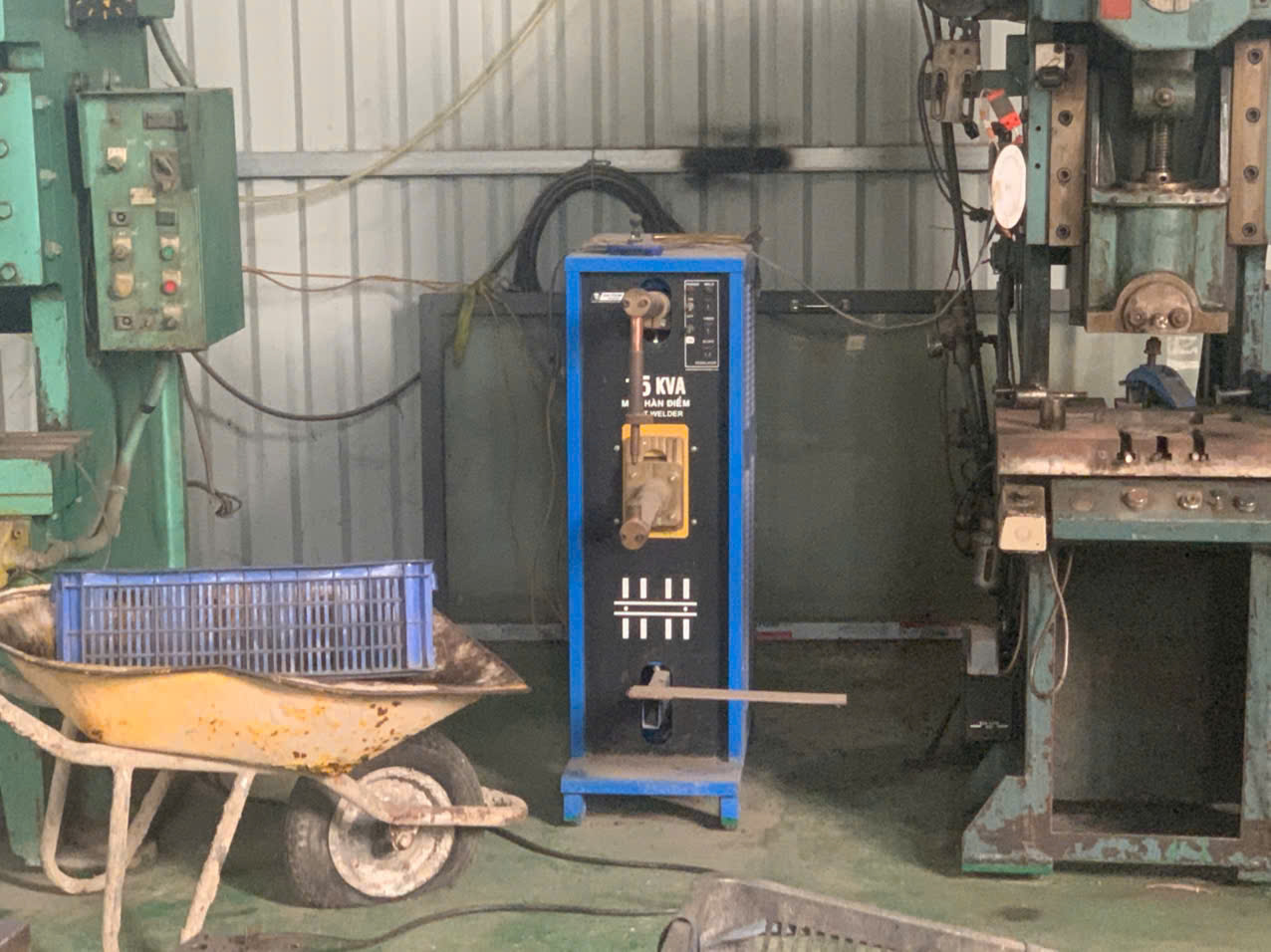
Last quarter, a delayed shipment of custom welding brackets cost one of our U.S. clients three weeks of production downtime — all because a single customs clearance document 1 was missing from the export filing.
When sourcing welding parts from Vietnam, you need a commercial invoice, packing list, bill of lading or airway bill, certificate of origin issued by VCCI, accurate HS code classification, and — depending on your destination — an ISF filing, material test reports, and any required import permits to clear customs without delays.
Each document serves a specific role in the clearance process. Miss one, and your shipment sits in a bonded warehouse while your production line waits. Below, I walk through every document category, explain when each is required, and share what our team has learned managing door-to-door logistics from Vietnam to the United States and Europe.
What are the essential documents I need to prepare for importing custom welding parts from Vietnam?
A common question we hear from new clients is deceptively simple: "Just tell me what paperwork I need." The reality is that a typical Vietnam-to-U.S. shipment of custom welding parts requires seven to nine distinct documents, and the exact mix depends on material type, value, and end-use application.
The essential documents include a commercial invoice, packing list, bill of lading, certificate of origin, customs declaration form, HS code documentation, and — for U.S. imports — an ISF 10+2 filing submitted at least 24 hours before vessel departure. Material test reports and import permits may also be required depending on the part specifications.
The Core Document Set
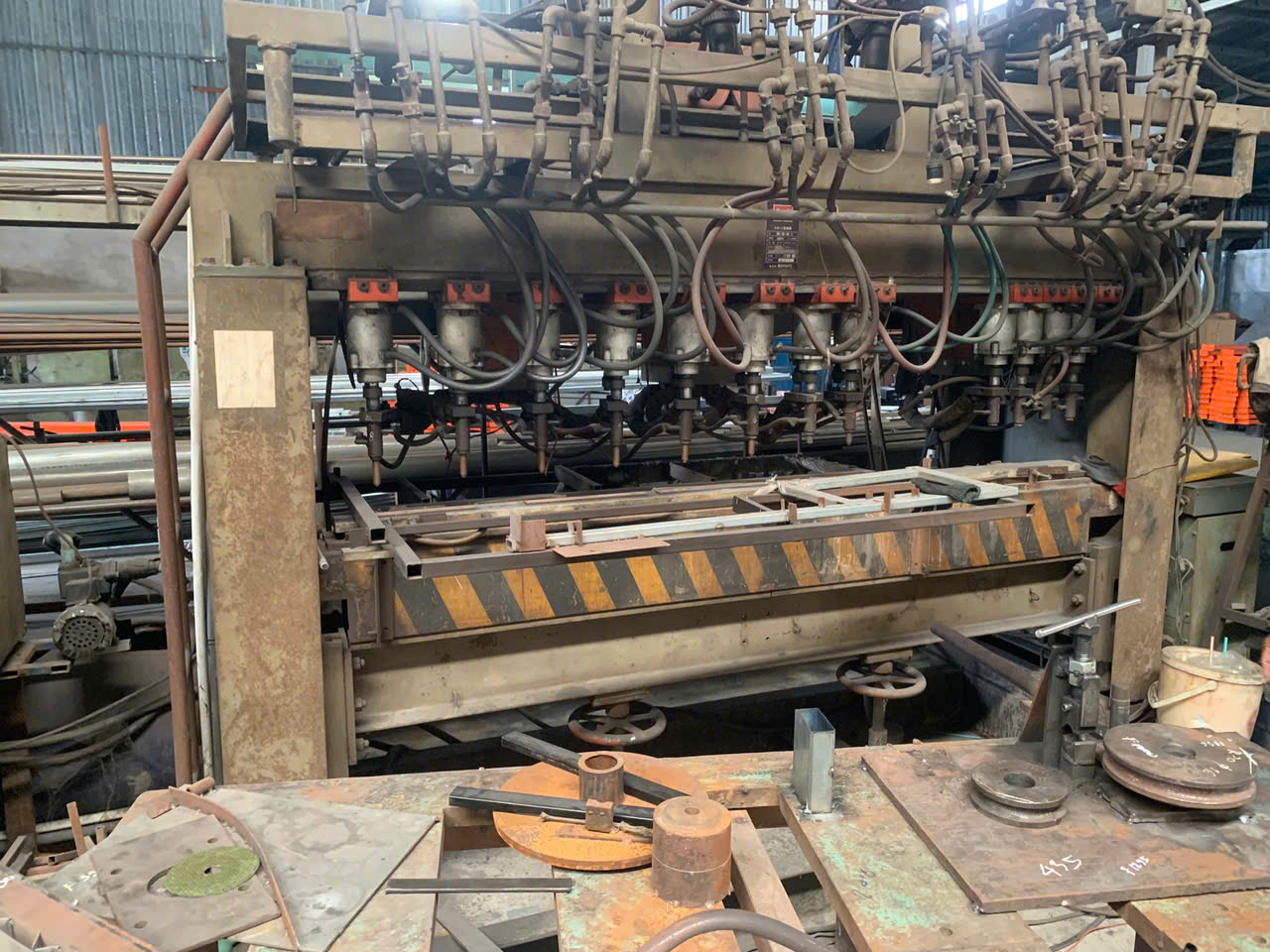
Every shipment of custom welding parts from our Vietnam facility starts with the same foundation. Here is the baseline set that must accompany every export, regardless of destination.
| Document | Purpose | Who Prepares It |
|---|---|---|
| Commercial Invoice 2 | States goods description, unit price, total value, HS code, buyer/seller details | Exporter (us) |
| Packing List 3 | Details package count, gross/net weight, dimensions, contents per carton or crate | Exporter (us) |
| Bill of Lading 4 (B/L) or Airway Bill | Carrier-issued contract of carriage; proof the goods are on board | Shipping line or airline |
| Certificate of Origin 5 (C/O) | Proves country of manufacture; enables preferential tariff treatment | VCCI (Vietnam Chamber of Commerce and Industry) |
| Customs Declaration Form | Electronic filing via VNACCS/VCIS for Vietnam export clearance | Customs broker Vietnam side |
| ISF 10+2 Filing 6 (U.S. only) | Security filing required by U.S. CBP before vessel departure | Importer's customs broker or freight forwarder |
Why Accuracy Matters More Than Speed
I have seen purchase managers rush to get parts shipped, only to find the commercial invoice lists the wrong HS code classification 7. That single error triggers a customs hold. The officer flags the shipment for inspection. Days pass. The corrected invoice must be reissued, re-stamped, and re-submitted.
Our process at the Vietnam office is to cross-check every document against the purchase order, the technical drawing, and the actual packed goods before any container is sealed. We verify that the HS code on the commercial invoice matches the tariff schedule of the destination country — not just Vietnam's export code.
Destination-Specific Add-Ons
For U.S.-bound shipments, the ISF 10+2 filing is non-negotiable. It must be submitted electronically at least 24 hours before the vessel departs the port of origin. Late or inaccurate ISF filings can result in fines of up to $5,000 per violation.
For European Union imports, additional requirements may include CE marking documentation 8, a chemical declaration if the welding wire or filler material contains regulated substances, and phytosanitary certificates 9 if wooden packaging (pallets or crates) is used.
| Destination | Additional Documents Often Required |
|---|---|
| United States | ISF 10+2, Material Test Reports (Mill Certs), TSCA declaration |
| European Union | CE marking docs, chemical declaration, phytosanitary certificate |
| Australia / Canada | Import permit (if applicable), MSDS for hazardous materials |
HS Code Classification: The Hidden Risk
Getting the HS code wrong is the single most common reason for customs delays on welding parts. A steel mounting bracket, a welding electrode, and an assembled welding jig each fall under different HS headings. The duty rate can swing from zero to double digits based on classification alone.
Our sourcing team works with the client's customs broker to confirm the correct HS code before production begins — not after the container is already on the water. This prevents surprises at the port of entry and keeps your landed cost predictable.
How can I leverage a Certificate of Origin to minimize my import duties on Vietnamese metal components?
One lesson we learned early when setting up our Vietnam office was that the certificate of origin is far more than a formality. It is a financial instrument. Used correctly, it can cut your landed cost by a meaningful percentage through preferential tariff rates under trade agreements Vietnam has signed.
You can minimize import duties by obtaining a VCCI-issued certificate of origin that qualifies your welding parts under free trade agreements such as USVTPA provisions, CPTPP, or EVFTA. The C/O must prove the parts were genuinely manufactured in Vietnam — not merely transshipped — and it must be the original blue form with VCCI stamp and signature.
How the Certificate of Origin Reduces Costs
Vietnam has signed more than 15 free trade agreements 10. Each one offers preferential duty rates for goods that meet specific rules of origin. For metal components like custom welding brackets, frames, and fabricated hardware, the key question is: was the part substantially transformed in Vietnam?
If your supplier only assembles pre-cut Chinese steel in Vietnam and slaps on a Vietnamese label, the C/O may not hold up under scrutiny. U.S. and EU customs authorities are intensifying anti-dumping and countervailing duty reviews on metal products from Vietnam, specifically because of transshipment concerns.
Verifying Genuine Vietnam-Origin Manufacturing
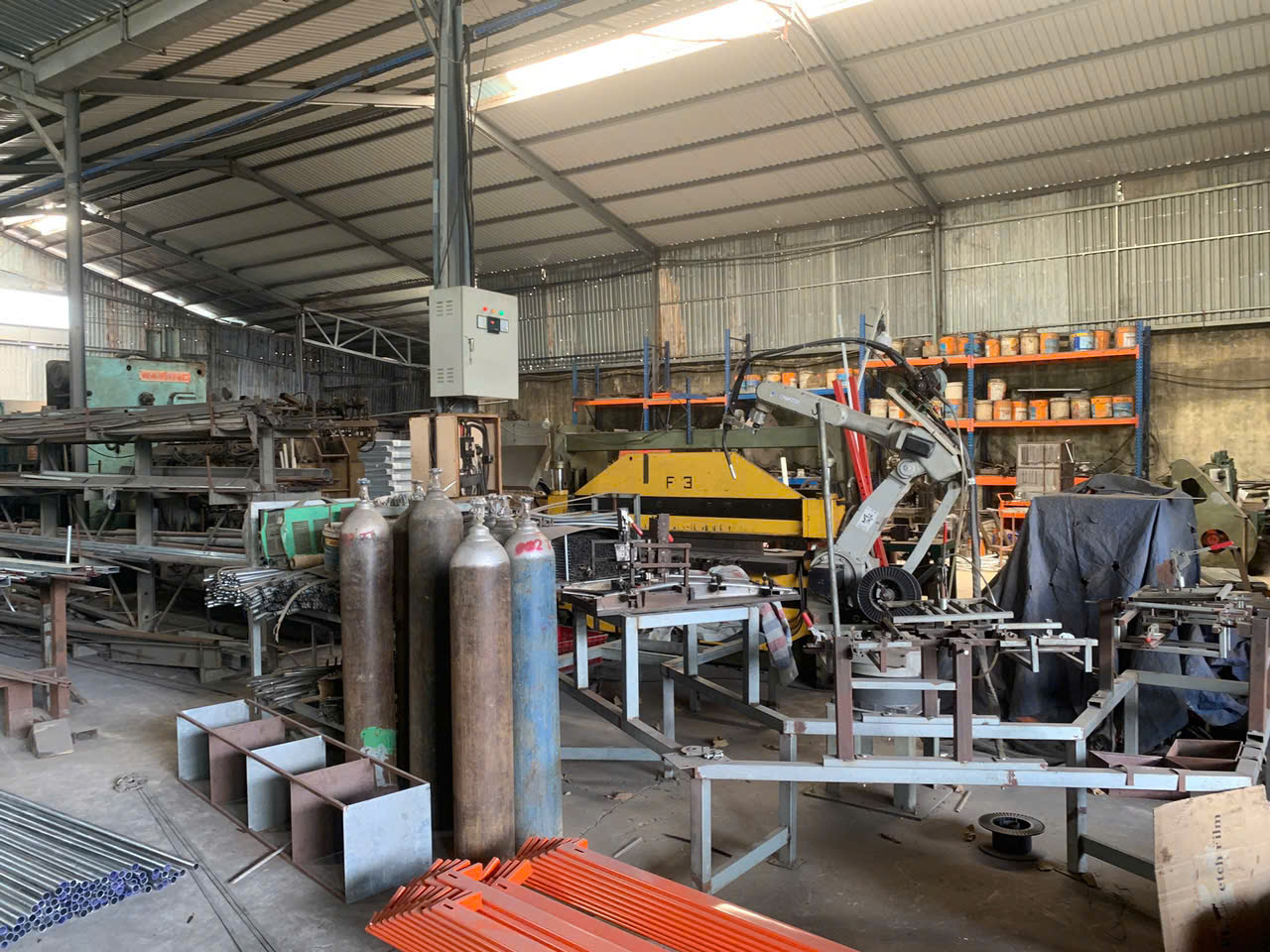
When we onboard a new welding supplier in Vietnam, our team conducts a supplier audit that includes a production capacity check. We compare the factory's actual output capability against its declared export volume. A small workshop claiming to export 200 tons per month of fabricated steel raises immediate red flags.
Here is what we verify before issuing any C/O request:
| Verification Step | What We Check | Why It Matters |
|---|---|---|
| Factory floor audit | Welding stations, cutting equipment, finishing lines | Confirms genuine manufacturing capability |
| Raw material sourcing records | Steel mill invoices, material certificates | Proves material origin and traceability |
| Production capacity vs. export volume | Monthly output logs, shipping records | Detects transshipment risk |
| VCCI registration status | Valid C/O application eligibility | Ensures the C/O will be accepted at destination |
Types of C/O and When to Use Each
Not all certificates of origin are the same. The type you need depends on which trade agreement you want to invoke.
- Form B: General preferential C/O for exports to countries granting GSP status.
- Form D: For ASEAN member trade under ATIGA.
- Form CPTPP: For Comprehensive and Progressive Agreement for Trans-Pacific Partnership members.
- Form EUR.1: For EU-Vietnam Free Trade Agreement (EVFTA) preferential rates.
For U.S. importers, the standard Form B or a non-preferential C/O is most common. The original paper document — the blue form — must be presented with the VCCI stamp and authorized signature. An electronic copy alone is not sufficient for U.S. CBP clearance.
The Financial Impact
Consider a shipment of custom steel welding frames valued at $50,000. Without a valid C/O qualifying for preferential treatment, the standard import duty might be 6.5%. With the correct C/O and trade agreement eligibility, the rate could drop to 0–3%. On a single shipment, that is a savings of $1,750 to $3,250. Over a year of monthly shipments, the savings compound significantly.
This is why we treat the C/O process as a financial planning tool, not just a compliance checkbox.
Which technical drawings and quality certifications must I include to avoid customs delays for my custom projects?
During a recent project involving heavy-duty steel mounting brackets for a U.S. industrial equipment manufacturer, we discovered that the buyer's customs broker had flagged the shipment because no material test report was included. The parts were sitting at the port for five days before the mill certificate was located and forwarded. That delay was entirely preventable.
To avoid customs delays on custom welding projects, include material test reports (mill certificates), first article inspection reports, technical drawings with dimensional tolerances, surface finish and hardness test results when specified, and any applicable quality certifications such as ISO 9001:2015 or welding procedure qualifications relevant to your end-use application.
When Technical Documents Become Mandatory
Not every shipment of welding parts requires a stack of quality certifications. The requirement depends on the end-use application, the material grade, and the destination country's regulatory framework.
For general-purpose steel brackets and welding jigs, a standard commercial invoice and packing list are usually sufficient for customs clearance. But when the parts are destined for aerospace, medical, energy, or structural applications, customs authorities — and your own quality team — will expect supporting technical documentation.
The Technical Document Hierarchy
Here is a practical breakdown of when each document type is needed:
| Document Type | When Required | What It Contains |
|---|---|---|
| Material Test Report (Mill Cert) | Tight-tolerance parts, structural applications, aerospace | Chemical composition, mechanical properties, heat number traceability |
| First Article Inspection (FAI) Report | Initial production run, design change, new supplier qualification | Dimensional measurements vs. drawing, pass/fail status for each characteristic |
| Welding Procedure Specification (WPS) | Structural welds, pressure vessels, certified weld joints | Welding process, filler material, preheat/interpass temperatures, position |
| Surface Finish / Hardness Test Report | Parts with specified Ra values or hardness ranges | Measured values vs. specification, instrument calibration records |
| ISO 9001:2015 Certificate | When buyer's QMS requires supplier certification | Scope of certification, accreditation body, validity dates |
How We Integrate Quality Documentation Into the Export Package
Our approach is to build the quality documentation package in parallel with production — not after the parts are boxed. When our Vietnam team receives a purchase order with technical drawings, the project engineer reviews every callout: material grade, weld class, surface finish, dimensional tolerances, and any special inspection requirements.
If the drawing specifies ASTM A36 steel, we request the mill certificate from the raw material supplier before cutting begins. If the drawing calls for a Class C weld per AWS D1.1, we ensure the welding procedure specification is on file and the welder is qualified to that procedure.
By the time the parts pass final inspection, the documentation package is already compiled. It travels with the shipment as part of the export file. This prevents the scenario I described earlier — parts at the port, documents missing, production line waiting.
Labeling Compliance for Welding Equipment
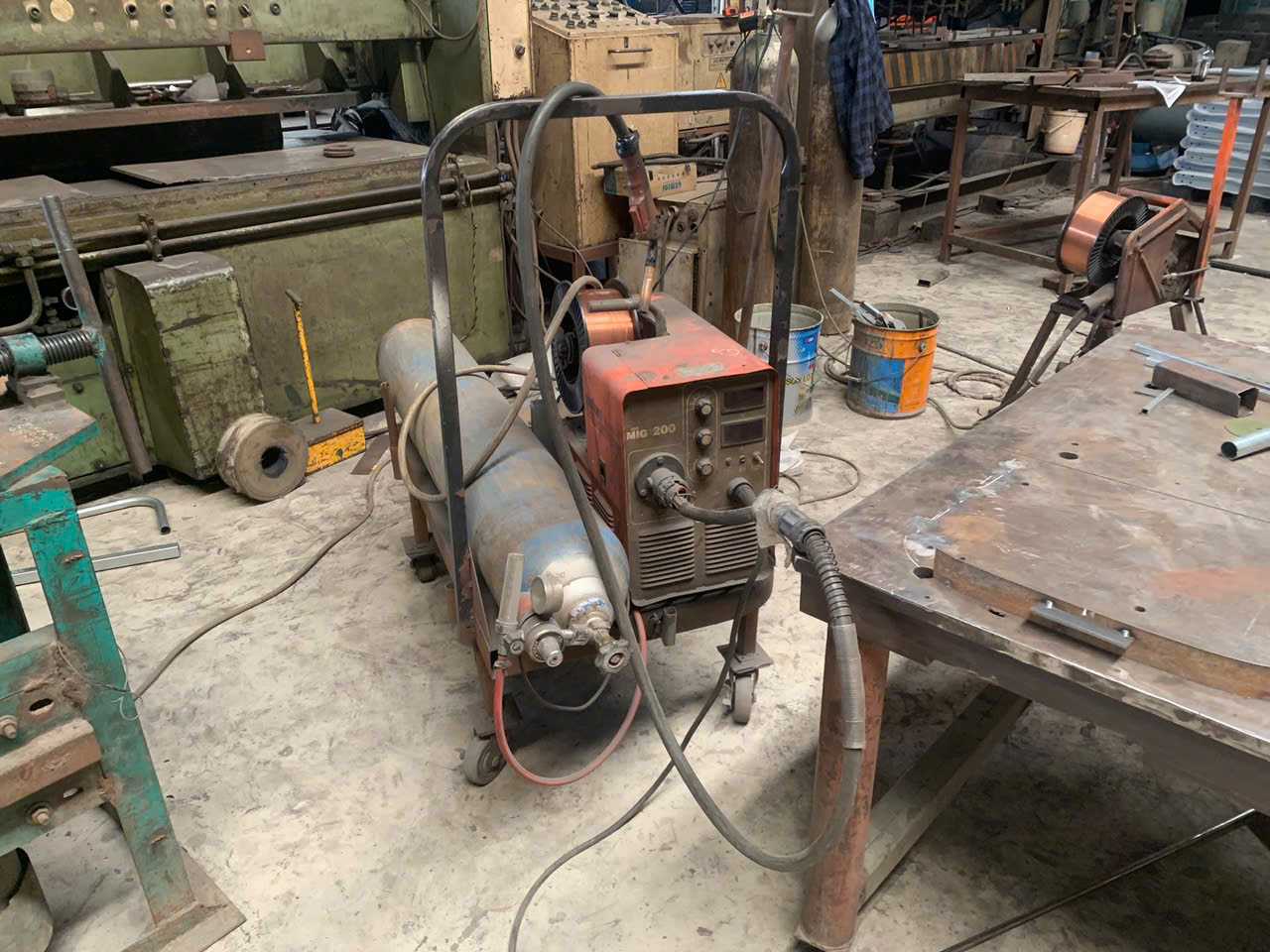
If your custom project includes electric welding machines or powered welding tools (not just fabricated parts), Vietnam requires specific labeling: the goods name, country of origin, and the responsible entity must be displayed on the product. While Vietnam does not impose a special governmental management policy on welding machines, the labeling must be compliant before export clearance is granted.
For fabricated welding parts — brackets, frames, jigs, fixtures — standard export labeling is sufficient. But if any component contains chemicals listed under Vietnam's Decree Appendix V (certain flux compositions in welding wire, for example), a chemical declaration and MSDS (Material Safety Data Sheet) must be included.
How does my sourcing agent handle the door-to-door logistics paperwork to ensure my delivery stays on schedule?
A buyer we work with once told me: "I don't care how the paperwork gets done. I just need my parts on the dock by Tuesday." That is exactly the right mindset for a purchasing manager — and exactly why the sourcing agent's logistics coordination matters so much. The paperwork is invisible when it works. It is painfully visible when it does not.
A professional sourcing agent manages door-to-door logistics paperwork by coordinating with the freight forwarder, customs broker on both ends, and the shipping line to ensure all documents — commercial invoice, packing list, bill of lading, C/O, ISF filing, and quality certifications — are prepared, cross-checked, and submitted within required timelines so your delivery stays on schedule.
The Document Timeline: From Factory to Your Door
Logistics paperwork is not a single event. It is a sequence of coordinated actions that must happen in a specific order. Here is the timeline our team follows for a typical sea freight shipment under Incoterms 2020 DDP or DAP terms:
Step 1: Pre-Production Phase (2–4 weeks before ship date)
We confirm the HS code classification with the client's customs broker. We verify the C/O form type needed. We confirm whether any import permit is required at the destination.
Step 2: Production Completion and Final Inspection (1 week before ship date)
Final inspection is completed. The quality documentation package is assembled: mill certs, FAI reports, dimensional inspection records. The commercial invoice and packing list are drafted based on actual packed quantities and weights.
Step 3: Export Clearance (3–5 days before vessel departure)
Our customs broker in Vietnam files the electronic customs declaration through the VNACCS/VCIS system. The C/O application is submitted to VCCI. The freight forwarder books the container and provides the draft bill of lading.
Step 4: Vessel Departure (Day 0)
The ISF 10+2 is filed at least 24 hours before departure (for U.S. shipments). The original bill of lading is issued. All export documents are scanned and sent to the client and their customs broker.
Step 5: In-Transit Document Coordination (During ocean transit)
We send the full document set — original B/L, commercial invoice, packing list, C/O, and quality certifications — via courier to the client or their customs broker. This ensures the documents arrive before the vessel does.
Step 6: Import Clearance and Last-Mile Delivery
The client's customs broker files the import entry. If we are managing door-to-door under DDP terms, our freight forwarder partner handles the import clearance, duty payment, and last-mile trucking to the client's warehouse.
What Can Go Wrong — and How We Prevent It
| Risk | Consequence | Our Prevention Measure |
|---|---|---|
| Wrong HS code on commercial invoice | Customs hold, potential penalty | Pre-shipment HS code verification with destination customs broker |
| Late ISF filing | $5,000 fine per violation, shipment hold | ISF filed 48 hours before departure (24-hour buffer) |
| Missing mill certificate | Customs delay, buyer's QC rejection | Mill certs collected during raw material procurement, not after production |
| C/O not ready before shipment | Cannot claim preferential tariff rate | C/O application submitted 5 business days before ship date |
| Document mismatch (invoice vs. B/L) | Red flag at customs, inspection triggered | Triple-check: invoice, packing list, and B/L cross-referenced before release |
The Role of the Freight Forwarder
The freight forwarder is the operational backbone of the logistics chain. They book vessel space, arrange container pickup from the factory, issue the bill of lading, and coordinate with port authorities on both ends. For our shipments, we work with established freight forwarder partners who understand the specific requirements for metal fabrication exports from Vietnam.
A good freight forwarder does more than move boxes. They flag potential issues — like a port congestion delay at Ho Chi Minh City that might push your container to the next sailing. They communicate proactively so we can adjust the document timeline accordingly.
Why Door-to-Door Service Matters for Custom Parts
Custom welding parts are not commodity products. They are made to order. If a shipment is delayed by two weeks because of a paperwork error, the client cannot simply buy replacement parts from a local distributor. The production line stops. The cost of delay far exceeds the cost of the parts themselves.
This is why our team treats logistics paperwork with the same rigor we apply to quality control. Every document is a checkpoint. Every checkpoint is an opportunity to catch an error before it becomes a delay. For a deeper look at the US import tariffs and customs policies that apply when sourcing welding parts from Vietnam, understanding the regulatory landscape upfront can further reduce the risk of unexpected costs at the port of entry.
Conclusion
Getting your customs clearance documents right is not optional — it is the difference between on-time delivery and costly delays. From the commercial invoice to the certificate of origin, every document protects your supply chain and your bottom line.
Frequently Asked Questions
What are the essential documents I need to prepare for importing custom welding parts from Vietnam?
A common question we hear from new clients is deceptively simple: "Just tell me what paperwork I need." The reality is that a typical Vietnam-to-U.S. shipment of custom welding parts requires seven to nine distinct documents, and the exact mix depends on material type, value, and end-use application.
How can I leverage a Certificate of Origin to minimize my import duties on Vietnamese metal components?
One lesson we learned early when setting up our Vietnam office was that the certificate of origin is far more than a formality. It is a financial instrument. Used correctly, it can cut your landed cost by a meaningful percentage through preferential tariff rates under trade agreements Vietnam has signed.
Which technical drawings and quality certifications must I include to avoid customs delays for my custom projects?
During a recent project involving heavy-duty steel mounting brackets for a U.S. industrial equipment manufacturer, we discovered that the buyer's customs broker had flagged the shipment because no material test report was included. The parts were sitting at the port for five days before the mill certificate was located and forwarded. That delay was entirely preventable.
Footnotes
1. Explains the official process and importance of customs clearance documents. ↩︎
2. Official government resource detailing the commercial invoice’s role in export/import clearance. ↩︎
3. Replaced with an authoritative source from the International Trade Administration (.gov) that explains what a packing list is and its importance in international trade. ↩︎
4. Wikipedia provides a comprehensive definition and functions of a bill of lading. ↩︎
5. Explains the critical role of Certificates of Origin in international trade and tariff preferences. ↩︎
6. Details the U.S. Customs and Border Protection (CBP) requirements for ISF 10+2 filing. ↩︎
7. Official World Customs Organization page explaining the Harmonized System (HS) codes. ↩︎
8. Replaced with the official European Commission page providing information on CE marking. ↩︎
9. Official International Plant Protection Convention resource on phytosanitary certificates. ↩︎
10. U.S. government overview of Vietnam’s trade agreements and their impact. ↩︎