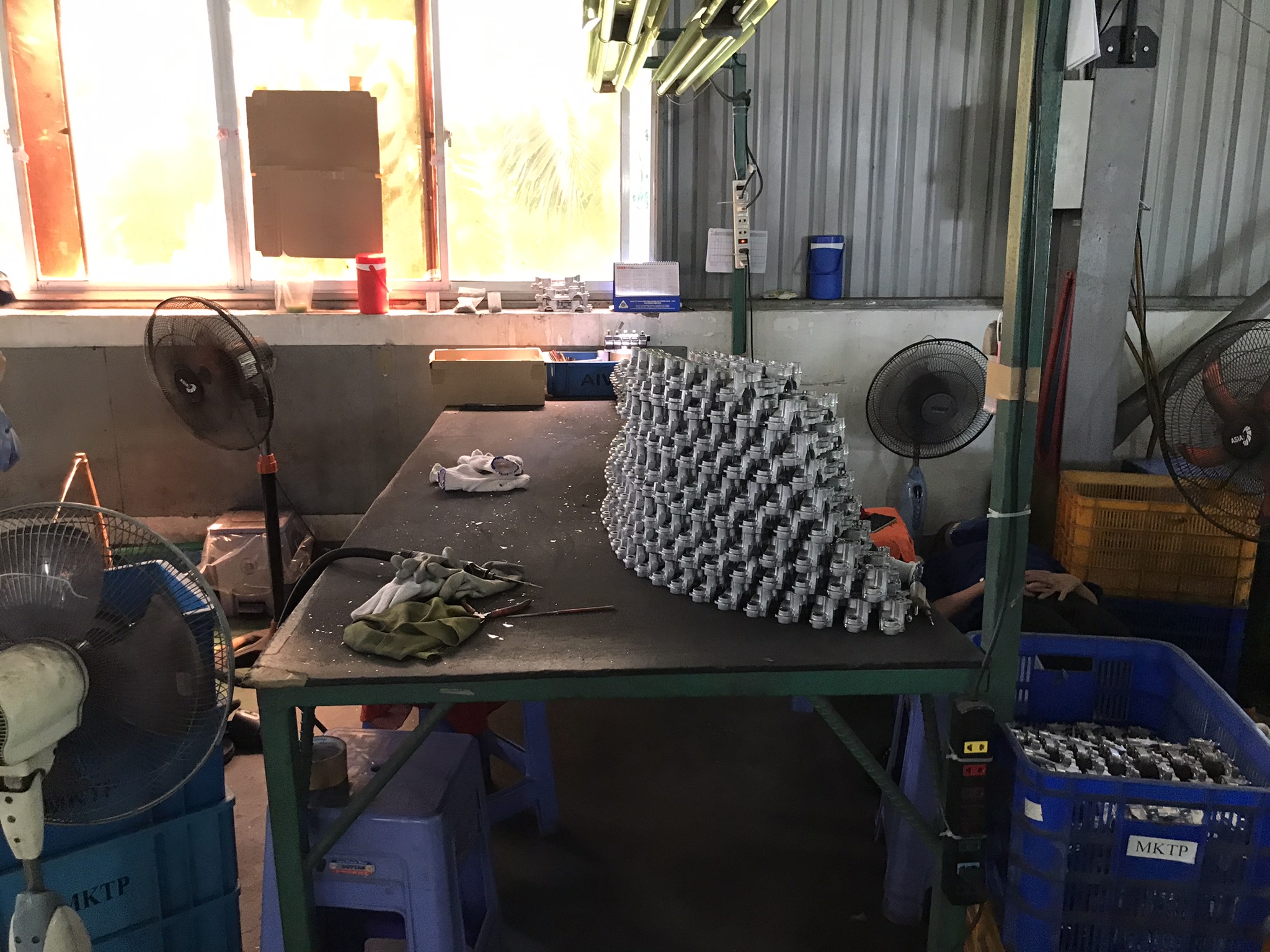
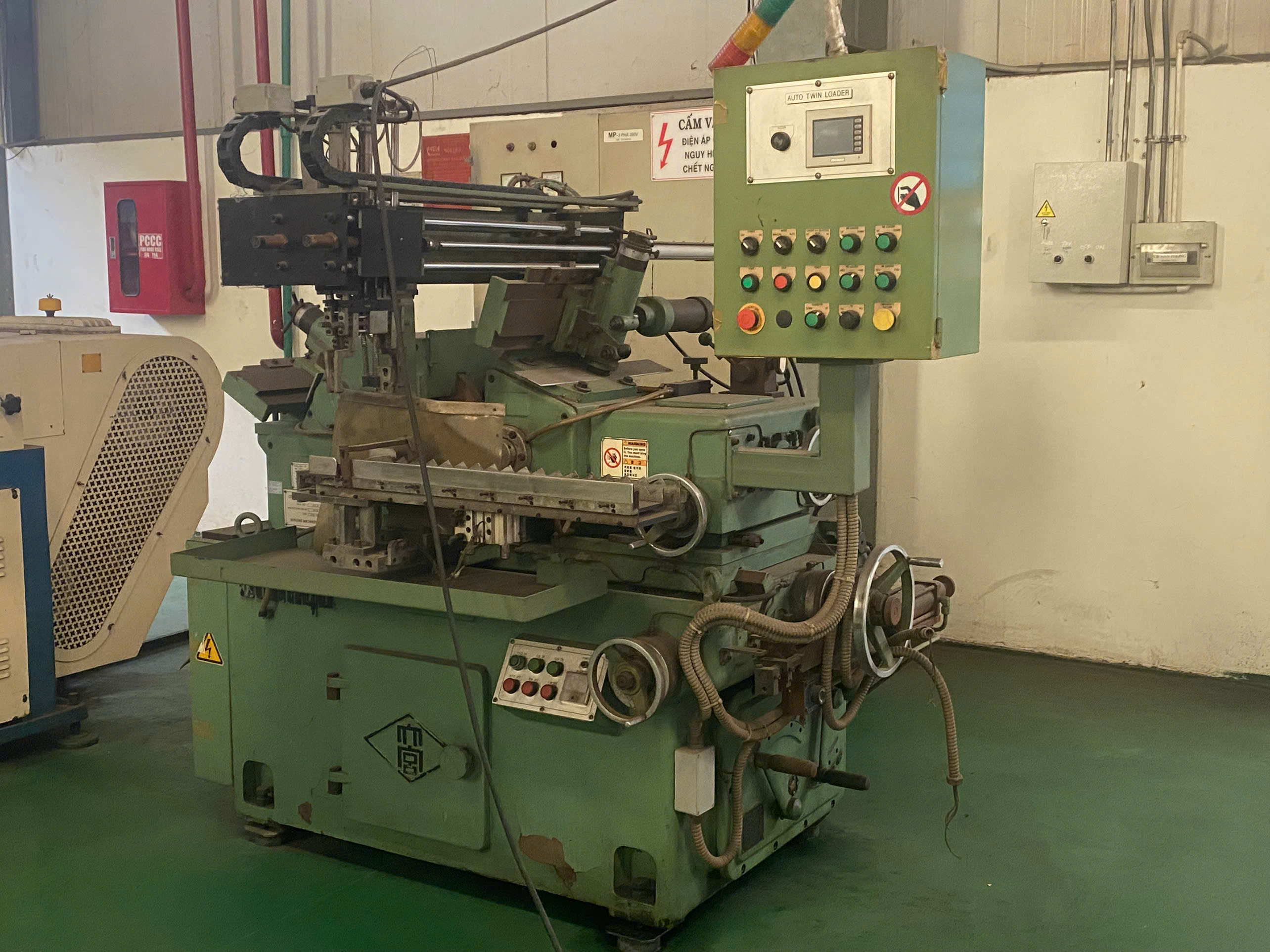
When our team audits sheet metal fabrication facilities across Vietnam and China, we constantly encounter pollution problems that buyers never see — until regulatory penalties hit their supply chain.
Sheet metal fabrication generates environmental pollution across four main categories: air emissions including welding fumes and volatile organic compounds, wastewater discharge containing heavy metals, hazardous solid waste such as contaminated sludges and scrap, and high energy consumption driving a significant carbon footprint throughout the production cycle.
Each of these pollution categories creates real risk for purchasing managers who source custom parts from overseas RCRA guidelines 1. Let me walk you through what we see on the ground, what questions you should ask, and how to protect your supply chain from environmental compliance failures.
How do the chemical finishing processes in sheet metal fabrication affect my environmental compliance?
A conversation with one of our U.S. clients last year brought this issue into sharp focus — his previous supplier had been dumping untreated plating rinse water, and the resulting regulatory investigation nearly shut down his entire import program.
Chemical finishing processes — including plating, galvanizing, anodizing, and chromate conversion — generate wastewater discharge loaded with heavy metals like chromium, cadmium, and lead. These processes also release volatile organic compounds from degreasing and cleaning solvents, directly threatening your environmental compliance if your supplier lacks proper treatment systems.
What Chemicals Are Involved?
Chemical finishing is essential for corrosion resistance, appearance, and functional performance of sheet metal parts. But each process introduces specific pollutants. Here is a breakdown of common finishing processes and the pollutants they generate:
| Finishing Process | Primary Pollutants | Environmental Risk |
|---|---|---|
| Electroplating (chrome, nickel, zinc) | Chromium VI, nickel ions, cyanide | Highly toxic wastewater; carcinogenic air mist |
| Hot-dip galvanizing | Zinc, lead, flux residues | Heavy metal contamination of water and soil |
| Anodizing (aluminum) | Sulfuric acid, aluminum hydroxide sludge | Acidic wastewater; hazardous sludge disposal |
| Powder coating | VOCs (from pre-treatment), overspray particles | Air emissions; solid waste from booth filters |
| Chemical degreasing | Trichloroethylene, acetone, alkaline solutions | VOC air emissions; contaminated wastewater |
| Passivation / chromate conversion | Hexavalent chromium 2 compounds | Extremely hazardous to aquatic ecosystems |
The Hidden Chain of Contamination
Most buyers focus on the finished part. They check dimensions, surface quality, and color. But behind that matte charcoal gray finish on a pair of custom mounting brackets sits a multi-step chemical process. Each step consumes chemicals and water. Each step produces waste.
Take electroplating as an example. The part goes through alkaline cleaning, acid pickling, plating, and multiple rinse stages. Every rinse tank accumulates dissolved metals. Over time, rinse water becomes a cocktail of heavy metals 3. If the factory does not operate a proper wastewater treatment system — with pH adjustment, chemical precipitation, filtration, and sludge handling — those metals go straight into local waterways.
We have seen this firsthand during supplier audits in Southeast Asia. Factories that look clean on the surface sometimes route wastewater through hidden pipes. That is why our audit protocol includes checking discharge permits, testing effluent samples, and verifying sludge disposal records.
VOCs from Cleaning and Degreasing
Before any finishing step, parts must be free of oils and contaminants. Traditional solvent-based degreasers release volatile organic compounds 4 into the shop air. These VOCs contribute to smog, harm workers, and can drift into surrounding communities.
The industry is shifting toward aqueous cleaning systems that avoid organic solvents. But aqueous systems still generate contaminated wastewater. The pollution does not disappear — it changes form.
For your compliance, the key question is this: does your supplier track and report chemical usage, waste generation, and emissions? If they cannot show you a chemical inventory and waste manifest, you have a gap in your supply chain documentation.
What waste management standards should I require from my overseas sheet metal manufacturers?
One trade-off we weigh constantly is cost versus compliance. A supplier who cuts corners on hazardous waste management can offer lower piece prices — but the hidden liability to your business can be enormous.
You should require your overseas sheet metal manufacturers to comply with hazardous waste management standards equivalent to RCRA guidelines, including proper classification, storage, transport, and disposal of metal sludges, spent metalworking fluids, contaminated scrap, and solvent wastes. Demand documented waste manifests, licensed disposal contractors, and regular third-party audits.
Types of Hazardous Waste in Sheet Metal Fabrication
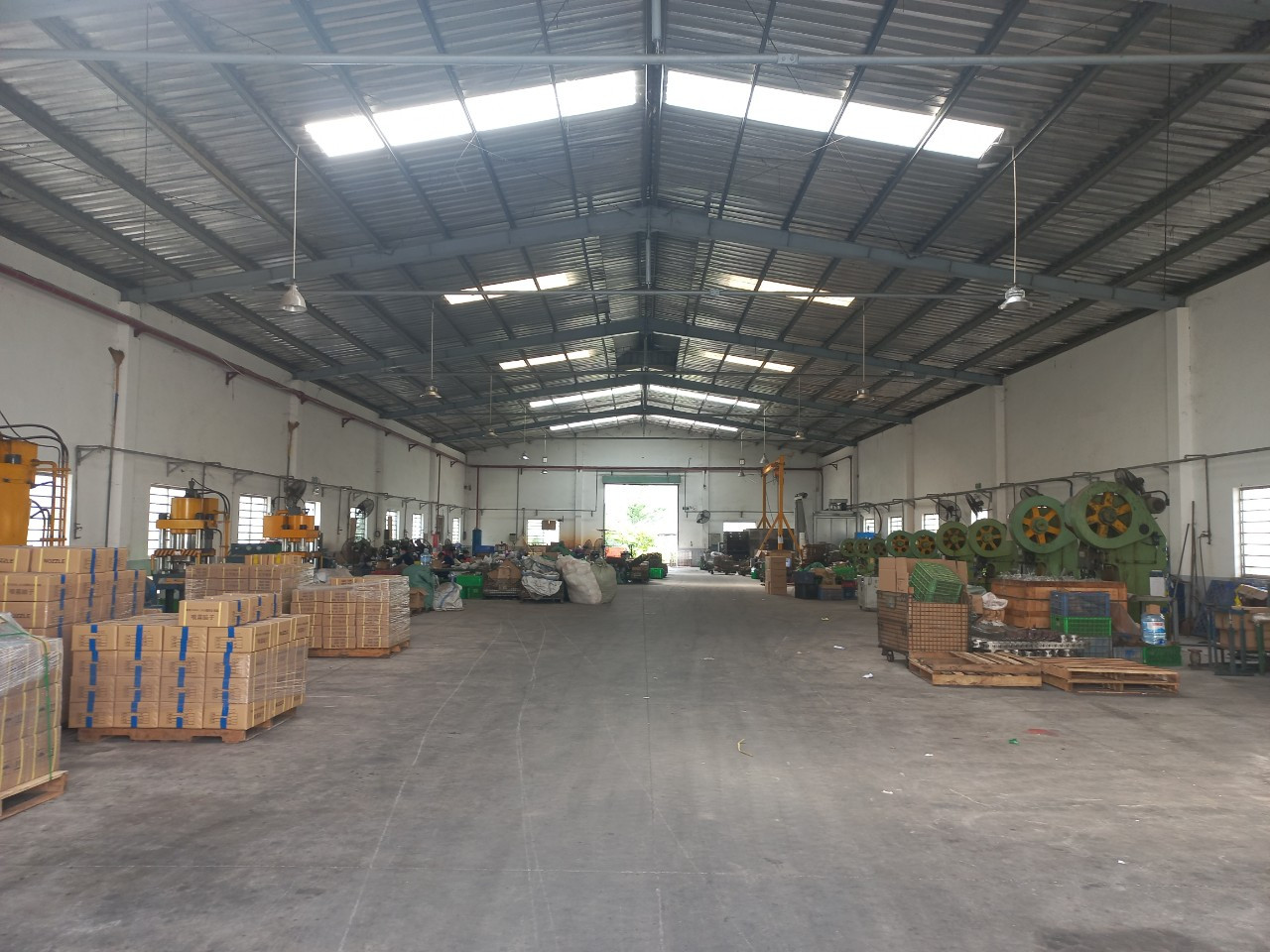
Sheet metal fabrication produces waste at every stage. Some of it is straightforward — clean metal offcuts that go to scrap metal recycling. But much of it is hazardous and requires special handling. Here is what a typical fabrication shop generates:
| Waste Category | Examples | Hazard Classification |
|---|---|---|
| Metal sludges | Wastewater treatment precipitates, grinding sludge | Toxic (heavy metals), may be corrosive |
| Spent metalworking fluids 5 | Used cutting oils, coolants, emulsions | Flammable, toxic, promotes bacterial growth |
| Solvent wastes | Still-bottom residues, used degreasers | Flammable, toxic, VOC-releasing |
| Contaminated scrap | Metal chips (swarf) soaked in cutting fluid | Requires decontamination before recycling |
| Filter and booth waste | Paint booth filters, dust collector bags | May contain heavy metal particulates |
| Packaging waste | Chemical drums, contaminated containers | Requires decontamination or special disposal |
Why This Matters for Your Supply Chain
Global metal waste exceeds 2 billion tons annually. A significant portion of that comes from fabrication processes. When waste is improperly disposed of, toxic substances leach into soil and groundwater. This creates legal liability that can trace back to the brand owner — you.
In our experience managing supply chains across Vietnam and China, the biggest gap we find is documentation. Many small and mid-size fabrication shops handle waste informally. They pay a local collector to haul sludge away. There is no manifest. There is no record of where it goes. If that waste ends up in a river, and the authorities trace it back, the factory gets fined — and your orders get delayed or frozen.
What to Demand in Practice
Here is a practical checklist we use during supplier qualification:
- Waste classification records — Does the factory identify each waste stream and its hazard class?
- Licensed disposal contractors — Are waste haulers and treatment facilities properly licensed?
- Waste manifests — Does each shipment of hazardous waste have a tracking document from generation to final disposal?
- Storage compliance — Is hazardous waste stored in labeled, sealed containers on impervious surfaces with secondary containment?
- Metalworking fluid management — Does the factory monitor fluid condition, control tramp oil contamination, and dispose of spent fluids properly?
- Scrap segregation — Are contaminated metal chips separated from clean scrap before going to recycling?
Tramp oils 6 are a particularly underestimated problem. When hydraulic oil or lubricant leaks into metalworking fluids, it promotes bacterial growth — specifically organisms like Pseudomonas oleovorans. These bacteria degrade the fluid, create foul odors, generate oil mist and smoke during machining, and turn the spent fluid into a more complex hazardous waste stream. Proper fluid maintenance reduces both environmental impact and machining costs.
The Recycling Debate
There is ongoing debate about whether contaminated metal scrap can be economically recycled. Some argue that the cost of cleaning swarf — removing oils, solvents, and bacterial residue — makes recycling impractical. Others point out the environmental necessity. Our position is practical: proper fluid management upstream dramatically reduces contamination downstream, making scrap metal recycling both feasible and cost-effective. The key is prevention, not cure.
How can I verify that my supplier is effectively managing air and noise pollution during production?
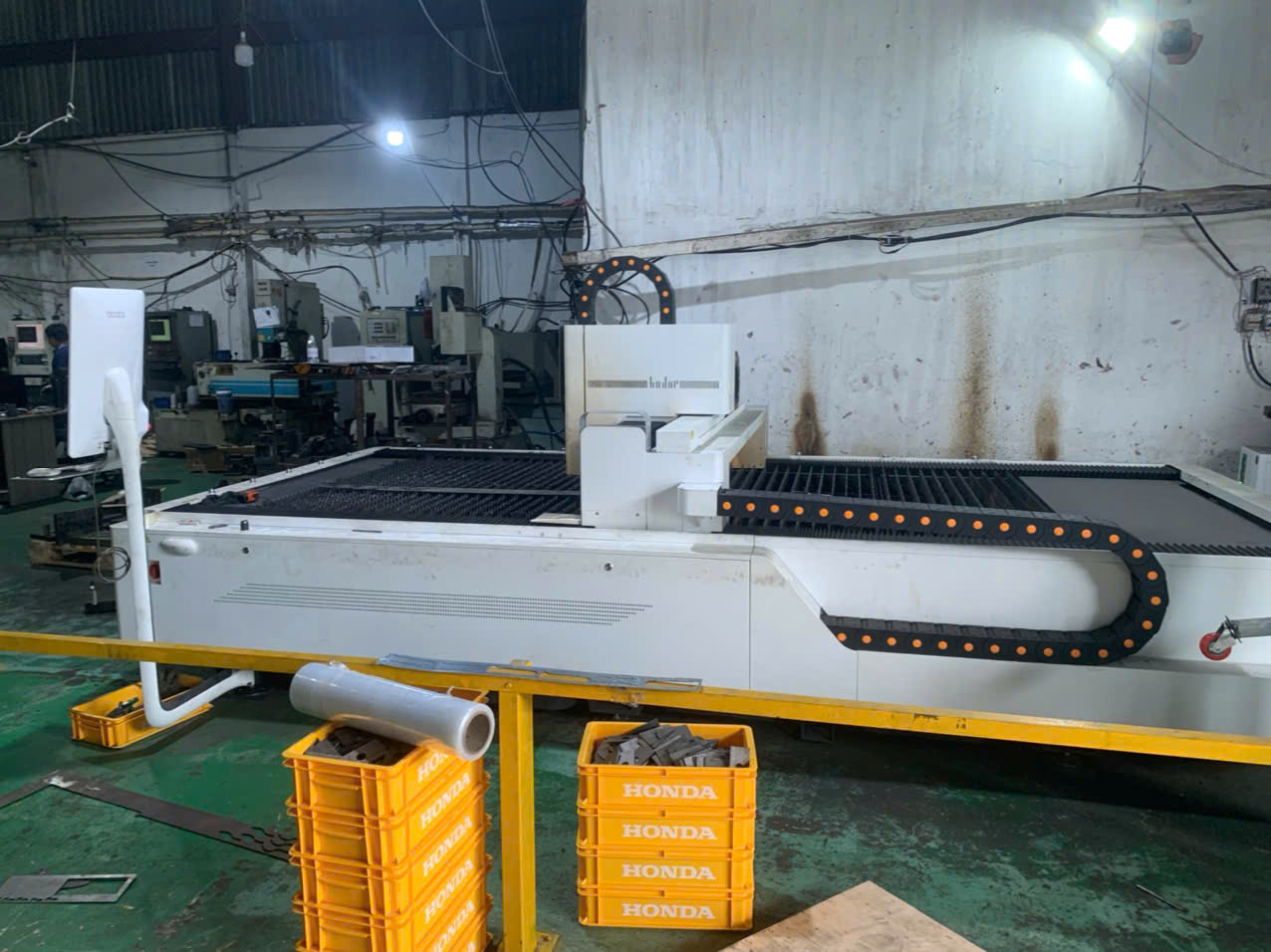
During a recent facility visit in northern Vietnam, I stood on the shop floor next to a laser cutting station processing stainless steel brackets. The extraction hood was running, but the visible haze in the room told me the filtration system was undersized. That single observation changed our assessment of that supplier.
To verify air and noise pollution management, conduct on-site audits that inspect ventilation and extraction systems, review air quality monitoring records, check welding fume capture rates, confirm noise level measurements at the property boundary, and request environmental monitoring reports from accredited third-party testing agencies.
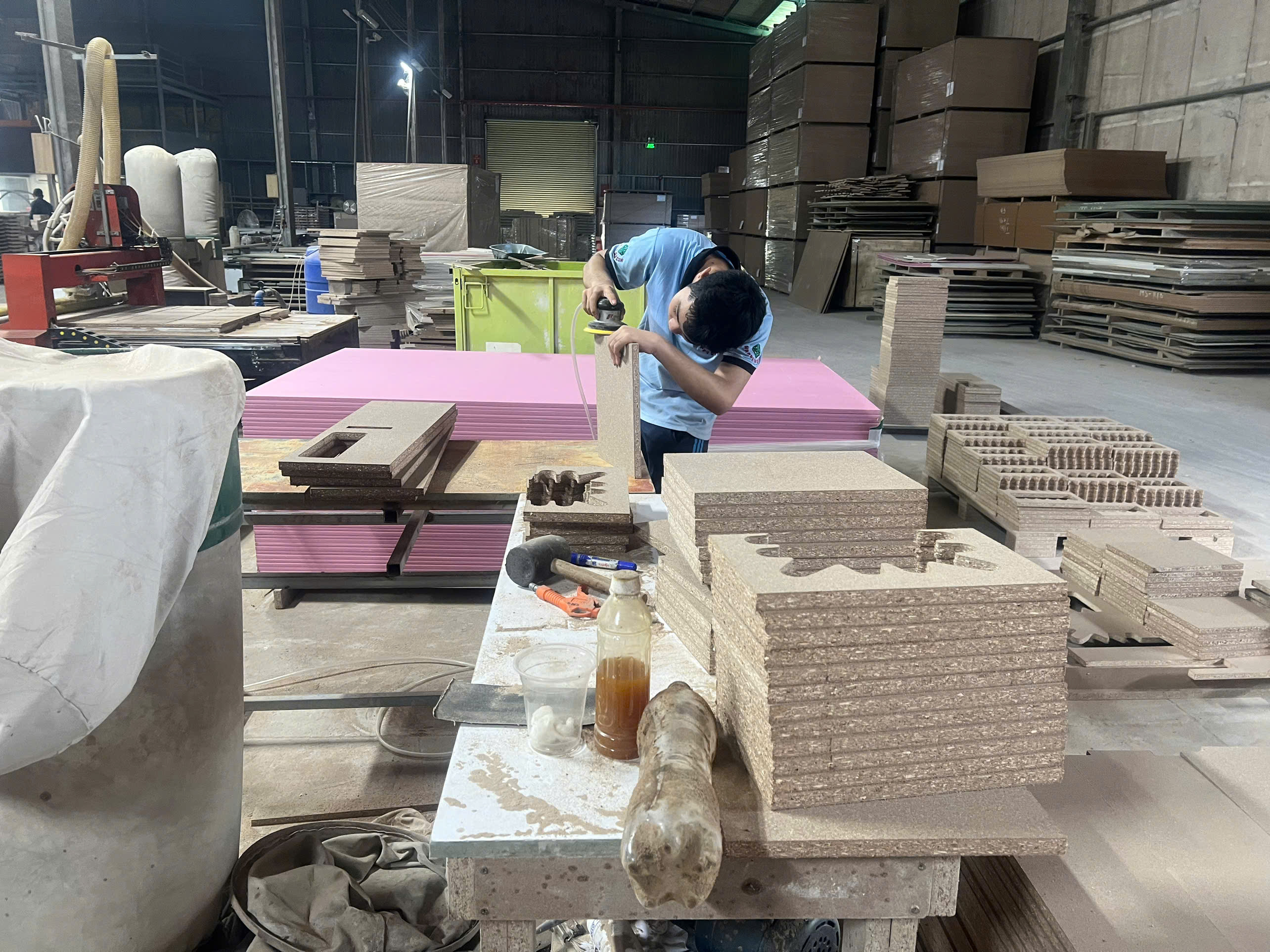
Air Emissions: What Comes Off the Shop Floor
Sheet metal fabrication produces air emissions from multiple sources. Each process creates different pollutants. Understanding what to look for during an audit requires knowing which operations generate which hazards.
Welding produces metal fumes 7 containing manganese, chromium, cadmium, and other toxic elements. It also generates ozone and carbon monoxide. The specific fume composition depends on the base metal and the welding method. MIG welding stainless steel, for instance, releases hexavalent chromium — a potent carcinogen.
Laser cutting and plasma cutting generate fine particulates. When the material is stainless steel, these particles can include nickel, cobalt, and polycyclic aromatic hydrocarbons 8 (PAHs). All three are associated with serious health risks. Grinding and deburring operations add to the particulate load.
Coating and painting operations release volatile organic compounds. Even powder coating, which is sometimes marketed as "zero VOC," requires a chemical pre-treatment step that can involve solvents or acidic solutions with their own air emissions.
Noise Pollution: The Overlooked Problem
Noise pollution from sheet metal fabrication is significant. Stamping presses, shearing machines, pneumatic tools, and material handling all generate high noise levels. Inside the shop, this is a worker health issue. Outside the shop, it becomes a community complaint and a regulatory matter.
| Pollution Source | Pollutant Type | Typical Control Measure |
|---|---|---|
| MIG/TIG welding | Metal fumes (Cr, Mn, Cd), ozone, CO | Local exhaust ventilation, fume extraction arms |
| Laser cutting (stainless) | Ni, Co, PAH particulates | Enclosed cutting bed with HEPA filtration |
| Grinding / deburring | Metal dust, abrasive particles | Downdraft benches, dust collection systems |
| Spray painting | VOCs, paint mist | Spray booths with activated carbon filters |
| Stamping / pressing | Noise (85–110 dB), vibration | Acoustic enclosures, vibration isolation mounts |
| Plasma cutting | Metal fumes, nitrogen oxides | Water tables, exhaust with filtration |
How We Verify on the Ground
When our audit team evaluates a supplier's air and noise pollution controls, we follow a structured process:
First, we walk the shop floor and visually assess extraction systems. Are the capture hoods positioned correctly? Is there visible haze, dust, or mist? Are welding fume extraction arms actually being used by operators, or are they pushed aside?
Second, we review environmental monitoring reports. In both China and Vietnam, factories above a certain size are required to submit periodic air quality and noise monitoring data to local environmental bureaus. We ask to see these reports and cross-reference them with government thresholds.
Third, we check maintenance logs for filtration equipment. A HEPA filter that has not been replaced in two years is not protecting anyone. We look for filter replacement schedules, differential pressure readings, and spare parts inventory.
Fourth, for noise, we check whether boundary noise measurements have been conducted. Factories near residential areas face strict limits. If your supplier is in violation, they risk a shutdown order — and your delivery schedule goes with it.
The connection between air emissions and worker health is direct. Workers exposed to welding fumes without adequate protection develop respiratory conditions. High turnover follows. Quality suffers. Delivery slips. What starts as an environmental issue becomes a supply chain performance issue.
What are the risks to my supply chain if my fabrication partner lacks proper environmental certifications?
A lesson we learned early in our sourcing operations: a supplier without ISO 14001 9 or equivalent environmental certification is not just an environmental risk — they are a business continuity risk.
If your fabrication partner lacks proper environmental certifications, you face risks including unexpected facility shutdowns due to regulatory enforcement, shipment delays from government-ordered production halts, reputational damage from association with polluting suppliers, potential legal liability under importing-country environmental regulations, and loss of end-customer contracts that mandate supply chain sustainability compliance.
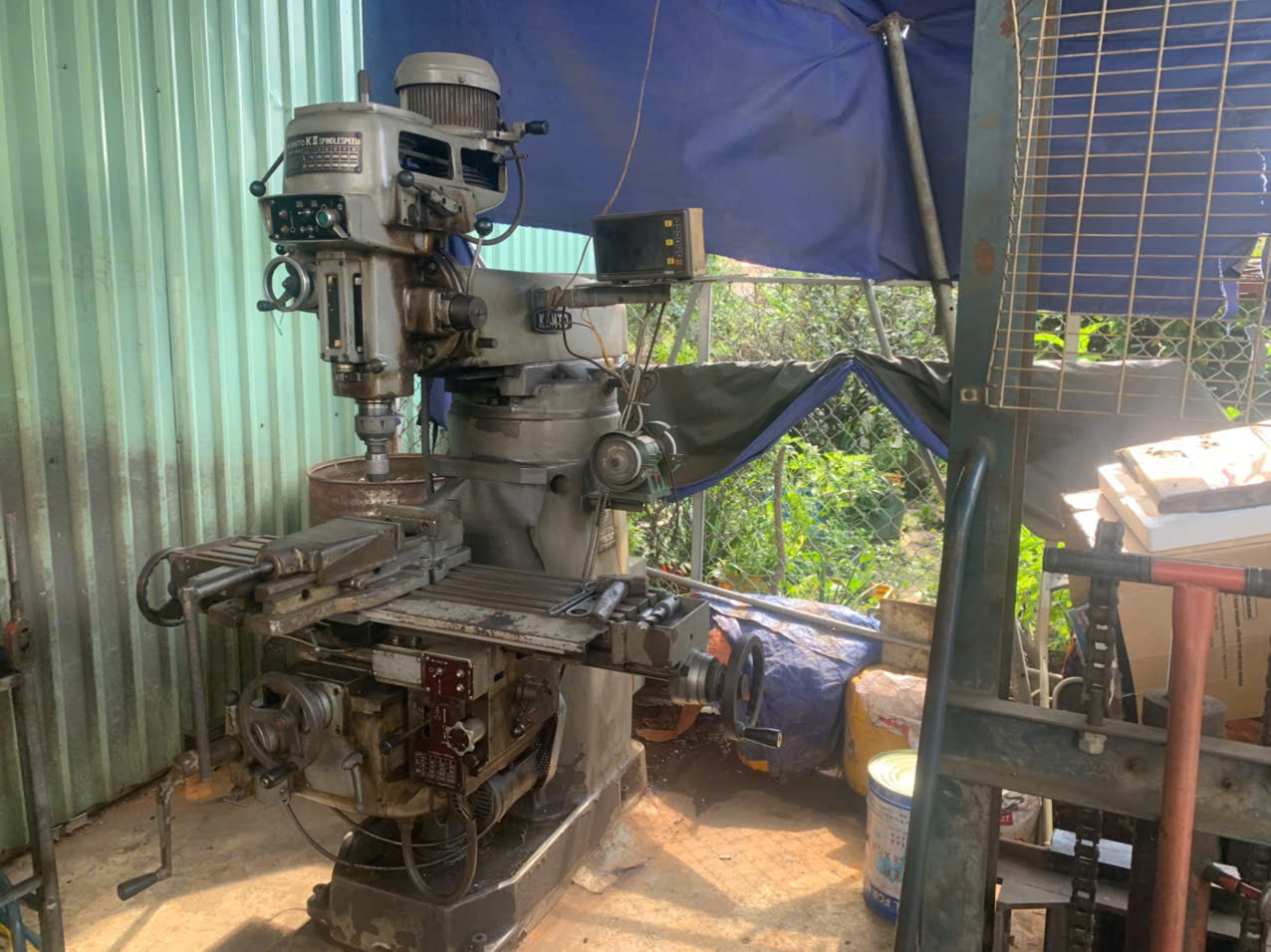
The Real-World Consequences
Environmental enforcement has intensified dramatically in Asian manufacturing hubs over the past five years. In China, the central government's environmental inspection campaigns have shut down thousands of factories — sometimes with only days of notice. In Vietnam, provincial environmental authorities are increasingly active, especially near industrial zones with water treatment concerns.
When a supplier gets shut down, your parts stop flowing. There is no workaround. You cannot expedite an order from a closed factory. And finding a qualified replacement supplier for custom sheet metal components — mounting plates, brackets, protective housings — takes weeks or months, not days.
What Certifications to Look For
Not all certifications carry equal weight. Here is how we evaluate them:
- ISO 14001 — The international standard for environmental management systems. It demonstrates that the factory has a structured approach to identifying, managing, and reducing its environmental impact. This is the baseline we recommend for any supplier making mid-to-high quality custom parts.
- OHSAS 18001 / ISO 45001 — Occupational health and safety management. While not strictly environmental, it covers worker exposure to welding fumes, noise pollution, and chemical hazards — all closely linked to environmental controls.
- Local environmental permits — Discharge permits, air emission permits, and hazardous waste handling licenses. These are jurisdiction-specific and must be current.
- RoHS / REACH compliance — For parts entering the EU or products subject to substance restrictions, material-level compliance is essential.
For a deeper dive into the specific certifications required when exporting to Western markets, see our guide on what certifications are needed for exporting sheet metal fabrication to Europe and the US.
Energy Consumption and Carbon Footprint
Environmental certifications increasingly cover energy consumption and carbon footprint 10. Primary steel and aluminum production is one of the most energy-intensive industrial processes on earth. The electricity and heat required to produce the raw sheet metal your parts are made from represent a major source of carbon emissions — before the fabrication shop even starts cutting.
Transportation adds to this footprint. Moving raw materials to the fabrication facility, and finished parts to your warehouse in the United States, involves significant logistics emissions. A supplier with environmental certifications typically tracks and reports these impacts. One without certifications almost certainly does not.
The Business Case for Requiring Certifications
Beyond risk avoidance, there is a positive business case. End customers — particularly in automotive, medical device, and electronics sectors — increasingly require their supply chains to demonstrate environmental compliance. If your fabrication partner cannot provide certification evidence, you may lose contracts.
We have seen this play out directly. A U.S. client of ours was responding to an RFQ from a major OEM. The OEM required proof that every tier of the supply chain held ISO 14001 certification. Our client's previous supplier did not have it. We helped them transition to a certified facility in Vietnam. They won the contract.
Environmental regulations like TSCA and RCRA in the United States, and their equivalents in exporting countries, create a legal framework that extends liability beyond the polluter. As the importer, you have a responsibility to ensure your supply chain does not involve illegal waste disposal or uncontrolled emissions. Proper certifications are your documented evidence of due diligence. To understand how leading suppliers are proactively meeting environmental and green manufacturing standards, explore our detailed overview.
Conclusion
Sheet metal fabrication creates real environmental pollution — from air emissions and wastewater discharge to hazardous waste and high energy consumption. Protecting your supply chain requires verified certifications, thorough audits, and proactive supplier management.
Frequently Asked Questions
What Chemicals Are Involved?
Chemical finishing is essential for corrosion resistance, appearance, and functional performance of sheet metal parts. But each process introduces specific pollutants. Here is a breakdown of common finishing processes and the pollutants they generate:
How do the chemical finishing processes in sheet metal fabrication affect my environmental compliance?
A conversation with one of our U.S. clients last year brought this issue into sharp focus — his previous supplier had been dumping untreated plating rinse water, and the resulting regulatory investigation nearly shut down his entire import program.
What waste management standards should I require from my overseas sheet metal manufacturers?
One trade-off we weigh constantly is cost versus compliance. A supplier who cuts corners on hazardous waste management can offer lower piece prices — but the hidden liability to your business can be enormous.
Footnotes
1. Explains RCRA’s authority over hazardous waste from ‘cradle-to-grave.’ ↩︎
2. Found an authoritative OSHA overview page for Hexavalent Chromium. ↩︎
3. Provides an overview of metals in ecosystems and their potential toxicity. ↩︎
4. Explains what VOCs are, their sources, and potential health effects. ↩︎
5. Found the main OSHA page for metalworking fluids, which covers related health and safety practices, including waste management implicitly. ↩︎
6. Defines tramp oil and its negative impacts on metalworking fluids. ↩︎
7. Outlines health hazards associated with welding metal fumes and gases. ↩︎
8. Found an authoritative ToxFAQs fact sheet on Polycyclic Aromatic Hydrocarbons from CDC/ATSDR. ↩︎
9. Explains ISO 14001 as an international standard for environmental management systems. ↩︎
10. Found an EPA page that includes a definition of Carbon Footprint in its ‘About’ section, suitable as an authoritative source. ↩︎