

Export stamping parts must comply with [environmental regulations](https://dewintech.com/blog/what-environmental-requirements-stamping-parts-production-are-the/) like REACH and RoHS 1, yet many buyers only discover this at customs. I have watched shipments sit in port over a missing declaration brominated flame retardants 2. Our sourcing team now builds the compliance file before the first article ever ships.
Export stamping parts shipped to the EU or U.S. must comply with EU REACH (SVHC disclosure above 0.1% by weight and Annex XVII restrictions) and EU RoHS (ten restricted substances in homogeneous materials), plus possible UK REACH, China RoHS, and customer-specific restricted substance lists.
The rules sound abstract until a shipment gets held. Below, I break down what these regulations actually demand from a simple metal bracket, and how to prove compliance without guesswork.
How do I ensure my stamping parts meet REACH and RoHS requirements before shipping to the U.S. or Europe?
A few years back, our team in Vietnam audited a stamping shop for a U.S. client. The base steel was fine. The zinc plating line was the problem. That visit changed how we qualify every finish.
Ensure compliance by controlling the full chemistry chain: verify base metal certificates, specify RoHS-compliant platings and coatings, audit process chemicals like lubricants and cleaners, screen against the current SVHC list, and require lot-linked declarations from every subcontractor before shipment.

Compliance for stamping parts follows the chemistry, not the shape. A stamped bracket is geometrically simple. But its compliance profile depends on the material stack: the base metal, the plating, the passivation layer, and even the rust-preventive oil applied before packing. Each layer can carry a restricted substance.
Here is the practical distinction. REACH treats your stamped part as an "article." That means it applies to almost any metal stamping entering the EU, whether it goes into furniture, machinery, or electronics. RoHS is narrower. It applies when your part becomes a component of electrical and electronic equipment 3. If your bracket mounts a circuit board or a power supply, RoHS matters. If it holds a shelf, REACH is usually the main concern.
A Pre-Shipment Compliance Sequence
In our project management process, we run these steps before any first shipment:
- Classify the end use. Confirm whether the part enters EEE (RoHS applies) or a general article (REACH only).
- Lock the material spec. Get mill certificates for the base metal, including trace elements. ISO 4
- Approve the finish chemistry. Require the plating shop to declare bath chemistry, especially chromium type.
- Audit process inputs. Check die lubricants, cleaners, and anti-tarnish agents against the SVHC list.
- Screen against current lists. The SVHC candidate list 5 updates twice a year, in June and December.
- Assemble the compliance file. Link declarations to the specific production lot before goods leave the factory.
| Regulation | Scope | Key Trigger for Stampings |
|---|---|---|
| EU REACH | All articles entering the EU | SVHC above 0.1% w/w; Annex XVII restrictions on finishes |
| EU RoHS | Electrical/electronic equipment | 10 restricted substances in each homogeneous material |
| UK REACH/RoHS | Goods sold into Great Britain | Similar rules, separate administration and timing |
| China/Korea RoHS | Local EEE markets | Country-specific labeling and thresholds |
One more point. Non-EU exporters are not off the hook. The legal duty may fall on the EU importer, but that importer cannot comply without your data. In practice, the exporter who supplies clean documentation wins the order.
What documentation should I request from my supplier to prove compliance with these regulations?
A purchasing manager once emailed me a supplier's one-line "RoHS compliant" certificate and asked if it would survive an audit. My honest answer was no. His customer wanted lot-level proof, and that generic letter proved nothing.
Request a signed Certificate of Compliance naming the specific regulation and part number, material mill certificates, plating and coating chemistry declarations, an SVHC screening statement, Safety Data Sheets for process chemicals, and third-party test reports (such as SGS or TÜV) tied to the shipment lot.

Buyers today reject blanket certificates. The trend is clear: part-level declarations tied to specific lots, finishes, and subcontractors. A strong compliance file has layers, and each layer answers a different question.
The Document Stack, Layer by Layer
| Document | What It Proves | Who Issues It |
|---|---|---|
| Mill test certificate | Base metal chemistry, including trace metals | Steel or aluminum mill |
| Plating declaration | Finish type, chromium valence, cadmium-free status | Plating subcontractor |
| RoHS Declaration of Conformity | All 10 restricted substances below limits per homogeneous material | Stamping supplier |
| REACH/SVHC statement | No SVHC above 0.1% w/w, referenced to a dated candidate list | Stamping supplier |
| Third-party test report | Lab-verified substance levels (XRF 6 or wet chemistry) | SGS, TÜV, Intertek, or similar |
| SDS for process chemicals | Lubricants, cleaners, and oils contain no restricted inputs | Chemical suppliers |
Two details matter more than most buyers realize. First, the date on the SVHC statement. The candidate list changes every June and December, so a declaration referencing a two-year-old list is stale. Second, traceability. The document should name the material lot, the plating batch, and the shipment lot. Without that link, the paper cannot defend a specific delivery.
When we write RFQs for clients, we specify the regulation version, document language, signature requirement, maximum report age, and a retention period, usually several years. That single paragraph in the RFQ prevents most documentation disputes later. If your part enters electrical equipment, also ask how your documents fit the buyer's technical file. RoHS conformity flows upward, and your declaration becomes part of someone else's CE evidence.
Which materials and coatings should I avoid to stay compliant with REACH and RoHS restrictions?
There is a trade-off we weigh on almost every plated stamping project: corrosion performance versus regulatory risk. Some legacy finishes protect steel beautifully. They also carry substances that regulators have spent two decades restricting.
Avoid hexavalent chromium plating and passivation, cadmium coatings, leaded brass and steel above threshold, mercury-bearing compounds, and coatings containing restricted phthalates or brominated flame retardants. Choose trivalent chromium passivation, zinc-nickel, tin, or clean zinc plating with compliant sealers instead.
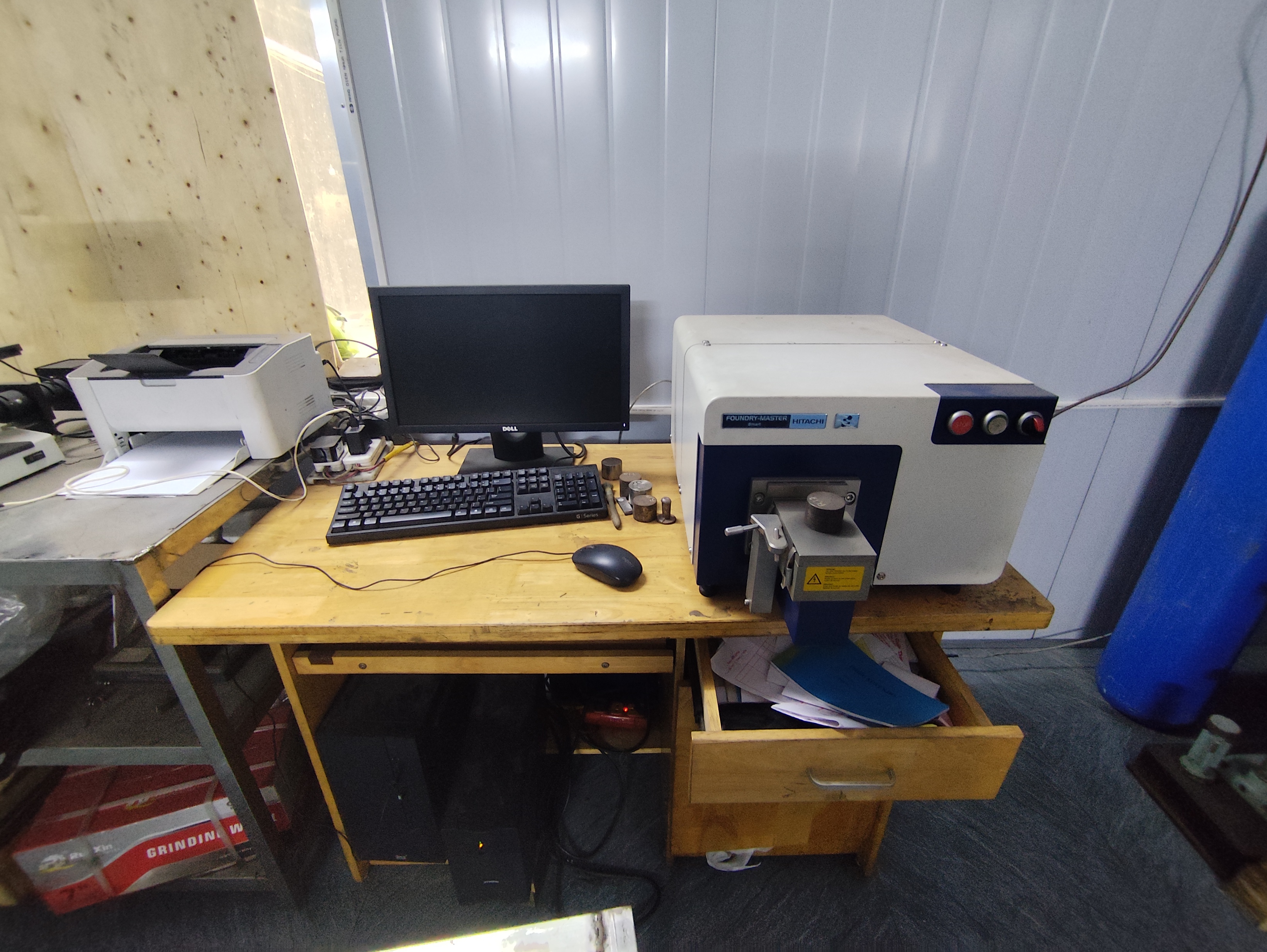
The finish stack is the highest-risk zone on a stamped part. The base metal rarely fails a screen. The coating often does. Here is what our engineers flag first when reviewing a drawing.
High-Risk Substances and Practical Alternatives
| Restricted Substance | Where It Hides on Stampings | Compliant Alternative |
|---|---|---|
| Hexavalent chromium 7 (Cr6+) | Yellow/olive chromate passivation over zinc | Trivalent chromium passivation |
| Cadmium | Legacy aerospace-style corrosion coatings | Zinc-nickel plating |
| Lead | Free-machining brass, some steel alloys, solders | Low-lead brass grades, lead-free solder |
| Mercury | Rare, but possible in some pigments | Mercury-free paint systems |
| PBB/PBDE and phthalates | Painted or polymer-coated surfaces, protective films | Verified compliant paints and films |
A few notes from real projects. Yellow chromate is the classic trap. Many older drawings still call out "zinc plated, yellow chromate," which traditionally means hexavalent chromium. We push clients to update the callout to trivalent passivation, which delivers similar corrosion resistance on most hardware. Leaded brass is another quiet risk, because lead is added for machinability and can exceed RoHS limits unless an exemption applies.
Do not forget the invisible inputs. Die lubricants, cutting fluids, rust-preventive oils, and temporary protective films can introduce restricted chemicals as residues. They are not part of the drawing, but they touch every part. We ask stamping shops for the SDS of every chemical used on the line, then screen those against REACH and the customer's restricted substance list. It takes an afternoon. It saves a rejected shipment.
How can I verify that my Asian supplier is actually testing for compliance and not just claiming it?
During a supplier audit outside Hanoi, I asked a factory manager to show me the test report behind his RoHS certificate. He could not find one. The certificate was real paper with a real stamp, and it was backed by nothing.
Verify by requesting recent third-party lab reports matched to your part's finish, auditing the plating subcontractor directly, checking that SVHC statements reference the current candidate list, conducting spot XRF testing on received lots, and confirming the supplier has a documented restricted-substance control procedure.
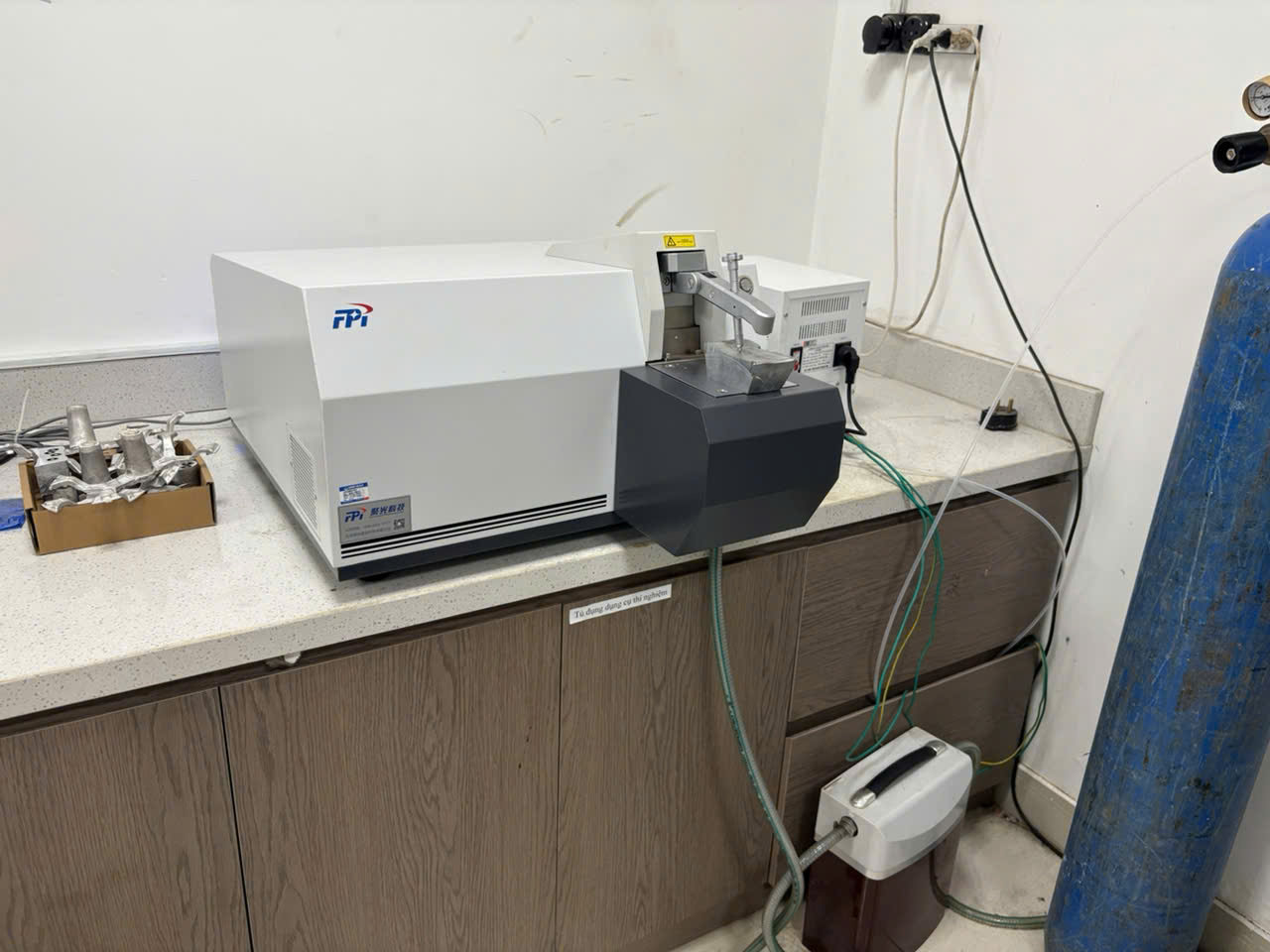
A claim costs nothing to make. Verification is where real compliance separates from paperwork theater. Over years of auditing stamping and plating shops across Vietnam and the wider region, our team has developed a simple hierarchy: declarations first, process evidence second, targeted testing last.
A Practical Verification Ladder
- Check the paper trail for internal consistency. Does the RoHS declaration name your exact part number and finish? Does the SVHC statement cite a list date within the last update cycle? Vague, undated, or company-wide certificates are red flags.
- Follow the finish upstream. Most stamping shops outsource plating. Ask who the plating subcontractor is, and ask for that shop's bath chemistry declaration. A supplier who resists naming their plater usually has weak control over them.
- Ask for the raw test report, not the summary. A legitimate SGS, TÜV, or Intertek report shows the tested sample description, method, detection limits, and results per substance. Compare the tested finish to your drawing. A report on a bare steel part does not cover your zinc-nickel version.
- Run spot checks yourself. Handheld XRF screening on incoming lots is fast and cheap. It flags lead, cadmium, and total chromium instantly. For ambiguous results, such as distinguishing hexavalent from trivalent chromium, send samples for wet-chemistry lab analysis.
- Audit the system, not just the sample. During on-site audits, we look for a documented restricted-substance procedure, chemical purchase records, and evidence that the supplier re-checks compliance when the SVHC list updates. A supplier with a monitoring system stays compliant. A supplier with only a certificate was compliant once, maybe.
Also remember that compliance is a moving target. A part that passed in January can fall out of compliance after a June list update. That is why we treat verification as a recurring task tied to list updates and lot changes, not a one-time qualification gate. Building this into the supplier agreement, with re-declaration obligations, is far easier than arguing about it after a customs hold.
Conclusion
Export stamping parts live or die by their chemistry file. One missing plating declaration can freeze a shipment at port and burn your delivery promise.
The fix is systematic, not heroic. Classify the end use. Control the finish stack. Demand lot-linked documents. Verify with audits and spot testing. Re-screen at every SVHC update.
Our sourcing and audit teams handle this chain daily for U.S. and European buyers, from supplier qualification through final inspection. If you want an export-ready compliance file built before your next stamping order ships, I am glad to walk you through how we structure it.
Frequently Asked Questions
How do I ensure my stamping parts meet REACH and RoHS requirements before shipping to the U.S. or Europe?
A few years back, our team in Vietnam audited a stamping shop for a U.S. client. The base steel was fine. The zinc plating line was the problem. That visit changed how we qualify every finish.
What documentation should I request from my supplier to prove compliance with these regulations?
A purchasing manager once emailed me a supplier's one-line "RoHS compliant" certificate and asked if it would survive an audit. My honest answer was no. His customer wanted lot-level proof, and that generic letter proved nothing.
Which materials and coatings should I avoid to stay compliant with REACH and RoHS restrictions?
There is a trade-off we weigh on almost every plated stamping project: corrosion performance versus regulatory risk. Some legacy finishes protect steel beautifully. They also carry substances that regulators have spent two decades restricting.
Footnotes
1. Background reference for RoHS directive covering restricted substances in electronics. ↩︎
2. EPA reference on flame retardants restricted under environmental chemical regulations. ↩︎
3. Official EU RoHS Directive page defining scope for electrical and electronic equipment compliance. ↩︎
4. Authoritative standards body relevant to manufac