I once had a U.S. buyer reject an entire shipment of plated steel brackets because the supplier’s wastewater discharge records did not meet EPA Effluent Guidelines — a costly lesson in environmental compliance.
U.S. environmental standards for electroplating and corrosion protection of stamping parts are governed primarily by the Clean Water Act (40 CFR Parts 413 and 433), the Clean Air Act’s NESHAP rules for hexavalent chromium, RCRA hazardous waste management requirements, and OSHA permissible exposure limits for toxic substances.
Each regulation targets a different risk — water pollution 1, air emissions, solid waste, or worker safety. Below, I break down the specific rules you need to know, how they interact, and what documentation to demand from your supply chain.
How Do I Know Which EPA Regulations Apply to My Electroplated Stamping Parts?
A buyer we work with in the Midwest once assumed all plating shops fall under the same EPA rule. They don't, and the distinction between 40 CFR Part 413 and Part 433 can change your supplier's entire compliance obligation.
EPA regulations for electroplated stamping parts depend on whether the plating facility is a job shop (40 CFR Part 413) or a captive metal finishing operation (40 CFR Part 433), and whether it discharges wastewater directly to U.S. waters or indirectly to a publicly owned treatment works.

The Part 413 vs. Part 433 Split
The regulatory split is the first thing to understand. If your supplier is an independent job shop that plates parts for outside customers, they likely fall under 40 CFR Part 413. If the plating happens inside a captive stamping facility — meaning the same company stamps and plates — and that facility began operating after July 15, 1983, it falls under 40 CFR Part 433, which is the broader Metal Finishing Category.
This matters because Part 433 covers direct dischargers who need NPDES permits and sets stricter technology-based limits. Part 413 focuses on indirect dischargers who send wastewater to municipal treatment plants under wastewater pretreatment standards.
Pollutant Limits by Facility Size
The EPA also draws a line based on daily wastewater flow. Here is how the limits break down:
| Facility Size | Flow Threshold | Regulated Pollutants |
|---|---|---|
| Large facilities | ≥ 10,000 gallons/day (38,000 liters) | Cyanide, lead, cadmium, copper, nickel, chromium, zinc, silver, total metals |
| Small facilities | < 10,000 gallons/day | Lead, cadmium, cyanide only |
Large facilities face a "total metal discharge 2" cap — the sum of copper, nickel, chromium, and zinc in the effluent. They must also comply with a Toxic Organic Management Plan (often called TTO compliance) under Pretreatment Standards for Existing Sources.
Why This Matters for Importers
When our team audits a plating supplier in Vietnam or elsewhere in Asia for a U.S. buyer, we check the supplier's local discharge permits. But we also confirm that the finished parts themselves will not introduce compliance risk at the U.S. importer's facility — especially if that importer performs additional finishing or rework. If the importer's own facility handles plating wastewater, they must hold the correct EPA category classification.
Understanding the distinction between Part 413 and Part 433 is not optional. Misclassification can lead to enforcement actions, fines, and supply chain disruptions that purchasing managers cannot afford.
What RoHS and REACH Compliance Requirements Should I Verify Before Importing Plated Components?
During a recent project involving zinc-nickel plated brackets for an automotive distributor, our engineering team discovered that the supplier's passivation layer contained hexavalent chromium above the RoHS threshold. That single finding delayed the shipment by three weeks.
Before importing plated stamping components, verify RoHS compliance for restricted substances like hexavalent chromium (max 0.1% by weight), cadmium (max 0.01%), and lead, and confirm REACH compliance by checking that no Substances of Very High Concern appear in concentrations above 0.1% in the finished part.
RoHS Restricted Substances in Plating
RoHS (Restriction of Hazardous Substances 3) originated in the EU but is now a de facto global standard. Many U.S. buyers — especially those in electronics, automotive, and consumer goods — require RoHS compliance even though U.S. federal law does not mandate it universally. The restricted substances most relevant to electroplated stamping parts are:
| Substance | RoHS Threshold | Common Source in Plating |
|---|---|---|
| Lead (Pb) | 0.1% (1,000 ppm) | Tin-lead solder plating, brass alloys |
| Cadmium (Cd) | 0.01% (100 ppm) | Cadmium plating for corrosion protection |
| Hexavalent Chromium (Cr VI) | 0.1% (1,000 ppm) | Chromate conversion coatings, passivation |
| Mercury (Hg) | 0.1% (1,000 ppm) | Rare in modern plating but found in legacy processes |
Hexavalent chromium regulations are a particular concern. Many older zinc plating lines use yellow chromate passivation, which contains Cr(VI). The shift to trivalent chromium passivation (clear or blue) eliminates this risk. When we evaluate suppliers, we specifically ask for XRF test reports on the passivation layer to confirm Cr(VI) levels.
REACH and SVHC Lists
REACH is the EU's broader chemical regulation framework. If your stamping parts are destined for re-export to Europe — or if your U.S. customer has adopted REACH as a procurement standard — you need to check the Substances of Very High Concern 4 (SVHC) candidate list. This list is updated twice a year and currently includes over 200 substances.
For plated stamping parts, the SVHCs most likely to appear are chromium trioxide (used in hexavalent chromium plating baths), nickel compounds (relevant for sensitization risk), and certain PFAS-based wetting agents still used in some chrome plating tanks.
Practical Steps for Importers
I recommend requesting a material declaration 5 from the plating supplier that lists all chemicals used in the process — not just the final coating composition. Ask for third-party lab test certificates (such as SGS or Intertek) that confirm the finished part meets RoHS thresholds. Cross-reference the supplier's chemical inventory against the current REACH SVHC candidate list. This upfront diligence costs far less than a rejected shipment or a product recall.
How Can I Ensure My Overseas Supplier's Corrosion Protection Process Meets U.S. Environmental Standards?
One lesson we learned early in our Vietnam operations is that a supplier can produce a perfectly finished part — beautiful zinc-nickel plating, flawless salt spray results — while simultaneously violating multiple environmental standards in the process. Surface finishing environmental compliance is not just about the product. It is about the process.
To ensure an overseas supplier's corrosion protection process meets U.S. environmental standards, conduct on-site audits of wastewater treatment and air emission controls, verify cyanide destruction and heavy metal removal procedures, review hazardous waste manifests, and confirm compliance with Clean Air Act and Clean Water Act equivalent local permits.
What to Audit on the Factory Floor
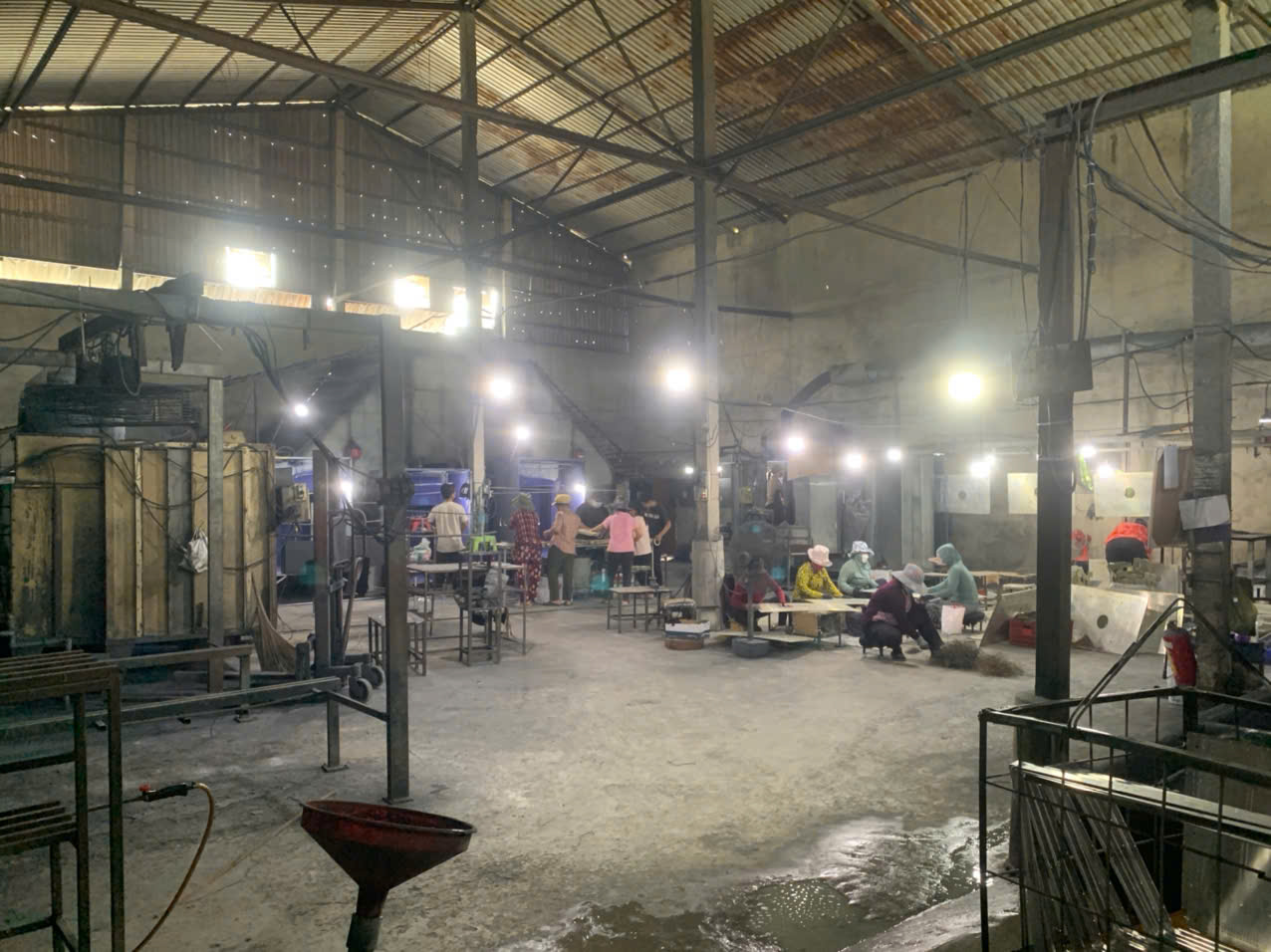
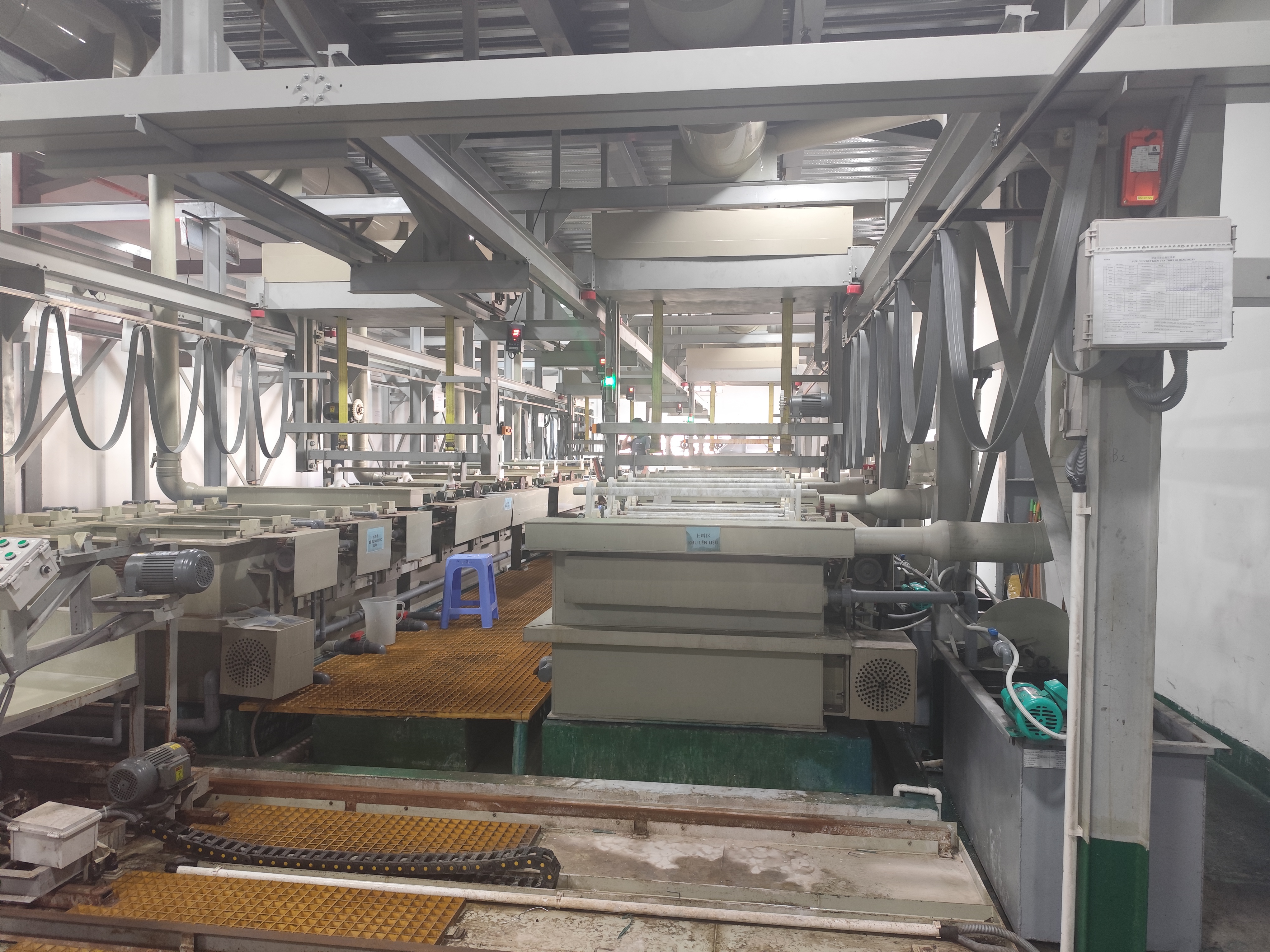
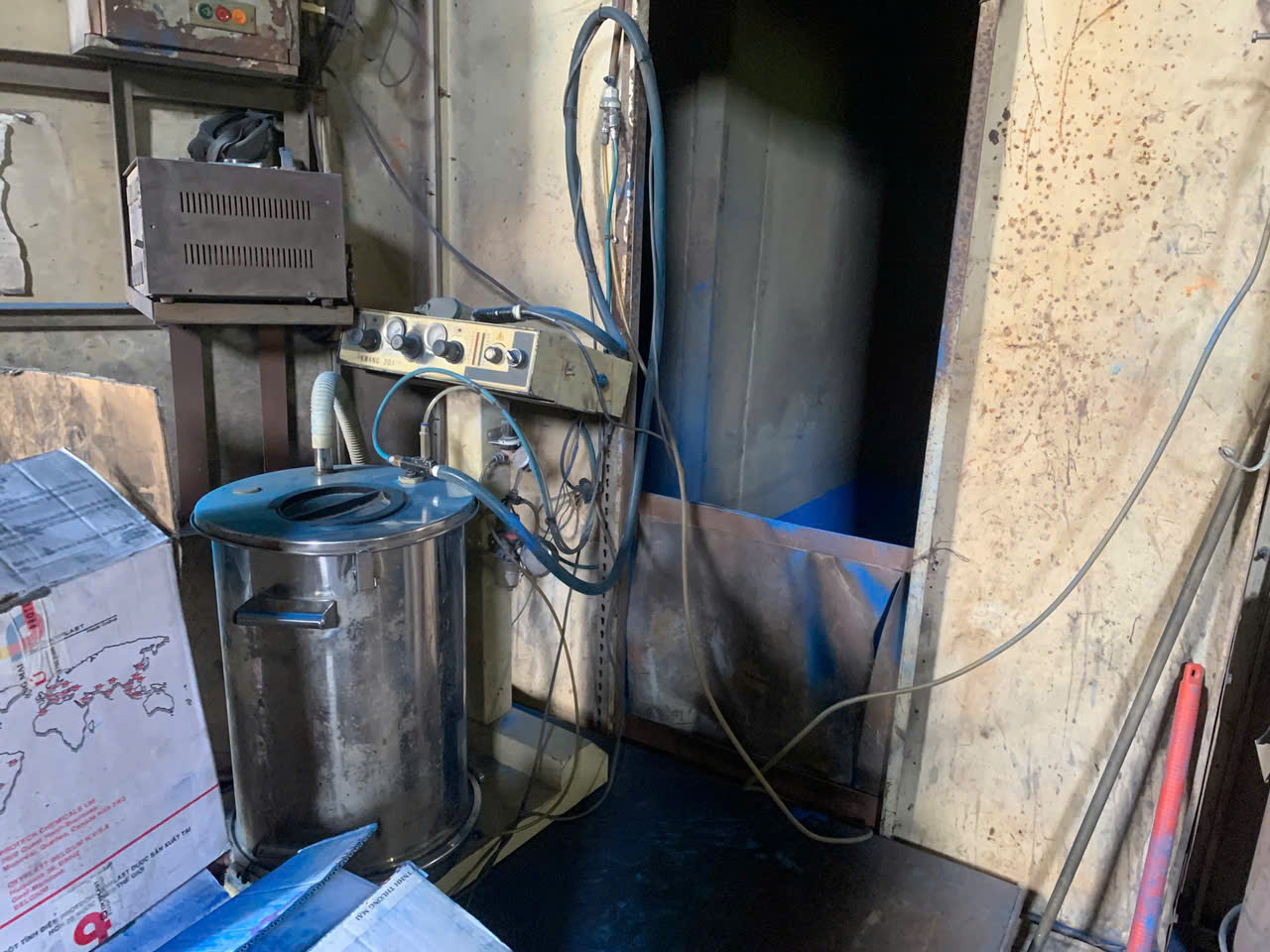
When our team walks a plating shop, we follow a structured checklist. The first stop is the wastewater treatment system. We check for proper heavy metal removal 6 — precipitation tanks, filter presses, pH adjustment — and verify that effluent testing records match the local discharge permit limits. We also look for cyanide destruction systems, since many copper and zinc cyanide plating baths generate cyanide-bearing rinse water that must be oxidized before discharge.
Next, we inspect air emission controls. If the supplier runs a hexavalent chromium tank 7, we look for mist eliminators or scrubbers compliant with NESHAP standards. Even though NESHAP is a U.S. regulation, a supplier who meets its equivalent shows a mature environmental management system. We also check whether the supplier has phased out PFAS-based fume suppressants, which EPA is aggressively regulating.
Key Environmental Checkpoints
| Audit Area | What to Verify | Red Flag |
|---|---|---|
| Wastewater treatment | pH control, metal precipitation, filter press operation, effluent lab reports | No treatment system, or effluent records missing |
| Cyanide management | Alkaline chlorination or other cyanide destruction system | Cyanide-bearing waste mixed with general wastewater |
| Air emissions | Mist eliminators on chrome tanks, ventilation systems | Open chrome tanks with no fume control |
| Hazardous waste | Manifests for F006 sludge, spent bath disposal records | Sludge dumped without tracking or proper disposal |
| Chemical inventory | Full list of plating chemicals, including fume suppressants | PFAS-based wetting agents still in active use |
The RCRA Connection
Under the Resource Conservation and Recovery Act 8, the sludge generated from wastewater treatment in plating — classified as F006 waste — is a listed hazardous waste. While RCRA applies to U.S. facilities, we use it as a benchmark when auditing overseas suppliers. A supplier who manages hazardous waste responsibly, with proper manifests and licensed disposal, is less likely to cut corners on the plating process itself.
Beyond the Audit: Ongoing Monitoring
A single audit is not enough. We recommend quarterly review of wastewater test reports, annual re-audits, and periodic third-party testing of finished parts for restricted substances. When we manage supply chains for our U.S. clients, we build these checkpoints into the production schedule. This approach catches drift before it becomes a compliance crisis. For a deeper dive into evaluating suppliers against EPA requirements, see our guide on how to evaluate supplier US EPA electroplating compliance when sourcing sheet metal fabrication.
What Documentation Should I Request to Prove My Stamping Parts Meet Hazardous Substance Restrictions?
During a recent PPAP submission for a series of powder-coated mounting brackets, the U.S. buyer asked for seven different compliance documents. That level of rigor is becoming standard, not exceptional.
Request material safety data sheets (SDS) for all plating chemicals, third-party RoHS/REACH test certificates from accredited labs, wastewater discharge permits and test records, air emission monitoring reports, hazardous waste manifests, a full material declaration, and a supplier compliance self-assessment checklist.
Building Your Compliance Document Package
The documentation you need falls into two categories: product-level and process-level. Product-level documents prove the finished stamping part is safe. Process-level documents prove the manufacturing method did not violate environmental law.
Here is a practical document checklist we use for every plating project we manage:
Product-Level Documents
-
Third-party test certificate (XRF or ICP analysis) — Confirms the coating meets RoHS thresholds for lead, cadmium, hexavalent chromium, and mercury. Request testing from an ISO 17025-accredited lab such as SGS, Bureau Veritas, or Intertek.
-
Full Material Declaration (FMD) — Lists every substance in the part, including the base metal, plating layer, passivation, and any topcoat or sealant. This is more detailed than a simple RoHS declaration.
-
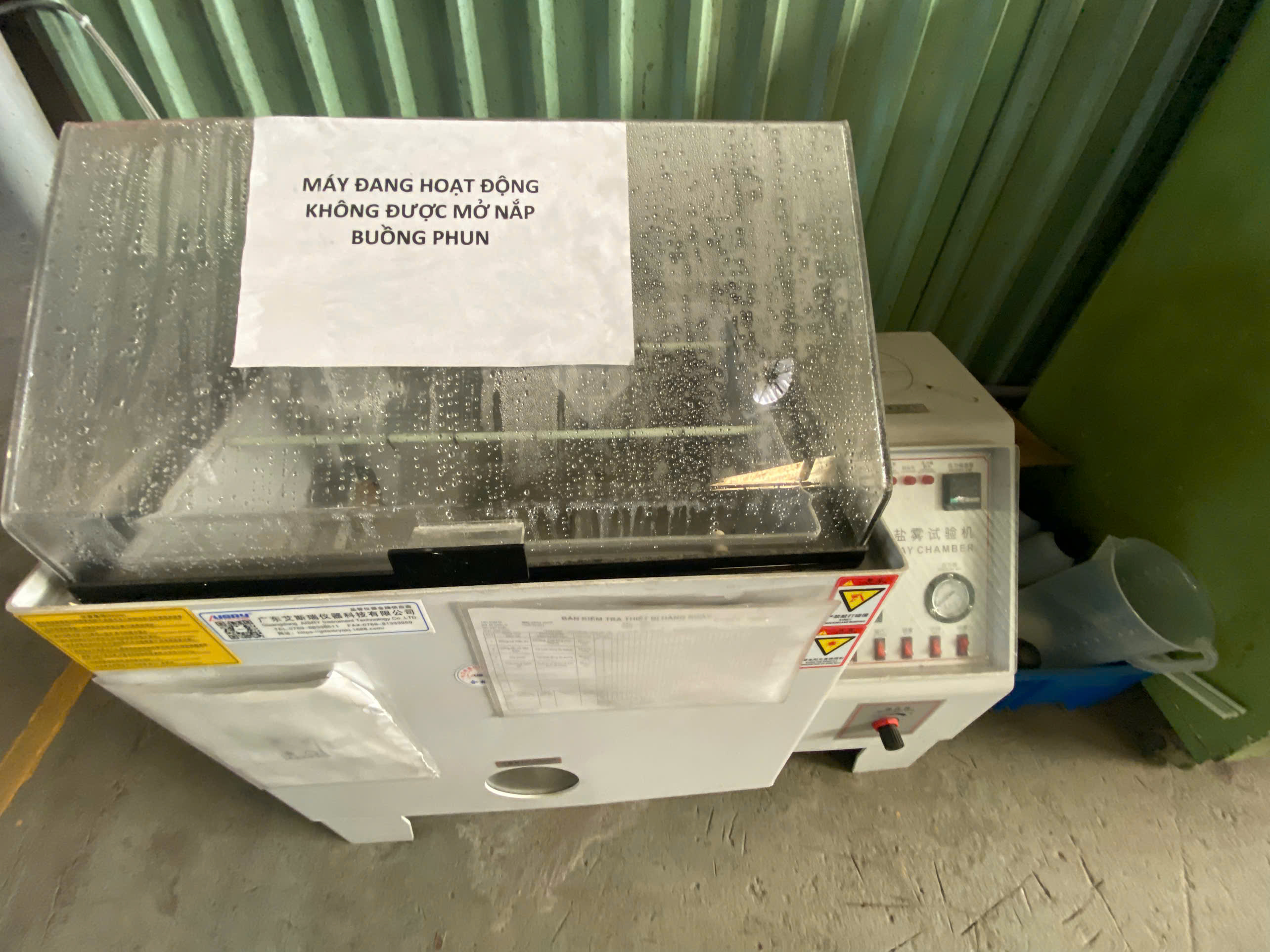
Salt spray test report — While not strictly an environmental document, it confirms the corrosion protection meets the specified hours (e.g., 96 hours, 240 hours, or 720 hours for zinc-nickel). This ties directly to the plating thickness and process quality.
-
Certificate of Compliance (CoC) — A formal statement from the supplier that the parts conform to all specified environmental and quality requirements.
Process-Level Documents
Process-level documents are where many importers fall short. They focus on the product and forget the process. But if a U.S. regulatory body investigates your supply chain — or if a buyer's customer requires it — you need proof that the plating process itself met environmental standards.
Key process documents include the supplier's local wastewater discharge permit and recent effluent test results, air emission monitoring records (especially for facilities running chromium tanks), hazardous waste disposal manifests showing proper tracking of F006 sludge and spent plating baths, and the supplier's environmental management system certification (ISO 14001 is the gold standard). You should also verify whether the surface treatment chemicals meet environmental regulations applicable to your target market.
The PFAS Documentation Gap
One area where documentation is still evolving is PFAS. With the EPA planning new effluent guidelines under 40 CFR Part 433 by July 2026 to address PFAS discharges from chromium plating, forward-thinking importers should start requesting PFAS declarations now. Ask your supplier whether they use any PFAS-based fume suppressants or wetting agents. If they do, ask for their transition plan.
When we onboard a new supplier, we create a compliance binder that consolidates all product and process documents. This binder becomes the single source of truth for the buyer. It streamlines customs clearance, supports OSHA permissible exposure limits documentation for downstream users, and provides a defensible record if questions arise. Understanding the broader environmental pollution issues that arise during sheet metal fabrication can also help you ask the right questions during supplier qualification.
Conclusion
U.S. environmental standards for electroplating and corrosion protection span water, air, waste, and worker safety regulations. Proactive documentation, thorough supplier audits, and attention to emerging PFAS rules will protect your supply chain from costly compliance failures.
Frequently Asked Questions
How Do I Know Which EPA Regulations Apply to My Electroplated Stamping Parts?
A buyer we work with in the Midwest once assumed all plating shops fall under the same EPA rule. They don't, and the distinction between 40 CFR Part 413 and Part 433 can change your supplier's entire compliance obligation.
What RoHS and REACH Compliance Requirements Should I Verify Before Importing Plated Components?
During a recent project involving zinc-nickel plated brackets for an automotive distributor, our engineering team discovered that the supplier's passivation layer contained hexavalent chromium above the RoHS threshold. That single finding delayed the shipment by three weeks.
How Can I Ensure My Overseas Supplier's Corrosion Protection Process Meets U.S. Environmental Standards?
One lesson we learned early in our Vietnam operations is that a supplier can produce a perfectly finished part — beautiful zinc-nickel plating, flawless salt spray results — while simultaneously violating multiple environmental standards in the process. Surface finishing environmental compliance is not just about the product. It is about the process.
Footnotes
1. Official EPA page for Clean Water Act compliance monitoring and enforcement. ↩︎
2. EPA effluent guidelines for metal finishing, including total metal discharge limits. ↩︎
3. Wikipedia page for the RoHS directive restricting hazardous substances in products. ↩︎
4. Official ECHA candidate list of substances of very high concern for REACH. ↩︎
5. Wikipedia overview of material declarations used to communicate product chemical content. ↩︎
6. EPA overview of industrial wastewater regulations and treatment system requirements. ↩︎
7. EPA NESHAP standards for chromium electroplating and anodizing facilities. ↩︎
8. EPA’s primary law for governing the disposal of solid and hazardous waste. ↩︎