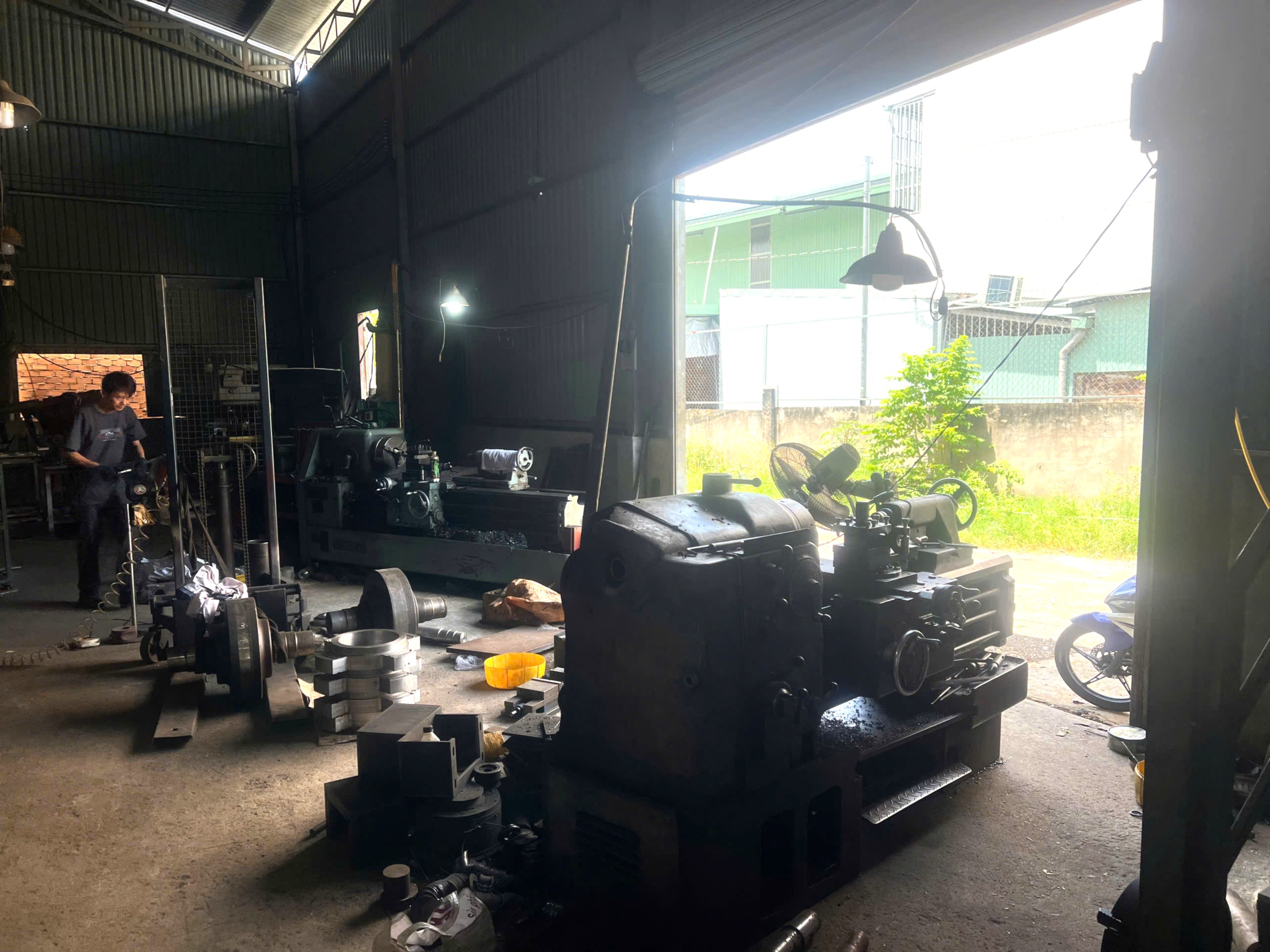
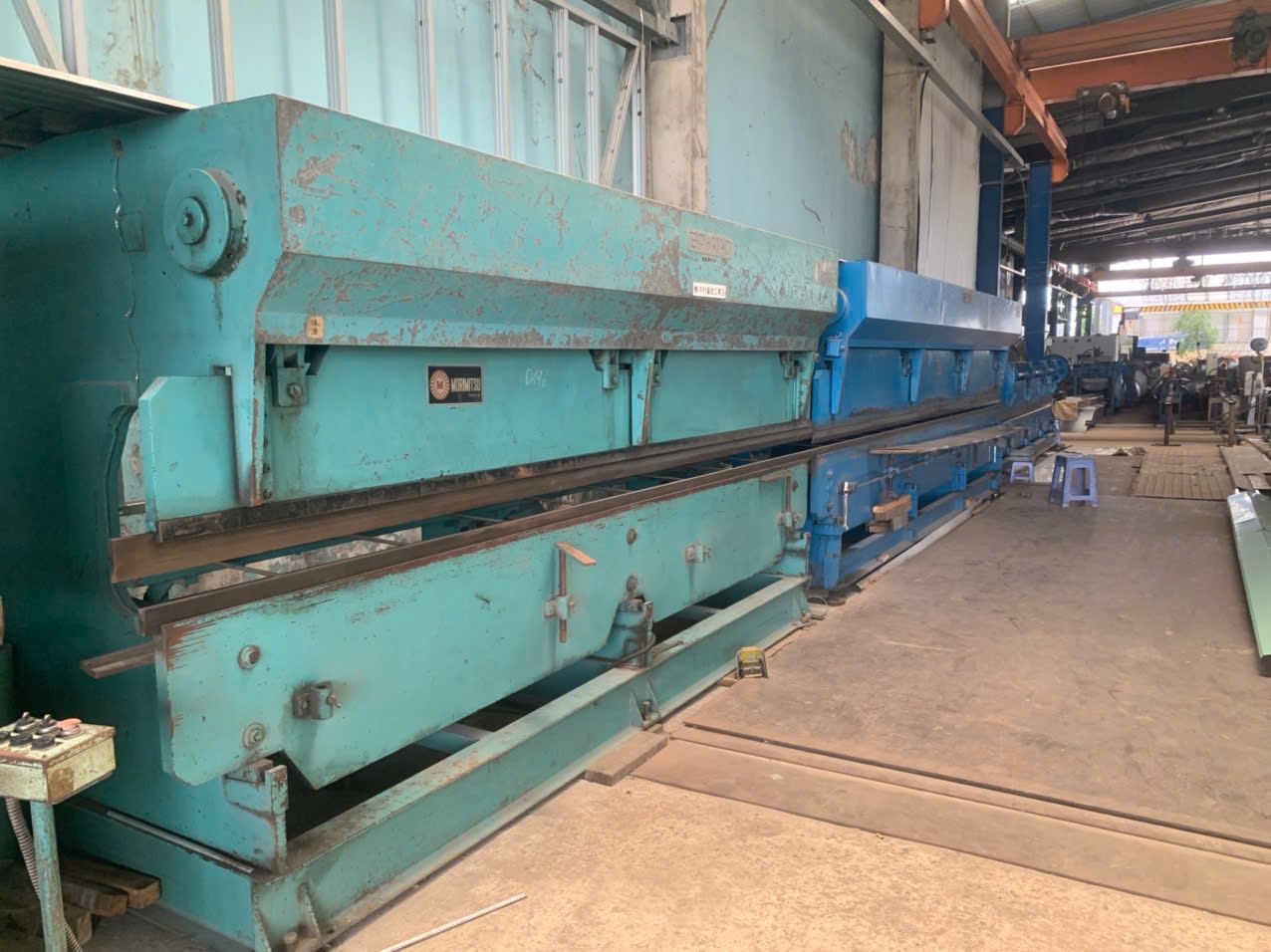
A loose sleeve caught in a press brake. A deep cut from an ungloved hand lifting raw stock Personal Protective Equipment 1. These preventable incidents remind us daily why safety protocols for a sheet metal fabrication shop demand constant vigilance.
Essential safety protocols for a sheet metal fabrication shop include mandatory Personal Protective Equipment (PPE), strict machine guarding with lockout/tagout procedures, proper material handling training, robust ventilation and respiratory protection systems, comprehensive fire prevention plans, hazard communication compliance, and an ongoing culture of safety education and risk assessment.
Every buyer sourcing custom sheet metal parts should care about these protocols hazard communication compliance 2. A safe shop produces better parts, ships on time, and avoids costly rework. Below, we break down the five safety pillars and show you exactly how to verify them in any fabrication partner.
How can I verify that my sheet metal supplier follows strict safety protocols during production?
When we audit fabrication partners across Vietnam, Taiwan, and India, the first thing our team looks for is not a certificate on the wall — it is the condition of the shop floor and the behavior of the operators walking it OSHA or equivalent local regulatory requirements 3.
You can verify your sheet metal supplier's safety protocols by conducting on-site audits that inspect PPE compliance, machine guarding, lockout/tagout records, housekeeping standards, ventilation systems, and documented training logs — then cross-referencing those observations against OSHA or equivalent local regulatory requirements.
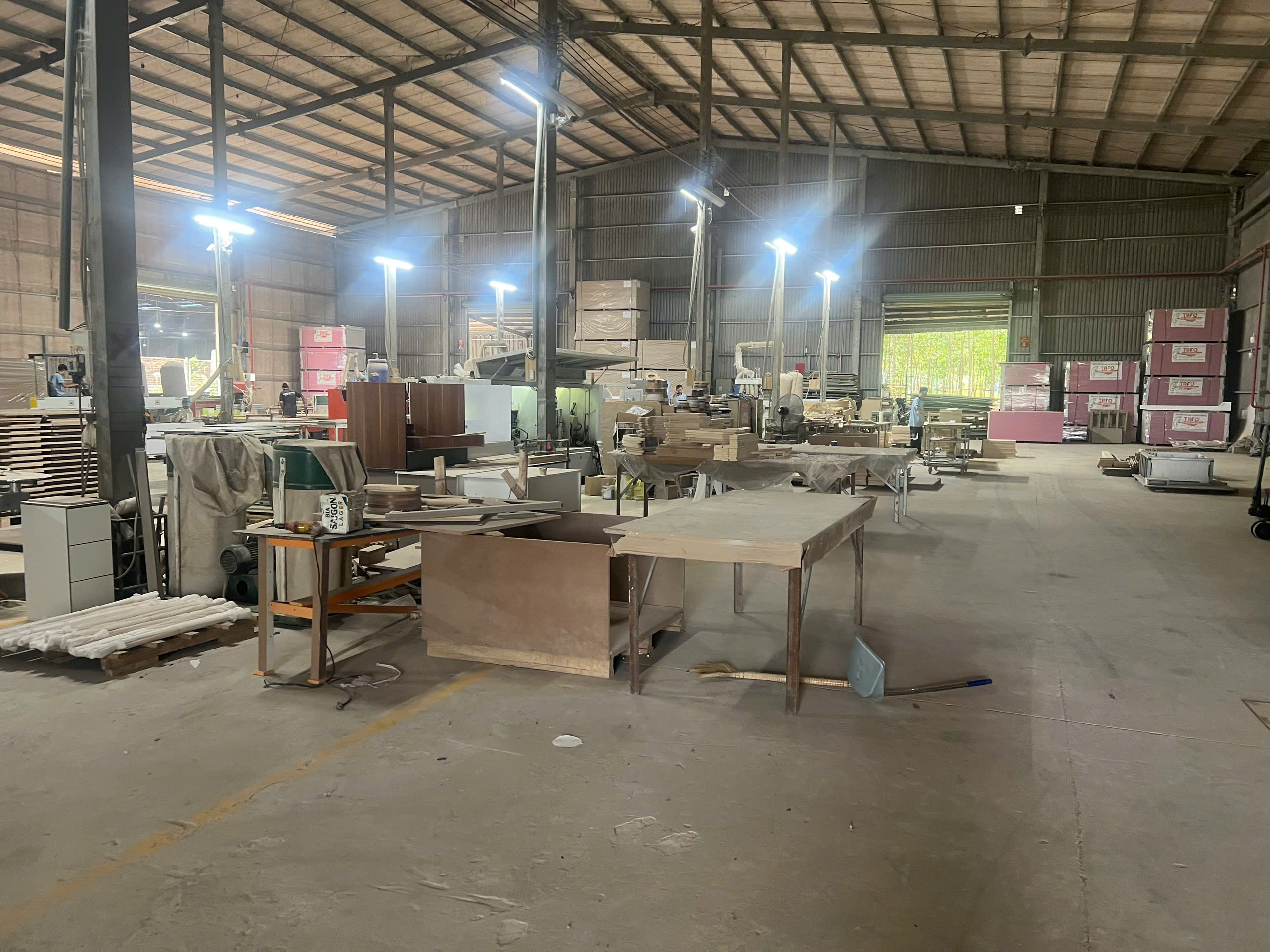
Start with a Walk-Through, Not a Meeting Room
A PowerPoint presentation about safety means nothing if the shop floor tells a different story preventive maintenance programs 4. During our supplier audits, we walk the entire facility before sitting down with management. We look at fire extinguisher placement, whether guards are intact on every press brake and shear, and whether workers are wearing cut-resistant gloves and safety glasses. If a single operator is grinding without a face shield, that tells us more than any document.
Key Verification Checkpoints
Here is a practical checklist we use when evaluating a fabrication partner's safety posture:
| Verification Area | What to Look For | Red Flag |
|---|---|---|
| PPE Compliance | Every operator wearing task-appropriate gear (gloves, glasses, ear protection, steel-toed boots) | Workers without gloves handling raw sheet metal |
| Machine Guarding 5 | Barrier guards, interlocks, and emergency stop buttons present and functional on all equipment | Guards removed or taped open for "speed" |
| Lockout/Tagout Records | Written LOTO procedures and training logs for each machine | No LOTO tags visible; no written program |
| Housekeeping | Clean floors, organized scrap bins, clear walkways | Oil spills, metal scraps on floor, blocked exits |
| Ventilation | Local exhaust at welding stations; fume extractors running | Visible smoke haze in welding area |
| Fire Prevention | Class ABC extinguishers accessible, inspected monthly | Extinguishers buried behind stock, expired tags |
| Training Documentation | Signed training records with dates, topics, and refresher schedules | One-time orientation only, no refresher training |
Ask for Records, Then Verify Them
Request the supplier's emergency action plan 6, their hazard communication program, and their risk assessment documentation. Compare what they hand you against what you observed on the floor. A credible supplier will have Material Safety Data Sheets (MSDS) accessible at every chemical station and will demonstrate that workers know where to find them. Safety Data Sheets (SDS) 7
In our experience exporting to the US market, the suppliers who resist a floor walk are the ones with the most to hide. A confident, safety-conscious partner welcomes scrutiny because it validates their investment. We also check whether the shop has integrated any IoT-enabled safety sensors on critical equipment. These sensors monitor parameters like blade temperature and hydraulic pressure in real time, flagging anomalies before they become accidents. Shops that invest in this technology tend to also invest in the culture that makes safety stick.
Don't Rely on a Single Visit
One audit snapshot is not enough. We schedule follow-up audits and request monthly safety incident reports from our partners. Continuous monitoring builds trust and keeps the supplier accountable. This is especially important for overseas partners where distance can mask declining standards between visits.
Why is shop safety a critical factor in ensuring the quality of my custom sheet metal parts?
A lesson we learned early in our supply chain work is that a shop with poor safety almost always delivers poor quality — the two are inseparable.
Shop safety directly impacts part quality because fatigued, injured, or untrained workers make more errors, improperly maintained machines produce out-of-tolerance parts, and disorganized work environments lead to material contamination, mix-ups, and rework that delay your order and increase costs.

The Hidden Link Between Safety and Dimensional Accuracy
Consider a CNC press brake operator who skips lockout/tagout procedures 8. That operator is rushing. Rushing leads to incorrect die setups, wrong bend sequences, and parts that fail first-article inspection. Now multiply that across a production run of 500 custom brackets. The rework cost alone can exceed the original job value.
When we manage contract manufacturing projects for our US clients, we insist on process control measures that overlap heavily with safety protocols. Proper machine guarding means the equipment runs as designed. Functional emergency stop buttons mean an operator can halt production the moment a dimension drifts — instead of pushing through and scrapping an entire batch.
Ergonomics and Precision Go Hand in Hand
Ergonomics is not just about preventing back injuries. It is about keeping operators physically comfortable enough to maintain focus over an eight-hour shift. A worker who manually lifts 30-kilogram sheet metal panels all morning will lose fine motor control by afternoon. That loss of control shows up as scratches, dents, and misaligned features on your parts.
We encourage our partner shops to use mechanical aids — hoists, vacuum lifters, and roller tables — not only for safety but because the quality data proves it works. Shops that invest in automated material handling systems consistently hit tighter tolerances and lower defect rates.
Quality Outcomes Linked to Safety Practices
| Safety Practice | Quality Benefit | Risk if Neglected |
|---|---|---|
| Proper PPE (gloves, clean handling) | No fingerprint contamination or surface scratches | Cosmetic defects requiring refinishing |
| Machine guarding and maintenance | Consistent machine performance and repeatability | Dimensional drift, increased scrap rate |
| Clean, organized workspace | Correct material selection, no mix-ups | Wrong alloy or gauge used in production |
| Ventilation and fume control | Clean weld joints, no porosity | Weak welds, structural failures in service |
| Operator training and rest breaks | Sustained attention to detail | Human error spikes during long shifts |
A Real-World Trade-Off
One of our Vietnam-based partner shops resisted installing local exhaust ventilation at their TIG welding stations because of the upfront cost. Within three months, weld porosity rates climbed to 8 percent. After we helped them install proper fume extractors and implement respiratory protection protocols, porosity dropped below 1 percent. The investment paid for itself in two production cycles. Safety and quality are not competing priorities — they reinforce each other.
What specific safety certifications should I look for when auditing an overseas fabrication partner?
During a recent supplier qualification trip to Southeast Asia, our team evaluated six candidate shops for a US client's precision bracket program. Only two had the certifications — and the culture behind them — that we consider baseline requirements.
When auditing an overseas fabrication partner, look for ISO 45001 (Occupational Health and Safety Management), ISO 9001 (Quality Management), compliance with local OSHA-equivalent regulations, documented hazard communication programs, valid fire safety certificates, and evidence of ongoing safety training programs aligned with international standards.
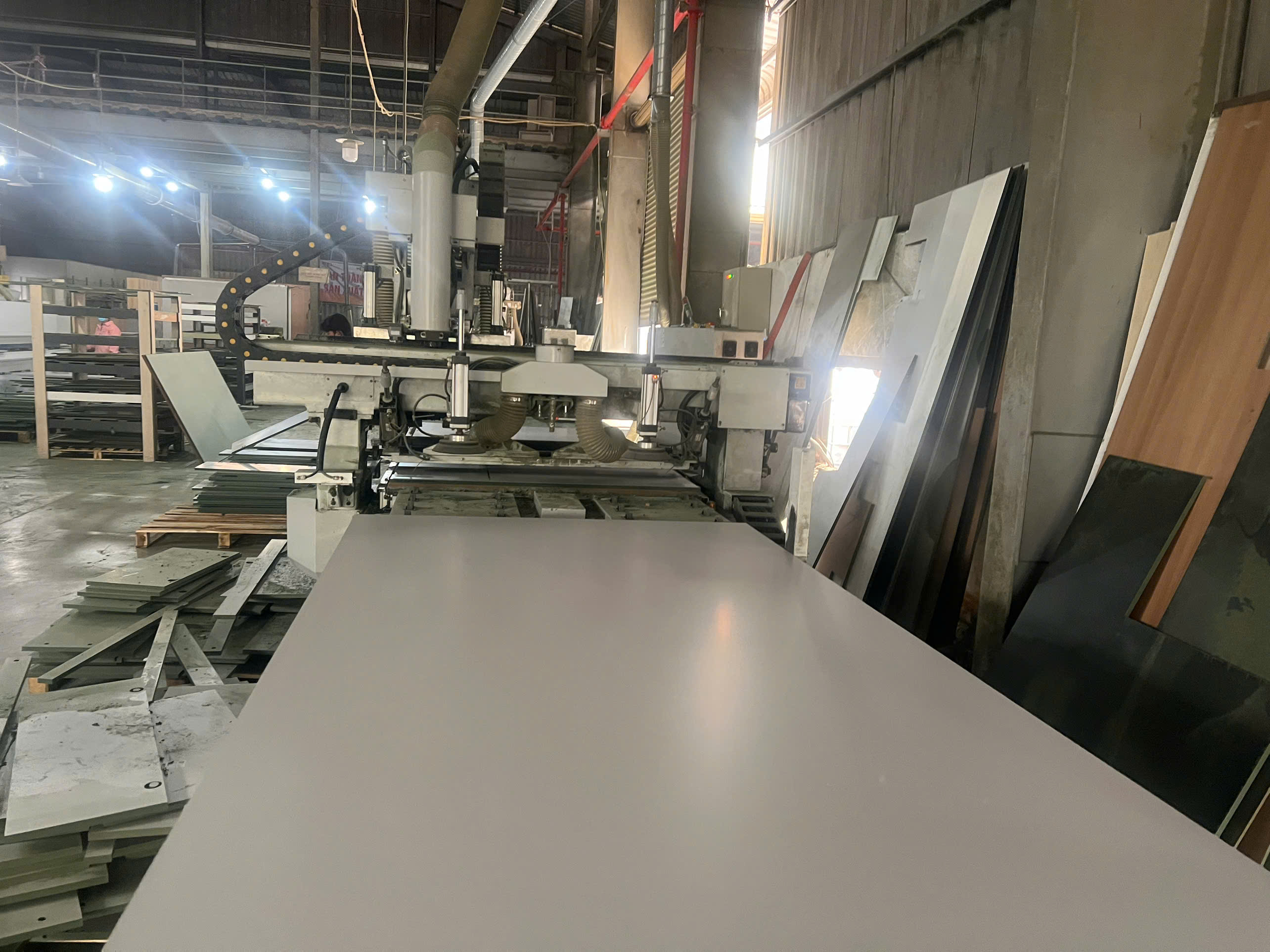
Why Certifications Matter — But Are Not Enough
Certifications provide a framework. ISO 45001 9 replaced OHSAS 18001 and requires organizations to identify hazards, conduct risk assessments, and implement controls. ISO 9001 10 ensures the quality management system is documented and audited. But a certificate on the wall does not mean the system is alive. Our approach is to use the certification as a starting point, then dig into the records and the shop floor.
Certification Comparison Table
| Certification | What It Covers | Why It Matters for Your Parts |
|---|---|---|
| ISO 45001 | Occupational health and safety management system | Confirms the supplier systematically manages workplace hazards, reducing accident-related production disruptions |
| ISO 9001 | Quality management system | Ensures documented processes for consistent part quality, traceability, and continuous improvement |
| ISO 14001 | Environmental management system | Shows responsible handling of chemicals, coolants, and waste — relevant for electrical safety and fume control |
| Local Fire Safety Certificate | Compliance with national fire codes | Validates fire prevention measures, extinguisher maintenance, and evacuation planning |
| OSHA Equivalent (country-specific) | Workplace safety regulations | Confirms legal compliance with machine guarding, PPE, and lockout/tagout requirements |
Beyond the Certificate: What to Verify on the Ground
Ask to see the supplier's internal audit schedule and the results of their most recent management review. A mature safety system will have corrective action records — evidence that when a near-miss or incident occurred, the shop investigated the root cause and implemented a fix.
We also look for documented respirator programs. If a shop performs welding on stainless steel, galvanized steel, or any material containing zinc, lead, or chromium, they must have exposure assessments, physician approvals for respirator use, and training records for every affected worker. This is not optional — it is a regulatory requirement in most jurisdictions and a direct indicator of how seriously the shop takes hazard communication.
Another sign of maturity is whether the shop has an emergency action plan that goes beyond a laminated poster on the wall. We ask operators — not managers — what they would do if a fire started at the welding station or if a hydraulic line burst on the press brake. Their answers tell us whether the plan is real or theoretical.
For clients sourcing from countries like Vietnam or India, we also verify that the shop complies with local electrical safety standards. Poorly grounded equipment and exposed wiring are common findings in shops that look clean on the surface but cut corners on infrastructure. Understanding what certifications are needed for exporting sheet metal fabrication to Europe and the US can further guide your supplier evaluation process.
How do effective safety management systems help my supplier avoid production delays and rework?
A client once asked us why their previous supplier in Asia kept missing delivery dates by two to three weeks on every order. When we investigated, we found the root cause was not capacity or raw material — it was a series of preventable safety incidents that shut down production lines repeatedly.
Effective safety management systems prevent production delays and rework by reducing workplace injuries that halt operations, maintaining equipment through lockout/tagout and preventive maintenance programs, ensuring consistent operator performance through ongoing training, and creating organized environments where errors and material mix-ups are far less likely to occur.
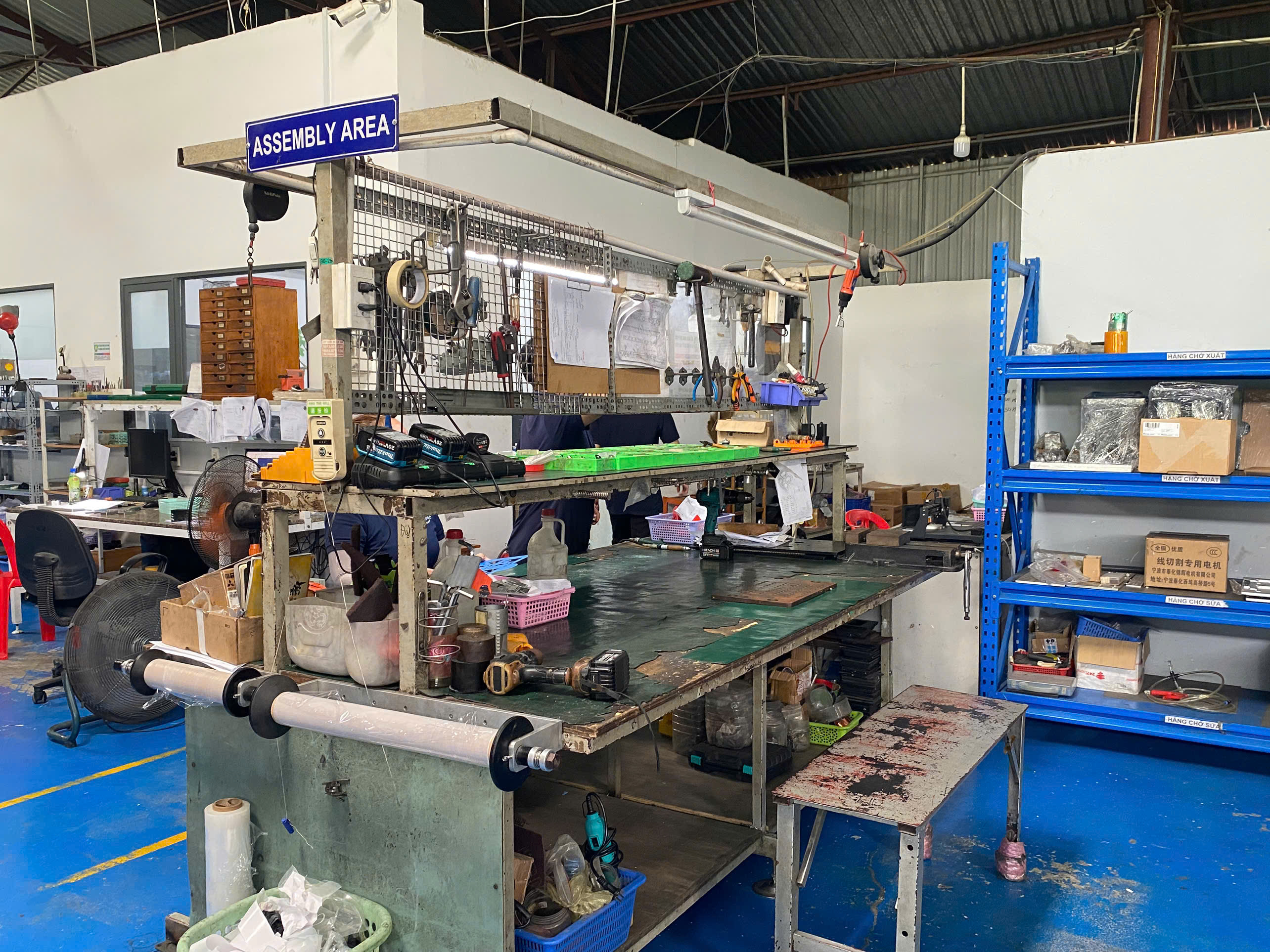
How Accidents Create a Domino Effect on Your Delivery Schedule
When an operator suffers a laceration from handling unburr'd sheet metal edges without proper gloves, the immediate impact extends far beyond the injury itself. The production line stops. An incident investigation begins. Other workers slow down out of concern. A replacement operator — often less experienced — takes over the station. The learning curve introduces new quality risks. One preventable cut can cascade into days of lost production and a batch of parts that needs rework. Learning how to manage sharp edges and burrs in sheet metal fabrication safely is critical to preventing these incidents.
The Cost of Skipping Safety
We have seen shops where management viewed safety protocols as overhead — something that slows production. The irony is that these shops consistently had the worst on-time delivery records. Here is how the math works in practice:
- A single lost-time injury can shut down a workstation for one to three days.
- An OSHA-equivalent investigation (or local regulatory inquiry) can freeze operations for a week.
- Rework from operator error caused by fatigue or inadequate training adds two to five days per batch.
- Poor housekeeping leads to material contamination or mix-ups that require complete restarts.
Preventive Maintenance and Lockout/Tagout as Delivery Insurance
When a shop follows strict lockout/tagout procedures, machines get serviced on schedule. Hydraulic systems are inspected. Blades are sharpened or replaced before they degrade cut quality. This preventive approach means the equipment runs reliably, tolerances stay within spec, and you do not get a phone call saying your order is delayed because a press brake went down unexpectedly.
Our team in Vietnam works closely with partner shops to build preventive maintenance calendars that align with production schedules. We treat lockout/tagout compliance as a leading indicator of delivery reliability. If a shop cannot discipline itself to follow energy isolation procedures, it probably cannot discipline itself to follow a production schedule either.
Safety Investment vs. Delay Cost Comparison
| Scenario | Estimated Downtime | Estimated Cost Impact | Prevention Method |
|---|---|---|---|
| Operator hand laceration (no gloves) | 1–3 days | $2,000–$8,000 (medical + lost production) | Mandatory cut-resistant gloves, training |
| Press brake malfunction (skipped maintenance) | 3–7 days | $5,000–$20,000 (repair + rework + delay penalties) | Lockout/tagout, preventive maintenance |
| Welding fume exposure incident | 2–5 days | $3,000–$15,000 (medical + investigation + production halt) | Local exhaust ventilation, respiratory protection |
| Fire from improper flammable storage | 1–4 weeks | $10,000–$100,000+ (damage + investigation + rebuilding) | Fire prevention plan, proper storage, extinguisher maintenance |
| Material mix-up from cluttered workspace | 2–5 days | $3,000–$12,000 (scrap + reorder + rerun) | Housekeeping standards, 5S program |
Training as a Continuous Process
One common misconception is that a single safety orientation is sufficient. Our experience shows that shops with ongoing training programs — monthly safety briefings, refresher courses on new equipment, and cross-training on emergency procedures — have significantly fewer production interruptions. This training also builds what safety professionals call psychological safety: a culture where workers report near-misses and hazards without fear of blame. Those reports become early warnings that prevent the bigger incidents.
We also see a growing trend toward augmented reality training modules in more advanced shops. These AR systems let new operators practice machine setup and emergency response in a simulated environment before touching real equipment. The result is fewer first-day errors and a faster ramp to full productivity — which directly benefits your delivery timeline.
When we evaluate a new fabrication partner, we look at their safety incident log as a proxy for operational maturity. A shop with zero recorded incidents is not necessarily safer — it may just be underreporting. A shop with documented near-misses, root cause analyses, and corrective actions is the one that gets our recommendation. That kind of transparency aligns perfectly with what our US clients expect: proactive communication, professional expertise, and a commitment to getting it right the first time. Understanding what factors affect the service life of sheet metal fabrication products further underscores why safety-driven production practices matter for long-term part performance.
Conclusion
Safety protocols for a sheet metal fabrication shop are not just regulatory obligations — they are the foundation of quality, delivery reliability, and long-term partnership trust. Audit thoroughly, verify continuously, and choose suppliers who treat safety as a culture.
Frequently Asked Questions
How can I verify that my sheet metal supplier follows strict safety protocols during production?
When we audit fabrication partners across Vietnam, Taiwan, and India, the first thing our team looks for is not a certificate on the wall — it is the condition of the shop floor and the behavior of the operators walking it OSHA or equivalent local regulatory requirements 3 .
Why is shop safety a critical factor in ensuring the quality of my custom sheet metal parts?
A lesson we learned early in our supply chain work is that a shop with poor safety almost always delivers poor quality — the two are inseparable.
What specific safety certifications should I look for when auditing an overseas fabrication partner?
During a recent supplier qualification trip to Southeast Asia, our team evaluated six candidate shops for a US client's precision bracket program. Only two had the certifications — and the culture behind them — that we consider baseline requirements.
Footnotes
1. OSHA provides a comprehensive overview of essential safety gear for industrial environments. ↩︎
2. OSHA’s standard ensures workers are informed about chemical hazards in the workplace. ↩︎
3. The official website of OSHA provides comprehensive information on workplace safety standards. ↩︎
4. Wikipedia provides a general overview of preventive maintenance, a key aspect of operational safety. ↩︎
5. OSHA details critical safety measures and requirements for safeguarding machinery to prevent accidents. ↩︎
6. OSHA provides guidance on developing and implementing plans for workplace emergencies. ↩︎
7. Replaced HTTP 404 with official OSHA Hazard Communication Standard page, specifically linking to the Safety Data Sheets (SDS) section. Updated anchor text to reflect current terminology. ↩︎
8. OSHA outlines vital safety procedures for controlling hazardous energy during equipment maintenance. ↩︎
9. The official ISO page describes this international standard for occupational health and safety management systems. ↩︎
10. The official ISO page describes this international standard for quality management systems. ↩︎