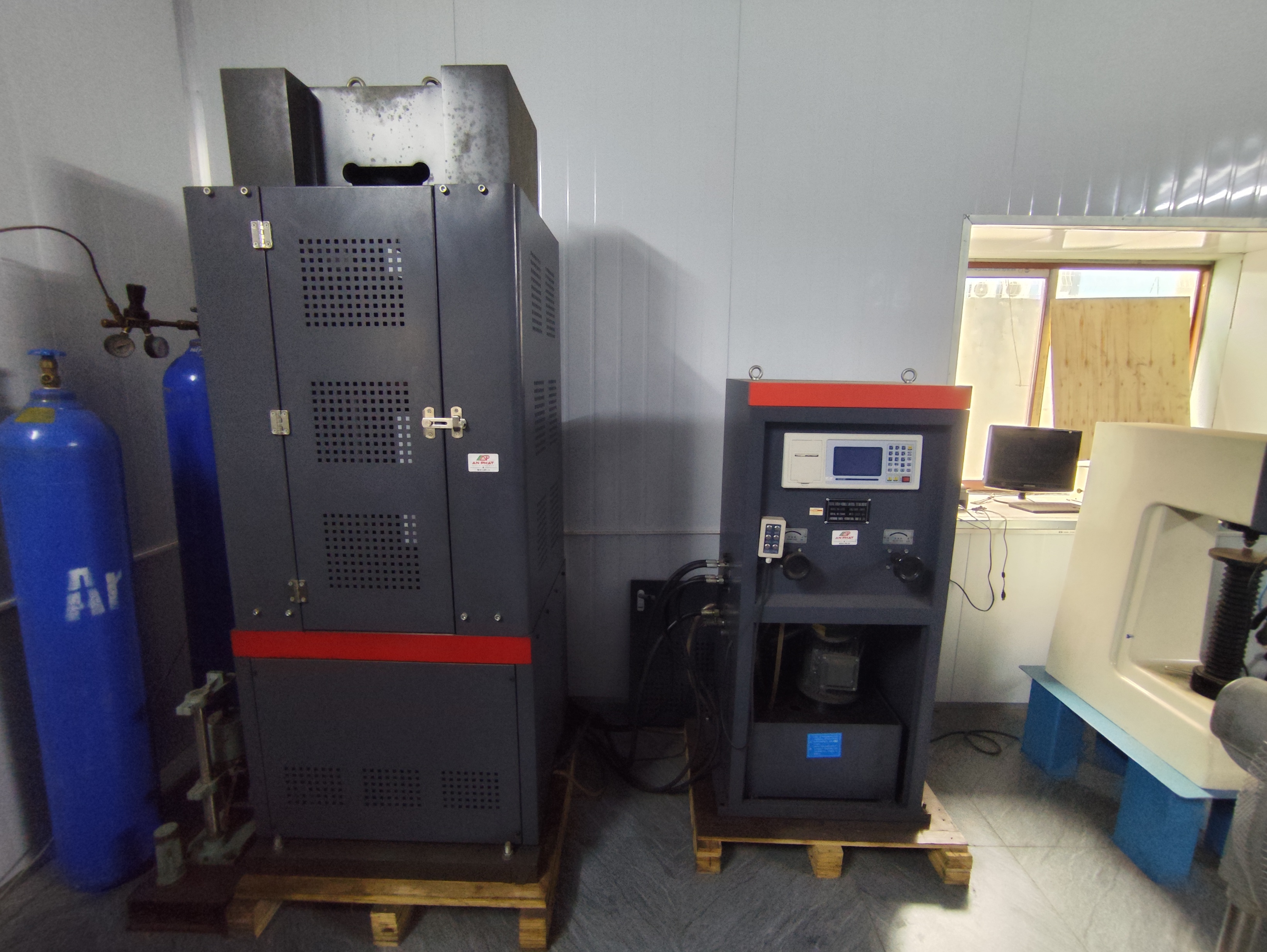

EU chemical composition regulations caught one of our bracket shipments off guard years ago. A missing SVHC declaration 1 froze the goods at Rotterdam. That delay taught our sourcing team a lasting lesson.
EU chemical composition regulations for stamping parts center on REACH Article 33, which requires disclosure of any SVHC above 0.1% w/w, plus the RoHS directive for parts in electrical equipment, the SCIP database notification, POP rules for coatings, and CLP for process chemicals.
These rules sound abstract until a container sits in customs. Below, I break down each regulation, what it demands, and how to keep your stamped parts moving into Europe.
How do I ensure my stamping parts comply with REACH regulations before shipping to Europe?
During a supplier audit 2 in Vietnam last year, our team found a plating shop using a chromium bath nobody had documented. That single finding reshaped how we run REACH compliance checks.
To ensure REACH compliance, request a written SVHC declaration confirming no Candidate List substance exceeds 0.1% w/w in the article, verify the current SVHC list version, collect mill certificates for the alloy, and file a SCIP database notification if any SVHC is present.

REACH treats a stamped bracket as an "article," not a chemical mixture. That distinction matters. Articles do not need full chemical registration. However, they do trigger Article 33 duties the moment a Substance of Very High Concern 3 crosses the 0.1% weight-by-weight threshold. The threshold applies to the whole article as placed on the market. So a small plated part with a heavy coating can cross the line faster than you might expect.
The Practical Steps We Follow
Our project managers run this sequence before every European shipment. It works for simple brackets and for complex welded assemblies alike.
- Pull the latest ECHA Candidate List. It updates roughly twice a year, so an old declaration can quietly become invalid.
- Map every material in the part: base steel, zinc plating, powder coat, weld filler, and residual lubricant.
- Request mill certificates and Material Data Sheets from the steel source, not just the stamping house.
- Ask the supplier to sign an SVHC declaration referencing the specific list version and date.
- If an SVHC exceeds 0.1%, prepare the SCIP database notification before goods enter the EU.
- Keep records for the required retention period, because your customer's customer may ask for them years later.
| REACH Obligation | Trigger | Who Acts |
|---|---|---|
| Article 33 disclosure | SVHC > 0.1% w/w in article | Supplier informs recipient |
| SCIP notification | SVHC > 0.1% w/w, placed on EU market | Importer or EU producer |
| ECHA notification | SVHC > 0.1% and > 1 tonne/year | Importer or producer |
| Safety Data Sheet | Hazardous substances or mixtures used | Chemical supplier |
The hardest part is upstream data. Steel mills rarely volunteer trace element data unless you push. We build the request into our purchase orders so the paperwork arrives with the material, not after the container ships.
What RoHS restrictions should I check when sourcing metal stamped parts from Asia?
A buyer once told me his previous vendor failed RoHS testing on zinc-plated clips because of hexavalent chromium in the passivation layer. The substrate was clean. The coating was not.
Check the RoHS directive limits on each homogenous material: lead, mercury, and hexavalent chromium at 0.1%, cadmium at 0.01%, plus four phthalates. Focus on platings, passivation layers, and solder, and confirm any alloy exemptions, such as lead up to 0.35% in steel.

RoHS only applies when your stamped parts go into electrical and electronic equipment. A furniture bracket sold on its own sits outside its scope. But the same bracket mounted inside a control cabinet falls inside it. We always ask clients about the end application first, because that answer decides the entire testing plan.
The Homogenous Material Rule
RoHS does not judge the part as a whole. It judges every homogenous material 4 separately. On a typical stamped and plated bracket, that means at least three layers get evaluated on their own: the steel substrate, the zinc plating, and the chromate passivation. A part can pass on average yet fail on one thin layer.
| Restricted Substance | RoHS Limit | Common Risk Point in Stampings |
|---|---|---|
| Lead (Pb) | 0.1% | Free-machining steel, brass inserts, solder |
| Cadmium (Cd) | 0.01% | Older zinc plating baths, pigments |
| Mercury (Hg) | 0.1% | Rare in stampings, possible in switches |
| Hexavalent chromium (Cr6+) | 0.1% | Yellow chromate passivation |
| PBB / PBDE | 0.1% | Plastic over-molding, flame retardants |
| Four phthalates (DEHP, BBP, DBP, DIBP) | 0.1% | Grips, gaskets, coatings |
Exemptions You Can Legitimately Use
The directive allows lead as an alloying element up to 0.35% in steel and 0.4% in aluminum. Copper alloys may carry up to 4% lead. These exemptions save many projects, but they have expiry dates and renewal cycles. We track them project by project so a Declaration of Conformity never rests on an expired exemption. When we audit Asian plating shops, we insist on trivalent chromium passivation as the default and treat any yellow-tinted finish as a red flag until test reports prove otherwise.
Which substances do I need to verify are excluded from my supplier's material certifications?
Reviewing mill certificates is a weekly routine for our engineers in Vietnam and China. The gaps we find are rarely in the steel itself. They hide in what the certificate never mentions.
Verify exclusion of heavy metals like lead, cadmium, mercury, and hexavalent chromium; current SVHC list entries such as lead compounds and certain phthalates; POP-restricted substances like PFOA in lubricants; and conflict minerals including tin, tantalum, tungsten, and gold without due diligence documentation.
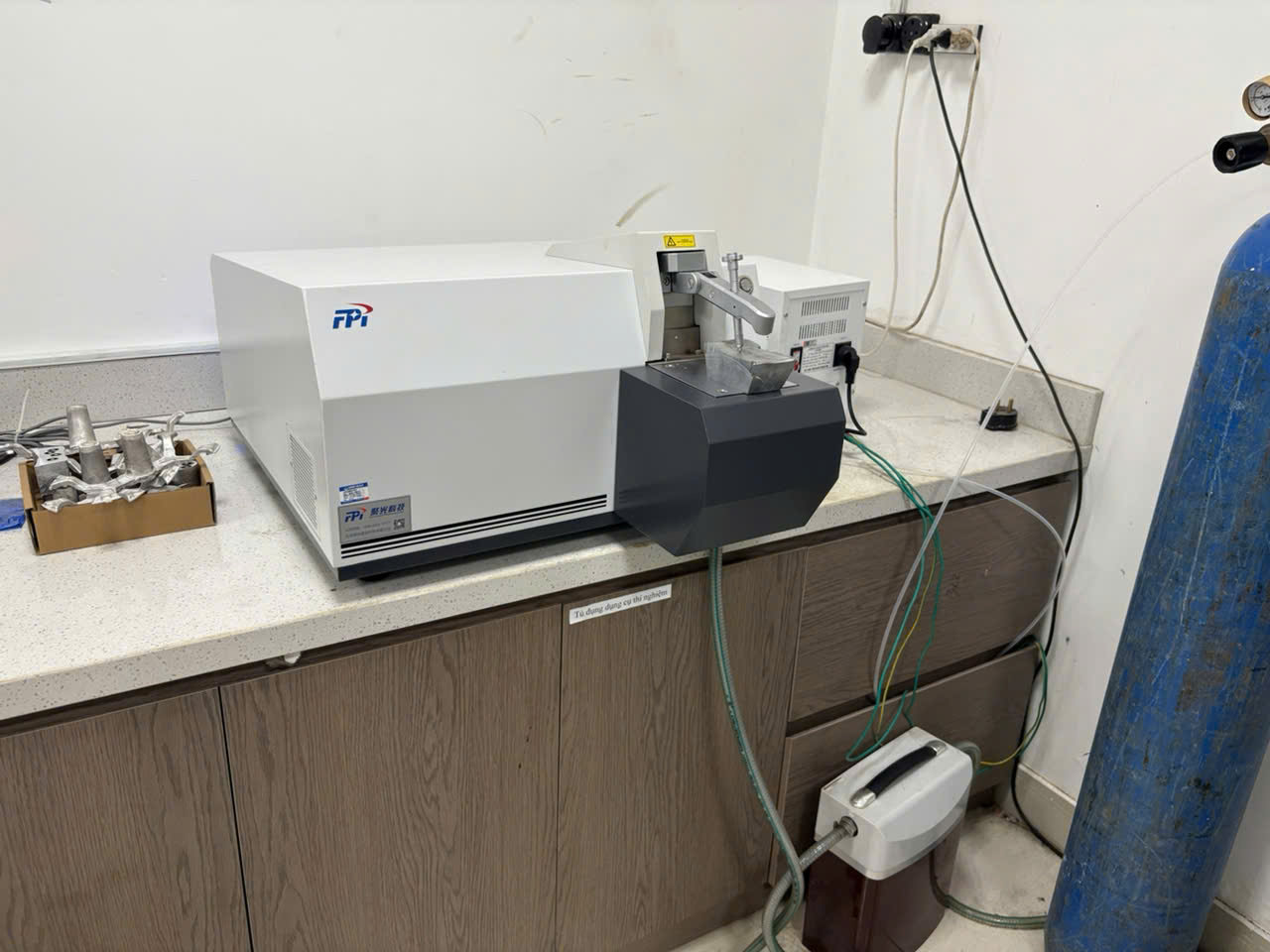
A mill certificate proves mechanical properties and the main alloying elements. It usually says nothing about surface treatment restrictions, coating chemistry, or process residues. That silence is where compliance risk lives. So we split verification into three layers and demand documents for each.
Layer One: The Base Metal
Ask for the full chemical composition, including tramp elements. Recycled steel content is rising, and future rules on recycled content will make trace impurity control even more important. Watch for lead in free-machining grades and cadmium as a contaminant in zinc used for galvanizing. Heavy metal limits are easiest to verify here because mills run spectrometry as standard practice.
Layer Two: Coatings and Treatments
Powder coats, e-coats, chromate layers, and phosphate treatments 5 all carry their own chemistry. Request Material Data Sheets for every coating product. Check pigments for cadmium and lead. Check passivation for hexavalent chromium. The upcoming universal PFAS restriction under REACH also matters here, because PFAS appears in some high-performance lubricants and release agents used on stamping dies.
Layer Three: Process Chemicals and Sourcing Ethics
Residual drawing oils can contain POP-restricted substances 6 such as certain chlorinated paraffins. And if your parts include tin, tantalum, tungsten, or gold, conflict minerals reporting applies. We collect smelter lists during supplier audits so our clients can complete their supply chain due diligence without chasing paperwork after the fact.
| Substance Group | Where It Hides | Document to Demand |
|---|---|---|
| Lead, cadmium | Alloys, plating baths, pigments | Mill cert with full analysis |
| Hexavalent chromium | Chromate passivation | Coating spec and test report |
| SCCPs, PFOA | Drawing oils, lubricants | Safety Data Sheets |
| PFAS | Die lubricants, coatings | Supplier PFAS statement |
| 3TG conflict minerals | Solder, contacts, plating | CMRT smelter declaration |
How can I confirm my Asian stamping supplier tests for EU-restricted chemical compounds?
One lesson our project team learned early: a supplier saying "we are compliant" and a supplier proving it are two different companies. We stopped accepting verbal assurances after a rework case that cost everyone a month.
Confirm testing capability by requesting recent third-party lab reports such as XRF and ICP analyses, auditing whether the supplier owns or subcontracts test equipment, checking their SVHC list update procedure, and requiring a signed Declaration of Conformity backed by traceable raw material records.

Most stamping houses in Asia do not run full chemical labs. That is normal and acceptable. What matters is whether they manage testing systematically through accredited third-party labs and whether their internal controls prevent untested material from entering production. During our supplier audits across Vietnam, Taiwan, and India, we score exactly this capability before a purchase order is ever placed.
Questions That Reveal Real Capability
Plain questions expose weak systems fast. We ask these on every audit, and I recommend any purchasing manager do the same.
- Which accredited lab do you use, and can you show a report from the last six months?
- How do you learn when the ECHA Candidate List changes? Who owns that task?
- Do you use handheld XRF screening on incoming plated parts, or only trust supplier paperwork?
- Can you trace this finished bracket back to a specific steel heat number?
- Who signs your Declaration of Conformity, and what evidence sits behind the signature?
A supplier who answers quickly, with documents, is managing REACH compliance for real. A supplier who hesitates is guessing. We also build chemical requirements directly into the PPAP package. The submission must include material certs, coating test reports, and SVHC statements before first articles get approved. That way compliance is locked in at development, not patched on at shipment. Finally, we repeat XRF spot checks 7 during final inspection on plated parts. Passivation chemistry can drift between plating batches, and a five-minute screen at the factory is far cheaper than a rejected container in Hamburg.
Conclusion
EU chemical rules can stall shipments and burn margins. The fix is layered proof: REACH declarations, RoHS testing, verified certificates, and audited suppliers. Build that system once, and Europe stays open.
Frequently Asked Questions
How do I ensure my stamping parts comply with REACH regulations before shipping to Europe?
During a supplier audit 2 in Vietnam last year, our team found a plating shop using a chromium bath nobody had documented. That single finding reshaped how we run REACH compliance checks .
What RoHS restrictions should I check when sourcing metal stamped parts from Asia?
A buyer once told me his previous vendor failed RoHS testing on zinc-plated clips because of hexavalent chromium in the passivation layer. The substrate was clean. The coating was not.
Which substances do I need to verify are excluded from my supplier's material certifications?
Reviewing mill certificates is a weekly routine for our engineers in Vietnam and China. The gaps we find are rarely in the steel itself. They hide in what the certificate never mentions.
Footnotes
1. Official list of substances of very high concern managed by the European Chemicals Agency. ↩︎
2. Comprehensive overview of REACH regulations including communication duties for articles. ↩︎
3