EU Packaging Waste Directive requirements for imported stamping parts trip up many buyers. I saw a client’s shipment of stamped brackets held at Rotterdam over one missing packaging registration.
EU packaging rules require that packaging for imported stamping parts meets essential design requirements, stays under 100 ppm combined heavy metals, carries material identification marks, and is registered under national EPR schemes. From August 2026, the new PPWR replaces the Directive with stricter, directly binding rules.
The rules sound complex, but they follow a clear logic. The law targets the packaging around your parts, not the metal itself. Let me walk you through each requirement step by step.
How do I know if my stamping parts packaging meets EU Packaging Waste Directive standards?
During a supplier audit in Vietnam last year, our team opened a crate of stamped clips and found five packaging layers. Every single layer fell under EU packaging law.
Your packaging meets EU standards if it satisfies the Directive's essential requirements: minimized weight and volume, designed for reuse or recovery, combined lead, cadmium, mercury, and hexavalent chromium below 100 ppm, and compliance with national registration and marking rules in each destination Member State.
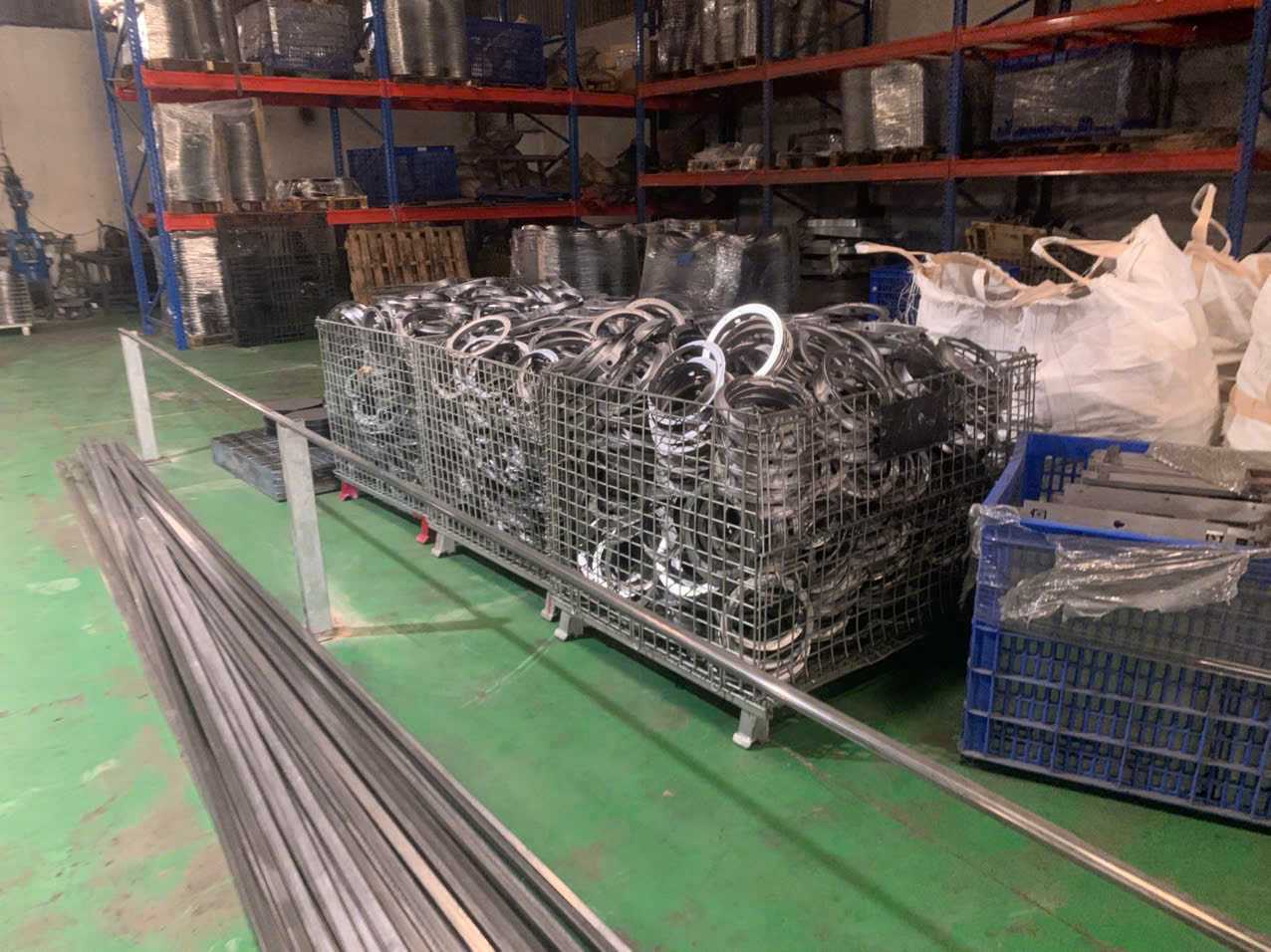
The first thing I tell buyers is simple. The stamped bracket itself is not regulated as packaging. The carton, the plastic film, the foam inserts, the labels, and the wooden pallet are. Each element must comply on its own.
Which rules apply right now?
Directive 94/62/EC 1 still governs today, but the transition matters. The new Packaging and Packaging Waste Regulation 2 (PPWR) entered into force on 11 February 2025. It applies generally from 12 August 2026. So you must comply with the Directive framework now and prepare for the PPWR at the same time.
The Directive sets what the EU calls "essential requirements." Packaging must be no heavier or bulkier than needed to protect the product. It must be designed for reuse, recycling, or energy recovery. And it must respect the heavy metals cap.
A quick self-check for your current packaging
| Check point | Requirement | Common failure for stamping parts |
|---|---|---|
| Weight and volume | Minimized while protecting the part | Oversized crates with excess void space |
| Heavy metals | Lead, cadmium, mercury, Cr(VI) combined below 100 ppm | Old recycled plastics or painted crates |
| Recoverability | Recyclable, reusable, or recoverable | Mixed-material laminates that resist sorting |
| Material marking | Codes per Commission Decision 97/129/EC 3 | No marks at all on Asian export cartons |
| National registration | EPR registration 4 before market placement | Importer assumes the exporter handled it |
In our experience, packaging designed for an exporter's home market rarely passes this check unchanged. Anti-rust VCI films, dense foam trays, and stapled multi-material boxes are typical problem areas. We usually redesign the pack-out during the PPAP stage, before mass production starts, so the client never has to fight this battle at the border.
What packaging materials and marking requirements should I request from my Asian suppliers?
One trade-off comes up in almost every project we quote: cheap default packaging from the factory versus EU-ready packaging specified in writing. The second always wins over a year of shipments.
Request recyclable mono-material packaging with material identification codes under Decision 97/129/EC, heavy-metal declarations below 100 ppm, ISPM 15 heat-treated and stamped wooden pallets, minimized void space, and written material composition data for every layer, including films, inserts, labels, and strapping.
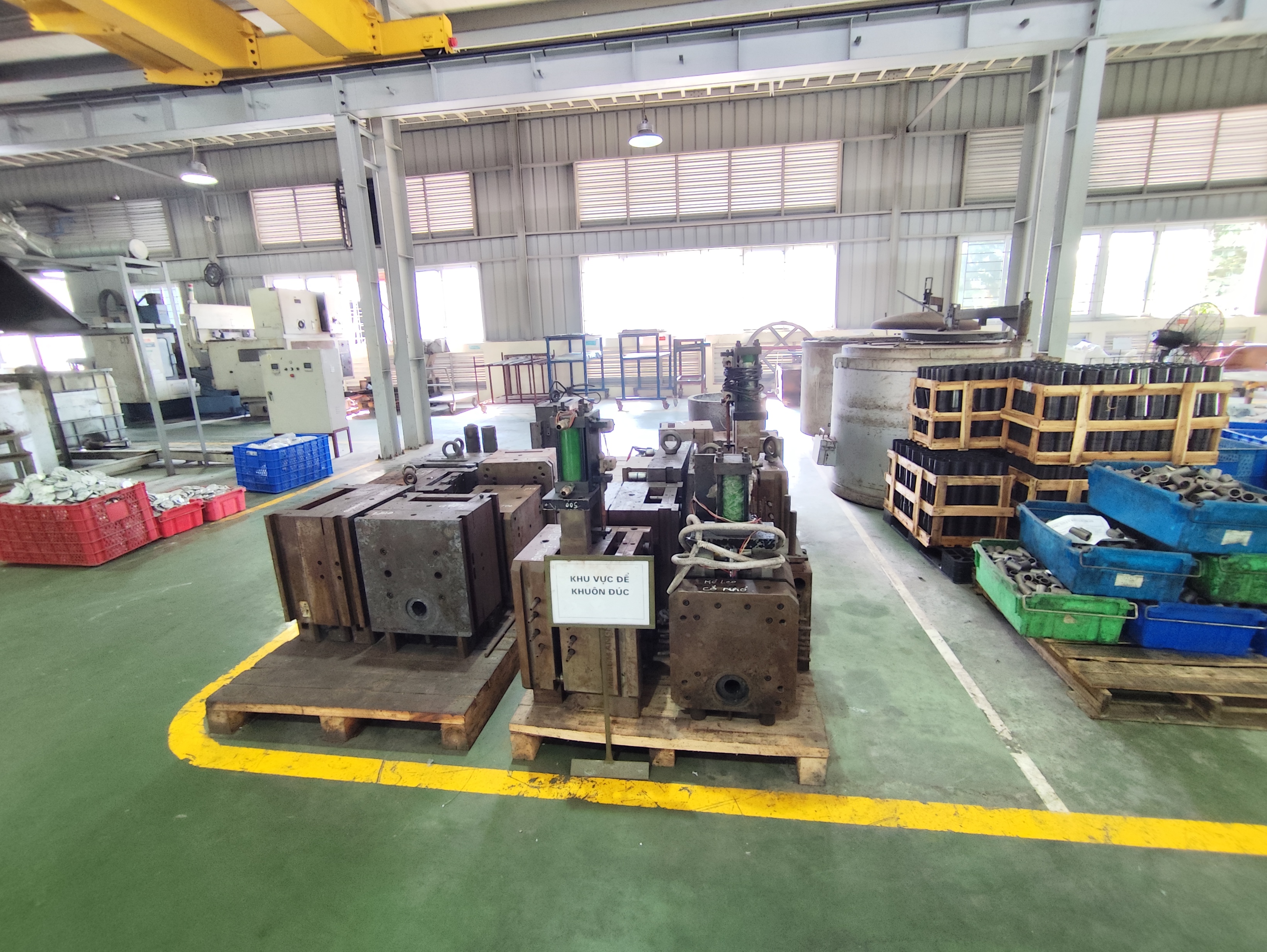
When we set up pack-out instructions for stamped components at our partner factories in Vietnam, we write the packaging specification into the purchase order. Verbal agreements evaporate. Written specs survive audits.
Materials to specify
Ask for mono-materials wherever possible. A plain corrugated carton recycles easily. A carton laminated with plastic film does not. For stamped steel brackets, we typically specify corrugated cartons, PE film for rust protection, and molded pulp or single-polymer trays instead of mixed foams.
Wooden crates and pallets need special attention. They must be heat treated and stamped under ISPM 15 5. This is a phytosanitary customs requirement, separate from packaging waste law, but a missing ISPM 15 stamp will block your container just as fast.
Marking codes your supplier must apply
| Material | Code example | Where it appears on stamping part shipments |
|---|---|---|
| Corrugated cardboard | PAP 20 | Outer cartons |
| Polyethylene film | LDPE 4 | Anti-rust wrap, bags |
| Polypropylene | PP 5 | Strapping, trays |
| Steel | FE 40 | Metal strapping, drums |
| Wood | FOR 50 | Pallets, crates |
These codes come from Commission Decision 97/129/EC. They let sorting facilities across Member States identify materials. Under the PPWR, harmonized sorting labels are expected from around August 2028, depending on implementing acts. So ask suppliers now whether their printing plates can accommodate label changes later.
Also request a heavy-metals declaration for every packaging material. Recycled plastics from uncontrolled sources sometimes carry cadmium from old pigments. One declaration per material, updated annually, is our standard practice.
How can I verify that my supplier's packaging documentation satisfies EU compliance audits?
A purchasing manager in Germany once emailed me a blunt question: "Your factory says the packaging is compliant. Can you prove it?" That single email reshaped how we build technical files.
Verify documentation by collecting a signed declaration of conformity, material composition data sheets, heavy-metals test evidence, packaging weight records by material type, EPR registration numbers such as Germany's LUCID ID, and ISPM 15 certificates, then cross-check weights against actual shipments during incoming inspection.

Supplier assurances alone carry no legal weight. Market surveillance authorities and Producer Responsibility Organizations can demand evidence. If you cannot produce it, you are treated as non-compliant, even if the packaging itself was fine.
Build the technical file in this order
- Packaging specification sheet. List every layer: carton, film, tray, label, strapping, pallet. Include material type and weight per unit.
- Declaration of conformity. The supplier signs a statement that packaging meets the essential requirements and the 100 ppm heavy-metals cap. Under the PPWR, a formal declaration of conformity 6 with supporting technical documentation becomes the expected standard.
- Test evidence. Heavy-metals test reports for plastics and coated materials. Recyclability statements for mixed materials.
- Weight reconciliation. EPR fees are calculated by material and weight. Your declared weights must match reality. We weigh sample pack-outs during final inspection and file the records.
- Registration proof. Your own EPR registration in each destination country, or your customer's, with clear contractual allocation of who reports.
How we verify, not just collect
Documents can be copied. Compliance cannot. During final inspection at the factory, our QC team physically checks marking codes on cartons, ISPM 15 stamps on pallets, and pack-out weights against the specification. We photograph everything and attach the photos to the inspection report. When a client faces a PRO audit two years later, that dated evidence closes the question in minutes.
Keep records for at least five years. National authorities differ on retention rules, so longer is safer.
What risks or penalties might I face if my imported stamping parts packaging fails to comply?
Early in my career, I learned the expensive way that customs officers do not negotiate. A container sat in port for eleven days over packaging paperwork, and demurrage charges ate the entire margin.
Non-compliant packaging can trigger fines reaching tens of thousands of euros, blocked customs clearance, forced withdrawal of goods from the market, sales bans in individual Member States, back-payment of EPR fees with penalties, and reputational damage with EU customers who audit their supply chains.
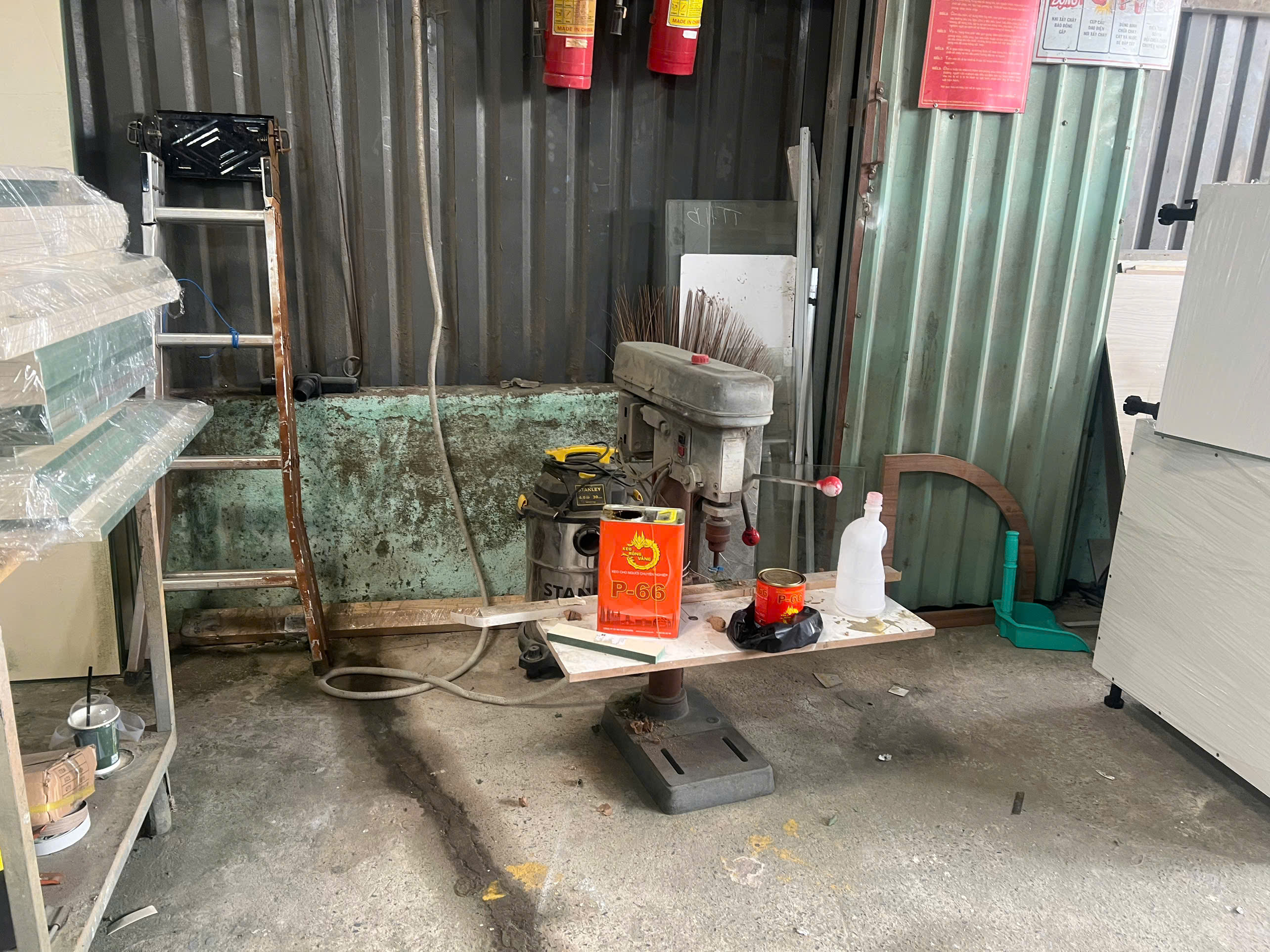
The risk profile differs by failure type. Some failures cost money. Others cost the market itself.
Risk severity at a glance
| Failure | Likely consequence | Severity |
|---|---|---|
| No EPR registration (e.g., no LUCID entry for Germany) | Sales ban, fines, marketplace delisting | High |
| Heavy metals above 100 ppm | Product withdrawal, recall of packaging stock | High |
| Missing ISPM 15 treatment on wood | Container refused or fumigated at your cost | High |
| Missing material marking codes | Corrective action demands, delayed clearance | Medium |
| Under-reported packaging weights | Back-fees plus penalties from PROs | Medium |
| Oversized void space under PPWR | Non-conformity findings from 2026 onward | Growing |
Why the risk is rising, not falling
The PPWR raises the stakes from 12 August 2026. As a regulation, it applies directly and uniformly across Member States, which removes the patchy enforcement gaps some importers quietly relied on. Recycled-content minimums for plastic packaging 7 phase in from 2030, with higher targets by 2040. All packaging must ultimately be recyclable. Certain single-use formats face outright restriction. Void-space limits will directly hit the oversized crating common in metal component shipping.
There is one more risk buyers underestimate. Your own EU customers increasingly audit upstream compliance. A failed packaging audit can end a supply relationship even when no authority ever fines you. That is why we treat packaging compliance as part of process control, not as an afterthought at the loading dock. Fixing it at the source in Asia costs a fraction of fixing it at a European port.
Conclusion
Packaging, not the stamped part, is the real compliance bottleneck. Specify materials, demand documentation, register for EPR, and prepare for the PPWR now. Get it right at the source.
Frequently Asked Questions
Which rules apply right now?
Directive 94/62/EC 1 still governs today, but the transition matters. The new Packaging and Packaging Waste Regulation 2 (PPWR) entered into force on 11 February 2025. It applies generally from 12 August 2026. So you must comply with the Directive framework now and prepare for the PPWR at the same time.
How do I know if my stamping parts packaging meets EU Packaging Waste Directive standards?
During a supplier audit in Vietnam last year, our team opened a crate of stamped clips and found five packaging layers. Every single layer fell under EU packaging law .
What packaging materials and marking requirements should I request from my Asian suppliers?
One trade-off comes up in almost every project we quote: cheap default packaging from the factory versus EU-ready packaging specified in writing. The second always wins over a year of shipments.
Footnotes
1. Official EU legal text for the packaging waste directive still governing compliance today. ↩︎
2. Official EU Commission page explaining the binding PPWR replacing the current Directive. ↩︎
3. Legal source establishing the material identification marking codes referenced in the article. ↩︎
4. Explains the extended producer responsibility concept underlying national registration duties. ↩︎
5. Background explanation of the international phytosanitary wood packaging standard referenced. ↩︎
6. Defines the compliance document type expected under PPWR technical documentation standards. ↩︎
7. Official EU Commission plastics policy page relevant to PPWR recycled-content requirements. ↩︎