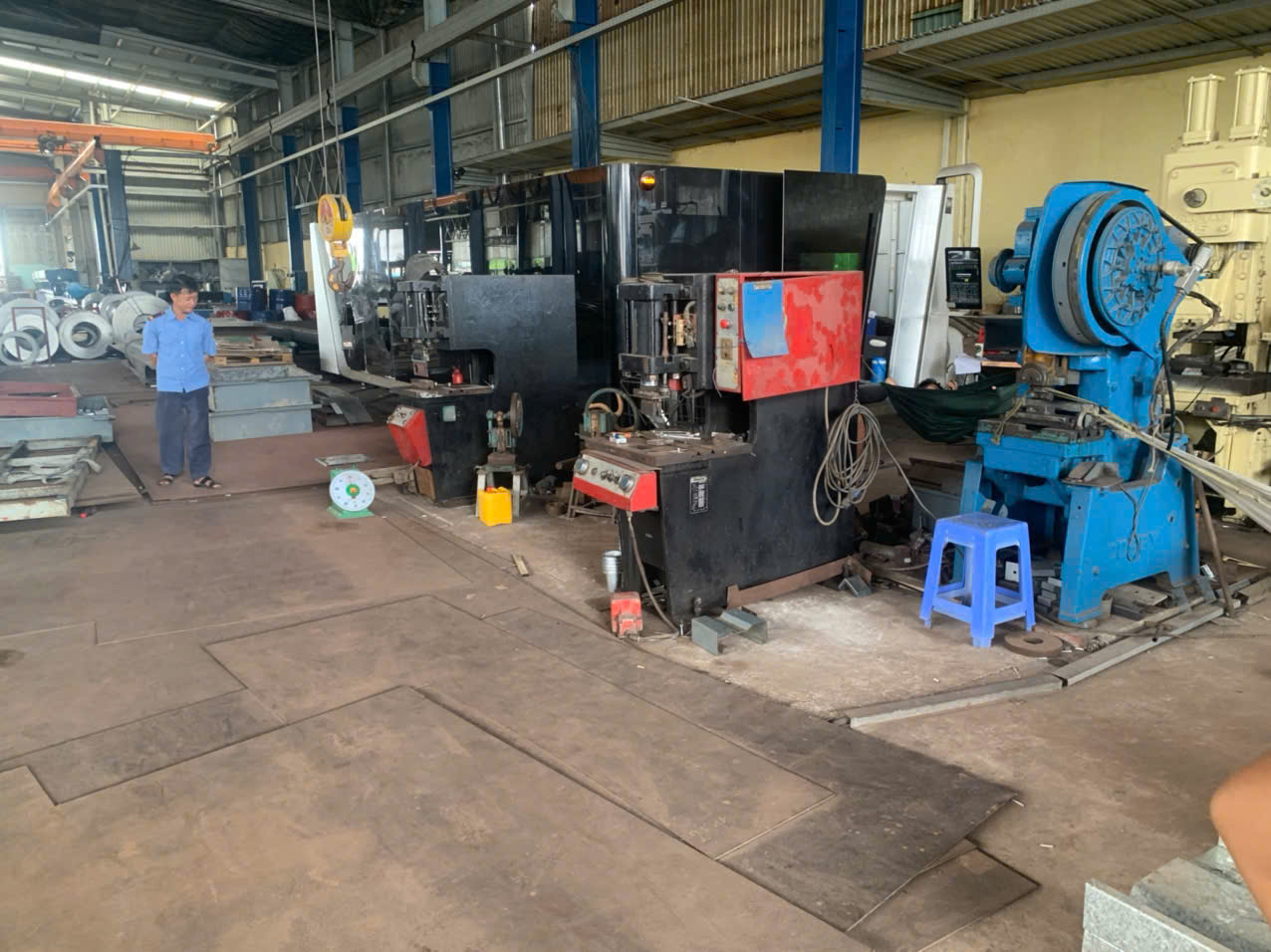

EU REACH material compliance requirements caught one of our stamping projects off guard years ago. A zinc-plated bracket shipment 1 stalled because nobody had screened the passivation chemistry. That mistake cost weeks.
EU REACH material compliance requirements for stamping parts classify them as articles exempt from substance registration, but suppliers must screen for Substances of Very High Concern above the 0.1% w/w threshold, meet Article 33 Communication duties, report to the SCIP database, and avoid Annex XVII restricted substances.
That sounds like a lot of legal language. It is. But the logic behind it is simple once you break it down. Let me walk you through each requirement the way I explain it to our own clients before their first EU shipment.
What SVHC Substances Do I Need to Screen for in My Stamping Parts?
During a supplier audit in Vietnam last year, I asked a plating shop for their chemical inventory. They handed me a one-page list. The Candidate List has over 240 entries. That gap is exactly where compliance failures start.
You must screen stamping parts against the full ECHA Candidate List of Substances of Very High Concern, focusing on lead in steel and brass alloys, cadmium, hexavalent chromium compounds in coatings, and certain phthalates in polymer inserts, wherever any single SVHC exceeds 0.1% w/w at the article level.
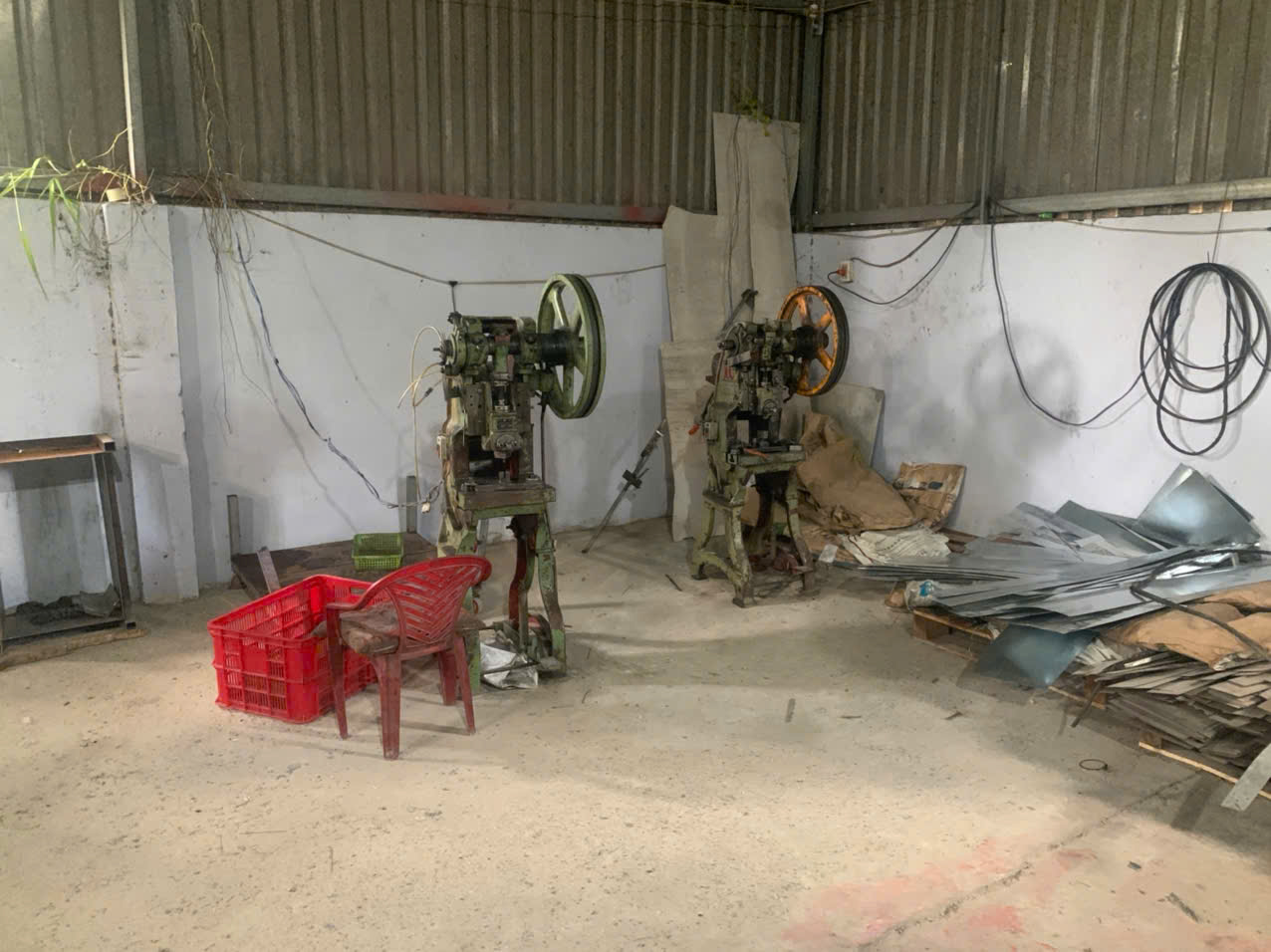
The Candidate List updates roughly twice a year. So screening is not a one-time task. It is a living process. For stamping parts, though, the realistic risk zone is much narrower than the full list. Most SVHCs are organic chemicals that simply do not appear in sheet metal. The ones that do appear cluster in three places: the base alloy, the surface finish, and any attached non-metal components.
The High-Risk SVHCs for Stamped Metal
Here is where I tell our clients to focus their chemical composition analysis first:
| SVHC Concern | Where It Hides | Typical Risk Level |
|---|---|---|
| Lead (Pb) | Free-machining steel, brass alloys, solder | High |
| Hexavalent chromium compounds | Chromate conversion coatings, passivation | High |
| Cadmium (Cd) | Older zinc plating baths, pigments | Medium |
| Cobalt salts | Certain surface treatments | Medium |
| Phthalates (DEHP, DBP) | Rubber grommets, plastic inserts, cable clips | Medium |
| Boric acid | Some nickel plating electrolytes | Low |
Notice something important: the Threshold Limit 0.1% w/w applies at the article level, not the shipment level. A tiny stamped clip weighing 8 grams only needs 8 milligrams of an SVHC to cross the line. Leaded brass, for example, often contains 2–3% lead. That fails the threshold by a wide margin.
How We Screen in Practice
Our process starts with the mill certificate for the base material. Then we request bath chemistry declarations from the plating house. Finally, for automotive or electronics clients, we commission third-party lab testing on finished parts. We check every new Candidate List update against our active part numbers. If a substance gets added mid-production, we re-verify before the next lot ships. Safety Data Sheets from your process chemical suppliers also help, but remember they cover the input chemicals, not the finished article. Only testing or a full Material Declaration proves what remains on the part.
How Do I Get REACH Compliance Documentation From My Asian Suppliers?
A purchasing manager in Ohio once told me his Taiwanese stamping supplier answered every REACH request with the same PDF, undated and unsigned. That document would collapse under any customs audit. Getting real documentation takes structure, and it starts at the RFQ stage.
Request a signed and dated REACH declaration referencing the current Candidate List version, a mill certificate for the base material, a plating chemistry declaration, and, for high-risk finishes, third-party test reports. Specify document language, lot traceability, and retention terms in your purchase order.
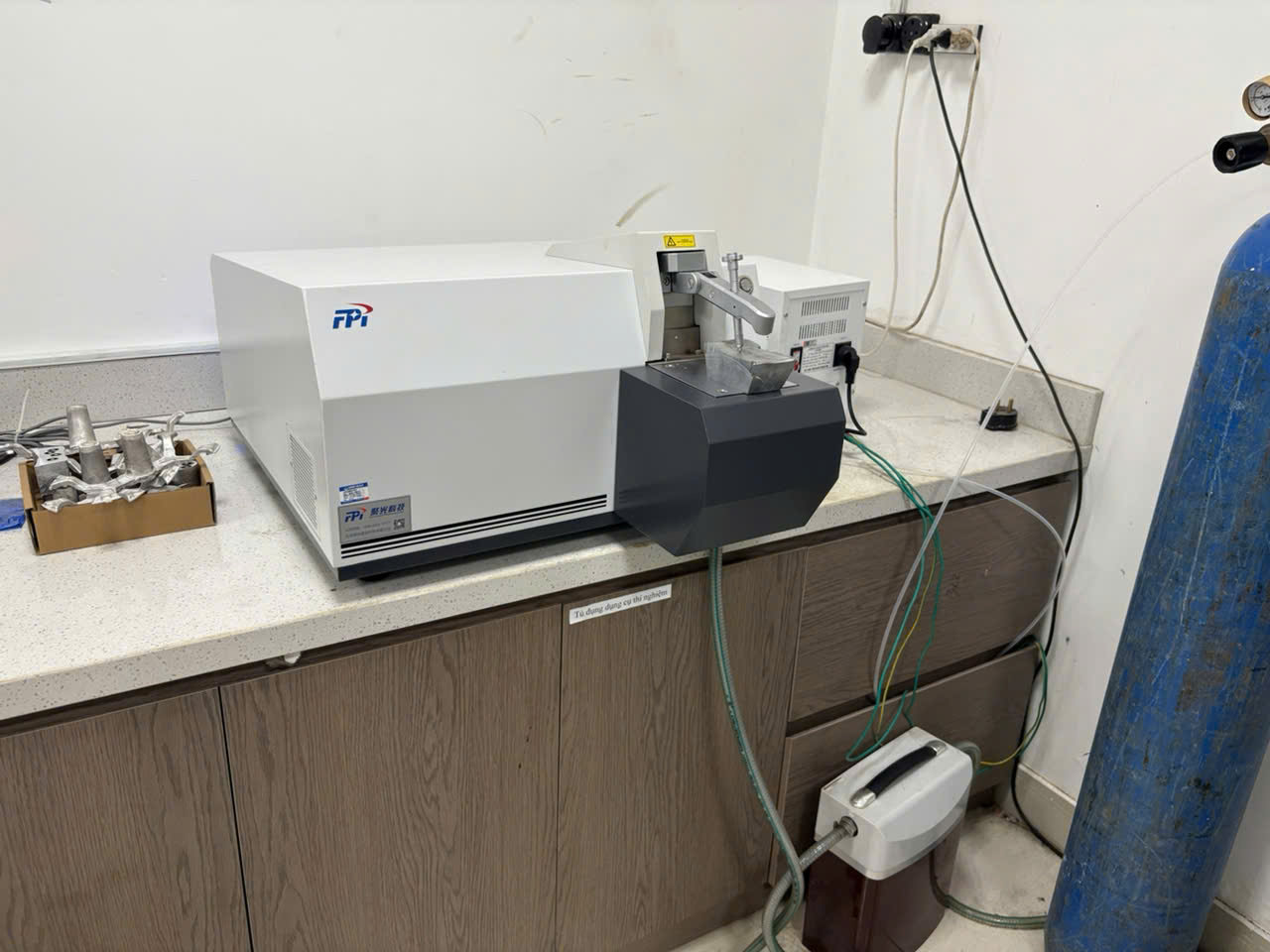
The biggest documentation mistake I see is timing. Buyers ask for compliance papers after production, when leverage is gone. We build the requirement into the RFQ package itself. If a supplier in Vietnam or India cannot commit to the paperwork upfront, that tells us something before any tooling money moves.
The Document Package We Require
Over years of managing custom parts programs, we have standardized our compliance file into a fixed checklist:
- REACH declaration of conformity — signed, dated, and citing the Candidate List version by date. An undated declaration is nearly worthless because the list changes twice a year.
- Base material certificate — the mill cert with alloy grade and chemical composition analysis.
- Surface treatment declaration — from the plating subcontractor, naming the process type (e.g., trivalent vs. hexavalent chromate).
- Third-party test report — for parts going into automotive or electronics assemblies, or when the finish chemistry is unclear.
- Full Material Declaration (FMD) — with CAS numbers 2 and concentrations, increasingly requested in digital format by EU-facing buyers.
Verifying Instead of Trusting
A declaration is a claim, not proof. So we cross-check. Does the plating shop actually run the process the declaration names? A supplier audit answers that. Does the mill cert match the drawing's material callout? Our inspectors verify grade markings 3 and, when in doubt, run XRF spot checks. We also lock in lot traceability: material lot, plating batch, and shipment lot must link on the label. Keep the whole file for ten years. That retention period matches standard REACH record expectations, and it has saved our clients during downstream user obligations reviews more than once.
| Documentation Level | Cost | Speed | Audit Strength |
|---|---|---|---|
| Supplier declaration only | Low | Fast | Weak |
| Declaration + mill cert + plating declaration | Low–Medium | Fast | Moderate |
| Full Material Declaration with CAS data | Medium | Moderate | Strong |
| FMD + third-party lab test per lot | High | Slow | Strongest |
What Happens If My Custom Stamping Parts Fail REACH Compliance After Import?
The hardest phone call in this business is telling a client their goods cleared customs but cannot legally be sold. We helped one buyer untangle exactly that situation after a chromate finish 4 tested positive for hexavalent chromium post-arrival. The options were all painful.
Non-compliant stamping parts already imported into the EU may face sales bans, mandatory recalls, forced rework or re-export, SCIP database corrections, and national enforcement penalties including fines. The EU importer of record carries legal liability, and downstream customers can claim damages under supply contracts.

Here is the uncomfortable truth: REACH liability does not stop at the port. Member state enforcement authorities run market surveillance programs, and they test articles already on shelves. When a stamped part fails, the consequences cascade through the whole supply chain, and everyone starts looking for who to blame.
The Escalation Path After a Failure
The sequence usually runs like this. First, a test failure surfaces, either from an authority, a customer's incoming inspection, or your own audit. Second, the EU importer must stop placing the affected lot on the market. Third, corrective communication kicks in: Article 33 Communication duties 5 mean professional customers must be told which SVHC is present, and consumer requests must be answered within 45 days. Fourth, if the part contains an SVHC above 0.1% w/w and was never entered into the SCIP database 6, that SCIP Database Notification gap becomes a second, separate violation. Fifth, national authorities decide on penalties, which vary by member state but can include meaningful fines and public listing in the EU Safety Gate system.
Your Realistic Remediation Options
What can you actually do with the parts sitting in an EU warehouse? In our experience, four paths exist. You can rework them, for example stripping and re-plating with a compliant finish, if the economics allow. You can re-export them to a market without the restriction. You can scrap them and file the insurance or supplier claim. Or, if the substance is only a Candidate List SVHC and not an Annex XVII restriction 7, you can sometimes still sell legally, provided you disclose the SVHC and complete SCIP reporting. That last path surprises many buyers: Candidate List presence triggers communication duties, not an automatic ban. Annex XVII Restrictions are the true prohibitions. Knowing which category your failure falls into determines whether you face a paperwork problem or a scrapped shipment.
We now write REACH conformity into every supplier contract with clear cost-recovery language. Prevention is cheap. Remediation never is.
Which Coatings and Platings on Stamping Parts Trigger REACH Restrictions?
Choosing a finish involves a trade-off we weigh on nearly every stamped bracket project: corrosion performance versus regulatory exposure. A yellow chromate gives excellent salt-spray results. It can also carry hexavalent chromium straight onto the Authorisation List. The wrong callout on a drawing creates a compliance problem before the first tool strike.
Hexavalent chromate conversion coatings, cadmium plating, and certain lead-bearing finishes trigger REACH restrictions on stamping parts. Chromium trioxide processes fall under Authorisation List Annex XIV, cadmium faces Annex XVII Restrictions, while trivalent chromium passivation, standard zinc plating, and electroless nickel remain broadly compliant alternatives.

Look at any catalog of stamped brackets, ours included: nickel-plated steel 8 with that warm champagne tone, and zinc-coated parts in matte gray. Both finishes are common. Neither is automatically safe. The compliance status depends entirely on the bath chemistry behind that appearance, which is why metal surface treatments deserve their own review separate from the base material.
Finish-by-Finish Risk Map
| Finish Type | REACH Status | Key Concern | Compliant Alternative |
|---|---|---|---|
| Hexavalent chromate (yellow/olive) | Annex XIV authorisation required | Chromium trioxide, an SVHC | Trivalent chromium passivation |
| Cadmium plating | Annex XVII restricted | Cadmium banned in most uses | Zinc-nickel plating |
| Zinc plating + trivalent passivation | Generally compliant | Verify sealer chemistry | — |
| Electroless nickel | Generally compliant | Check boric acid in bath | Verify with FMD |
| Hot-dip galvanizing | Generally compliant | Lead in older zinc baths | Specify low-lead zinc |
| PTFE / fluoropolymer coatings | Watch closely | Proposed universal PFAS restriction | Under evaluation industry-wide |
The Chromate Trap
The Annex XIV situation deserves special attention. Chromium trioxide can still be used in the EU, but only under a granted authorisation with a sunset-date framework. For Asian plating shops, the practical answer is simpler: switch to trivalent. The problem is language. Many shops still call trivalent passivation "chromate" on their paperwork, and some quote "chromate" while running legacy hexavalent lines. We resolve this by naming the exact process specification on the drawing and verifying the bath during supplier audits. When the finish matters for a safety-critical assembly, we add a spot test on incoming lots.
What Is Coming Next
Two trends will reshape finish selection. The proposed universal PFAS restriction could hit fluorinated lubricants and coatings used in stamping and post-processing. And the emerging Digital Product Passport framework will eventually require finish chemistry data in scannable, standardized form. Buyers who build a clean Material Declaration habit now will absorb those changes easily. Buyers who rely on vague finish callouts will not.
Conclusion
REACH failures rarely come from the steel. They come from unchecked finishes and unsigned papers. Screen SVHCs early, document rigorously, verify plating chemistry, and every EU shipment clears cleanly.
Frequently Asked Questions
What SVHC Substances Do I Need to Screen for in My Stamping Parts?
During a supplier audit in Vietnam last year, I asked a plating shop for their chemical inventory. They handed me a one-page list. The Candidate List has over 240 entries. That gap is exactly where compliance failures start.
How Do I Get REACH Compliance Documentation From My Asian Suppliers?
A purchasing manager in Ohio once told me his Taiwanese stamping supplier answered every REACH request with the same PDF, undated and unsigned. That document would collapse under any customs audit. Getting real documentation takes structure, and it starts at the RFQ stage.
What Happens If My Custom Stamping Parts Fail REACH Compliance After Import?
The hardest phone call in this business is telling a client their goods cleared customs but cannot legally be sold. We helped one buyer untangle exactly that situation after a chromate finish 4 tested positive for hexavalent chromium post-arrival. The options were all painful.
Footnotes
1. Wikipedia entry explaining the zinc plating process used for corrosion protection in metal parts. ↩︎
2. CAS is the global authority for chemical substance identification and registry numbers. ↩︎
3. Wikipedia provides an overview of steel grades and marking systems used in manufacturing. ↩︎
4. Wikipedia article detailing chromate conversion coatings and their regulatory status in manufacturing. ↩︎
5. ECHA’s official guidance on the communication requirements for substances in articles under REACH. ↩︎
6. Official European Chemicals Agency portal for the database of hazardous substances in products. ↩︎
7. Official ECHA list of chemical substances subject to restrictions under REACH Annex XVII. ↩︎
8. Comprehensive technical overview of nickel plating processes and applications on steel. ↩︎