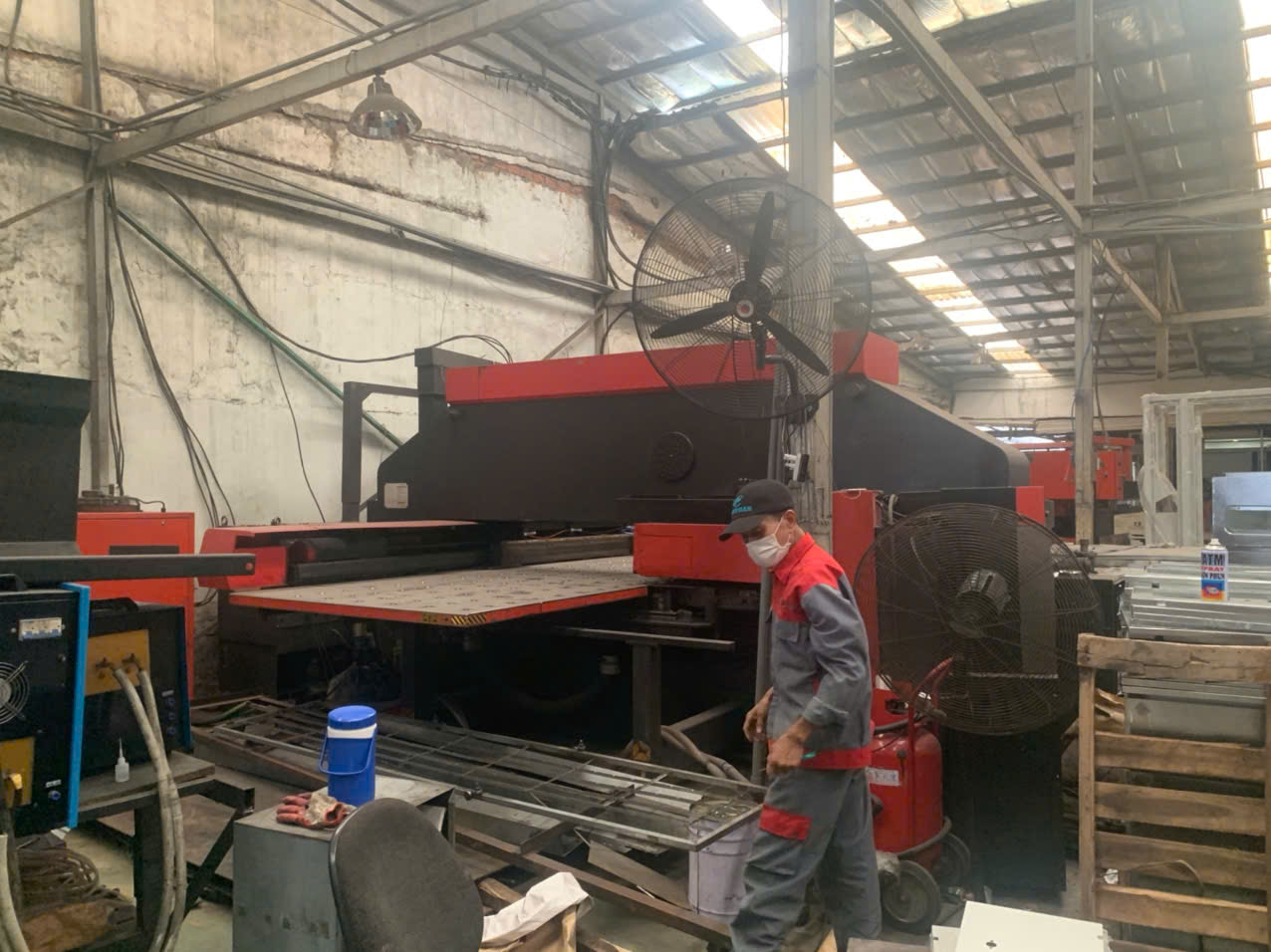
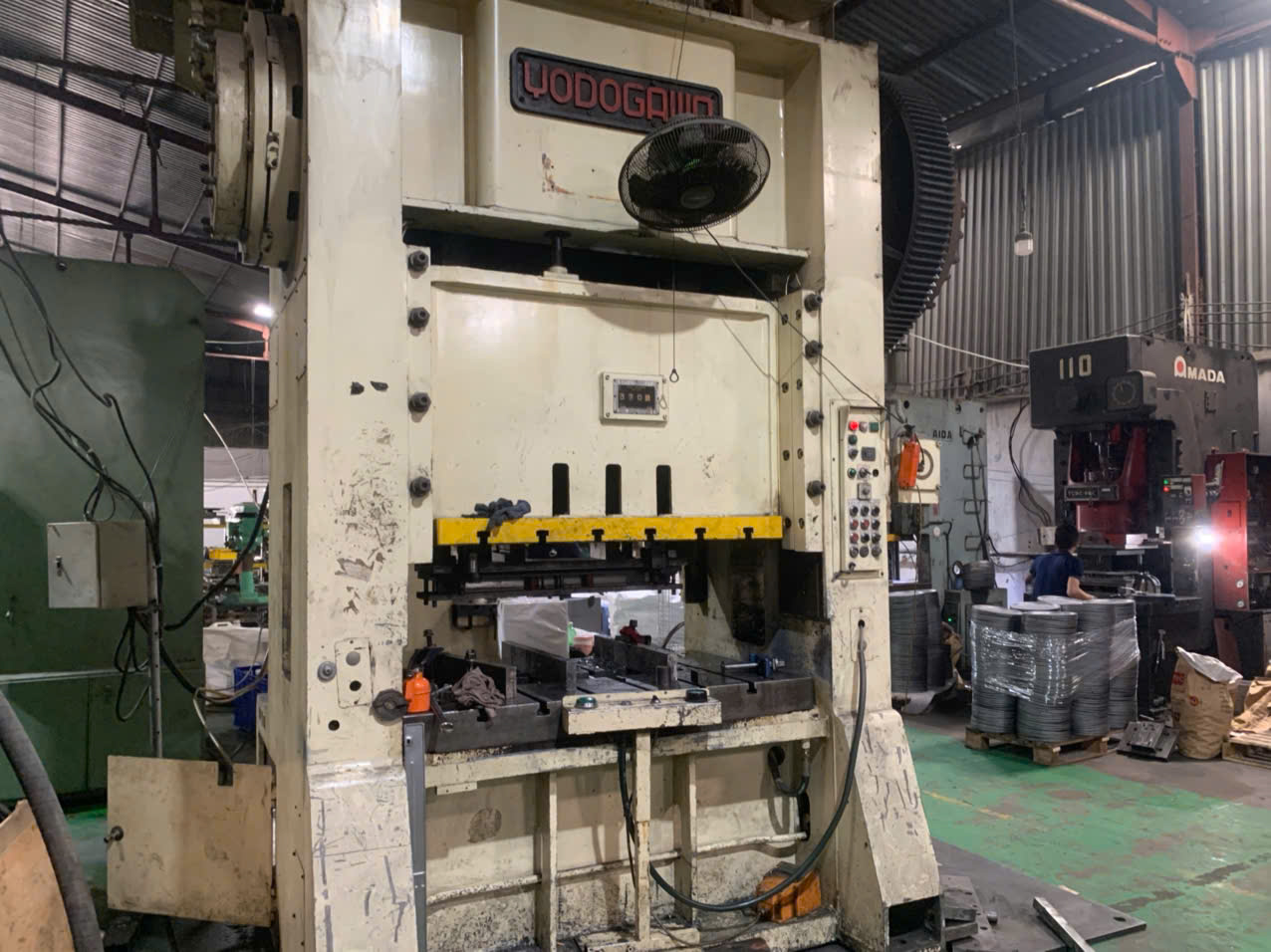
EU WEEE recycling requirements for stamped electrical components confuse many buyers IMDS or IPC-1752A 1. A rejected shipment at Rotterdam can freeze cash flow for months. Our sourcing team in Vietnam has helped clients untangle exactly this problem.
The EU WEEE Directive applies to stamped electrical components only when they are part of electrical and electronic equipment placed on the EU market. Obligations cover producer registration, crossed-out bin marking, take-back financing, recycler treatment information, and design choices that support depollution and recovery targets.
That answer sounds simple. In practice, the details decide whether your goods clear customs or sit in a warehouse. Let me walk you through each step.
How can I ensure my stamped electrical components meet EU WEEE compliance before shipment?
A buyer once emailed me two days before a container closed, asking if his stamped brackets needed WEEE registration. That last-minute panic is avoidable. Our project team now builds WEEE checks into the PPAP stage, long before packing.
Confirm whether your stamped part is standalone EEE or a component inside finished equipment, map it to the correct WEEE category, verify RoHS-compliant materials and platings, secure supplier declarations, and check that marking and recycler information duties sit with the right party before shipment.

The first question is classification. WEEE rules do not create a special category for stamped parts. They apply to electrical and electronic equipment placed on the EU market. So you must decide what your stamped terminal, shield, contact, or mounting bracket actually is in legal terms.
Step 1: Classify the part correctly
There are three possible situations, and each carries different duties.
| Situation | Is WEEE registration needed for the part itself? | Who carries the main duty? |
|---|---|---|
| Stamped part sold as standalone EEE (e.g., a plug-in module) | Yes, in each EU country of sale | The producer or importer of the part |
| Stamped part built into finished EEE (e.g., a contact inside a connector) | No, the finished product is registered | The producer of the finished equipment |
| Purely mechanical stamped metal part with no electrical function | No, it is not EEE | Nobody, though it may still enter recycling streams |
Most stamped components fall into the second row. Since August 2018, WEEE obligations 2 have applied broadly to all EEE, both consumer and professional. So even industrial equipment containing your parts is in scope.
Step 2: Verify materials before the tooling stage
We ask for material certificates and plating specifications at the quotation stage, not after production. Changing a plating after tooling approval is expensive. Changing it after an EU customs hold is worse.
Step 3: Assign responsibilities in writing
Your purchase agreement should state who registers, who labels, and who provides treatment information to recyclers. When we manage contract manufacturing for U.S. clients shipping onward to Europe, we put this split of duties into the project plan. It removes the finger-pointing later.
What documentation do I need from my supplier to prove WEEE recycling compliance?
Paperwork is where most sourcing projects stumble. During a supplier audit in Vietnam last year, our engineers found a stamping shop with excellent parts but no material declarations at all. Good metal, bad files. Both matter equally in Europe.
You need material composition declarations, RoHS Declarations of Conformity, plating and coating specifications, test reports for restricted substances, and technical files supporting recycler treatment information. Formats like IMDS or IPC-1752A make this data usable across the supply chain.

Documentation serves two audiences. First, it protects the EU producer who registers the finished equipment. Second, it feeds the treatment information that producers must give recyclers for new product types within one year of market placement. Your stamped part's data flows uphill into both.
The core document set
Here is the package we require from stamping suppliers before final inspection sign-off.
| Document | What it proves | Typical format |
|---|---|---|
| Material composition declaration | Exact alloy grades and plating layers | IMDS entry or IPC-1752A file |
| RoHS Declaration of Conformity | Restricted substances below limits | Signed PDF referencing 2011/65/EU |
| Third-party substance test report | Lead, cadmium, mercury, hexavalent chromium levels | XRF or wet-chemistry lab report |
| Plating process specification | Coating layers, thicknesses, and chemistry | Supplier process sheet |
| Exemption statement, if used | Legal basis such as RoHS Exemption 6(c) 3 for leaded copper alloys | Written declaration with expiry awareness |
Why formats matter
A scanned certificate is better than nothing. But structured data in IMDS or IPC-1752A 4 lets your customer roll the information into their own product-level declarations without retyping. It also prepares you for what is coming. The EU Digital Product Passport, under the Ecodesign for Sustainable Products Regulation, will demand granular, digitally traceable material data. Suppliers who already maintain structured declarations will adapt easily. Suppliers with paper folders will scramble.
We keep a documentation gap-check inside our supplier audit scorecard. In our experience, a stamping house that maintains clean material files usually also runs disciplined process control. The paperwork is a proxy for the culture.
Which materials and finishes should I avoid to stay compliant with WEEE restricted substances rules?
Trade-offs sit at the heart of every material decision we review. A cheaper leaded brass cuts machining time. A hexavalent chromate passivation 5 resists corrosion well. Both can sink an EU shipment. Our engineers weigh these calls on nearly every stamped-part drawing.
Avoid leaded alloys above exemption limits, cadmium-bearing platings, hexavalent chromium passivation, and mercury in any form. Watch RoHS Exemption 6(c), which allows up to 4% lead in copper alloys but faces periodic review. Handle beryllium copper with extra care due to selective treatment rules.
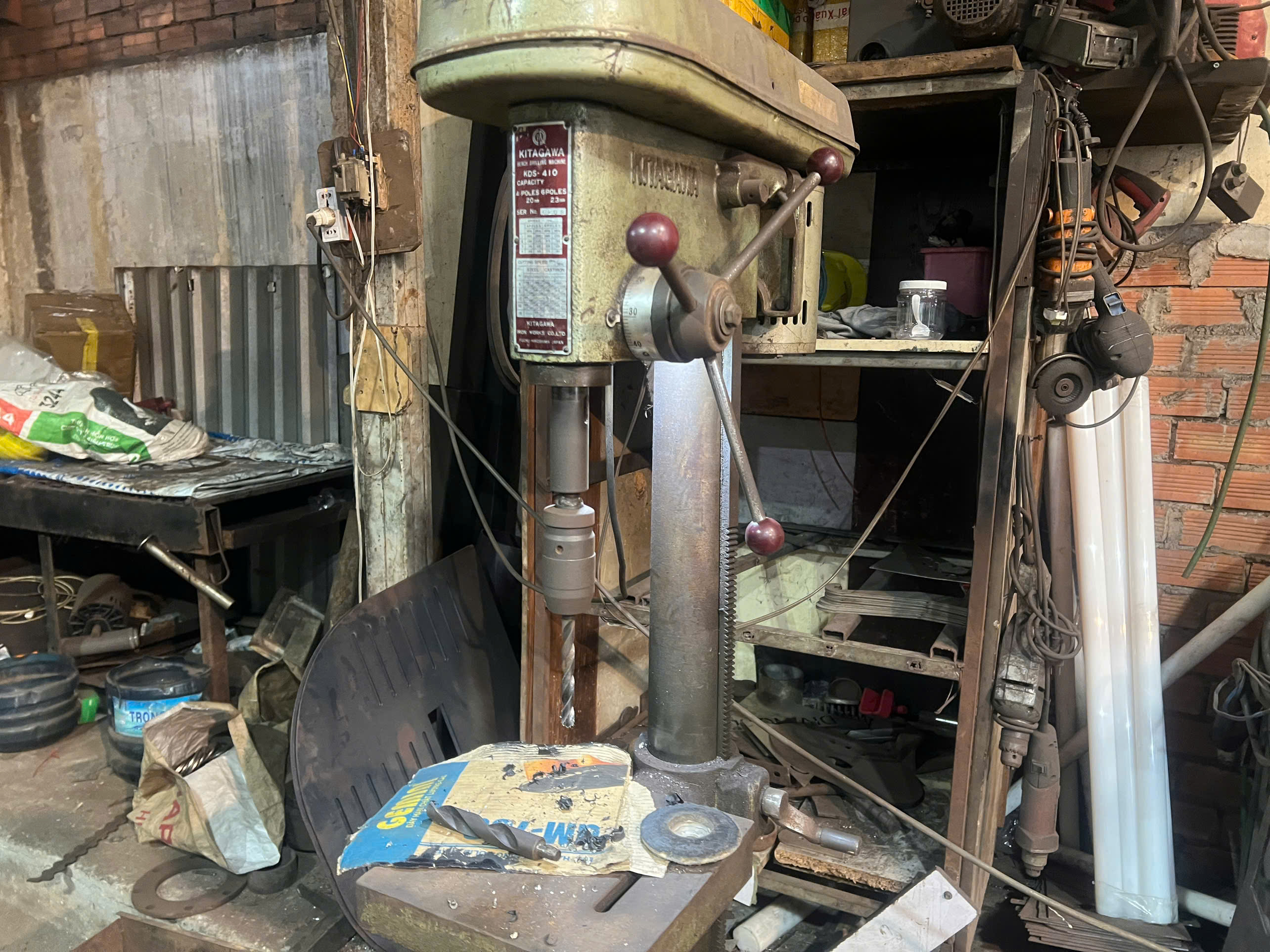
WEEE and RoHS work as a pair. RoHS restricts what goes into the equipment. WEEE governs what happens when the equipment becomes waste. Stamped metal parts touch both, mainly through alloys and surface finishes.
High-risk materials in stamped components
| Material or finish | Risk | Safer alternative |
|---|---|---|
| Leaded brass or leaded copper alloys above 4% Pb | Exceeds RoHS limits without exemption cover | Lead-free brass, phosphor bronze, or alloys within Exemption 6(c) |
| Cadmium plating | Banned in almost all EEE uses | Zinc-nickel or tin plating |
| Hexavalent chromium passivation (yellow chromate) | Restricted substance | Trivalent chromium passivation |
| Mercury-containing coatings or switches | Restricted substance | Mercury-free designs |
| Beryllium copper springs and contacts | Triggers selective treatment under WEEE Annex VII | Copper-titanium or high-performance phosphor bronze where feasible |
Exemptions are not permanent
RoHS Exemption 6(c) 6 currently allows up to 4% lead in copper alloys for machinability. Many terminal and contact designs rely on it. But exemptions carry expiry dates and periodic EU reviews. We advise clients to treat every exemption as temporary. Design new parts to work without it where the mechanics allow.
Think about the recycler, not just the regulator
Multi-layer platings, such as gold flash over nickel over copper, are legal. Yet they complicate shredding and material sorting at end of life. Mono-material designs and recycling-compatible coatings improve recovery yields. With collection targets 7 at 65% of EEE placed on the market since 2019, and category recovery targets reaching 75–80% for some equipment types, finished-goods makers increasingly favor components that recycle cleanly. That preference flows down to stamping suppliers.
How do I choose a manufacturing partner in Asia who understands EU WEEE requirements?
A purchasing manager from the U.S. Midwest once told me his biggest fear was not price. It was a supplier who nods at every drawing note and understands none of them. After fifteen years running sourcing projects across Vietnam, Taiwan, and India, I share that fear.
Choose a partner who classifies parts correctly under EEE rules, supplies structured material declarations, runs documented process control on alloys and platings, passes on-site audits, and communicates proactively about substance restrictions, exemption expiries, and design-for-recycling. Verify all of this before tooling, not after.
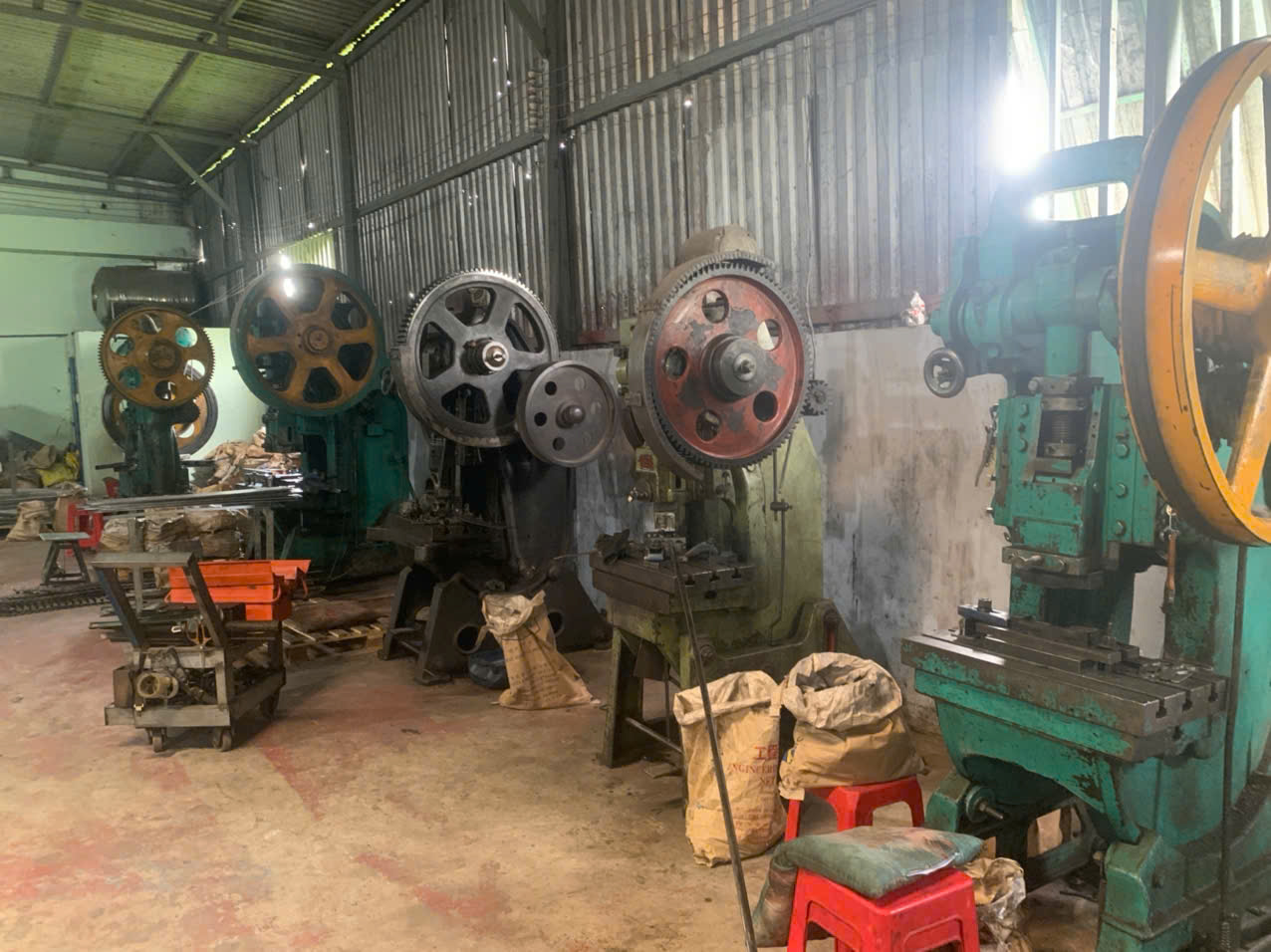
EU WEEE recycling requirements for stamped electrical components are not something you can bolt on at final inspection. The capability has to exist inside the supplier's daily operations. Here is the evaluation process we follow when qualifying stamping partners for European-bound projects.
A five-step qualification process
- Ask classification questions first. Present a sample drawing and ask whether the part is EEE, a component, or a mechanical part. A supplier who cannot answer will not manage the paperwork either.
- Request a sample documentation package. Ask for a past material declaration, an RoHS DoC, and a substance test report. Judge the speed and quality of the response.
- Audit the plating chain. Many stamping shops outsource plating. The restricted-substance risk often lives in that second-tier plater. Our audit teams always visit the plating subcontractor, not just the press shop.
- Check change control. Alloy substitutions are a classic failure mode. A disciplined supplier documents every material change and notifies you before making it. This is central to getting parts right the first time.
- Test communication under pressure. Send a technical question about an exemption expiry or a plating alternative. Measure how long a substantive answer takes.
Why local presence changes the outcome
Email alone rarely catches problems early. Our Vietnam office puts engineers on the shop floor during first-article runs and final inspection. When a plating certificate looks wrong, someone can walk into the plater's lab the same week. That proximity, combined with structured PPAP and process control, is what keeps EU-bound shipments moving. Payment flexibility helps too. Open account terms let buyers hold suppliers accountable through the compliance verification window instead of paying everything up front.
Conclusion
WEEE compliance for stamped components comes down to correct classification, clean materials, complete documentation, and a supplier who understands all three. Get those right early, and Europe stays open to you.
Frequently Asked Questions
How can I ensure my stamped electrical components meet EU WEEE compliance before shipment?
A buyer once emailed me two days before a container closed, asking if his stamped brackets needed WEEE registration. That last-minute panic is avoidable. Our project team now builds WEEE checks into the PPAP stage, long before packing.
What documentation do I need from my supplier to prove WEEE recycling compliance?
Paperwork is where most sourcing projects stumble. During a supplier audit in Vietnam last year, our engineers found a stamping shop with excellent parts but no material declarations at all. Good metal, bad files. Both matter equally in Europe.
Which materials and finishes should I avoid to stay compliant with WEEE restricted substances rules?
Trade-offs sit at the heart of every material decision we review. A cheaper leaded brass cuts machining time. A hexavalent chromate passivation 5 resists corrosion well. Both can sink an EU shipment. Our engineers weigh these calls on nearly every stamped-part drawing.
Footnotes
1. Official International Material Data System site referenced as a structured data format standard. ↩︎
2. Official EU source defining WEEE obligations for electrical and electronic equipment producers. ↩︎
3. EU RoHS directive page explains exemptions like 6(c) for leaded copper alloys. ↩︎
4. Structured data formats reference standardized material declaration systems used across supply chains. ↩︎
5. Explains the restricted substance chemistry referenced as a compliance risk for platings. ↩︎
6. Official EU RoHS directive page explains exemption categories like 6(c) for lead in copper alloys. ↩︎
7. EU WEEE page details the collection and recovery targets cited for EEE recycling. ↩︎