Too many purchasing managers watch their sheet metal fabrication products 1 fail years before they should — warped brackets, corroded panels, cracked welds. On our production floor, we see the root causes every day, and they are almost always preventable.
The service life of sheet metal fabrication products depends on four critical factors: material selection, surface treatment and protective coatings, manufacturing quality control, and product design optimization. When all four align, custom fabrications can last 15 to 40 years — or even exceed 100 years for structural steel with proper maintenance.
Each of these pillars interacts with the others. A great material choice means little if the design introduces stress concentrations 2, and a perfect design fails fast without corrosion resistance. Let me walk you through each factor in detail so you can make smarter sourcing decisions.
How do the raw materials I select impact the long-term durability of my sheet metal parts?
A few months ago, a U.S. client asked us to quote the same bracket in three different alloys. The price difference was significant, but so was the projected lifespan — and that conversation changed his entire sourcing strategy.
Material selection is the single most important foundation for sheet metal durability. The alloy grade, material thickness, and inherent corrosion resistance of your chosen metal directly determine how well a part withstands environmental exposure, mechanical stress, and metal fatigue over its operational lifetime.
Why Alloy Grade Matters More Than You Think
Not all steel is the same. Not all aluminum is the same. The specific alloy you choose dictates tensile strength, yield strength, hardness, and resistance to corrosion. For instance, 304 stainless steel offers excellent corrosion resistance for general environments, while 316 stainless steel 3 handles saltwater and chemical exposure far better. Mild steel (such as A36) is strong and affordable, but it rusts fast without protective coatings.
When our engineering team reviews a client's drawings, we always flag the alloy specification first. If the drawing says "steel" without specifying a grade, that is a red flag. The wrong grade can cut a product's service life in half.
Material Thickness and Load Capacity
Thicker sheet metal resists wear, deformation, and fatigue better than thinner stock. But thicker is not always better — it adds weight and cost. The key is matching material thickness to the actual operating conditions. A mounting bracket under constant vibration needs more thickness (or a stronger alloy) than a static enclosure panel.
| Material | Typical Lifespan (Unprotected) | Corrosion Resistance | Relative Cost |
|---|---|---|---|
| 304 Stainless Steel | 25–40+ years | High | High |
| 316 Stainless Steel | 30–50+ years | Very High | Very High |
| Mild Steel (A36) | 5–15 years | Low | Low |
| Galvanized Steel | 15–30 years | Moderate | Moderate |
| Aluminum 5052 | 15–30 years | Moderate–High | Moderate |
| Copper / Brass | 30–50+ years | High | High |
The Cost vs. Longevity Trade-Off
I often hear buyers say they want the cheapest option. That is understandable — budgets are real. But when you calculate total cost of ownership 4, including replacements, downtime, and maintenance, a higher-grade material often saves money over a 10- or 20-year horizon. For parts going into harsh environments, the initial premium for stainless steel or a quality aluminum alloy pays for itself many times over.
We help our clients run this calculation during the co-development phase. It is one of the most valuable conversations we have, especially when sourcing from Vietnam or other Asian suppliers where material traceability needs extra attention.
Which surface treatment options will best protect my custom products from environmental wear and corrosion?
One lesson we learned early in our supply chain work: even the best raw material fails prematurely without proper post-processing treatments. We once inspected a batch of mild steel brackets that looked perfect at the factory — but within six months in a coastal U.S. warehouse, rust had already started.
Protective coatings and surface treatments such as powder coating, galvanizing, anodizing, and plating create a barrier between the base metal and its environment. The right treatment prevents corrosion, resists UV degradation, and can extend the service life of sheet metal fabrication products by 10 to 30 additional years.
Common Surface Treatment Options Compared
Choosing the right finish depends on three things: the base material, the environmental exposure the part will face, and the aesthetic requirements. Here is a breakdown of the most common options we manage across our supplier network.
| Surface Treatment | Best For | Protection Level | Aesthetic Quality | Cost |
|---|---|---|---|---|
| Powder Coating 5 | Steel, Aluminum | High (corrosion, UV, chemicals) | Excellent (many colors) | Moderate |
| Hot-Dip Galvanizing | Steel | Very High (corrosion) | Moderate (silver-gray) | Moderate |
| Electrogalvanizing | Steel | Moderate (corrosion) | Good (smooth, uniform) | Low–Moderate |
| Anodizing | Aluminum | High (corrosion, wear) | Excellent (clear or colored) | Moderate–High |
| Chrome Plating | Steel, Copper | High (corrosion, wear) | Excellent (mirror finish) | High |
| E-Coating (Electrocoating) | Steel, Aluminum | High (corrosion) | Good (uniform, thin) | Moderate |
| Passivation | Stainless Steel | Moderate (enhances natural resistance) | Minimal change | Low |
Surface Preparation Is Half the Battle
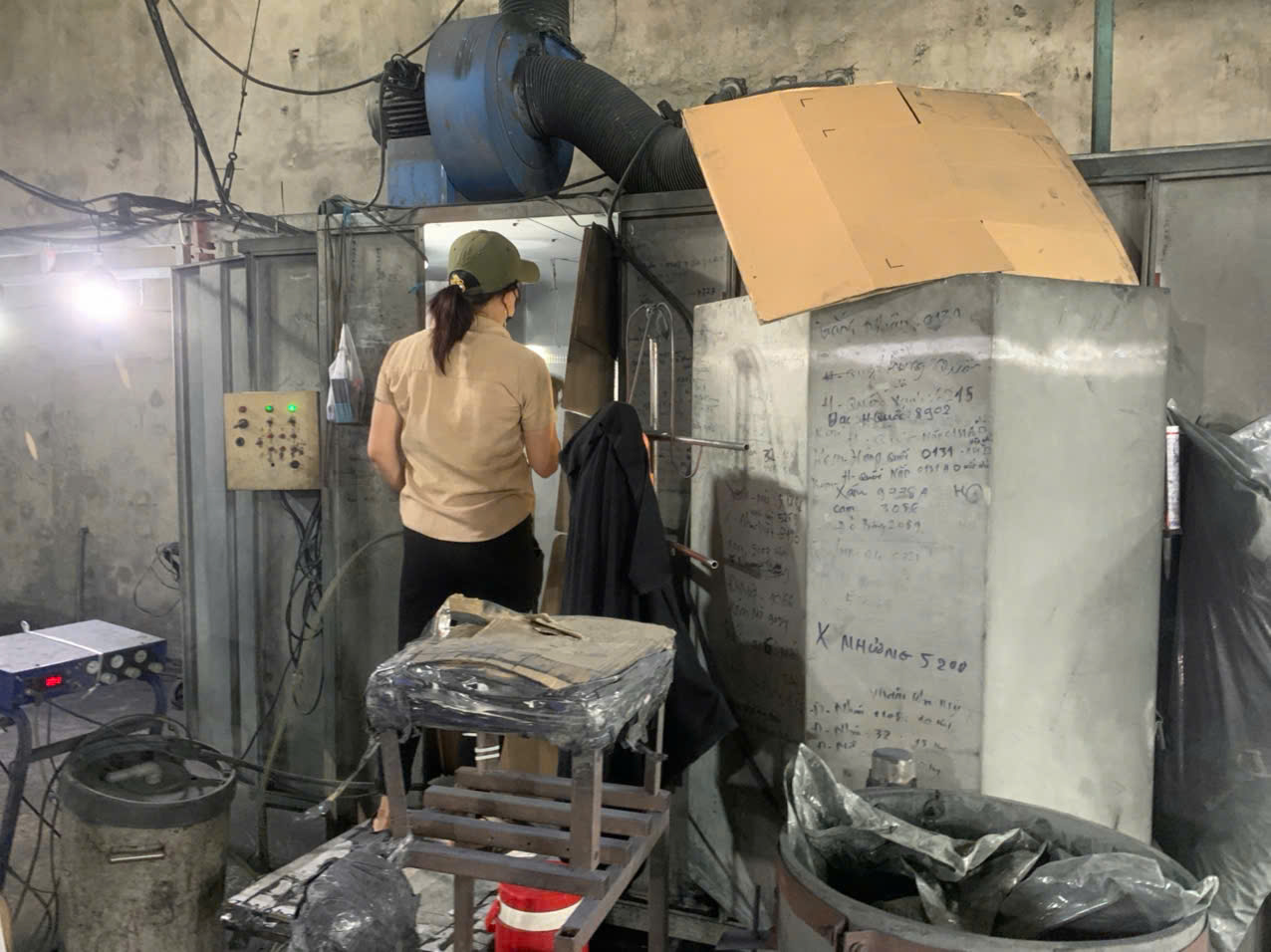
Before any coating goes on, the metal surface must be properly prepared. This includes sandblasting, rust removal, degreasing, and sometimes pickling with acid solutions. If the surface is not clean and properly profiled, the coating will not adhere well. Poor adhesion leads to peeling, blistering, and premature coating failure — which exposes the base metal to environmental attack.
During our supplier audits, we specifically check how each factory handles surface preparation. We look at the cleanliness of the pre-treatment baths, the blast media, and the time between preparation and coating application. These details matter enormously for long-term corrosion resistance.
Matching the Coating to the Environment
A part used indoors in a climate-controlled warehouse needs far less protection than one mounted outdoors near the ocean. Environmental exposure — humidity, salt spray, temperature swings, chemical contact — dictates the coating system. For aggressive environments, we often recommend a multi-layer approach: a zinc primer followed by a powder coat topcoat. This gives both galvanic protection and a durable barrier layer.
For aluminum parts, anodizing is often the best choice. It creates a hard, integrated oxide layer that resists wear and corrosion without peeling. It also looks clean and professional, which matters for visible components.
The Role of Ongoing Maintenance
No coating lasts forever. Regular inspections to catch chips, scratches, or early corrosion spots allow for timely touch-ups. With proper maintenance, even a standard powder-coated steel part can last decades. Without maintenance, even the best coating system degrades faster than expected — especially in harsh operating conditions.
How can I verify that my supplier's QC process ensures the structural integrity of my sheet metal fabrications?
When a new client tells us their biggest frustration with previous suppliers, the answer is almost always the same: inconsistent quality. Parts pass inspection at the factory, but fail in the field. That gap usually comes down to a weak quality control process — or no real process at all.
To verify your supplier's QC process, request documented evidence of incoming material inspection, in-process checks at critical operations, dimensional verification against tolerances, and final inspection with PPAP-level documentation. A robust QC system catches welding defects, dimensional drift, and surface imperfections before parts ship.

What a Strong QC Process Looks Like
Quality control for sheet metal fabrication is not just a final check before packing. It is a system that runs through every stage of production. Here is the process flow we enforce with our contract manufacturing partners:
- Incoming Material Inspection — Verify material certificates (mill certs), check alloy grade, confirm material thickness with calipers or micrometers.
- First Article Inspection (FAI) — Measure the first part off the production line against the drawing. Confirm all critical dimensions, hole positions, bend angles, and tolerances.
- In-Process Checks — Operators verify dimensions at set intervals. For welding operations, inspect for porosity, undercut, incomplete fusion, and other welding defects.
- Post-Processing Verification — After surface treatment, check coating thickness, adhesion (cross-hatch test), and appearance.
- Final Inspection — Full dimensional check on a statistical sample. Functional checks if applicable. Visual inspection for scratches, dents, and contamination.
- Documentation and Traceability — Complete inspection reports, photos, and material traceability records shipped with every order.
Non-Destructive Testing for Critical Parts
For parts that carry significant loads or operate in safety-critical applications, standard visual and dimensional checks are not enough. Non-destructive testing (NDT) 6 methods can detect internal flaws without damaging the part.
| NDT Method | Detects | Best For | Relative Cost |
|---|---|---|---|
| Visual Inspection | Surface defects, misalignment | All parts | Low |
| Dye Penetrant Testing | Surface cracks, porosity | Welds, machined surfaces | Low |
| Ultrasonic Testing | Internal voids, inclusions | Thick sections, welds | Moderate |
| X-Ray / Radiographic Testing | Internal defects, weld quality | Critical welds, castings | High |
| Magnetic Particle Testing | Surface / near-surface cracks | Ferromagnetic materials | Low–Moderate |
We do not use every method on every project. The choice depends on the part's function and risk level. But knowing that your supplier has access to these capabilities — and uses them when needed — is a strong indicator of a serious quality culture.
Residual Stress and Its Hidden Impact
One quality factor many buyers overlook is residual stress. When metal is cut, bent, or welded, internal stresses build up. These stresses can cause warping over time, reduce metal fatigue 7 resistance, and even lead to stress corrosion cracking in susceptible alloys. Proper stress relief — through heat treatment or controlled fabrication sequences — is part of a quality process. We always discuss this with our clients when parts have tight flatness tolerances or will operate under cyclic loading.
The PPAP Approach
For clients sourcing custom parts for automotive, industrial, or other demanding applications, we use the PPAP (Production Part Approval Process 8) framework. PPAP provides a structured set of documents — including control plans, process flow diagrams, measurement system analysis, and capability studies — that prove the production process can consistently deliver parts within specification. It is the gold standard for verifying structural integrity before volume production begins.
What design and engineering factors should I prioritize to maximize the service life of my custom components?
A client once sent us a bracket design with sharp 90-degree internal corners and no bend relief. Our engineering team flagged it immediately. We knew from experience that those sharp corners would create severe stress concentrations — and the part would crack under repeated loading within months.
To maximize service life, prioritize generous corner radii, proper bend relief features, adequate material thickness for the load case, and elimination of sharp transitions. Good product design distributes stress evenly, reduces metal fatigue risk, and prevents the localized failures that are the leading cause of premature part failure.
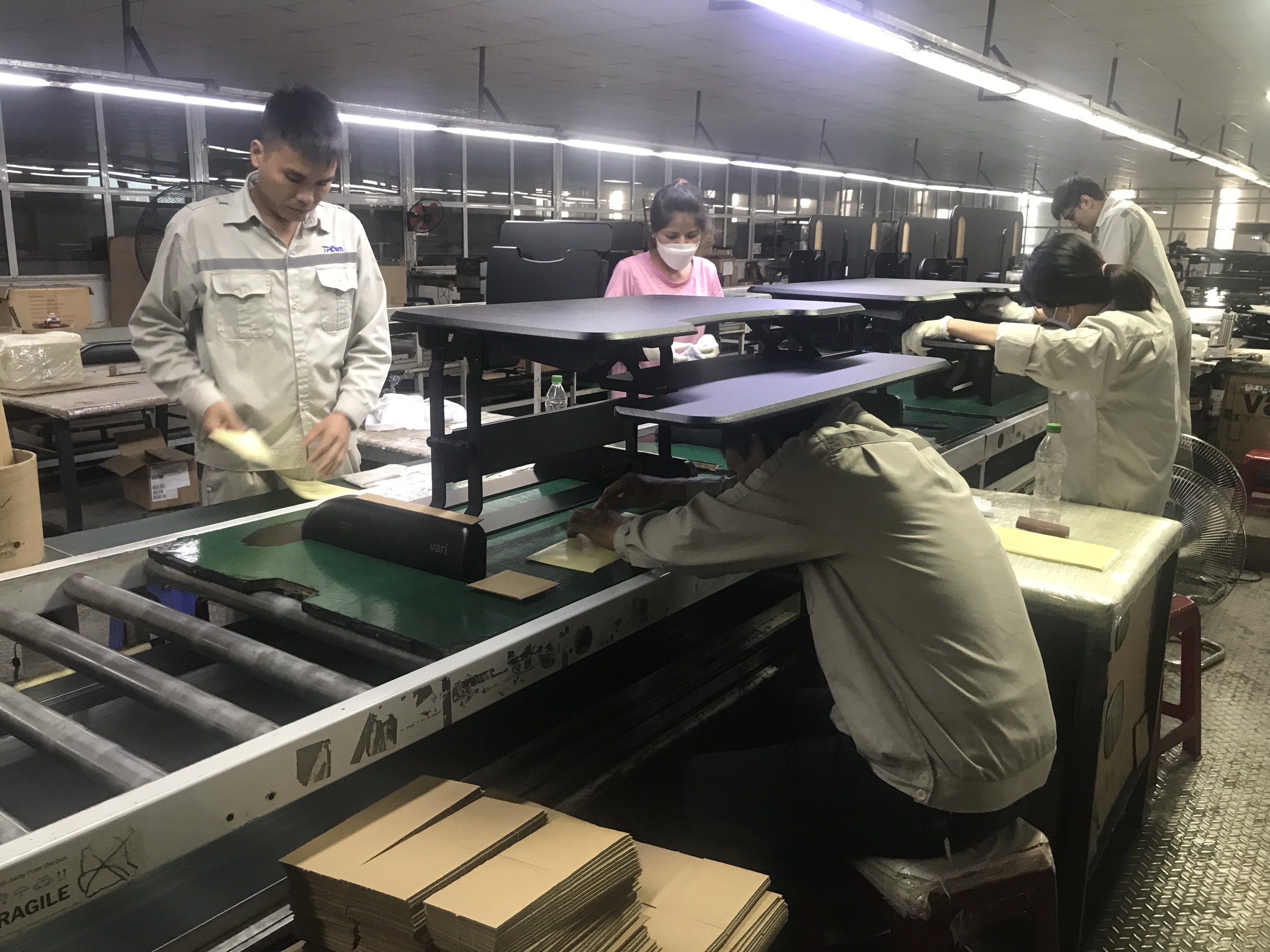
Understanding Stress Concentrations
Stress concentrations are areas where mechanical stress is amplified due to geometry. Sharp corners, notches, abrupt thickness changes, and holes near edges all create these hot spots. Under repeated loading, cracks initiate at stress concentrations and propagate until the part fails. This is the mechanism behind metal fatigue — the most common failure mode for sheet metal parts in dynamic applications.
The fix is straightforward in principle: make transitions smooth. Use radiused corners instead of sharp ones. Add fillets at the base of flanges. Position holes away from edges and bends. These changes cost nothing in material but add years to a part's service life.
Bend Relief and Its Role
When a bend line runs into the edge of a sheet, the material at the junction can tear or deform unpredictably. Bend relief features — small cuts or notches placed at the ends of bend lines — allow the metal to fold cleanly without tearing. They also prevent stress from building up at the junction point.
Our engineers add bend relief as a standard practice during DFM (Design for Manufacturability) review. If a client's drawing does not include it, we recommend adding it. The result is cleaner bends, more consistent parts, and significantly better fatigue performance.
Design Features That Extend Service Life
Here is a summary of key design strategies and their impact:
- Generous corner radii — Disperse stress, prevent crack initiation.
- Bend relief cuts — Prevent tearing and stress buildup at bend ends.
- Flanges and stiffening ribs — Increase rigidity without adding excessive material thickness.
- Gussets and tabs — Provide additional support at high-load connection points.
- Proper hole spacing — Keep holes away from edges and bends to avoid weakening the cross-section.
- Symmetrical design — Balanced geometry distributes loads more evenly.
Designing for the Operating Environment
Product design must account for the real-world operating conditions the part will face. A bracket mounted to a diesel engine experiences constant vibration, heat cycling, and potential chemical exposure. A decorative panel on a building facade deals with UV, rain, and wind loads. Each scenario demands different design choices in terms of material thickness, fastener selection, and tolerance specification.
During our co-development process, we ask clients detailed questions about the end-use environment. This information drives every decision — from alloy selection to corner radii to coating specification. Without this context, even a well-fabricated part can fail because it was designed for the wrong conditions.
The Connection Between Design, Manufacturing, and Longevity
Good design makes good manufacturing possible. A design that is easy to fabricate consistently — with achievable tolerances, standard bend radii, and clear specifications — results in parts with fewer defects and less variation. That consistency directly translates to longer service life. When we conduct supplier audits and review fabrication processes, we always evaluate whether the design itself supports repeatable, high-quality production. Understanding how to choose the right sheet metal fabrication service provider is essential to ensuring these design intentions are faithfully executed.
Conclusion
The service life of your sheet metal fabrication products is not determined by any single factor. Material selection 9, protective coatings, quality control, and product design all work together. Prioritize all four, choose your suppliers carefully, and your parts will deliver decades of reliable performance.
Frequently Asked Questions
How do the raw materials I select impact the long-term durability of my sheet metal parts?
A few months ago, a U.S. client asked us to quote the same bracket in three different alloys. The price difference was significant, but so was the projected lifespan — and that conversation changed his entire sourcing strategy.
Which surface treatment options will best protect my custom products from environmental wear and corrosion?
One lesson we learned early in our supply chain work: even the best raw material fails prematurely without proper post-processing treatments. We once inspected a batch of mild steel brackets that looked perfect at the factory — but within six months in a coastal U.S. warehouse, rust had already started.
How can I verify that my supplier's QC process ensures the structural integrity of my sheet metal fabrications?
When a new client tells us their biggest frustration with previous suppliers, the answer is almost always the same: inconsistent quality. Parts pass inspection at the factory, but fail in the field. That gap usually comes down to a weak quality control process — or no real process at all.
Footnotes
1. Replaced HTTP unknown with a comprehensive guide to sheet metal fabrication basics from an authoritative manufacturing source. ↩︎
2. Defines stress concentrations and their impact on mechanical stress in objects. ↩︎
3. Details the properties, composition, and applications of 316 stainless steel. ↩︎
4. Defines TCO and its components for evaluating long-term financial impact. ↩︎
5. Highlights the advantages and applications of powder coating as a protective finish. ↩︎
6. Replaced HTTP 404 with a comprehensive overview of Non-destructive testing (NDT) from Wikipedia, an authoritative source. ↩︎
7. Describes metal fatigue as a progressive fracture under cyclic loading. ↩︎
8. Explains the PPAP framework for ensuring consistent quality in manufacturing processes. ↩︎
9. Explains the fundamental principles and importance of choosing materials in engineering. ↩︎