

The service life of stamping parts can make or break a supply chain tensile strength 1. Our team has seen brackets fail in months when they should have lasted years.
The service life of stamping parts depends on material selection, die design and tooling maintenance, production quality control, and operating conditions. No single factor decides durability alone; failures usually come from compounding issues like poor steel, worn dies, loose process control, and corrosive environments.
Each of these factors deserves a closer look. Below, I break down the four biggest drivers of stamping part durability and show you how to control them.
How can material selection impact the long-term durability of my stamping parts?
A buyer once sent me a drawing that only said "steel bracket." Our engineers pushed back and asked about load, corrosion exposure, and fatigue cycles before quoting. That conversation saved the project.
Material selection directly determines the wear resistance, tensile strength, corrosion behavior, and fatigue performance of stamping parts. The right grade, thickness consistency, and surface quality extend service life, while impure or unstable stock accelerates cracking, deformation, and premature failure in the field.

Material is the foundation of everything else. If the base metal is wrong, no amount of good tooling or process control will save the part. In our sourcing projects across Vietnam and other Asian countries, we always start with the material certificate. We verify grade, hardness, and thickness tolerance before the first coil enters the press.
Why grade and grade quality both matter
Two coils can carry the same grade label and still behave differently. Impurities, inconsistent thickness, and surface defects on the sheet all speed up wear. They also cause defects like burrs and micro-cracks that shorten the life of the finished part. That is why we audit our suppliers' incoming material inspection process, not just their stamping process.
Common material choices and their durability trade-offs
| Material | Durability Strength | Weakness | Typical Use |
|---|---|---|---|
| Cold-rolled steel | Good strength, low cost | Rusts without coating | Indoor brackets, clips |
| Galvanized steel 2 | Built-in corrosion protection | Coating can crack at tight bends | Construction hardware |
| Stainless steel 3 | Excellent corrosion and fatigue resistance | Higher cost, more die wear | Marine, food, outdoor parts |
| Aluminum alloy | Lightweight, corrosion resistant | Lower fatigue strength | Electronics, enclosures |
| Spring steel | High fatigue life for flexing parts | Needs precise heat treatment | Clips, retainers |
Grain direction and hidden fatigue factors
One detail most buyers overlook is grain flow. Metal fibers have a direction, and bending against the grain versus along it changes fatigue resistance. For parts that flex repeatedly, like mounting clips, we orient the blank layout so the grain works with the load direction. It costs nothing extra when planned early. It costs a lot when discovered after field failures.
What role does die design and tooling maintenance play in extending part lifespan?
Early in one project, we inherited tooling from a previous supplier. The clearances were wrong, and every batch showed burrs. Rebuilding the die cut defects almost to zero.
Die design controls stress distribution through clearance, radius, and alignment, preventing cracks and burrs at the source. Regular tooling maintenance keeps cutting edges sharp and dimensions stable, so every stamped part leaves the press with consistent quality and full service life potential.
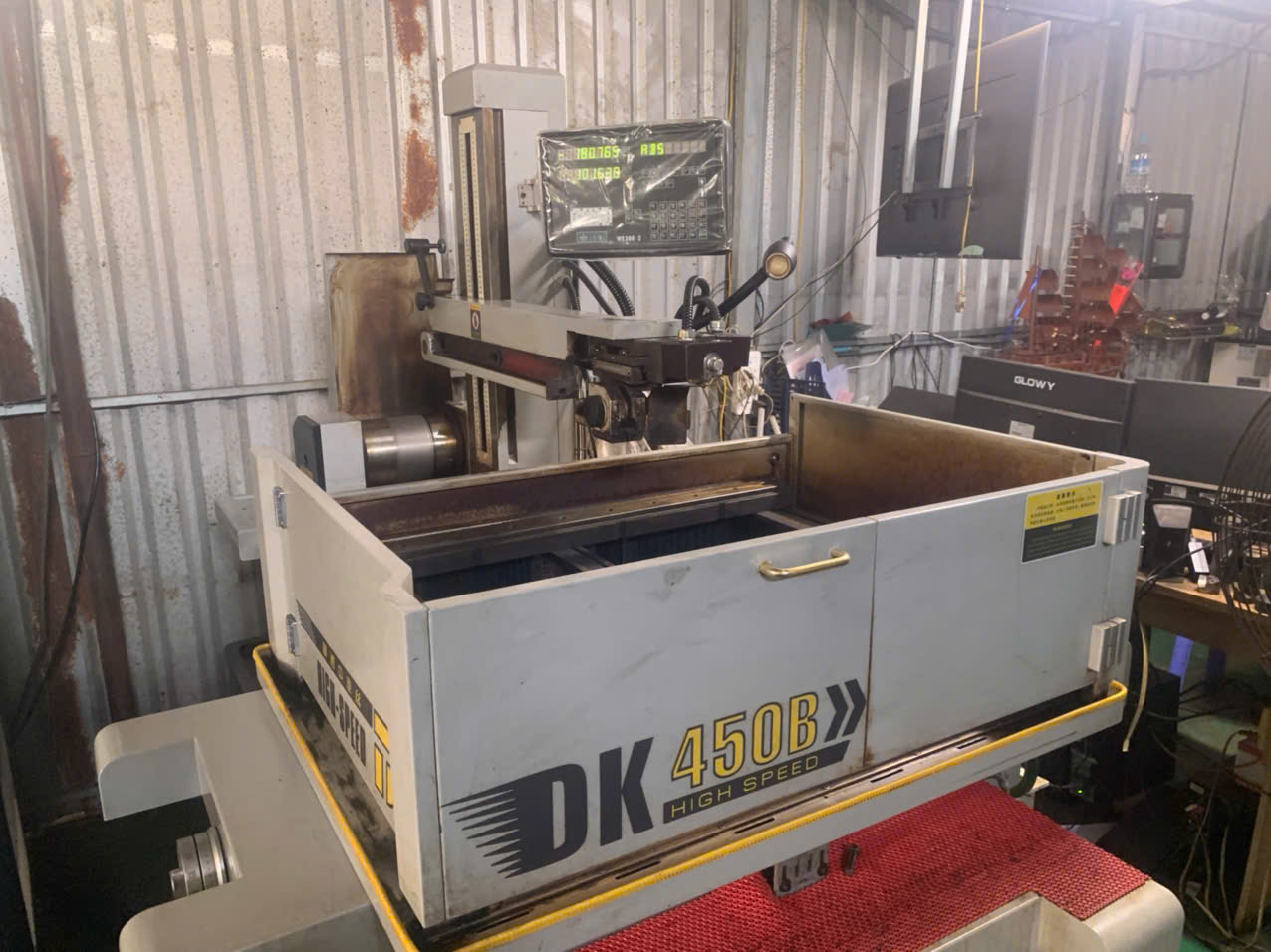
Here is the connection many people miss. Die life and part life are two different things, but they are tightly linked. A worn or badly designed die produces parts with burrs, thinning, micro-cracks, and dimensional drift. Those defects become the starting points for failure once the part is in service.
Design decisions that protect the part
Good die design reduces stress concentration in the stamped part. Key decisions include:
- Punch-to-die clearance matched to material type and thickness.
- Bend radii large enough to avoid cracking the outer surface.
- Proper edge spacing and layout to keep stresses even.
- Rigid structure with adequate backing plates to prevent flexing.
- Precise guiding components to keep upper and lower tooling aligned.
When clearance is too tight, edges tear and dies chip. When it is too loose, burrs form and dimensions drift. Neither problem is visible on a casual inspection, but both shorten part life.
Maintenance intervals we enforce
| Maintenance Task | Frequency | Risk If Skipped |
|---|---|---|
| Edge sharpness check | Every production run | Burrs, edge cracks on parts |
| Lubrication system check | Daily during production | Galling, scored surfaces |
| Clearance and alignment audit | Monthly or per schedule | Dimensional drift, thinning |
| Spring and pin replacement | At first sign of wear | Misfeeds, crushed parts |
| Cleaning and rust-proof storage | Whenever the die is idle | Corrosion, hidden damage |
In our process control work for US clients, we require suppliers to log die maintenance and tie it to batch numbers. If a quality issue appears, we can trace it back to tooling condition. That traceability is what keeps quality consistent across a long production contract.
Why does quality control during production affect the service life of my custom stamping parts?
Greg, a purchasing manager we work with, once told me his biggest fear was not price. It was rework. A returned container costs him far more than a fair unit price ever would.
Quality control during production catches burrs, cracks, springback variation, and dimensional drift before parts ship. Without strict in-process checks, hidden defects pass initial inspection, create assembly stresses, and become early failure points that shorten the service life of custom stamping parts.

Service life problems are often quality problems in disguise. A part can measure fine on a basic go/no-go gauge and still carry defects that cut its life in half. That is why "right first time" depends on process control, not just final inspection.
The hidden defects that final inspection misses
Springback is a good example. Sheet metal partially rebounds after bending, and springback varies with material batch, tool wear, and press settings. A bracket bent one degree off spec may still assemble. But it assembles under stress. That hidden stress becomes a fatigue crack months later. The same logic applies to residual stresses from high-speed stamping. For critical parts, a stress-relief step after stamping can substantially extend fatigue life.
How we structure QC on stamping projects
Our team runs a layered control plan on custom stamping projects. It typically looks like this:
- Incoming material verification against the mill certificate.
- First article inspection with full dimensional report before mass production.
- In-process checks at set intervals, tied to die maintenance logs.
- PPAP documentation 4 for clients who require automotive-style discipline.
- Final inspection with sampling plans matched to part criticality.
- Pre-shipment audit before door-to-door logistics take over.
Each layer exists because we learned a lesson somewhere. First article inspection exists because drawings get misread. In-process checks exist because dies wear mid-run. None of these steps is optional if the goal is consistent service life across every batch, not just the sample batch.
How do operating conditions and environmental factors influence the wear and failure rate of my stamping parts?
We weigh a constant trade-off when specifying parts for export: a bracket that survives a dry warehouse in Arizona may corrode fast on a coastal job site in Florida.
Operating conditions like humidity, temperature swings, chemical exposure, vibration, and load cycles directly accelerate corrosion, fatigue, and wear in stamping parts. Matching surface treatment and material grade to the real service environment is essential for reaching the intended service life.

A perfectly made part can still fail early if it lands in the wrong environment. This is why our project intake process always asks where and how the part will be used, not just what it looks like on the drawing.
The main environmental threats
Corrosion is the most common killer. Humidity, salt spray 5, and chemical exposure attack bare steel quickly. Temperature cycling adds another layer of stress, because repeated expansion and contraction fatigues both the metal and any coating on it. Vibration and repeated loading do the rest, turning small surface defects into growing cracks.
Matching protection to the environment
| Service Environment | Main Threat | Recommended Protection |
|---|---|---|
| Indoor, dry | Minor oxidation | Oil film or light zinc plating |
| Outdoor, humid | Rust, coating breakdown | Hot-dip galvanizing 6 or powder coating |
| Coastal or marine | Salt corrosion | Stainless steel or duplex coatings |
| Chemical exposure | Localized attack | Stainless grades matched to the chemical |
| High vibration | Fatigue cracking | Fatigue-rated material, generous radii |
Why cut edges deserve special attention
Stamping creates fresh, exposed edges. On pre-galvanized stock, those cut edges have thinner protection than the coated faces. For harsh environments, we often recommend post-stamping treatment such as plating or powder coating so the whole part, edges included, gets full coverage. It is a small cost against the price of field failures and warranty claims.
Conclusion
Service life is never one factor. It is material, tooling, quality control, and environment working together. Get all four right, and your stamping parts last as designed.
Frequently Asked Questions
How can material selection impact the long-term durability of my stamping parts?
A buyer once sent me a drawing that only said "steel bracket." Our engineers pushed back and asked about load, corrosion exposure, and fatigue cycles before quoting. That conversation saved the project.
What role does die design and tooling maintenance play in extending part lifespan?
Early in one project, we inherited tooling from a previous supplier. The clearances were wrong, and every batch showed burrs. Rebuilding the die cut defects almost to zero.
Why does quality control during production affect the service life of my custom stamping parts?
Greg, a purchasing manager we work with, once told me his biggest fear was not price. It was rework. A returned container costs him far more than a fair unit price ever would.
Footnotes
1. Defines key mechanical property affecting stamping part durability discussed in article. ↩︎
2. Explains coating process referenced as corrosion protection material option. ↩︎
3. ISO standards govern stainless steel grades used in stamping applications. ↩︎
4. PPAP relates to automotive quality standards governed by ISO/IATF frameworks. ↩︎
5. Standard corrosion testing method relevant to coastal environment durability discussion. ↩︎
6. Explains protective process recommended for humid outdoor stamping part environments. ↩︎