

Sheet metal fabrication pricing puzzles many buyers we work with — quotes vary wildly, and understanding why saves real money on every sourcing project.
Sheet metal fabrication pricing is influenced by material type and thickness, design complexity, production volume, tooling and setup costs, labor costs, tight tolerances, finishing processes, lead time, and sourcing logistics including shipping, inspections, and payment terms — all of which combine to determine your final landed cost.
Every line item on a fabrication quote tells a story. Some costs you can control. Others depend on market conditions or supplier capabilities. In this article, I will walk through the major cost drivers and share practical ways to keep your budget in check. Whether you are sourcing from Vietnam, Taiwan, or India, these principles apply across borders and across suppliers.
How does my choice of material and thickness impact the final quote for my custom sheet metal parts?
A lesson we learned early in our sourcing operations: a client once switched from carbon steel to 316L stainless steel 1 mid-project, and the quote jumped by over 40% before a single part was cut.
Your choice of material type and thickness directly affects raw material cost, processing time, and tooling wear. Stainless steel and exotic alloys cost more to buy and are harder to cut, bend, and weld than mild steel or aluminum, making material selection the first and most impactful pricing decision.

Why Material Type Matters More Than You Think
The base price of the metal is only the starting point. Different metals behave differently under a laser or press brake 2. Aluminum cuts fast but scratches easily. Stainless steel is tough on tooling and requires slower feed rates. Carbon steel is the most affordable but may need additional finishing processes to prevent corrosion.
When our team in Vietnam quotes a project, we always ask about the end-use environment. A bracket that lives indoors does not need the same corrosion resistance 3 as one exposed to salt spray. Choosing the right material for the application — not the most expensive one — is the simplest way to control cost.
How Thickness Changes the Equation
Thicker sheets cost more per kilogram. But the real cost impact comes from processing. A 3mm stainless steel plate takes significantly more laser time to cut than a 1mm plate. Bending thick material requires higher-tonnage press brakes and sometimes custom tooling. Welding thick joints demands more filler material and more passes.
Here is a simplified comparison of how thickness affects key fabrication steps:
| Thickness | Laser Cut Speed | Bend Force Required | Weld Time per Joint |
|---|---|---|---|
| 1.0 mm | Fast | Low | Short |
| 2.0 mm | Moderate | Medium | Moderate |
| 3.0 mm | Slow | High | Long |
| 5.0 mm+ | Very Slow | Very High (may need special tooling) | Extended |
Material Availability and Market Fluctuations
Supply chain conditions affect raw material pricing week to week. Standard grades of mild steel and 5052 aluminum are almost always in stock at major distributors. But if your design calls for Inconel, Hastelloy, or even a specific temper of brass, expect longer lead times and higher prices. Our procurement team monitors commodity indices regularly so we can advise clients on the best time to lock in material purchases.
| Material | Relative Cost | Machinability | Corrosion Resistance |
|---|---|---|---|
| Mild Steel (1018) | Low | Easy | Low (needs coating) |
| Aluminum (5052) | Medium | Easy | Moderate |
| Stainless Steel (304) | High | Moderate | High |
| Stainless Steel (316L) | Very High | Difficult | Very High |
| Copper / Brass | High | Easy | High |
One tip: always confirm material availability before finalizing your design. Switching materials after tooling is programmed wastes time and money.
How can I simplify my design to lower the fabrication costs for my complex metal components?
One of our engineers in China reviewed a bracket drawing last quarter that had 14 bends, three welded sub-assemblies, and tolerances tighter than the application required. After a collaborative DFM session 4 with the client, we reduced it to 8 bends, eliminated two welds, and relaxed non-critical tolerances. The quote dropped by nearly 30%.
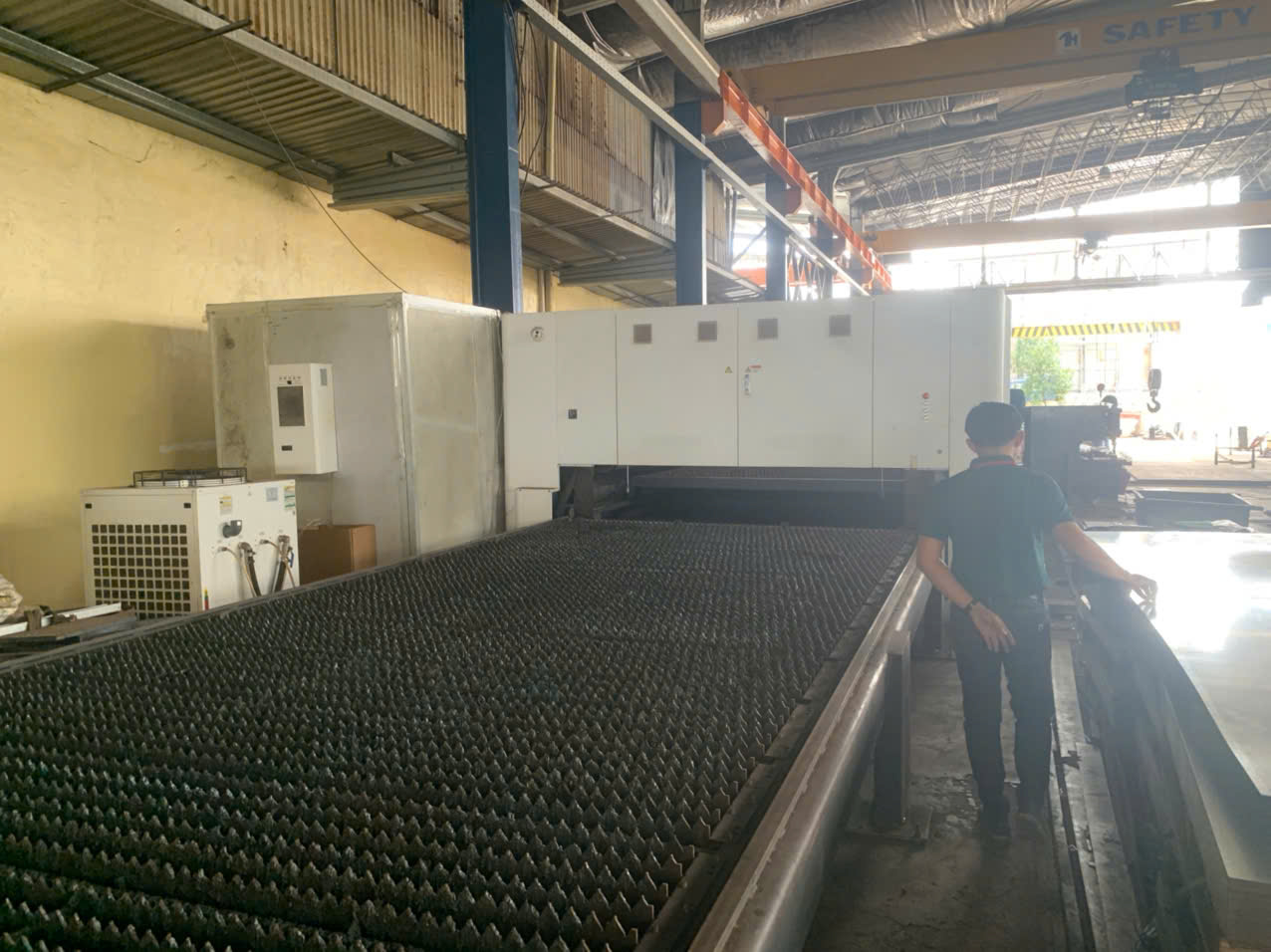
You can lower fabrication costs by reducing the number of bends, avoiding unnecessary welds, using standard punch-form features and off-the-shelf fasteners, relaxing tolerances on non-critical dimensions, and optimizing flat patterns for efficient nesting — each simplification directly cuts machine time, labor costs, and scrap rate.
The Bend Count Rule
The number of bends is consistently the single biggest cost adder in sheet metal fabrication. Each bend requires a separate press brake setup, operator positioning, and quality check. On a 500-piece run, adding four extra bends could mean hours of additional production time.
Ask yourself: does every bend serve a structural or functional purpose? Sometimes a bend exists only because the designer modeled the part in CAD without considering manufacturing methods. A flat bracket with mounting holes may do the same job as a bent channel.
Welding: The Hidden Cost Multiplier
Welding adds labor, inspection points, and distortion risk. Every weld joint must be set up, executed by a skilled welder, and often ground or finished afterward. When we review client drawings during our co-development phase, we always look for opportunities to replace welds with tab-and-slot designs, self-clinching fasteners 5, or PEM hardware.
Here is a quick comparison of joining methods and their cost impact:
| Joining Method | Relative Cost | Skill Level Required | Post-Processing Needed |
|---|---|---|---|
| Self-clinching fastener (PEM) | Low | Low | None |
| Tab-and-slot with rivets | Low–Medium | Low | Minimal |
| Spot welding | Medium | Medium | Minimal |
| MIG/TIG welding | High | High | Grinding, finishing |
| Full-penetration weld | Very High | Very High | Inspection, grinding |
Tolerances: Specify Only What You Need
Tight tolerances 6 increase costs because they require slower machining speeds, more frequent inspections, and sometimes specialized measuring equipment. A general tolerance of ±0.5mm is standard for most sheet metal work. If your drawing calls for ±0.1mm on every dimension, the fabricator must treat every feature as critical.
Our quality control team uses a simple rule: identify the critical-to-function dimensions and mark only those with tight tolerances. Everything else gets standard tolerances. This approach keeps the scrap rate low and avoids unnecessary rework.
Design Simplification Checklist
Here are practical steps any buyer or engineer can follow:
- Minimize the total number of bends. Combine or eliminate where possible.
- Replace welds with mechanical fasteners when strength allows.
- Use standard punch sizes for holes and cutouts. Avoid custom tooling.
- Keep bend radii consistent across the part to avoid tool changes.
- Design for efficient nesting. Rectangular blanks waste less material than irregular shapes.
- Avoid very small flanges that are hard to hold during bending.
- Specify finishing processes only where the end use demands it.
Design complexity is the one cost driver entirely within your control. A 30-minute DFM review can save thousands of dollars on a production run.
What impact do production volume and lead time requirements have on my total sourcing budget?
A buyer we support in the U.S. once needed 25 prototype brackets on a two-week turnaround. The per-unit price was nearly eight times higher than the same part at 5,000-piece volume. That ratio surprised them, but the math is straightforward once you see where the costs sit.
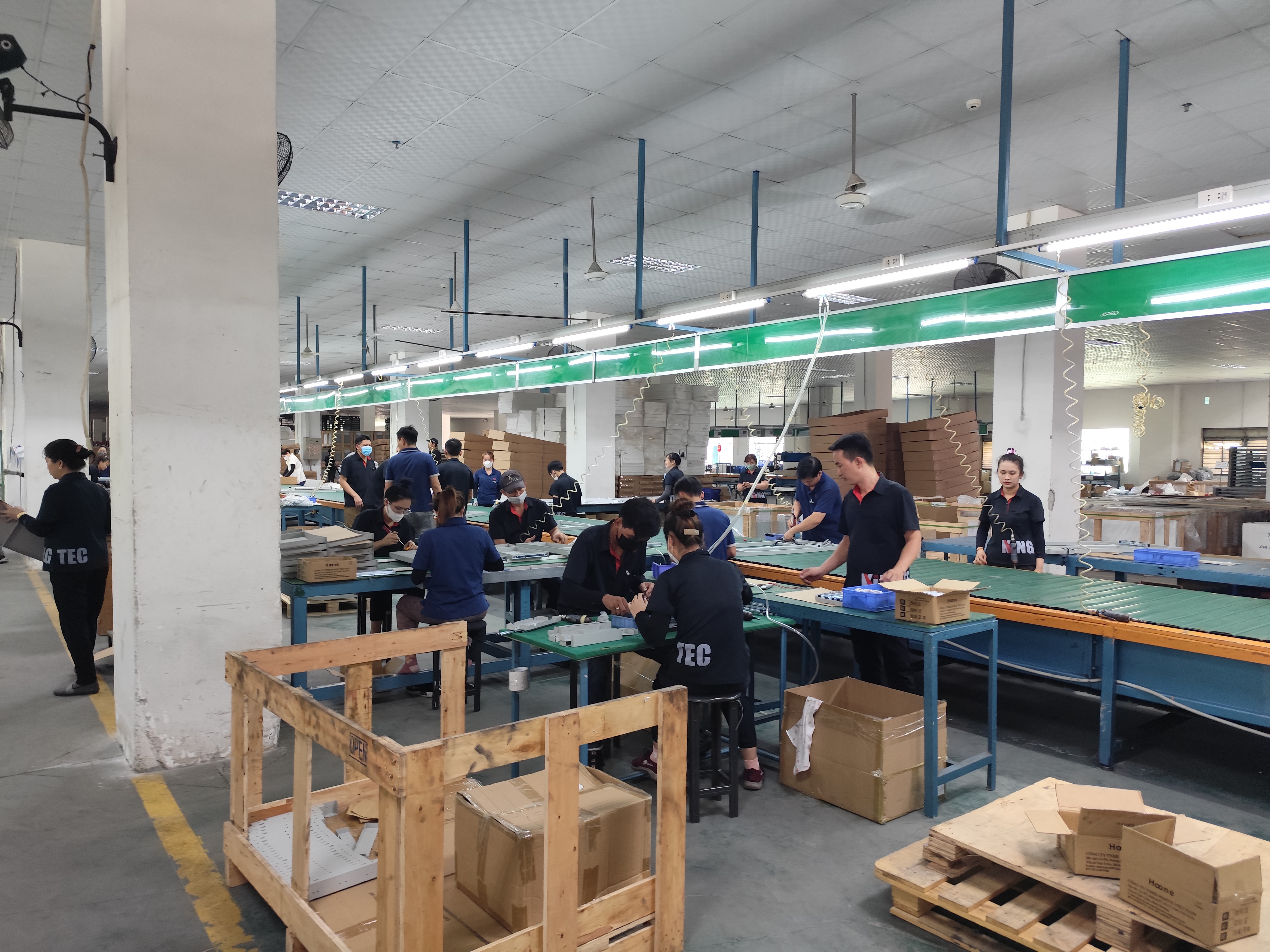
Production volume directly determines your per-unit cost because fixed expenses — programming, tooling and setup costs, and first-article inspection — are amortized across all parts. Larger orders drastically reduce unit price, while rushed lead time requirements add overtime labor and expedited material surcharges that inflate the total budget.
Why Setup Costs Dominate Low-Volume Orders
Every sheet metal job begins with setup. The CNC laser or punch press must be programmed. The press brake operator must select and install the correct tooling. A first-article part must be inspected and approved. first-article inspection 7 These costs are essentially the same whether you make 10 parts or 10,000 parts.
For a single prototype, the setup cost might represent 60–70% of the total invoice. For a 10,000-piece run, it drops to a fraction of a percent per unit. This is the primary reason prototypes and small batches feel expensive.
Strategies to Reduce Setup Impact
When our clients have multiple small-quantity part numbers, we often suggest combining them into a single production order. If the parts use the same material type and thickness, they can share a single laser program and material sheet. This reduces setup events and cuts per-unit costs.
Another approach: order prototypes alongside a committed production forecast. Many fabricators — including the suppliers in our network — will offer better prototype pricing when they know a volume order is coming.
Lead Time and Its Cost Consequences
Standard lead times for sheet metal fabrication in Vietnam or other Asian sourcing regions typically range from 3 to 6 weeks, depending on complexity. When you compress that timeline, costs go up in several ways:
- Material expediting: If the required material is not in stock, air freight or premium sourcing is needed.
- Overtime labor: Shops must run extra shifts, and labor costs increase 1.5x to 2x for overtime.
- Reduced nesting efficiency: Rushing a job means less time to optimize flat patterns, which increases material waste and scrap rate.
- Skipped batch consolidation: Urgent jobs cannot wait to be grouped with other orders.
Volume vs. Unit Price: A Practical View
| Order Quantity | Setup Cost per Unit | Material Cost per Unit | Total Unit Price (Relative) |
|---|---|---|---|
| 1 (prototype) | Very High | High (no bulk pricing) | 8x–10x |
| 25 | High | Moderate | 4x–5x |
| 100 | Moderate | Moderate | 2x–3x |
| 500 | Low | Lower | 1.5x |
| 5,000+ | Minimal | Lowest (bulk) | 1x (baseline) |
The table above is a general illustration, but it reflects patterns we see consistently across our supplier base. The lesson is clear: plan your volumes strategically. Blanket orders with scheduled releases can help you capture volume pricing while managing inventory.
How do logistics, quality inspections, and payment terms influence my landed cost when sourcing from overseas?
During a recent shipment from our Vietnam facility, a client discovered that ocean freight surcharges had added nearly 8% to their landed cost — a number they had not budgeted for. That experience taught both of us to build logistics cost buffers into every international sourcing project from day one.
Your landed cost when sourcing overseas includes not just the part price but also freight charges, customs duties, inspection fees, packaging, insurance, and the financial cost of payment terms. Overlooking these elements can erase the savings you gained from lower manufacturing costs, making a thorough total-cost analysis essential before committing to any supplier.
Breaking Down the Landed Cost
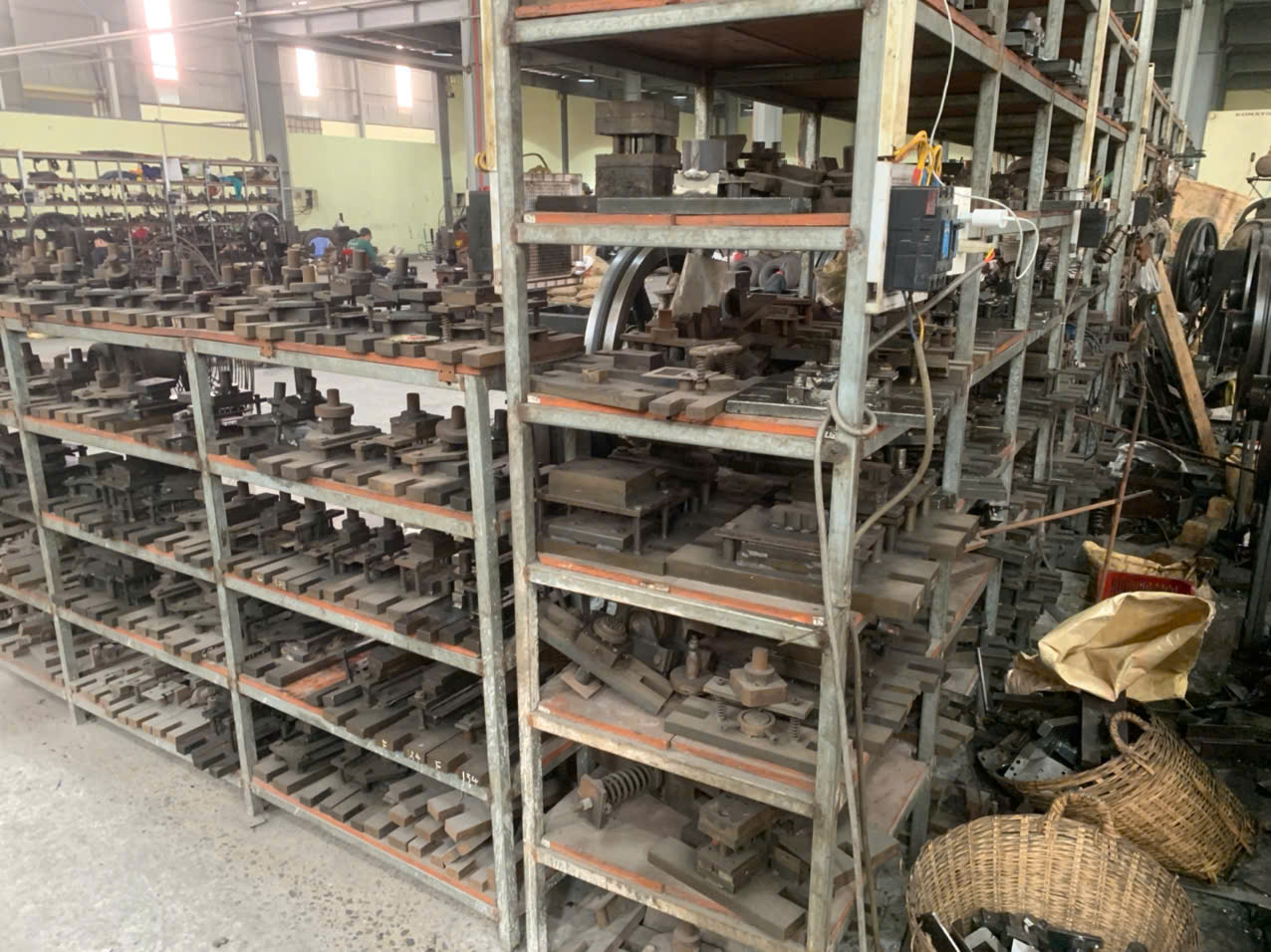
Many buyers focus exclusively on the FOB or EXW unit price. But the true cost of a part includes everything required to get it from the factory floor to your warehouse door. Here is how those costs typically break down:
| Cost Element | Typical Range (% of FOB Price) | Notes |
|---|---|---|
| Ocean freight | 5–15% | Varies by volume, port, and season |
| Customs duties 8 / tariffs | 0–25% | Depends on HS code and country of origin |
| Customs brokerage | 1–2% | Flat or percentage-based |
| Inland transport (origin + destination) | 2–5% | Trucking from factory to port, and port to warehouse |
| Insurance | 0.5–1% | Based on declared value |
| Inspection fees (third-party) | 1–3% | Pre-shipment or during production |
| Packaging / crating | 1–3% | Heavy parts need custom crating |
Quality Inspections: Cost Now or Cost Later
Skipping inspections to save money is a false economy. Non-conforming parts that arrive at your dock create rework costs, production delays, and customer complaints that far exceed the price of a pre-shipment inspection.
Our approach at DEWIN includes a structured PPAP process 9, in-process checks, and final inspection before any shipment leaves the factory. We document dimensions, surface finish, and material certifications. This "right first time" methodology costs a small percentage upfront but eliminates the far larger cost of returns and re-manufacturing.
Third-party inspections from firms like SGS or Bureau Veritas typically cost between $250 and $500 per man-day. For a $20,000 shipment, that is roughly 1–2% of the order value — cheap insurance.
Payment Terms and Cash Flow Impact
Payment terms affect your total cost in ways that are easy to overlook. A supplier offering 30% deposit and 70% before shipment (T/T) ties up your cash for weeks before you can sell the goods. Compare that with open account terms of Net 60 or Net 90 — you receive and potentially resell the parts before payment is due.
We offer open account terms to qualified clients because we understand the cash flow pressures of importing custom parts. The financial benefit is real: at a 6% annual cost of capital, Net 90 terms on a $50,000 order effectively save you $750 in financing costs per shipment cycle.
Local vs. International Sourcing: When Does Overseas Win?
International sourcing offers lower manufacturing costs but adds logistics complexity. The decision depends on your volume, part complexity, and tolerance for lead time variability. For high-volume production runs of mid-to-high complexity parts, sourcing from Asia — especially from countries like Vietnam that sit outside current U.S.-China tariff escalations — often delivers 20–40% net savings even after all logistics costs.
For low-volume, quick-turn jobs, local sourcing usually wins because the speed advantage outweighs the cost premium.
The key is to run a full landed-cost comparison before making sourcing decisions. We help our clients build these models so there are no surprises when the invoice arrives. To better understand what goes into each line item, learn how to understand sheet metal fabrication quotes and cost breakdowns.
Conclusion
Sheet metal fabrication pricing depends on material, design, volume, lead time, logistics, and quality processes working together. Control what you can — simplify designs, plan volumes, and partner with a sourcing team that manages the full supply chain. If you're seeing wide price differences between vendors, it helps to understand why sheet metal fabrication supplier quotes vary so much.
Frequently Asked Questions
Local vs. International Sourcing: When Does Overseas Win?
International sourcing offers lower manufacturing costs but adds logistics complexity. The decision depends on your volume, part complexity, and tolerance for lead time variability. For high-volume production runs of mid-to-high complexity parts, sourcing from Asia — especially from countries like Vietnam that sit outside current U.S.-China tariff escalations — often delivers 20–40% net savings even after all logistics costs.
How does my choice of material and thickness impact the final quote for my custom sheet metal parts?
A lesson we learned early in our sourcing operations: a client once switched from carbon steel to 316L stainless steel 1 mid-project, and the quote jumped by over 40% before a single part was cut.
How can I simplify my design to lower the fabrication costs for my complex metal components?
One of our engineers in China reviewed a bracket drawing last quarter that had 14 bends, three welded sub-assemblies, and tolerances tighter than the application required. After a collaborative DFM session 4 with the client, we reduced it to 8 bends, eliminated two welds, and relaxed non-critical tolerances. The quote dropped by nearly 30%.
Footnotes
1. Explains the composition, properties, and applications of 316L stainless steel. ↩︎
2. Describes how press brakes are used in metal fabrication to create bends and formed features. ↩︎
3. Defines corrosion resistance and its importance in material selection for product design. ↩︎
4. Explains Design for Manufacturability (DFM) as an engineering practice to reduce manufacturing costs. ↩︎
5. Describes how self-clinching fasteners work and their advantages in sheet metal assembly. ↩︎
6. Original URL was 404, found authoritative and comprehensive replacement. ↩︎
7. Defines first-article inspection as a process to verify manufacturing capability and product conformity. ↩︎
8. Explains customs duties as taxes on imported goods, influencing international trade and government revenue. ↩︎
9. Describes the Production Part Approval Process (PPAP) for ensuring consistent part quality in manufacturing. ↩︎