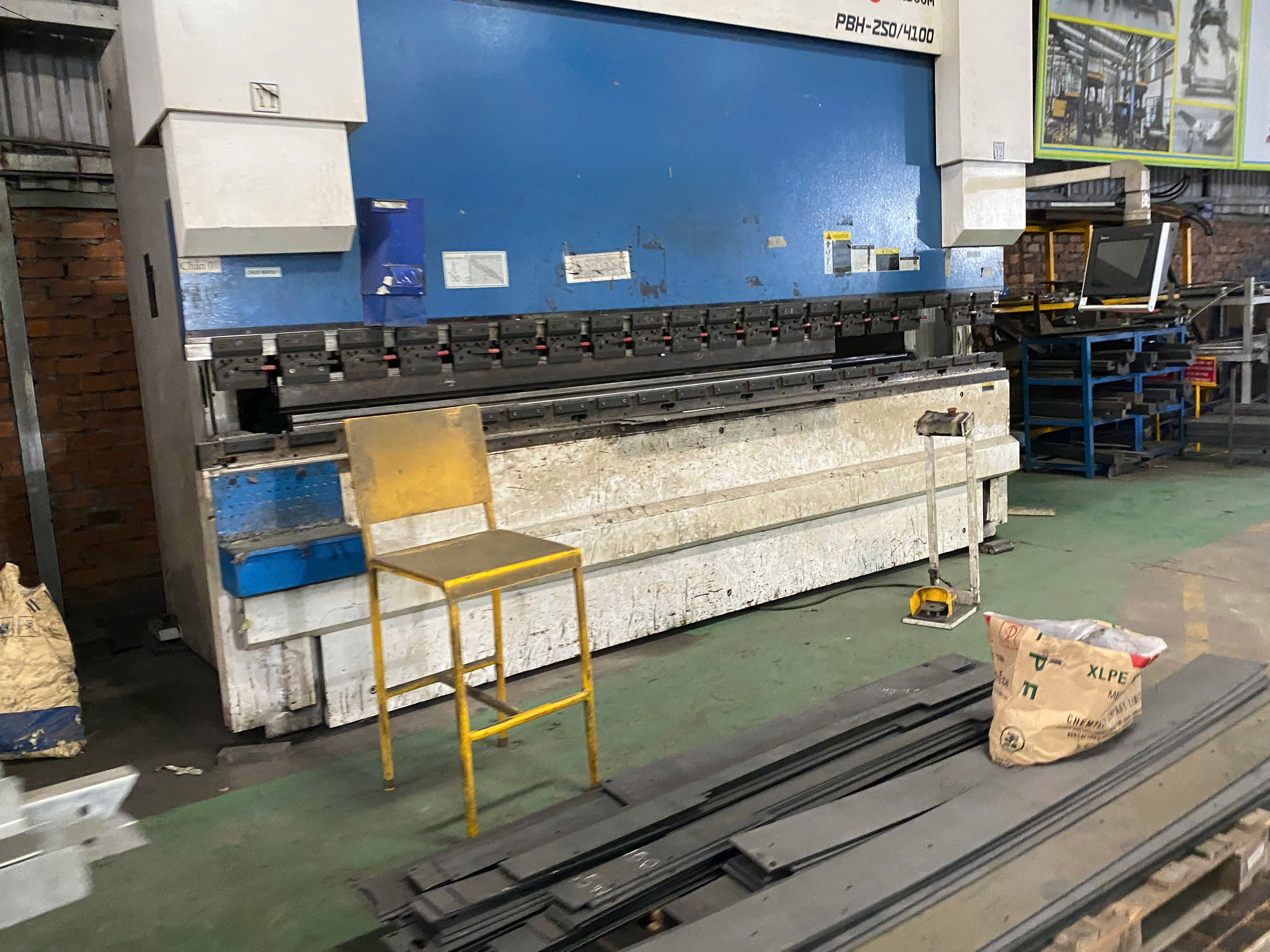
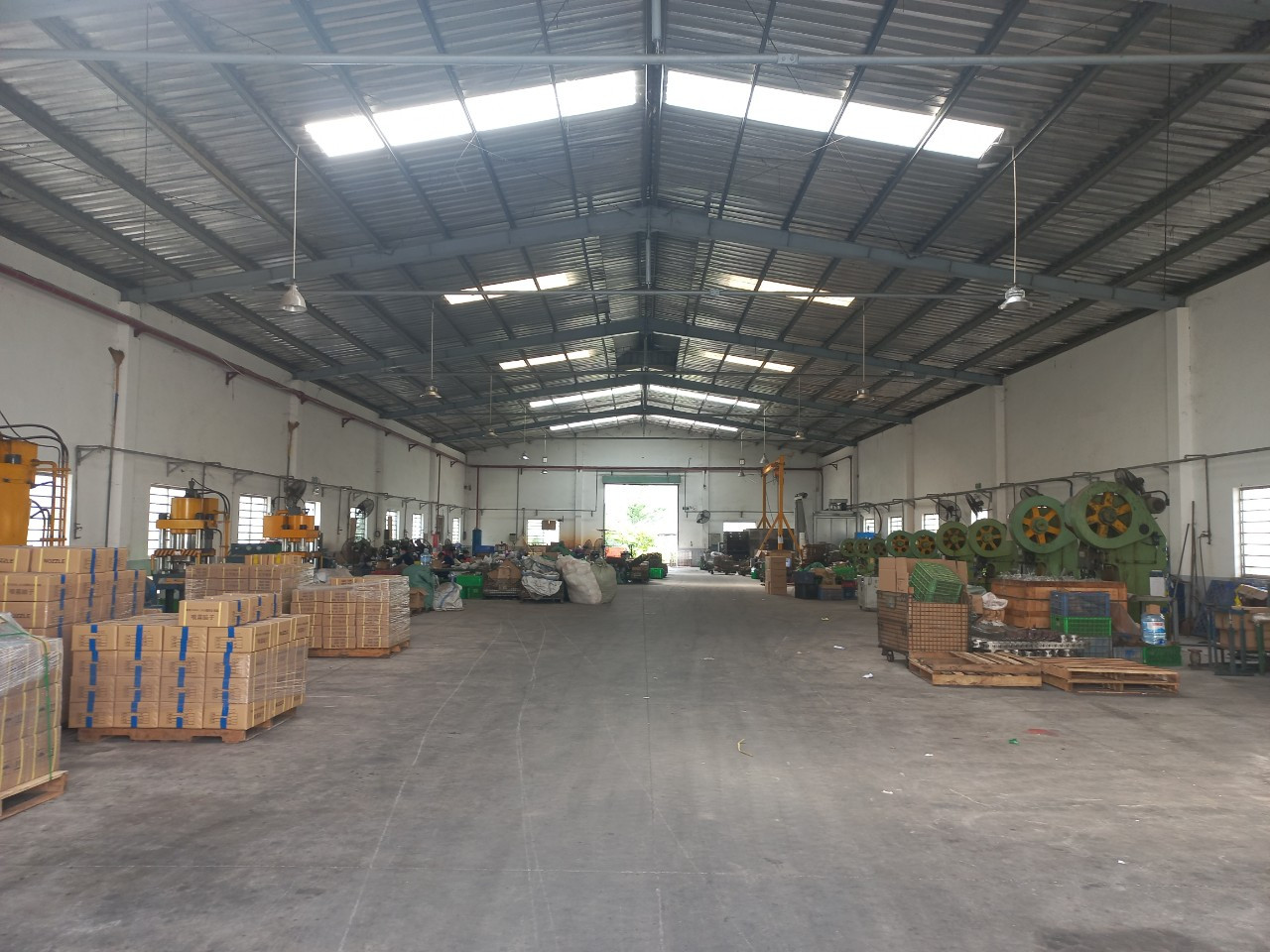
Every week, our team fields calls from U.S. purchasing managers burned by sheet metal parts that arrived out of spec — wrong bend radii, mislocated holes, surface finishes that flunk incoming inspection — and the root cause almost always traces back to a supplier without a real quality management system 1.
IATF 16949 certification means a sheet metal fabrication supplier operates a rigorous, process-oriented quality management system built on defect prevention, continual improvement, and waste reduction — ensuring automotive-grade consistency, traceability, and reliability that directly protects your production line and bottom line.
Below, we break down exactly how this standard translates into tangible benefits for buyers sourcing custom sheet metal parts automotive core tools 2. Whether you are a purchasing manager at a sourcing company or leading engineering procurement, these four angles will help you evaluate any supplier’s IATF 16949 status with confidence.
How does IATF 16949 certification guarantee that my sheet metal parts are manufactured right the first time?
A lesson we learned early while managing contract manufacturing in Vietnam: "right first time" is not a slogan — it is a measurable output of validated processes. When our quality engineers walk a supplier's shop floor, the first thing they check is whether cutting, bending, and welding operations have been formally validated against customer-specific requirements before a single production part ships.
IATF 16949 guarantees first-time-right results by requiring suppliers to validate every manufacturing process through automotive core tools — APQP, PPAP, FMEA, MSA, and SPC — so that potential defects are identified and eliminated before production begins, not after your receiving dock flags a rejection.
What "Right First Time" Actually Requires
The phrase sounds simple. The execution is not. IATF 16949 mandates a structured sequence that starts long before metal hits the press brake. It begins with Advanced Product Quality Planning (APQP) 3, where the supplier maps every step from raw material receipt to final packaging. Each step gets a risk score through a Failure Mode and Effects Analysis (FMEA) 4. High-risk steps — say, a complex multi-bend bracket with tight tolerances — receive additional controls, fixture checks, or in-process gauging.
Next comes the Production Part Approval Process (PPAP) 5. The supplier must prove, with hard data, that its process can repeatedly produce parts within specification. This includes dimensional reports, material certifications, and capability studies (Cpk values). Only after the customer signs off on the PPAP can mass production begin.
The Five Core Tools at a Glance
| Core Tool | Purpose | Sheet Metal Example |
|---|---|---|
| APQP | Plan quality into the product from day one | Define control plans for laser cutting, forming, and welding sequences |
| PPAP | Prove process capability before mass production | Submit sample brackets with full dimensional reports and material certs |
| FMEA | Identify and rank potential failure modes | Flag risk of spring-back on a 90° bend in high-strength steel |
| MSA | Verify measurement systems are reliable | Calibrate CMM fixtures used to inspect hole-pattern locations |
| SPC | Monitor process stability during production | Track bend-angle variation on a run of 10,000 mounting plates |
Why This Matters to Your Bottom Line
Without these tools, a supplier relies on final inspection to catch problems — and final inspection alone catches only about what it can see. Defect prevention, the core philosophy of IATF 16949, pushes quality upstream. In our experience coordinating PPAP submissions between Asian suppliers and U.S. buyers, the difference is dramatic. Suppliers who complete a thorough PPAP rarely face first-article rejections. Suppliers who skip it almost always do.
When we audit a potential sheet metal partner, we look for evidence that the quality management system is alive — not just a binder on a shelf. Are FMEA documents updated when engineering changes occur? Are SPC charts reviewed daily on the shop floor? These signals tell us whether the supplier truly manufactures right the first time, or merely claims to.
Why is IATF 16949 essential for my sheet metal supplier to manage complex project requirements and drawings?
One of our project managers recently coordinated a bracket program with 14 unique part numbers, each referencing different GD&T callouts, material specs, and surface treatments. The U.S. buyer's engineering team updated three drawings mid-program. Without a formal change-control system, those revisions would have been a disaster.
IATF 16949 is essential because it forces suppliers to maintain disciplined document control, change management, and traceability systems — ensuring every revision to a drawing, material specification, or customer-specific requirement is captured, communicated, and executed without error across the entire production process.
The Problem with "Informal" Drawing Management
Many sheet metal shops run on tribal knowledge. The senior operator knows the latest revision. The purchasing clerk orders the right grade of steel because she remembers the last email. This works — until someone is sick, or a new shift takes over, or a drawing revision lands on a Friday afternoon. Then you get parts made to the wrong revision, the wrong material, or the wrong finish.
IATF 16949 eliminates this risk through Clause 7.5 (Documented Information) 6 and Clause 8.5.6 (Control of Changes). Every document must be revision-controlled. Every change must trigger a defined workflow: who reviews it, who approves it, who updates the work instructions on the shop floor, and who verifies the first parts off the updated process.
How Change Control Works in Practice
| Stage | Action | Responsible Party |
|---|---|---|
| 1. Change Request | Customer issues updated drawing or spec | Buyer / Engineering |
| 2. Impact Analysis | Supplier reviews change for tooling, process, and cost impact | Supplier Quality + Engineering |
| 3. Internal Approval | Updated control plan, work instructions, and inspection criteria released | Supplier Quality Manager |
| 4. First Article Verification | Parts produced to new revision are measured and documented | Supplier QC + Customer (if required) |
| 5. Production Release | Mass production proceeds only after verification passes | Production Manager |
Traceability: From Raw Sheet to Finished Part
IATF 16949 also requires full product traceability. For sheet metal, this means linking each finished bracket or enclosure back to a specific coil or sheet lot, the machine it was processed on, and the operator who ran it. If a quality issue surfaces six months later, the supplier can trace backward to the exact material batch and process conditions.
In our supply chain management work, we have seen this traceability save buyers from costly field recalls. When a coil of stainless steel turned out to have an out-of-spec hardness range, the certified supplier identified every part made from that coil within hours. A non-certified shop could not have done the same.
Customer-Specific Requirements
Beyond generic ISO 9001 requirements, IATF 16949 mandates that suppliers capture and flow down customer-specific requirements. If your drawing calls out a particular weld standard, a specific packaging method, or a unique labeling format, the supplier's QMS must treat those as controlled requirements — not suggestions. This process approach ensures that nothing falls through the cracks, even on programs with dozens of part numbers and multiple drawing revisions.
How can I leverage a supplier's IATF 16949 status to minimize my supply chain risks and delivery delays?
A buyer we work with in the Midwest once told us his biggest frustration was not price — it was unpredictability. He could absorb a slightly higher unit cost, but he could not absorb a two-week delivery delay that shut down his customer's assembly line. That conversation shaped how we evaluate every sheet metal supplier we onboard.
You can leverage a supplier's IATF 16949 status by requiring evidence of its risk management processes, contingency planning, sub-supplier controls, and on-time delivery metrics — all of which are mandatory under the standard and directly reduce the likelihood of disruptions rippling through your automotive supply chain.
Risk-Based Thinking Is Not Optional
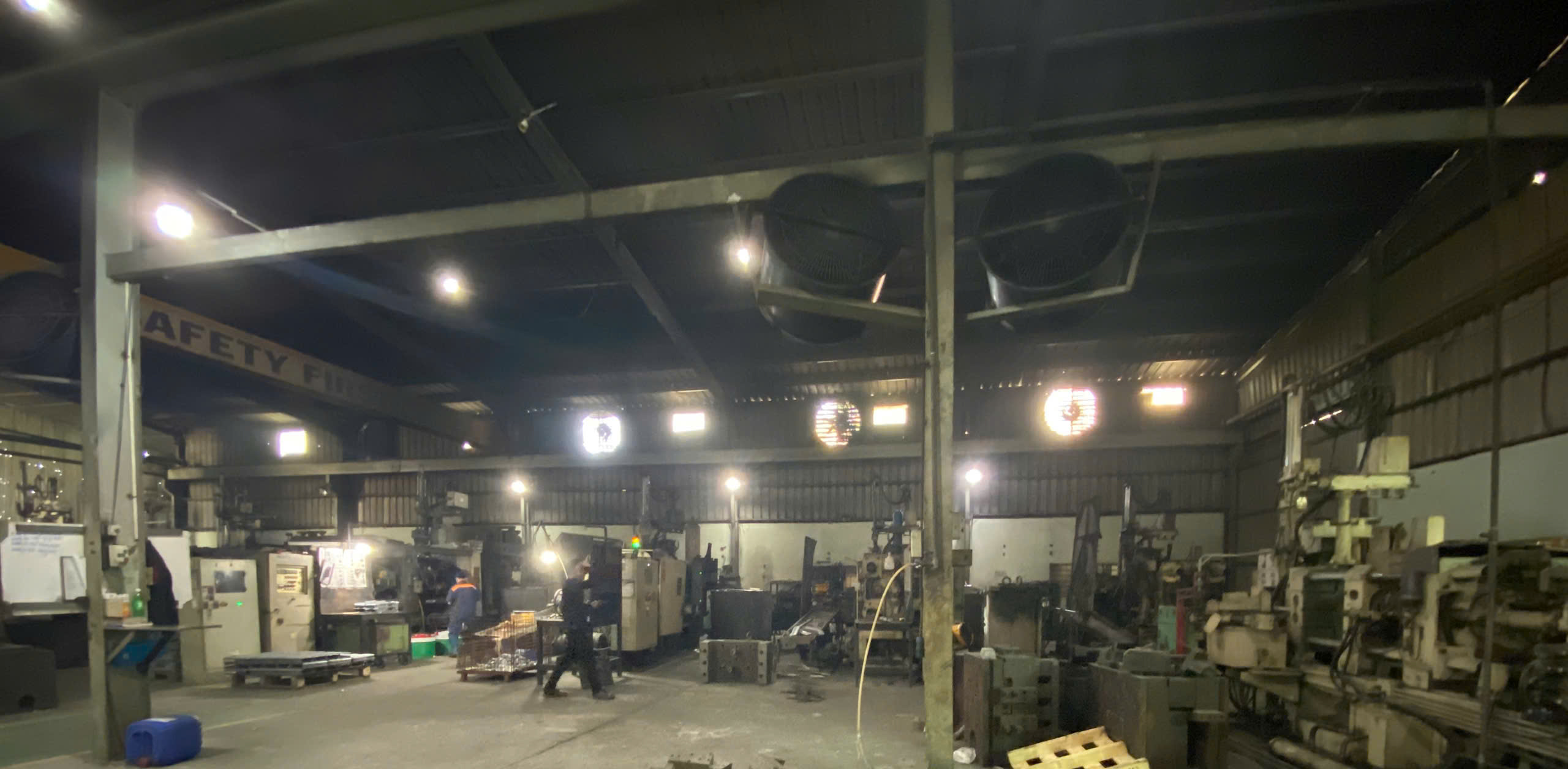
IATF 16949 builds on the risk management framework introduced in ISO 9001:2015 7 but goes further. Clause 6.1 requires suppliers to identify risks and opportunities across every process. For a sheet metal fabricator, this means formally assessing risks like single-source raw material dependence, machine breakdown frequency, and capacity constraints during peak seasons.
The standard also requires contingency plans. If a supplier's primary laser cutter goes down, what is the backup? If a steel coil shipment is delayed, does the supplier hold safety stock? These are not hypothetical questions — IATF 16949 auditors verify that documented contingency plans exist and are tested.
Sub-Supplier Controls
One area where IATF 16949 delivers outsized value is sub-supplier management. Many sheet metal fabricators outsource operations like plating, powder coating, or heat treatment. The standard requires the certified supplier to evaluate, monitor, and develop its sub-suppliers — not just hand off parts and hope for the best.
| Risk Area | IATF 16949 Requirement | Buyer Benefit |
|---|---|---|
| Raw Material Delays | Approved supplier list with backup sources; incoming material inspection | Reduced single-source dependency |
| Machine Breakdown | Documented contingency plans; preventive maintenance schedules | Faster recovery, less downtime |
| Sub-Supplier Quality | Formal evaluation, audits, and performance monitoring of sub-tier suppliers | Consistent quality on outsourced processes (plating, painting) |
| Capacity Constraints | Capacity planning tied to customer demand forecasts | On-time delivery even during peak periods |
| Shipping & Logistics | Defined packaging, labeling, and delivery standards | Fewer damaged or mislabeled shipments |
How to Use This as a Buyer
When you receive a quote from an IATF 16949 certified supplier, ask for their supplier scorecard or key performance indicators. Certified suppliers track metrics like on-time delivery rate, parts-per-million (PPM) defect rate, and customer complaint resolution time. These are not vanity metrics — the standard requires management review of this data at defined intervals.
In our role coordinating supply chains between Asia and the United States, we use these metrics during supplier audits to benchmark performance. A certified supplier that consistently hits 95%+ on-time delivery and holds PPM below 50 is a fundamentally different partner than one operating without a system. Understanding how to evaluate sheet metal fabrication supplier capabilities and qualifications is essential to making this comparison effectively.
"Compliant" vs. "Certified" — A Critical Distinction
Be cautious of suppliers who claim to be "IATF-compliant" rather than "IATF 16949 certified." Compliance is a self-declaration. Certification means an accredited third-party body has audited the supplier's QMS and confirmed it meets every clause of the standard. The certification is binary — a supplier either holds it or does not. There are no partial certifications. When evaluating sheet metal fabrication suppliers, always ask for the certificate and verify it with the issuing body.
What specific quality control benefits will I see when sourcing sheet metal from an IATF 16949 certified partner?
During a recent final inspection at one of our partner facilities in Vietnam, the QC team caught a subtle burr pattern on the interior edges of a stamped bracket — something that would have passed a basic visual check but could cause assembly issues for the end user. They caught it because their inspection plan, driven by IATF 16949 control plans, specified edge-quality checks at that specific operation. That is the kind of granular quality control this standard delivers.
When sourcing from an IATF 16949 certified partner, you will see measurable reductions in defect rates, lower scrap and rework costs, consistent dimensional accuracy across production runs, full material and process traceability, and proactive corrective actions that prevent repeat issues — all backed by documented evidence.
Incoming, In-Process, and Final Inspection — All Defined
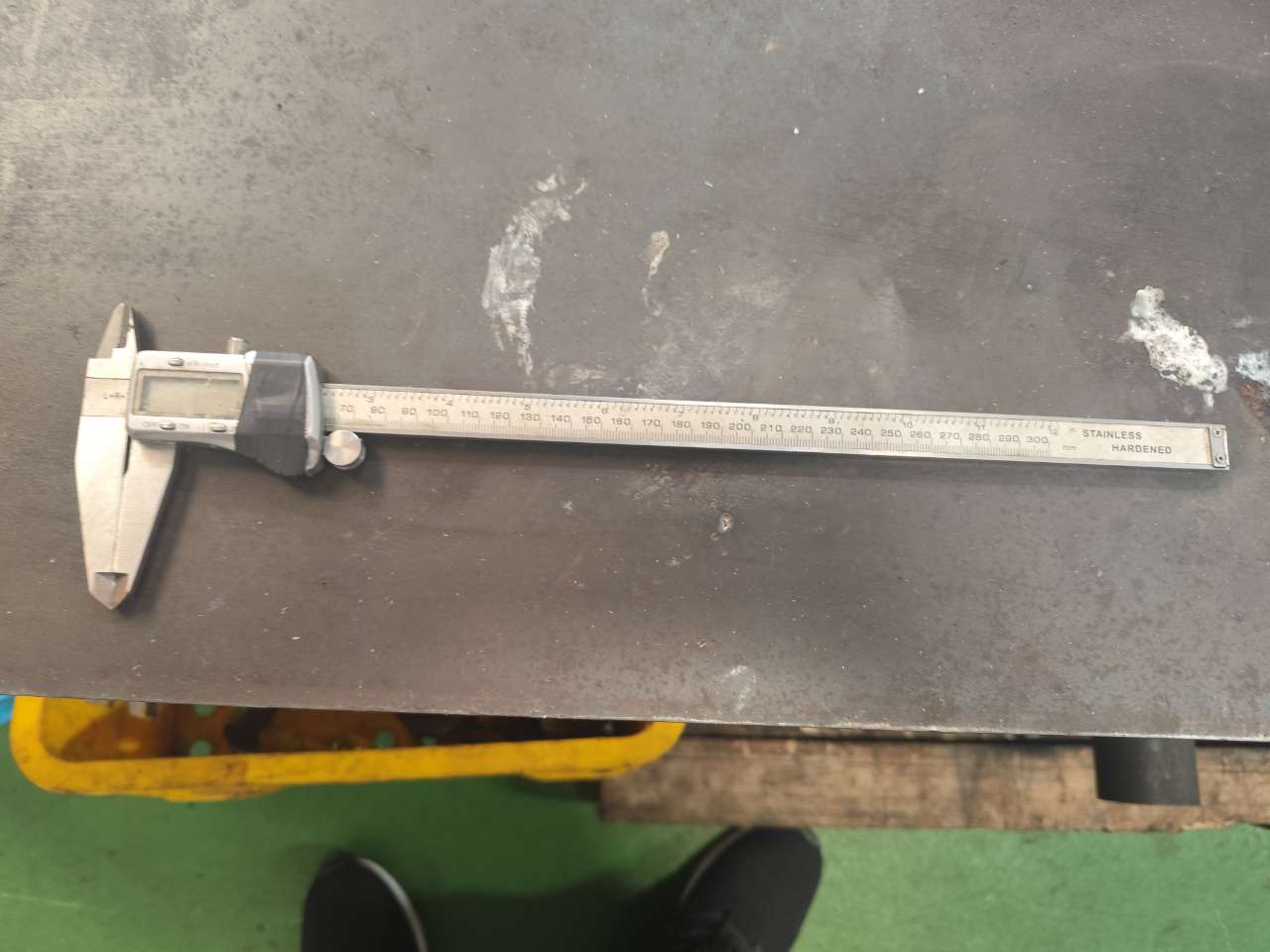
A certified supplier does not leave inspection to chance. The QMS defines what gets checked, how it gets checked, how often, and by whom — at every stage. For sheet metal operations, this typically breaks down as follows:
| Inspection Stage | What Is Checked | Method |
|---|---|---|
| Incoming Material | Thickness, hardness, surface condition, material certification | Micrometer, spectrometer, visual, cert review |
| First Article (Setup) | All critical dimensions per drawing | CMM, height gauge, optical comparator |
| In-Process | Bend angles, hole locations, weld quality, burr condition | Go/no-go gauges, SPC charting, visual |
| Final Inspection | Full dimensional layout, cosmetics, packaging compliance | CMM, surface roughness tester, AQL sampling |
| Outgoing Verification | Labeling, quantity, packaging integrity | Checklist, barcode scan |
Corrective and Preventive Action (CAPA)
When a nonconformance does occur — and in high-volume metal stamping or fabrication, it eventually will — IATF 16949 requires a formal corrective action process. The supplier must identify the root cause (not just the symptom), implement a corrective action, verify its effectiveness, and update the FMEA and control plan to prevent recurrence.
This is fundamentally different from a supplier who simply re-sorts the bad parts and ships replacements. The standard demands continual improvement, meaning the system gets better over time. For buyers, this translates into declining PPM trends and fewer repeat issues over the life of a program.
Statistical Process Control in Action
SPC is not just a buzzword under IATF 16949. Suppliers must identify key process characteristics — for example, a critical bend angle on a structural bracket destined for an automotive OEM — and monitor them with control charts. When a trend appears (a process drifting toward the upper spec limit), the operator adjusts before a single out-of-spec part is made. This is defect prevention in its purest form.
Beyond Automotive: A Competitive Differentiator
Here is something worth noting: while IATF 16949 was developed for the automotive industry, the discipline it instills benefits any precision application. We have seen buyers in medical, defense, and industrial equipment sectors specifically seek out IATF 16949 certified sheet metal suppliers because the quality infrastructure is already proven. For example, understanding the primary ISO quality standards for sheet metal fabrication can help buyers compare how different certifications complement each other. The certification signals that the supplier can handle tight tolerances, complex assemblies, and rigorous documentation — regardless of the end market.
The Link to Lean and Waste Reduction
The standard's emphasis on reducing variation and waste aligns closely with lean manufacturing principles. For sheet metal fabrication, this means optimized nesting to reduce scrap, standardized setup procedures to cut changeover time, and visual management on the shop floor. These efficiencies do not just improve quality — they can also reduce your per-part cost over time, because a leaner operation generates less waste and fewer rework cycles. Understanding how new OEM buyers evaluate sheet metal fabrication sourcing requirements can further help you benchmark suppliers against these lean principles.
Conclusion
IATF 16949 certification is not just a badge — it is a working system that protects your quality, your schedule, and your reputation in the automotive supply chain and beyond. When you choose a certified sheet metal fabrication supplier, you choose defect prevention over firefighting and data-driven decisions over guesswork.
Frequently Asked Questions
How does IATF 16949 certification guarantee that my sheet metal parts are manufactured right the first time?
A lesson we learned early while managing contract manufacturing in Vietnam: "right first time" is not a slogan — it is a measurable output of validated processes. When our quality engineers walk a supplier's shop floor, the first thing they check is whether cutting, bending, and welding operations have been formally validated against customer-specific requirements before a single production part ships.
Why is IATF 16949 essential for my sheet metal supplier to manage complex project requirements and drawings?
One of our project managers recently coordinated a bracket program with 14 unique part numbers, each referencing different GD&T callouts, material specs, and surface treatments. The U.S. buyer's engineering team updated three drawings mid-program. Without a formal change-control system, those revisions would have been a disaster.
How can I leverage a supplier's IATF 16949 status to minimize my supply chain risks and delivery delays?
A buyer we work with in the Midwest once told us his biggest frustration was not price — it was unpredictability. He could absorb a slightly higher unit cost, but he could not absorb a two-week delivery delay that shut down his customer's assembly line. That conversation shaped how we evaluate every sheet metal supplier we onboard.
Footnotes
1. Official ISO definition and benefits of a quality management system. ↩︎
2. AIAG is the authoritative source for automotive core tools. ↩︎
3. Explains APQP, a core tool for product development and quality management. ↩︎
4. Replaced HTTP 403 link with an authoritative resource from the Juran Institute, a highly respected name in quality management, explaining FMEA. ↩︎
5. Details the PPAP process for validating manufacturing processes and parts. ↩︎
6. Replaced HTTP 404 link with a corrected, working URL for the same article on Advisera, a known resource for IATF 16949, discussing Clause 7.5. ↩︎
7. Official ISO page detailing the ISO 9001:2015 standard for quality management systems. ↩︎
8. Defines SPC as a method to monitor and control processes using statistical techniques. ↩︎
9. Official IATF site explaining the standard and its purpose. ↩︎