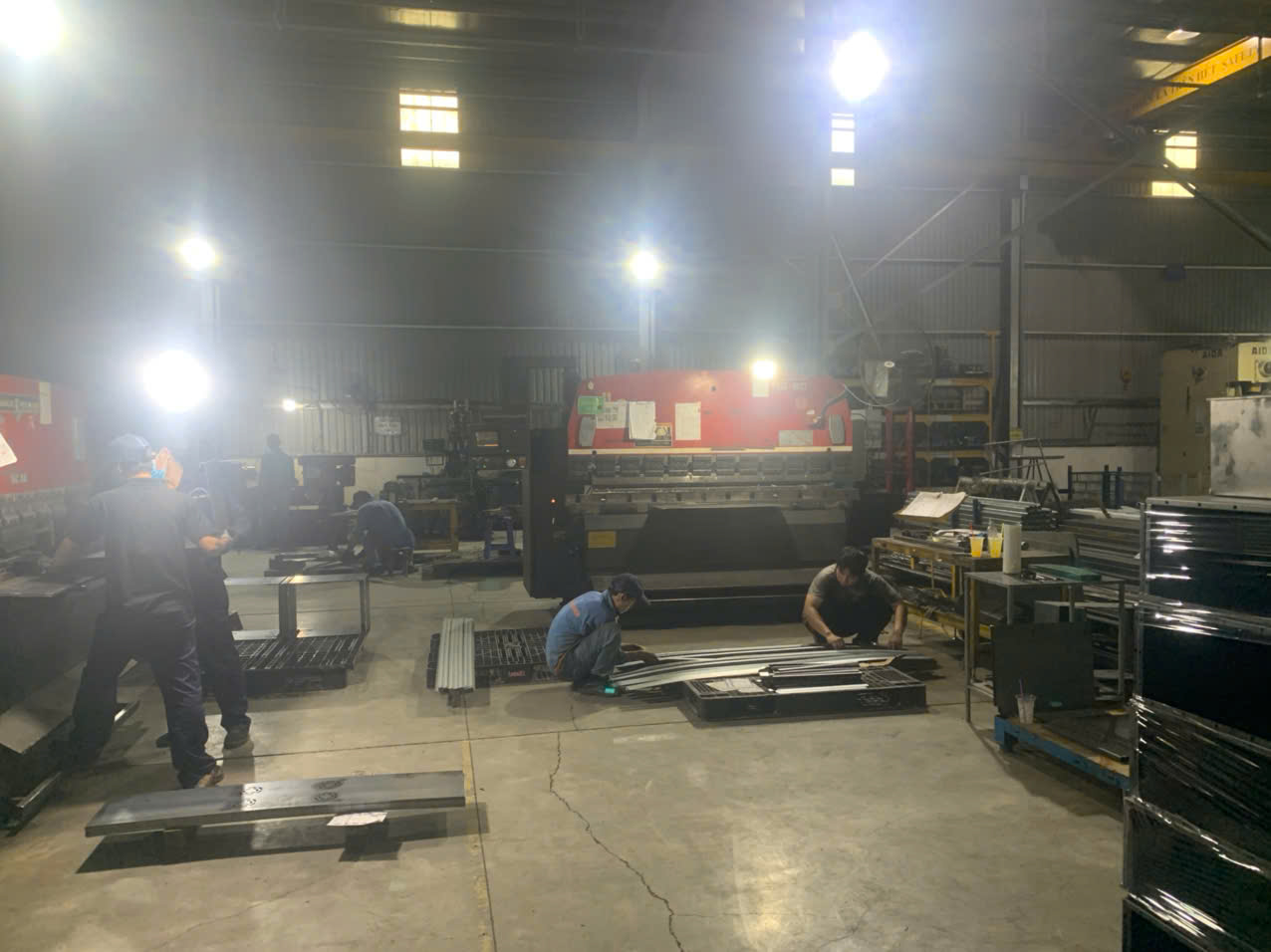
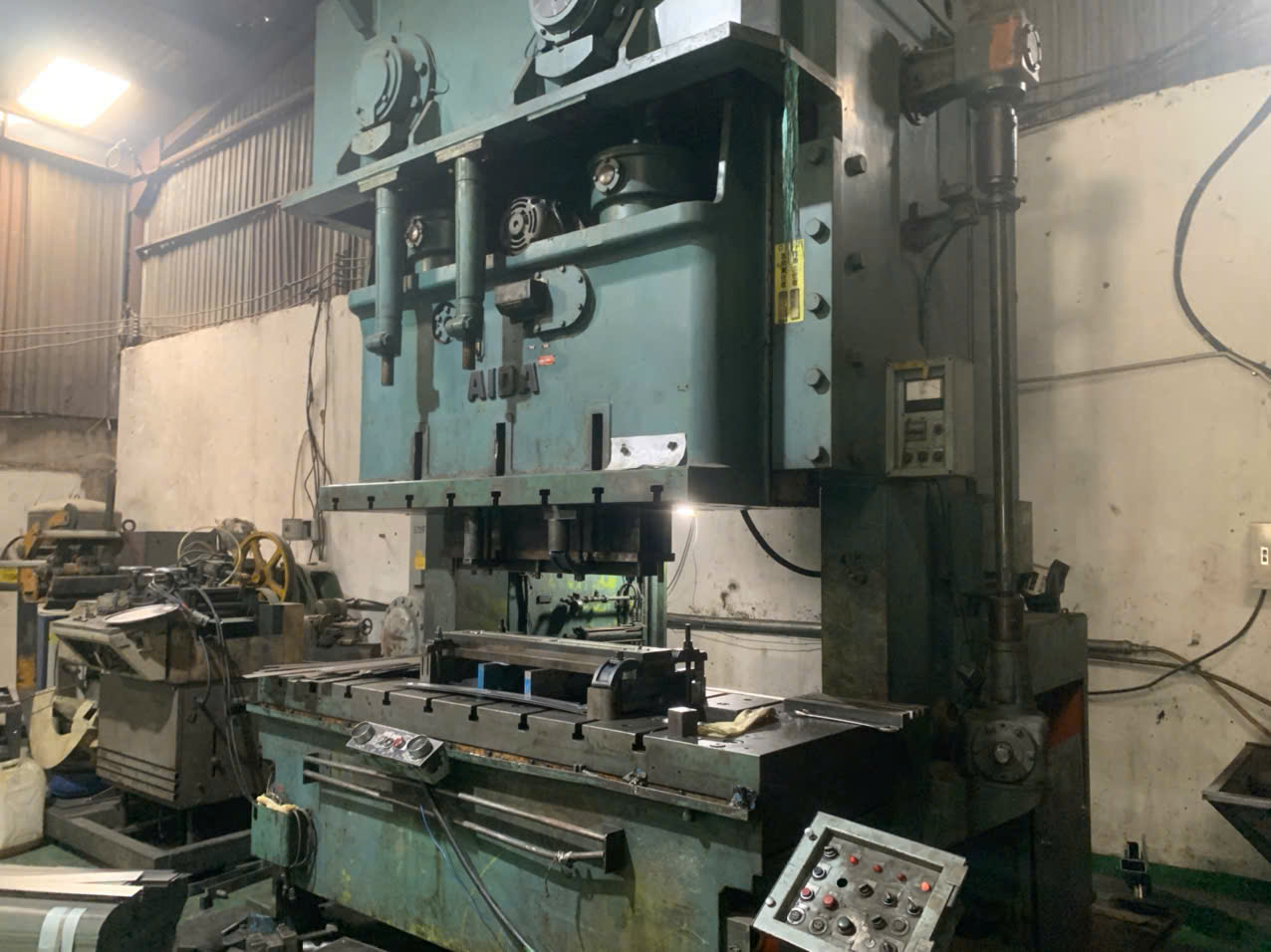
A mill certificate for stamping parts can make or break an order. I have watched shipments sit in quarantine because our team could not match paperwork to material. That risk is avoidable.
A mill certificate for stamping parts includes the mill’s identity, certificate type, material grade and specification, heat number for traceability, dimensions and quantity, chemical composition, mechanical properties such as tensile and yield strength, heat treatment condition, additional test results, and an authorized signature or stamp.
That is the short answer. Below, I will walk through each field, explain why it matters for stamped parts, and show you how to verify a certificate before production begins.
How Do I Verify That a Mill Certificate Matches My Stamped Parts Order?
A few years back, our Vietnam office caught a coil delivered with the right grade name but the wrong heat number on the paperwork. That catch saved a full production run of brackets.
To verify a mill certificate, match the heat number on the certificate to the marking on the coil or sheet, confirm the material grade and standard against your purchase order, check dimensions, then compare chemistry and mechanical values to the specification limits.
Verification is a sequence, not a glance. When our QC engineers receive material for a stamping project, they follow a fixed order of checks. I recommend the same discipline to every buyer.
The Verification Sequence We Use
- Match the heat number. The number printed on the certificate must match the tag or marking on the coil, sheet, or blank. No match, no release.
- Match the grade and standard. The certificate should name the exact grade and specification on your PO or drawing, such as an ASTM 1, EN, or JIS designation.
- Match the dimensions. Check thickness, width, and coil weight against what you ordered. Stamping dies are sensitive to gauge variation, so this step matters more than many buyers think.
- Check chemistry against limits. Every reported element must fall inside the range the standard allows chemical composition 2.
- Check mechanical properties. Tensile strength 3, yield strength, and elongation must meet the specification. For deep-drawn parts, we also look for r-value and n-value when the customer requires them.
- Confirm special requirements. Heat treatment condition, surface finish, coating weight, or supplementary tests noted on the PO must appear on or alongside the certificate.
A Quick Reference Table
| Check | Where on the Certificate | What a Mismatch Means |
|---|---|---|
| Heat number | Traceability field | Material identity cannot be proven |
| Grade and standard | Material identification | Possible wrong alloy supplied |
| Thickness and width | Dimensions section | Die setup and part geometry risk |
| Chemistry | Chemical analysis table | Out-of-spec material, reject or concession |
| Tensile, yield, elongation | Mechanical properties | Cracking, springback, or thinning risk |
| Signature or stamp | Authentication block | Certificate may be invalid |
One more habit worth building: keep the certificate filed with the production lot records. When a customer asks about a batch of stamped clips two years later, the heat number is your thread back to the source. Our team scans and links every certificate to the works order digitally, so retrieval takes minutes rather than days.
Why Should I Require Mill Certificates From My Stamping Supplier?
One of our U.S. clients once asked why we insist on certificates even for simple zinc-plated mounting clips. My answer was simple: the cheapest insurance in the supply chain is paperwork done right.
You should require mill certificates because they prove your stamped parts were made from the correct, specification-compliant material, provide heat-level traceability for recalls or audits, support customer and regulatory requirements, and shift material risk back to the mill where it belongs.

Stamping is unforgiving of wrong material. A press does not know whether the coil loaded into it is low-carbon draw-quality steel metal stamping 4 or a harder grade that will crack at the first bend. The certificate is the only document that tells you, before the first stroke, what the material actually is.
Risk Without a Certificate
Consider what happens when material arrives undocumented. If a stamped bracket fails in the field, you cannot trace it back to a melt. You cannot prove to your customer that you supplied conforming material. You cannot even file a meaningful claim against the mill, because you have no baseline record. In our experience managing supply chains across Vietnam and other Asian countries for U.S. clients, the projects that run smoothly are the ones where documentation requirements were fixed at the quotation stage, not discovered at receiving.
What the Certificate Protects
| Stakeholder | What the Certificate Provides |
|---|---|
| Purchasing manager | Proof the supplier bought the specified grade |
| QA engineer | Baseline data for incoming inspection |
| Production | Confidence the coil will form as expected |
| End customer | Traceability for audits and PPAP 5 submissions |
| Legal and compliance | Evidence in disputes or recall events |
There is a limit, though, and I want to be honest about it. A mill certificate covers the input material. It does not guarantee that every stamped part is dimensionally correct or defect-free. Forming, blanking, and punching introduce their own variables. That is why we pair certificates with receiving inspection, in-process control, and final inspection. The certificate is the foundation of the quality chain, not the whole chain. Buyers who treat it as a substitute for part inspection are making a category error, and buyers who skip it entirely are gambling with their reputation.
What Standards or Formats Do Mill Certificates Typically Follow?
When we audit new stamping suppliers for our clients, the first document I open is a sample certificate. The format tells me a lot about the mill's quality culture before I ever see the shop floor.
Mill certificates most commonly follow EN 10204, with Type 3.1 issued by the manufacturer's authorized inspection representative and Type 3.2 additionally validated by an independent third party. The material itself is certified against product standards such as ASTM, EN, JIS, or GB grades.

EN 10204 6 is the framework most of the world uses to define what kind of certificate you are holding. It does not define the steel grade. It defines who tested the material and who vouches for the results.
EN 10204 Certificate Types at a Glance
| Type | Who Issues It | Test Data Included | Typical Use in Stamping |
|---|---|---|---|
| 2.1 | Manufacturer | No specific test results | Low-risk commodity parts |
| 2.2 | Manufacturer | Non-specific test results | General hardware |
| 3.1 | Manufacturer's authorized representative, independent of production | Specific results from the actual heat | Standard for most industrial stamped parts |
| 3.2 | Manufacturer plus an independent inspector or customer representative | Specific, third-party validated results | Safety-critical, pressure, aerospace, some automotive |
For most stamped brackets, clips, and chassis components we manage, a 3.1 certificate is the practical standard. It contains real test results from the actual heat, verified by someone inside the mill but independent of the production department. A 3.2 certificate adds an outside witness. It costs more and takes longer, so we only recommend it when the end application or the customer's quality plan demands it.
What Appears on the Certificate Itself
Regardless of type, a well-formed certificate for stamping material lists the mill's name and address, the certificate number and date, the product standard and grade, the heat number, product form and dimensions, quantity and weight, the full chemical analysis, mechanical test results, condition of supply, and an authorizing signature or stamp. Formability values like r-value and n-value appear when the material is ordered as drawing-quality grades ISO 7. A growing number of mills now issue certificates digitally with verification codes, which helps against falsification. Do not confuse any of this with a Certificate of Conformance. A CoC only states compliance. It carries no test data, and it will not survive a serious supplier audit on its own.
When Should I Request a Mill Certificate During the Sourcing Process?
A lesson our project team learned early: the worst time to ask for a certificate is after the container has shipped. By then, your leverage is gone and your options are expensive.
Request the mill certificate requirement at RFQ stage, confirm it in the purchase order, receive the actual certificate before or with material delivery, and review it at incoming inspection before any stamping begins. Never accept certificates promised after production or shipment.

Timing turns a certificate from a formality into a control point. Here is the sequence we build into every custom parts project we manage from our Singapore headquarters, with our Vietnam and China teams executing on the ground.
The Right Timing at Each Sourcing Stage
- RFQ stage. State the certificate requirement in writing. Specify the type, usually EN 10204 3.1, and the product standard. Suppliers price differently when documentation is required, so asking later invites disputes.
- Purchase order. Make the certificate a contractual deliverable. Tie payment or acceptance to receipt of conforming documentation. Our clients on open account terms appreciate that this keeps quality leverage intact even with flexible payment.
- Before production. For critical projects, ask the stamping supplier to send the certificate when the material arrives at their plant, before the first press stroke. This is your last cheap chance to reject wrong material.
- At delivery. The certificate travels with the shipment or arrives electronically before it. Our receiving inspection will not release a lot without it.
- During PPAP or first article. Include the certificate in the PPAP package. Customers in automotive and industrial markets expect heat-level documentation as standard.
Common Timing Mistakes I See
Buyers sometimes accept a supplier's promise to "send the cert later." Later often means never, or it means a generic document recycled from another heat. Others request certificates only after a quality problem surfaces, when the paper trail is coldest. A few treat the certificate as a customs formality rather than a quality gate. All three mistakes trace back to the same root cause: the requirement was not fixed early and in writing. Put it in the RFQ, repeat it in the PO, and enforce it at receiving. That rhythm costs nothing and prevents the most painful category of stamping failures, which is building good parts from the wrong material.
Conclusion
A mill certificate for stamping parts links every bracket and clip back to a specific heat, grade, and test record. Demand it early, verify it carefully, and file it permanently.
Frequently Asked Questions
How Do I Verify That a Mill Certificate Matches My Stamped Parts Order?
A few years back, our Vietnam office caught a coil delivered with the right grade name but the wrong heat number on the paperwork. That catch saved a full production run of brackets.
Why Should I Require Mill Certificates From My Stamping Supplier?
One of our U.S. clients once asked why we insist on certificates even for simple zinc-plated mounting clips. My answer was simple: the cheapest insurance in the supply chain is paperwork done right.
What Standards or Formats Do Mill Certificates Typically Follow?
When we audit new stamping suppliers for our clients, the first document I open is a sample certificate. The format tells me a lot about the mill's quality culture before I ever see the shop floor.
Footnotes
1. ASTM is a cited material standard body relevant to grade specifications discussed in the article. ↩︎
2. Relates to ISO material testing standards for chemical analysis of metal certificates. ↩︎
3. Background concept for the mechanical property test discussed in verification steps. ↩︎
4. Background concept explaining the metal stamping process central to the article’s topic. ↩︎
5. Explains the Production Part Approval Process referenced for automotive documentation requirements. ↩︎
6. EN 10204 is the governing standard for mill certificate types referenced throughout the article. ↩︎
7. ISO is the authoritative standards body relevant to manufacturing quality documentation practices. ↩︎