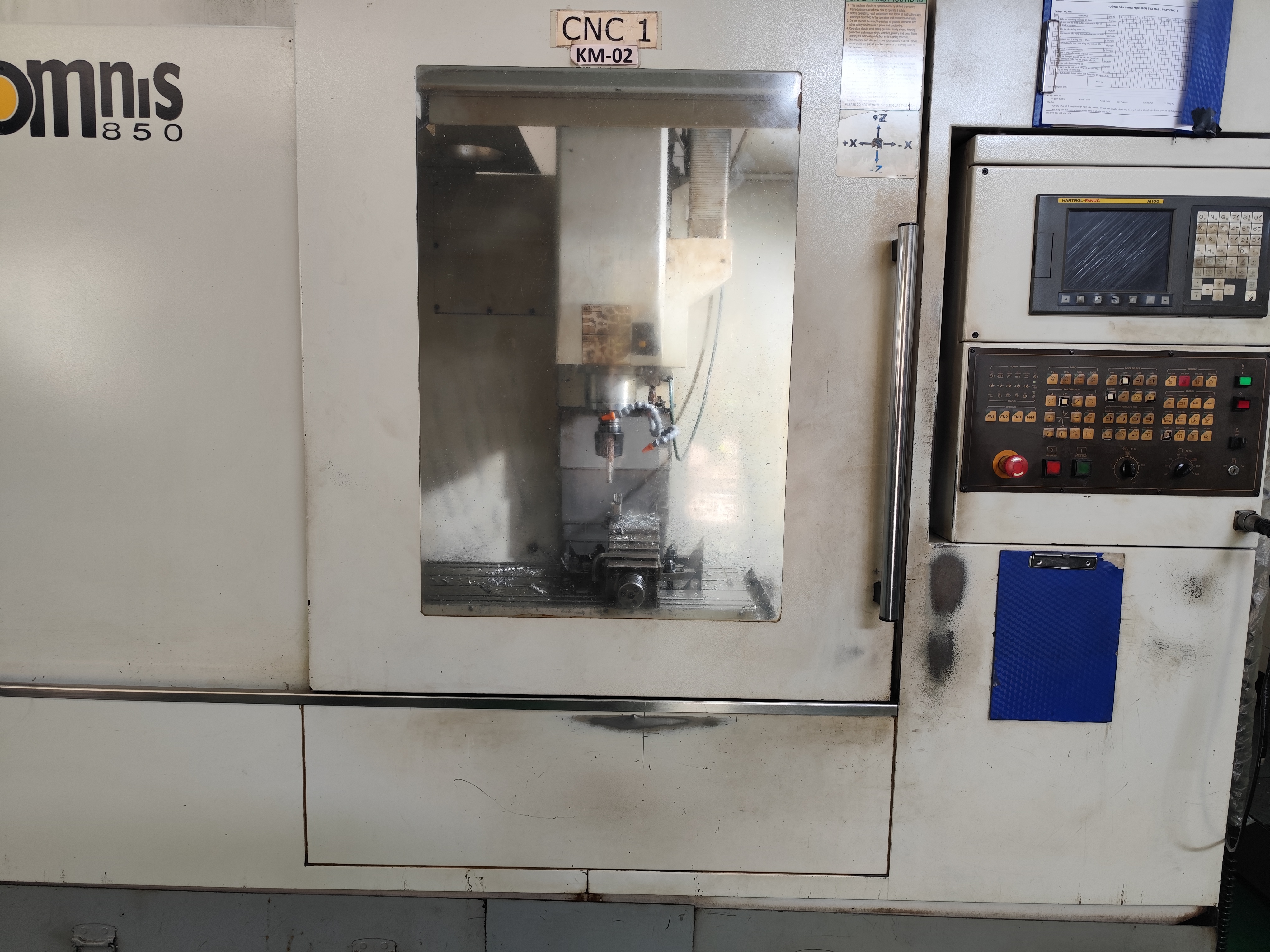
Machining refers to the process of using various control methods of machine tools and manual operations to process raw materials into specific shapes, sizes, and properties. This process can remove materials through cutting, grinding, drilling, and various other methods, ultimately forming the required parts or products.
Types of machining
There are many types of machining, including but not limited to:
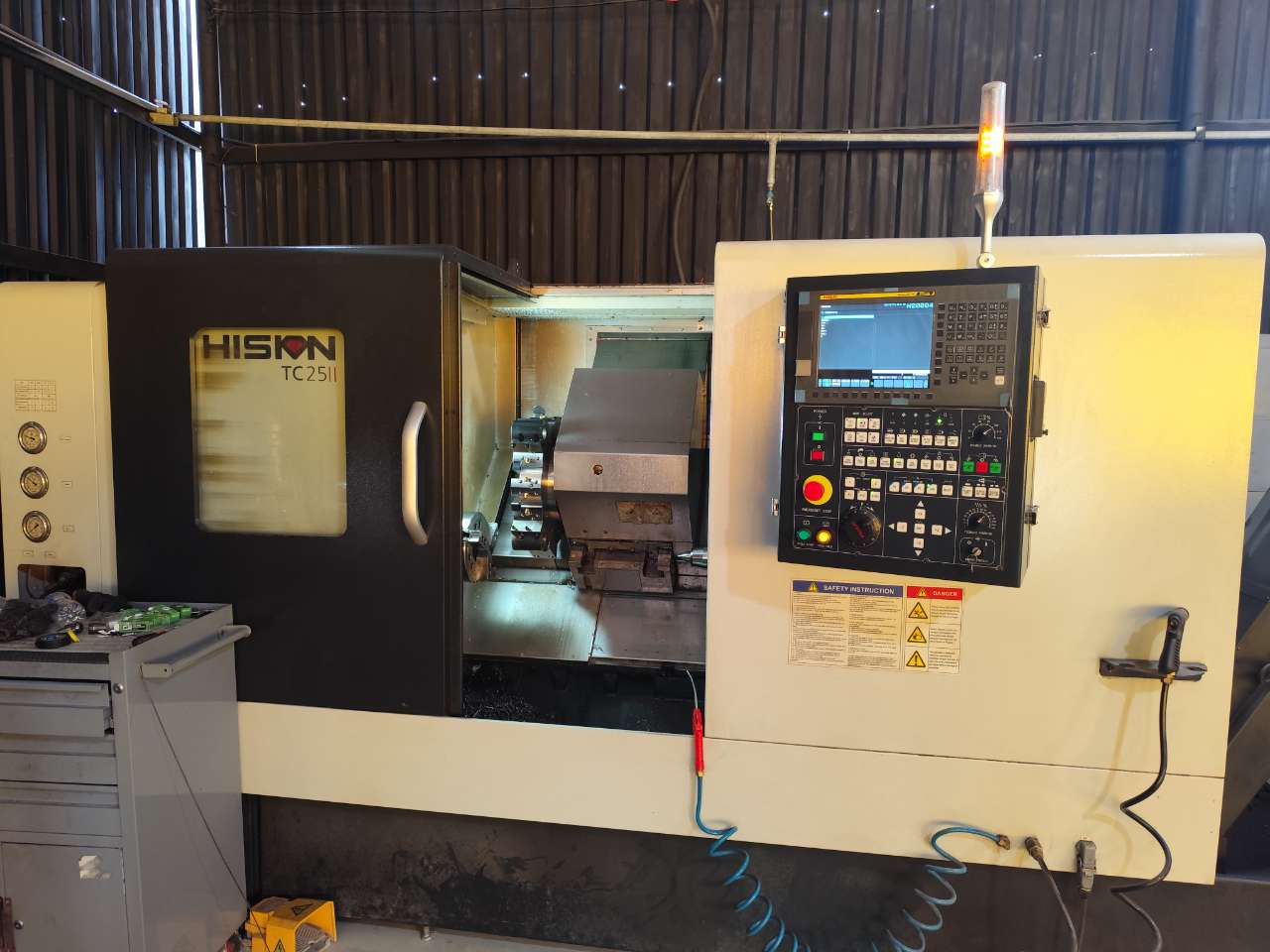
CNC machining: Using preprogrammed computer software instructions to control the movements of complex machines for precision machining.
Traditional or manual machining: relying on operators to directly control the movement and operation of machine tools, suitable for single piece, small batch production or special shaped parts.
Milling: A rotating milling cutter is used to remove materials, which is suitable for complex-shaped parts.
Turning: Fixing raw materials on a rotating axis and removing materials by moving the cutting tool, commonly used in manufacturing symmetrical parts.
Each machining method has a specific purpose, and the selection of a suitable method depends on factors such as the part’s design, material type, and the required precision and smoothness.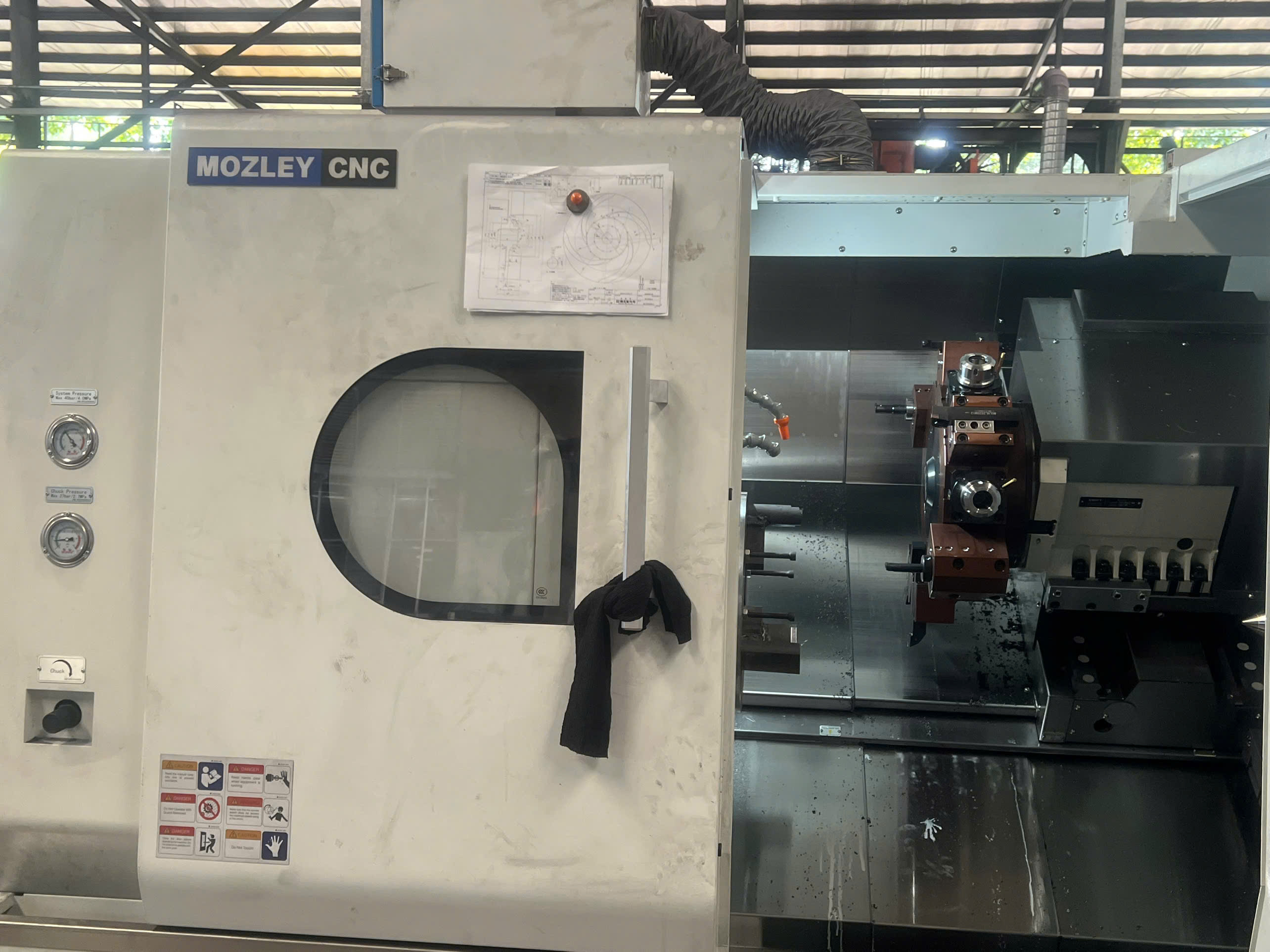
Why is machining so important?
Precision: Machining is crucial for industries such as aerospace, medical equipment, and automobiles as it can produce highly precise and strictly tolerance compliant parts.
Flexibility: Through programming and reconfiguration, CNC machining can quickly adapt to different production needs, making customization and small batch production possible.
Efficiency: Modern machining technology achieves high production efficiency and material utilization by optimizing cutting paths and speeds.
Compatibility: Machining can handle various materials, including metals, plastics, wood, etc., to meet a wide range of manufacturing needs.
Innovation: The continuous advancement of machining technology has driven innovation in design and manufacturing, allowing for the development of complex and advanced products.
Machining is one of the key technologies to achieve the goals of modern manufacturing industry. It not only provides us with the ability to produce precise and complex parts, but also provides conditions for product design and innovation.
Thank you for reading our article. If you need related products or have any questions or suggestions about our products, please don’t hesitate to contact us by sending an email, and we will reply to your email as soon as possible.
Precision Manufacturing & Sourcing Specification Matrix
| Technical Dimension | Standard Commercial Grade | High-Precision OEM Export Grade | DEWIN Verification Protocol |
|---|---|---|---|
| Machining & Forming Tolerance | ISO 2768-m (±0.10 mm nominal) | ISO 2768-f (±0.01 mm – ±0.025 mm critical bores) | Calibrated 3D CMM & Air/Pin Gauging |
| Surface Roughness & Finish | Ra 1.6 – 3.2 µm as-machined / standard coat | Ra 0.4 – 0.8 µm precision ground / MIL-A-8625 anodized | Profilometer & Coating Thickness Gauge |
| Material & Alloy Certification | Supplier Mill Test Report (MTR) | Independent OES chemical & mechanical verification | EN 10204 3.1 + RoHS/REACH Compliance |
| Batch Inspection & Packaging | ISO 2859-1 (AQL 1.0 Major / 2.5 Minor) | Zero-defect critical features + VCI export crating | Pre-Shipment Inspection (PSI) Report |
Frequently Asked Questions
What engineering files are required to quote what is machining and why is it so important? with DEWIN?
Provide 3D CAD models (STEP or IGES) along with 2D engineering drawings (PDF/DXF) specifying critical-to-quality (CTQ) tolerances, material grade, surface finish, and annual volume.
How does DEWIN verify dimensional accuracy and material compliance before shipment?
Every production lot undergoes incoming material spectrometer verification (EN 10204 3.1), First Article Inspection (FAI) via 2D/3D coordinate measuring machines (CMM), and AQL pre-shipment audits.
Can DEWIN support both low-volume prototype validation and mass production scaling in Vietnam and China?
Yes. DEWIN coordinates rapid CNC and bridge-tooling prototypes alongside high-tonnage production tooling across audited ISO 9001 and IATF 16949 partner factories in Vietnam and China.