What Are the Main Automotive Aluminum Die Casting Uses?
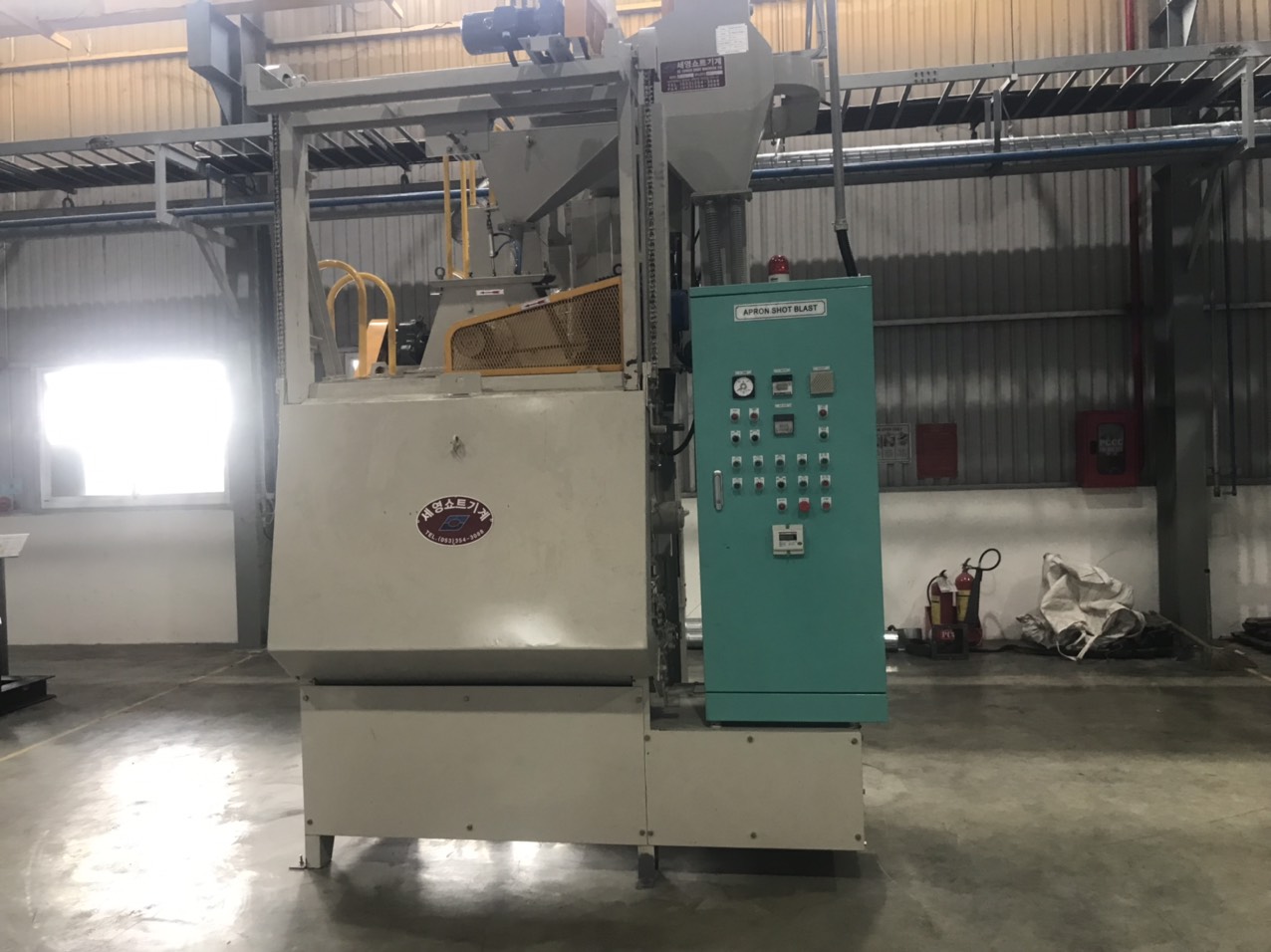
Automotive aluminum die casting is used to manufacture critical vehicle components across key systems. Molten aluminum fills mold cavities under pressure to create dense, precise structures with small machining allowances. Key applications include engine blocks, pistons, cylinder heads, transmission housings, suspension brackets, wheel hubs, frame structures, doors, and cover plates.
Key Takeaways
- Aluminum die casting reduces vehicle weight, improving fuel efficiency and lowering exhaust emissions.
- High-pressure and low-pressure casting produce dense metal structures with high mechanical properties and precise dimensions.
- Key automotive components include engine blocks, pistons, transmission housings, suspension brackets, and wheel hubs.
- Aluminum alloys offer high strength, corrosion resistance, thermal conductivity, and complete recyclability.
Die casting fills mold cavities under pressure, allowing manufacturers to achieve tight tolerances and minimal machining allowances. Depending on pressure requirements, process options generally include low-pressure casting and high-pressure casting.
- Engine components: pistons, cylinder blocks, cylinder heads, and crankshafts
- Transmission housings: protective aluminum casings surrounding the transmission
- Body structural components: vehicle frames, doors, cover plates, and roofs
- Suspension system components: suspension brackets and wheel hubs
How Does Automotive Aluminum Die Casting Improve Efficiency?
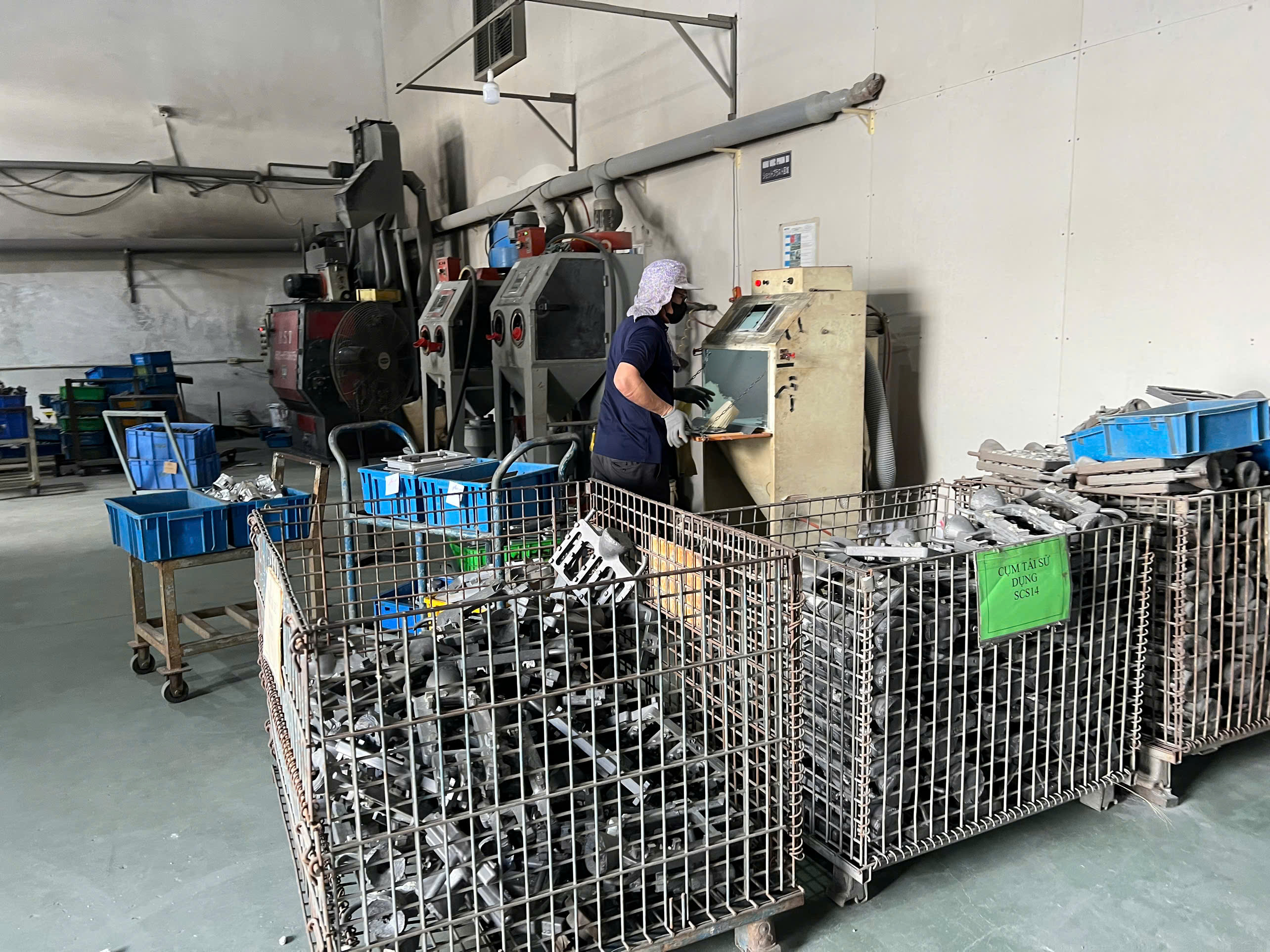
Automotive aluminum die casting lowers total vehicle weight due to the low density of aluminum alloys. Replacing heavy steel components reduces vehicle burden by 40% to 50% on parts like engine hoods. For a 1,300 kg car, a 10% weight reduction lowers fuel consumption by about 8%, saving fuel and reducing emissions.
By significantly lightening vehicle weight, automotive aluminum die casting helps automobile manufacturers meet pressure to increase fuel efficiency and reduce carbon emissions.
- Saves approximately 0.7 kg of fuel per 100 kilometers traveled on a 10% lighter vehicle
- Replaces traditional heavy steel parts to achieve 40% to 50% weight savings on hoods and doors
- Provides long-term lifecycle cost savings by reducing operational fuel and vehicle maintenance costs
Which Key Properties Make Aluminum Castings Ideal for Vehicles?
Aluminum castings provide high strength, low density, excellent thermal and electrical conductivity, and high corrosion resistance. Their heat resistance and durability make them suitable for high-temperature environments such as engines and transmissions. Furthermore, aluminum is recyclable without losing essential properties, lowering environmental impact across the vehicle lifecycle.
Choosing aluminum alloy casting components enhances material lifecycle value while protecting the environment through sustainable recycling processes.
- Resists environmental corrosion to extend overall vehicle service life
- Withstands high-temperature operating conditions in engines and transmissions
- Enables infinite recycling without loss of essential material characteristics
Precision Manufacturing & Sourcing Specification Matrix
| Technical Dimension | Standard Commercial Grade | High-Precision OEM Export Grade | DEWIN Verification Protocol |
|---|---|---|---|
| Machining & Forming Tolerance | ISO 2768-m (±0.10 mm nominal) | ISO 2768-f (±0.01 mm – ±0.025 mm critical bores) | Calibrated 3D CMM & Air/Pin Gauging |
| Surface Roughness & Finish | Ra 1.6 – 3.2 µm as-machined / standard coat | Ra 0.4 – 0.8 µm precision ground / MIL-A-8625 anodized | Profilometer & Coating Thickness Gauge |
| Material & Alloy Certification | Supplier Mill Test Report (MTR) | Independent OES chemical & mechanical verification | EN 10204 3.1 + RoHS/REACH Compliance |
| Batch Inspection & Packaging | ISO 2859-1 (AQL 1.0 Major / 2.5 Minor) | Zero-defect critical features + VCI export crating | Pre-Shipment Inspection (PSI) Report |
Frequently Asked Questions
What technical files are required to quote automotive aluminum castings?
Buyers must provide 3D CAD models in STEP or IGES format along with 2D engineering drawings in PDF or DXF format specifying critical-to-quality tolerances, material grade, surface finish, and annual volume.
How are dimensional accuracy and material compliance verified?
Production lots undergo incoming material spectrometer verification to EN 10204 3.1, First Article Inspection using 2D and 3D coordinate measuring machines (CMM), and AQL pre-shipment inspections under ISO 2859-1 standards.
Can prototype tooling scale up to mass production?
Rapid CNC and bridge-tooling prototypes can be created for validation before scaling up to high-tonnage production tooling across ISO 9001 and IATF 16949 partner manufacturing facilities.