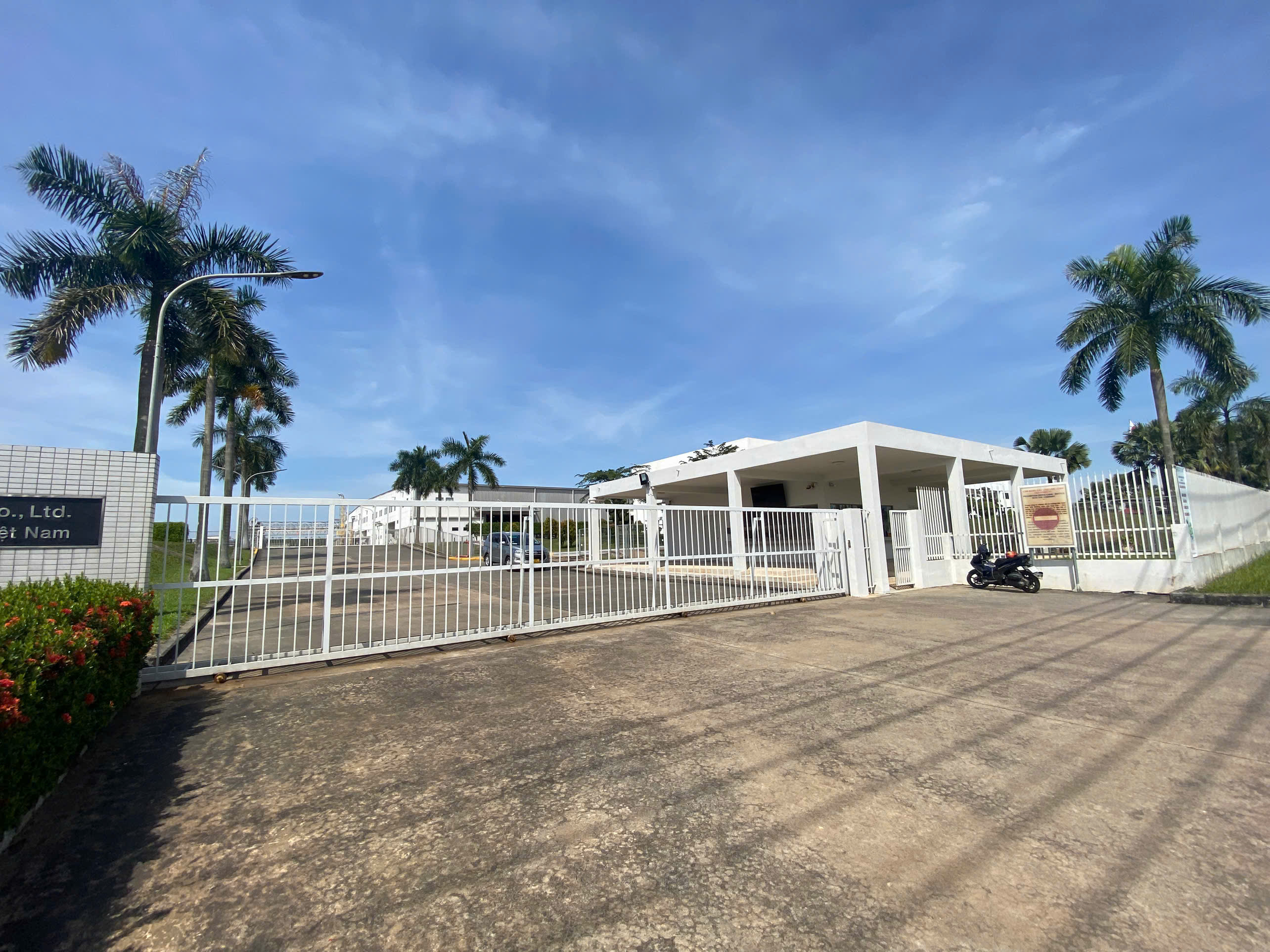

When our Vietnam office shipped its first batch of precision metal brackets to a U.S. client, we nearly missed the ISF 10+2 filing deadline 1 — and the $5,000 penalty threat got everyone’s attention fast.
The ISF 10+2 requirements for sourcing sheet metal fabrication from Vietnam are identical to those for all U.S.-bound ocean cargo imports. The importer must electronically file 10 data elements — including seller, buyer, manufacturer, HTS code, country of origin, and container stuffing location — at least 24 hours before vessel loading, while the ocean carrier provides 2 additional elements.
This guide breaks down each requirement, explains Vietnam-specific nuances, and shows you how to coordinate with your fabrication partner so every shipment clears U.S. customs 2 without delays or fines. Let’s walk through the details.
What specific ISF 10+2 data points must I collect from my Vietnamese sheet metal supplier?
A lesson we learned early on: the moment a purchase order 3 is confirmed with our Vietnam metal fabrication suppliers, our logistics team starts collecting ISF data — not after the container is packed.
You must collect 10 importer data elements for every ocean shipment, including seller and buyer details, manufacturer name and address, importer of record number, consignee number, ship-to party, country of origin, 6-digit HTS code, container stuffing location, and consolidator (stuffer) name and address.

The 10 Importer Elements at a Glance
Here is a complete list of the 10 data points CBP requires from the importer. Each one must be accurate and filed electronically before the vessel loading deadline.
| # | Data Element | What It Means | Who Provides It |
|---|---|---|---|
| 1 | Seller name and address | The party selling the sheet metal parts | Vietnamese supplier |
| 2 | Buyer name and address | The party purchasing the goods | U.S. importer |
| 3 | Importer of Record number | IRS number, EIN, SSN, or CBP-assigned number | U.S. importer |
| 4 | Consignee number | IRS number of the party receiving goods | U.S. importer |
| 5 | Manufacturer/supplier name and address | The factory that fabricated or assembled the parts | Vietnamese supplier |
| 6 | Ship-to party name and address | Final delivery address in the U.S. | U.S. importer |
| 7 | Country of origin | Where the goods were manufactured | Vietnamese supplier |
| 8 | Harmonized Tariff Schedule 4 (HTS code) | 6-digit tariff classification number | Importer or customs broker |
| 9 | Container stuffing location | Physical address where goods were loaded into the container | Vietnamese supplier or freight forwarder 5 |
| 10 | Consolidator (stuffer) name and address | Party who stuffed or arranged the container stuffing | Vietnamese supplier or freight forwarder |
The 2 Carrier Elements
The ocean carrier — not you — provides two additional data points to CBP:
- Vessel stow plan: Details about vessel name, operator, and container positions.
- Container status messages: Tracking events throughout the shipment lifecycle.
You do not file these yourself. But you should confirm your carrier is CBP-compliant. We always verify this when booking freight for our clients.
Getting the HTS Code Right for Sheet Metal
Classifying sheet metal fabrication under the Harmonized Tariff Schedule can be tricky. The exact code depends on the material, the level of fabrication, and the intended use. Most custom sheet metal brackets and housings fall under HTS Chapter 72 (iron and steel products) or Chapter 73 (articles of iron or steel). Getting the 6-digit HTS code wrong can trigger CBP scrutiny, additional duties, or shipment holds.
Our approach is straightforward. We ask the client's customs broker to confirm the HTS code before production begins. If there is any ambiguity — say, a bracket made from stainless steel with welded sub-assemblies — we request a binding ruling from CBP 6. This eliminates guesswork and protects the importer from misclassification penalties.
Country of Origin: A Hidden Trap
Country of origin sounds simple. The parts are made in Vietnam, so the origin is Vietnam. But CBP looks deeper. If your Vietnamese supplier imports raw steel coils from China and only performs cutting and bending in Vietnam, CBP may question whether a "substantial transformation 7" occurred. For sheet metal fabrication that involves laser cutting, CNC bending, welding, surface finishing, and assembly, Vietnam is typically the correct country of origin. But if the work is minimal — say, just repackaging — the origin might revert to the raw material's country.
We have seen this come up with clients moving production from China to Vietnam. Our Vietnam team audits the actual manufacturing steps to confirm that the fabrication qualifies as a substantial transformation. This protects the importer during any CBP inspection or review.
How can I ensure my ISF filing is submitted early enough to avoid costly US customs penalties?
One of our U.S. clients once received a $5,000 penalty notice because their customs broker filed the ISF just two hours after the vessel was loaded. The data was correct. The timing was not. That experience reshaped how we manage filing timelines for every project.
To avoid CBP penalties, submit your ISF filing at least 24 hours before cargo is loaded onto the vessel at the foreign port. Best practice is to collect all 10 data elements from your Vietnamese supplier 72 hours before loading, giving your customs broker a full working day buffer to file and correct any errors.

The Filing Timeline, Step by Step
Timing is everything in supply chain compliance. Below is the practical timeline we follow for sheet metal shipments from Vietnam to the U.S.
| Timeline | Action | Responsible Party |
|---|---|---|
| Production complete (T-7 days before vessel) | Supplier prepares packing list, commercial invoice 8, and ISF data sheet | Vietnamese supplier |
| T-5 days before vessel loading | Supplier sends all 10 ISF data elements to importer/broker | Vietnamese supplier |
| T-3 days before vessel loading | Customs broker reviews data, confirms HTS code, resolves discrepancies | Customs broker |
| T-2 days before vessel loading | Customs broker files ISF electronically with CBP | Customs broker |
| T-1 day before vessel loading (deadline) | CBP deadline: ISF must be on file | — |
| Vessel loading day | Cargo is laden aboard the vessel | Ocean carrier |
| 24 hours before U.S. port arrival | Final deadline for container stuffing location and consolidator info (if not available earlier) | Customs broker |
Why 72 Hours Matters More Than 24
The legal deadline is 24 hours before loading. But in practice, 24 hours is dangerously tight. Errors happen. A wrong address, a transposed digit in the importer of record number, or a missing bill of lading reference can require corrections. If your customs broker catches these issues with only hours to spare, you risk a late filing.
We tell our clients to treat the 72-hour mark as the real deadline. Our Vietnam office sends the completed ISF data package three full business days before the vessel's estimated loading date. This gives the broker time to review, query, and refile if needed. It also accounts for time zone differences between Vietnam and the United States.
Penalty Structure
CBP penalties 9 for ISF violations are not hypothetical. The standard fine starts at $5,000 per violation. Repeat offenders face escalating penalties. In severe cases, CBP can hold or even seize cargo. A customs bond 10 is required to file ISF, and if you do not have one in place, your shipment will not clear. Frequent importers should maintain a continuous customs bond rather than purchasing a single-entry bond for each shipment.
Practical Tips for Staying Ahead
- Set up automated reminders in your project management system tied to the vessel booking date.
- Require your Vietnamese supplier to include ISF data on every commercial invoice.
- Use a customs broker who specializes in ocean cargo imports and understands HTS classification for metal fabrication.
- Maintain a shared document template that your supplier fills out for every shipment.
What role does my Vietnam fabrication partner play in providing the necessary manufacturer and stuffer details?
During a recent project involving complex mounting brackets with multiple CNC bends and welded joints, our Vietnam team had to coordinate between the fabrication shop, the surface finishing subcontractor, and the freight forwarder — all to get the manufacturer and stuffer details accurate for one ISF filing.
Your Vietnam fabrication partner is responsible for providing the manufacturer name and address (the factory that performed the final fabrication), the container stuffing location (the physical warehouse or facility where goods were loaded into the container), and the consolidator's name and address. Without these three elements, your ISF filing is incomplete and non-compliant.
Why the Manufacturer Field Is Not Always Obvious
For sheet metal fabrication, the "manufacturer" in the ISF context is the party that last manufactured, assembled, produced, or grew the goods. If your Vietnamese supplier operates its own factory, this is straightforward — the manufacturer is the supplier. But in Vietnam's manufacturing landscape, subcontracting is common. A supplier might cut and bend the metal in-house but outsource powder coating or welding to another facility.
In such cases, CBP considers the entity that performed the final substantial manufacturing step as the manufacturer. Our Vietnam office manages this by mapping the full production flow for each project and identifying the correct legal entity for the ISF filing.
Container Stuffing Location and Consolidator
The container stuffing location is the physical address where the finished sheet metal parts were loaded into the shipping container. This could be the factory floor, a third-party warehouse, or a consolidation yard near the port. The consolidator (stuffer) is the party that physically performed or arranged the stuffing.
Many importers overlook these two fields. They assume the freight forwarder handles it. And often the forwarder does — but the data must still be accurate and traceable. If CBP audits the filing and the stuffing location does not match the actual loading point, it raises red flags.
How We Manage This at DEWIN
Our Vietnam team visits the factory and the stuffing location as part of the pre-shipment process. We confirm the legal entity name, the registered address, and the physical facility address. We also verify that the party listed as the consolidator is the same entity that actually packed the container. This level of quality control in documentation mirrors the quality control we apply to the parts themselves — the goal is always to get it right the first time.
We provide our U.S. clients with a standardized ISF data form that includes all three fields pre-filled by our Vietnam team. The client's customs broker can file directly from this form, reducing the risk of transcription errors and saving time.
When Multiple Factories Are Involved
Sometimes a single shipment contains parts from two or more Vietnamese metal fabrication suppliers. Each manufacturer must be listed separately in the ISF filing. The container stuffing location may differ from either factory if a third-party logistics provider consolidates the goods. In these scenarios, clear communication between all parties is critical. We act as the central coordinator to ensure every data point is accurate before the filing deadline.
How do I verify that my sheet metal shipment documentation matches my ISF 10+2 submission to prevent delays?
A trade-off we constantly weigh: speed versus accuracy. Rushing documentation to meet vessel deadlines can introduce mismatches between the ISF filing, the bill of lading, and the commercial invoice — and those mismatches cause customs clearance delays that cost far more than a missed sailing.
To verify documentation consistency, cross-check every ISF data element against the commercial invoice, packing list, and bill of lading before the filing deadline. Key fields to match include seller/buyer names, manufacturer address, HTS code, country of origin, and container stuffing location. Any discrepancy between filed ISF data and shipping documents can trigger a CBP hold or examination.
The Cross-Check Matrix
We developed a simple verification matrix that our logistics coordinators use for every shipment. It maps each ISF data element to its corresponding field on the commercial invoice, packing list, and bill of lading.
| ISF Data Element | Commercial Invoice Field | Bill of Lading Field | Packing List Field |
|---|---|---|---|
| Seller name and address | Shipper/exporter | Shipper | — |
| Buyer name and address | Consignee/buyer | Consignee | — |
| Manufacturer name and address | Factory name (if listed) | — | Factory name |
| Country of origin | Country of origin | Origin | Country of manufacture |
| HTS code (6-digit) | HS code (if listed) | — | — |
| Container stuffing location | — | Place of receipt | Loading address |
| Consolidator/stuffer | — | Freight forwarder | — |
| Ship-to party | Deliver to address | Notify party | Delivery address |
Common Mismatches and How to Fix Them
The most frequent mismatch we see is between the manufacturer name on the ISF and the shipper name on the bill of lading. In Vietnam, many fabrication shops operate under a legal entity name that differs from their trade name. The factory floor says "ABC Metal Works," but the registered company is "ABC Industrial Co., Ltd." If the ISF lists one and the bill of lading lists the other, CBP may flag the shipment.
Another common issue is the HTS code. The importer or customs broker classifies the product under one code, but the commercial invoice from the Vietnamese supplier uses a different Harmonized Tariff Schedule number based on Vietnam's export classification system. These systems are harmonized at the 6-digit level but can diverge in interpretation. Always confirm the HTS code with your U.S. customs broker, not your Vietnamese supplier.
Building a Verification Habit
We recommend a three-step verification process:
-
Pre-filing review: Before the customs broker submits the ISF, compare the ISF data form against the draft commercial invoice and booking confirmation. Look for name mismatches, address discrepancies, and HTS code differences.
-
Post-filing confirmation: After the ISF is filed, request the filing confirmation from your broker. Compare the submitted data against the final bill of lading once it is issued. If any amendments are needed, file them immediately — CBP allows amendments, but they must be made before vessel arrival.
-
Post-arrival audit: After the shipment clears customs, compare the entry summary with the ISF filing. Document any discrepancies and trace them to the root cause. Use this information to update your ISF data collection process for future shipments.
The Role of Digital Tools
More importers are using automated compliance platforms that pull data directly from purchase orders and shipping documents to pre-populate ISF filings. These tools reduce manual entry errors and flag mismatches automatically. If you are sourcing sheet metal fabrication from Vietnam on a recurring basis, investing in such a platform — or working with a customs broker who uses one — can save significant time and reduce compliance risk across your supply chain.
We also maintain a shared digital folder for each project that contains the ISF data form, commercial invoice, packing list, bill of lading, and inspection reports. For a complete overview of the documents needed for US customs clearance of sheet metal fabrication from Vietnam, having this single source of truth gives everyone — our Vietnam office, the U.S. client, and the customs broker — full visibility into every shipment.
Conclusion
Getting ISF 10+2 right when sourcing sheet metal fabrication from Vietnam comes down to early data collection, accurate documentation, and tight coordination between your supplier, logistics team, and customs broker.
Frequently Asked Questions
What specific ISF 10+2 data points must I collect from my Vietnamese sheet metal supplier?
A lesson we learned early on: the moment a purchase order 3 is confirmed with our Vietnam metal fabrication suppliers, our logistics team starts collecting ISF data — not after the container is packed.
How can I ensure my ISF filing is submitted early enough to avoid costly US customs penalties?
One of our U.S. clients once received a $5,000 penalty notice because their customs broker filed the ISF just two hours after the vessel was loaded. The data was correct. The timing was not. That experience reshaped how we manage filing timelines for every project.
What role does my Vietnam fabrication partner play in providing the necessary manufacturer and stuffer details?
During a recent project involving complex mounting brackets with multiple CNC bends and welded joints, our Vietnam team had to coordinate between the fabrication shop, the surface finishing subcontractor, and the freight forwarder — all to get the manufacturer and stuffer details accurate for one ISF filing.
Footnotes
1. Explains the Importer Security Filing (ISF) deadline and penalties. ↩︎
2. Official website for U.S. Customs and Border Protection. ↩︎
3. Defines what a purchase order is and its role in business procurement. ↩︎
4. Official source for the Harmonized Tariff Schedule of the United States. ↩︎
5. Describes the role and responsibilities of a freight forwarder in international logistics. ↩︎
6. Explains the CBP Binding Ruling Program for import classification decisions. ↩︎
7. Defines substantial transformation for determining country of origin in trade. ↩︎
8. Explains the purpose and essential elements of a commercial invoice in international trade. ↩︎
9. Details the types and amounts of penalties issued by CBP for import violations. ↩︎
10. Explains the requirement and function of a customs bond for U.S. imports. ↩︎