
Every week, our team in Singapore fields calls from U.S. purchasing managers who need custom sheet metal fabrication for defense parts—and every time, the first question is the same: “Can we even do this under ITAR?”
ITAR restrictions on sheet metal fabrication for defense parts require that all manufacturing, technical data handling, and personnel access occur within U.S. facilities by U.S. persons only, with full DDTC registration, material traceability, and strict security protocols for controlled technical information.
The penalties for getting this wrong are severe—up to $1.27 million per civil incident and 20 years in prison. This article breaks down what you must know before sourcing any defense-related sheet metal work, whether domestically or offshore.
How can I verify that my offshore sheet metal fabricator is compliant with ITAR regulations?
A few months ago, a client asked our Singapore office to help locate a fabricator in Southeast Asia for a bracket assembly. The moment we reviewed the drawing, we saw United States Munitions List 1 category markings. That changed everything.
To verify an offshore sheet metal fabricator's ITAR compliance, you must confirm they hold active DDTC registration, maintain a documented Technology Control Plan, restrict all defense article access to authorized U.S. persons, and provide evidence of AS9100D or ISO 9001:2015 certification.
Why DDTC Registration Is Non-Negotiable
The Directorate of Defense Trade Controls 2 (DDTC) registration is the first checkpoint. Any company that manufactures defense articles or furnishes defense services must register. This is mandatory even if the company never exports a single part. The annual fee is $3,000 (or $2,500 at Tier 1). Without this registration, a fabricator cannot legally touch ITAR-controlled work.
You can verify a company's registration status by requesting their registration number and cross-referencing it with DDTC records. Do not take a vendor's word for it. Ask for documentation.
What to Look for in a Technology Control Plan
A Technology Control Plan 3 (TCP) is the backbone of any ITAR compliance program. It documents how a facility controls access to controlled technical data, screens employees, and maintains records. When we audit suppliers in Vietnam and other Asian countries for our commercial clients, we look for similar quality system documentation. For ITAR work, the TCP must be far more rigorous.
Here is what a proper TCP covers:
| TCP Element | What It Must Include |
|---|---|
| Access Controls | Physical and digital restrictions on who can enter production areas and view technical data |
| Employee Screening | Verification that all personnel with access are U.S. persons (citizens or permanent residents) |
| Recordkeeping | Five-year retention of all compliance documentation, material certifications, and quality records |
| Data Handling | Secure storage and transfer protocols for CAD files, CNC programs, and engineering drawings |
| Visitor Policy | Procedures to prevent foreign national access to restricted areas |
Certifications That Matter
AS9100D 4 and ISO 9001:2015 are the certifications needed for exporting sheet metal fabrication that defense procurement teams look for. These standards demonstrate a fabricator's commitment to quality management. But certifications alone do not guarantee ITAR compliance. They are necessary, not sufficient.
In our experience sourcing custom parts for U.S. clients, we have learned that a certificate on the wall means little without a functioning quality system behind it. Ask for audit reports. Request corrective action logs. Review their nonconformance process. These details reveal whether a fabricator truly operates at defense-grade standards.
Red Flags During Verification
Watch for these warning signs:
- The fabricator cannot produce a current DDTC registration number.
- Foreign nationals have access to production floors where defense articles are made.
- Technical data is stored on servers outside the United States.
- The company lacks a written TCP or cannot explain their compliance procedures.
- Material certifications are incomplete or missing origin documentation.
If any of these issues appear, walk away. The risk is not worth it.
What protocols must I follow to securely share my defense-related drawings with an Asian supplier?
One lesson I learned early in our sourcing business: sharing a drawing file feels routine—until that file contains controlled technical data. Then it becomes a potential federal offense.
To securely share defense-related drawings with an Asian supplier, you must first obtain an export license (such as a DSP-5) from DDTC, use encrypted transfer channels, ensure no foreign national accesses the data without authorization, and maintain full audit trails of every file transmission.
Understanding What Counts as Controlled Technical Data
Under ITAR, technical data control extends far beyond finished part drawings. It includes CAD models, CNC programs, inspection reports, material specifications, process instructions, and even verbal discussions about design intent. If the information relates to a defense article on the United States Munitions List, it is controlled.
This is where many companies stumble. They assume that sending a "simple" sheet metal bracket drawing to an overseas vendor is harmless. But if that bracket is specially designed for a military aircraft component under USML Category VIII, the drawing is a controlled defense article.
The Deemed Export Trap
Here is a concept that catches many off guard: a deemed export 5. If you share ITAR-controlled technical data with a foreign national—even if that person is sitting in your U.S. office—you have made an export under the law. No physical border crossing is required.
This applies to our situation directly. When our engineers in Singapore or Vietnam review drawings for commercial projects, that process works smoothly. But for ITAR-controlled items, even showing a screen to a non-U.S. person constitutes a deemed export requiring prior authorization.
| Action | ITAR Classification | Required Authorization |
|---|---|---|
| Emailing a defense part drawing to a foreign fabricator | Export of technical data | DSP-5 export license 6 |
| Showing a CAD model to a foreign national employee in the U.S. | Deemed export | DSP-5 export license |
| Uploading defense part files to a cloud server accessible from abroad | Export of technical data | DSP-5 export license |
| Discussing defense part design specifications with a foreign engineer by phone | Export of technical data | DSP-5 export license |
| Sharing commercial (non-defense) drawings with any supplier | Not ITAR-controlled | No ITAR authorization needed |
Secure Transfer Protocols
If you have obtained proper export authorization, you still must follow strict protocols for data transfer:
- Encrypt all files before transmission. Standard email is not acceptable.
- Use approved servers. GovCloud or equivalent U.S.-based secure infrastructure is the standard.
- Log every transfer. Record who sent the file, who received it, the date, the file name, and the authorization reference.
- Limit access. The recipient should only see the data they need for their specific task.
- Destroy copies when the project ends, and document the destruction.
What This Means for Asian Sourcing
In practical terms, sharing ITAR-controlled defense drawings with any supplier in Asia—including our own teams—requires an export license. Without one, the transfer is illegal. Period. This is why most defense OEMs keep ITAR-controlled sheet metal fabrication within the United States and only source commercially classified parts from offshore suppliers.
Our role at DEWIN often involves helping clients distinguish between parts that trigger export control regulations and parts that can be freely sourced internationally. That distinction is critical and often requires legal counsel.
Can I legally source ITAR-controlled sheet metal components from countries like Vietnam or Singapore?
This is the question our team gets asked most often. We operate from Singapore with a production support office in Vietnam, so we understand why buyers hope the answer is yes.
In most cases, you cannot legally source ITAR-controlled sheet metal components from Vietnam, Singapore, or any foreign country without a specific export license from DDTC, because ITAR mandates that defense articles and their technical data remain under U.S. person control within U.S. facilities.
The Core Rule: U.S. Persons and U.S. Soil
ITAR is clear. All fabrication, engineering, and inspection of defense articles must be performed in U.S. facilities by U.S. persons. A "U.S. person" means a U.S. citizen, a lawful permanent resident, or a protected individual. Companies in Vietnam and Singapore—no matter how skilled—do not meet this requirement by default.
There are limited ITAR exemptions that apply in specific scenarios. For example, certain NATO and allied countries may have licensing exemptions for specific categories. But these exemptions are narrow. They do not create a blanket permission to offshore defense fabrication.
What About DFARS Compliance?
Defense Federal Acquisition Regulation Supplement 7 (DFARS) adds another layer. Many defense contracts include DFARS clauses that restrict sourcing to domestic or "qualifying country" suppliers. Singapore is not on the qualifying country list for most DFARS provisions. Vietnam is not either.
| Country | ITAR Export License Required? | DFARS Qualifying Country? | Practical Outcome for Defense Sheet Metal |
|---|---|---|---|
| United States | No (domestic) | Yes | Full compliance possible |
| Canada | Yes (but certain exemptions exist) | Yes | Limited ITAR exemptions for some categories |
| United Kingdom | Yes (but certain exemptions exist) | Yes | Limited ITAR exemptions for some categories |
| Australia | Yes (but certain exemptions exist) | Yes | Limited ITAR exemptions for some categories |
| Singapore | Yes | No | Cannot source ITAR-controlled parts without specific license |
| Vietnam | Yes | No | Cannot source ITAR-controlled parts without specific license |
| China | Yes (heavily restricted) | No | Effectively prohibited for defense articles |
Where DEWIN Can Help
Here is where I want to be transparent about what our team does—and what we do not do. We do not handle ITAR-controlled defense articles. Our strength is in sourcing custom sheet metal parts, brackets, housings, and fabricated components for commercial and dual-use applications.
When a U.S. client approaches us with a project, our first step is to determine whether the parts fall under USML control. If they do, we advise the client to keep that work with a DDTC-registered domestic fabricator. If the parts are commercial—meaning they are not specially designed for a military end-use listed on the USML—we can source them competitively from our vetted supplier network in Southeast Asia.
The "Specially Designed" Question
Many sheet metal parts look identical whether they go into a commercial HVAC system or a military radar housing. The legal distinction hinges on whether the part is "specially designed" for a defense application.
A standard aluminum bracket with common dimensions and tolerances? Likely commercial. That same bracket with a custom geometry engineered to fit a specific fire control system under USML Category XII? That is a defense article. The design intent and end-use determine the classification, not the material or the manufacturing process.
This is why supply chain compliance starts with proper classification. Get it wrong, and you face civil penalties of up to $1.27 million per incident, criminal fines of $1 million, and up to 20 years of imprisonment.
How do I ensure my custom defense parts meet strict quality standards while remaining ITAR compliant?
When we manage quality for our commercial clients—running PPAP documentation, conducting supplier audits, performing final inspections—the rigor is already high. For ITAR-controlled defense parts, that rigor must increase by an order of magnitude.
To ensure custom defense parts meet quality standards while remaining ITAR compliant, you must partner with DDTC-registered fabricators holding AS9100D certification, enforce full material traceability from raw stock to finished part, and maintain five-year records of all inspections and compliance documentation.
Material Traceability Is Everything
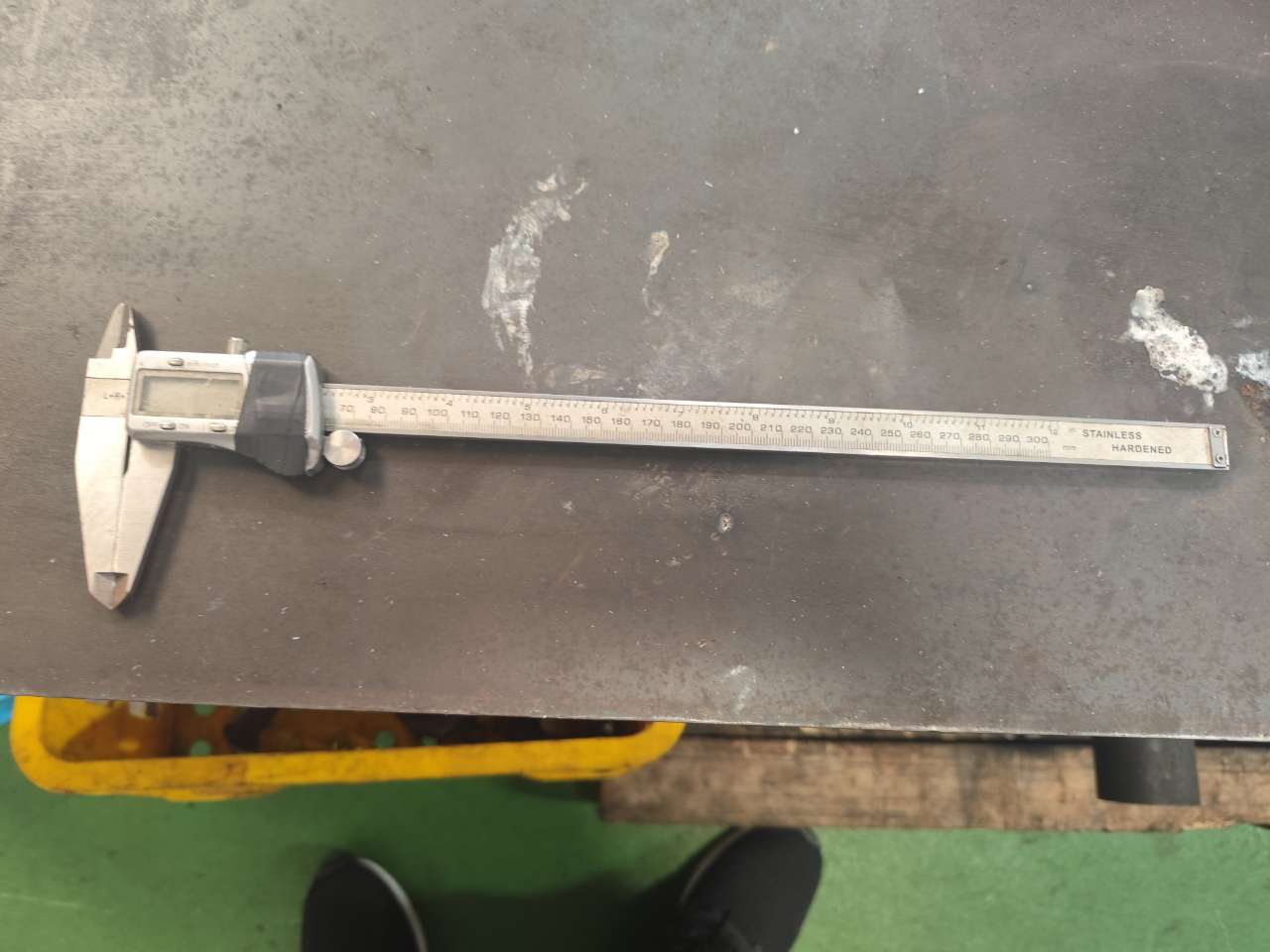
In defense sheet metal fabrication, every piece of raw material must have a documented chain of custody. Material Traceability 8 This means you need mill certifications showing the material's origin, chemical composition, and mechanical properties. You need lot numbers that trace back to the original supplier. And you need verification that the supplier is a vetted domestic partner meeting ITAR requirements.
I have seen commercial projects fail quality audits because a supplier substituted a slightly different alloy without informing the buyer. In defense work, that same substitution could result in a compliance violation on top of a quality failure.
Quality Standards for Defense Sheet Metal
The intersection of quality and ITAR compliance requires attention to several overlapping systems:
- AS9100D governs aerospace and defense quality management. It builds on ISO 9001:2015 9 and adds requirements for risk management, configuration management, and product safety.
- DFARS compliance may impose additional material sourcing and reporting requirements depending on the specific contract.
- ITAR compliance program requirements ensure that quality processes do not inadvertently expose controlled technical data to unauthorized persons.
Building an Internal Compliance Program
An effective ITAR compliance program (ICP) ties quality and regulatory compliance together. It should include:
- Designated compliance officer. One person must own the program.
- Written policies. Document every procedure for handling defense articles and technical data.
- Employee training. Regular, mandatory training across all departments—not just engineering.
- Screening procedures. Verify U.S. person status for every employee with access to controlled data.
- Audit schedule. Conduct internal audits at least annually to identify gaps.
- Corrective action process. When issues arise, document them, fix them, and prevent recurrence.
Integrating Quality and Compliance in Practice
The practical challenge is this: quality and compliance often fall under different departments, with different reporting lines. Defense contractors who succeed bring these functions together.
For example, when a final inspection reveals a dimensional nonconformance on a sheet metal bracket, the quality team documents the finding, quarantines the part, and initiates corrective action. The compliance team ensures that the inspection report—which is controlled technical data—is stored securely, shared only with U.S. persons, and retained for five years.
This integration matters at every step, from receiving raw material to shipping finished defense articles. It is not optional. It is the cost of doing business in defense manufacturing.
At DEWIN, while we handle commercial custom parts rather than ITAR-controlled items, we apply the same philosophy of integrated quality and compliance management. Our process control, PPAP documentation, and final inspections follow a structured system. For clients who need ITAR-level defense work, we recommend that same disciplined approach with their domestic fabrication partners.
Conclusion
ITAR restrictions on sheet metal fabrication for defense parts are strict, comprehensive, and carry severe penalties. Work with DDTC-registered domestic fabricators, protect controlled technical data, and maintain full traceability throughout your supply chain.
Frequently Asked Questions
What About DFARS Compliance?
Defense Federal Acquisition Regulation Supplement 7 (DFARS) adds another layer. Many defense contracts include DFARS clauses that restrict sourcing to domestic or "qualifying country" suppliers. Singapore is not on the qualifying country list for most DFARS provisions. Vietnam is not either.
How can I verify that my offshore sheet metal fabricator is compliant with ITAR regulations?
A few months ago, a client asked our Singapore office to help locate a fabricator in Southeast Asia for a bracket assembly. The moment we reviewed the drawing, we saw United States Munitions List 1 category markings. That changed everything.
What protocols must I follow to securely share my defense-related drawings with an Asian supplier?
One lesson I learned early in our sourcing business: sharing a drawing file feels routine—until that file contains controlled technical data. Then it becomes a potential federal offense.
Footnotes
1. Replaced with the official Electronic Code of Federal Regulations (eCFR) link for the United States Munitions List, which is the most authoritative source. ↩︎
2. Official U.S. Department of State body enforcing ITAR and managing defense trade. ↩︎
3. Explains TCPs as compliance frameworks for protecting defense articles and technical data under ITAR. ↩︎
4. Official standard for quality management systems in aviation, space, and defense organizations. ↩︎
5. Replaced with an authoritative academic source from Cornell Law School’s Legal Information Institute (Wex) that clearly defines ‘deemed export’ under U.S. export control law. ↩︎
6. Official guidance on the DSP-5 application for permanent export of unclassified defense articles and data. ↩︎
7. Official source for the DFARS, which supplements the FAR for Department of Defense acquisitions. ↩︎
8. Explains material traceability as a critical requirement for defense manufacturing compliance. ↩︎
9. Official international standard for quality management systems, foundational for AS9100D. ↩︎