When our Vietnam office received its first aerospace bracket inquiry last year, I realized how many buyers still underestimate the role of sheet metal fabrication in flight-critical systems.
Aerospace applications for sheet metal fabrication span fuselage panels, engine components, landing gear assemblies, avionics enclosures, fuel system ducts, and UAV structural parts—all demanding precision manufacturing with aluminum alloys, titanium alloys, and stainless steel to achieve the high strength-to-weight ratio essential for flight safety.
This article walks through the specific components you should source, the quality standards you must meet, how Vietnam fits into an aerospace supply chain, and the co-development strategies that get complex assemblies right the first time.
Which specific aerospace components should I source using custom sheet metal fabrication?
A buyer we work with in the U.S. once asked us to map every sheet metal part on a single regional jet subassembly—the list ran to over 40 unique part numbers, each with different material and tolerance demands.
You should source fuselage skin panels, wing ribs, engine exhaust shrouds, landing gear brackets, avionics housings, fuel system ducts, baffle plates, mounting shims, and UAV structural frames through custom sheet metal fabrication—each requiring specific alloys and forming processes to ensure structural integrity and weight reduction.
Structural Airframe Parts
The backbone of any aircraft is its airframe. Sheet metal forms the fuselage panels, wing skins, bulkheads, and rudder assemblies that define the aircraft's shape and carry its loads. Aluminum alloys like 7075 and 6061 1 dominate here because they resist fatigue, stay light, and machine well. Our engineering team regularly reviews drawings for these parts, and the most common issue we catch early is incorrect bend relief specification—something that can cause cracking in service.
Engine and Propulsion Components
Jet engines operate under extreme heat and pressure. Sheet metal fabrication produces exhaust pipes, turbine shrouds, heat shields, and internal mounting brackets. Stainless steel grades such as 15-5 PH 2 and carbon steel 4140 handle these conditions. Laser cutting and CNC forming allow the tight tolerances these engine components require. Even a 0.1 mm deviation on an exhaust shroud can affect airflow and engine efficiency.
Landing Gear and High-Stress Assemblies
Landing gear brackets endure enormous mechanical shock during touchdown. High-strength stainless steel and titanium alloys are the go-to materials. These parts often need multi-step forming—cut, bend, weld, then heat-treat—to reach the required hardness and corrosion resistance.
Avionics and Internal Systems
Avionics housings, electrical casings, and cable routing brackets are lower-profile but equally critical. Brass and aluminum sheet metals protect sensitive electronics from electromagnetic interference 3 and harsh environments. Fuel system ducts and support brackets also fall into this category, where airtight sealing and dimensional stability are non-negotiable.
UAVs, Drones, and Satellites
The fastest-growing segment in our order book involves UAV structural frames, drone chassis, and satellite thermal shields. These parts prioritize weight reduction above almost everything else, often using thin-wall aluminum or titanium sheet metal with complex geometries enabled by advanced forming techniques.
| Component Category | Primary Material | Key Fabrication Process | Critical Requirement |
|---|---|---|---|
| Fuselage panels | Aluminum 7075 / 6061 | Stretch forming, laser cutting | Fatigue resistance, weight reduction |
| Engine exhaust shrouds | Stainless steel 15-5 PH | CNC forming, TIG welding | High-temperature integrity |
| Landing gear brackets | Titanium / stainless steel | Multi-step forming, heat treatment | Impact resistance, corrosion resistance |
| Avionics housings | Aluminum / brass | Press brake bending, CNC machining | EMI shielding, dimensional accuracy |
| UAV structural frames | Thin-wall aluminum / titanium | Laser cutting, fluid cell forming | Ultra-light, high strength-to-weight ratio 4 |
| Fuel system ducts | Stainless steel / aluminum | Roll forming, welding | Airtight sealing, corrosion resistance |
How do I ensure my sheet metal parts meet the strict quality and material standards required for aerospace?
The lesson that reshaped our entire QC approach came from a single rejected lot of mounting brackets—every part measured within print tolerance, but the raw material certificate showed the wrong heat lot, and the entire shipment had to be scrapped.
To meet aerospace quality and material standards, you must verify supplier certifications (AS9100, NADCAP), enforce full material traceability with mill certificates, implement PPAP and First Article Inspection processes, define critical-to-quality dimensions on every drawing, and conduct in-process and final inspections aligned with regulatory compliance requirements.

Certifications That Matter
Aerospace is not an industry where you can "inspect quality in." It must be built in from the start. The two certifications buyers ask about most are AS9100 and NADCAP 5. AS9100 covers the quality management system for the entire aerospace supply chain. NADCAP goes further—it accredits specific special processes like welding, heat treatment, and non-destructive testing. If your supplier lacks these, you are taking on risk that most U.S. aerospace OEMs will not accept.
Material Traceability and Integrity
Every sheet of aluminum, titanium, or stainless steel entering the fabrication process must come with a mill test certificate 6 that traces it back to its specific melt or heat lot. This is not optional. In our workflow, we verify the certificate against the purchase order before any cutting begins. We also confirm that the material meets the correct AMS or ASTM specification. This step alone prevents a significant percentage of quality escapes.
PPAP and First Article Inspection
Production Part Approval Process (PPAP) 7 is standard in automotive but increasingly expected in aerospace supply chains. It documents the entire production process—from raw material through final inspection—before full production begins. First Article Inspection (FAI) reports, typically following AS9102 format, verify that the first production part meets every dimension, note, and specification on the drawing.
In-Process and Final Inspection
Precision manufacturing in aerospace means checking parts at multiple stages—not just at the end. We recommend inspection gates after cutting, after forming, after welding, and after surface treatment. This approach catches defects early, reduces scrap, and supports the "right first time" goal that matters most to buyers managing tight delivery schedules.
| Quality Step | Purpose | Standard / Format | When Applied |
|---|---|---|---|
| Supplier audit | Verify capability, certifications, facility | AS9100, NADCAP | Before qualification |
| Material traceability | Confirm alloy, heat lot, specification | AMS / ASTM with mill cert | Raw material receipt |
| PPAP submission | Document and approve full production process | PPAP Level 3 or higher | Pre-production |
| First Article Inspection | Verify first part meets all drawing specs | AS9102 FAI report | First production run |
| In-process inspection | Catch defects at each fabrication stage | Control plan, SPC | During production |
| Final inspection | Confirm all dimensions, finishes, markings | Customer-specific AQL | Before shipment |
Balancing Cost and Precision
One challenge I see repeatedly is buyers who want aerospace-grade quality at commodity pricing. The reality is that regulatory compliance, traceability, and multi-stage inspection add cost. But they also prevent the far greater cost of a field failure or a product recall. The key is to define which dimensions are truly critical to quality and focus inspection resources there, rather than measuring every feature to the same tight tolerance.
Can I find a reliable aerospace sheet metal supplier in Vietnam to help diversify my supply chain?
Three years ago, when we set up our seven-person office in Vietnam, the question I heard most from U.S. purchasing managers was simple: "Can Vietnamese shops actually handle aerospace tolerances?"
Yes, Vietnam now hosts a growing number of sheet metal fabricators capable of aerospace-grade work. By partnering with a sourcing team that has local presence—like our Vietnam office—you gain access to supplier audits, process verification, and on-site QC that mitigate the risks of qualifying new suppliers in an emerging manufacturing market.
Why Vietnam Is Gaining Traction
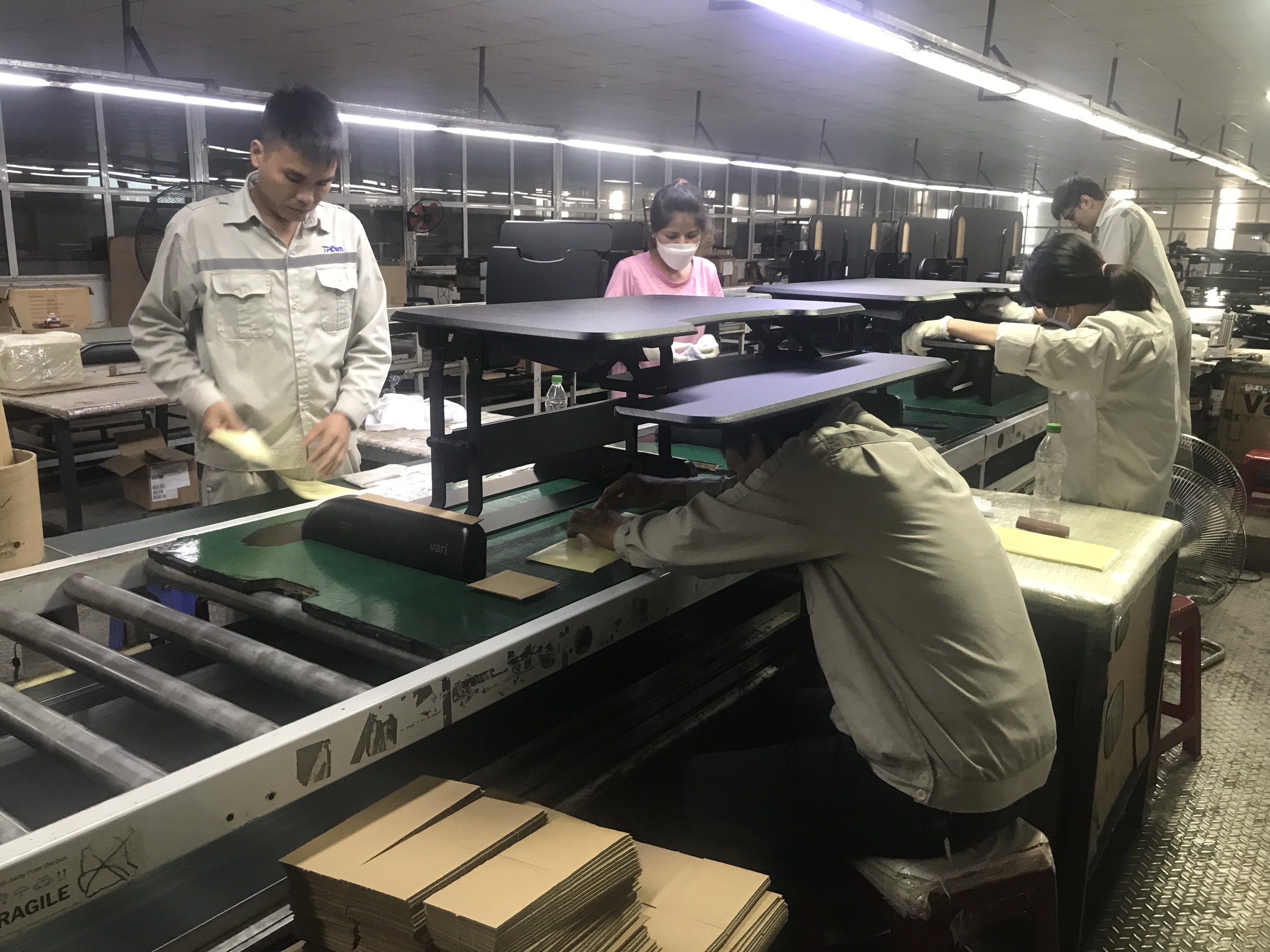
Vietnam's manufacturing sector has matured significantly. Several factors make it attractive for aerospace sheet metal sourcing. Labor costs remain competitive. The government has invested heavily in industrial zones with modern infrastructure. And importantly, many Vietnamese fabricators have already earned ISO certifications and are pursuing AS9100 qualification to serve the aerospace and defense sectors.
For buyers looking to diversify away from a single-country supply chain, Vietnam offers a practical alternative. The country's geographic position supports efficient shipping to both U.S. West Coast ports and European markets.
What to Look for in a Vietnamese Supplier
Not every shop in Vietnam is ready for aerospace work. Here is what I evaluate during supplier audits:
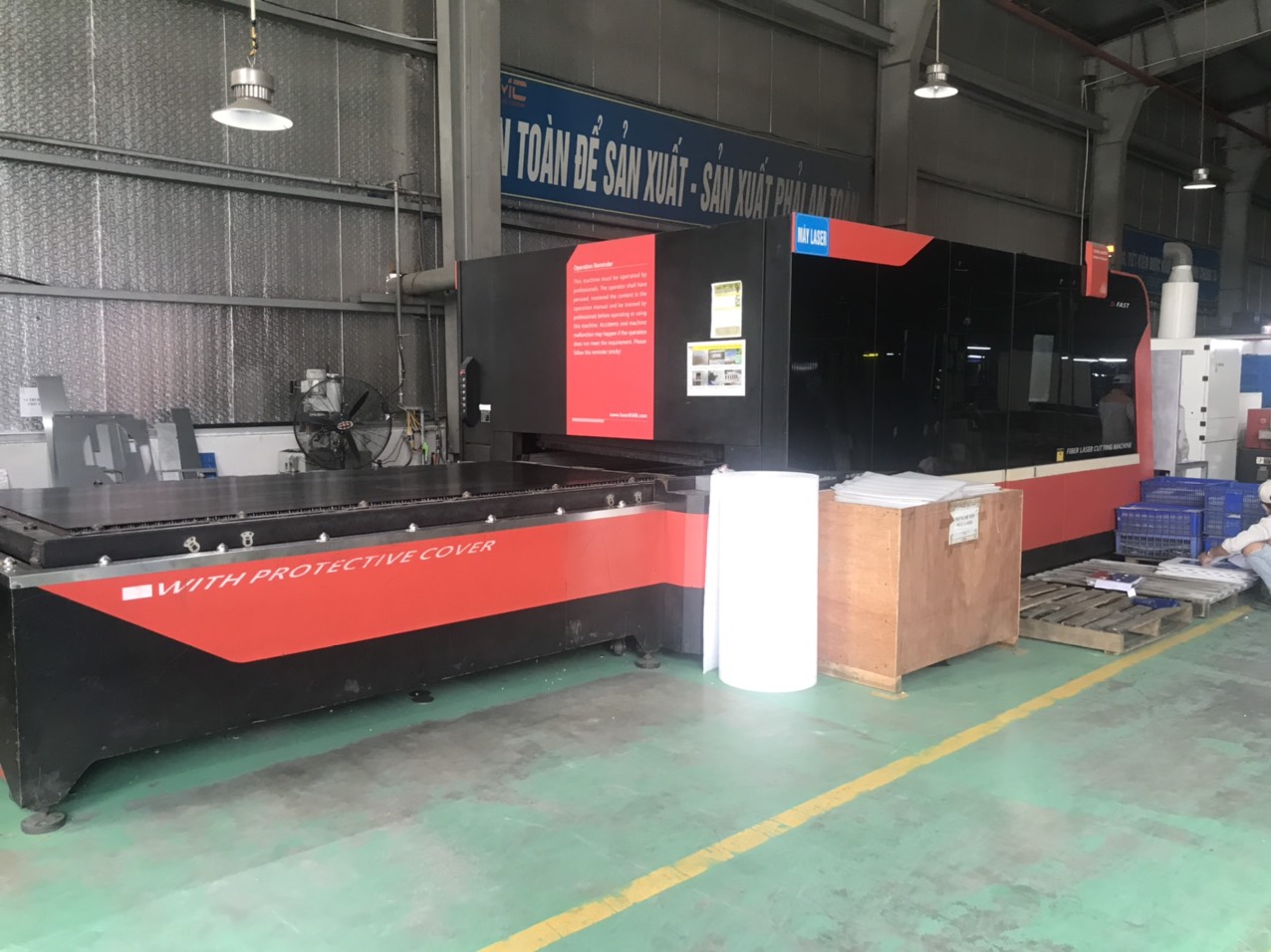
- Equipment vintage and capability: Do they have modern CNC press brakes, fiber laser cutters, and TIG welding stations? Old equipment struggles to hold the tight tolerances aerospace demands.
- Material sourcing: Can they procure certified aerospace-grade aluminum alloys and titanium alloys with full traceability? Or do they rely on local distributors without proper documentation?
- Workforce skill: Aerospace forming—especially stretch forming and fluid cell forming—requires trained operators. I look for shops that invest in operator certification and ongoing training.
- Quality system maturity: Beyond the certificate on the wall, does the shop actually follow its documented processes? This is where on-site audits reveal the truth.
The Role of a Local Team
Having our own team on the ground in Vietnam changes the dynamic entirely. We conduct unannounced audits, witness first article runs, and manage in-process inspections directly. This is the gap most U.S. buyers cannot fill remotely. A sourcing partner with local staff eliminates the "black box" effect, where you send a drawing overseas and hope for the best.
| Evaluation Criterion | What to Check | Red Flag |
|---|---|---|
| CNC equipment | Laser cutting accuracy, press brake tonnage | Reliance on manual processes for precision parts |
| Material certificates | Mill certs matching AMS/ASTM specs | No traceability or generic certificates |
| Welding capability | TIG/laser welding with qualified operators | No welder qualification records |
| Quality management | Documented procedures, calibrated gauges | Certificates exist but processes not followed |
| Export experience | Packing, logistics, customs documentation | No prior shipments to U.S. or EU |
| Capacity and lead time | Current workload, realistic scheduling | Overpromising delivery dates consistently |
Managing the Transition
Qualifying a new supplier in Vietnam does take time. I recommend starting with lower-risk components—brackets, shims, mounting plates—before moving to flight-critical parts. Run a PPAP on the first project. Review the FAI report in detail. Then scale up gradually. This phased approach protects your program schedule while building confidence in the supplier's capability.
What are the most effective ways for me to manage the co-development and QC of complex aerospace sheet metal assemblies?
During a recent project involving a multi-part avionics rack assembly, we discovered that the biggest delays came not from fabrication, but from unclear revision control between the buyer's engineering team and the supplier's shop floor.
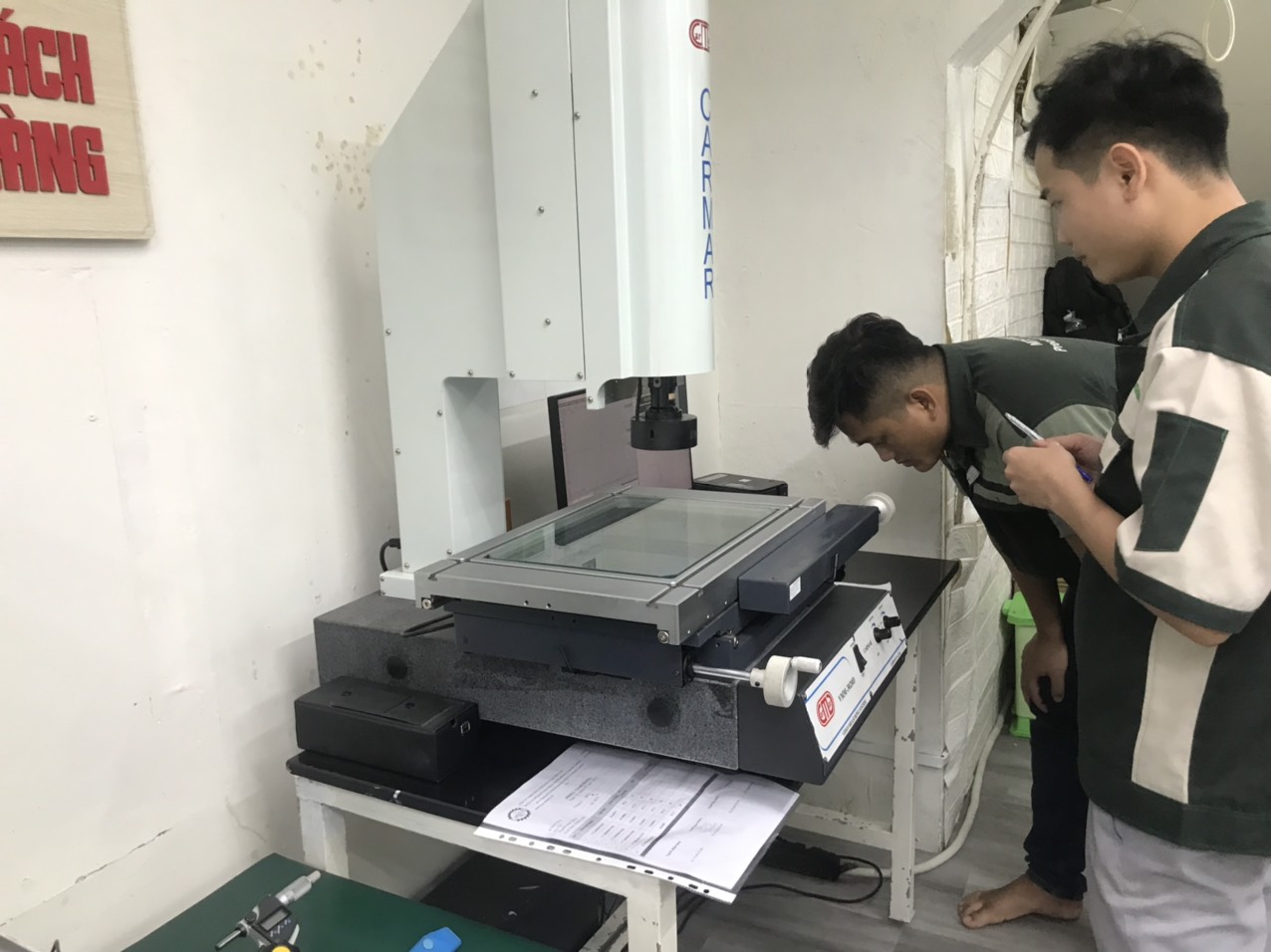
The most effective co-development approach combines early design-for-manufacturability reviews, shared digital revision control, defined PPAP milestones, staged in-process inspections, and a dedicated project coordinator who bridges the gap between your engineering team and the fabricator—ensuring every sheet metal assembly meets specification right the first time.
Start with Design-for-Manufacturability
The single highest-impact step in any aerospace sheet metal project happens before cutting begins. A design-for-manufacturability (DFM) review 8 lets the fabricator flag issues like unrealistic bend radii, unnecessary tight tolerances on non-critical features, or material selections that complicate forming. In our process, we submit a formal DFM report within five business days of receiving a new drawing package. This report identifies potential problems and proposes alternatives that maintain structural integrity while reducing cost and lead time.
Revision Control Saves Programs
Aerospace assemblies often go through multiple engineering changes. If the shop floor is working from Rev B while engineering has moved to Rev D, the result is scrap, rework, and missed deliveries. We use a shared document control system where every revision is time-stamped, acknowledged by both sides, and locked before production starts. This sounds basic, but it is the root cause of more quality failures than most buyers realize.
Staged QC for Multi-Part Assemblies
Complex assemblies—like a bracket-and-housing combination with welded subcomponents—need inspection at each stage of integration. Here is a typical QC sequence we follow:
- Raw material verification: Check mill certs and incoming material dimensions.
- Post-cutting inspection: Verify blank dimensions and hole locations after laser cutting.
- Post-forming inspection: Measure bend angles, flange heights, and flatness.
- Post-welding inspection: Check weld quality, distortion, and critical dimensions.
- Final assembly inspection: Verify fit, finish, hardware torque, and overall assembly dimensions.
- Packaging audit: Confirm parts are protected against damage during transit.
This staged approach aligns with the "right first time" principle. Catching a 0.5 mm error after cutting is far cheaper than discovering it after welding and surface treatment.
Communication Cadence
For complex projects, I recommend weekly status calls between the buyer's engineering or purchasing team and the supplier's project manager. These calls cover production progress, open issues, upcoming milestones, and any drawing clarifications. In our experience exporting to the U.S., these structured check-ins reduce surprises and keep delivery schedules on track.
Leveraging Technology
Advanced fabricators now use coordinate measuring machines (CMMs) 9, 3D scanning, and even real-time IoT monitoring on critical forming equipment. These tools support the Industry 4.0 shift toward data-driven quality control. For aerospace buyers, this means you can request digital inspection reports with full measurement data—not just pass/fail results—giving you confidence in the process control behind every part.
Topology optimization software also plays a growing role. It helps engineers design sheet metal components with organic geometries that maximize the high strength-to-weight ratio while minimizing material use. When combined with fluid cell forming or hydroforming, these optimized designs can be produced in sheet metal rather than machined from solid billets, saving both weight and cost.
Conclusion
Aerospace sheet metal fabrication demands the right materials, tight process control, and a supply chain partner who understands both engineering and logistics—whether you source from established markets or emerging ones like Vietnam. To understand how material choices differ across key industries and applications for sheet metal fabrication, or to explore how stainless steel, aluminum alloy, and carbon steel compare in sheet metal fabrication, review our detailed guides.
Frequently Asked Questions
Which specific aerospace components should I source using custom sheet metal fabrication?
A buyer we work with in the U.S. once asked us to map every sheet metal part on a single regional jet subassembly—the list ran to over 40 unique part numbers, each with different material and tolerance demands.
How do I ensure my sheet metal parts meet the strict quality and material standards required for aerospace?
The lesson that reshaped our entire QC approach came from a single rejected lot of mounting brackets—every part measured within print tolerance, but the raw material certificate showed the wrong heat lot, and the entire shipment had to be scrapped.
Can I find a reliable aerospace sheet metal supplier in Vietnam to help diversify my supply chain?
Three years ago, when we set up our seven-person office in Vietnam, the question I heard most from U.S. purchasing managers was simple: "Can Vietnamese shops actually handle aerospace tolerances?"
Footnotes
1. Compares 6061 and 7075 aluminum alloys, highlighting their use in aerospace. ↩︎
2. Details 15-5 PH stainless steel properties and its common aerospace applications. ↩︎
3. Found a working, relevant replacement URL explaining EMI shielding in aerospace applications. ↩︎
4. Explains the importance of strength-to-weight ratio in aerospace engineering. ↩︎
5. Found a working replacement URL on the original domain that directly compares AS9100 and NADCAP. ↩︎
6. Found a working, comprehensive replacement URL explaining mill test certificates and their importance. ↩︎
7. Details the crucial role of PPAP in quality assurance and risk mitigation within the aerospace industry. ↩︎
8. Explains DFM as a systematic approach to optimize product design for efficient, cost-effective manufacturing. ↩︎
9. Describes CMM inspection services for high-precision dimensional analysis in industries like aerospace. ↩︎