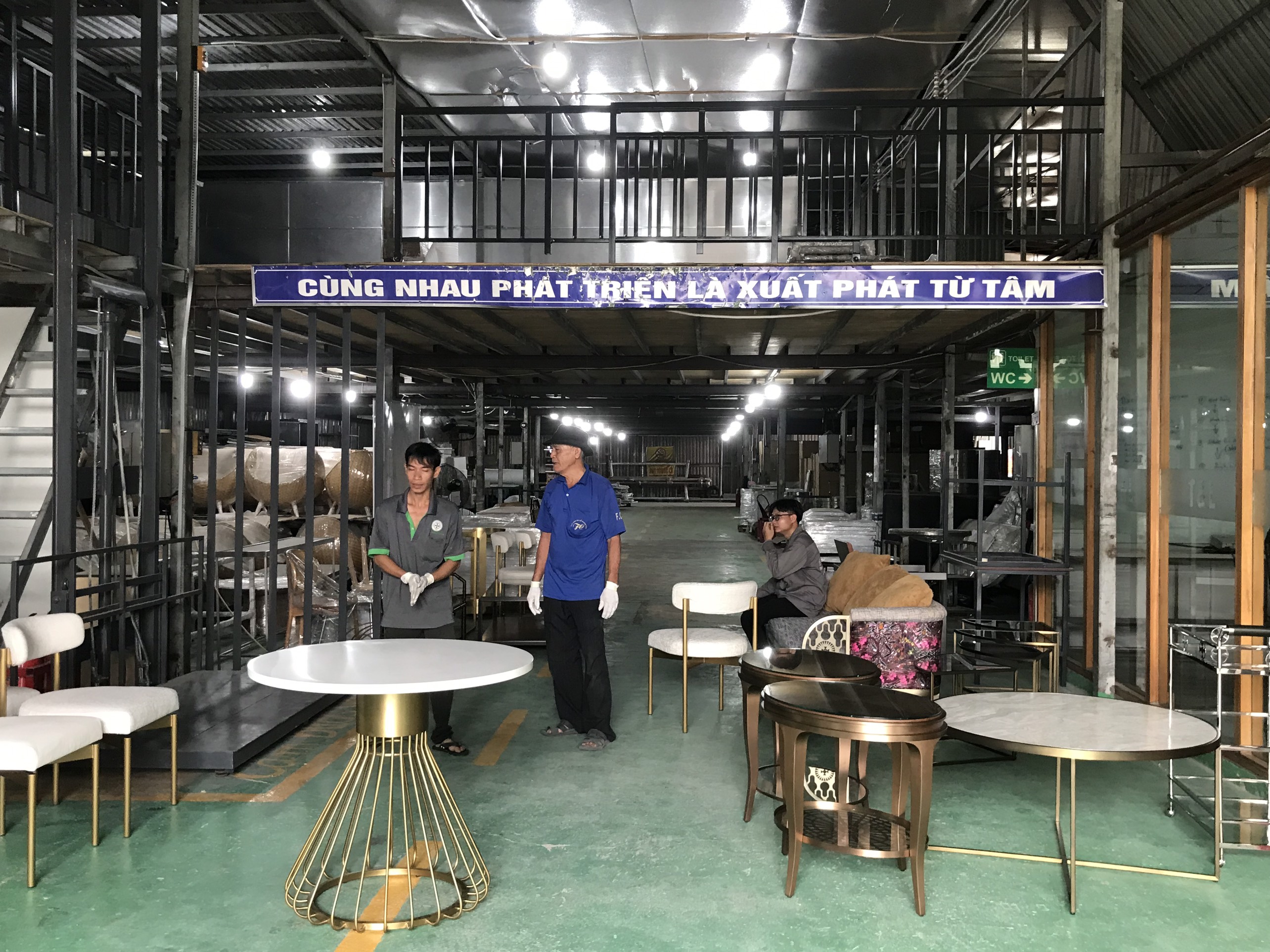

Selecting welding parts suppliers can make or break your project timeline and budget—a lesson our team learned firsthand after managing hundreds of custom metal fabrication orders across Asia.
Contract manufacturers should prioritize technical expertise, robust quality control systems, scalable manufacturing capabilities, transparent cost optimization, and long-term partnership alignment when selecting welding parts suppliers. These factors minimize rework, reduce lead times, ensure on-time delivery, and protect total cost of ownership across the supply chain.
Each of these priorities deserves a closer look. Below, I break down the specific questions buyers should ask and the red flags to watch for at every stage of the supplier evaluation process.
How can I evaluate if a welding parts supplier has the technical expertise to meet my specific drawing requirements?
A buyer once sent us a set of drawings with 27 unique weld callouts and three different base materials. The previous supplier had missed half of them. That experience taught me exactly what to look for when evaluating technical expertise.
Evaluate a welding parts supplier's technical expertise by reviewing their welder qualification records, equipment list, process certifications, and past project portfolios. Request sample parts or trial runs on your exact drawings and verify their ability to interpret GD&T, weld symbols, and material specifications accurately.

Why Drawing Interpretation Is the First Test
The most common failure I see is not a lack of welding skill—it is a lack of drawing comprehension. Many suppliers can weld cleanly. Fewer can read a complex engineering drawing and catch every tolerance, surface finish, and weld specification before production starts. When we onboard a new supplier in Vietnam, the first thing our engineers do is sit down with the supplier's team and walk through the drawing together. We ask them to mark up every weld joint, identify the welding procedures required, and flag any ambiguity. If a supplier cannot do this confidently, we move on.
Equipment and Process Capability
Technical expertise is also about having the right tools. A supplier may have skilled welders, but without proper equipment—robotic welders for repeatable high-volume runs, TIG setups for thin-gauge stainless steel, or plasma cutting tables for complex profiles—they will struggle with precision work. Here is a quick comparison of common welding processes and what to look for:
| Welding Process | Best For | Key Equipment to Verify | Typical Tolerance |
|---|---|---|---|
| MIG (GMAW) 1 | Structural steel, high-volume runs | Wire feeders, robotic arms | ±1.0 mm |
| TIG (GTAW) 2 | Thin materials, aluminum, stainless | Argon gas systems, foot pedals | ±0.5 mm |
| Plasma Arc | Thick plate cutting and joining | CNC plasma tables | ±0.8 mm |
| Laser Welding | Micro-joints, precision assemblies | Fiber laser systems | ±0.1 mm |
Welder Qualification and Workforce Depth
Industry certifications matter, but so does the depth of the workforce. Ask how many certified welders the supplier employs. Ask about their welder qualification program—do they test welders annually? Do they train new hires on your specific alloy or joint type? A supplier with three qualified welders is one sick day away from a missed deadline. We look for shops where at least 60% of the floor team holds current certifications relevant to our clients' work.
Prototyping and Design for Manufacturability
A strong supplier does not just follow drawings—they improve them. When we receive a new project, our team reviews the design for manufacturability 3 before quoting. We flag potential issues: joints that are hard to access, material choices that increase distortion, or tolerances that add unnecessary cost. This kind of proactive engineering support separates a commodity supplier from a true technical partner.
What quality control processes should I demand to ensure my custom parts are right the first time?
The most expensive part is the one you make twice. I learned this early on, when a batch of 400 welded mounting brackets shipped to a U.S. client with a 2-degree angular deviation on a critical bend. The root cause? No in-process check after the welding step distorted the base plate. That single miss cost weeks and thousands of dollars.
Demand a documented quality control system that includes incoming material inspection, in-process dimensional checks at every critical operation, final inspection against your drawing, and full traceability. Certifications like ISO 9001 set the baseline, but the real test is whether the supplier follows written procedures on the shop floor every day.

The "Right First Time" Framework
Getting it right the first time is not luck. It is a system. Here is the quality control sequence we require from every welding supplier we work with:
| Stage | What to Check | Tools / Methods | Who Is Responsible |
|---|---|---|---|
| Incoming Material | Mill certs, material grade, dimensions | Spectrometer, calipers, CMM | QC Inspector |
| Pre-Weld Setup | Fixture alignment, tack weld positions | Go/no-go gauges, laser level | Welding Supervisor |
| In-Process Welding | Weld bead profile, heat input, distortion | Visual inspection, weld gauges | Welder + QC |
| Post-Weld | Dimensional accuracy, weld integrity | CMM, UT or dye penetrant testing | QC Inspector |
| Final Inspection | Full dimensional report, surface finish, packaging | CMM, surface roughness tester | QC Manager |
Each stage must produce a record. If the supplier cannot show you inspection data from the last production run, they are not running a real quality control system—they are just checking the final box.
Certifications: Necessary but Not Sufficient
ISO 9001 5 is a starting point. It tells you the supplier has a quality management system. But it does not tell you how well they execute it. When we audit suppliers, we look beyond the certificate on the wall. We review corrective action logs. We ask how they handle non-conformances. We check if their calibration records are current. Safety compliance and equipment maintenance logs also reveal how seriously a shop takes its processes. A well-maintained welding machine produces consistent welds. A neglected one drifts.
For specialized industries, additional certifications matter. AWS D1.1 for structural steel welding. AS9100 for aerospace. IATF 16949 6 for automotive. If your end-use application demands it, the supplier must hold it—or be willing to pursue it.
PPAP and First Article Inspection
For custom parts with tight tolerances, I always recommend a Production Part Approval Process (PPAP) 7. This is standard in automotive, but it works for any precision welding project. The supplier produces a small batch, measures every dimension, and submits a report before full production begins. This catches problems before they become expensive. Our team manages PPAP on behalf of U.S. clients, and it has prevented countless quality escapes over the years.
Material Sourcing and Traceability
Quality starts with material. If the supplier buys steel from an unknown source, you have no guarantee of chemistry or mechanical properties. We require mill certificates for every heat of material and verify them against the drawing specification. Full traceability—from raw material lot number to finished part serial number—is non-negotiable for any project where failure is not an option.
How do I find a reliable welding partner in Vietnam to help me diversify my supply chain?
Three years ago, we opened our Vietnam office specifically because U.S. clients kept asking the same question: "Where can I source outside of China without sacrificing quality?" The answer was not obvious then, and it still requires careful navigation today.
Find a reliable welding partner in Vietnam by working with a sourcing partner who has a local team on the ground, conducts regular supplier audits, manages process control in-country, and handles logistics door-to-door. Vietnam offers competitive labor costs and growing manufacturing capabilities, but success depends on having experienced oversight at the factory level.
Why Vietnam Is on Every Buyer's Shortlist
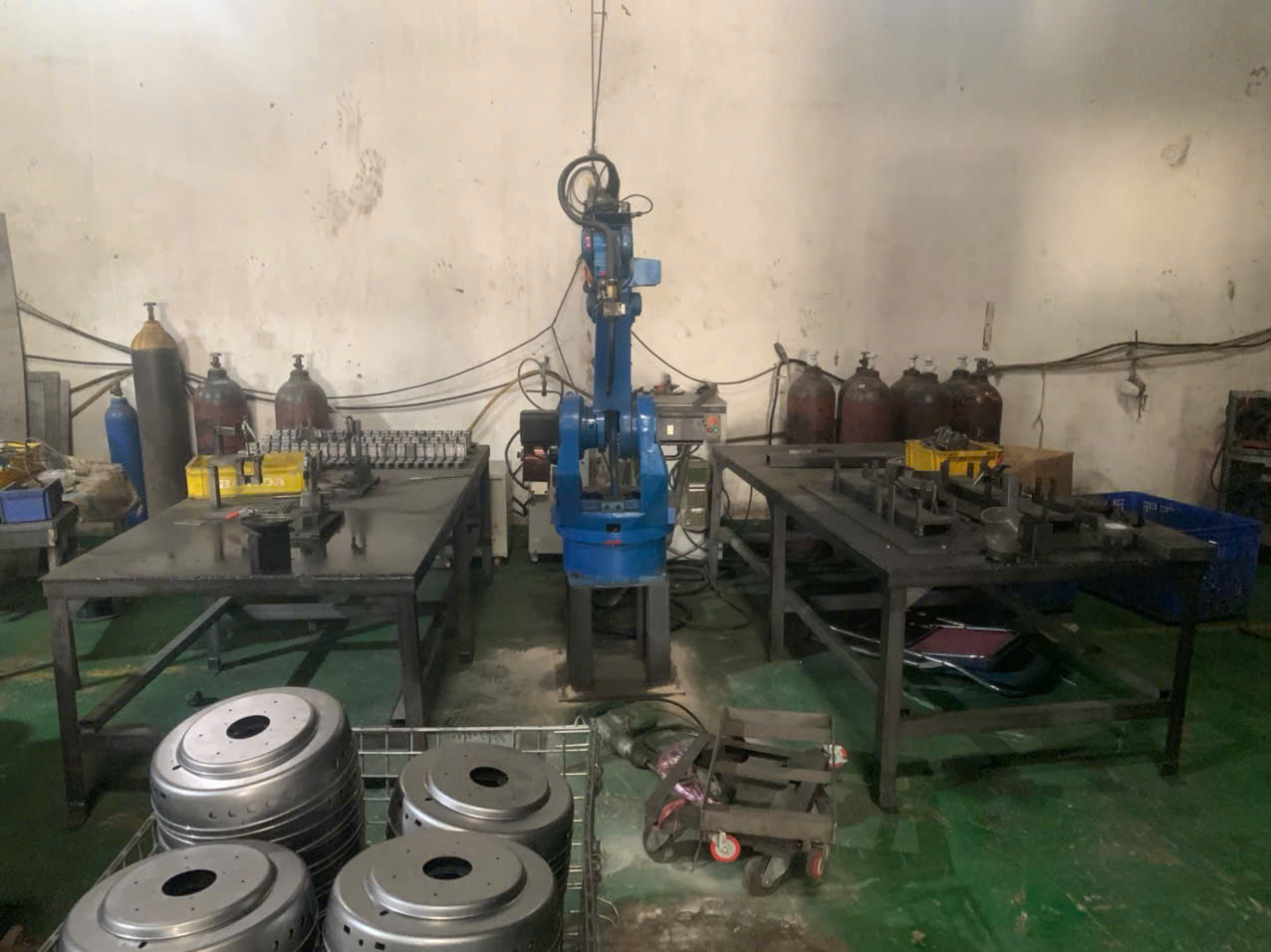
The metal contract manufacturing market is projected to grow from $168.4 billion in 2025 to $298.7 billion by 2034, at a 6.6% CAGR. Much of that growth is being driven by supply chain diversification 8 out of China. Vietnam benefits from favorable trade agreements, lower labor costs, and a young, trainable workforce. But the welding industry in Vietnam is still maturing. Not every shop has the same level of process discipline you would find in a Tier 1 Chinese factory. That gap is exactly where hands-on management makes the difference.
What to Look for in a Vietnam-Based Welding Supplier
Here are the key evaluation criteria we use when qualifying welding shops in Vietnam:
| Criteria | What We Look For | Red Flags |
|---|---|---|
| Facility Size | Adequate floor space for your order volume | Overcrowded floor, shared lines |
| Equipment Age | Well-maintained, modern welding machines | Outdated equipment, no maintenance logs |
| Workforce | Certified welders, low turnover | High turnover, no training program |
| Quality System | ISO 9001 or working toward it | No written procedures, no inspection tools |
| English Capability | At least one English-speaking project manager | All communication through translators only |
| Export Experience | Prior shipments to U.S. or Europe | Domestic-only customer base |
The Role of a Local Team
One of the biggest risks in sourcing from Vietnam is the communication gap. Our seven-person team in Vietnam visits supplier facilities regularly. They attend production kickoff meetings, witness first article inspections, and manage final inspection before shipment. This is not a luxury—it is a necessity. Without local eyes, problems that could be caught in minutes go undetected for weeks.
Lead times from Vietnam to the U.S. West Coast typically run 25–35 days by sea. This means any rework adds two months or more to your timeline. Getting it right before the container ships is critical. That is why our process control approach focuses heavily on prevention, not detection.
Balancing Cost and Capability
Vietnam offers real cost advantages, but not on every part type. Simple structural weldments with standard materials—carbon steel, mild aluminum—are a strong fit. Highly complex assemblies requiring exotic alloys or ultra-tight tolerances may still be better sourced from more mature manufacturing regions. The key is matching the part to the supplier's sweet spot. We help clients make that decision early, before any tooling investment is made.
Can I get open account payment terms from my supplier to help manage my project's cash flow?
During a recent conversation with a purchasing manager in Texas, he put it bluntly: "Every dollar tied up in deposits is a dollar I can't use to win new business." Cash flow pressure is real, and payment terms are often the deciding factor between two otherwise equal suppliers.
Yes, some suppliers offer open account payment terms—typically net 30 to net 90 days—to qualified buyers. This allows you to receive goods before payment is due, freeing up working capital for other projects. Not all suppliers can afford to extend credit, so this capability signals financial stability and a commitment to long-term partnership.

Why Payment Terms Matter More Than Unit Price
Many buyers fixate on the per-piece price. But the timing of payment affects your total project economics just as much. If you must pay 50% upfront and 50% before shipment, your cash is locked up for the entire production cycle—often 6 to 10 weeks. With open account terms, you receive the goods, inspect them, and pay 60 or 90 days later. That difference can fund your next project's material purchase or cover unexpected expenses.
What Open Account Terms Look Like in Practice
Here is a comparison of common payment structures in the contract manufacturing space:
| Payment Structure | Cash Flow Impact | Risk to Buyer | Risk to Supplier | Typical Availability |
|---|---|---|---|---|
| 100% T/T in Advance | Maximum cash lock-up | High (no leverage if quality fails) | Low | Common with new suppliers |
| 50/50 (Deposit + Balance) | Moderate lock-up | Moderate | Low | Industry standard |
| Net 30 Open Account | Minimal lock-up | Low | Moderate | Select suppliers only |
| Net 60–90 Open Account | Minimal lock-up | Low | Higher | Rare; requires trust |
We offer open account terms—typically net 60 to net 90—to established clients. This is unusual in Asian sourcing, where most factories require upfront deposits. We can do it because our Singapore-based operation has the financial stability to carry receivables, and because we view payment flexibility as a competitive advantage, not a risk.
How to Qualify for Open Account Terms
Not every buyer qualifies on day one. Here is the typical path:
- First order: Standard deposit-plus-balance terms. This lets both sides build trust.
- Second or third order: If the relationship is strong and payment history is clean, we discuss transitioning to open account.
- Ongoing orders: Net 60 or net 90 terms, with clear credit limits and invoicing schedules.
The goal is a partnership where neither side feels squeezed. When buyers are not stressed about cash flow, they make better decisions. They invest in proper tooling. They approve first articles thoroughly instead of rushing. And they place repeat orders—because the relationship works.
Cost Optimization Beyond the Purchase Order
Open account terms are one piece of the cost optimization puzzle. Others include consolidating shipments to reduce freight costs, standardizing materials across part families to get better pricing from steel mills, and working with your supplier on design changes that reduce welding time without compromising strength. These conversations only happen when the relationship is built on trust and long-term alignment—not transactional, order-by-order haggling.
Conclusion
Selecting welding parts suppliers is a high-stakes decision. Prioritize technical expertise, rigorous quality control, reliable regional partners, and flexible payment terms—and you will build a supply chain that delivers right the first time, every time.
Frequently Asked Questions
How can I evaluate if a welding parts supplier has the technical expertise to meet my specific drawing requirements?
A buyer once sent us a set of drawings with 27 unique weld callouts and three different base materials. The previous supplier had missed half of them. That experience taught me exactly what to look for when evaluating technical expertise.
What quality control processes should I demand to ensure my custom parts are right the first time?
The most expensive part is the one you make twice. I learned this early on, when a batch of 400 welded mounting brackets shipped to a U.S. client with a 2-degree angular deviation on a critical bend. The root cause? No in-process check after the welding step distorted the base plate. That single miss cost weeks and thousands of dollars.
How do I find a reliable welding partner in Vietnam to help me diversify my supply chain?
Three years ago, we opened our Vietnam office specifically because U.S. clients kept asking the same question: "Where can I source outside of China without sacrificing quality?" The answer was not obvious then, and it still requires careful navigation today.
Footnotes
1. Explains the Metal Inert Gas welding process. ↩︎
2. Explains the Tungsten Inert Gas welding process. ↩︎
3. Optimizes product design for easier and cheaper manufacturing. ↩︎
4. Explains the symbolic language for engineering tolerances. ↩︎
5. Official standard for quality management systems. ↩︎
6. Standardized quality management system for the automotive sector. ↩︎
7. Standardized quality assurance process in automotive supply chain. ↩︎
8. Replaced HTTP 404 with an authoritative guide on supply chain diversification from a global standards body. ↩︎
9. Explains a payment method in international trade advantageous to importers. ↩︎