Sheet metal fabrication for infrastructure projects 1 demands precision, and procurement teams often discover gaps between design intent and delivered parts too late.
Infrastructure procurement must understand material selection, design for manufacturability tolerances, integrated fabrication capabilities, quality control certifications, and supply chain management strategies to ensure custom metal components arrive on spec, on time, and at optimized total landed cost for every project.
Over the years, our team has helped U.S. purchasing managers navigate exactly these challenges PPAP documentation 2. We source custom parts from vetted facilities across Vietnam and other Asian markets outside China. The lessons below come from real project experience — not theory. Let me walk you through the aspects that matter most.
How can I ensure my sheet metal supplier accurately interprets complex infrastructure design requirements?
A few months ago, a client sent us a 47-page drawing package for a set of mounting brackets with tight bend sequences and irregular cutouts. The supplier we initially engaged missed three critical GD&T callouts. That single oversight nearly cost six weeks of rework.
Ensure accurate interpretation by requiring a formal Design for Manufacturability review before production, demanding annotated feedback on every drawing, and selecting suppliers with dedicated engineering teams who flag ambiguities and propose practical alternatives proactively.
Why Drawings Alone Are Not Enough
A PDF or STEP file 3 tells a supplier what to make. It does not tell them what matters most. Infrastructure components — brackets, enclosures, housing bases — often have critical interfaces. A mounting hole that is 0.3 mm off may cause field assembly failure. Procurement teams need to verify that the supplier reads the drawing and asks the right questions before cutting any metal.
When we onboard a new project, our engineers in Vietnam sit down with the client's design team for a DFM session. We walk through every bend, every cutout, and every weld callout. We check bend height against the rule of thumb: minimum bend height must be at least two times the material thickness plus the bend radius. We verify that features sit at least four times the material thickness from any bend line to avoid distortion.
Key DFM Rules for Sheet Metal
| DFM Rule | Guideline | Why It Matters |
|---|---|---|
| Minimum bend height | ≥ 2× material thickness + bend radius | Prevents cracking and springback issues |
| Feature-to-bend distance | ≥ 4× material thickness (4T rule) | Avoids distortion near bends |
| Laser cutting thickness range | 0.5–10 mm | Defines process feasibility |
| Bending thickness range | 0.5–6 mm | Ensures clean, repeatable bends |
| Standard bend radius | 0.030 in (0.76 mm) | Reduces tooling setups and cost |
The DFM Feedback Loop
I always tell our clients: a good supplier sends back a marked-up drawing within 48 hours. They highlight areas where tolerances are tighter than standard sheet metal processes can hold. They suggest universal tooling over custom dies to reduce cost. They propose weld joint alternatives when a design calls for something exotic.
This feedback loop is where most procurement failures begin. If your supplier just says "OK, we can do it" without questions, that is a red flag. Precision manufacturing starts with understanding, not just compliance. Our project managers track every DFM comment in a log so nothing gets lost between engineering and the shop floor.
What are the benefits of sourcing my custom sheet metal parts from Vietnam instead of China?
One trade-off we weigh constantly is where to place production. Our China office has 21 employees and deep manufacturing networks. But over the past few years, more U.S. clients have asked us to shift work to our Vietnam facility — and the reasons go beyond tariffs.
Sourcing sheet metal parts from Vietnam offers lower tariff exposure, competitive raw material costs, growing precision manufacturing infrastructure, geographic supply chain diversification away from China, and favorable trade agreements that reduce total landed cost for U.S. infrastructure buyers.
Tariff and Trade Advantages
The U.S.-China tariff landscape has shifted dramatically. Many sheet metal products from China now carry 25% or higher duties. Vietnam, by contrast, benefits from multiple free trade agreements 4 and lower duty rates for most fabricated metal goods entering the United States. For high-volume infrastructure programs where cost optimization matters, this tariff gap can represent tens of thousands of dollars per shipment.
Capability Growth in Vietnam
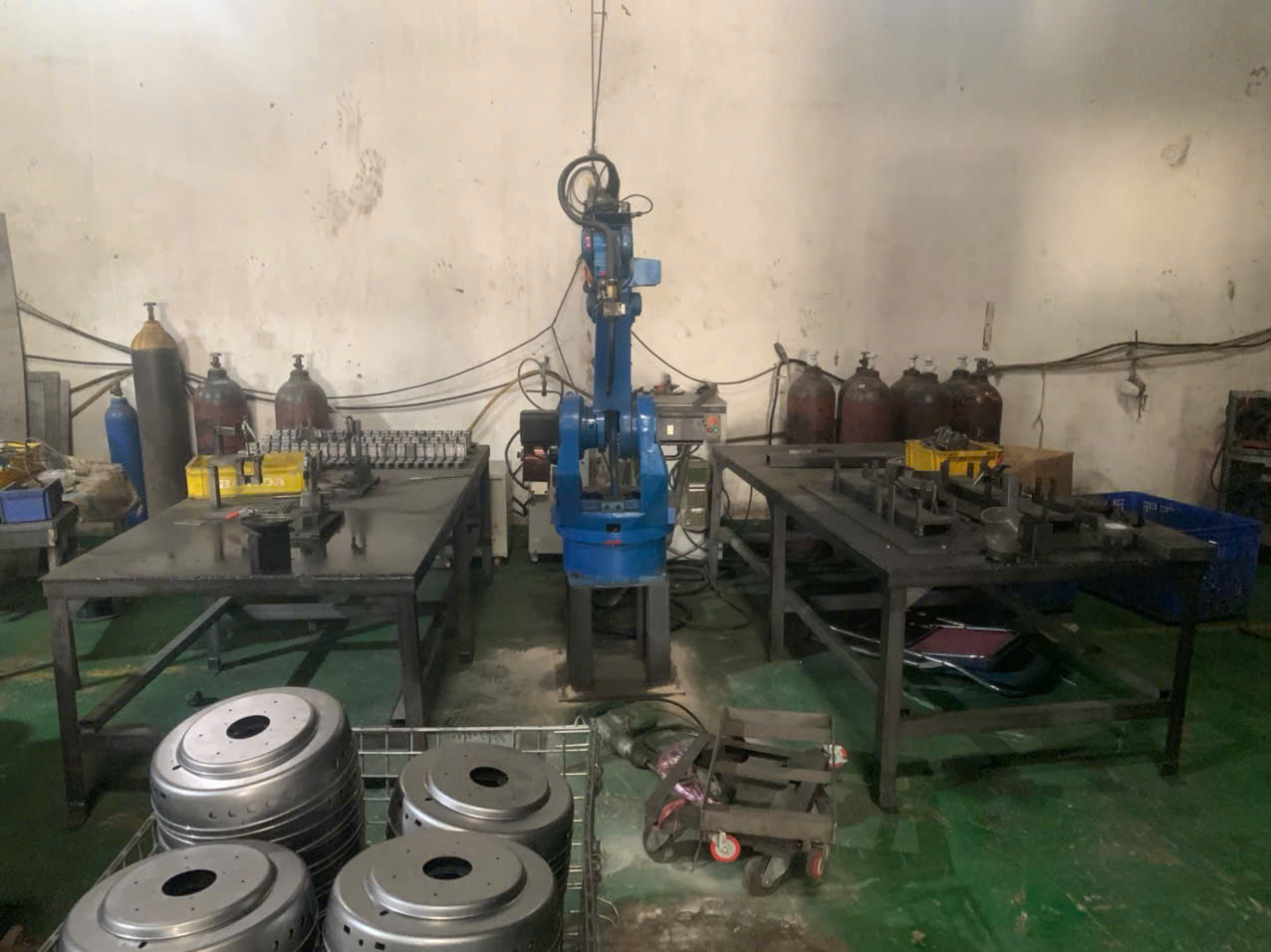
Vietnam's sheet metal fabrication sector has matured quickly. Factories now operate laser cutting systems, CNC press brakes, and robotic welding cells that rival mid-tier Chinese facilities. Our local team of seven employees in Vietnam conducts supplier audits, monitors welding processes, and manages PPAP documentation 5 on the ground. This is not remote oversight — it is boots-on-the-ground quality control.
Side-by-Side Comparison
| Factor | China | Vietnam |
|---|---|---|
| U.S. import tariffs (typical) | 25%+ on many steel/aluminum parts | Significantly lower; favorable trade terms |
| Raw material costs | Competitive but rising | Competitive, with growing domestic steel supply |
| Lead times to U.S. West Coast | 25–35 days ocean freight | 28–38 days ocean freight |
| Fabrication capability maturity | Very high | Rapidly growing; strong in mid-complexity |
| Supply chain diversification | Single-country risk | Reduces geographic concentration risk |
| English communication level | Variable | Improving; supported by our bilingual team |
Managing the Transition
Shifting production from China to Vietnam is not instant. We help clients run pilot programs — typically a first article of 50–100 pieces — to validate the new supplier's capability before committing to full volume. We manage the entire process: sourcing, contract manufacturing, process control, final inspection, and door-to-door logistics. Geographic redundancy 6 is a strategy, not just a buzzword. Having qualified suppliers in both countries gives procurement teams leverage and resilience.
How do I evaluate a supplier's quality control process to guarantee my infrastructure components are right the first time?
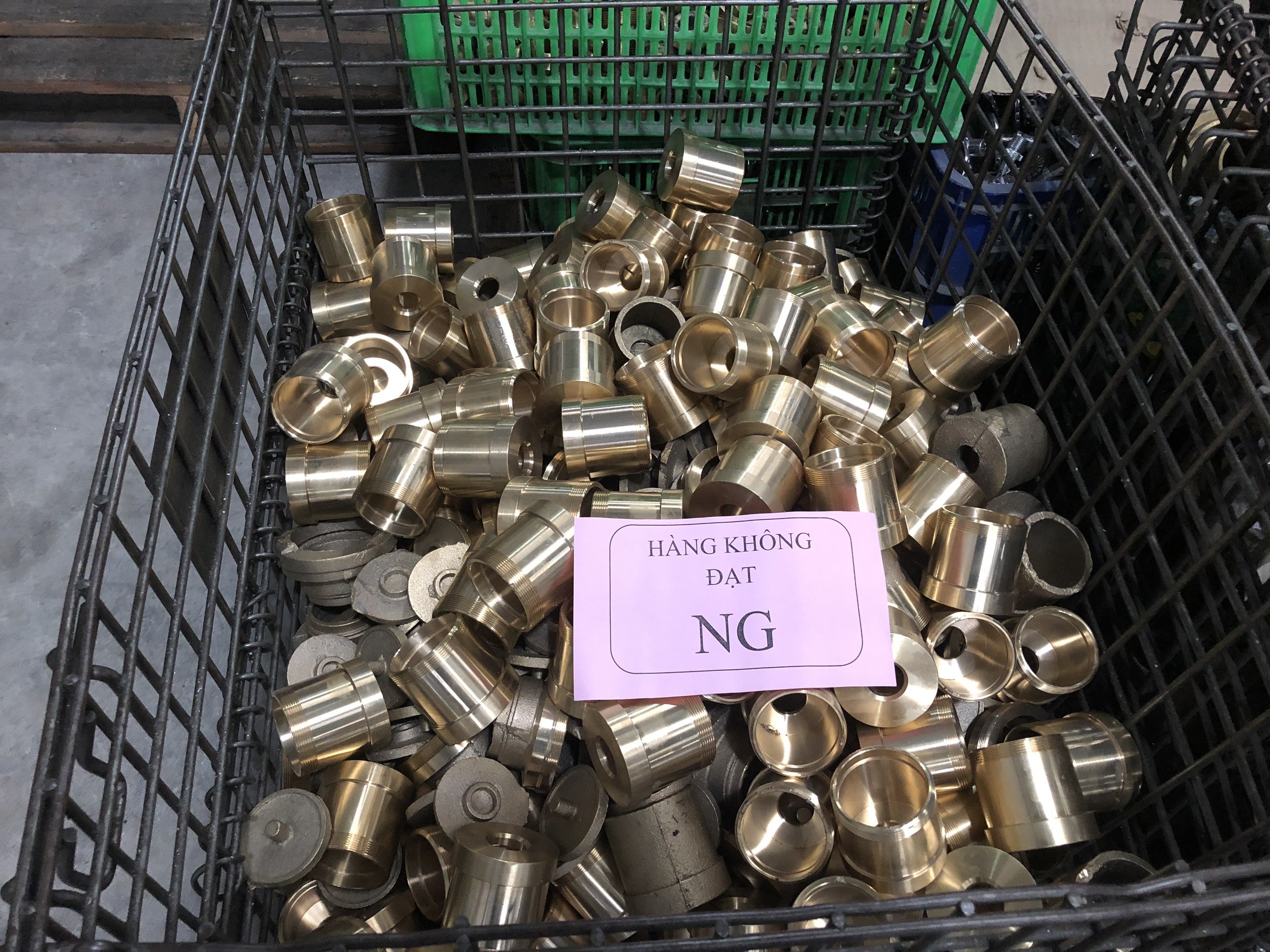
Last year, a purchasing manager told me his previous supplier had shipped 2,000 brackets with weld spatter inside mounting holes. The parts looked fine on the outside. But every single one failed at assembly. That experience taught him — and reinforced for us — that quality control is not about final inspection alone. It is about the entire process.
Evaluate a supplier's quality control by verifying ISO 9001 certification, reviewing their PPAP documentation process, auditing in-process inspection stations, confirming calibrated measurement equipment, and assessing their corrective action system to ensure infrastructure components are right the first time.
Certifications Are the Starting Point, Not the Finish Line
ISO 9001 is table stakes. For infrastructure projects that touch regulated sectors, you may also need suppliers with AS9100D, ITAR registration, or UL authorization. But a certificate on the wall does not guarantee good parts. You need to see how the quality system works in practice.
When we audit a potential supplier, we look at five specific areas:
- Incoming material inspection — Do they verify mill certificates and test raw material hardness, thickness, and surface condition?
- In-process checks — Are operators measuring critical dimensions after each forming or welding step, or only at the end?
- Weld quality verification — Do they follow certified weld procedures (TIG, MIG, or resistance welding) with documented parameters?
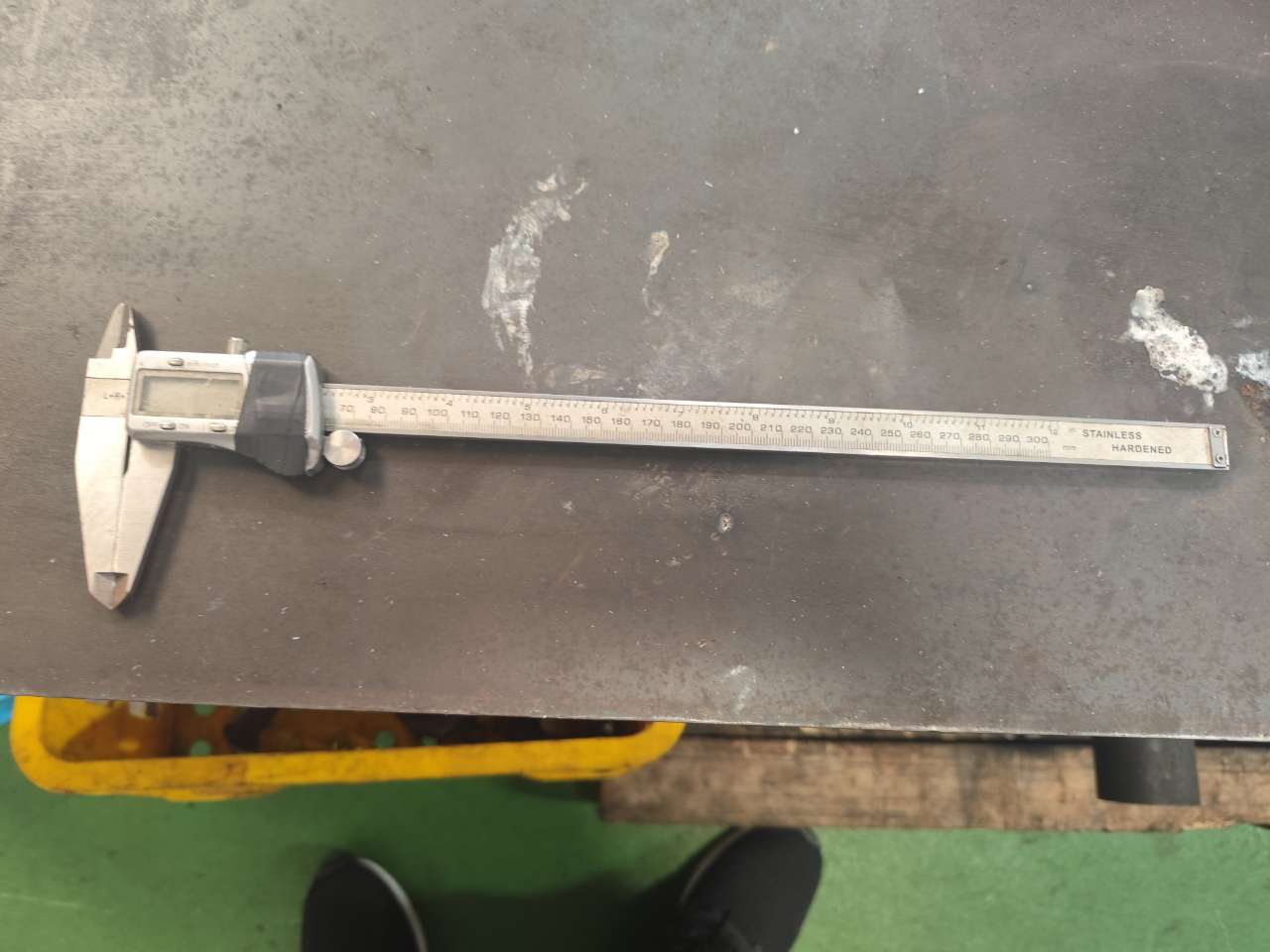
- Final inspection — Do they use calibrated CMMs, calipers, and go/no-go gauges against the drawing?
- Corrective action — When a defect is found, is there a formal root cause analysis and preventive action loop?
Quality Evaluation Checklist
| Evaluation Area | What to Look For | Red Flag |
|---|---|---|
| Certifications | ISO 9001, AS9100D, ITAR, UL as applicable | No current certification or expired audit |
| PPAP capability | Full PPAP package with dimensional reports, material certs, process flow | Supplier unfamiliar with PPAP terminology |
| Measurement equipment | CMM, optical comparator, calibrated hand tools | No calibration stickers or records |
| In-process inspection | Documented checkpoints at cutting, bending, welding | Inspection only at final stage |
| Corrective action 7 system | Formal 8D or equivalent process | No documented response to past quality escapes |
| Traceability | Material lot tracking from raw stock to finished part | No traceability system in place |
Why "Right First Time" Matters for Cash Flow
Every rejected shipment costs more than the parts themselves. You pay for rework, re-shipping, production delays, and sometimes penalties from your own customer. For infrastructure projects with long lead times and tight schedules, a single quality escape can cascade into weeks of delay. This is why we invest heavily in process control — not just checking parts at the end, but controlling unit costs at every step so the output is predictable.
Our approach includes pre-production PPAP for every new part number. We document the process flow, control plan, and measurement system analysis 8 before the first production run. This front-loaded effort pays for itself many times over. It is the difference between hoping for good parts and knowing you will get them.
Can I secure flexible payment terms to manage my cash flow when procuring high-volume sheet metal fabrications?
A conversation I had with a U.S. client last quarter captures a common tension perfectly. He said: "I need 5,000 pieces per month, but I cannot pay for three months of inventory upfront while waiting for my end customer to pay me." Cash flow pressure is real, especially for sourcing companies that sit between Asian factories and American OEMs.
Yes, flexible payment terms such as 60–90 day open account arrangements are available from established suppliers like our team at DEWIN, enabling procurement managers to align outgoing payments with incoming revenue and maintain healthy cash flow on high-volume sheet metal programs.
The Cash Flow Challenge in International Procurement
Most Asian factories demand 30% deposit before production and 70% balance before shipment. For a $200,000 order, that means $140,000 leaves your account before the container even reaches port. Add 30–40 days of ocean freight plus customs clearance, and you may wait 60–90 days from payment to revenue. That gap strains working capital.
How We Structure Payment Terms
At DEWIN, we offer open account terms — typically 60 to 90 days — for qualified clients. This means you receive the goods first and pay later. We absorb the financial risk because we have built long-term relationships with our factory partners and have the operational structure to manage it.
Here is how our payment model compares to the typical factory-direct arrangement:
| Payment Structure | Typical Factory Direct | DEWIN Open Account |
|---|---|---|
| Deposit required | 30–50% before production | None for qualified accounts |
| Balance due | Before shipment (T/T) | 60–90 days after delivery |
| Cash flow gap | 60–90+ days negative | Minimal; payment aligns with revenue |
| Currency risk | Buyer absorbs | Managed through our Singapore entity |
| Credit evaluation | Rarely offered | Formal credit review process |
Why This Matters for High-Volume Programs
Infrastructure procurement often involves recurring monthly orders. If you are buying custom metal components — brackets, enclosures, mounting hardware — at volumes of thousands per month, the cumulative cash tied up in deposits can be enormous. Flexible terms free that capital for other operational needs.
We understand this because our business model is built around it. We are not just a trading company forwarding orders. We manage the full supply chain — OEM co-development, sourcing, supplier audits, process control, inspection, and logistics. That depth of involvement gives us the confidence to extend credit terms that a typical factory cannot.
Qualifying for Open Account Terms
Not every order qualifies on day one. We typically start with a smaller initial order on standard payment terms. Once we establish a working relationship and mutual trust, we transition to open account. The evaluation considers order volume, payment history, and program duration. For serious infrastructure buyers placing consistent orders, 60–90 day terms are standard in our portfolio.
Conclusion
Infrastructure procurement success in sheet metal fabrication depends on mastering material selection, DFM principles, supplier quality control, geographic sourcing strategy, and payment flexibility — all working together to deliver custom components right the first time.
Frequently Asked Questions
How can I ensure my sheet metal supplier accurately interprets complex infrastructure design requirements?
A few months ago, a client sent us a 47-page drawing package for a set of mounting brackets with tight bend sequences and irregular cutouts. The supplier we initially engaged missed three critical GD&T callouts. That single oversight nearly cost six weeks of rework.
What are the benefits of sourcing my custom sheet metal parts from Vietnam instead of China?
One trade-off we weigh constantly is where to place production. Our China office has 21 employees and deep manufacturing networks. But over the past few years, more U.S. clients have asked us to shift work to our Vietnam facility — and the reasons go beyond tariffs.
How do I evaluate a supplier's quality control process to guarantee my infrastructure components are right the first time?
Last year, a purchasing manager told me his previous supplier had shipped 2,000 brackets with weld spatter inside mounting holes. The parts looked fine on the outside. But every single one failed at assembly. That experience taught him — and reinforced for us — that quality control is not about final inspection alone. It is about the entire process.
Footnotes
1. The World Bank is an authoritative source on global infrastructure development and procurement. ↩︎
2. Quality-One provides detailed information on the Production Part Approval Process. ↩︎
3. Wikipedia provides broad background on the ISO standard for STEP files used in manufacturing. ↩︎
4. Official US government source detailing international free trade agreements and tariffs. ↩︎
5. Wikipedia provides a solid overview of the production part approval process framework. ↩︎
6. DHL provides insights into supply chain diversification and resilience strategies. ↩︎
7. Defines corrective action within quality management systems like ISO 9001. ↩︎
8. Wikipedia provides a comprehensive overview of measurement system analysis in quality control. ↩︎